
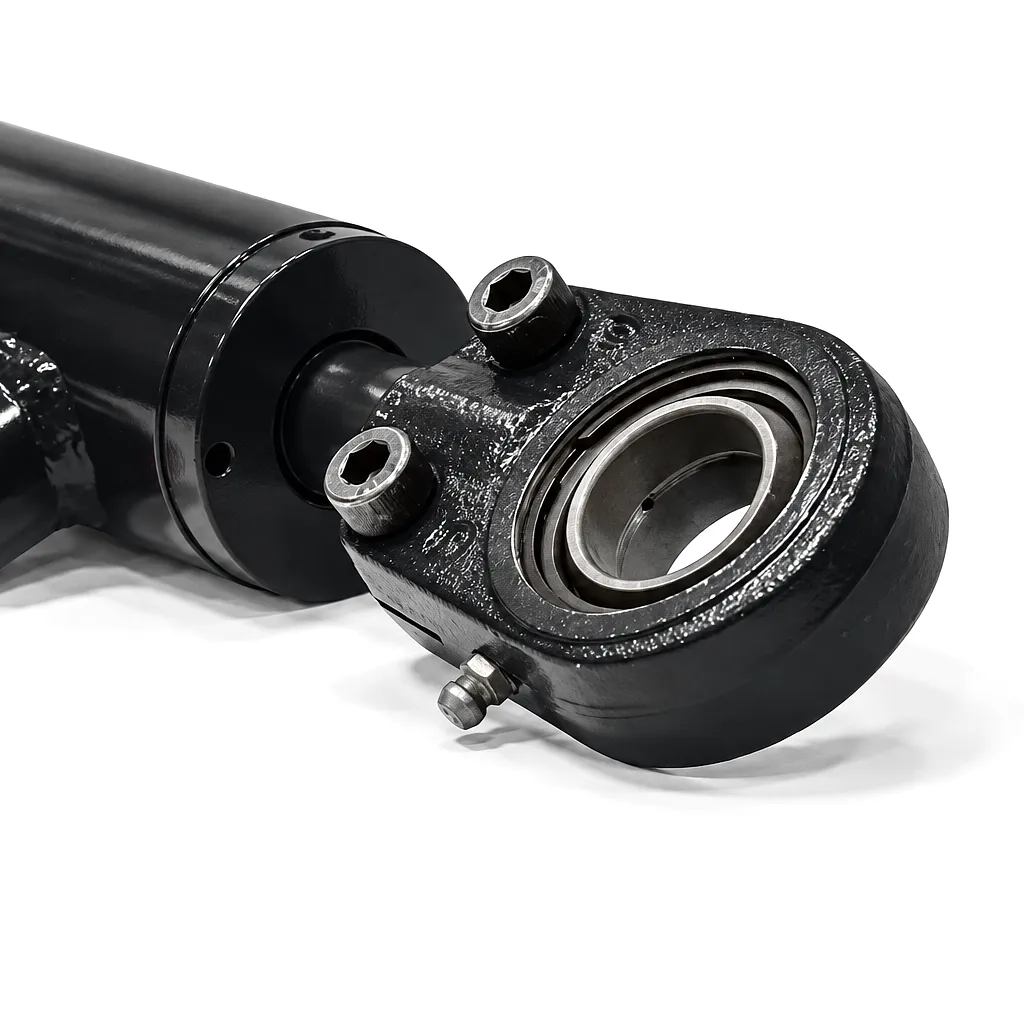
 When a hydraulic cylinder fails prematurely, the cause rarely traces back to the barrel or the seals — it almost always starts at the rod surface. In Birmingham’s pressing plants, Sheffield’s forging facilities, and along the heavy-lift marine infrastructure lining the Humber Estuary, the piston rod endures a relentless cycle of extension, retraction, side-loading, and chemical exposure that ordinary steel simply cannot withstand indefinitely. The question facing procurement engineers and maintenance managers across the UK is not whether rod quality matters, but how the coating specification translates into real operational cost differences across a machine’s working life.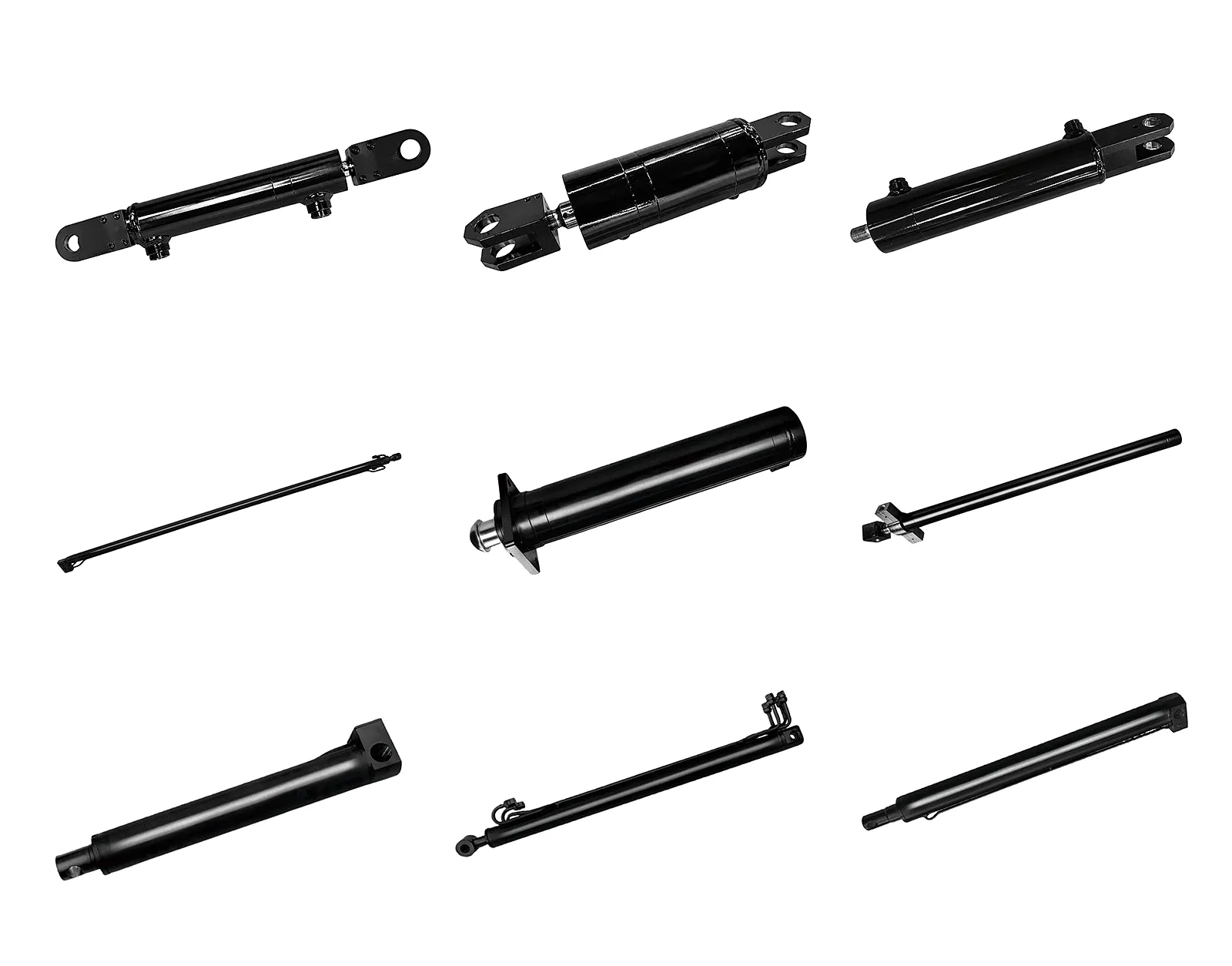
How Chrome Plating Works on a Hydraulic Rod
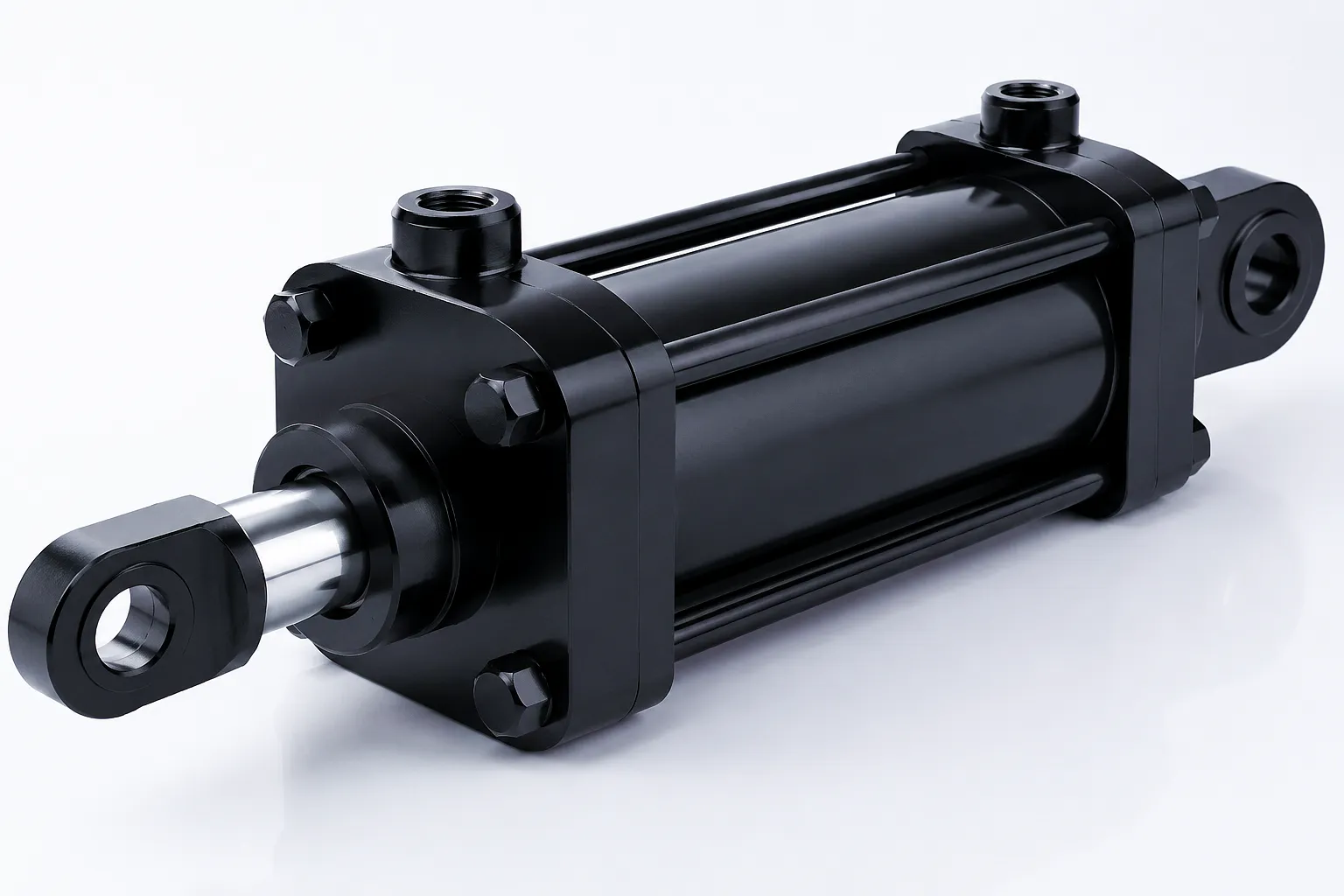 The process that transforms a ground steel bar into a chrome-plated hydraulic rod begins with the base material, typically a high-strength low-alloy steel such as 42CrMo4 or the British Standard equivalent EN 19T. The rod blank is precision-turned and centreless-ground to within a few micrometres of the target diameter before it ever enters the plating tank. Surface finish at the grinding stage matters enormously: any remaining tool marks or micro-pits create stress concentrations that promote fatigue cracking once the chrome layer is applied and the rod enters cyclic loading. Ever Power’s facility operates CNC cylindrical grinding machines capable of achieving Ra surface finishes of 0.2 micrometres or finer before plating commences, providing the ideal substrate for adhesion.
Hard chrome electroplating then deposits a layer of hexavalent or, increasingly, trivalent chromium ions onto the rod surface through an electrolytic bath. Under controlled current density and bath temperature — typically maintained between 50 °C and 55 °C for optimal deposit quality — chromium ions migrate to the cathode (the rod) and bond to the steel substrate at a molecular level. The resulting deposit is not a coating that sits on top of the steel; it integrates at the interface, creating a transition zone that prevents delamination under shock loading. Deposit thickness for hydraulic cylinder rods in demanding UK applications typically runs between 0.015 mm and 0.060 mm, with heavier deposits reserved for applications involving abrasive contamination or severe side-load conditions such as those encountered on construction excavators and agricultural telescopic handlers operating in Scotland’s Highland terrain.
After plating, the rods undergo a low-temperature hydrogen embrittlement relief bake — usually 190 °C for a minimum of four hours — which drives out any atomic hydrogen absorbed during electrodeposition. Skipping this step, as some lower-tier suppliers do, leaves rods vulnerable to delayed brittle fracture, particularly in high-tensile applications. The finished rod is then polished to the specified surface roughness, typically Ra 0.1 to 0.4 micrometres depending on the seal compatibility requirements, and inspected for porosity and adhesion before despatch.
Core Materials and Why They Are Selected
Base Steel
42CrMo4 / EN 19T Alloy Steel
Combines tensile strength of 900–1,100 MPa with good machinability. The chromium-molybdenum composition resists deformation under axial and side loading, making it the reference grade for hydraulic cylinder rods across the UK and EU markets.
Chrome Deposit
Hard Chrome (Cr) 850–1,100 HV
Electrodeposited chromium achieves surface hardness of 850 to 1,100 Vickers — roughly 65–70 HRC — far beyond what induction hardening alone can produce at the surface. The low coefficient of friction (0.17–0.20 against steel with lubrication) reduces seal wear and pumping energy simultaneously.
Standard Rod Alternatives
Plain Steel / Zinc / Induction-Hardened
Plain carbon steel rods (e.g., C45) without surface treatment achieve only 180–220 HV and fail rapidly in corrosive or abrasive environments. Zinc plating offers basic corrosion protection but negligible hardness improvement. Induction hardening produces a harder case but cannot match the corrosion resistance or surface finish consistency of hard chrome.
Emerging Alternative
HVOF Tungsten Carbide / Ceramic
High-Velocity Oxy-Fuel (HVOF) sprayed tungsten carbide coatings offer superior hardness (1,100–1,400 HV) and avoid hexavalent chromium regulation concerns. However, the capital cost per rod remains significantly higher than electroplated chrome, limiting adoption to specialist aerospace and offshore hydraulic applications in the UK for the time being.
Performance Advantages That Define the Chrome-Plated Difference
1. Corrosion Resistance
Chrome-plated rods exposed to salt-spray testing per ISO 9227 routinely achieve 500+ hours before first signs of red rust on the base steel, compared to under 72 hours for uncoated or lightly zinc-plated equivalents. For hydraulic cylinders operating in coastal environments — from the Portsmouth naval dockyards to offshore wind farm maintenance vessels in the North Sea — this difference is not marginal; it is the boundary between annual replacement and multi-year service intervals.
2. Abrasion and Scratch Resistance
With a Vickers hardness of 900–1,050 HV across a correctly applied chrome deposit, the rod surface resists scoring from hard particles that enter the wiper system — inevitable in any open-site machine operating in fields, quarries, or demolition sites. A standard C45 steel rod at 200 HV will accumulate micro-grooves that channel hydraulic fluid past the seals within weeks of field deployment. Those grooves become leak paths, seal destroyers, and the precursor to catastrophic contamination of the hydraulic circuit.
3. Seal Compatibility and Life Extension
Modern polyurethane and PTFE rod seals are designed to run against a surface finish of Ra 0.1 to 0.4 micrometres. Chrome plating, when correctly finished, lands consistently in this band. A rough or pitted standard rod surface abrades the seal lip with each stroke, increasing leakage and triggering premature replacement. Extending seal life from 6 months to 24 months on a hydraulic press in Coventry’s automotive components sector directly translates to reduced maintenance labour, zero-production-downtime risk, and measurable cost per tonne of output improvement.
4. Dimensional Stability Under Load
Hard chrome deposits are applied in the cold state and bonded without heat distortion of the base rod. This preserves the dimensional tolerances achieved during grinding, meaning the installed rod runs concentrically with the barrel bore across its full stroke. Thermal distortion — a recognised failure mode with flame-spray or induction-hardened rods — is effectively eliminated. For precision hydraulic systems such as those driving machine tool clamping units or CNC broaching machines in Leicester’s tool manufacturing cluster, the dimensional integrity of the chrome-plated rod is a functional prerequisite, not a luxury.
5. Low Coefficient of Friction
Chrome’s naturally low affinity for adhesion to seal materials and to itself means the force required to break static friction at the start of each stroke is dramatically reduced. This translates into smoother low-speed control — critical for log splitters, agricultural implement lift arms, and press brake back-gauges — while simultaneously reducing the stick-slip hysteresis that causes positioning inaccuracy in motion-controlled systems.
6. Extended Field Service Life
Independent life-cycle analyses across the European construction plant sector consistently show chrome-plated cylinder rods delivering two to three times the service hours of uncoated equivalents in outdoor mixed-environment operation. When the cost of crane down-time at a North Sea platform, or the penalty clauses in a waste management plant maintenance contract, are factored against the modest premium of a chrome-plated rod over a plain steel one, the business case is unambiguous — even before the environmental cost of early replacement is considered.
Explore our hydraulic cylinder range featuring precision chrome-plated rods:
Technical Performance and Specification Comparison Table
The table below consolidates the primary technical parameters that differentiate chrome-plated rods from their uncoated counterparts. These values reflect Ever Power’s manufacturing specifications and are directly comparable against DIN EN ISO 6020, BS EN ISO 6022, and ISO 3320 cylinder rod requirements. Procurement teams in the UK should verify that supplier-stated hardness and surface finish figures are accompanied by third-party inspection records — not simply quoted from a generic datasheet.
| Parameter | Chrome-Plated Rod | Standard (Plain) Rod | Notes |
|---|---|---|---|
| Base Material | 42CrMo4 / EN 19T | C45 / EN 8 | Higher alloy base supports chrome adhesion |
| Surface Hardness | 850–1,100 HV (65–70 HRC) | 180–250 HV (18–22 HRC) | 4–5x harder surface with chrome |
| Chrome Deposit Thickness | 0.015–0.060 mm | N/A | Heavier deposit for abrasive duty |
| Surface Finish (Ra) | 0.1–0.4 µm | 0.8–3.2 µm | Finer finish extends seal life significantly |
| Salt Spray Resistance (ISO 9227) | 500–1,000 hours | 24–72 hours | Critical for coastal / offshore use |
| Coefficient of Friction | 0.17–0.20 (lubricated) | 0.25–0.40 (lubricated) | Lower friction = smoother actuation |
| Operating Pressure Range | Up to 350 bar | Up to 200 bar (practical limit) | Chrome essential above 210 bar |
| Typical Service Life (outdoor, mixed duty) | 3–6 years | 6–18 months | Subject to maintenance schedule |
| Available Rod Diameter | 20 mm – 300 mm (custom) | 20 mm – 200 mm (standard) | Larger diameters available on request |
| Temperature Range | -40 °C to +200 °C | -20 °C to +120 °C | Dependent on seal material selection |
Industrial Application Scenarios for Chrome-Plated Hydraulic Cylinder Rods
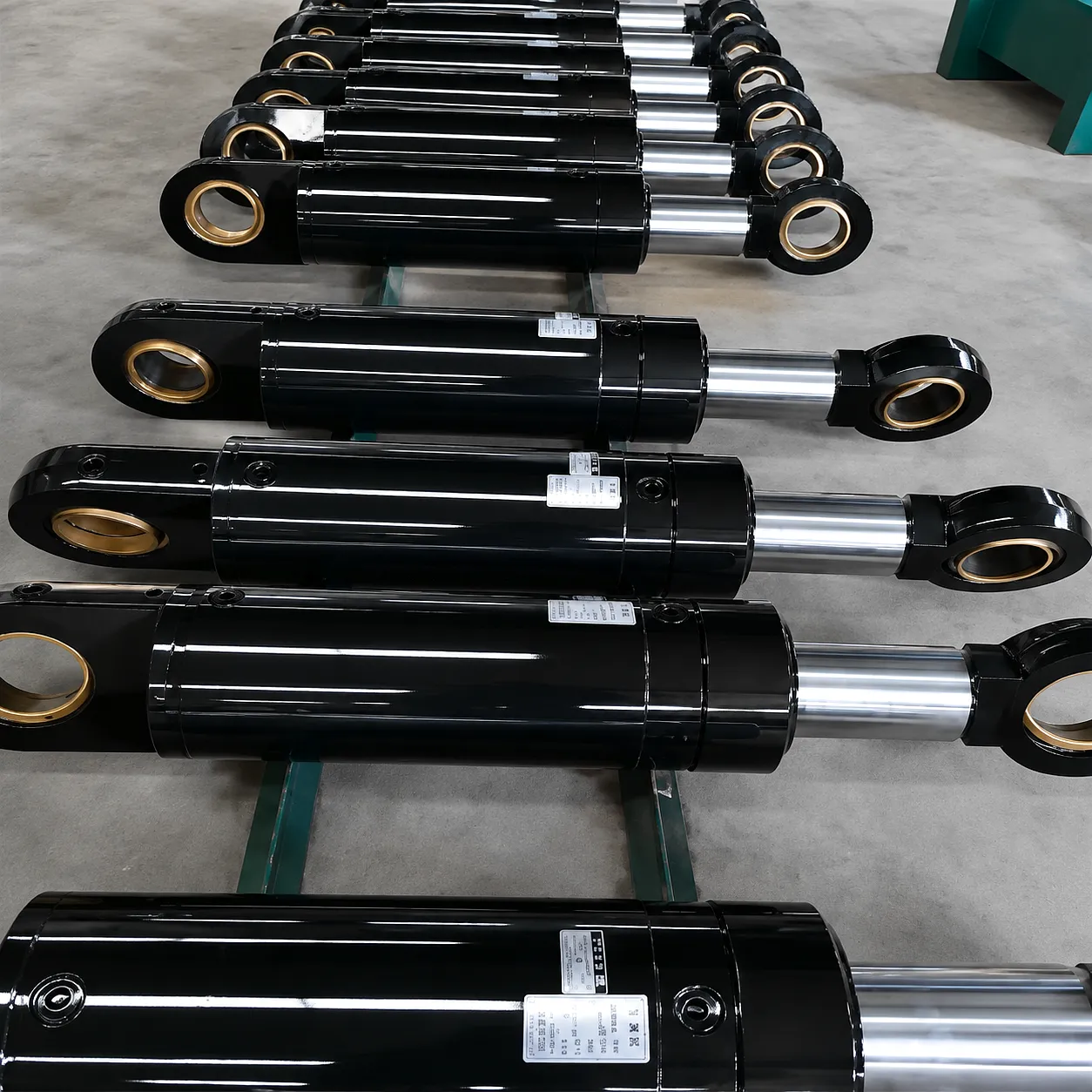
Agricultural and Forestry Equipment — Yorkshire Dales and Scottish Uplands
Telescopic front loaders, round baler knotters, and forestry tippers operating across the Pennines and into Scotland’s Border region spend months exposed to slurry, silage effluent, and freeze-thaw cycles. Chrome-plated hydraulic cylinder rods in these machines must resist the low-pH acids present in agricultural waste liquids while maintaining dimensional integrity after 200,000+ actuation cycles across planting and harvest seasons. Where standard rods would corrode at the thread roots and fail the gland seal within a single season, a correctly specified chrome rod on these machines routinely delivers four to five harvest cycles before intervention is required.
Steel and Metal Pressing — Sheffield and Rotherham Manufacturing Corridors
Hydraulic presses operating in Sheffield’s special-purpose steel forming shops generate cyclic loads at pressures frequently exceeding 250 bar, with rods cycling multiple times per minute across three-shift operations. The combination of high cyclic frequency, metal chip contamination, and cooling fluid mist creates an environment that destroys uncoated rods through pitting and fatigue cracking within months. Chrome-plated rods on these machines not only outlast their standard equivalents — their consistent surface finish ensures the gland seal remains effective long after standard rods would have begun weeping, keeping the press in cycle without costly hydraulic oil top-ups and preventing contamination of precision-formed components.
Marine and Port Hydraulics — Humber Estuary and Merseyside Docks
Hydraulic hatch cover actuators, cargo crane slewing cylinders, and lock gate drives along the Humber Estuary operate in one of the most aggressive corrosive environments imaginable — tidal salt water, combined with diesel exhaust condensate and the constant abrasive loading that comes from dock grime. Standard rods on these applications require replacement annually at minimum. Chrome-plated cylinder rods, particularly those with a deposit thickness at the upper end of the specification range (0.050–0.060 mm), extend service intervals dramatically and qualify for reduced-inspection periods under the UK’s port health and safety maintenance schedules.
Waste Management and Environmental Processing — Birmingham and West Midlands
Refuse collection vehicles operating across Birmingham’s sprawling metropolitan area expose hydraulic systems to leachate — one of the most chemically aggressive fluids encountered in any industrial context. Cylinder rods on compactor mechanisms, bin-lift arms, and tipping gear must withstand not just the load cycling but continuous chemical attack across 10–12-hour operational shifts. Chrome-plated rods are the standard specification for this duty precisely because the passive oxide layer inherent to chromium acts as a second line of defence against acid and alkali attack once the surface film is breached by mechanical contact.
Construction Plant and Civil Engineering — Nationwide UK Infrastructure Projects
Excavator arm cylinders, telescopic boom actuators, and dozer blade tilt rams on major UK civil infrastructure projects — HS2 civils in the Midlands, A66 Trans-Pennine highway reconstruction, and Thames Tideway tunnelling — demand chrome-plated rods as a contractual minimum. Plant hire rates on these projects make down-time prohibitively expensive, and project managers specify chrome-rod cylinders as the only acceptable standard in tender documentation. For OEM cylinder suppliers and machine builders providing equipment to this sector, the chrome specification is non-negotiable.
Forklift Tilt and Mast Cylinders — Logistics Hubs in Northampton and Daventry
Northamptonshire’s position as the UK’s primary distribution logistics hub — home to some of the country’s largest third-party logistics operators — means tens of thousands of forklift trucks operating around the clock across vast refrigerated and ambient warehouses. The tilt cylinders on reach trucks and counterbalance forklifts cycle thousands of times per shift and must resist the combined effects of cold-store condensation, battery acid mist, and abrasive dust from cardboard and packaging materials. Chrome-plated rod specification in this context is the difference between an annual breakdown cycle and a planned five-year maintenance programme.
Ever Power: Precision Manufacturing and Customisation Capability
Custom Bore and Rod Diameter
Ever Power manufactures hydraulic cylinder rods in any diameter from 20 mm through to 300 mm, with intermediate sizes available at 1 mm increments on request. Non-standard diameters are not a premium-cost item — they are part of the standard service offering. UK buyers working to imperial dimensions can specify rods in inch equivalents with metric chrome coating to ISO tolerances, ensuring drop-in fitment with legacy equipment without costly bore resleeving.
Variable Chrome Deposit Specification
Rather than offering a single-thickness plating specification, Ever Power works with customers to select deposit thickness based on duty cycle severity. Light-duty indoor applications receive a 0.015–0.025 mm deposit, while marine-rated and heavy-construction cylinders are specified with 0.045–0.060 mm deposits backed by 1,000-hour salt spray test certification. The plating line capacity allows full rods up to 6 metres in length to be processed in a single immersion cycle, maintaining coating uniformity across the entire working length.
End Machining and Thread Profiles
Every rod despatched from Ever Power’s facility arrives with all end features machined to final print dimensions after plating — not before. This sequence prevents chrome from building up inside threaded bores or on shoulder faces, which would otherwise require hand-dressing and introduce dimensional uncertainty. Threaded ends are available in BSP, UNF, and metric profiles; clevis and ball-eye configurations are machined from solid and heat-treated independently before rod assembly. Coordinate Measuring Machine (CMM) inspection reports are provided as standard for all custom work.
Supply Chain and UK Logistics Support
Ever Power’s export logistics team coordinates directly with UK freight forwarders to deliver complete cylinder assemblies or bare rod sets against confirmed delivery windows. Typical lead time from confirmed technical specification to DDP UK destination is 18–25 working days for standard production runs. Urgent replacement orders on established part numbers can be expedited against express sea-air routing through Felixstowe or air freight into East Midlands Airport. Packaging follows UN export standards with rust-inhibiting VCI film wrapping and end protectors on all rod ends — ensuring chrome surfaces arrive undamaged regardless of transit conditions.
Ready to specify chrome-plated rods for your hydraulic cylinder project?
Our technical team will review your application parameters, duty cycle requirements, and operating environment — then recommend the exact specification that delivers the best service life at the most competitive price for your UK operation.
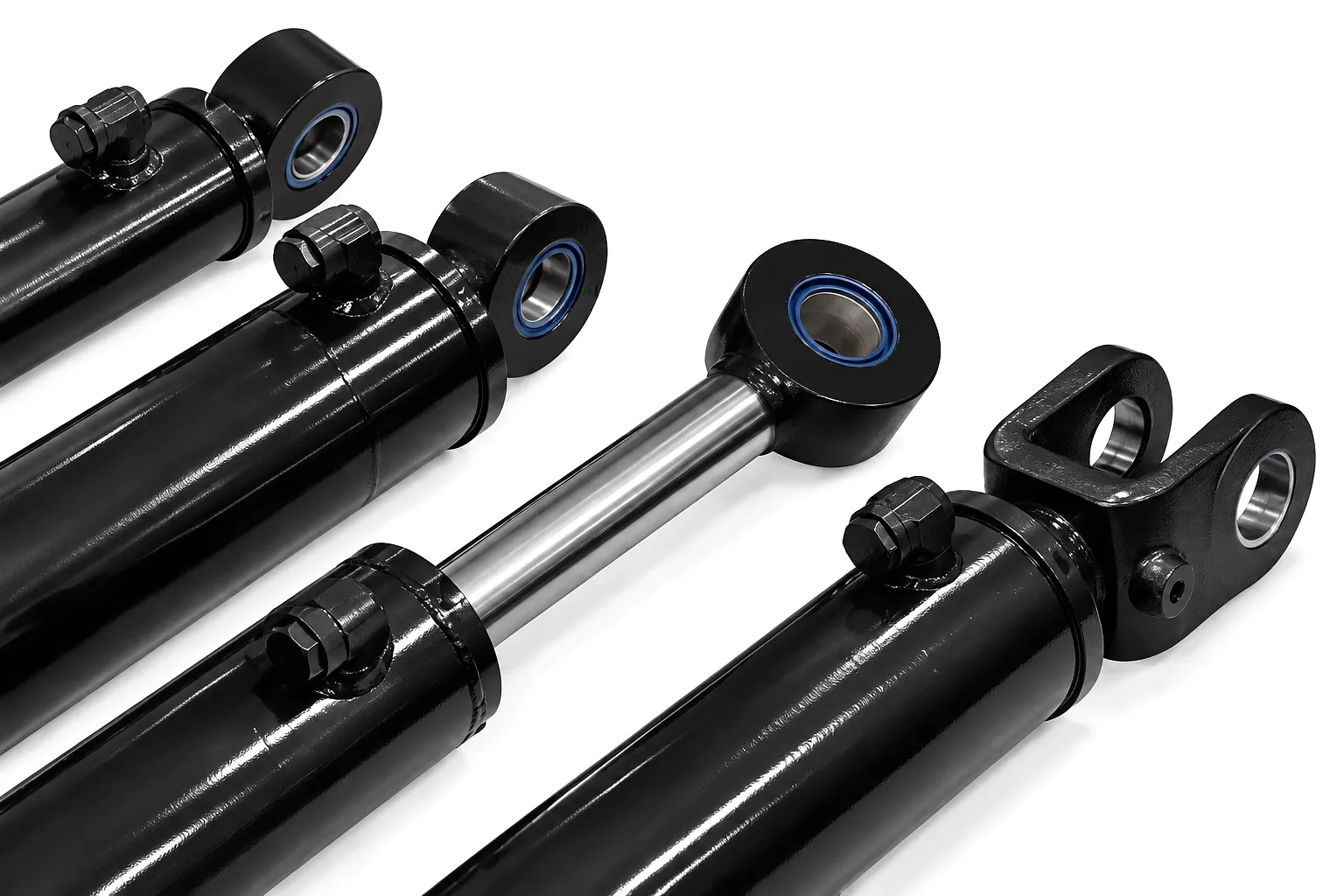
Customer Success Story: Reducing Cylinder Failures at a Sheffield Forging Plant
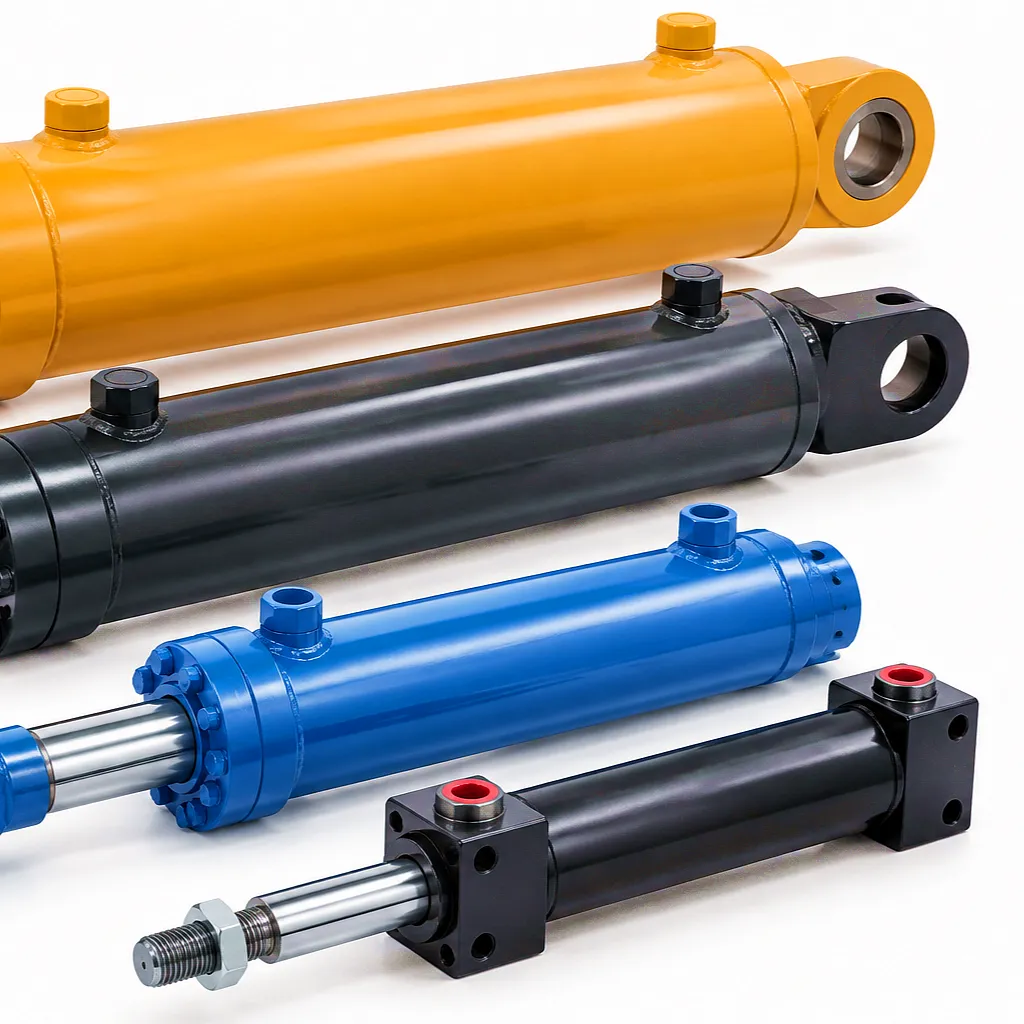 A mid-sized closed-die forging company based in Sheffield’s Lower Don Valley was replacing the hydraulic cylinder rods on its primary press line twice per year. The facility runs two 2,500-tonne closed-die presses around the clock producing aerospace-grade titanium and nickel superalloy forgings for the UK’s defence and civil aviation supply chain. The combination of forging lubricant spray, graphite die coating particles, and the temperature cycling inherent to hot-die operations had been destroying the standard C45 steel rods on the press retract cylinders at an alarming rate — pitting and seizure to the gland seals was causing an average of 14 unplanned stoppages per quarter, each lasting between 3.5 and 6 hours to resolve.
The plant’s maintenance engineering manager contacted Ever Power after a recommendation from a trade contact at a Midlands hydraulics distributor. Following a site visit and a detailed review of the press cycle data, operating pressures, and the chemical composition of the lubricants in use, Ever Power’s engineers proposed a custom specification: 80 mm diameter 42CrMo4 rods with a 0.050 mm hard chrome deposit, Ra 0.2 µm polished finish, and Viton-compatible gland geometry, with the end clevis machined to the plant’s existing retention bolt pattern to allow direct swap-out without any machine modification.
The first set of four Ever Power chrome-plated hydraulic cylinder rods was installed during a scheduled maintenance window in March 2023. By the following March — a full 12-month run — the maintenance log showed zero rod-related stoppages. The rods were inspected at the 12-month service and found to show minimal wear within measurement tolerance; they were returned to service for a second year. The plant has since standardised on Ever Power chrome-plated rods across all twelve hydraulic press cylinders on site, and the annual cylinder maintenance cost has fallen by approximately 68% compared to the previous two-year average under the standard rod specification.
What UK Customers Say About Ever Power Chrome-Plated Hydraulic Cylinder Rods
“We’d tried two other suppliers before Ever Power and both delivered rods that looked fine on receipt but started pitting within six months. Ever Power’s chrome rods on our die-forging press have been in service for over 18 months without a single seal failure. The surface finish is consistently within Ra 0.2 µm — you can measure it yourself when they arrive. That kind of dimensional consistency is what makes the difference when you’re running a press at 120 cycles per hour.”
— Maintenance Engineering Manager, Closed-Die Forging Plant, Sheffield
“Our timber yard handling equipment operates outdoors all year round in Cumbria, and the rods on the log-splitter and timber stacker arms used to corrode through within a winter. Ever Power’s custom chrome-plated cylinders — 60 mm bore, double-acting — went in two winters ago and they still look brand new on inspection. The cost per year of ownership has dropped dramatically. The quote turnaround from Ever Power was also the fastest we received from any supplier, and the technical spec they recommended was clearly based on actual operating knowledge, not just a catalogue.”
— Plant and Equipment Director, Timber Processing Operation, Cumbria
“We source hydraulic cylinder rods for marine hatch actuators operating on short-sea bulk carriers out of Grimsby and Immingham. The salt environment destroys lesser products — we’ve seen bare rods fail in under three months at Humber terminals. Ever Power’s 0.050 mm chrome deposit on 100 mm rod stock has been in continuous service for two years without a single warranty call. Their ability to supply to a custom length with documented inspection reports has made the procurement process genuinely straightforward for our engineering team. Price was competitive even against domestic European suppliers.”
— Hydraulics Procurement Lead, Marine Equipment Supplier, Grimsby
Specifying the Right Rod: A Practical Decision Guide for UK Buyers
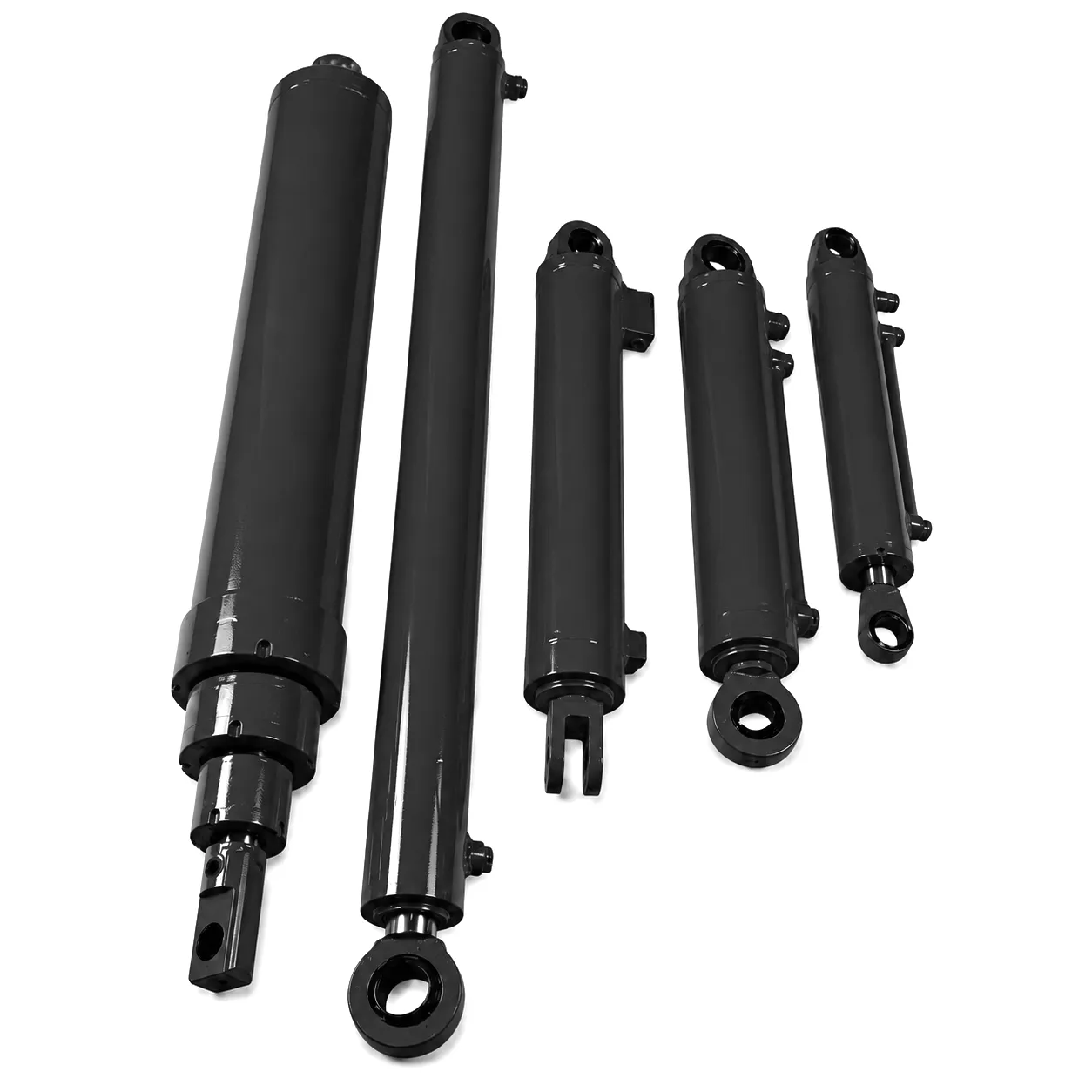
The question buyers most frequently bring to Ever Power’s technical team is not whether to use chrome — in the majority of industrial applications, that question answers itself — but what deposit thickness and base material combination makes the most commercial sense for their specific duty cycle. The answer requires honest characterisation of three variables: the chemical environment the rod will encounter (acids, alkalis, saline water, hydraulic oil only), the mechanical loading pattern (continuous low-speed, high-frequency short-stroke, or occasional long-stroke high-load), and the maintenance accessibility of the machine in service. A hydraulic cylinder buried deep inside a production machine with limited access needs to be specified more conservatively — thicker deposit, higher-grade steel — than an exposed agricultural cylinder that can be inspected and serviced in the field within 30 minutes.
UK buyers should also consider whether their application falls within the scope of the REACH regulation restrictions on hexavalent chromium (Cr VI), which affects some coating processes but not the finished plated component in most hydraulic applications. Ever Power’s technical team can advise on whether trivalent chrome alternatives or HVOF coatings are required for specific end-use applications under current UK regulatory interpretations post-Brexit, and can supply the relevant material safety documentation required by UK HSE standards for workplace exposure assessment.
The practical upshot is that chrome-plated hydraulic cylinder rods, when correctly specified and sourced from a manufacturer with genuine process control — not simply a trading company relabelling commodity stock — represent the most cost-effective approach to hydraulic reliability across a very wide range of UK industrial and mobile applications. The premium over a standard rod, typically 20–35% on the rod cost alone, pays back within the first service interval in almost every demanding application, and continues to deliver compounding savings across the system life.
Frequently Asked Questions: Chrome-Plated Hydraulic Cylinder Rods for UK Industries
▶ How much does a custom chrome-plated hydraulic cylinder rod cost to source from a UK-compatible supplier, and what factors affect the price?
The cost of a chrome-plated hydraulic cylinder rod depends on base material grade, rod diameter, finished length, deposit thickness specification, and end machining complexity. For common sizes (40–100 mm diameter, 500–1,500 mm length), the rod premium over plain steel typically runs 20–35%. For an accurate quote specific to your application parameters and UK delivery requirements, contact Ever Power directly at [email protected] — turnaround on technical quotations is typically within 24 hours.
▶ What is the best hydraulic cylinder rod specification for outdoor construction plant operating in the UK’s wet climate?
For outdoor construction plant in the UK — which combines persistent rain, clay soil contamination, and freeze-thaw cycles — the recommended specification is 42CrMo4 base steel with a hard chrome deposit of 0.040–0.060 mm thickness, finished to Ra 0.2–0.4 µm. This provides adequate corrosion resistance for the UK’s temperate-maritime climate while maintaining the surface hardness needed to resist abrasion from gritty soil particles entering the wiper system. Cylinders on boom and dipper arms should also be specified with double-lip wiper seals to complement the chrome rod performance.
▶ Where in the UK can I get hydraulic cylinder rods with chrome plating supplied against a traceable inspection certificate?
UK buyers requiring documented chrome deposit inspection — thickness measurement, adhesion, surface finish Ra values — can source directly from Ever Power, which supplies to UK customers with full third-party inspection reports, material test certificates, and CMM dimensional records as standard for custom rod orders. Delivery is coordinated into UK ports including Felixstowe, Southampton, and Tilbury, with DDP incoterms available. Contact [email protected] with your specification and delivery postcode for a tailored logistics quotation.
▶ How long do chrome-plated hydraulic cylinder rods typically last in Sheffield’s heavy forging and pressing industry compared to standard rods?
In Sheffield’s forging sector, chrome-plated cylinder rods in press retract applications consistently outperform standard C45 rods by a factor of three to five times in service life, based on documented customer experience. Standard rods in this environment typically require replacement every six to nine months; correctly specified chrome rods routinely run 24–36 months between planned service interventions. The exact service life depends on lubrication management, wiper seal condition, and the specific forging lubricant chemistry in use at the facility.
▶ Which hydraulic cylinder rod coating should I specify for marine applications at Humber Estuary and North Sea offshore installations?
For Humber Estuary marine applications and North Sea offshore environments, the minimum recommended specification is hard chrome at 0.050–0.060 mm deposit thickness with 1,000-hour salt spray certification per ISO 9227. For fully submerged or splash-zone applications, HVOF tungsten carbide or nickel-chrome alloy composite coatings may be worth evaluating alongside hard chrome. Ever Power’s engineering team can provide a comparative specification assessment and sample inspection documentation for the coating option relevant to your offshore application — contact [email protected] for a consultation.
▶ When is it worth paying the chrome rod price premium over a standard induction-hardened rod for agricultural machinery used across Yorkshire farms?
The chrome premium pays back in agricultural applications any time the machine operates outdoors through more than one full season, is exposed to slurry or silage effluent, or is used in abrasive soil conditions. Yorkshire’s clay-heavy soils and the region’s intensive livestock farming mean that cylinders on front loaders, muck spreaders, and telescopic handlers will encounter chemical and abrasive attack year-round. An induction-hardened rod provides adequate wear resistance but lacks the corrosion protection of chrome; in Yorkshire’s environment, the chrome specification pays back its premium cost within a single additional maintenance-free season.
▶ Who should I contact to get a competitive quote for chrome-plated hydraulic cylinder rods delivered to the UK, and what information do I need to provide?
To get a quote from Ever Power, send an email to [email protected] with the following: rod diameter (mm or inch), finished length, required chrome deposit thickness (or describe the operating environment and let the engineering team specify it), end machining requirements (plain, threaded, clevis), quantity, and UK delivery postcode. Inspection documentation requirements should also be stated upfront. The team will respond within 24 hours with a full technical specification confirmation and commercial quotation, including incoterm options and estimated transit time to your UK site.
Ever Power — Hydraulic Cylinder Specialists
Precision Chrome-Plated Hydraulic Rods — Custom Manufactured to Your Specification
Supplying UK industry, construction, agriculture, and marine sectors with hydraulic cylinders that perform where standard components fail.
edit by gzl
 English
  Italian
  Portuguese
  Dutch
Dutch  Swedish
  Danish
  Finnish
  Polish
  Hindi
Hindi  Kazakh
  Turkish
  Ukrainian
  Romanian
  Spanish
  German
  Russian
  Korean
  Japanese
  Vietnamese
  Thai
Thai  Indonesian
  Malay
Malay  French
  Greek
Greek