
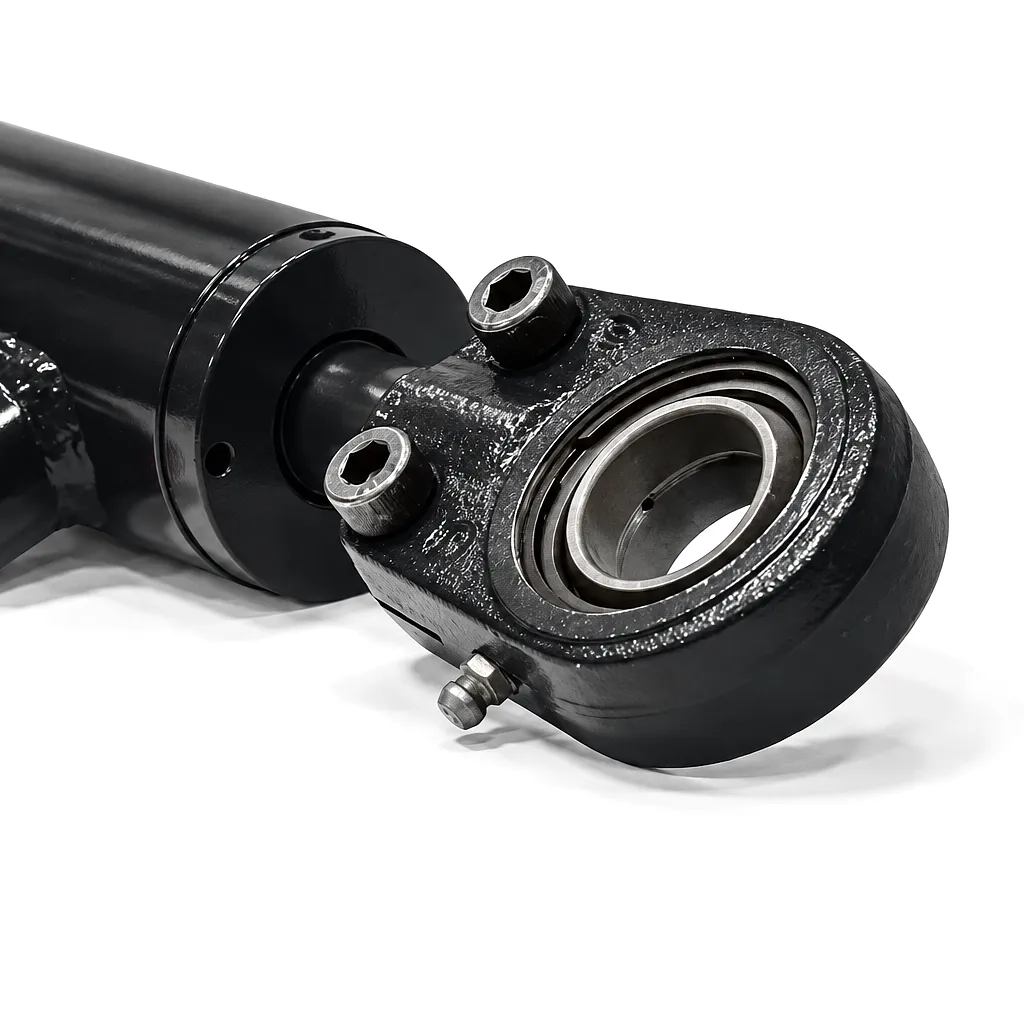
What Exactly Is a Hydraulic Cylinder Pressure Test?
 A pressure test — sometimes called a hydrostatic test or proof test — is a quality assurance procedure in which a completed hydraulic cylinder is subjected to controlled internal fluid pressure that exceeds its rated working pressure by a defined margin. The cylinder is charged with hydraulic fluid or water-based fluid, pressurised to the test level using calibrated pumps and gauges, and held at that pressure for a set duration while technicians monitor for leakage, deformation, or pressure drop.
The underlying logic is straightforward: if a cylinder can withstand 1.5 times its rated working pressure — a common industry multiplier — without any measurable degradation in its structural integrity or seal performance, then operating at normal working pressure provides a meaningful safety buffer. For boom cylinders in particular, where a single structural failure can result in a collapse of tonnes of material or machinery, this buffer is not a luxury — it is a regulatory and engineering necessity. UK purchasers supplying equipment to construction sites under PSSR 2000 (Pressure Systems Safety Regulations) need documented evidence that this testing has been conducted correctly.
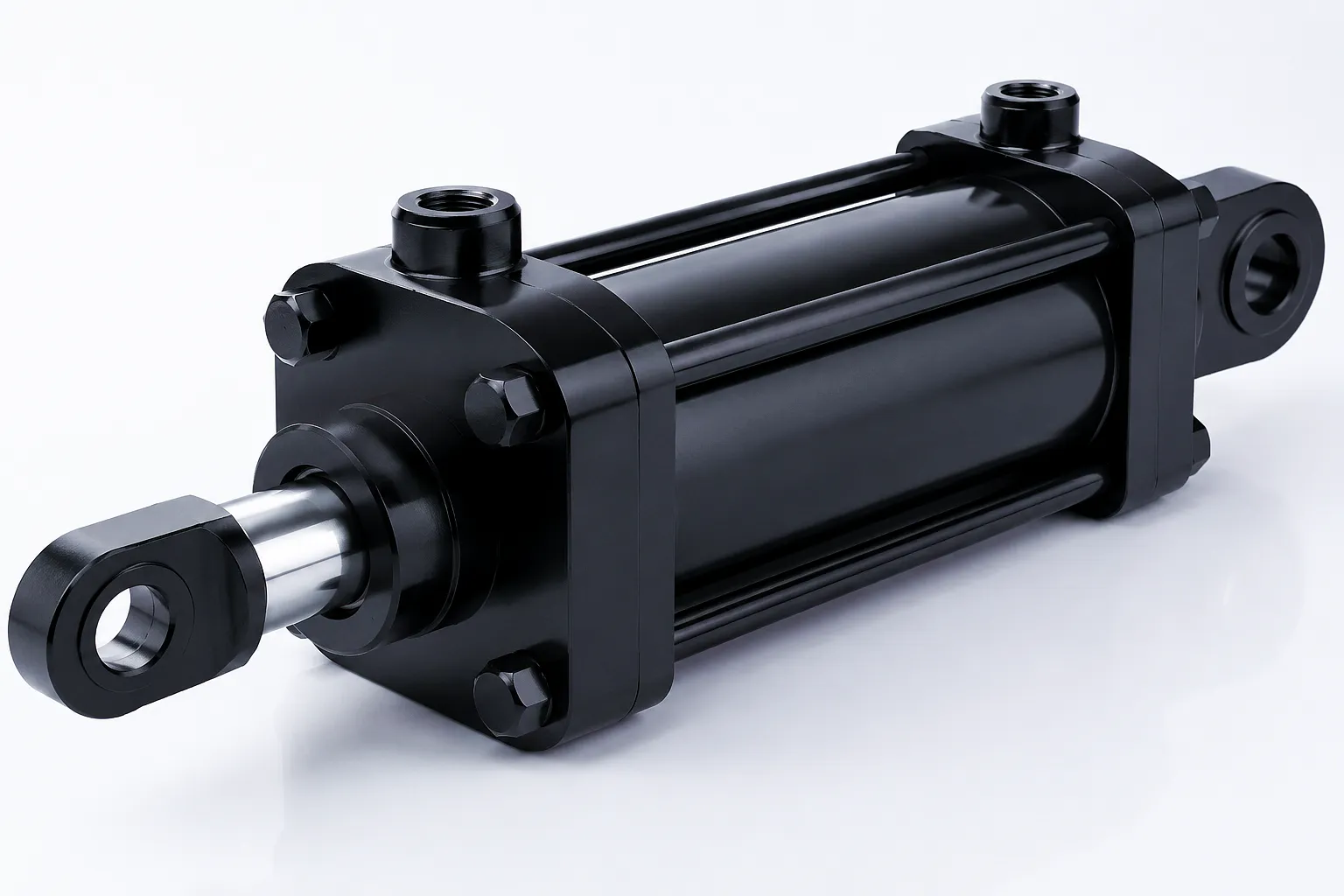
The test is not a single event but a sequence of related checks, each targeting a different failure mode. Seal integrity, barrel wall strength, port thread soundness, and end cap weld quality are all evaluated at distinct stages. Understanding how that sequence unfolds gives procurement engineers a far clearer picture of what a “passed pressure test” certificate actually guarantees.
Pre-Test Preparation: Cleaning, Assembly Verification, and Fluid Selection
Before any pressure is applied, the cylinder must be in a verifiably clean and correctly assembled state. Contamination inside a hydraulic cylinder is one of the leading causes of premature seal failure and internal scoring, so the cleaning stage is treated as a non-negotiable checkpoint at Ever Power’s manufacturing facility. Barrel bores are flushed using filtered hydraulic oil to remove machining swarf, burrs, or particulate matter. Cleanliness is measured using ISO 4406 particle count standards, with counts logged against the specific cylinder’s serial record.
Assembly verification follows. A trained inspector checks torque values on all end cap fasteners against the engineering drawing specification, confirms piston seal orientation (a reversed seal will pass a static test but fail dynamically), and checks that the rod bearing is correctly seated with no tilt. Thread engagement depth at port fittings is measured with a thread gauge — insufficient engagement is a common failure point that can blow out under test pressure if missed.
Fluid selection for the test itself matters more than many buyers realise. Water-glycol mixtures are sometimes used for fire safety in test rigs, but they carry corrosion risks if any residual moisture is left in the cylinder. At Ever Power, the default test medium is filtered mineral hydraulic oil — the same class of fluid the cylinder will use in service — which eliminates compatibility concerns and leaves the cylinder in a ready-to-ship state without requiring a separate flush cycle.
The Three-Stage Pressure Test Protocol
Static Proof Pressure Test
The cylinder is fully extended and pressurised to 1.5× the rated working pressure (for example, 450 bar for a 300-bar-rated cylinder). Pressure is held for a minimum of 60 seconds with no pump input. Any drop in gauge reading indicates internal leakage past the piston seal or an external leak at ports, weld seams, or end cap joints. The entire external surface is inspected visually and with a UV dye if required. No visible seepage is permitted — even a damp patch at a port is a fail.
Dynamic Cycling Leakage Test
The cylinder is cycled through full stroke — extend and retract — a minimum of five times at rated working pressure. This dynamic phase reveals seal failures that only appear when the piston and rod seals are moving under pressure, particularly around the rod wiper seal and guide bush interface. Rod surface finish is re-inspected after cycling for any signs of scoring or polishing that might indicate a pre-existing surface defect. Dynamic leakage is measured in ml/min and compared against allowable limits defined in the relevant ISO 6020 standard.
End-of-Stroke Cushion and Back-Pressure Test
Cylinders equipped with internal cushioning — which is standard on heavy boom applications — are tested for cushion function at the end of each stroke. The cushion check valve is verified for correct cracking pressure, and the adjustable cushion needle is cycled through its full range to confirm no flow restriction outside of design parameters. A back-pressure test applies pressure from the rod side of the cylinder while the cap end port is restricted — confirming rod seal integrity under reverse load, which mimics the load conditions experienced on boom retraction in excavator and crane applications.
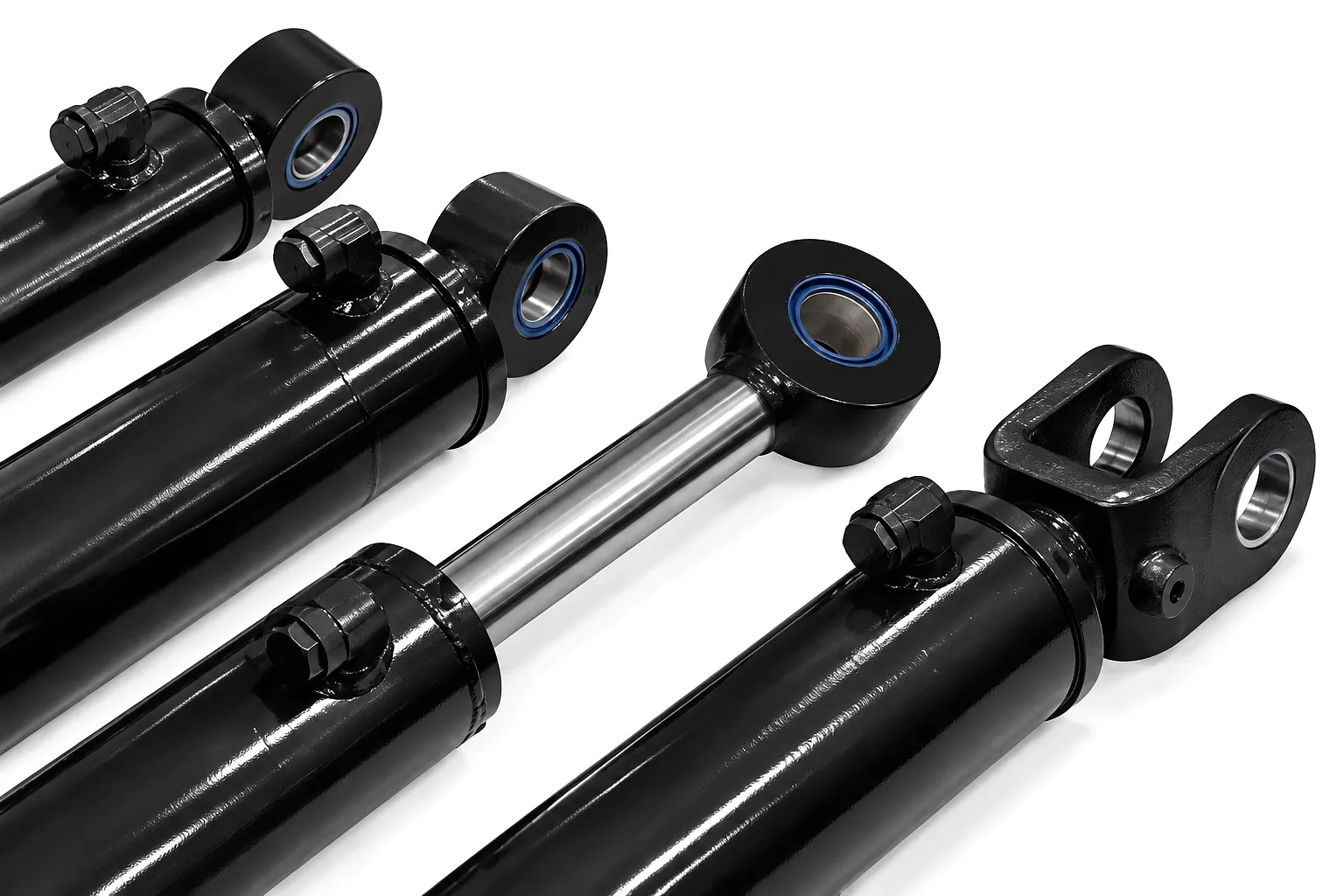
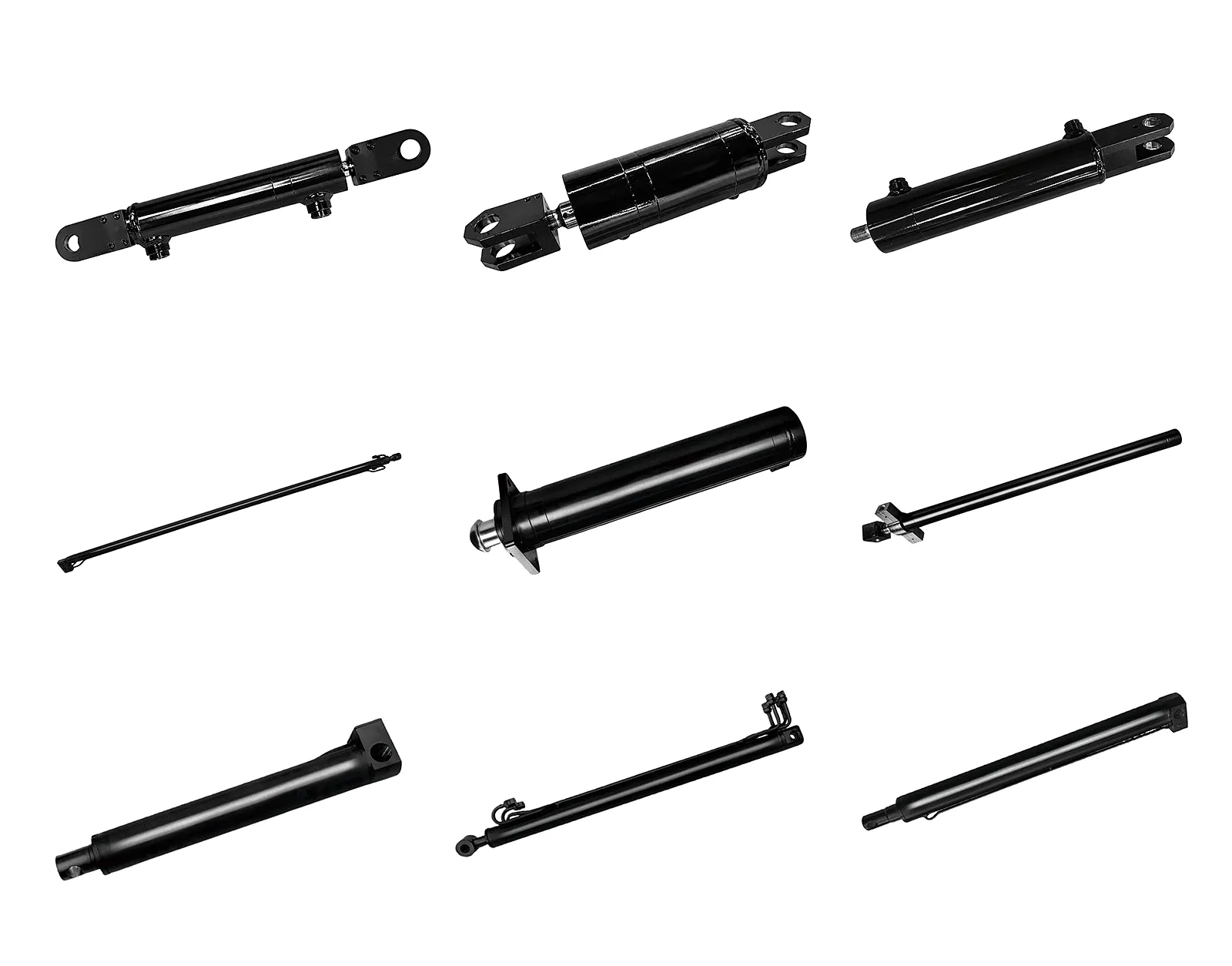
Boom Cylinder Test Parameters and Performance Specifications
The table below outlines the standard test and performance parameters applied across Ever Power’s boom cylinder range. Custom-built cylinders for specific machine models — including non-standard bore sizes requested by OEMs in Birmingham or Aberdeen — are tested to the same protocol, with test pressure scaled to the agreed rated working pressure of that specific unit. All figures comply with ISO 6020-2 and BS EN ISO 16030 requirements relevant to industrial hydraulic cylinder manufacture and certification.
| Parameter | Standard Range | Custom / Heavy-Duty Range | Test Standard |
|---|---|---|---|
| Bore Diameter | 50 mm – 200 mm | 200 mm – 500 mm | ISO 6020-2 |
| Rated Working Pressure | 160 – 300 bar | 300 – 420 bar | BS EN ISO 16030 |
| Proof Test Pressure (static) | 1.5× rated (240 – 450 bar) | 1.5× rated (up to 630 bar) | ISO 10100 |
| Static Hold Duration | 60 seconds minimum | 120 seconds minimum | ISO 10100 |
| Dynamic Test Cycles | 5 full strokes at rated pressure | 10 full strokes at rated pressure | ISO 6020-2 |
| Allowable External Leakage | Zero visible seepage | Zero visible seepage | ISO 6020-2 |
| Rod Diameter Range | 35 mm – 160 mm | 160 mm – 380 mm | ISO 6020-2 |
| Rod Surface Hardness (chrome) | 850 – 1000 HV | 850 – 1100 HV | ASTM B177 |
| Seal Material | NBR / PU standard | FKM / PTFE-lined optional | DIN 51524 |
| Operating Temperature Range | -20°C to +80°C | -40°C to +120°C (FKM seals) | ISO 23309 |
| Stroke Length (standard) | 100 mm – 3,000 mm | Up to 6,000 mm | Custom to drawing |
Why Material Selection Directly Affects Pressure Test Outcomes
A hydraulic boom cylinder can only pass a rigorous pressure test if its constituent materials are fit for the duty cycle. The choice of barrel steel, rod steel, and seal compounds are not incidental — they determine whether the cylinder survives the proof test, and by extension, whether it survives the years of service that follow. At Ever Power, barrel tubes are manufactured from seamless cold-drawn steel to DIN 2391 standard, with a minimum yield strength of 560 MPa. Cold-drawing eliminates the axial weld seams present in welded tube, removing the principal failure initiation point that causes burst failures under high cyclic loading.
Piston rods are produced from EN 10083 grade 42CrMo4 steel — a chromium-molybdenum alloy that offers excellent fatigue resistance alongside a high tensile strength typically in the range of 900–1100 MPa after heat treatment. The chrome plating applied to the rod surface is not simply cosmetic: hard chrome to a thickness of 25–40 micrometres provides the corrosion resistance essential for outdoor applications on UK construction sites, along with a surface hardness that protects seal lips from abrasive damage during rod retraction.
Seal selection follows application analysis. Standard NBR (nitrile rubber) seals perform well in mineral oil environments up to 80°C, but for boom cylinders operating in steel-mill environments or adjacent to high-temperature processes — common in Sheffield and Scunthorpe plant environments — FKM (Viton) seals are specified. PTFE-backed guide rings reduce stick-slip behaviour and extend seal life significantly in slow-stroke, high-load applications such as press booms and forming machine actuators.
Related Products from Our Cylinder Range
Compact rotary design for steering and articulation applications. Every unit pressure-tested to 1.5× rated working pressure before despatch.
View Product →
High-cycle forklift tilt cylinder with dynamic seal leakage tested across full stroke before shipping. Suitable for warehouse and industrial logistics environments across the UK.
View Product →
Industrial Application Scenarios Where Pressure Test Certification Matters
Construction and Excavation — Birmingham and West Midlands
Large-scale earthmoving projects across Birmingham’s ongoing regeneration schemes require excavator boom cylinders rated to 300+ bar. Proof-test documentation is increasingly required by main contractors as part of plant acceptance. Cylinders without traceable test records can result in plant being taken off site by HSE inspectors.
Steel and Metal Processing — Sheffield and Rotherham
Hydraulic cylinders used in billet handling, press feed, and melt shop operations in South Yorkshire’s steel belt face extreme thermal cycling and vibration. Dynamic cycling tests at rated pressure confirm that seals maintain integrity under conditions that would cause standard-grade cylinders to weep and contaminate melt troughs with oil — a costly production shutdown risk.
Marine and Port Handling — Bristol and Southampton
Port crane boom cylinders operating in tidal salt-air environments at Bristol’s Avonmouth docks or Southampton Container Terminal demand both corrosion resistance and documented pressure integrity. Marine classification societies including Lloyd’s Register may specify minimum pressure test protocols as a condition of class certification for port handling equipment — making formal test records a commercial necessity, not just good practice.
Automotive Stamping and Press Lines — Coventry and Sunderland
Body-in-white stamping presses in UK automotive plants operate at extremely high cycle rates — often 8 to 15 strokes per minute. Boom cylinders driving upper bolsters are subjected to continuous dynamic loading over three-shift production cycles. End-of-stroke cushion testing ensures deceleration is correctly tuned to prevent impact loads that would otherwise reduce tool life and generate the structural fatigue that makes high-cycle dynamic test data so relevant to plant engineers.
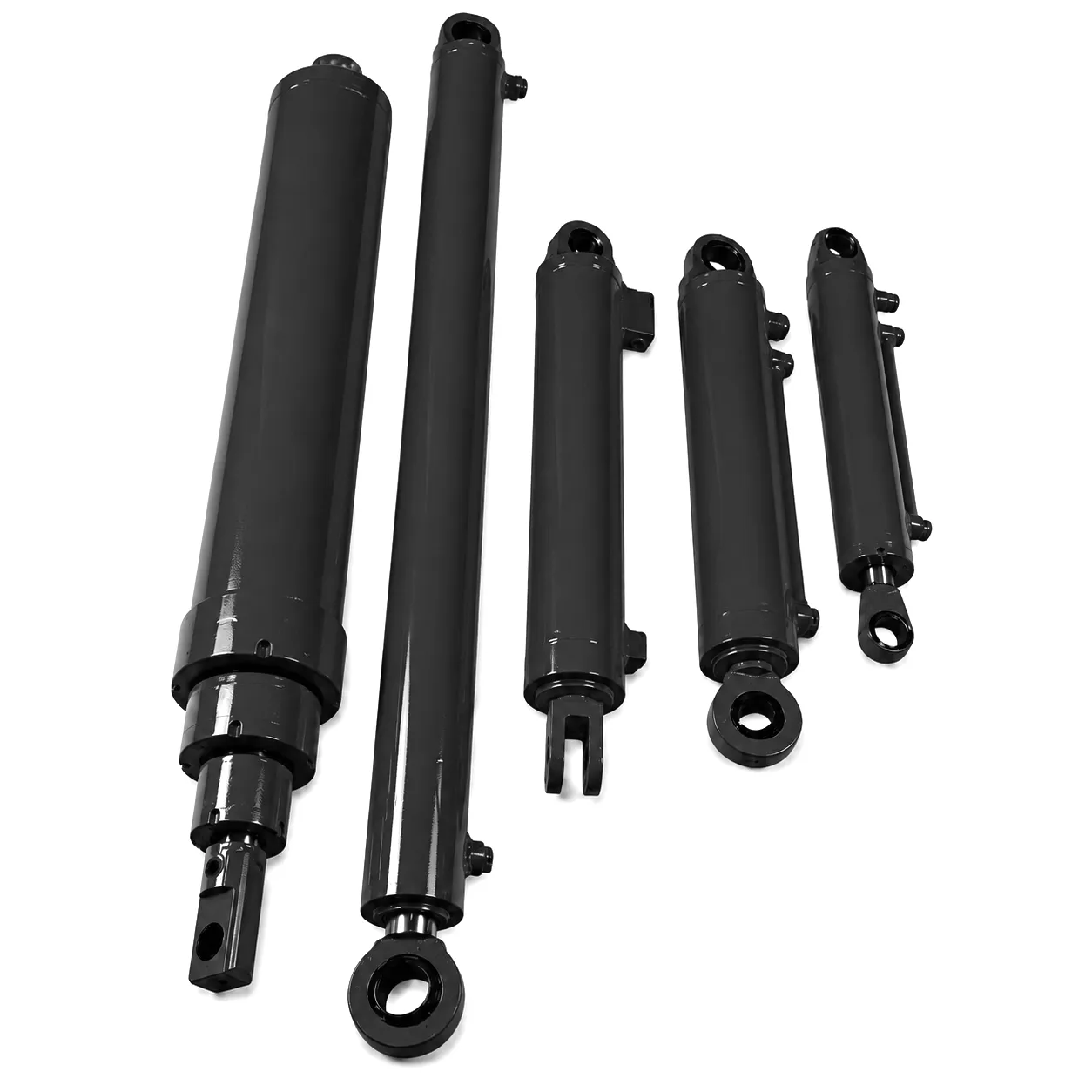
What a Proper Pressure Test Certificate Should Contain
Receiving a test certificate labelled “passed hydraulic test” tells you almost nothing unless it contains specific recorded data. Procurement engineers and service engineers in the UK dealing with warranty claims or insurance investigations need proper documentation — and a reputable supplier should provide it without being asked. At Ever Power, the test report issued with every boom cylinder contains the cylinder serial number, bore and rod dimensions, rated working pressure, the actual test pressure applied, gauge serial number (with calibration date and traceability to UKAS-accredited standards), and the duration of the static hold.
Dynamic cycle counts and the name of the technician who performed the test are included, along with the date of testing and the batch number of the seal kit installed. If UV dye was used during the external leakage inspection, this is noted. Back-pressure test results — rod seal pass/fail — are documented separately from the main proof test. For cylinders destined for PSSR 2000-regulated pressure systems, Ever Power can provide a Declaration of Conformity cross-referencing the specific test parameters against the relevant sections of the regulation.
Calibration traceability is not a paperwork formality. Pressure gauges drift over time — a gauge that reads 450 bar on a worn bourdon tube may be delivering 390 bar in reality, meaning the cylinder was never actually tested at the specified proof pressure. Ever Power’s test rigs use digital pressure transducers calibrated every six months against deadweight tester references, with certificates kept on file and available to customers on request.
Ever Power Manufacturing: Precision Testing at Factory Scale
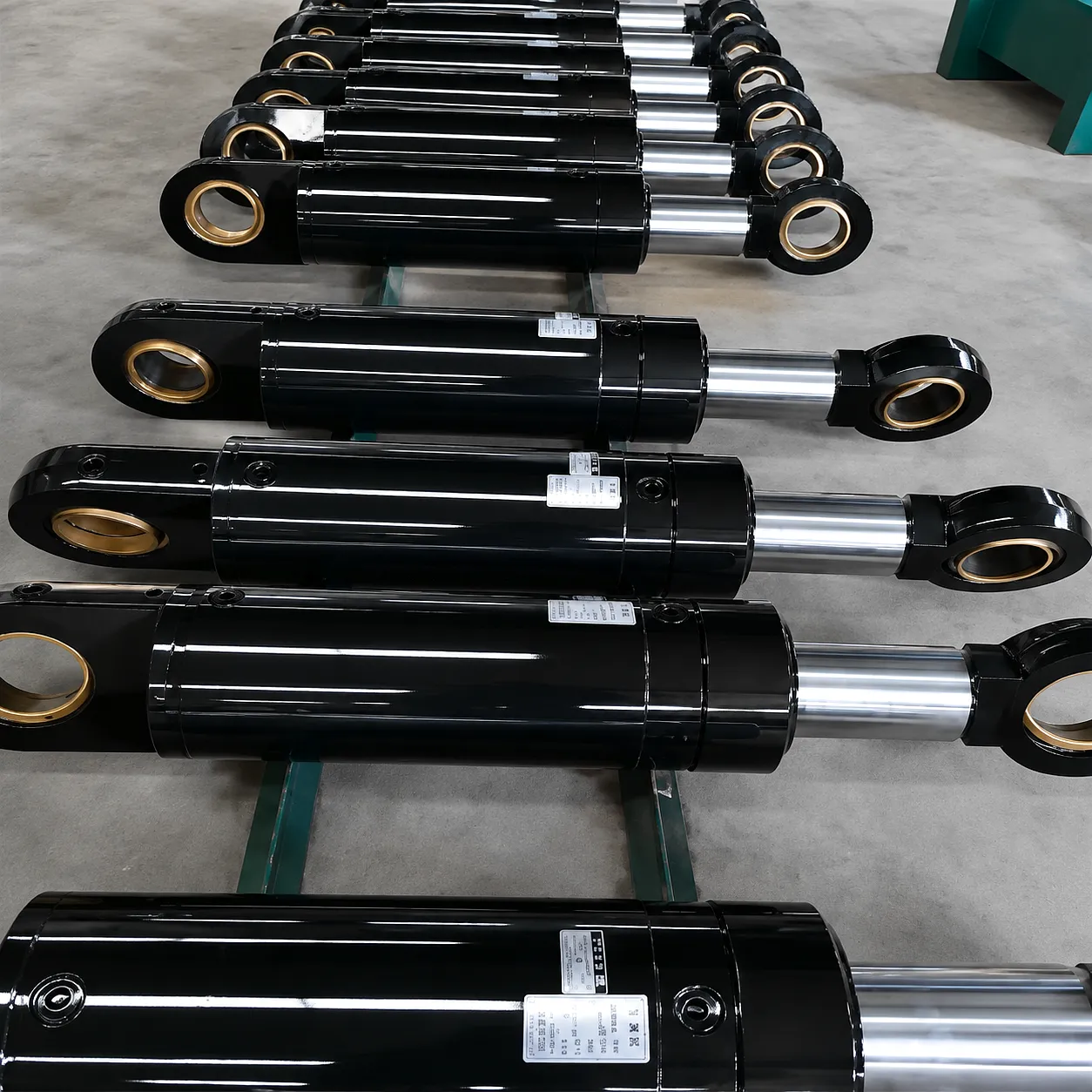
Ever Power operates a purpose-built hydraulic cylinder manufacturing facility with dedicated test bays capable of handling cylinders from 50 mm bore all the way up to 500 mm bore — covering the full range needed by UK OEMs, specialist hydraulics distributors, and end-users operating in construction, steel, marine, and industrial process sectors. Every test rig in the facility is plumbed with high-pressure filtered supply to ISO 4406 Class 17/15/12 — ensuring that no contamination is introduced during testing.
The customisation capability at Ever Power extends well beyond bore and stroke variations. UK-market customers frequently request non-standard mounting configurations — clevis to spherical bearing, cross-tube to trunnion — along with non-standard port positions dictated by machine envelope constraints. Custom rod-end machining for specific thread forms (BSP, BSPP, metric, and UNC are all handled in-house) eliminates the need for adaptors that can be leak paths. Customers working with demanding duty cycles can specify high-cycle seal packages, extended chrome plating depth, and stainless steel hardware on all external fasteners.
Lead times are structured around the UK distribution chain. Standard catalogue items are held in finished or semi-finished state, reducing lead time to 7–14 working days for UK delivery. Full custom cylinders — new bore, new stroke, bespoke mounting — typically ship in 20–30 working days depending on complexity. Ever Power works with established freight forwarding partners with UK customs clearance experience, ensuring that DDP (Delivered Duty Paid) shipments arrive with complete documentation for immediate goods-in acceptance.
Ready to discuss a custom boom cylinder specification with full pressure test documentation?
Leeds Bulk Handling Plant Reduces Cylinder Downtime by 60%
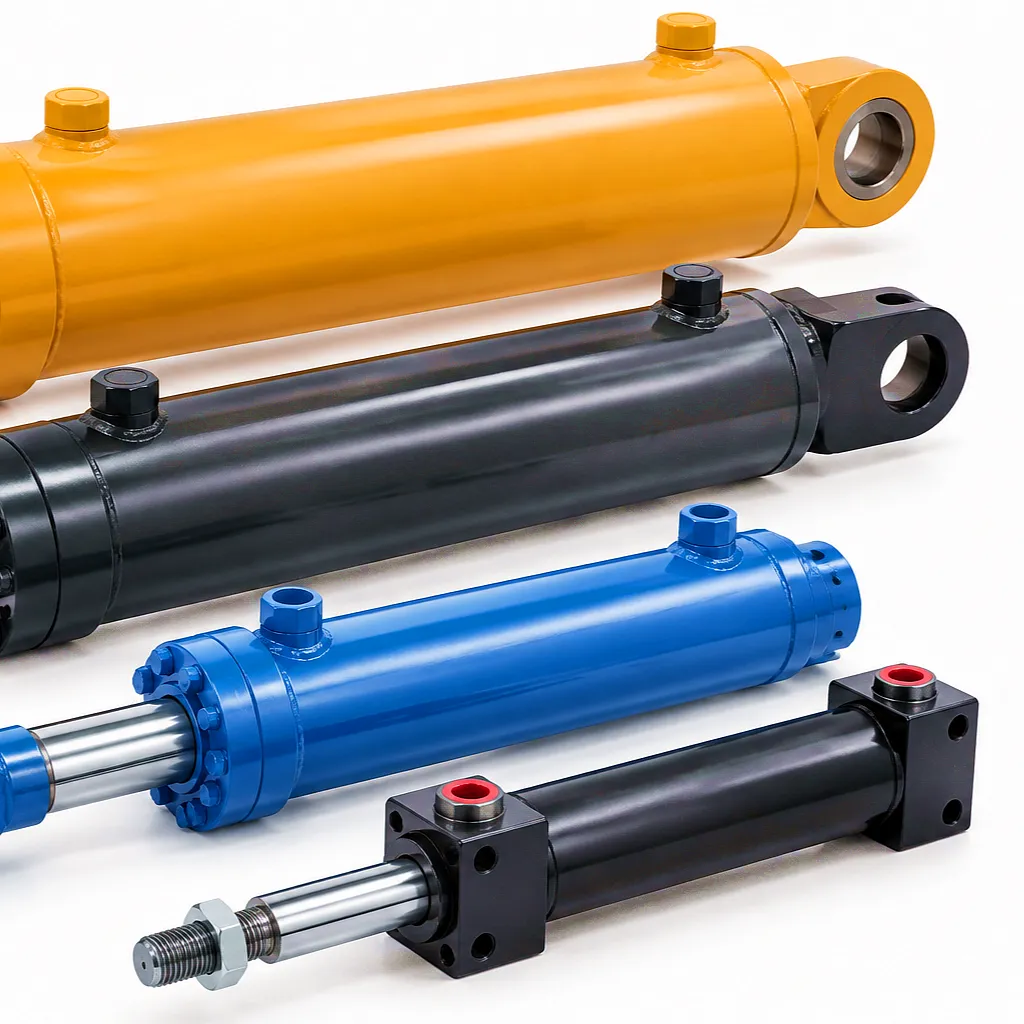
A bulk materials handling facility on the outskirts of Leeds, operating a fleet of nine articulating boom conveyors used to load and discharge aggregate at a rail-to-road transfer terminal, had experienced recurring hydraulic cylinder failures over an 18-month period. The root cause, identified by the plant’s maintenance supervisor during a detailed strip-down, was premature seal degradation — cylinders were arriving from their previous supplier without individual test records, and a proportion had clearly never been subjected to dynamic cycle testing. Two cylinders had failed their first month in service, a third had developed an external leak at an end cap weld within six weeks.
The plant manager contacted Ever Power after being recommended through an industry contact at a Doncaster plant engineering firm. Ever Power’s technical team reviewed the boom geometry, the existing cylinder mounting dimensions, and the hydraulic circuit pressure rating — 280 bar rated working pressure. Replacement cylinders were manufactured with FKM seals to account for the elevated ambient temperature near the facility’s diesel handling area, hard chrome rod plating to 35 micrometres for corrosion protection, and custom cross-tube mounts machined to match existing pin diameters exactly to avoid re-boring on-site.
Every cylinder was individually pressure-tested to 420 bar static proof pressure, cycled ten times at 280 bar, and shipped with a full test report including gauge calibration certificates. Eighteen months after installation, all nine cylinders remain in service with no seal replacements required. The plant’s unplanned maintenance budget for the hydraulic system has reduced by over 60% compared to the equivalent period with the previous supplier.
“We’ve ordered from several cylinder suppliers over the years, but Ever Power are the first to send a proper test certificate with every unit — not just a stamp. The documentation alone has saved us hours during our annual PSSR inspection. The cylinders themselves have been faultless.”
“The FKM seal upgrade that Ever Power recommended has been transformative for our high-temperature environment. Previous cylinders needed seal replacements every 8–10 months. We’re now at 22 months with no issues. The pre-ship dynamic cycling test clearly catches things that a static pressure test alone would miss.”
“Ordering custom cylinders from overseas suppliers always used to feel like a risk — you never quite knew what you’d get. With Ever Power the test records and calibration certificates come as a matter of course, and the DDP shipping means there are no nasty surprises at goods-in. We’ve specified them across our entire crane fleet rebuild.”
Frequently Asked Questions
Specify a Boom Cylinder with Complete Pressure Test Documentation
Whether you need a direct replacement for an existing boom cylinder or a fully custom unit designed to your machine specification, Ever Power provides individually tested cylinders with calibration-traceable test records — shipped DDP to the UK with full import documentation.
edit by gzl
 English
  Italian
  Portuguese
  Dutch
Dutch  Swedish
  Danish
  Finnish
  Polish
  Hindi
Hindi  Kazakh
  Turkish
  Ukrainian
  Romanian
  Spanish
  German
  Russian
  Korean
  Japanese
  Vietnamese
  Thai
Thai  Indonesian
  Malay
Malay  French
  Greek
Greek