
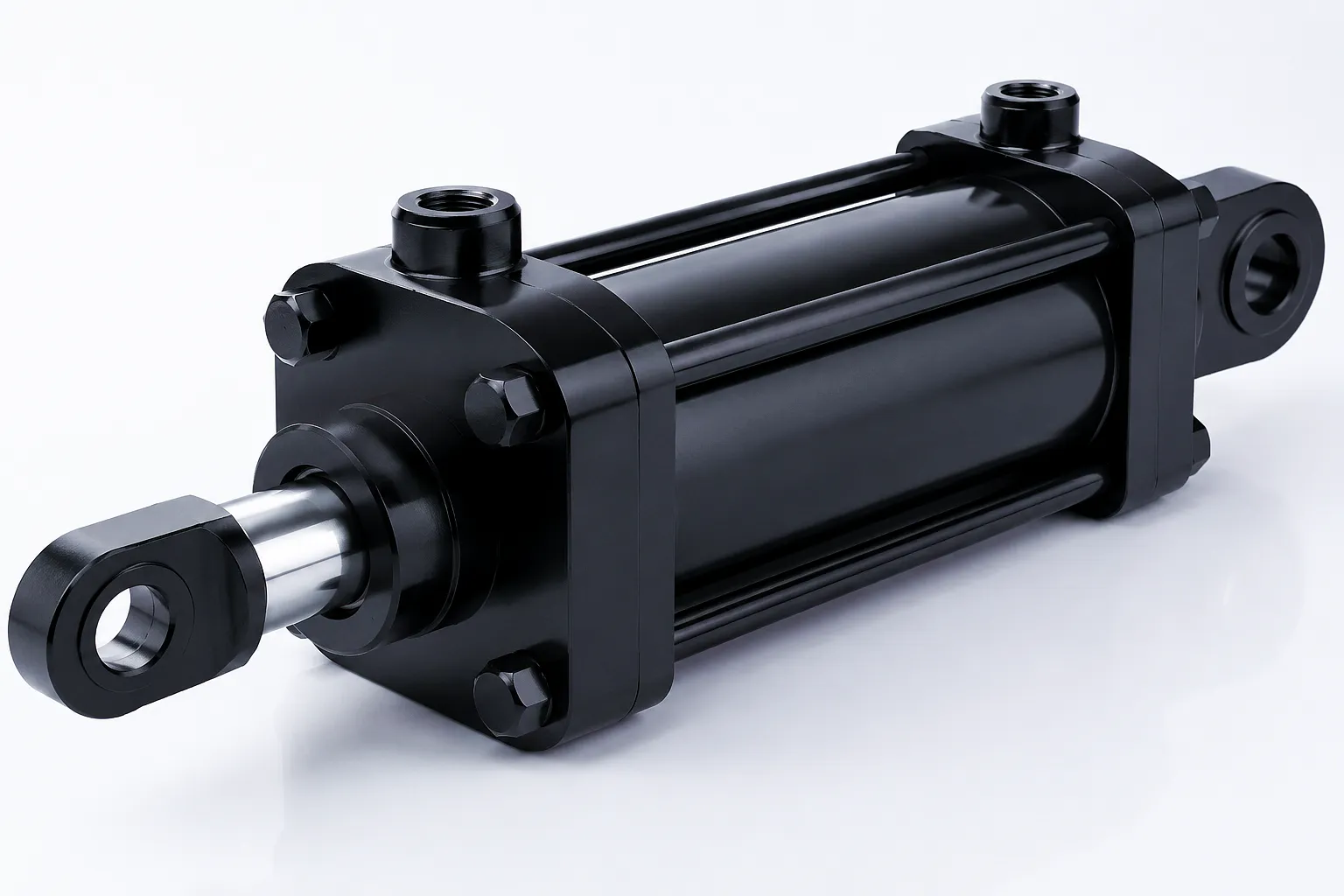
 Every hydraulic system lives or dies by the cylinder at its core. Whether you’re specifying equipment for an automotive press in Birmingham, a steel fabrication line in Sheffield, or a mobile crane operating across the Midlands, the choice between a tie-rod hydraulic cylinder and a welded hydraulic cylinder is one of the most consequential engineering decisions you will make. Both designs convert hydraulic pressure into linear mechanical force — but the way they achieve this, the environments they thrive in, and the maintenance demands they impose on your team differ significantly. Getting this decision right from the outset avoids costly retrofits, unplanned downtime, and procurement headaches down the line. This article provides a direct, technically grounded comparison drawn from real-world industrial experience, helping you match the right cylinder architecture to your specific operating conditions.
The Anatomy of Each Design: How They Are Actually Built
A tie-rod cylinder assembles its components — barrel, end caps, and piston — using high-tensile steel threaded rods that run along the exterior of the barrel. These rods are torqued to precise specifications, clamping the end caps against the cylinder barrel and sealing the internal hydraulic chamber. The standardised NFPA (National Fluid Power Association) and ISO 6020/6022 dimensions used by most tie-rod designs mean that components from different manufacturers can often be interchanged. The barrel itself is typically manufactured from honed carbon steel or ductile iron, with chrome-plated piston rods machined to tight dimensional tolerances. Because the end caps are removable, the entire internal assembly — seals, piston, rod — can be accessed and replaced without cutting or welding, making field maintenance genuinely practical even in locations with limited workshop infrastructure, such as remote UK agricultural estates in Yorkshire or Scottish Highland facilities.
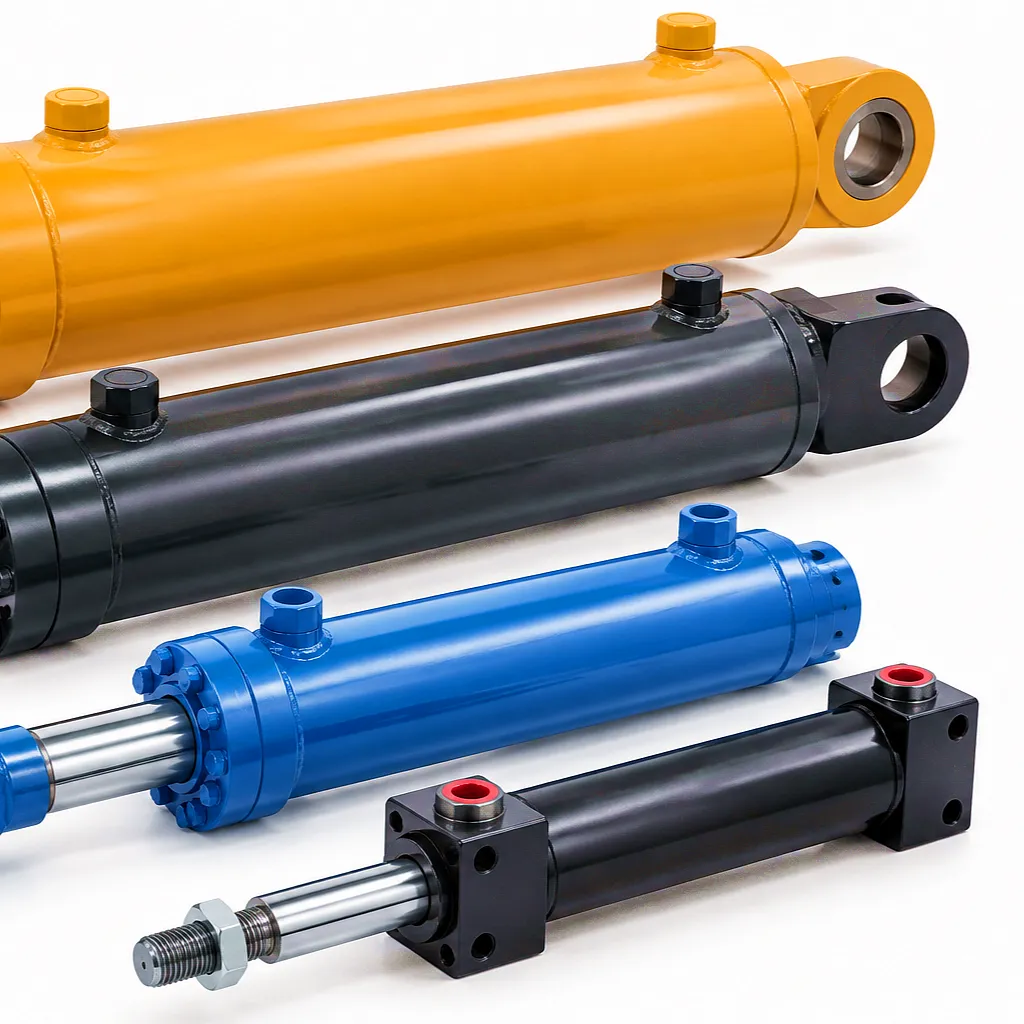
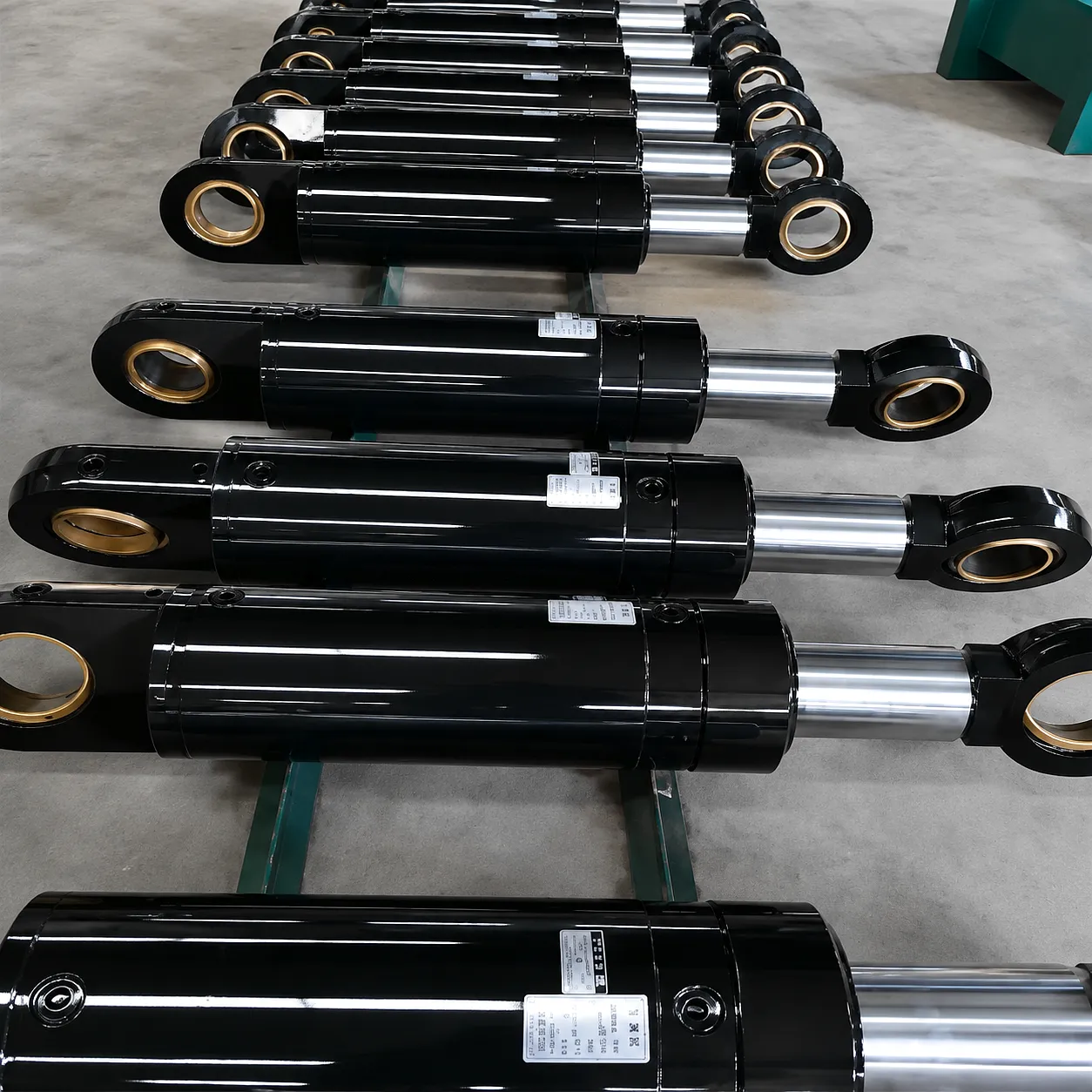
A welded hydraulic cylinder fuses the front and rear end caps directly to the cylinder barrel by continuous circumferential welds, typically performed using MIG, TIG, or submerged arc welding processes. There are no external tie rods, which creates a profile that is substantially more compact for a given bore diameter and stroke length. The welded construction also eliminates the possibility of tie-rod stretch under extreme cyclic loading — a failure mode that can compromise seal integrity in high-pressure applications. Materials range from seamless cold-drawn steel tube to high-yield structural steel, with the barrel and end caps selected to match the weld metallurgy. Chrome or nickel-chrome piston rods are standard, and hard-chrome plating depths typically range from 20–35 microns for demanding environments. The fully enclosed structure creates a cylinder that is inherently more robust under side-loading, shock loading, and high-pressure bursts — qualities that make welded cylinders the default choice in heavy plant, demolition, and offshore hydraulic systems operating in and around UK North Sea infrastructure.
Core Materials: What Goes Into Building a Reliable Hydraulic Cylinder
Cold-drawn seamless steel (CDS) — commonly EN 10305-4 grade — is the standard barrel material for both designs. The inner bore is honed to Ra 0.4–0.6 µm to minimise seal wear and reduce friction. Tie-rod designs may also use ductile iron barrels where corrosion resistance and cost savings take priority over raw strength.
Hard-chrome plated carbon steel (Ck45 or equivalent EN 10083) remains the industry standard. Induction hardened rods — surface hardness HRC 58–62 — are selected for applications with significant lateral loading. For corrosive UK coastal environments, stainless steel 316L or electroless nickel-plated rods are preferred.
Polyurethane (PU) rod seals and PTFE-backed piston seals are standard for general industrial service up to 120°C. Viton (FKM) compounds are specified for high-temperature or chemically aggressive environments. Seal groove geometry is machined to ISO 6195 standards to ensure consistent performance.
Tie rods are typically high-tensile steel grade 8.8 or 10.9, torqued to precise specifications and locked against vibration-induced loosening. Welded joints are executed in structural carbon steel or low-alloy high-strength steel (LAHSS) using qualified welding procedures conforming to EN ISO 15614-1.
Product Technical & Performance Parameter Comparison Table
| Parameter | Tie-Rod Cylinder | Welded Cylinder |
|---|---|---|
| Bore Diameter Range | 25 mm – 250 mm (NFPA / ISO standard) | 40 mm – 500+ mm (fully custom) |
| Operating Pressure | Up to 210 bar (3,000 PSI) standard | Up to 700 bar (10,000 PSI) custom |
| Stroke Length | 50 mm – 2,000 mm | 50 mm – 8,000+ mm (telescopic available) |
| Barrel Material | CDS steel / ductile iron (EN 10305-4) | CDS seamless steel / LAHSS |
| Rod Surface Treatment | Hard chrome, 20–30 µm | Hard chrome 20–35 µm / Ni-Cr / SS316L |
| Seal Temperature Range | -20°C to +80°C (PU) / +120°C (Viton) | -40°C to +150°C (Viton/PTFE custom) |
| Mounting Options | Flange, trunnion, clevis, foot (NFPA std.) | Fully custom — swivel eye, pivot, integrated |
| Field Serviceability | High — end caps removable for seal replacement | Low — workshop disassembly required |
| Size-to-Force Ratio | Moderate (tie rods add exterior diameter) | Excellent (no external hardware) |
| Typical Applications | Factory automation, packaging, conveyors | Mobile plant, presses, offshore, construction |
| Customisation Degree | Limited by NFPA/ISO standard dimensions | Essentially unlimited — bespoke to application |
Core Technical Advantages: Tie-Rod and Welded Designs Side by Side
NFPA and ISO-compliant dimensions mean that tie-rod cylinders from one manufacturer can often be directly replaced with units from another, dramatically simplifying spare-parts planning for UK maintenance teams and reducing strategic stock requirements across multi-site operations.
The removable end-cap design allows plant engineers to replace worn seals, inspect the piston, and refurbish the cylinder barrel on-site without specialist cutting equipment. This is a significant advantage in remote or time-critical UK industrial settings where factory returns would cause unacceptable downtime.
The standardised production process for tie-rod cylinders allows manufacturers to achieve higher production efficiencies, resulting in lower per-unit costs for standard bore and stroke combinations. For procurement teams working within defined CapEx budgets, this can be an important commercial advantage.
Welded construction eliminates the mechanical joint — the weakest point in a tie-rod assembly under high-pressure impulse loading. Custom welded hydraulic cylinders can be designed for sustained operating pressures exceeding 500 bar, which is simply not achievable with conventional tie-rod designs without significant structural compromises.
Without tie rods occupying external space, welded cylinders deliver a significantly better force-to-package ratio. Mobile plant designers — working on excavators, telehandlers, and truck-mounted cranes common across UK construction sites — can achieve the required actuation force within tighter installation envelopes.
Welded construction allows the end caps, ports, mounting lugs, and rod connections to be machined and integrated in any geometry dictated by the application. This unlocks bespoke hydraulic cylinder designs that precisely match the machine’s kinematic requirements without compromise — a key capability for UK OEMs developing proprietary equipment.
How to Choose: A Practical Decision Framework for UK Engineers
The right cylinder type is determined by examining your application against four key engineering parameters: operating pressure, installation envelope, maintenance philosophy, and customisation requirement. If your system operates below 210 bar, your installation allows for the external profile of tie rods, your team performs scheduled on-site maintenance, and your bore/stroke combination falls within NFPA or ISO standard ranges — a tie-rod cylinder will serve you reliably and economically. If any one of those conditions is not met — particularly if pressure exceeds 250 bar, if space is constrained, if the operating environment is corrosive or involves dynamic side-loading, or if your geometry requires a bespoke cylinder — a welded hydraulic cylinder is the correct engineering answer. The table below distils this decision into a practical quick-reference guide.
| Selection Criterion | Choose Tie-Rod ✅ | Choose Welded ✅ |
|---|---|---|
| Operating Pressure | ≤ 210 bar | 210 – 700+ bar |
| Space Constraints | Adequate clearance for tie-rod profile | Tight envelope, mobile plant |
| Maintenance Access | On-site field service required | Planned workshop-based intervals |
| Operating Environment | Clean, indoor factory conditions | Corrosive, dirty, outdoor/offshore |
| Loading Type | Primarily axial, low side-load | Dynamic, shock, multi-axis loading |
| Customisation Needs | Standard NFPA/ISO dimensions adequate | Non-standard geometry required |
Customer Success Story: Sheffield Forging Facility Cuts Cylinder Downtime by 60%
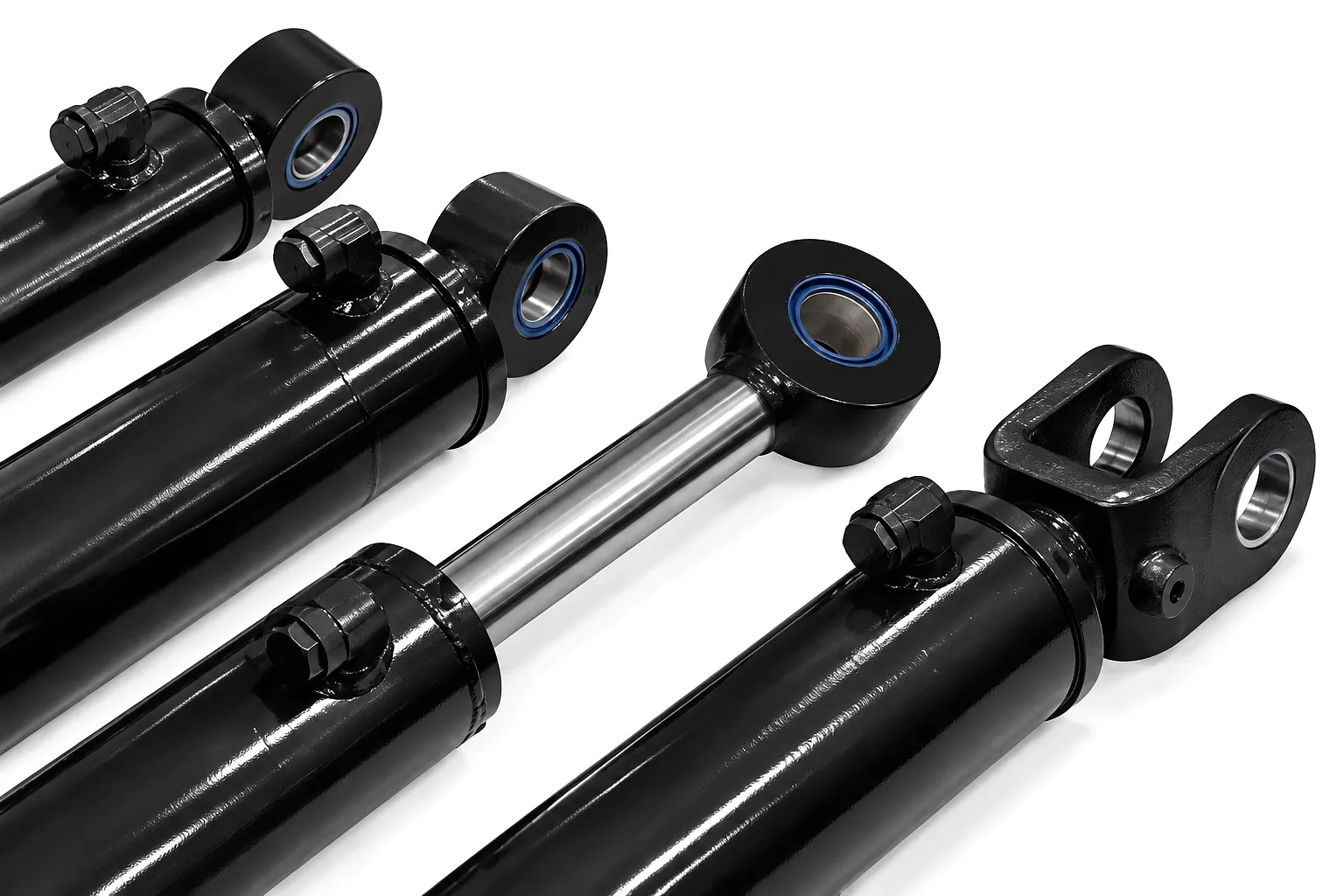 Midlands Precision Forgings operates a fleet of hydraulic press cells producing aerospace-grade titanium and steel forgings for Tier 1 suppliers. Their existing tie-rod cylinders — sourced from a local UK distributor — were experiencing progressive tie-rod fatigue cracking after approximately 18 months of continuous production duty at 300 bar, leading to seal failures, hydraulic fluid leaks, and unplanned press downtime estimated at over 200 hours per year across four press cells.
The plant engineering team contacted Ever Power following a recommendation from a sister facility in Rotherham. After an initial technical consultation — during which Ever Power reviewed the load cycle data, the hydraulic system schematic, and the installation envelope — Ever Power proposed a bespoke 280 mm bore welded cylinder with a 350 bar rated pressure, integrating a high-flow port arrangement to reduce cycle time and a custom clevis mount to match the existing press frame without structural modification.
Four cylinders were manufactured, tested to 525 bar proof pressure, and delivered DDP to Sheffield within the agreed 11-week lead time. Eighteen months after installation, all four press cells continue to operate without a single cylinder-related maintenance intervention. Unplanned downtime attributable to hydraulic cylinder failure has dropped to zero, representing an estimated annual saving of £85,000 in lost production and maintenance labour. The plant engineering director has since specified Ever Power welded cylinders for two additional press installations at the Sheffield facility.
What Our UK Customers Say
“The 280 mm welded cylinders Ever Power supplied for our Sheffield forge press have performed without a single failure in 18 months. The welded construction handles our 300 bar duty cycles without any of the tie-rod fatigue issues we had previously. The technical team’s application knowledge was genuinely impressive — they identified a port flow restriction in our original spec that would have caused a 12% cycle time penalty and resolved it at the design stage.”
“We operate a mixed fleet of combine harvesters across 3,200 acres in Lincolnshire and the hydraulic cylinders we sourced from Ever Power for our header lift systems have been outstanding through two full harvests. The customised bore-to-stroke ratio they developed for our specific header weight reduced hydraulic heat generation significantly. Deliveries arrived well-packaged and ahead of the season — exactly what you need when you’re on a weather window.”
“We specified tie-rod cylinders from Ever Power for a new automated warehouse dock leveller system in our Birmingham distribution centre. The NFPA-standard dimensions meant that our system integrator could source replacement seal kits locally without waiting on specialist parts. Eighteen months in and we haven’t had to replace a seal yet — but it’s reassuring to know the maintenance is straightforward when the time comes. The quote process was fast and the technical datasheet provided was thorough enough for our RAMS documentation.”
Frequently Asked Questions
© Ever Power Hydraulic Cylinders — UK Industrial Supply | edit by gzl
 English
  Italian
  Portuguese
  Dutch
Dutch  Swedish
  Danish
  Finnish
  Polish
  Hindi
Hindi  Kazakh
  Turkish
  Ukrainian
  Romanian
  Spanish
  German
  Russian
  Korean
  Japanese
  Vietnamese
  Thai
Thai  Indonesian
  Malay
Malay  French
  Greek
Greek