
Produktbeskrivelse
Company introduction
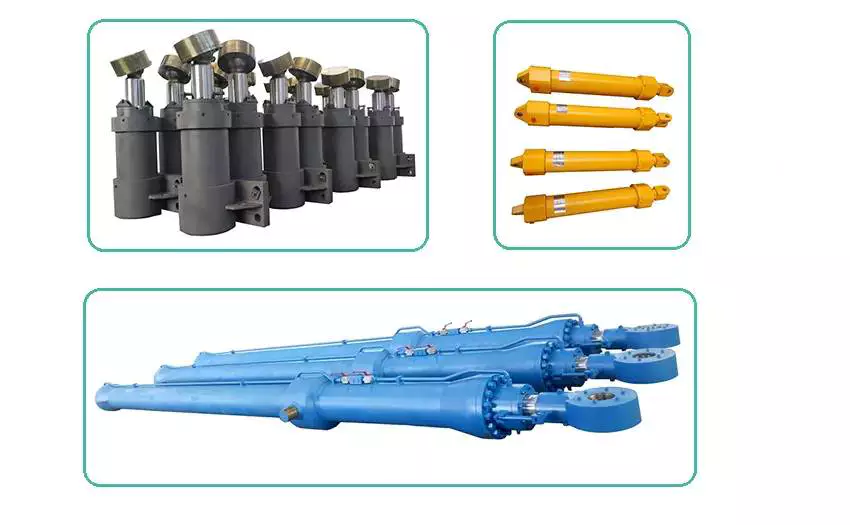
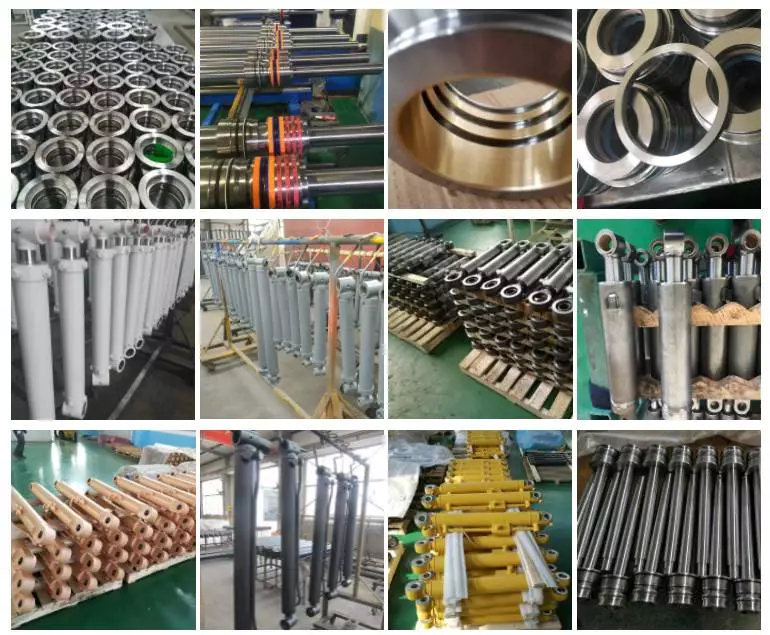
HangZhou CHINAMFG is a comprehensive manufacturing enterprise engaged in hydraulic cylinders, excavator attachment, metal casting, hydraulic components with certification approval to meet custom or OEM requirements.
ROCA owned factory offers customers effective-cost products with quality assurance. With its professional and experienced R&D team, CHINAMFG Hydraulic devotes itself to research and development to optimize products applied in construction, mining, waster management, forestry, agriculture, etc.
Product introduction
CAT excavator hydraulic cylinder boom, stick (arm) bucket ram Cat
| Working temperature | -40°C ~ 80°C |
| Color | RAL9005,Customize |
| Materiale | CK45,ST52,ST52-3,27SiMn,Customize |
| Seal kit | Trelleborg, Halite, Chesterton, NOK, Kayaba |
| Piston rod | Hard chromed |
| Emballage | Plywood case |
| Warranty | 12 months |
| Payment | T/T |
Part No.
| CAT 325C | |
| Part Name | Part No. |
| Boom cylinder | 1799782 |
| Stick cylinder | 1799785 |
| C family Bucket cylinder | 1799764 |
| D family bucket cylinder | 1772465 |
Part size
| CAT 325C | ||
| Boom cylinder – bore | 140 mm | 5.51 in |
| Boom cylinder – rod | – | – |
| Boom cylinder – stroke | 1407 mm | 55.39 in |
| Stick cylinder – bore | 150 mm | 5.91 in |
| Stick cylinder – rod | – | – |
| Stick cylinder – stroke | 1646 mm | 64.8 in |
| C family bucket cylinder – bore | 130 mm | 5.1 in |
| C family bucket cylinder – rod | – | – |
| C family bucket cylinder – stroke | 1156 mm | 45.5 in |
| D family bucket cylinder – bore | 150 mm | 5.91 in |
| D family bucket cylinder – rod | – | – |
| D family bucket cylinder – stroke | 1156 mm | 45.51 in |
Hydraulic cylinders are the most effective and efficient method of pushing, pulling, lifting, and lowering.
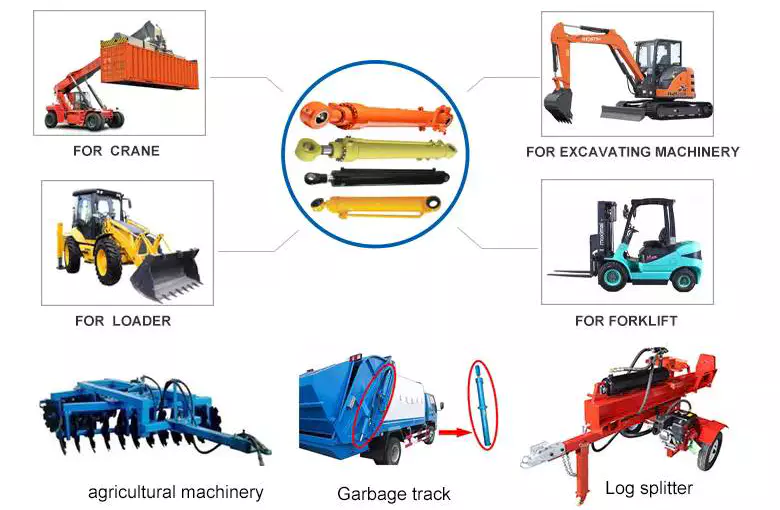
Nowadays hydraulic cylinders play an essential role in daily application and industry:
√ Mining
√ Earthmoving & Construction
√ Agriculture &Forestry
√Waste Management & Material Handing
√Ship crane & offshore
Selecting the right cylinders for an application is critical in obtaining maximum performance and reliability.
ROCA team considers all your concerns to suit your hydraulic cylinder requirements.
Together, we work out the best design solution for your application.
FAQ
Q1.Do you have MOQ?
Depending on different ideas, Can be negotiated. The larger the quantity is, the competitive the unit price will be.
Q2.Should the customer pay the delivery fee, How much is it?
For the delivery fee, many samples are being requested to be sent, so we must get the delivery fee.
If you tell me to use the appointed Express, you will give me your express account or you will pay according to the Express.
If you do not request, I will choose a cheap one in China.
Q3.How about the after sale service?
1) We will always keep the quality the same as the buyer’s samples and if there is something with the quality, we will make compensation for our customers.
2) We will suggest our packing and take charge in our packing, we will keep the goods safe in the delivery.
3) We will trace the goods from the production to selling, we will solve the problems in the selling for our customers.
Q4.When can I get a price?
We usually quote within 24 hours after we get your inquiry.
Q5: Are you a trade company or manufacturer?
We are a professional manufacturer with our factory.
| Certification: | CE, ISO9001 |
|---|---|
| Pressure: | High Pressure |
| Work Temperature: | Low Temperature |
| Customization: | Available |
|
|---|
.shipping-cost-tm .tm-status-off{background: none;padding:0;color: #1470cc}
| Shipping Cost: Estimated freight per unit. | about shipping cost and estimated delivery time. |
|---|
| Payment Method: |
|
|---|---|
| Initial Payment Full Payment |
| Currency: | US$ |
|---|
| Return&refunds: | You can apply for a refund up to 30 days after receipt of the products. |
|---|
Hvordan klarer hydrauliske cylindre sig i forhold til andre metoder til kraftgenerering, såsom elektriske motorer?
Hydrauliske cylindre og elektriske motorer er to forskellige metoder til kraftgenerering med forskellige egenskaber og anvendelser. Selvom både hydrauliske cylindre og elektriske motorer kan generere kraft, adskiller de sig med hensyn til deres arbejdsprincipper, ydeevneegenskaber og egnethed til specifikke anvendelser. Her er en detaljeret sammenligning af hydrauliske cylindre og elektriske motorer:
1. Arbejdsprincip:
– Hydrauliske cylindre: Hydrauliske cylindre genererer kraft ved at omdanne væsketryk til lineær bevægelse. De består af en cylindercylinder, et stempel, en stempelstang og en hydraulisk væske. Når hydraulisk væske under tryk kommer ind i cylinderen, presser den mod stemplet, hvilket får stempelstangen til at forlænges eller trækkes tilbage, hvorved der genereres en lineær kraft.
– Elektriske motorer: Elektriske motorer genererer kraft ved at omdanne elektrisk energi til roterende bevægelse. De består af en stator, en rotor og et elektromagnetisk felt. Når en elektrisk strøm påføres motorens viklinger, skaber den et magnetfelt, der interagerer med rotoren, hvilket får den til at rotere og generere drejningsmoment.
2. Kraft og magt:
– Hydrauliske cylindre: Hydrauliske cylindre er kendt for deres høje kraftkapacitet. De kan generere betydelige lineære kræfter, hvilket gør dem velegnede til tunge applikationer, der kræver løft, skub eller træk af store belastninger. Hydrauliske systemer kan levere høj kraftudgang selv ved lave hastigheder, hvilket giver mulighed for præcis kontrol over kraftpåføringen. Hydrauliske systemer fungerer dog typisk ved lavere hastigheder sammenlignet med elmotorer.
– Elektriske motorer: Elektriske motorer udmærker sig ved at levere høje rotationshastigheder og bruges almindeligvis til applikationer, der kræver hurtig bevægelse. Selvom elmotorer kan generere et betydeligt drejningsmoment, har de en tendens til at have en lavere kraftudgang sammenlignet med hydrauliske cylindre. Elektriske motorer er velegnede til applikationer, der involverer kontinuerlig roterende bevægelse, såsom at drive transportbånd, roterende maskiner eller køretøjer.
3. Kontrol og præcision:
– Hydrauliske cylindre: Hydrauliske systemer tilbyder fremragende kontrol over kraft, hastighed og positionering. Ved at regulere strømmen af hydraulisk væske kan kraften og hastigheden af hydrauliske cylindre styres præcist. Hydrauliske systemer kan give gradvis acceleration og deceleration, hvilket muliggør jævne og præcise bevægelser. Dette kontrolniveau gør hydrauliske cylindre velegnede til applikationer, der kræver præcis positionering, f.eks. inden for industriel automation eller entreprenørudstyr.
– Elektriske motorer: Elektriske motorer tilbyder også præcis kontrol over hastighed og positionering. Gennem motorstyringsteknikker såsom varierende spænding, frekvens eller pulsbreddemodulation (PWM) kan rotationshastigheden og positionen af elmotorer styres nøjagtigt. Elektriske motorer bruges almindeligvis i applikationer, der kræver præcis hastighedskontrol, såsom robotteknologi, CNC-maskiner eller servosystemer.
4. Effektivitet og energiforbrug:
– Hydrauliske cylindre: Hydrauliske systemer kan være yderst effektive, især når de er korrekt dimensioneret og designet. Hydrauliske systemer har dog typisk højere energitab på grund af faktorer som væskelækage, friktion og varmeudvikling. Den samlede effektivitet af et hydraulisk system afhænger af design, komponentvalg og vedligeholdelsespraksis. Hydrauliske systemer kræver en hydraulisk kraftenhed til at trykke den hydrauliske væske, hvilket forbruger yderligere energi.
– Elektriske motorer: Elektriske motorer kan have høj effektivitet, især når de drives under optimale driftsforhold. Elektriske motorer har lavere energitab sammenlignet med hydrauliske systemer, primært på grund af fraværet af væskelækage og lavere friktionstab. Den samlede effektivitet af en elmotor afhænger af faktorer som motordesign, belastningsforhold og styringsteknikker. Elektriske motorer kræver en elektrisk strømkilde, og deres energiforbrug afhænger af motorens nominelle effekt og driftsvarighed.
5. Miljøhensyn:
– Hydrauliske cylindre: Hydrauliske systemer bruger typisk hydrauliske væsker, der kan udgøre miljøproblemer, hvis de lækker eller ikke bortskaffes korrekt. Valget af hydraulisk væske kan påvirke faktorer som bionedbrydelighed, toksicitet og potentielle miljøfarer. Korrekt vedligeholdelse og lækageforebyggelse er afgørende for at minimere miljøpåvirkningen af hydrauliske systemer.
– Elektriske motorer: Elektriske motorer anses generelt for at være mere miljøvenlige, da de ikke kræver hydrauliske væsker. Miljøpåvirkningen af elmotorer afhænger dog af den strømkilde, der bruges til at drive dem. Når de drives af vedvarende energikilder, såsom sol eller vind, kan elmotorer tilbyde en grønnere løsning sammenlignet med hydrauliske systemer.
6. Anvendelsesegnethed:
– Hydrauliske cylindre: Hydrauliske cylindre bruges almindeligvis i applikationer, der kræver høj kraftudbytte, præcis styring og holdbarhed. De anvendes i vid udstrækning i industrier som byggeri, fremstilling, minedrift og luftfart. Hydrauliske systemer er velegnede til tunge applikationer, såsom løft af tunge genstande, betjening af tunge maskiner eller styring af store bevægelser.
– Elektriske motorer: Elektriske motorer anvendes i vid udstrækning i forskellige industrier og applikationer, der kræver rotationsbevægelse, hastighedskontrol og præcis positionering. De findes almindeligvis i apparater, transport, robotteknologi, HVAC-systemer og automation. Elektriske motorer er velegnede til applikationer, der involverer kontinuerlig rotationsbevægelse, såsom kørsel af transportbånd, roterende maskiner eller drift af køretøjer. Kort sagt har hydrauliske cylindre og elmotorer forskellige arbejdsprincipper, kraftkapaciteter, styringsegenskaber, effektivitetsniveauer og anvendelsesegnethed. Hydrauliske cylindre udmærker sig ved at levere høj kraftudgang, præcis styring og holdbarhed, hvilket gør dem ideelle til tunge applikationer. Elektriske motorer tilbyder derimod høje rotationshastigheder, præcis hastighedskontrol og anvendes almindeligvis til applikationer, der involverer kontinuerlig rotationsbevægelse. Valget mellem hydrauliske cylindre og elmotorer afhænger af de specifikke krav til applikationen, herunder bevægelsestype, kraftudgang, styringspræcision og miljøhensyn.
Integration of Hydraulic Cylinders with Equipment Requiring Rapid and Dynamic Movements
Hydraulic cylinders can indeed be integrated with equipment that requires rapid and dynamic movements. While hydraulic systems are generally known for their ability to provide high force and precise control, they can also be designed and optimized for applications that demand fast and dynamic motion. Let’s explore how hydraulic cylinders can be integrated with such equipment:
- High-Speed Hydraulic Systems: Hydraulic cylinders can be part of high-speed hydraulic systems designed specifically for rapid and dynamic movements. These systems incorporate features such as high-flow valves, optimized hydraulic circuitry, and responsive control systems. By carefully engineering the system components and hydraulic parameters, it is possible to achieve the desired speed and responsiveness, enabling the equipment to perform rapid movements.
- Valve Control: The control of hydraulic cylinders plays a crucial role in achieving rapid and dynamic movements. Proportional or servo valves can be used to precisely control the flow of hydraulic fluid into and out of the cylinder. These valves offer fast response times and precise flow control, allowing for rapid acceleration and deceleration of the cylinder’s piston. By adjusting the valve settings and optimizing the control algorithms, equipment can be designed to execute dynamic movements with high speed and accuracy.
- Optimized Cylinder Design: The design of hydraulic cylinders can be optimized to facilitate rapid and dynamic movements. Lightweight materials, such as aluminum alloys or composite materials, can be used to reduce the moving mass of the cylinder, enabling faster acceleration and deceleration. Additionally, the cylinder’s internal components, such as the piston and seals, can be designed for low friction to minimize energy losses and enhance responsiveness. These design optimizations contribute to the overall speed and dynamic performance of the equipment.
- Accumulator Integration: Hydraulic accumulators can be integrated into the system to enhance the dynamic capabilities of hydraulic cylinders. Accumulators store pressurized hydraulic fluid, which can be rapidly released to supplement the flow from the pump during high-demand situations. This stored energy can provide an extra boost of power, allowing for faster and more dynamic movements. By strategically sizing and configuring the accumulator, the system can be optimized for the specific rapid and dynamic requirements of the equipment.
- System Feedback and Control: To achieve precise and dynamic movements, hydraulic systems can incorporate feedback sensors and advanced control algorithms. Position sensors, such as linear potentiometers or magnetostrictive sensors, provide real-time position feedback of the hydraulic cylinder. This information can be used in closed-loop control systems to maintain precise positioning and execute rapid movements. Advanced control algorithms can optimize the control signals sent to the valves, ensuring smooth and dynamic motion while minimizing overshooting or oscillations.
In summary, hydraulic cylinders can be integrated with equipment that requires rapid and dynamic movements by utilizing high-speed hydraulic systems, employing responsive valve control, optimizing cylinder design, integrating accumulators, and incorporating feedback sensors and advanced control algorithms. These measures enable hydraulic systems to deliver the speed, responsiveness, and precision necessary for equipment operating in dynamic environments. By leveraging the capabilities of hydraulic cylinders, manufacturers can design and integrate systems that meet the requirements of applications demanding rapid and dynamic movements.
What are the common signs of wear or leakage that indicate hydraulic cylinder issues?
Hydraulic cylinders are critical components in hydraulic systems, and wear or leakage can lead to performance issues and potential system failures. It is important to be aware of the common signs that indicate hydraulic cylinder problems. Here’s a detailed explanation of the common signs of wear or leakage that indicate hydraulic cylinder issues:
1. Fluid Leakage:
– Fluid leakage is one of the most obvious signs of hydraulic cylinder problems. If you notice hydraulic fluid leaking from the cylinder, it indicates a seal failure or damage to the cylinder. Leaking fluid may be visible around the rod, piston, or cylinder body. It is important to address fluid leakage promptly as it can lead to a loss of system efficiency, contamination of the surrounding environment, and potential damage to other system components.
2. Reduced Performance:
– Wear or internal damage to the hydraulic cylinder can result in reduced performance. You may notice a decrease in the cylinder’s force output, slower operation, or difficulty in extending or retracting the cylinder. Reduced performance can be indicative of worn seals, damaged piston or rod, internal leakage, or contamination within the cylinder. Any noticeable decrease in the cylinder’s performance should be inspected and addressed to prevent further damage or system inefficiencies.
3. Abnormal Noise or Vibrations:
– Unusual noise or vibrations during the operation of a hydraulic cylinder can indicate internal wear or damage. Excessive noise, knocking sounds, or vibrations that are not typical for the system may suggest problems such as worn bearings, misalignment, or loose internal components. These signs should be investigated to identify the source of the issue and take appropriate corrective measures.
4. Excessive Heat:
– Overheating of the hydraulic cylinder is another sign of potential issues. If the cylinder feels excessively hot to the touch during normal operation, it may indicate problems such as internal leakage, fluid contamination, or inadequate lubrication. Excessive heat can lead to accelerated wear, reduced efficiency, and overall system malfunctions. Monitoring the temperature of the hydraulic cylinder is important to detect and address potential problems.
5. External Damage:
– Physical damage to the hydraulic cylinder, such as dents, scratches, or bent rods, can contribute to wear and leakage issues. External damage can compromise the integrity of the cylinder, leading to fluid leakage, misalignment, or inefficient operation. Regular inspection of the cylinder’s external condition is essential to identify any visible signs of damage and take appropriate actions.
6. Seal Failure:
– Hydraulic cylinder seals are critical components that prevent fluid leakage and maintain system integrity. Signs of seal failure include fluid leakage, reduced performance, and increased friction during cylinder operation. Damaged or worn seals should be replaced promptly to prevent further deterioration of the cylinder’s performance and potential damage to other system components.
7. Contamination:
– Contamination within the hydraulic cylinder can cause wear, damage to seals, and overall system inefficiencies. Signs of contamination include the presence of foreign particles, debris, or sludge in the hydraulic fluid or visible damage to seals and other internal components. Regular fluid analysis and maintenance practices should be implemented to prevent contamination and address any signs of contamination promptly.
8. Irregular Seal Wear:
– Hydraulic cylinder seals can wear over time due to friction, pressure, and operating conditions. Irregular seal wear patterns, such as uneven wear or excessive wear in specific areas, may indicate misalignment or improper installation. Monitoring the condition of the seals during regular maintenance can help identify potential issues and prevent premature seal failure.
It is important to address these common signs of wear or leakage promptly to prevent further damage, ensure the optimal performance of hydraulic cylinders, and maintain the overall efficiency and reliability of the hydraulic system. Regular inspection, maintenance, and timely repairs or replacements of damaged components are key to mitigating hydraulic cylinder issues and maximizing system longevity.

editor by CX 2023-11-13
 Danish
  English
  Italian
  Portuguese
  Dutch
Dutch  Swedish
  Finnish
  Polish
  Hindi
Hindi  Kazakh
  Turkish
  Ukrainian
  Romanian
  Spanish
  German
  Russian
  Korean
  Japanese
  Vietnamese
  Thai
Thai  Indonesian
  Malay
Malay  French
  Greek
Greek