
Produktbeskrivelse
Factory Provide Professional Customized FANUC ROBOT Welding Hydraulic Cylinder for Mining Dump Truck
Produkt Specifikationer :
| Punkt | Specifikationer |
| Boringsdiameter | 60mm~250mm |
| Boddiameter | 40mm~130mm |
| Slagtilfælde | 40mm~500mm |
| Woorking Pressure | 17-45Mpa,Customizable |
| Overfladebehandling af stempelstang | Hårdforkromning, elektropletteret mælkehvid krom + hårdforkromning, fornikling + hårdforkromning, højhastigheds iltbrændstof CrC NiC, keramisk belægning, nitrering, laserbeklædning |
| Materiale | Højstyrke koldtrukket rør, præcisionsslebet for forlænget tætningslevetid |
| Montering | Ørering, flange, gaffelbensfod, drejetap, tilpasselig |
| Forseglingstype | Parker,NOK, Hallite GAPI or as customer’s requirement |
| Garanti | 18 måneder |
| MOQ | 1pcs |
| Produktionstid | Baseret på ordremængde. Normalt 30-40 dage. |
| Certificering | ISO9001, CE, SGS |
| Color | Gery,Yellow,Red,Black,Customizable |
| Emballage | metalkasse, krydsfinerkasse, karton eller som krav |
| Service | OEM og ODM |
| Prisfordel | Konkurrencedygtig fabrikspris med garanteret kvalitet |
| Virksomhedstype | Fabrikant |
Produktvisning:
Monteringsmetode:
Applikationer: Mining Machinery,Small Mining Dump Truck.
Other Related Products:
Vores fabrik:
Inspektionsproces:
| Inspektionstype | Inspektionsstandard |
| Inspektion af råmaterialer | Før opbevaring foretager QC måling af råmaterialerne. |
| Inspektion af procesmateriale | Under produktionen udfører kvalitetskontrolteamet stikprøvekontrol. Før de hydrauliske cylinderdele overføres til den næste proces, foretager QC'er inspektion. |
| Endelig funktionstest | Alle hydrauliske cylindre gennemgår en hydraulisk funktionstest |
Inspektion af råmaterialers mekaniske egenskaber
Process Inspection
Final Testing
Pakning og levering:
Om os:
Vores certifikat
Our Customers
ZheJiang Tianjian Hydraulic Technology Co.,Ltd er specialiseret i produktion af forskellige typer hydrauliske cylindre samt cylindercylinder, stempelcylinder og andet cylindertilbehør.
Som en højt specialiseret producent af hydrauliske cylindre leverer Tianjian designoptimeringsløsninger og pålidelige produkter til mange kunder i ind- og udland. Uanset om det drejer sig om entreprenørmaskiner, jernbanebromaskiner, havneskibsmaskiner, metallurgi- og minedriftsmaskiner, olie- og letindustrimaskiner, specialkøretøjer og andre industrier, kan Tianjian tilbyde forskellige standard- og ikke-standardiserede designoptimeringsordninger og produkter til hydrauliske cylindre i henhold til brugernes krav og levere integrerede tjenester for perfektion og kvalitet.
Hvis det er muligt, bedes du bruge nedenstående oplysninger, når du kontakter os
Bore | Stang | Slagtilfælde | Arbejdspres | Montering | Arbejdsmiljø |
|
|
|
|
|
|
Eller du kan give os dit skitsediagram eller dine fotos, så vi kan forstå præcis, hvad du mener, og hjælpe os med at undgå fejl.
Og hvis du har prøver, kan vi fremstille i henhold til dine prøver efter at have sendt dem til os.
Velkommen til vores fabrik, hvis du har tid.
Din tilfredshed er vores største motivation.
Nu kan du kontakte os med ethvert spørgsmål eller forespørgsel.
Ofte stillede spørgsmål:
1, Hvad laver jeres virksomhed?
A: Vi er en leverandør af hydrauliske produkter af høj kvalitet, herunder hydrauliske cylindere, hydrauliske motorer, hydrauliske kraftpakker, hydrauliske stationer og andre hydrauliske komponenter.
2, Er du en producent eller en handelsvirksomhed?
A: Vi er en producent.
3, Hvilket certifikat har du?
A: Alle vores fabrikker er ISO-certificerede. Og vores primære leverandører af materialer og dele har CE-, RoHS-, CSA- og UL-certifikater.
4, Hvor lang er din leveringstid?
A: Leveringstiden afhænger af forskellige produkter og mængde. Cylinderen har normalt brug for omkring 45-60 dage, og motoren har brug for omkring 30-50 dage.
5, Kan du lave dele som kundens krav eller tegning?
A: Ja, vi kan levere OEM-produkter til dig i henhold til dine tegninger. Vores ingeniør kan også give dig professionel support med tekniske forslag.
6, Hvilke betalingsbetingelser accepterer I?
A: Vi foretrækker T/T via bank. 30% når ordren er bekræftet og 70% før afsendelse. L/C accepteres også for beløb over 20.000 USD.
7, Hvad er jeres garantipolitik?
A: Alle vores produkter er dækket af 1 års garanti fra leveringsdatoen mod defekter i materialer og udførelse. Denne garanti dækker ikke dele, der er slidt under normal drift eller beskadiget ved uagtsomhed. Vi minder alvorligt om, at uren hydraulikolie helt sikkert vil forårsage skade på dine hydrauliske komponenter. Og denne skade er ikke inkluderet i garantien. Derfor anbefaler vi kraftigt, at du bruger ny, ren olie eller sørger for, at systemolien er ren, når du bruger vores dele.
/* March 10, 2571 17:59:20 */!function(){function s(e,r){var a,o={};try{e&&e.split(“,”).forEach(function(e,t){e&&(a=e.match(/(.*?):(.*)$/))&&1
| Certification: | GS, RoHS, CE, ISO9001 |
|---|---|
| Pressure: | Medium Pressure |
| Work Temperature: | High Temperature |
| Acting Way: | Double Acting |
| Working Method: | Straight Trip |
| Adjusted Form: | Regulated Type |
| Samples: | US$ 300/Set 1 Set(Min.Order) | |
|---|
| Customization: | Available |
|
|---|
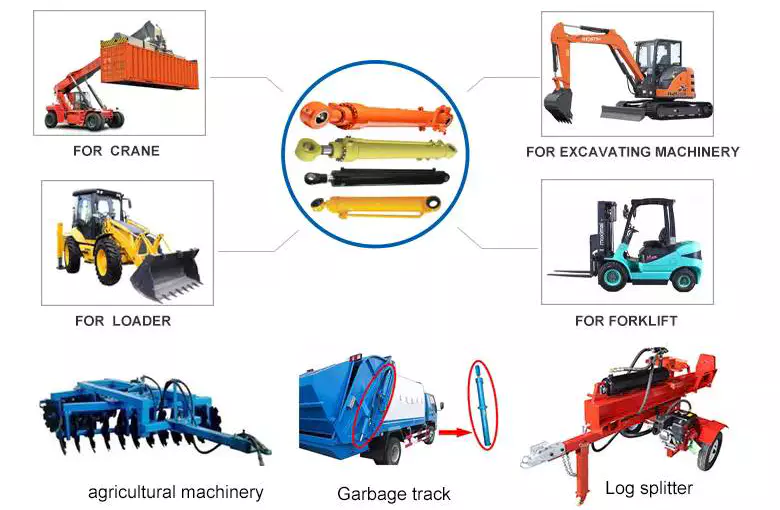
Can hydraulic cylinders be integrated with modern telematics and remote monitoring?
Yes, hydraulic cylinders can indeed be integrated with modern telematics and remote monitoring systems. The integration of hydraulic cylinders with telematics and remote monitoring technology offers numerous benefits, including enhanced operational efficiency, improved maintenance practices, and increased overall productivity. Here’s a detailed explanation of how hydraulic cylinders can be integrated with modern telematics and remote monitoring:
1. Sensor Integration:
– Hydraulic cylinders can be equipped with various sensors to gather real-time data about their performance and operating conditions. Sensors such as pressure transducers, temperature sensors, position sensors, and load sensors can be integrated directly into the cylinder or its associated components. These sensors provide valuable information about parameters such as pressure, temperature, position, and load, enabling remote monitoring and analysis of the cylinder’s behavior.
2. Data Transmission:
– The data collected from the sensors in hydraulic cylinders can be transmitted wirelessly or through wired connections to a central monitoring system. Wireless communication technologies such as Bluetooth, Wi-Fi, or cellular networks can be employed to transmit data in real-time. Alternatively, wired connections such as Ethernet or CAN bus can be utilized for data transmission. The choice of communication method depends on the specific requirements of the application and the available infrastructure.
3. Remote Monitoring Systems:
– Remote monitoring systems receive and process the data transmitted from hydraulic cylinders. These systems can be cloud-based or hosted on local servers, depending on the implementation. Remote monitoring systems collect and analyze the data to provide insights into the cylinder’s performance, health, and usage patterns. Operators and maintenance personnel can access the monitoring system through web-based interfaces or dedicated software applications to view real-time data, receive alerts, and generate reports.
4. Condition Monitoring and Predictive Maintenance:
– Integration with telematics and remote monitoring enables condition monitoring and predictive maintenance of hydraulic cylinders. By analyzing the collected data, patterns and trends can be identified, allowing for the detection of potential issues or anomalies before they escalate into major problems. Predictive maintenance algorithms can be applied to the data to generate maintenance schedules, recommend component replacements, and optimize maintenance activities. This proactive approach helps prevent unexpected downtime, reduces maintenance costs, and maximizes the lifespan of hydraulic cylinders.
5. Performance Optimization:
– The data collected from hydraulic cylinders can also be utilized to optimize their performance. By analyzing parameters such as pressure, temperature, and load, operators can identify opportunities for improving operational efficiency. Insights gained from the remote monitoring system can guide adjustments in system settings, load management, or operational practices to optimize the performance of hydraulic cylinders and the overall hydraulic system. This optimization can result in energy savings, improved productivity, and reduced wear and tear.
6. Integration with Equipment Management Systems:
– Telematics and remote monitoring systems can be integrated with broader equipment management systems. This integration allows hydraulic cylinder data to be correlated with data from other components or related machinery, providing a comprehensive view of the overall system’s performance. This holistic approach enables operators to identify potential interdependencies, optimize system-wide performance, and make informed decisions regarding maintenance, repairs, or upgrades.
7. Enhanced Safety and Fault Diagnosis:
– Telematics and remote monitoring can contribute to enhanced safety and fault diagnosis in hydraulic systems. Real-time data from hydraulic cylinders can be used to detect abnormal conditions, such as excessive pressure or temperature, which may indicate potential safety risks. Fault diagnosis algorithms can analyze the data to identify specific issues or malfunctions, enabling prompt intervention and reducing the risk of catastrophic failures or accidents.
In summary, hydraulic cylinders can be effectively integrated with modern telematics and remote monitoring systems. This integration enables the collection of real-time data, remote monitoring of performance, condition monitoring, predictive maintenance, performance optimization, integration with equipment management systems, and enhanced safety. By harnessing the power of telematics and remote monitoring, hydraulic cylinder users can achieve improved efficiency, reduced downtime, optimized maintenance practices, and enhanced overall productivity in various applications and industries.
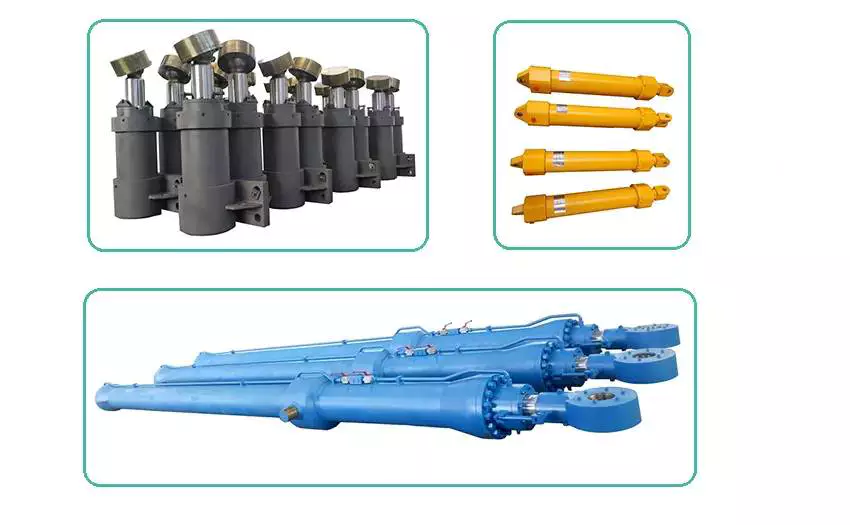
Contribution of Hydraulic Cylinders to the Efficiency of Agricultural Tasks like Plowing
Hydraulic cylinders play a significant role in enhancing the efficiency of agricultural tasks, including plowing. By providing power, control, and versatility, hydraulic cylinders enable agricultural machinery to perform tasks more effectively and with greater precision. Let’s explore how hydraulic cylinders contribute to the efficiency of plowing and other agricultural tasks:
- Powerful Force Generation: Hydraulic cylinders are capable of generating high forces, making them ideal for tasks that require substantial power, such as plowing. The hydraulic system provides pressurized fluid to the cylinders, which convert this hydraulic energy into mechanical force. This force is then utilized to drive plow blades through the soil, overcoming resistance and facilitating efficient soil penetration.
- Adjustable Working Depth: Hydraulic cylinders allow for easy and precise adjustment of plow working depth. By controlling the extension or retraction of the hydraulic cylinder, the depth of the plow blades can be adjusted according to soil conditions, crop requirements, or the farmer’s preferences. This adjustability enhances efficiency by ensuring optimal soil tillage and minimizing unnecessary energy expenditure.
- Responsive Control: Hydraulic systems offer highly responsive control, enabling farmers to make quick adjustments during plowing operations. Hydraulic cylinders respond rapidly to changes in hydraulic pressure and valve settings, allowing for immediate modifications in the plow’s position, depth, or angle. This responsiveness enhances efficiency by facilitating on-the-go adjustments based on soil variations, obstacles, or changing field conditions.
- Implement Versatility: Hydraulic cylinders enable the attachment of various implements to agricultural machinery, expanding their functionality and versatility. In the case of plowing, hydraulic cylinders allow for the attachment and detachment of plow blades or other tillage implements. This versatility enables farmers to adapt their equipment to different soil types, field sizes, or specific plowing requirements, enhancing efficiency by maximizing the utility of the machinery.
- Efficient Time Management: Hydraulic cylinders contribute to time efficiency in agricultural tasks like plowing. With hydraulic systems, farmers can operate plows at higher speeds while maintaining control and precision. The responsive nature of hydraulic cylinders allows for efficient turning, maneuvering, and repositioning of plows, minimizing downtime and optimizing field coverage. This time efficiency translates into increased productivity and reduced overall operational costs.
In summary, hydraulic cylinders significantly contribute to the efficiency of agricultural tasks like plowing. Through powerful force generation, adjustable working depth, responsive control, implement versatility, and efficient time management, hydraulic systems equipped with cylinders enhance the performance and productivity of agricultural machinery. These contributions allow farmers to accomplish plowing tasks more effectively, optimize field operations, and achieve improved overall efficiency in their agricultural practices.
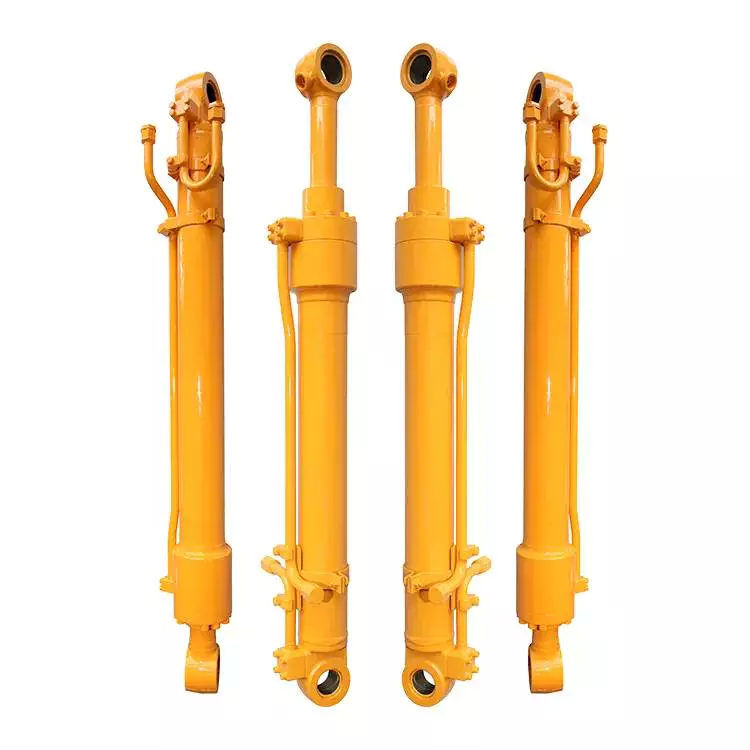
Hvilke vedligeholdelsespraksis er afgørende for at forlænge levetiden på hydrauliske cylindre?
Vedligeholdelse af hydrauliske cylindre er afgørende for at forlænge deres levetid og sikre optimal ydeevne. Regelmæssig vedligeholdelse hjælper med at forhindre for tidligt slid, skader og fejl, hvilket i sidste ende reducerer nedetid og sparer omkostninger. Her er nogle vigtige vedligeholdelsespraksisser, du skal overveje for at forlænge levetiden for hydrauliske cylindre:
1. Regelmæssige inspektioner:
– Udfør rutinemæssige visuelle inspektioner af hydrauliske cylindre for at identificere tegn på skader, lækager eller slid. Inspicer cylinderhus, stempelstang, pakninger og monteringspunkter. Se efter væskelækager, rust, buler eller unormale slidmønstre. Tidlig opdagelse af problemer muliggør rettidig reparation eller udskiftning, hvilket forhindrer yderligere skader og forlænger cylinderens levetid.
2. Renlighed:
– Oprethold et rent miljø omkring hydrauliske cylindre for at forhindre forurenende stoffer i at trænge ind i systemet. Støv, snavs og affald kan beskadige pakninger og andre interne komponenter, hvilket fører til hurtigere slid og reduceret ydeevne. Rengør cylinderen og dens omgivelser regelmæssigt for at minimere risikoen for kontaminering.
3. Proper Lubrication:
– Adequate lubrication is critical for the smooth operation and longevity of hydraulic cylinders. Follow the manufacturer’s recommendations for lubrication intervals and use the appropriate lubricant. Apply lubrication to the cylinder’s moving parts, such as the piston rod, to reduce friction and minimize wear.
4. Seal Maintenance:
– Seals play a vital role in preventing hydraulic fluid leaks and maintaining the cylinder’s performance. Inspect and replace worn or damaged seals promptly. Ensure that seals are properly installed and lubricated. Regularly clean the seal grooves to remove any debris that could compromise seal effectiveness.
5. Pressure Checks:
– Periodically check the hydraulic system’s pressure to ensure it is within the recommended operating range. Excessive pressure can strain the cylinder and its components, leading to premature wear. Monitor pressure levels and make adjustments as necessary to prevent overloading the cylinder.
6. Control Valve Maintenance:
– Maintain and inspect control valves that regulate the flow and direction of hydraulic fluid. Ensure that the valves are functioning correctly and not causing excessive stress or pressure spikes in the cylinder. Clean or replace control valves if they are damaged or malfunctioning.
7. Cylinder Alignment:
– Proper alignment of hydraulic cylinders is essential for their longevity. Misalignment can cause excessive side loads, leading to uneven wear and potential damage. Ensure that the cylinder is correctly aligned with other components and that the mounting points are secure.
8. Preventing Overloading:
– Avoid subjecting hydraulic cylinders to loads exceeding their rated capacity. Overloading can cause internal damage, seal failure, and reduced lifespan. Ensure that the load requirements are within the cylinder’s capabilities and consider using safety devices like overload protection systems when necessary.
9. Training and Operator Awareness:
– Provide proper training to equipment operators on the correct use and handling of hydraulic cylinders. Operators should be aware of the cylinder’s limitations, safe operating procedures, and the importance of regular maintenance. Promote a culture of proactive maintenance and encourage operators to report any potential issues promptly.
10. Documentation and Record-Keeping:
– Maintain detailed documentation of all maintenance activities, including inspections, repairs, and replacements. Keep records of lubrication schedules, pressure checks, and any maintenance performed on the hydraulic cylinders. This documentation helps track the cylinder’s history, identify recurring issues, and plan future maintenance effectively.
By following these maintenance practices, hydraulic cylinder lifespan can be extended, ensuring reliable performance and reducing the risk of unexpected failures. Regular inspections, cleanliness, proper lubrication, seal maintenance, pressure checks, control valve maintenance, cylinder alignment, preventing overloading, operator training, and documentation contribute to the overall longevity and optimal functioning of hydraulic cylinders.


editor by CX 2024-01-19
 Danish
  English
  Italian
  Portuguese
  Dutch
Dutch  Swedish
  Finnish
  Polish
  Hindi
Hindi  Kazakh
  Turkish
  Ukrainian
  Romanian
  Spanish
  German
  Russian
  Korean
  Japanese
  Vietnamese
  Thai
Thai  Indonesian
  Malay
Malay  French
  Greek
Greek