
Produktbeskrivelse
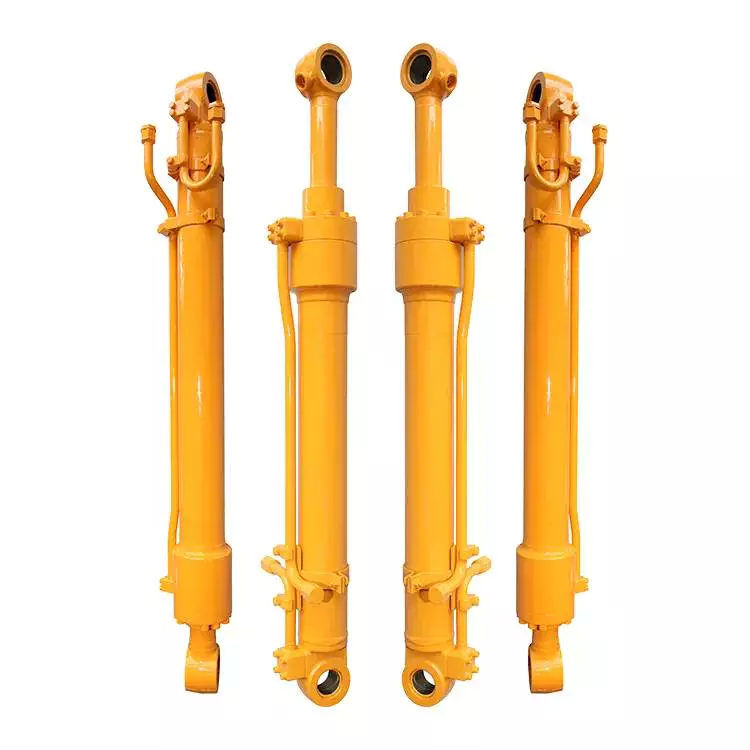
HYDRAULIC CYLINDER
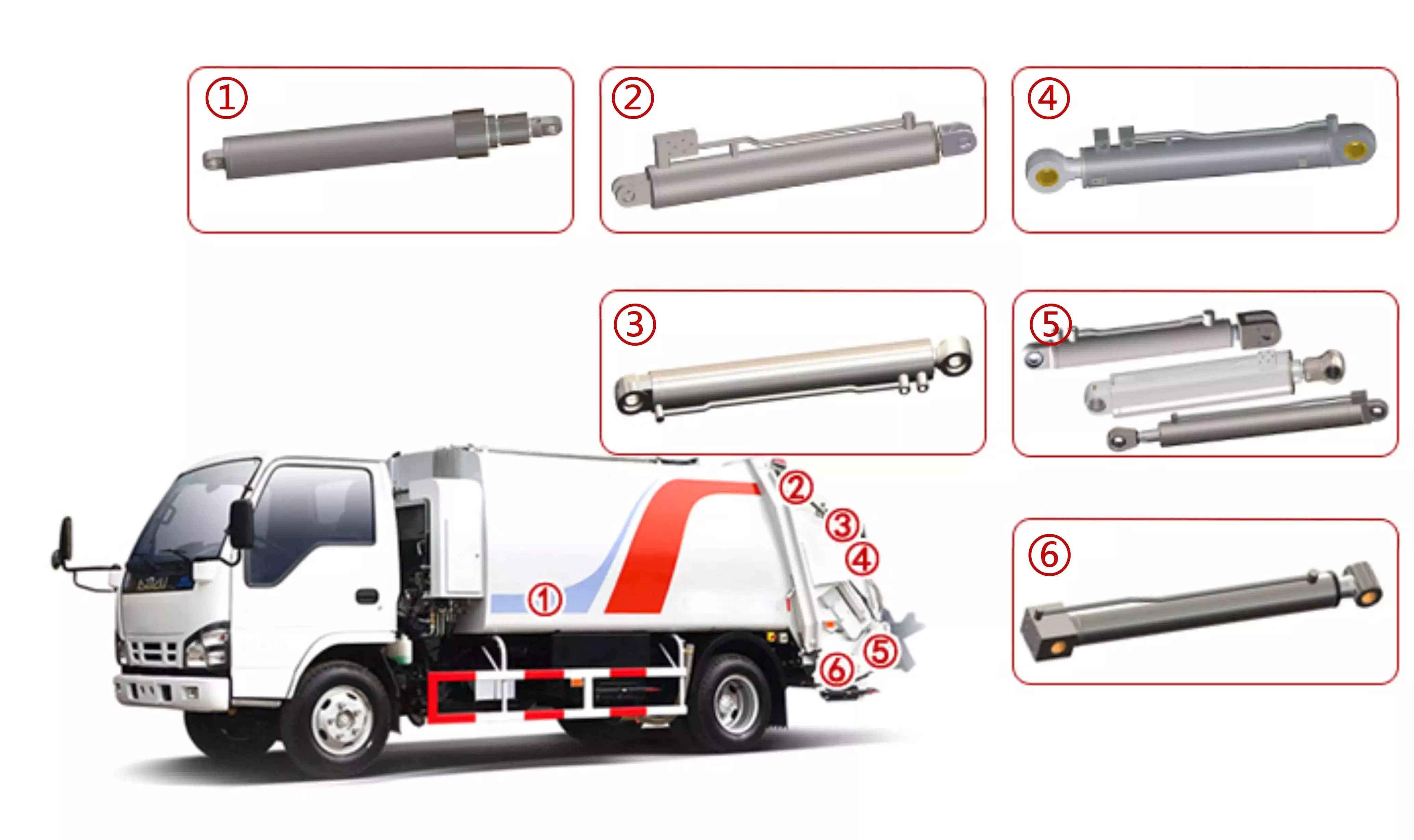
Widely used in equipment for Construction, Coal&mine, Agriculture , Aerial work table and Environmental sanitation etc.
| Features | customized hydraulic cylinder |
| Bore Diameter | 2′-50’/50-1500mm |
| Rod Diameter | 1′ – 60’/25 -1000 mm |
| Wall Thickness | 0.1′-4’/3-100 mm |
| Max Stroke | 366’/9280 mm |
| Max Pressure | 9600 psi/600 bar |
| Test Pressure | 14500 psi/1000 bar |
| Materiale | 20#,40#,45#,16Mn,27SiMn,etc |
| Seal Kits | Hallite, Parker, NOK, DICHTOMATIK, Trelleborg, Merkel |
| Dimensional Accuracy | H7-H11 |
| Bore Roughness | Ra 0.4-1.6mm |
| Coating | hard chrome |
| Purpose | engineering, Coal &mining, agricultural machinery, environmental sanitation |
| OEM/ODM | Yes |
| MOQ | 1 Piece |
| Certificates | ISO9001,CE, CCS |
Q1. Are you a manufacturer?
Yes, we have manufactured hydraulic cylinders for over 30 years. They are widely used in Engineers, Coal&mine, Agriculture and Environmental Sanitation etc.
Q2. Do your products come with a warranty?
Yes, we have 1 year warranty.
Q3. Can we customize our products from you?
Yes, actually 70% of our products are customized for our clients. You just need to let us know your demand (specifications &drawing is better), and we shall realize them for you.
Q4. How do you deliver the products?
By sea, by plane, or by couriers.
Q5. How many days the samples can be finished, And how about the mass production?
Generally 5-7days for samples making. The lead time of mass production will depend on quality, production art and so on. Generally 35days.
| Warranty: | 1 Year |
|---|---|
| Type: | Cylinder |
| Application: | Construction, Coal Mine, Marine, Agriculture |
| Certification: | CE |
| Condition: | New |
| Max Pressure: | 400bar |
| Customization: | Available |
|
|---|
Kan hydrauliske cylindre eftermonteres på eksisterende udstyr for forbedret funktionalitet?
Ja, hydrauliske cylindre kan eftermonteres på eksisterende udstyr for at forbedre funktionalitet og ydeevne. Eftermontering af hydrauliske cylindre på eksisterende maskiner eller udstyr giver flere fordele, herunder øget effekt, forbedret kontrol, forbedret præcision og alsidighed. Her er en detaljeret forklaring af, hvordan hydrauliske cylindre kan eftermonteres på eksisterende udstyr for at forbedre funktionaliteten:
1. Øget effekt:
– Eftermontering af hydrauliske cylindre giver mulighed for at tilføje hydraulisk kraft til eksisterende udstyr. Ved at integrere hydrauliske cylindre kan udstyret generere højere kræfter og håndtere tungere belastninger. Denne øgede effekt gør det muligt for udstyret at udføre opgaver, der tidligere var udfordrende eller umulige. For eksempel kan en eftermonteret hydraulisk cylinder på en kran forbedre dens løftekapacitet og gøre det muligt for den at håndtere tungere belastninger mere effektivt.
2. Forbedret kontrol:
– Hydrauliske cylindre giver præcis kontrol over udstyrets bevægelse og positionering. Ved at eftermontere hydrauliske cylindre får operatørerne bedre kontrol over hastighed, kraft og bevægelsesretning. Tilføjelsen af hydrauliske styreventiler og en hydraulisk kraftenhed muliggør finjustering af udstyrets drift. Forbedret kontrol muliggør en mere sikker og effektiv drift, hvilket reducerer risikoen for skader og forbedrer den samlede produktivitet.
3. Forbedret præcision:
– Eftermontering af hydrauliske cylindre på eksisterende udstyr kan forbedre præcision og nøjagtighed betydeligt. Hydrauliske systemer tilbyder præcis kontrol over bevægelse, hvilket muliggør jævn og kontrolleret bevægelse. Denne forbedrede præcision er fordelagtig i applikationer, hvor præcis positionering eller gentagne bevægelser er påkrævet. For eksempel kan eftermontering af hydrauliske cylindre på en robotarm forbedre dens nøjagtighed og repeterbarhed, hvilket gør den mere velegnet til opgaver, der kræver høj præcision.
4. Alsidighed og tilpasningsevne:
– Eftermontering af hydrauliske cylindre kan øge alsidigheden og tilpasningsevnen af eksisterende udstyr. Hydrauliske systemer kan nemt integreres med forskellige typer maskiner, hvilket muliggør udnyttelse af hydraulisk kraft på tværs af forskellige applikationer. De hydrauliske komponenters modulære natur letter eftermonteringsprocessen og gør det muligt for udstyret at udføre en bredere vifte af opgaver. Denne alsidighed er især fordelagtig i brancher, hvor udstyr skal tilpasses skiftende driftskrav.
5. Eftermonteringssæt og tilpasning:
– Producenter tilbyder ofte eftermonteringssæt, der inkluderer alle de nødvendige komponenter til integration af hydrauliske cylindre i eksisterende udstyr. Disse sæt består typisk af hydrauliske cylindre, monteringsbeslag, slanger, fittings, reguleringsventiler og andet nødvendigt tilbehør. Eftermonteringssæt forenkler eftermonteringsprocessen og sikrer kompatibilitet mellem de hydrauliske komponenter og det eksisterende udstyr. Derudover kan producenter tilbyde tilpasningsmuligheder for at skræddersy eftermonteringsløsningen til specifikt udstyr og applikationsbehov.
6. Omkostningseffektiv løsning:
– Eftermontering af hydrauliske cylindre på eksisterende udstyr kan være en omkostningseffektiv løsning sammenlignet med at købe nyt maskineri. Ved at udnytte det eksisterende udstyrs strukturelle rammeværk og mekaniske komponenter kan de samlede omkostninger ved opgradering reduceres. Eftermontering minimerer også nedetid, da udstyret ikke behøver at blive fuldstændigt udskiftet. Desuden kan den forbedrede funktionalitet og ydeevne, der følger af eftermonteringen, føre til øget produktivitet og omkostningsbesparelser på lang sigt.
7. Professionel installation og ekspertise:
– Eftermontering af hydrauliske cylindre på eksisterende udstyr kræver ofte professionel installation og ekspertise. Samarbejde med erfarne integratorer eller producenter af hydrauliske systemer sikrer korrekt installation, kompatibilitet og optimal ydeevne af eftermonteringsløsningen. Disse fagfolk kan vurdere det eksisterende udstyr, anbefale passende hydrauliske komponenter og udføre eftermonteringsprocessen effektivt. Deres viden og ekspertise bidrager til en vellykket integration af hydrauliske cylindre og den samlede forbedring af udstyrets funktionalitet.
Kort sagt kan hydrauliske cylindre eftermonteres på eksisterende udstyr for at forbedre funktionaliteten. Denne eftermonteringsproces tilbyder fordele såsom øget effekt, forbedret kontrol, forbedret præcision, alsidighed, omkostningseffektivitet og adgang til eftermonteringssæt og tilpasningsmuligheder. Ved at eftermontere hydrauliske cylindre kan eksisterende udstyr opgraderes for at imødekomme skiftende driftsbehov, forlænge dets levetid og forbedre den samlede ydeevne.
How do hydraulic cylinders contribute to the efficiency of agricultural tasks like plowing?
Hydraulic cylinders play a crucial role in improving the efficiency of agricultural tasks, including plowing. These cylinders provide several benefits that enhance the performance and productivity of agricultural machinery. Let’s explore how hydraulic cylinders contribute to the efficiency of plowing and other agricultural tasks:
- Powerful Force Generation: Hydraulic cylinders are capable of generating high forces, which is essential for tasks like plowing. The hydraulic system supplies pressurized fluid to the cylinders, converting hydraulic energy into mechanical force. This force is then utilized to drive plow blades through the soil, overcoming resistance and facilitating efficient soil penetration. The power generated by hydraulic cylinders ensures effective plowing, even in tough or compacted soil conditions.
- Adjustable Working Depth: Hydraulic cylinders allow for easy and precise adjustment of the plow’s working depth. By controlling the extension or retraction of the hydraulic cylinder, farmers can adjust the depth of the plow blades according to soil conditions, crop requirements, or their specific preferences. This adjustability enhances efficiency by ensuring optimal soil tillage and minimizing unnecessary energy expenditure. Farmers can adapt the plowing depth to different field areas, optimizing the use of resources and promoting uniform crop growth.
- Responsive Control: Hydraulic systems offer highly responsive control, enabling farmers to make quick adjustments during plowing operations. Hydraulic cylinders respond rapidly to changes in hydraulic pressure and valve settings, allowing for immediate modifications in the plow’s position, depth, or angle. This responsiveness enhances efficiency by facilitating on-the-go adjustments based on soil variations, obstacles, or changing field conditions. Farmers can maintain precise control over the plow’s performance, ensuring effective soil tillage and minimizing the risk of crop damage.
- Implement Versatility: Hydraulic cylinders enable the attachment of various implements to agricultural machinery, expanding their functionality and versatility. In the context of plowing, hydraulic cylinders allow for the attachment and detachment of plow blades or other tillage implements. This versatility enables farmers to adapt their equipment to different soil types, field sizes, or specific plowing requirements. By using hydraulic cylinders, farmers can easily switch between different implements, optimizing their equipment for specific tasks and maximizing efficiency.
- Efficient Time Management: Hydraulic cylinders contribute to time efficiency in agricultural tasks like plowing. With hydraulic systems, farmers can operate plows at higher speeds while maintaining control and precision. The responsive nature of hydraulic cylinders allows for efficient turning, maneuvering, and repositioning of plows, minimizing downtime and optimizing field coverage. This time efficiency translates into increased productivity and reduced overall operational costs. Farmers can accomplish plowing tasks more quickly, allowing them to cover larger field areas in less time.
In summary, hydraulic cylinders significantly contribute to the efficiency of agricultural tasks like plowing. Through powerful force generation, adjustable working depth, responsive control, implement versatility, and efficient time management, hydraulic systems equipped with cylinders enhance the performance and productivity of agricultural machinery. These contributions allow farmers to accomplish plowing tasks more effectively, optimize field operations, and achieve improved overall efficiency in their agricultural practices.
What factors should be considered when selecting the right hydraulic cylinder for an application?
When selecting the right hydraulic cylinder for an application, several important factors need to be considered. These factors help ensure that the chosen hydraulic cylinder is suitable for the specific requirements of the application and will perform reliably. Here are the key factors to consider:
1. Load Requirements:
– One of the crucial factors to consider is the load requirement of the application. Determine the maximum load that the hydraulic cylinder needs to handle. Consider both the static load (when the cylinder is stationary) and the dynamic load (when the cylinder is in motion). The load requirement will impact the cylinder’s bore size, rod diameter, and overall strength. Choose a hydraulic cylinder with a load capacity that exceeds the application’s maximum load to ensure safety and longevity.
2. Stroke Length:
– The stroke length refers to the distance the hydraulic cylinder needs to extend and retract to perform the desired motion. Measure the required stroke length based on the application’s operational requirements. It is essential to choose a hydraulic cylinder with a stroke length that matches or exceeds the required distance. Consider any potential variations or adjustments in the stroke length that may be needed in the future.
3. Operating Pressure:
– Consider the operating pressure required for the application. The hydraulic cylinder must be capable of withstanding the maximum pressure within the hydraulic system. Ensure that the selected cylinder has a pressure rating that exceeds the application’s maximum operating pressure. This ensures safety and prevents premature failure.
4. Speed Requirements:
– Determine the required speed of the hydraulic cylinder’s movement for the application. Consider both the extension and retraction speeds. Select a cylinder that can achieve the desired speed while maintaining precise control and stability. It is important to choose a cylinder that can handle the required speed without compromising performance or safety.
5. Mounting:
– Evaluate the available space and mounting requirements for the hydraulic cylinder. Consider the mounting type (such as flange, foot, trunnion, or clevis), the available mounting points, and any specific mounting constraints. Ensure that the selected cylinder can be easily and securely mounted in the desired location.
6. Environmental Factors:
– Assess the environmental conditions in which the hydraulic cylinder will operate. Consider factors such as temperature extremes, humidity, exposure to chemicals, dust, or corrosive substances. Choose a cylinder that is designed to withstand the specific environmental conditions of the application. This may involve selecting appropriate materials, coatings, or seals to ensure the longevity and performance of the cylinder.
7. Cylinder Configuration:
– Determine the appropriate cylinder configuration based on the application’s requirements. Consider factors such as single-acting or double-acting cylinders, telescopic cylinders for limited space, or custom configurations for unique applications. Evaluate the specific needs of the application to select the most suitable cylinder configuration.
8. Maintenance and Serviceability:
– Consider the maintenance and service requirements of the hydraulic cylinder. Evaluate factors such as ease of access for maintenance, availability of spare parts, and the reputation of the manufacturer or supplier in terms of customer support and after-sales service. Choosing a reliable and reputable brand can ensure ongoing support and availability of spare parts when needed.
9. Compliance and Standards:
– Depending on the industry and application, certain compliance standards may need to be met. Consider any industry-specific regulations, safety standards, or certifications that the hydraulic cylinder should comply with. Ensure that the selected cylinder meets the required standards and certifications for the application.
10. Cost and Budget:
– Finally, consider the cost and budget for the hydraulic cylinder. While it is important to select a cylinder that meets the application’s requirements, it is also necessary to consider the overall cost-effectiveness. Evaluate the initial purchase cost, long-term maintenance costs, and the expected lifespan of the cylinder. Balancing the cost and quality will help in selecting a hydraulic cylinder that provides the best value for the application.
By considering these factors in the selection process, it becomes possible to choose the right hydraulic cylinder that meets the specific requirements of the application in terms of load capacity, stroke length, operating pressure, speed, mounting, environmental conditions, maintenance needs, compliance, and cost-effectiveness. Proper selection ensures optimal performance, reliability, and longevity of the hydraulic cylinder in the intended application.


editor by CX 2023-10-16
 Danish
  English
  Italian
  Portuguese
  Dutch
Dutch  Swedish
  Finnish
  Polish
  Hindi
Hindi  Kazakh
  Turkish
  Ukrainian
  Romanian
  Spanish
  German
  Russian
  Korean
  Japanese
  Vietnamese
  Thai
Thai  Indonesian
  Malay
Malay  French
  Greek
Greek