
Produktbeskrivelse
Produktbeskrivelse
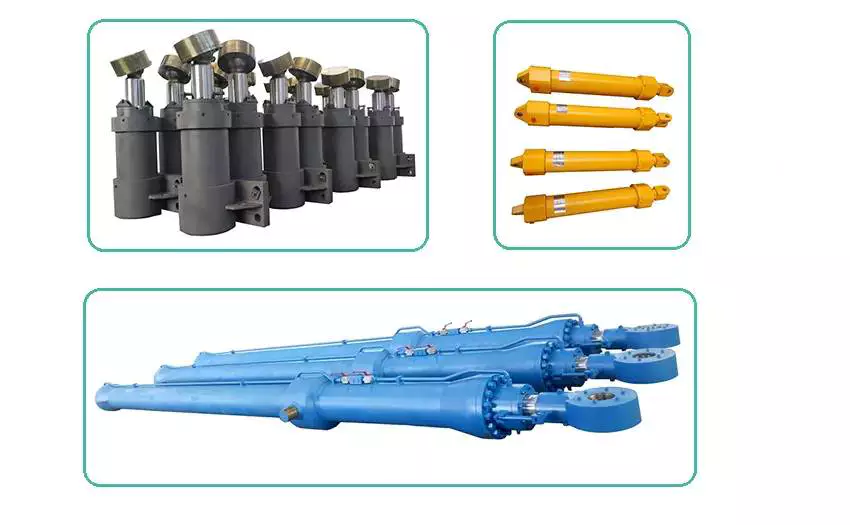
There are 2 main types of F lifting mechanism and T lifting mechanism.
It can meet the lifting requirement from 8 tons-45 tons, and the hydraulic cylinder has a limiting device and a buffer device.
Production KRM series lifting institutions are sold to Southeast Asia and Africa.
| HG-E198*875EZ technical parameters |
| 1.Cylinder diameter:Ø198 |
| 2.Piston rod diameter:Ø80 |
| 3.Stroke:875 |
| 4.Rated pressure:16Mpa |
| Closed length:1275 |
Firmaprofil
Certifications
Packaging & Shipping
FAQ
Q1: Can your cylinders with HYVA ones?
Yes, our cylinders can replace HYVA ones well, with same technical details and mounting sizes
Q2: What’s your cylinder’s advantages?
The cylinders are made under strictly quality control processing.
All the raw materials and seals we used are all from world famous companies.
Cost effective
Q3: When your company be established ?
Our company be established in 1996, and we are professional for hydraulic cylinders for more than 25 years.
And we had passed IATF 16949:2016 Quality control system.
Q4: How about the delivery time ?
For samples about 20 days. And 15 to 30 days about mass orders.
Q5: How about the cylinder’s quality gurantee?
We have 1 year quality grantee of the cylinders.
| Certification: | ISO9001, IATF 16949:2016 |
|---|---|
| Pressure: | High Pressure |
| Work Temperature: | Normal Temperature |
| Acting Way: | Double Acting |
| Working Method: | Straight Trip |
| Adjusted Form: | Regulated Type |
| Samples: | US$ 1000/Piece 1 Piece(Min.Order) | |
|---|
| Customization: | Available |
|
|---|
Hvordan klarer hydrauliske cylindre sig i forhold til andre metoder til kraftgenerering, såsom elektriske motorer?
Hydrauliske cylindre og elektriske motorer er to forskellige metoder til kraftgenerering med forskellige egenskaber og anvendelser. Selvom både hydrauliske cylindre og elektriske motorer kan generere kraft, adskiller de sig med hensyn til deres arbejdsprincipper, ydeevneegenskaber og egnethed til specifikke anvendelser. Her er en detaljeret sammenligning af hydrauliske cylindre og elektriske motorer:
1. Arbejdsprincip:
– Hydrauliske cylindre: Hydrauliske cylindre genererer kraft ved at omdanne væsketryk til lineær bevægelse. De består af en cylindercylinder, et stempel, en stempelstang og en hydraulisk væske. Når hydraulisk væske under tryk kommer ind i cylinderen, presser den mod stemplet, hvilket får stempelstangen til at forlænges eller trækkes tilbage, hvorved der genereres en lineær kraft.
– Elektriske motorer: Elektriske motorer genererer kraft ved at omdanne elektrisk energi til roterende bevægelse. De består af en stator, en rotor og et elektromagnetisk felt. Når en elektrisk strøm påføres motorens viklinger, skaber den et magnetfelt, der interagerer med rotoren, hvilket får den til at rotere og generere drejningsmoment.
2. Kraft og magt:
– Hydrauliske cylindre: Hydrauliske cylindre er kendt for deres høje kraftkapacitet. De kan generere betydelige lineære kræfter, hvilket gør dem velegnede til tunge applikationer, der kræver løft, skub eller træk af store belastninger. Hydrauliske systemer kan levere høj kraftudgang selv ved lave hastigheder, hvilket giver mulighed for præcis kontrol over kraftpåføringen. Hydrauliske systemer fungerer dog typisk ved lavere hastigheder sammenlignet med elmotorer.
– Elektriske motorer: Elektriske motorer udmærker sig ved at levere høje rotationshastigheder og bruges almindeligvis til applikationer, der kræver hurtig bevægelse. Selvom elmotorer kan generere et betydeligt drejningsmoment, har de en tendens til at have en lavere kraftudgang sammenlignet med hydrauliske cylindre. Elektriske motorer er velegnede til applikationer, der involverer kontinuerlig roterende bevægelse, såsom at drive transportbånd, roterende maskiner eller køretøjer.
3. Kontrol og præcision:
– Hydrauliske cylindre: Hydrauliske systemer tilbyder fremragende kontrol over kraft, hastighed og positionering. Ved at regulere strømmen af hydraulisk væske kan kraften og hastigheden af hydrauliske cylindre styres præcist. Hydrauliske systemer kan give gradvis acceleration og deceleration, hvilket muliggør jævne og præcise bevægelser. Dette kontrolniveau gør hydrauliske cylindre velegnede til applikationer, der kræver præcis positionering, f.eks. inden for industriel automation eller entreprenørudstyr.
– Elektriske motorer: Elektriske motorer tilbyder også præcis kontrol over hastighed og positionering. Gennem motorstyringsteknikker såsom varierende spænding, frekvens eller pulsbreddemodulation (PWM) kan rotationshastigheden og positionen af elmotorer styres nøjagtigt. Elektriske motorer bruges almindeligvis i applikationer, der kræver præcis hastighedskontrol, såsom robotteknologi, CNC-maskiner eller servosystemer.
4. Effektivitet og energiforbrug:
– Hydrauliske cylindre: Hydrauliske systemer kan være yderst effektive, især når de er korrekt dimensioneret og designet. Hydrauliske systemer har dog typisk højere energitab på grund af faktorer som væskelækage, friktion og varmeudvikling. Den samlede effektivitet af et hydraulisk system afhænger af design, komponentvalg og vedligeholdelsespraksis. Hydrauliske systemer kræver en hydraulisk kraftenhed til at trykke den hydrauliske væske, hvilket forbruger yderligere energi.
– Elektriske motorer: Elektriske motorer kan have høj effektivitet, især når de drives under optimale driftsforhold. Elektriske motorer har lavere energitab sammenlignet med hydrauliske systemer, primært på grund af fraværet af væskelækage og lavere friktionstab. Den samlede effektivitet af en elmotor afhænger af faktorer som motordesign, belastningsforhold og styringsteknikker. Elektriske motorer kræver en elektrisk strømkilde, og deres energiforbrug afhænger af motorens nominelle effekt og driftsvarighed.
5. Miljøhensyn:
– Hydrauliske cylindre: Hydrauliske systemer bruger typisk hydrauliske væsker, der kan udgøre miljøproblemer, hvis de lækker eller ikke bortskaffes korrekt. Valget af hydraulisk væske kan påvirke faktorer som bionedbrydelighed, toksicitet og potentielle miljøfarer. Korrekt vedligeholdelse og lækageforebyggelse er afgørende for at minimere miljøpåvirkningen af hydrauliske systemer.
– Elektriske motorer: Elektriske motorer anses generelt for at være mere miljøvenlige, da de ikke kræver hydrauliske væsker. Miljøpåvirkningen af elmotorer afhænger dog af den strømkilde, der bruges til at drive dem. Når de drives af vedvarende energikilder, såsom sol eller vind, kan elmotorer tilbyde en grønnere løsning sammenlignet med hydrauliske systemer.
6. Anvendelsesegnethed:
– Hydrauliske cylindre: Hydrauliske cylindre bruges almindeligvis i applikationer, der kræver høj kraftudbytte, præcis styring og holdbarhed. De anvendes i vid udstrækning i industrier som byggeri, fremstilling, minedrift og luftfart. Hydrauliske systemer er velegnede til tunge applikationer, såsom løft af tunge genstande, betjening af tunge maskiner eller styring af store bevægelser.
– Elektriske motorer: Elektriske motorer anvendes i vid udstrækning i forskellige industrier og applikationer, der kræver rotationsbevægelse, hastighedskontrol og præcis positionering. De findes almindeligvis i apparater, transport, robotteknologi, HVAC-systemer og automation. Elektriske motorer er velegnede til applikationer, der involverer kontinuerlig rotationsbevægelse, såsom kørsel af transportbånd, roterende maskiner eller drift af køretøjer. Kort sagt har hydrauliske cylindre og elmotorer forskellige arbejdsprincipper, kraftkapaciteter, styringsegenskaber, effektivitetsniveauer og anvendelsesegnethed. Hydrauliske cylindre udmærker sig ved at levere høj kraftudgang, præcis styring og holdbarhed, hvilket gør dem ideelle til tunge applikationer. Elektriske motorer tilbyder derimod høje rotationshastigheder, præcis hastighedskontrol og anvendes almindeligvis til applikationer, der involverer kontinuerlig rotationsbevægelse. Valget mellem hydrauliske cylindre og elmotorer afhænger af de specifikke krav til applikationen, herunder bevægelsestype, kraftudgang, styringspræcision og miljøhensyn.
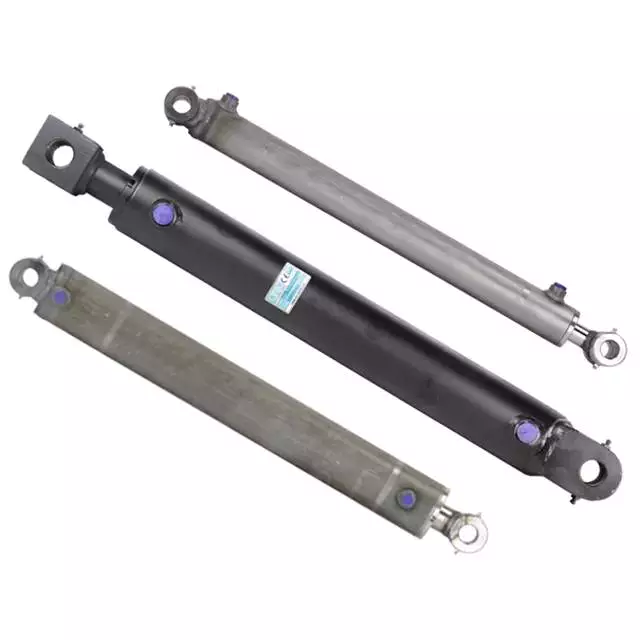
What considerations are important when selecting hydraulic cylinders for mobile equipment?
To select hydraulic cylinders for mobile equipment, several important considerations need to be taken into account. Here are the key factors to consider:
- Load Capacity: Determine the maximum load or force that the hydraulic cylinder will need to support. This includes both the static load and any dynamic or shock loads that may be encountered during operation.
- Stroke Length: Consider the required stroke length, which is the distance the hydraulic cylinder can extend and retract. Ensure that the stroke length is sufficient for the specific application and range of motion needed.
- Operating Pressure: Determine the maximum operating pressure required for the hydraulic system. This will depend on the load and the specific application. Select a hydraulic cylinder with a pressure rating that exceeds the maximum operating pressure to ensure safety and durability.
- Mounting Style: Consider the available space and the mounting requirements of the mobile equipment. Hydraulic cylinders come in various mounting styles, such as flange, trunnion, clevis, and pivot, among others. Choose a mounting style that is compatible with the equipment and provides the necessary support and stability.
- Size and Weight: Take into account the physical dimensions and weight of the hydraulic cylinder. Ensure that it can fit within the available space and that the equipment can support its weight without compromising performance or safety.
- Speed and Precision: Evaluate the required speed and precision of the hydraulic cylinder’s movement. Different cylinder designs and configurations can affect the speed and accuracy of motion. Consider factors such as cylinder bore size, rod diameter, and the presence of cushioning or dampening features.
- Environmental Factors: Assess the operating environment of the mobile equipment. Consider factors such as temperature extremes, exposure to moisture, dust, and chemicals. Select hydraulic cylinders with appropriate seals and coatings that can withstand the environmental conditions and prevent corrosion or damage.
- Reliability and Maintenance: Consider the reliability and maintenance requirements of the hydraulic cylinders. Look for reputable manufacturers that provide high-quality products with a proven track record. Evaluate factors such as expected service life, availability of spare parts, and ease of maintenance.
- Cost: Finally, consider the cost of the hydraulic cylinders, including the initial purchase price, installation costs, and long-term maintenance expenses. While it is essential to find a cost-effective solution, prioritize quality and performance to ensure safe and efficient operation.
Which industries and machinery commonly use hydraulic cylinders for power transmission?
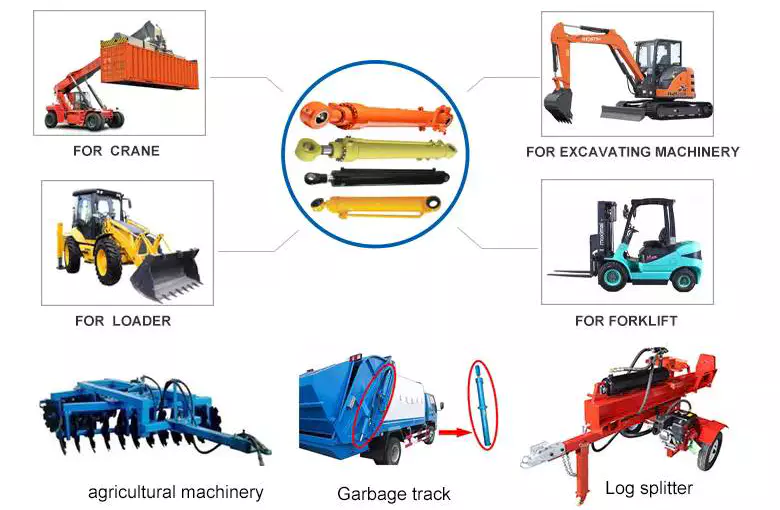
Hydraulic cylinders are widely used in various industries and machinery for power transmission due to their ability to generate high force, precise control, and reliable operation. They play a crucial role in converting hydraulic energy into mechanical force and motion. Here are the detailed industries and machinery that commonly utilize hydraulic cylinders for power transmission:
1. Construction and Heavy Equipment:
– Hydraulic cylinders are extensively used in the construction industry for tasks involving heavy lifting, pushing, and positioning. They are employed in cranes, excavators, loaders, bulldozers, and other heavy equipment to lift and move heavy loads, operate attachments, and manipulate construction materials. Hydraulic cylinders provide the necessary force and control for tasks such as lifting and lowering buckets, extending and retracting booms, and tilting blades.
2. Material Handling and Logistics:
– In material handling and logistics applications, hydraulic cylinders are vital components for the movement and manipulation of goods. They are used in forklifts, stackers, palletizers, and conveyor systems to lift, lower, and position loads with precision. Hydraulic cylinders enable the efficient transfer of heavy objects, facilitate stacking and sorting operations, and contribute to the smooth operation of material handling equipment.
3. Agriculture and Farming:
– The agricultural industry relies on hydraulic cylinders for various tasks in farming equipment. Tractors, harvesters, sprayers, and loaders utilize hydraulic cylinders to perform functions such as lifting and lowering implements, adjusting the position of attachments, and steering operations. Hydraulic cylinders enable efficient and precise control in tasks like plowing, tilling, harvesting, and baling, enhancing productivity and convenience in agricultural operations.
4. Mining and Extraction:
– Hydraulic cylinders are extensively utilized in the mining and extraction industry for their ability to handle heavy loads and operate in challenging environments. They are employed in mining equipment such as dump trucks, loaders, and excavators for tasks like ore extraction, rock breaking, and material transport. Hydraulic cylinders provide the force required for excavating, loading, and dumping operations, contributing to the efficiency and productivity of mining operations.
5. Manufacturing and Industrial Machinery:
– Hydraulic cylinders are an integral part of various manufacturing and industrial machinery. They are utilized in presses, stamping machines, injection molding machines, and metal forming equipment to apply force for shaping, bending, and pressing operations. Hydraulic cylinders enable precise control over the force and speed required for manufacturing processes, ensuring accurate and consistent results.
6. Automotive and Transportation:
– Hydraulic cylinders are employed in the automotive and transportation industry for a range of applications. They are used in vehicle lifting systems, such as car lifts and hydraulic jacks, for maintenance and repairs. Hydraulic cylinders are also utilized in bus doors, truck tailgates, and cargo handling systems to provide controlled movement and positioning. Additionally, hydraulic suspension systems in trucks, buses, and trailers use hydraulic cylinders for load leveling and stability.
7. Aerospace and Aviation:
– The aerospace and aviation industry relies on hydraulic cylinders for various applications, including aircraft landing gear, wing flaps, and flight control systems. Hydraulic cylinders provide the necessary force and precise control for extending and retracting landing gear, adjusting wing surfaces, and actuating control surfaces. They contribute to the safe and efficient operation of aircraft, ensuring reliable performance during takeoff, landing, and flight maneuvers.
8. Marine and Offshore:
– Hydraulic cylinders are utilized in marine and offshore equipment for a wide range of tasks. They are found in ship and boat steering systems, hatch covers, cranes, winches, and anchor handling equipment. Hydraulic cylinders enable precise control and powerful force transmission in maritime applications, supporting navigation, cargo handling, and offshore operations.
In summary, hydraulic cylinders are commonly used in industries such as construction, material handling, agriculture, mining, manufacturing, automotive, aerospace, marine, and more. They are integral components in machinery and equipment that require reliable power transmission, precise control, and the ability to handle heavy loads. The versatile nature of hydraulic cylinders allows them to be adapted to various applications, contributing to increased efficiency, productivity, and safety in numerous industries.


editor by CX 2023-11-19
 Danish
  English
  Italian
  Portuguese
  Dutch
Dutch  Swedish
  Finnish
  Polish
  Hindi
Hindi  Kazakh
  Turkish
  Ukrainian
  Romanian
  Spanish
  German
  Russian
  Korean
  Japanese
  Vietnamese
  Thai
Thai  Indonesian
  Malay
Malay  French
  Greek
Greek