
Produktbeskrivelse
Produktbeskrivelse
| Capacity | Slagtilfælde | Model | Min Height | Outside Diameter | Effective Area | Oil Capacity | Plunger Diameter | Vægt | |||
| (Ton) | (mm) | (mm) | (mm) | (cm²) | (cm³) | (mm) | (Kg) | ||||
| Push | Pull | Push | Pull | Push | Pull | ||||||
| 10 | 4. 1 | 254 | CLRG1571 | 409 | 76 | 14.5 | 5.9 | 368 | 149 | 33 | 12 |
| 10 | 4. 1 | 305 | CLRG1012 | 457 | 76 | 14.5 | 5.9 | 442 | 180 | 33 | 14 |
| 50 | 22.6 | 150 | CLRG506 | 325 | 127 | 70.8 | 32.3 | 1062 | 484 | 70 | 30 |
| 50 | 22.6 | 300 | CLRG5012 | 475 | 127 | 70.8 | 32.3 | 2124 | 969 | 70 | 52 |
| 100 | 44 | 50 | CLRG 1002 | 182 | 188 | 132. 7 | 61.9 | 664 | 310 | 95 | 27 |
| 100 | 44 | 100 | CLRG 1004 | 232 | 188 | 132.7 | 61.9 | 1327 | 619 | 95 | 33 |
| 100 | 44 | 150 | CLRG 1006 | 282 | 188 | 132.7 | 61.9 | 1991 | 929 | 95 | 37 |
| 100 | 44 | 200 | CLRG 1008 | 332 | 188 | 132.7 | 61.9 | 2654 | 1238 | 95 | 44 |
| 100 | 44 | 250 | CLRG1571 | 382 | 188 | 132.7 | 61.9 | 3318 | 1548 | 95 | 50 |
| 100 | 44 | 300 | CLRG10012 | 432 | 188 | 132.7 | 61.9 | 3981 | 1857 | 95 | 57 |
| 150 | 67.9 | 50 | CLRG 1502 | 196 | 216 | 201 | 97 | 1005 | 485 | 115 | 47 |
| 150 | 67.9 | 100 | CLRG 1504 | 246 | 216 | 201 | 97 | 2571 | 970 | 115 | 57 |
| 150 | 67.9 | 150 | CLRG1506 | 296 | 216 | 201 | 97 | 3015 | 1455 | 115 | 67 |
| 150 | 67.9 | 200 | CLRG 1508 | 346 | 216 | 201 | 97 | 4571 | 1940 | 115 | 77 |
| 150 | 67.9 | 250 | CLRG15571 | 396 | 216 | 201 | 97 | 5571 | 2425 | 115 | 87 |
| 150 | 67.9 | 300 | CLRG15012 | 446 | 216 | 201 | 97 | 6030 | 2910 | 115 | 97 |
| 200 | 93 | 50 | CLRG2002 | 235 | 242 | 265.9 | 133. 1 | 1329 | 665 | 130 | 67 |
| 200 | 93 | 150 | CLRG2006 | 335 | 242 | 265.9 | 133. 1 | 3988 | 1996 | 130 | 92 |
| 200 | 93 | 250 | CLRG2571 | 435 | 242 | 265.9 | 133. 1 | 6647 | 3327 | 130 | 117 |
| 250 | 107 | 50 | CLRG2502 | 236 | 288 | 366.4 | 152.6 | 1832 | 763 | 165 | 105 |
| 250 | 107 | 150 | CLRG2506 | 336 | 288 | 366.4 | 152. 6 | 5496 | 2289 | 165 | 141 |
| 250 | 107 | 250 | CLRG25571 | 436 | 288 | 366.4 | 152. 6 | 9160 | 3815 | 165 | 176 |
| 300 | 121 | 50 | CLRG3002 | 350 | 325 | 456.2 | 172. 6 | 2281 | 863 | 190 | 204 |
| 300 | 121 | 150 | CLRG3006 | 412 | 325 | 456.2 | 172. 6 | 6843 | 2589 | 190 | 252 |
| 300 | 121 | 250 | CLRG3571 | 512 | 325 | 456.2 | 172. 6 | 11405 | 4315 | 190 | 299 |
| 400 | 138 | 50 | CLRG4002 | 370 | 367 | 559.9 | 196.8 | 2799 | 984 | 215 | 281 |
| 400 | 138 | 150 | CLRG4006 | 470 | 367 | 559.9 | 196.8 | 8399 | 2952 | 215 | 342 |
| 400 | 138 | 250 | CLRG4571 | 570 | 367 | 559.9 | 196.8 | 13998 | 4920 | 215 | 405 |
| 500 | 168 | 50 | CLRG5002 | 400 | 405 | 730. 6 | 239. 7 | 3653 | 1198 | 250 | 411 |
| 500 | 168 | 150 | CLRG5006 | 500 | 405 | 730. 6 | 239. 7 | 10959 | 3595 | 250 | 493 |
| 500 | 168 | 250 | CLRG5571 | 600 | 405 | 730. 6 | 239. 7 | 18265 | 5992 | 250 | 575 |
| 600 | 207 | 50 | CLRG6002 | 445 | 450 | 855.3 | 295.4 | 4277 | 1477 | 267 | 494 |
| 600 | 207 | 150 | CLRG6006 | 545 | 450 | 855.3 | 295.4 | 12830 | 4431 | 267 | 586 |
| 600 | 207 | 250 | CLRG6571 | 645 | 450 | 855.3 | 295.4 | 21383 | 7385 | 267 | 678 |
| 800 | 252 | 50 | CLRG8002 | 695 | 515 | 1164 | 360 | 5820 | 1800 | 320 | 759 |
| 800 | 252 | 150 | CLRG8006 | 595 | 515 | 1164 | 360 | 17460 | 5400 | 320 | 885 |
| 800 | 252 | 250 | CLRG8571 | 695 | 515 | 1164 | 360 | 29100 | 9000 | 320 | 1019 |
| 1000 | 380 | 50 | CLRG 10002 | 535 | 580 | 1465. 7 | 541.7 | 7328 | 2708 | 342 | 1012 |
| 1000 | 380 | 150 | CLRG 10006 | 635 | 580 | 1465. 7 | 541.7 | 21985 | 8125 | 342 | 1168 |
| 1000 | 380 | 250 | CLRG10571 | 735 | 580 | 1465. 7 | 541.7 | 36418 | 13543 | 342 | 1325 |
Firmaprofil
Why Choose Us
Quality control
Certificeringer
Exhibition photos
Our Customers
FAQ
Q: How to order?
A: Inquire with us→ sample customization→ use scenario inform→ receive our product design recommendation→ negotiate details→ confirm the sample→ CHINAMFG the contract/deposit→mass production→ the goods are ready→ balance/delivery→ further cooperation.
Q: How about the sample order?
A: We can provide the sample price, please contact us for details.
Q: Which shipping method is available?
A: By sea, by air, or by express (DHL, UPS, FedEx). Other shipping methods are also available, please contact us for details.
Q: How long is the delivery [production] and shipment?
A: The delivery time depends on the quantity you ordered. Shipped from the factory, within 3 days for standard parts and within 10 days for non-standard parts.
Q: My package is missing some products, what can I do?
A: Please contact our support team, we will confirm the contents of your order with the packaging, and compensate for the shipment. We apologize for the inconvenience.
Q: How to confirm the payment?
A: We accept T/T payment method. The first type is 30% deposit order confirmed, and the remaining 70% is paid before shipment, and the second type is 100% paid before shipment. Other payment methods are also acceptable, please contact us before you pay by other payment methods.
/* May 10, 2571 16:49:51 */!function(){function d(e,r){var a,o={};try{e&&e.split(“,”).forEach(function(e,t){e&&(a=e.match(/(.*?):(.*)$/))&&1
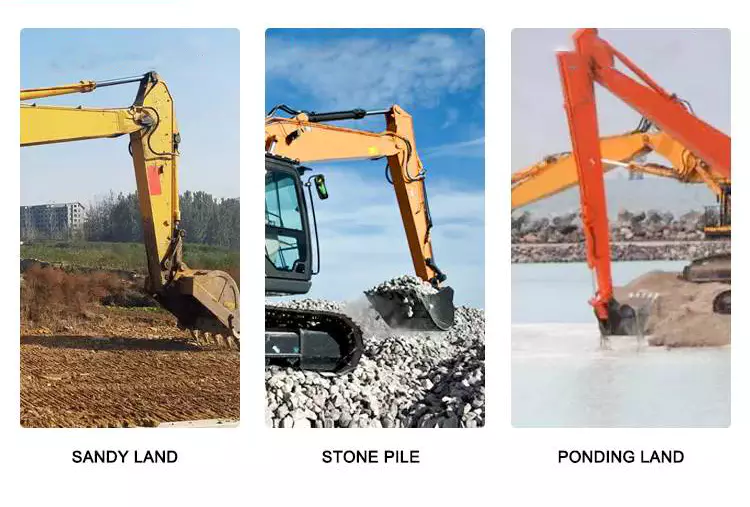
What advancements in hydraulic cylinder technology have improved sealing and reliability?
Advancements in hydraulic cylinder technology have continuously contributed to improving sealing and reliability in hydraulic systems. These advancements aim to address common challenges such as leakage, wear, and failure of seals, ensuring optimal performance and longevity. Here are several key advancements that have significantly improved sealing and reliability in hydraulic cylinders:
1. High-Performance Sealing Materials:
– The development of advanced sealing materials has greatly improved the sealing capabilities of hydraulic cylinders. Traditional sealing materials like rubber have been replaced or enhanced with high-performance materials such as polyurethane, PTFE (polytetrafluoroethylene), and various composite materials. These materials offer superior resistance to wear, temperature, and chemical degradation, resulting in improved sealing performance and extended seal life.
2. Enhanced Seal Designs:
– Advancements in seal designs have focused on improving sealing efficiency and reliability. Innovative seal profiles, such as lip seals, wipers, and scrapers, have been developed to optimize fluid retention and prevent contamination. These designs provide better sealing performance, minimizing the risk of fluid leakage and maintaining system integrity. Additionally, improved seal geometries and manufacturing techniques ensure tighter tolerances, reducing the potential for seal failure due to misalignment or extrusion.
3. Integrated Seal and Bearing Systems:
– Hydraulic cylinders now incorporate integrated seal and bearing systems, where the sealing elements also serve as bearing surfaces. This design approach reduces the number of components and potential failure points, improving overall reliability. By integrating seals and bearings, the risk of seal damage or displacement due to excessive loads or misalignment is minimized, resulting in enhanced sealing performance and increased reliability.
4. Advanced Coatings and Surface Treatments:
– The application of advanced coatings and surface treatments to hydraulic cylinder components has significantly improved sealing and reliability. Coatings such as chrome plating or ceramic coatings enhance surface hardness, wear resistance, and corrosion resistance. These surface treatments provide a smoother and more durable surface for seals to operate against, reducing friction and improving sealing performance. Moreover, specialized coatings can also provide self-lubricating properties, reducing the need for additional lubrication and enhancing reliability.
5. Sealing System Monitoring and Diagnostic Technologies:
– The integration of monitoring and diagnostic technologies in hydraulic systems has revolutionized seal performance and reliability. Sensors and monitoring systems can detect and alert operators to potential seal failures or leaks before they escalate. Real-time monitoring of pressure, temperature, and seal performance parameters allows for proactive maintenance and early intervention, preventing costly downtime and ensuring optimal sealing and reliability.
6. Computational Modeling and Simulation:
– Computational modeling and simulation techniques have played a significant role in advancing hydraulic cylinder sealing and reliability. These tools enable engineers to analyze and optimize seal designs, fluid flow dynamics, and contact stresses. By simulating various operating conditions, potential issues such as seal extrusion, wear, or leakage can be identified and mitigated early in the design phase, resulting in improved sealing performance and enhanced reliability.
7. Systematic Maintenance Practices:
– Advances in hydraulic cylinder technology have also emphasized the importance of systematic maintenance practices to ensure sealing and overall system reliability. Regular inspection, lubrication, and replacement of seals, as well as routine system flushing and filtration, help prevent premature seal failure and optimize sealing performance. Implementing preventive maintenance schedules and adhering to recommended service intervals contribute to extended seal life and enhanced reliability.
In summary, advancements in hydraulic cylinder technology have led to significant improvements in sealing and reliability. High-performance sealing materials, enhanced seal designs, integrated seal and bearing systems, advanced coatings and surface treatments, sealing system monitoring and diagnostics, computational modeling and simulation, and systematic maintenance practices have all played key roles in achieving optimal sealing performance and increased reliability. These advancements have resulted in more efficient and dependable hydraulic systems, minimizing leakage, wear, and failure of seals, and ultimately improving the overall performance and longevity of hydraulic cylinders in diverse applications.
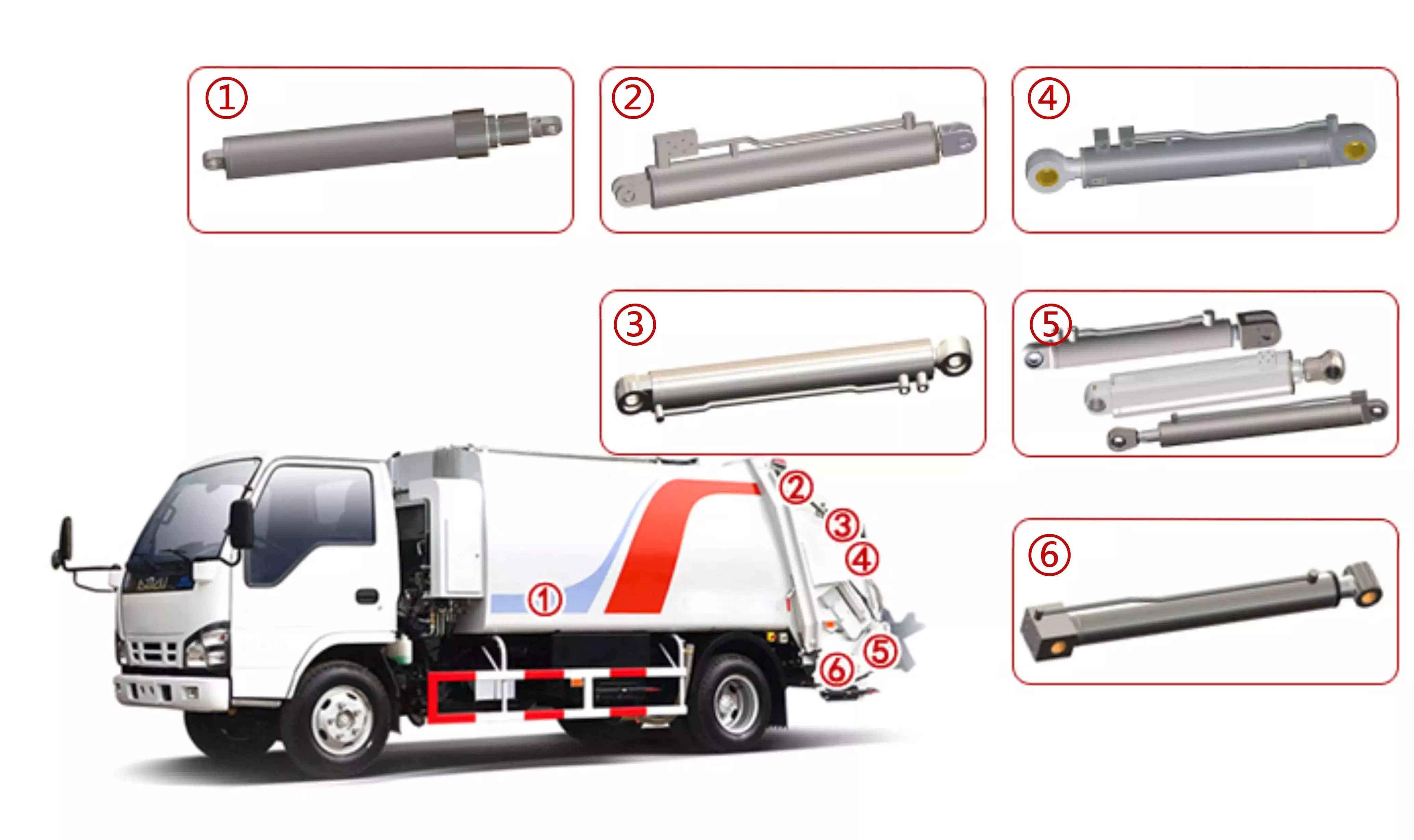
How do hydraulic cylinders contribute to the efficiency of agricultural tasks like plowing?
Hydraulic cylinders play a crucial role in improving the efficiency of agricultural tasks, including plowing. These cylinders provide several benefits that enhance the performance and productivity of agricultural machinery. Let’s explore how hydraulic cylinders contribute to the efficiency of plowing and other agricultural tasks:
- Powerful Force Generation: Hydraulic cylinders are capable of generating high forces, which is essential for tasks like plowing. The hydraulic system supplies pressurized fluid to the cylinders, converting hydraulic energy into mechanical force. This force is then utilized to drive plow blades through the soil, overcoming resistance and facilitating efficient soil penetration. The power generated by hydraulic cylinders ensures effective plowing, even in tough or compacted soil conditions.
- Adjustable Working Depth: Hydraulic cylinders allow for easy and precise adjustment of the plow’s working depth. By controlling the extension or retraction of the hydraulic cylinder, farmers can adjust the depth of the plow blades according to soil conditions, crop requirements, or their specific preferences. This adjustability enhances efficiency by ensuring optimal soil tillage and minimizing unnecessary energy expenditure. Farmers can adapt the plowing depth to different field areas, optimizing the use of resources and promoting uniform crop growth.
- Responsive Control: Hydraulic systems offer highly responsive control, enabling farmers to make quick adjustments during plowing operations. Hydraulic cylinders respond rapidly to changes in hydraulic pressure and valve settings, allowing for immediate modifications in the plow’s position, depth, or angle. This responsiveness enhances efficiency by facilitating on-the-go adjustments based on soil variations, obstacles, or changing field conditions. Farmers can maintain precise control over the plow’s performance, ensuring effective soil tillage and minimizing the risk of crop damage.
- Implement Versatility: Hydraulic cylinders enable the attachment of various implements to agricultural machinery, expanding their functionality and versatility. In the context of plowing, hydraulic cylinders allow for the attachment and detachment of plow blades or other tillage implements. This versatility enables farmers to adapt their equipment to different soil types, field sizes, or specific plowing requirements. By using hydraulic cylinders, farmers can easily switch between different implements, optimizing their equipment for specific tasks and maximizing efficiency.
- Efficient Time Management: Hydraulic cylinders contribute to time efficiency in agricultural tasks like plowing. With hydraulic systems, farmers can operate plows at higher speeds while maintaining control and precision. The responsive nature of hydraulic cylinders allows for efficient turning, maneuvering, and repositioning of plows, minimizing downtime and optimizing field coverage. This time efficiency translates into increased productivity and reduced overall operational costs. Farmers can accomplish plowing tasks more quickly, allowing them to cover larger field areas in less time.
In summary, hydraulic cylinders significantly contribute to the efficiency of agricultural tasks like plowing. Through powerful force generation, adjustable working depth, responsive control, implement versatility, and efficient time management, hydraulic systems equipped with cylinders enhance the performance and productivity of agricultural machinery. These contributions allow farmers to accomplish plowing tasks more effectively, optimize field operations, and achieve improved overall efficiency in their agricultural practices.
Hvordan imødekommer hydrauliske cylindre variationer i slaglængde og kraftkrav?
Hydrauliske cylindre er designet til at imødekomme variationer i slaglængde og kraftkrav, hvilket giver fleksibilitet og tilpasningsevne til forskellige anvendelser. De kan skræddersys til at opfylde specifikke behov ved at tage hensyn til faktorer som stempeldiameter, stangdiameter, hydraulisk tryk og cylinderdesign. Her er en detaljeret forklaring af, hvordan hydrauliske cylindre imødekommer variationer i slaglængde og kraftkrav:
1. Cylinderstørrelse og design:
– Hydrauliske cylindre findes i forskellige størrelser og designs for at imødekomme forskellige slaglængder og kraftkrav. Cylinderens diameter, stempelareal og stangdiameter er nøglefaktorer, der bestemmer kraftudbyttet. Større cylinderdiametre og stempelarealer kan generere større kraft, mens mindre diametre er egnede til applikationer, der kræver lavere kraft. Ved at vælge den passende cylinderstørrelse og design kan slaglængder og kraftkrav effektivt imødekommes.
2. Stempel- og stangkonfigurationer:
– Hydrauliske cylindre kan designes med forskellige stempel- og stangkonfigurationer for at imødekomme variationer i slaglængden. Enkeltvirkende cylindre har et enkelt stempel og kan give et slaglængde i én retning. Dobbeltvirkende cylindre har et stempel på begge sider, hvilket muliggør slaglængder i begge retninger. Teleskopiske cylindre består af flere trin, der kan forlænges og trækkes tilbage, hvilket giver en længere slaglængde sammenlignet med standardcylindre. Ved at vælge den passende stempel- og stangkonfiguration kan den ønskede slaglængde opnås.
3. Hydraulisk tryk og flow:
– Det hydrauliske tryk og den flowhastighed, der tilføres cylinderen, spiller en afgørende rolle i at imødekomme variationer i kraftkrav. Forøgelse af det hydrauliske tryk øger cylinderens kraftudgang, hvilket gør den i stand til at håndtere højere kraftkrav. Ved at justere tryk og flowhastighed via hydrauliske ventiler og pumper kan kraftudgangen styres og tilpasses de specifikke krav i applikationen.
4. Tilpasning og skræddersyning:
– Hydrauliske cylindre kan tilpasses og skræddersys til at opfylde specifikke krav til slaglængde og kraft. Producenter tilbyder en bred vifte af cylinderstørrelser, slaglængder og kraftkapaciteter at vælge imellem. Derudover kan specialdesignede cylindre fremstilles, der passer til unikke applikationer med specifikke krav til slaglængde og kraft. Ved at arbejde tæt sammen med producenter af hydrauliske cylindre er det muligt at opnå cylindre, der præcist matcher de krævede krav til slaglængde og kraft.
5. Flere cylindre og synkronisering:
– I applikationer, der kræver høj kraft eller længere slaglængder, kan flere hydrauliske cylindre anvendes i kombination. Ved at synkronisere bevægelsen af flere cylindre gennem det hydrauliske system kan slaglængden og kraftudgangen øges effektivt. Synkronisering kan opnås ved hjælp af mekaniske koblinger, elektroniske styringer eller hydrauliske kredsløb, hvilket sikrer koordineret bevægelse og kraftfordeling på tværs af cylindrene.
6. Load-Sensing og trykstyring:
– Hydrauliske systemer kan indbygge belastningsregistrerende og trykstyringsmekanismer for at imødekomme variationer i kraftkrav. Load sensing-systemer overvåger belastningskravet og justerer det hydrauliske tryk i overensstemmelse hermed, hvilket sikrer, at cylinderen leverer den nødvendige kraft uden at udøve for stor kraft. Trykreguleringsventiler regulerer trykket i det hydrauliske system, hvilket muliggør præcis styring og justering af kraftudgangen baseret på applikationens behov.
7. Sikkerhedshensyn:
– Når der tages højde for variationer i slaglængde og kraftkrav, er det vigtigt at overveje sikkerhedsfaktorer. Hydrauliske cylindre bør vælges og designes med en passende sikkerhedsmargin til at håndtere uventede belastninger eller variationer i driftsforhold. Sikkerhedsmekanismer såsom overbelastningsventiler og trykaflastningsventiler kan indbygges for at forhindre skader eller svigt i situationer, hvor kraftgrænserne overskrides.
Ved at overveje faktorer som cylinderstørrelse og -design, stempel- og stangkonfigurationer, hydraulisk tryk og flow, tilpasningsmuligheder, synkronisering, load-sensing, trykstyring og sikkerhedshensyn kan hydrauliske cylindre effektivt imødekomme variationer i slaglængde og kraftkrav. Denne fleksibilitet gør det muligt at skræddersy hydrauliske cylindre til at opfylde de specifikke krav i en bred vifte af applikationer, hvilket sikrer optimal ydeevne og effektivitet.
<img src="https://img.jiansujichilun.com/img/hydrauliccylinders/hydrauliccylinders-l1.webp" alt="China supplier WREN Hydraulic Cylinder Series CLRG1502 Double-Acting High Tonnage Cylinder (150 ton factory price$1000) manufacturer “><img src="https://img.jiansujichilun.com/img/hydrauliccylinders/hydrauliccylinders-l2.webp" alt="China supplier WREN Hydraulic Cylinder Series CLRG1502 Double-Acting High Tonnage Cylinder (150 ton factory price$1000) manufacturer “>
editor by Dream 2024-10-10
 Danish
  English
  Italian
  Portuguese
  Dutch
Dutch  Swedish
  Finnish
  Polish
  Hindi
Hindi  Kazakh
  Turkish
  Ukrainian
  Romanian
  Spanish
  German
  Russian
  Korean
  Japanese
  Vietnamese
  Thai
Thai  Indonesian
  Malay
Malay  French
  Greek
Greek