Hydraulic Systems · Equipment Maintenance · UK Industry
7 Warning Signs Your Excavator Boom Cylinder Needs Replacing
Every hour of unplanned downtime on a UK construction or quarrying site carries a steep cost — and a failing excavator boom cylinder is one of the most common culprits. Knowing the signs before catastrophic failure keeps your crew safe and your project on schedule.
✉ Get a Free Quote — [email protected]
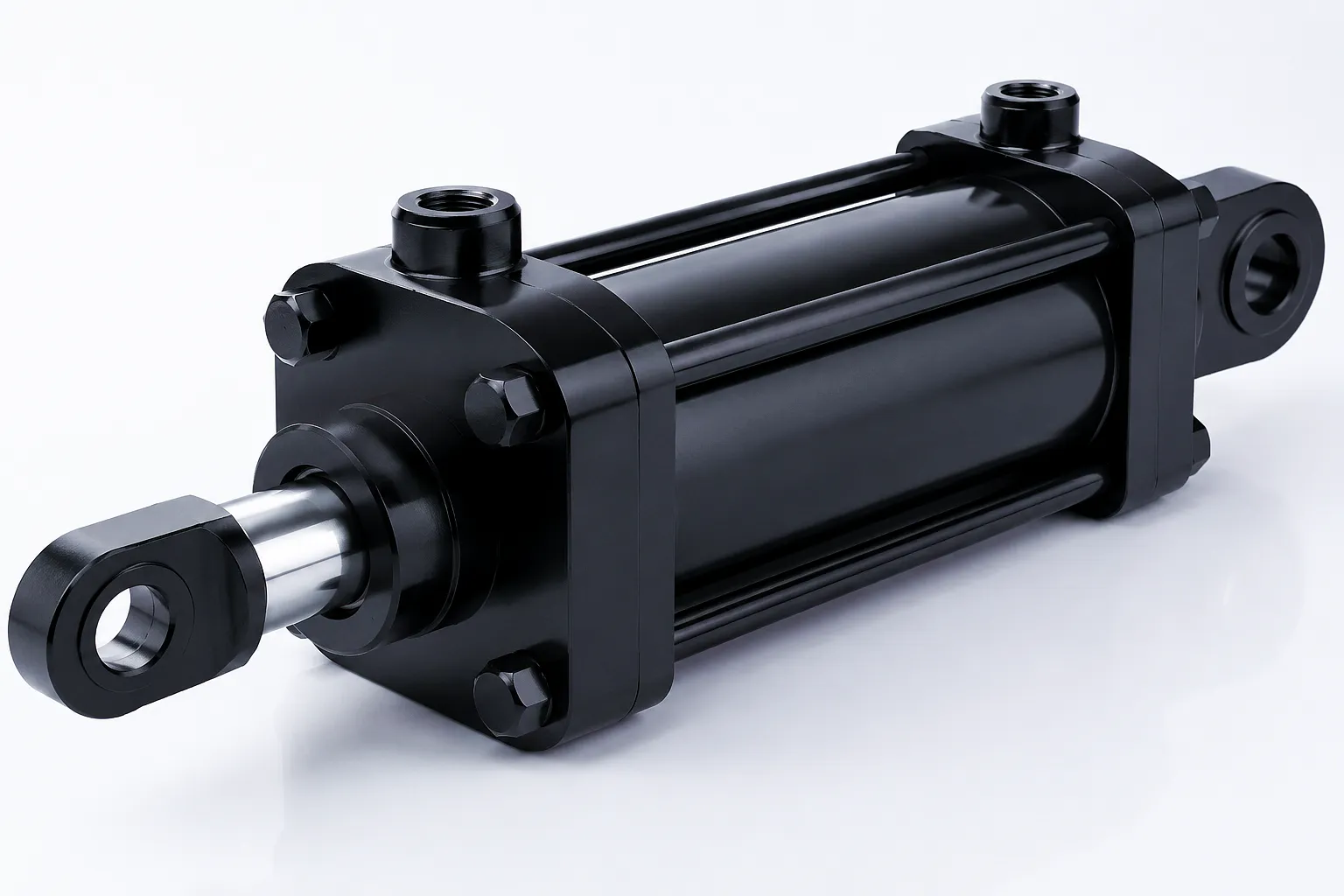 The excavator boom cylinder is a hydraulic actuator at the heart of every excavator’s digging and lifting function. It converts hydraulic pressure into the linear force needed to raise, lower, and hold the boom arm — and on demanding UK project sites from the Birmingham ring road expansions to Sheffield’s steel-works demolition contracts, these cylinders operate under near-constant stress. A boom hydraulic cylinder that is beginning to fail rarely announces itself with a single dramatic event. Instead, degradation is gradual, expressed through subtle but measurable performance changes that, if caught early, can mean the difference between a planned cylinder rebuild during a scheduled service and an emergency replacement that stops a multi-million-pound project in its tracks.
Understanding the mechanical context helps. An excavator boom cylinder typically operates at working pressures between 250 and 350 bar. The internal seals, piston rod surface, cylinder barrel, and end caps are all precision-engineered components that work in unison. When any one element begins to degrade — whether through abrasive contamination in hydraulic fluid, rod surface corrosion accelerated by the damp British climate, or fatigue cracking in high-cycle applications — the entire assembly’s performance suffers. The seven warning signs below are drawn from field experience on UK plant hire fleets, heavy civil contractors, and quarrying operations, and they are ordered from the earliest, most subtle indicators through to the critical-failure-imminent symptoms that demand immediate action.
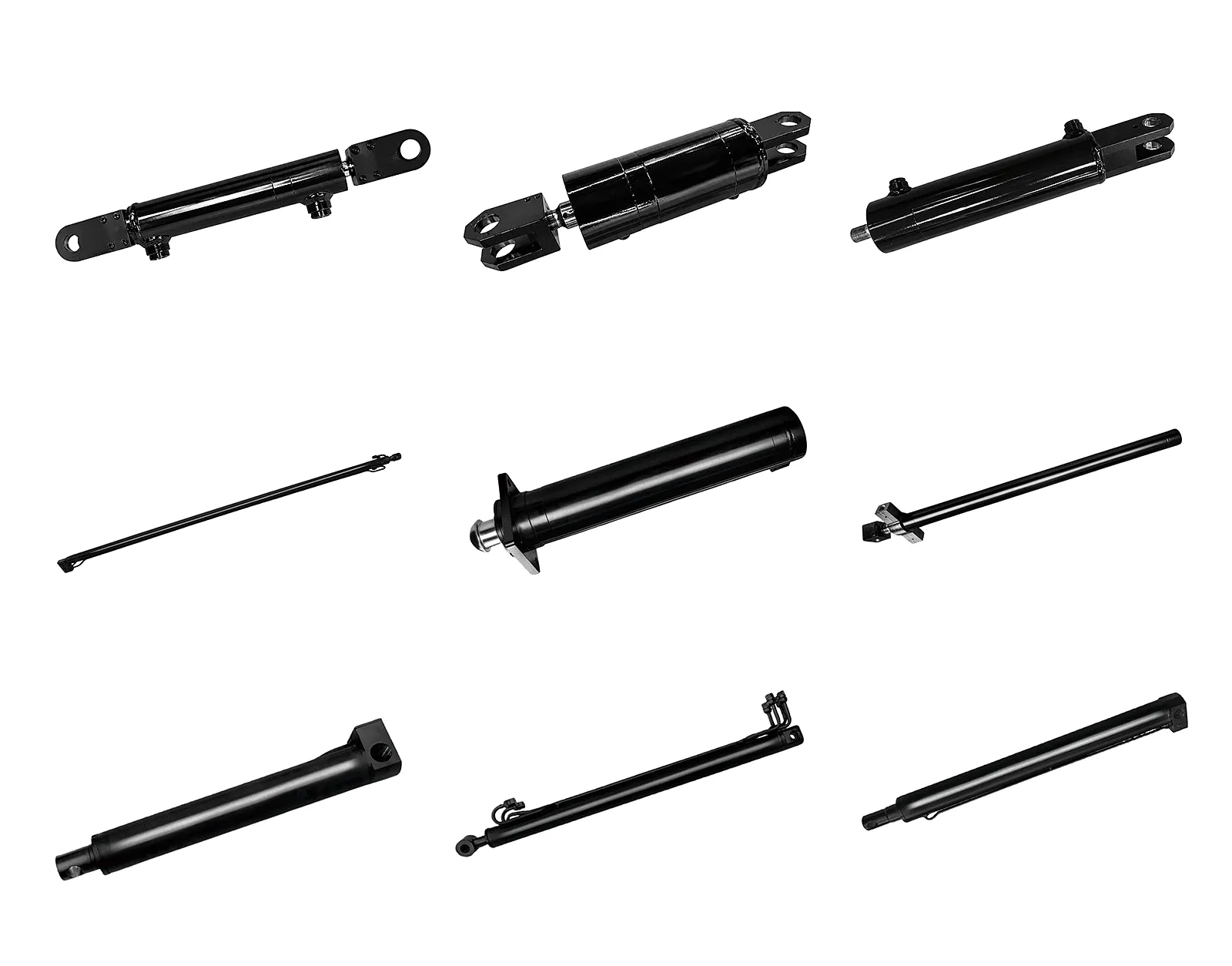
Ever Power — Precision-Engineered Excavator Hydraulic Cylinders for Global B2B Markets
The 7 Warning Signs — Detailed Field Guide
Each sign is discussed with diagnostic guidance, severity context, and action thresholds relevant to UK plant operations.
01
Visible External Oil Leaks Around the Rod Seal
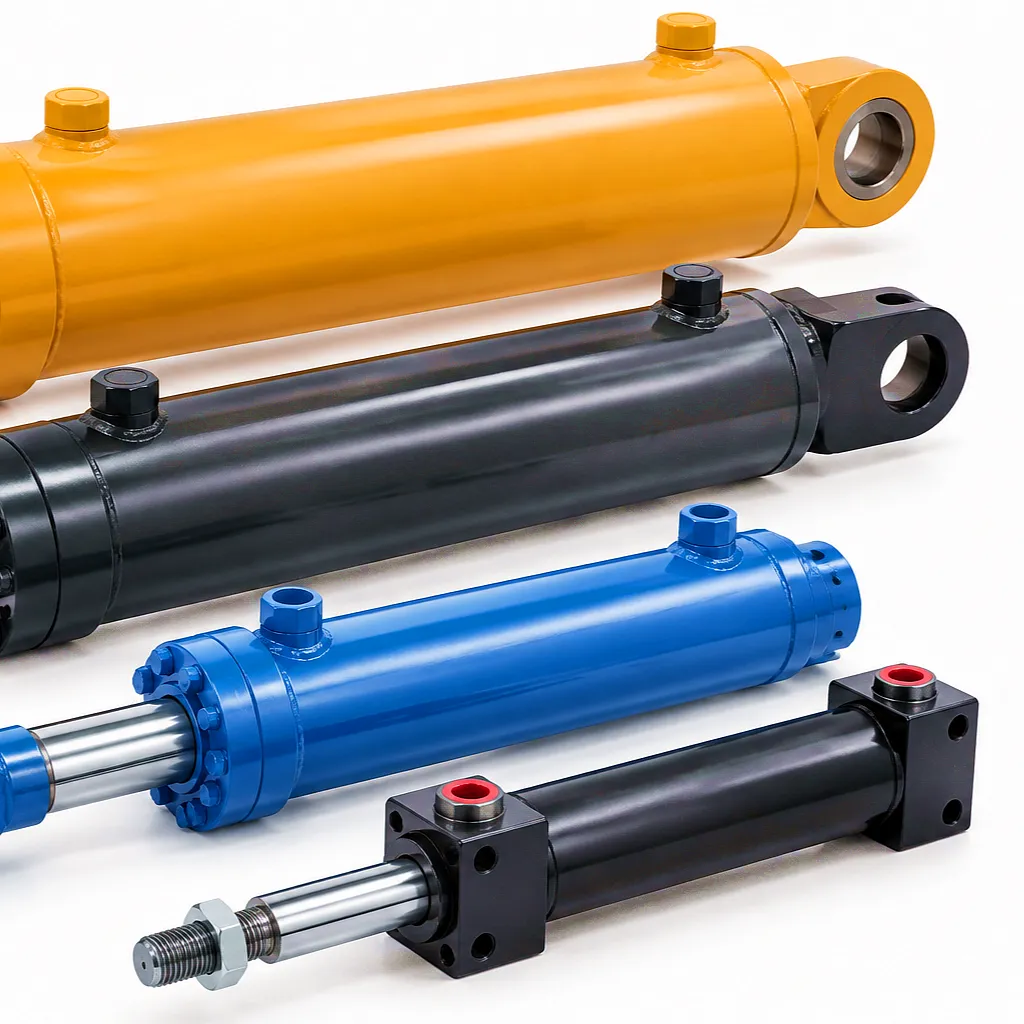 This is the most visually obvious indicator and, paradoxically, the one most frequently dismissed as “just a weep” until the situation becomes critical. A functional excavator boom cylinder maintains a thin film of hydraulic oil on the rod surface — this is by design and assists lubrication of the rod seal. What operators must distinguish is the difference between a controlled film and an active weep that drips, accumulates beneath the machine, or produces visible streaking on the cylinder barrel during operation.
On UK construction sites operating under Environment Agency guidelines, any hydraulic oil leakage that reaches ground level constitutes a potential pollution incident. Beyond the regulatory dimension, an actively leaking rod seal indicates that the seal lip has degraded — typically through a combination of high-cycle fatigue, thermal cycling in the variable British climate, or scoring on the rod surface caused by contaminated fluid or physical impact. If the leak is caught when it is still a surface film, a seal kit replacement may resolve the issue. If scoring is present on the rod, the cylinder requires a full rebuild or replacement to prevent rapid re-failure of any new seals installed.
⚠
Severity: Moderate to High — Immediate inspection required. Do not delay repair; escalating leaks risk contamination of slewing ring and boom pin bearings.
02
Boom Drift — Uncontrolled Lowering Under Load
Boom drift — where the raised boom slowly descends without operator input — is a clear symptom of internal seal bypass within the excavator boom cylinder. When the piston seal degrades, hydraulic fluid migrates across the piston from the cap-end chamber to the rod-end chamber or vice versa, allowing gravity to pull the boom downward against the operator’s intent. On a 20-tonne excavator lifting a loaded grab or attachment, this phenomenon creates genuine operational hazard and contravenes LOLER (Lifting Operations and Lifting Equipment Regulations) duties that apply to all UK worksite operators.
The diagnostic test is straightforward: raise the boom to full height under no load, set controls to neutral, and observe position over five minutes. Any measurable descent indicates internal bypass. Operators should also check the hydraulic control valve’s load-holding function — on some machines, a faulty counterbalance valve mimics cylinder drift — but if the valve tests clean, the boom cylinder itself must be investigated. Internal bypass that produces boom drift has typically progressed well beyond the early-stage seal degradation and usually indicates that a full cylinder replacement or factory-standard rebuild is the only reliable remedy.
⚠
Severity: High — Machine should not be used for lifting operations. LOLER compliance requires equipment to hold loads securely.
03
Sluggish or Jerky Boom Movement During Operation
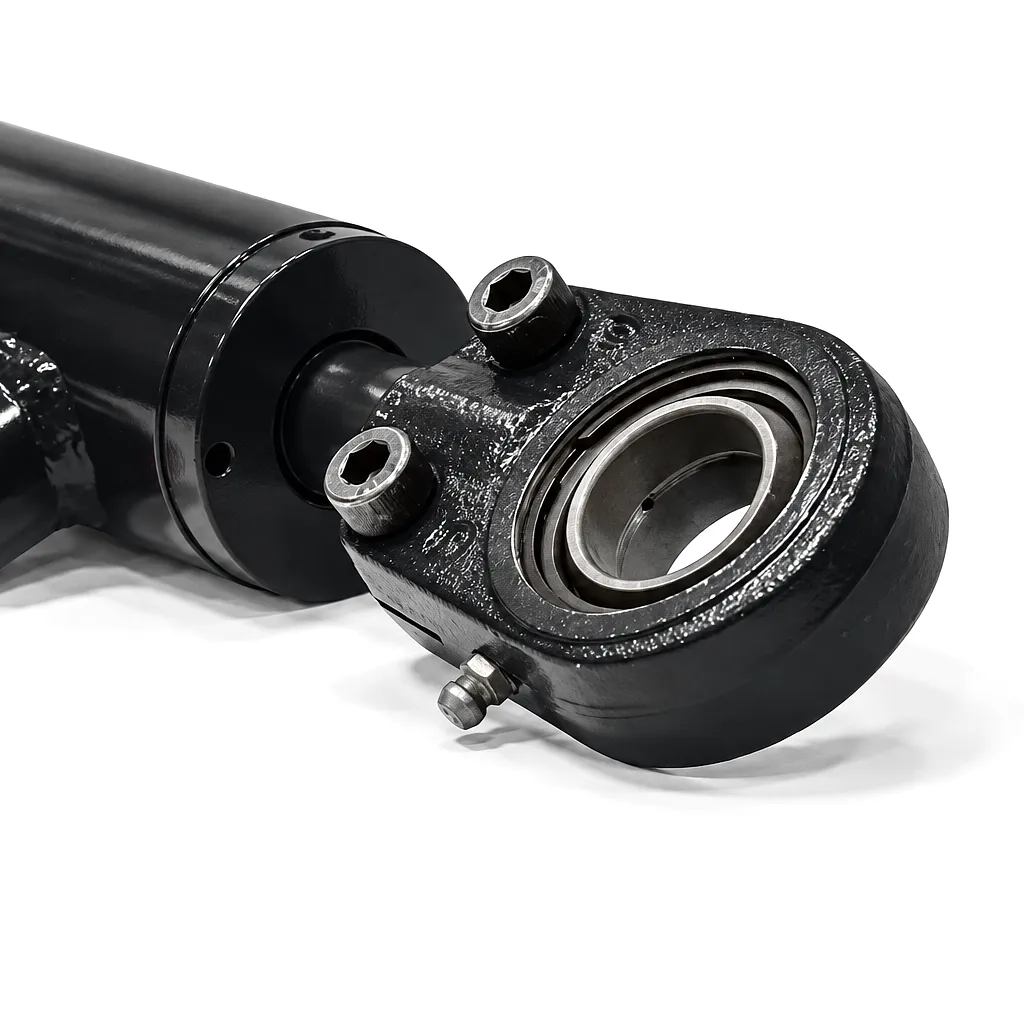 An excavator operator develops an intimate sense of how the machine moves. When the boom cylinder begins to exhibit stick-slip behaviour — where initial movement requires noticeably more input pressure and the cylinder then advances in a lurch rather than a smooth arc — it signals a problem that is rarely self-correcting. This symptom has several potential root causes within the boom hydraulic cylinder assembly. Contaminated hydraulic fluid accelerates wear on the barrel bore and piston seal, producing a roughened contact surface that generates uneven friction. Side-loading on the rod — common on machines operating on the steep gradients found on earthworks contracts across the Pennines or on the waterlogged ground conditions typical in East Anglian drainage projects — causes localised barrel wear that produces similar jerky motion.
Cold-weather operation compounds this: UK winter temperatures often drop to -5°C or below on exposed sites, and if hydraulic fluid viscosity is not correctly graded for winter conditions, the boom cylinder will exhibit sluggishness on start-up that should dissipate after warm-up. If the sluggishness persists through the working day, fluid grade is not the issue — internal component wear is. Jerky motion also places additional stress on boom pins, bushings, and the superstructure frame, accelerating secondary wear that can become a far more expensive repair.
04
Visible Chrome Rod Damage — Pitting, Scoring, or Corrosion
The piston rod of an excavator boom cylinder is finished to a hard chrome or, in more modern designs, a ceramic-impregnated or nickel-chrome surface. This surface must maintain its finish to protect the rod seal — any imperfection acts as a knife edge that progressively cuts into the seal lip with every extension and retraction cycle. Physically inspecting the rod surface when the cylinder is at mid-stroke — catching it before the rod retracts completely — is part of any competent pre-start walk-around inspection. Pitting is typically caused by corrosion where the wiper seal has failed to exclude moisture from the British environment, particularly on machines stored outside between contracts. Scoring — longitudinal scratches along the rod axis — usually originates from solid particle contamination in the hydraulic fluid or, in severe cases, from fragments of a deteriorating rod seal.
The critical threshold is any pitting or scoring that can be felt with a fingernail. Fine surface polishing can be performed in-situ for very superficial marks, but once damage reaches this threshold, the rod must be replaced or re-chromed by a specialist — and this is the point at which full boom cylinder replacement with a quality OEM-specification unit from Ever Power often proves the most cost-effective solution when total downtime and labour costs are compared to a piecemeal repair programme. The Frame Support Cylinder from Ever Power uses premium-grade hard chrome rod surface as standard, providing extended corrosion resistance suited to the demanding conditions of UK worksites.
ⓘ
Pro tip: Apply a visible reference mark at the rod midpoint during pre-start checks. Any new corrosion between marks indicates wiper seal failure and requires immediate attention.
05
Abnormal Hydraulic System Pressure Fluctuation
Modern excavators with electronic monitoring will often flag boom circuit pressure deviations on the operator display before the fault becomes visible or tactile. On older machines common in UK plant hire fleets, the operator must rely on feel and observation. When a boom cylinder develops internal bypass — whether through piston seal failure or a cracked cylinder barrel — the hydraulic pump must work harder to maintain boom position, causing characteristic pressure spikes and drops that the operator perceives as a hunting or pulsing sensation through the joystick. This symptom can also manifest as increased pump noise or elevated hydraulic fluid temperature, as the pump cycles inefficiently against a partially bypassing cylinder.
Pressure testing with a calibrated gauge on the cylinder ports — a job for a competent hydraulic engineer rather than a general plant operative — will quantify the extent of bypass. A healthy boom cylinder should hold test pressure within 5% of system relief pressure with the control valve in neutral. Any greater pressure decay over a timed test period points to cylinder-internal seal failure. It is worth noting that pressure fluctuation originating from the boom cylinder, if left unaddressed, accelerates wear across the entire hydraulic circuit — including main control valves and pump wear plates — converting a cylinder-level repair into a system-level overhaul.
06
Milky or Discoloured Hydraulic Fluid at the Cylinder
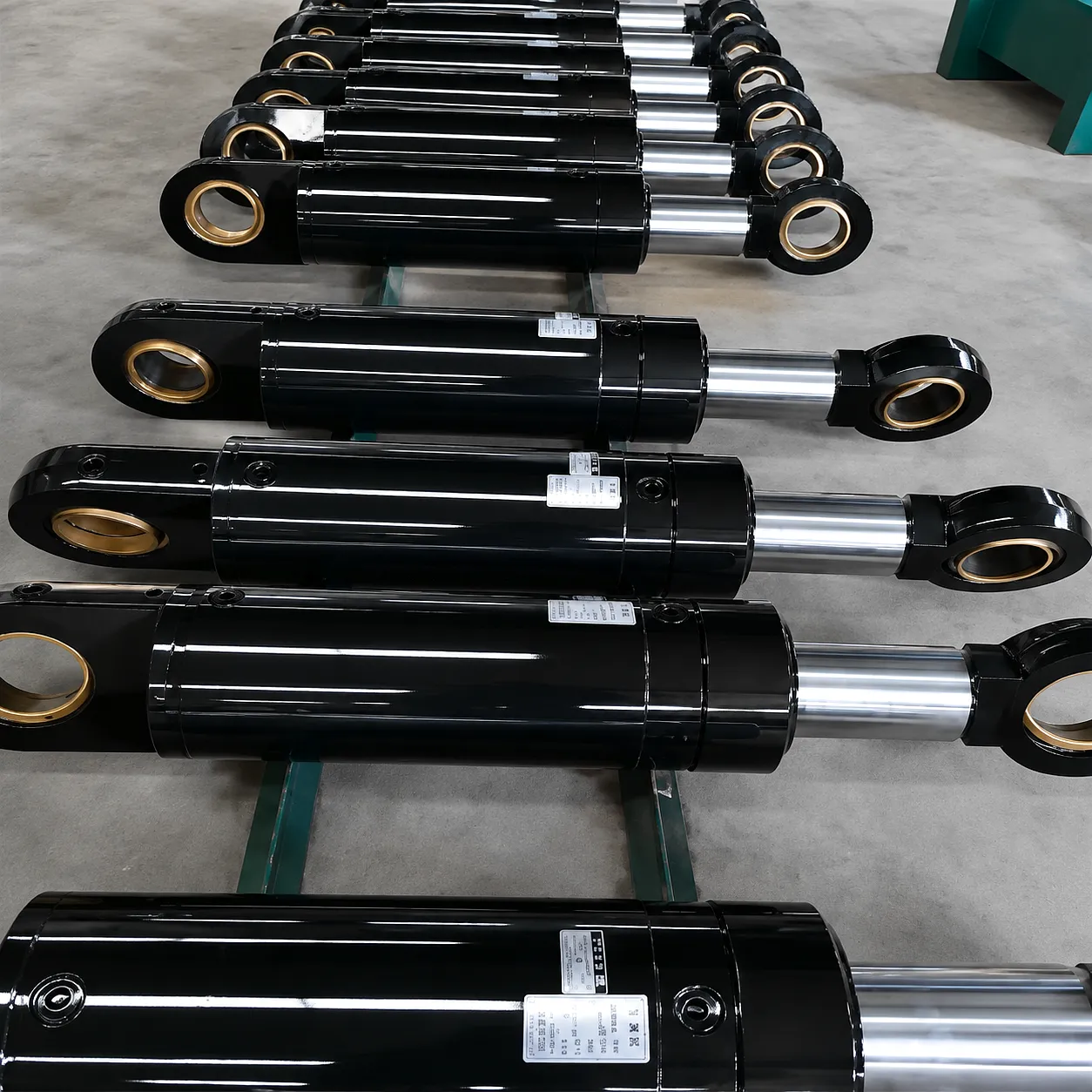 When hydraulic fluid sampled from the cylinder circuit takes on a milky or off-white coloration, this indicates water ingress — almost certainly through a failed or degraded end cap seal, wiper seal, or through a compromised breather. In the UK, where machines regularly operate in wet conditions on drainage projects, flood defence schemes, and coastal civil engineering works, water contamination of the boom cylinder circuit is a known and recurring problem. The consequences extend well beyond the cylinder itself: water in the hydraulic system causes cavitation damage to the pump, accelerated corrosion in valve bores, and emulsification of the fluid, destroying its lubrication properties.
Oil analysis — where a small sample is sent to a laboratory for particle count and contamination measurement — has become standard practice on larger UK plant hire companies’ maintenance programmes. It is the single most cost-effective predictive maintenance tool available, and the results for boom cylinder circuits will often show water ingress months before visible symptoms appear. If water contamination is confirmed, the cylinder must be stripped, seals replaced, and the entire hydraulic circuit flushed and refilled. Continuing to operate on water-contaminated fluid accelerates internal rusting of the cylinder barrel to a point where re-honing or replacement becomes inevitable.
07
Structural Cracks or Deformation at Cylinder End Caps
This final warning sign requires no specialist equipment to identify — it is visible to the naked eye and represents the most urgent of all seven indicators. Any crack, weld failure, or visible deformation in the cylinder barrel, end cap, or clevis mounting must trigger immediate machine shutdown. These are not defects that deteriorate slowly and predictably; a cylinder barrel under 300 bar operating pressure that has developed a fatigue crack can fail catastrophically and without further warning, with potential for high-pressure hydraulic fluid injection injuries — classified as a serious injury risk under UK HSE guidelines — and uncontrolled movement of a multi-tonne boom arm.
Structural fatigue in boom cylinders is most commonly seen in machines that have operated beyond their rated cycle life, in applications where the cylinder has regularly been used near or beyond its rated extension, or in machines that have been modified to carry attachments heavier than the OEM specification. UK demolition and scrap processing sites — including those in the West Midlands and South Yorkshire industrial corridors — run excavators at particularly high cycle rates and with heavy hydraulic attachments that impose exceptional structural demands. Replacement, not repair, is the only safe response to structural cylinder failure. When ordering a replacement, always specify the exact machine model, cylinder bore and stroke, and working pressure to ensure the new unit is a true like-for-like or specification-improved replacement.
🛑
STOP IMMEDIATELY. Any structural crack in a pressurised hydraulic cylinder constitutes an imminent failure risk. Ground the machine and contact a specialist before resumption of work.
Excavator Boom Cylinder — Technical Performance Parameters
Representative specifications for medium to large excavator boom cylinder units. Ever Power manufactures across the full range with custom bore and stroke options on request.
| Παράμετρος |
Standard Range |
High-Duty Specification |
Ever Power Custom Max |
| Bore Diameter |
80 – 160 mm |
160 – 220 mm |
Up to 400 mm |
| Διάμετρος ράβδου |
55 – 110 mm |
110 – 160 mm |
Up to 280 mm |
| Μήκος πινελιάς |
600 – 1,400 mm |
1,000 – 2,200 mm |
Up to 6,000 mm |
| Πίεση εργασίας |
200 – 280 bar |
280 – 350 bar |
Up to 420 bar |
| Υλικό βαρελιού |
ST52 cold-drawn tube |
27SiMn alloy steel |
42CrMo4 / custom alloy |
| Rod Surface Finish |
Hard chrome 0.025–0.05 mm |
Ni-Cr composite or ceramic |
HVOF thermal spray / EN platinit |
| Seal Standard |
Hallite / Parker polyurethane |
HNBR / FKM compound |
Custom compound to -40°C rating |
| Θερμοκρασία λειτουργίας |
-20°C to +80°C |
-30°C to +100°C |
-40°C to +120°C |
| Mounting Style |
Clevis / trunnion / flange |
Clevis / pivot / side lug |
Any — custom engineered |
| Surface Protection |
Epoxy primer + topcoat |
2-pack polyurethane |
Marine-grade / hot-dip galvanise option |
How an Excavator Boom Cylinder Works — and What the Materials Must Withstand
⚙ Operating Principle
An excavator boom cylinder is a double-acting hydraulic actuator. Pressurised hydraulic fluid directed into the cap-end port acts on the full bore area of the piston, generating the extension force that raises the boom. Fluid directed into the rod-end port acts on the annular area — bore area minus rod area — to retract the cylinder and lower the boom. The net force output depends on the differential area principle: extension force = working pressure × (π/4 × bore²); retraction force = working pressure × (π/4 × (bore² – rod²)). On a 150 mm bore cylinder with a 100 mm rod at 320 bar working pressure, extension force exceeds 56 tonnes — explaining why even minor internal bypass produces a measurable and operationally significant reduction in lifting capacity and holding ability.
🔩 Core Material Selection
The cylinder barrel is the pressure vessel and must combine high yield strength with excellent machinability for bore honing. Cold-drawn ST52 steel dominates standard-duty applications. High-duty and custom cylinders use 27SiMn or 42CrMo4 alloy steel, where tensile strength exceeds 800 MPa and yield strength above 700 MPa allows thinner wall sections for the same pressure rating.
The piston rod requires a combination of properties no single untreated material provides: a tough core with minimum 600 MPa yield strength (typically 40Cr or 42CrMo4 steel), and a surface hardness above 850 HV to resist scoring — achieved through hard chrome plating or advanced thermal spray coatings. Seal materials must withstand thermal cycling, compatibility with mineral and bio-hydraulic fluids, and the pressure spikes inherent in excavator duty cycles.
Industrial Application Scenarios — UK Market Contexts
Where UK industry pushes boom cylinders to their design limits — and beyond.
🏗
Major Infrastructure — HS2 & Bypass Schemes
Large infrastructure projects across the Midlands and the South East operate excavators on multi-shift patterns, often with 6,000+ operating hours per annum. Boom cylinders on these machines cycle thousands of times daily in compacted fill, clay, and rock. Replacement cycles are planned at 8,000–12,000 hours on most programmes, but the warning signs above routinely appear earlier when machines are run beyond their rated digging forces without adequate hydraulic fluid maintenance. The Outrigger Rack Support Cylinder available from Ever Power offers reinforced mounting geometry specifically suited to stabiliser-heavy civil applications — explore the Outrigger Rack Support Cylinder specification here.
⚙
Steel & Heavy Demolition — Sheffield & West Midlands
Demolition and scrap processing sites in Sheffield, Rotherham, and the West Midlands run high-reach excavators and demolition shears that subject boom cylinders to severe shock loading. Hydraulic shear attachments generate pressure spikes of 1.5 to 2 times working pressure on every cut, compressing what might be three to five years of normal cylinder fatigue life into twelve to eighteen months of demolition work. Operators in these industries should expect to inspect boom cylinders for signs 4, 6, and 7 from this guide on every major service interval and should stock exchange units to minimise planned downtime impact.
🌍
Coastal & Marine Civil — East Anglia & South-East Ports
Flood defence, port dredging, and coastal revetment work in East Anglia and along the South-East shoreline expose boom cylinders to saltwater spray, tidal inundation, and highly corrosive atmospheric conditions. Warning signs 1 and 4 — seal leaks and rod pitting — appear faster on machines in these environments than anywhere else in the UK. Marine-specification cylinders with stainless steel rod options or HVOF-coated rods and high-grade wiper seals are the standard specification for new equipment supplied into these applications. Resealing a standard-specification cylinder for coastal work without an appropriate rod surface upgrade is a short-term fix that will require repeating within one season.
⛏
Quarrying & Aggregate — Yorkshire & Derbyshire Sites
Limestone and sandstone quarrying operations across Yorkshire and the Peak District run excavators against rock faces at near-maximum digging forces for extended shift periods. The combination of abrasive rock dust contamination of hydraulic fluid — even through high-quality breathers and filters — and the constant near-full-pressure loading on boom cylinders makes hydraulic cylinder health monitoring a contractual requirement on many site operation permits. Contractors in this sector typically operate an oil analysis programme and budget for boom cylinder replacement or rebuild on a condition-based schedule rather than a fixed-time basis.
Why a Quality Replacement Boom Cylinder Outperforms a Field-Repaired Unit
📈
Controlled Honing Tolerance
Factory-honed barrel bores achieve surface roughness values of Ra 0.2–0.4 µm, which is the optimal range for seal seating and fluid film retention. Field reboring, even by competent workshops, rarely achieves this consistency across the full stroke length, leading to accelerated seal wear in the rebuilt cylinder within the first thousand operating hours.
🔧
Full Pressure Testing Pre-Despatch
Every Ever Power boom cylinder is pressure-tested at 1.5 times working pressure before despatch, with a certified test report available to the customer. This eliminates the risk — very real with field-rebuilt units — of discovering a defect only after the cylinder has been fitted and the machine has entered service, requiring a second round of unplanned downtime.
🛠
Genuine OEM-Matched Geometry
Ever Power engineers match replacement boom cylinders to the original equipment manufacturer’s mounting dimensions, port locations, and stroke specifications. This is not the case with generic aftermarket units, which frequently require custom adaptors that add leak points and complicate future servicing. Correct geometry also ensures that boom stop cushioning — engineered into the end of stroke — functions as intended.
📚
Documentation & Compliance Support
UK plant operators working under BS EN ISO 4413 (hydraulic safety) requirements and PSSR 2000 (Pressure Systems Safety Regulations) benefit from receiving material certificates, weld inspection records, and pressure test certificates with every supply. Ever Power includes these as standard on all cylinders above 50 mm bore, supporting customers’ equipment inspection and insurance documentation obligations.
Ever Power — Precision Manufacturing & Custom Cylinder Solutions
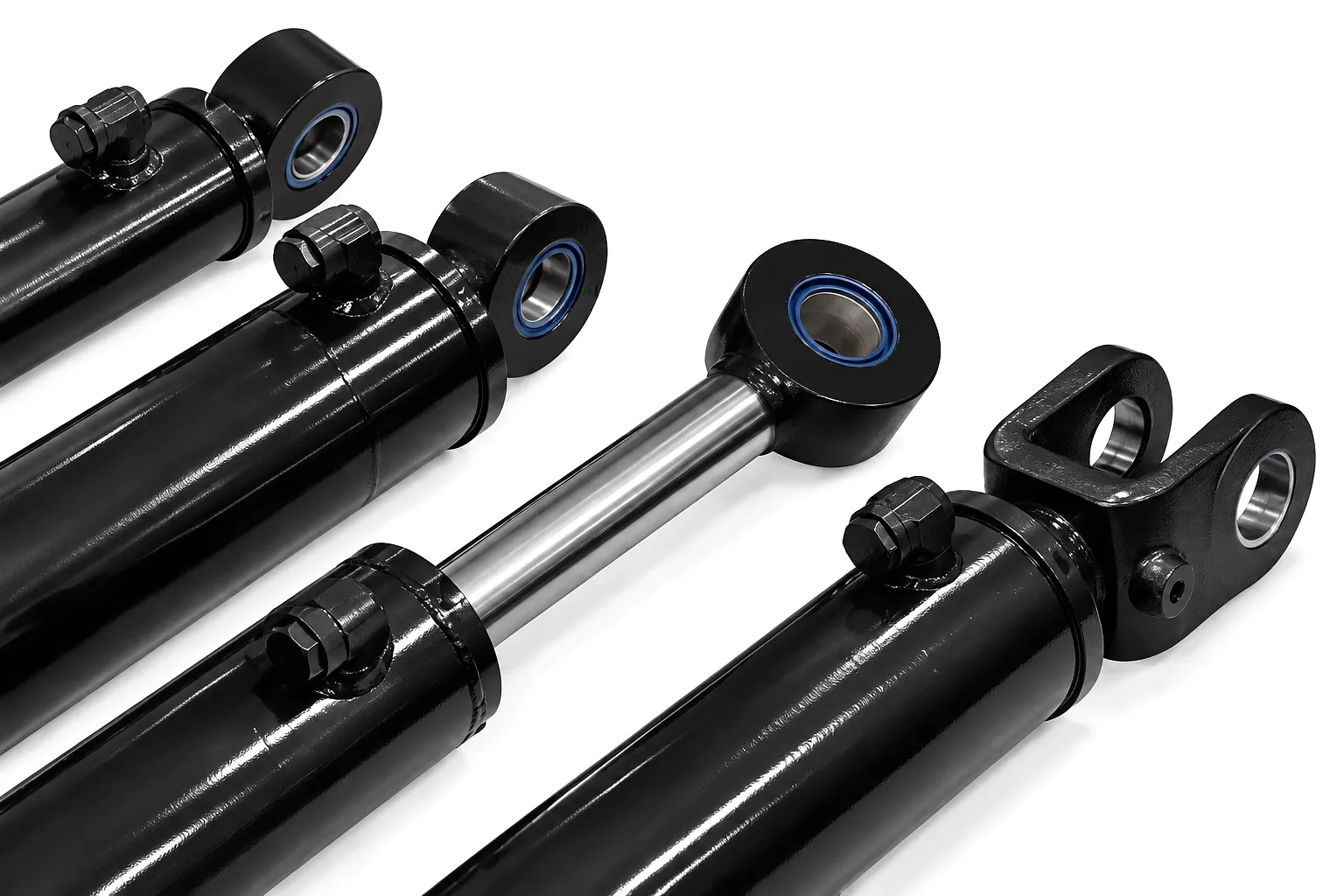 Ever Power operates a dedicated hydraulic cylinder manufacturing facility equipped with CNC deep-hole boring centres, precision honing machines capable of 2-metre bore lengths, and automated hard chrome plating lines. Every element of the manufacturing process — from raw bar steel inspection through to final assembly and pressure testing — is conducted under ISO 9001:2015 quality management disciplines that are verified by third-party audit. For UK buyers, this translates to consistent, documented quality on every order, regardless of whether you are procuring a single replacement unit or a fleet-scale batch of 50 cylinders for a major plant hire company.
Customisation capability sets Ever Power apart from catalogue-only suppliers. The engineering team works from customer-supplied drawings, CAD files, sample cylinders, or even from photographs and rough dimensional measurements — a service level that is particularly valued by UK plant companies trying to source replacement cylinders for older machines where the original manufacturer has discontinued the part. Custom bore sizes, non-standard strokes, bespoke mounting arrangements, and specialist surface treatments are all routine capabilities, with typical lead times of 15–25 working days from order confirmation to UK port despatch. Expedited manufacturing can be arranged for breakdown-critical requirements.
Ever Power’s logistics partnerships support direct container shipment to major UK ports including Felixstowe, Southampton, and Tilbury, with consolidated freight options available for smaller orders. Dedicated account management for B2B customers ensures that repeat orders for plant hire fleets can be processed and despatched within agreed framework schedules, supporting UK operators’ planned maintenance programmes.
Customer Success Story — Sheffield, South Yorkshire: Heavy Demolition & Scrap Processing
How a South Yorkshire demolition company eliminated unplanned boom cylinder failures and reduced fleet downtime by 38%
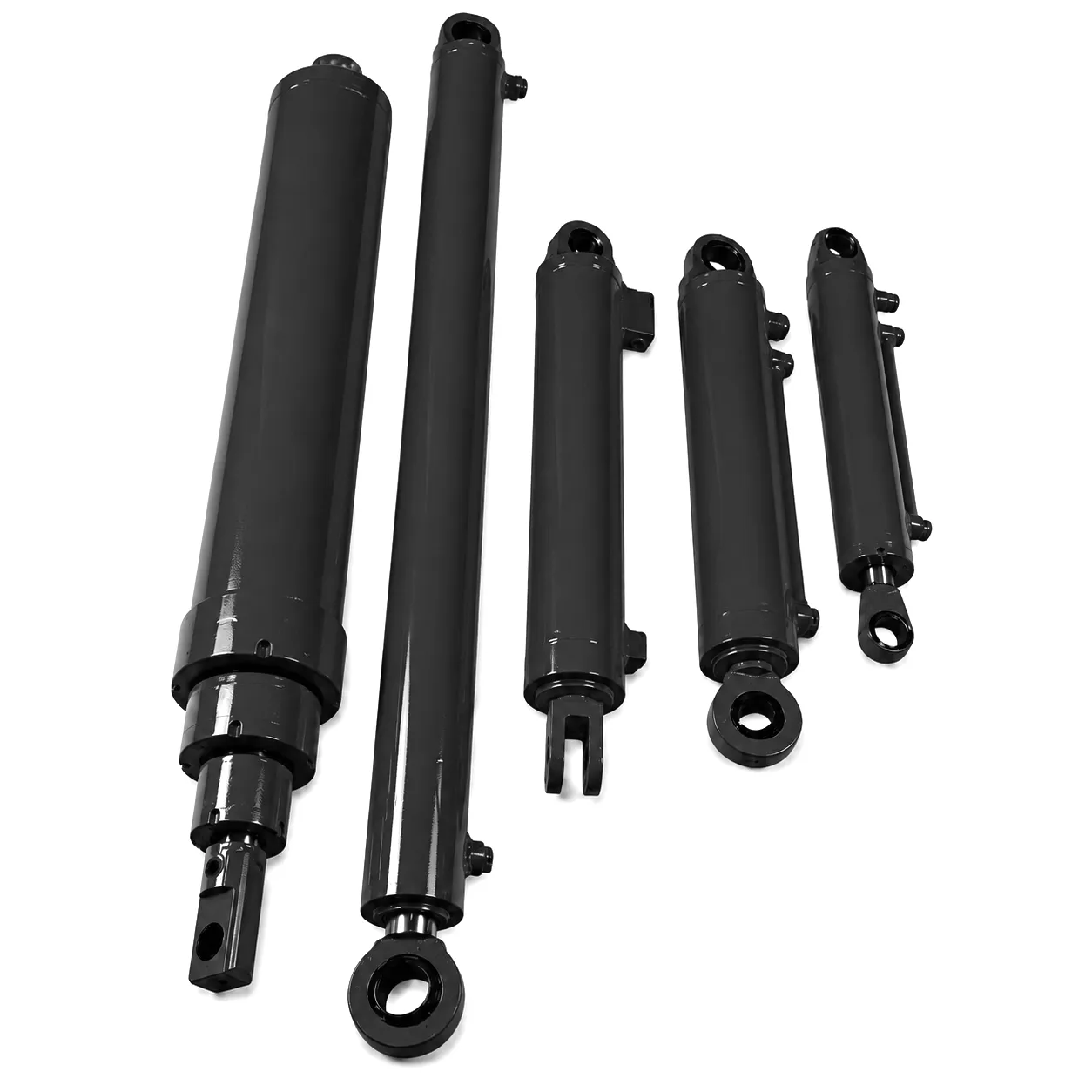 Blackthorn Civil & Demolition Ltd, based in Sheffield, operates a fleet of eight excavators ranging from 20 to 45 tonnes, deployed across structural demolition contracts and scrap metal processing at sites throughout South Yorkshire. In 2023, the company experienced four unplanned boom cylinder failures across its fleet within a seven-month period — all on machines fitted with fast-cycling hydraulic shear attachments. Each failure resulted in unplanned downtime averaging 4.5 working days, with two incidents requiring crane hire to lower suspended loads safely after boom drift was detected mid-operation.
After conducting a review of their cylinder maintenance records, the fleet manager identified that the failed cylinders were all generic aftermarket units fitted during budget-driven service decisions two to three years earlier. The company contacted Ever Power and worked with the technical team to specify replacement boom cylinders for all eight machines — incorporating upgraded 42CrMo4 barrels, HNBR seal compounds rated for higher temperature and shock-pressure resistance, and HVOF-coated rods for the two machines permanently fitted with hydraulic shears. A structured inspection schedule tied to the seven warning signs in this guide was implemented as a standing pre-shift check protocol.
In the twelve months following the fleet refit, Blackthorn reported zero unplanned boom cylinder failures. Oil analysis data showed no internal bypass indicators on any of the eight units. Planned cylinder inspections at the 1,500-hour intervals identified one unit with early-stage rod weeping, which was resolved during a planned service stop with zero production impact. The company calculated a net cost saving — comparing the investment in Ever Power cylinders and the structured inspection programme against the four previous unplanned failure events and their associated downtime and hire costs — of approximately £64,000 over the twelve-month period.
What UK Customers Say About Ever Power Boom Cylinders
★★★★★
“We had two incidents where boom drift on competitor cylinders put loads in unsafe positions mid-operation — that is an incredibly stressful situation for the operator and a major LOLER issue. Since fitting Ever Power units with the upgraded HNBR seals, we have not had a single incident of that nature. The pressure test certificates they supply with every cylinder are also genuinely useful for our insurance audits.”
— Marcus T., Fleet Manager, Sheffield
★★★★★
“Our machines work on coastal revetment projects in East Anglia and the corrosion damage to rod chrome on standard cylinders was costing us a fortune in frequent seal replacements. We specified the HVOF rod option from Ever Power for our two 30-tonne machines working closest to tidal zones. Eighteen months in, the rod surfaces look as good as new. The custom specification process was straightforward and the lead time was exactly as quoted.”
— Diane A., Plant Director, East Anglian Civil Engineers Ltd, Norwich
★★★★★
“We operate fifteen excavators on limestone quarrying in the Peak District, and ever since we moved to condition-based cylinder management using oil analysis alongside the visual checklist, our unplanned downtime is negligible. What I can say about Ever Power specifically is that when we needed a non-standard bore size for an older Komatsu unit, they delivered an exact-fit replacement in 19 working days. That turnaround kept a critical machine in service and avoided a subhire cost that would have been considerable.”
— Robert K., Engineering Manager, Peak Aggregates Ltd, Buxton
Συχνές ερωτήσεις
Real questions from UK plant operators, contractors, and fleet managers answered directly.
► How can I tell if my excavator boom cylinder is leaking internally without taking it off the machine?
The most reliable field test is the static drift check: raise the boom to full extension under no load, set all controls to neutral, and observe position over five minutes using a reference mark on the boom arm. Any measurable descent indicates internal piston seal bypass. You can also check for internal heating — if the cylinder barrel is noticeably hotter than the hydraulic hose at the same port after a working cycle, internal bypass is converting hydraulic energy to heat inside the cylinder.
► What is the typical price or cost of replacing an excavator boom cylinder for a 20-tonne machine, and can I get a quote from a UK-compatible supplier?
Replacement boom cylinder cost for a 20-tonne class excavator typically ranges from £800 to £2,500 depending on specification, bore size, and rod surface finish. OEM genuine parts from the machine manufacturer carry a significant premium over quality aftermarket alternatives. Ever Power supplies specification-matched or upgraded cylinders in this class, with pricing available on request — send your machine model, boom cylinder bore and stroke dimensions to
[email protected] for a same-day quote response.
► Where in the UK can I find a reliable hydraulic cylinder supplier who stocks or fast-manufactures excavator boom cylinders for older machines?
For older machines where OEM parts are discontinued, Ever Power’s custom manufacturing service is specifically designed to fill this gap. Send a sample cylinder, drawings, or dimensional measurements and the engineering team will manufacture a matching replacement. Shipment to UK ports including Felixstowe and Tilbury is standard, with typical lead times of 15–25 working days from order confirmation for custom units. Contact
[email protected] with your machine details.
► How often should a boom cylinder be inspected on an excavator working on a demolition contract in Birmingham or Sheffield?
On demolition contracts using hydraulic shear or breaker attachments in Birmingham or Sheffield, a visual check against the seven warning signs in this guide should be performed at every pre-shift walk-around — as little as five minutes at the start of each working day. A formal documented inspection by a competent hydraulic engineer should be scheduled at every 500-hour service interval, or more frequently if oil analysis shows elevated particle counts.
► Which hydraulic cylinder specification is best for an excavator operating in wet and corrosive coastal conditions along the UK coastline?
For coastal and marine civil applications, specify a cylinder with HVOF thermal spray rod coating (minimum 0.2 mm coating depth), FKM or HNBR wiper seal compounds rather than standard polyurethane, stainless steel port fittings, and a two-pack polyurethane topcoat on external surfaces. If the machine is frequently submerged or in tidal splash zones, a stainless steel rod option is worth the additional cost — it eliminates the corrosion cycle that makes standard chrome rod surface so vulnerable in these environments.
► What causes a boom cylinder to fail prematurely on a quarrying site, and how can I prevent it from happening again after I have fitted a replacement?
Premature failure in quarrying is almost always caused by hydraulic fluid contamination — primarily silica and mineral particles from rock dust that bypass inadequate filter systems. After fitting a replacement cylinder, implement an oil analysis programme (quarterly as a minimum), upgrade hydraulic return-line filtration to 10 micron absolute or better, ensure all breather filters are rated to the same standard, and establish a formal pre-shift visual inspection routine using this guide’s seven-sign checklist. Also check that the machine is not being operated beyond the rated bucket or attachment weight for the boom.
► Who should I contact at Ever Power to get a competitive supplier quote for a batch of replacement boom cylinders for a UK plant hire fleet?
Contact Ever Power’s B2B sales team directly at
[email protected]. For fleet-scale enquiries, include the machine models, fleet size, cylinder bore and stroke dimensions for each machine type, and any specification requirements (special seal compounds, rod coatings, end mounting types). Framework pricing and volume agreements are available for plant hire companies procuring ten or more cylinders per annum. A technical sales engineer will respond within one working day.

 Greek
Greek  English
  Italian
  Portuguese
  Dutch
Dutch  Swedish
  Danish
  Finnish
  Polish
  Hindi
Hindi  Kazakh
  Turkish
  Ukrainian
  Romanian
  Spanish
  German
  Russian
  Korean
  Japanese
  Vietnamese
  Thai
Thai  Indonesian
  Malay
Malay  French