
Περιγραφή προϊόντος
Προφίλ Εταιρείας
Wantong is a professional hydraulic cylinder manufacturer in China, specialized in the design, R&D and manufacture of hydraulic machinery. We have developed unique and advanced equipment by ourselves to insure first-class quality! All production steps are finished in the same factory, and this guarantees good quality and short lead time. Our main products are hydraulic cylinders for dump trucks, coal mining machinery, tippers, engineering machinery. We have a professional research and development team and cooperate with many universities. Advanced equipment, excellent talents and strict management help us develop first-class products. We have CHINAMFG and advanced production equipments including cold drawing line, heat treatment line, surface treatment line, testing machines and various CNC machines.
Περιγραφή προϊόντος
Πλεονέκτημα προϊόντος
1.Adopt the international first-class processing technology to ensure the stable and reliable quality.
2.Light, large load,easy to maintain.
3.Alloy seamless steel pipe, excellent texture, superior mechanical properties.
4.World famous brand (HALLITE,PARKER,NOK)sealed, longer life.
5.Gantry type linear plating production line, anti-corrosion, better hardness.
Προσδιορισμός
| Είδος | Αξία |
| Όνομα προϊόντος | FC Type Hydraulic Cylinder |
| Εξωτερική διάμετρος σωλήνα | 179mm |
| Διάμετρος εσωτερικού σωλήνα | 157mm |
| Διάμετρος ράβδου | 118mm |
| Μέγιστο χτύπημα | 4280mm |
| Βάρος | 307kg |
| Εγγύηση | 14 μήνες |
| Πίεση εργασίας | 2000 PSI |
| Τόπος Προέλευσης | Zhejiang, Κίνα |
| Χρώμα | Αίτημα Πελάτη |
Εξοπλισμός Παραγωγής
Η εταιρεία διαθέτει περισσότερα από 1000 σετ μηχανημάτων επεξεργασίας, αυτόματης ακριβείας επεξεργασίας, ψυχρής έλξης, ηλεκτρολυτικής επιμετάλλωσης, θερμικής επεξεργασίας, αυτόματου συστήματος βαφής, αυτόματου συστήματος ελέγχου συναρμολόγησης, αυτόματης συγκόλλησης και άλλου εξοπλισμού. Με την επεξεργασία κυλίνδρων διαμέτρου 630 mm, μήκους 6 CHINAMFG εντός του κυλίνδρου ολόκληρης της δυναμικότητας επεξεργασίας.
Επιθεώρηση Ποιότητας
Η εταιρεία μας διαθέτει άφθονη τεχνική δύναμη και άψογα μέσα δοκιμών. Με την ευρεία τεχνική και επιχειρηματική συνεργασία με πολλές σχετικές επιχειρήσεις, πανεπιστήμια, κολέγια και ινστιτούτα τόσο στο εσωτερικό όσο και στο εξωτερικό, και την πρόσληψη ανώτερων μηχανικών και μηχανικών λογισμικού, έχουμε ενισχύσει και βελτιώσει σημαντικά τις ικανότητές μας στο σχεδιασμό, την επεξεργασία και τις δοκιμές. Κάθε κομμάτι υδραυλικού κυλίνδρου δοκιμάζεται και θα αποσταλεί μόνο αφού επικολληθεί για κάθε δοκιμή.
1). Δοκιμαστική λειτουργία
2). Δοκιμή πίεσης εκκίνησης
3). Δοκιμή στεγανότητας υπό πίεση
4). Δοκιμή διαρροής
5). Πλήρης δοκιμή εγκεφαλικού επεισοδίου
6). Δοκιμή ρυθμιστικού διαλύματος
7). Δοκιμή της επίδρασης του ορίου
8). Δοκιμή Απόδοσης Φορτίου
9). Δοκιμή αξιοπιστίας
Συσκευασία & Παράδοση
Για την καλύτερη διασφάλιση της ασφάλειας των προϊόντων σας, θα σας παρέχονται επαγγελματικές, φιλικές προς το περιβάλλον, βολικές και αποτελεσματικές υπηρεσίες συσκευασίας.
Η Υπηρεσία μας
1). Υπηρεσία προπώλησης: Συνεχής επικοινωνία με τους κατασκευαστές φορτηγών, συμπεριλαμβανομένης της επιλογής μοντέλου προϊόντος, του σχεδιασμού του υδραυλικού συστήματος, της δοκιμής απόδοσης και της ανάλυσης του ατυχήματος. Μόλις προκύψουν προβλήματα, θα τα λύσουμε αμέσως μαζί με τους κατασκευαστές φορτηγών.
2). Η υπηρεσία πώλησης: Παρέχετε εκπαίδευση και τεχνική υποστήριξη στους χρήστες.
3). Εξυπηρέτηση μετά την πώληση: Λύστε πρώτα το πρόβλημα και στη συνέχεια αναλύστε την ευθύνη. Αντικαταστήστε αμέσως τα εξαρτήματα του συστήματος εάν χρειαστεί.
4). 24ωρη τηλεφωνική γραμμή εξυπηρέτησης.
Τιμή μας
Ο πελάτης μας
Εγχώριες τοποθεσίες μάρκετινγκ
Τα προϊόντα της εταιρείας πωλούνται ευρέως σε Zhejiang , Zhejiang , Zhejiang , Zhejiang , Zhejiang , Zhejiang , Zhejiang , Zhejiang , Zhejiang και άλλες περισσότερες από 20 επαρχίες, δήμους και αυτόνομες περιοχές.
Τοποθεσίες μάρκετινγκ στο εξωτερικό
Τα προϊόντα μας εξάγονται στις Ηνωμένες Πολιτείες, τον Καναδά, το Μεξικό, τη Ρωσία, τη Νότια Αφρική, την Ινδονησία και άλλες χώρες της Ευρώπης, Αμερικής, Νότιας Αμερικής, Νοτιοανατολικής Ασίας.
Συχνές ερωτήσεις
Ε1. Ποιες είναι οι ίδιες πτυχές του κυλίνδρου σας με τον κύλινδρο CHINAMFG;
Α: Η ίδια εσωτερική δομή.
Ίδια εξωτερική διάσταση και ίδια μεγέθη τοποθέτησης. Μπορεί να είναι εναλλάξιμο με της Hyva.
Ε2. Σε σύγκριση με τον κύλινδρο CHINAMFG, ποια είναι τα πλεονεκτήματα του κυλίνδρου σας;
Α: 1. Οι ράβδοι είναι επιχρωμιωμένες.
2. Οι σωλήνες σβήνονται και σκληραίνονται.
3. Η εσωτερική οπή του σωλήνα περνάει από επεξεργασία με μηχανή βαθιάς διάτρησης. Η τραχύτητα της επιφάνειας είναι 0,4Ra και ο κυκλικός βαθμός είναι 0,571.
4. Καλή ποιότητα αλλά χαμηλότερη τιμή.
Ε3: Είστε κατασκευαστική ή εμπορική εταιρεία;
Α: Κατασκευή, είμαστε ο κορυφαίος κατασκευαστής υδραυλικής βιομηχανίας στην Κίνα με πάνω από 20 χρόνια εμπειρίας και συσσώρευσης τεχνολογίας. Με ισχυρή τεχνική ομάδα θα μπορούσαμε να λύσουμε οποιαδήποτε ενόχληση σας.
Ε4: Έχετε σύστημα ελέγχου ποιότητας;
Α: Ναι, το σύστημα διαχείρισης ποιότητας που έχει εισαχθεί είναι: ISO/TS 16949:2009 - πιστοποιημένο από την NQA και την IATF cert.
Q5: How can I get a booklet and buy a cylinder from you?
Α: Πολύ εύκολο! Απλώς αφήστε μου ένα μήνυμα ή email ή τηλεφωνήστε μου απευθείας, ενημερώστε με για το ενδιαφέρον σας για τα προϊόντα μας. Θα μιλήσω μαζί σας σύντομα για λεπτομέρειες!
Ε6: Μπορείτε να μου πείτε την τιμή του κυλίνδρου;
Α: 1. Παρακαλώ συμβουλευτείτε το σχέδιο με τις τεχνικές απαιτήσεις.
2. Παρακαλούμε συμβουλευτείτε τον αριθμό μοντέλου αφού ελέγξετε το φυλλάδιό μας.
3. Παρακαλούμε συμβουλευτείτε την ικανότητα ανατροπής, τον αριθμό των σταδίων, το κλειστό μήκος, τον τύπο τοποθέτησης και το μέγεθος.
4. Παρακαλώ βοηθήστε επίσης με τις συμβουλές για τις ποσότητες, αυτό είναι πολύ σημαντικό.
Ε7: Τα προϊόντα σας συνοδεύονται από εγγύηση;
Α: Ναι, έχουμε 14 μήνες από τον χρόνο παραγωγής. Σε αυτό το χρονικό διάστημα, εάν προκύψει πρόβλημα ποιότητας, θα σας προσφέρουμε δωρεάν επισκευή.
Ε8: Εσωτερική διαρροή υδραυλικού κυλίνδρου;
Α: 3 κύριοι λόγοι που προκαλούν εσωτερική διαρροή: υπερφόρτωση, κακός έλεγχος στίλβωσης, φθηνά κιτ στεγανοποίησης. Όπως είναι γνωστό σε όλους, τα οχήματα στην Κίνα συχνά υπερφορτώνονται, και όλα τα προϊόντα μας έχουν σχεδιαστεί για να αντέχουν την υπερφόρτωση. Ο προηγμένος εξοπλισμός μπορεί να διασφαλίσει την επεξεργασία στίλβωσης. Και χρησιμοποιούμε τις εισαγόμενες/κορυφαίες μάρκες στεγανοποίησης για να καλύψουμε τις απαιτήσεις των πελατών.
Ε9: Τι γίνεται με την ποιότητα των προϊόντων σας;
Α: ΔΕΝ ΕΧΟΥΜΕ ΛΑΒΕΙ ΠΟΤΕ ΟΥΤΕ ΜΙΑ ΠΑΡΑΠΟΝΟ ΠΟΙΟΤΗΤΑΣ ΓΙΑ ΠΟΛΛΑ ΧΡΟΝΙΑ ΔΙΕΘΝΟΥΣ ΕΠΙΧΕΙΡΗΜΑΤΙΚΟΤΗΤΑΣ.
Ε10: Μπορείτε να με βοηθήσετε να εγκαταστήσω ή να προτείνω τι είδους υδραυλικό κύλινδρο ή τροφοδοτικό θα έπρεπε να χρησιμοποιήσω για συγκεκριμένο μηχάνημα;
Α: Ναι, διαθέτουμε 25 έμπειρους μηχανικούς που είναι πάντα έτοιμοι να σας βοηθήσουν. Εάν δεν γνωρίζετε τι είδους υδραυλικούς κυλίνδρους πρέπει να χρησιμοποιήσετε στο μηχάνημά σας, επικοινωνήστε μαζί μας και οι μηχανικοί μας θα σχεδιάσουν τα ακριβή προϊόντα που ταιριάζουν στις ανάγκες σας.
Ε11: Ποιος είναι ο κύριος όρος πληρωμής σας;
Α: T/T, L/C, Western Union, Paypal. Διατίθενται και τα δύο.
/* May 10, 2571 16:49:51 */!function(){function d(e,r){var a,o={};try{e&&e.split(“,”).forEach(function(e,t){e&&(a=e.match(/(.*?):(.*)$/))&&1
Can hydraulic cylinders be integrated with advanced control systems and automation?
Yes, hydraulic cylinders can be integrated with advanced control systems and automation technologies to enhance their functionality, precision, and overall performance. The integration of hydraulic cylinders with advanced control systems allows for more sophisticated and precise control over their operation, enabling automation and intelligent control. Here’s a detailed explanation of how hydraulic cylinders can be integrated with advanced control systems and automation:
1. Electronic Control:
– Hydraulic cylinders can be equipped with electronic sensors and transducers to provide real-time feedback on their position, force, pressure, or velocity. These sensors can be integrated with advanced control systems, such as programmable logic controllers (PLCs) or distributed control systems (DCS), to monitor and control the operation of hydraulic cylinders. By integrating electronic control, the position, speed, and force of hydraulic cylinders can be precisely monitored and adjusted, allowing for more accurate and automated control.
2. Closed-Loop Control:
– Closed-loop control systems use feedback from sensors to continuously monitor and adjust the operation of hydraulic cylinders. By integrating hydraulic cylinders with closed-loop control systems, precise control over position, velocity, and force can be achieved. Closed-loop control enables the system to automatically compensate for variations, external disturbances, or changes in operating conditions, ensuring accurate and consistent performance. This integration is particularly beneficial in applications that require precise positioning, synchronization, or force control.
3. Proportional and Servo Control:
– Hydraulic cylinders can be integrated with proportional and servo control systems to achieve finer control over their operation. Proportional control systems use proportional valves to regulate the flow and pressure of hydraulic fluid, allowing for precise adjustment of cylinder speed and force. Servo control systems, on the other hand, combine feedback sensors, high-performance valves, and advanced control algorithms to achieve extremely precise control over hydraulic cylinders. Proportional and servo control integration enhances the responsiveness, accuracy, and dynamic performance of hydraulic cylinders.
4. Human-Machine Interface (HMI):
– Hydraulic cylinders integrated with advanced control systems can be operated and monitored through human-machine interface (HMI) devices. HMIs provide a graphical user interface that allows operators to interact with the control system, monitor cylinder performance, and adjust parameters. HMIs enable operators to set desired positions, forces, or velocities, and visualize the real-time feedback from sensors. This integration simplifies the operation and monitoring of hydraulic cylinders, making them more user-friendly and facilitating seamless integration into automated systems.
5. Communication and Networking:
– Hydraulic cylinders can be integrated into communication and networking systems, enabling them to be part of a larger automated system. Integration with industrial communication protocols, such as Ethernet/IP, Profibus, or Modbus, allows for seamless information exchange between the hydraulic cylinders and other system components. This integration enables centralized control, data logging, remote monitoring, and coordination with other automated processes. Communication and networking integration enhance the overall efficiency, coordination, and integration of hydraulic cylinders within complex automation systems.
6. Automation and Sequential Control:
– By integrating hydraulic cylinders with advanced control systems, they can be seamlessly incorporated into automated processes and sequential control operations. The control system can execute predefined sequences or programmed logic to control the operation of hydraulic cylinders based on specific conditions, inputs, or timing. This integration enables the automation of complex tasks, such as material handling, assembly operations, or repetitive motions. Hydraulic cylinders can be synchronized with other actuators, sensors, or devices, allowing for coordinated and automated operation in various industrial applications.
7. Predictive Maintenance and Condition Monitoring:
– Advanced control systems can also enable predictive maintenance and condition monitoring for hydraulic cylinders. By integrating sensors and monitoring capabilities, the control system can continuously monitor the performance, health, and condition of hydraulic cylinders. This integration allows for the detection of abnormalities, wear, or potential failures in real-time. Predictive maintenance strategies can be implemented based on the collected data, optimizing maintenance schedules, reducing downtime, and enhancing the overall reliability of hydraulic systems.
In summary, hydraulic cylinders can be integrated with advanced control systems and automation technologies to enhance their functionality, precision, and performance. The integration allows for electronic control, closed-loop control, proportional and servo control, human-machine interface (HMI) interaction, communication and networking, automation and sequential control, as well as predictive maintenance and condition monitoring. These integrations enable more precise control, automation, improved efficiency, and optimized performance of hydraulic cylinders in various industrial applications.
Utilizing Hydraulic Cylinders in Conjunction with Alternative Energy Sources
Hydraulic cylinders can indeed be used in conjunction with alternative energy sources. The versatile nature of hydraulic systems allows them to be integrated with various alternative energy technologies to enhance efficiency, control, and power generation. Let’s explore some examples of how hydraulic cylinders can be utilized alongside alternative energy sources:
- Hydraulic Energy Storage: Hydraulic cylinders can be employed in energy storage systems that utilize alternative energy sources such as renewable sources (e.g., solar or wind) or waste energy recovery. These systems convert excess energy into hydraulic potential energy by pumping fluid into a high-pressure accumulator. When the energy is needed, the pressurized fluid is released, driving the hydraulic cylinder and generating mechanical power.
- Wave and Tidal Energy Conversion: Hydraulic cylinders can be utilized in wave and tidal energy conversion systems. These systems harness the power of ocean waves or tidal currents and convert it into usable energy. Hydraulic cylinders, along with associated pumps and valves, can be used to capture and control the energy from the waves or tides, driving the cylinders and generating mechanical power or producing electricity.
- Hydroelectric Power Generation: Hydraulic cylinders play a crucial role in traditional hydroelectric power generation. However, alternative approaches such as small-scale or micro-hydropower systems can also benefit from hydraulic cylinders. These systems utilize natural or man-made water flows to drive turbines connected to hydraulic cylinders, which then convert the hydraulic energy into mechanical power or electricity.
- Hydraulic Actuation in Wind Turbines: Hydraulic cylinders can be employed in wind turbines to enhance performance and control. For example, hydraulic pitch control systems use hydraulic cylinders to adjust the pitch angle of wind turbine blades, optimizing their aerodynamic performance based on wind conditions. This allows for efficient power generation and protection against excessive wind loads.
- Geothermal Energy Extraction: Geothermal energy extraction involves utilizing the natural heat from the Earth’s interior to generate power. Hydraulic cylinders can be utilized in geothermal systems to control and regulate fluid flow, allowing for efficient extraction and utilization of geothermal energy. They can also be used in geothermal heat pumps for heating and cooling applications.
In summary, hydraulic cylinders can be effectively utilized in conjunction with alternative energy sources to enhance energy storage, power generation, and control. Whether it’s through hydraulic energy storage systems, wave and tidal energy conversion, hydroelectric power generation, hydraulic actuation in wind turbines, or geothermal energy extraction, hydraulic cylinders offer versatile and efficient solutions for harnessing and utilizing alternative energy sources.
What is a hydraulic cylinder and how does it function in various applications?
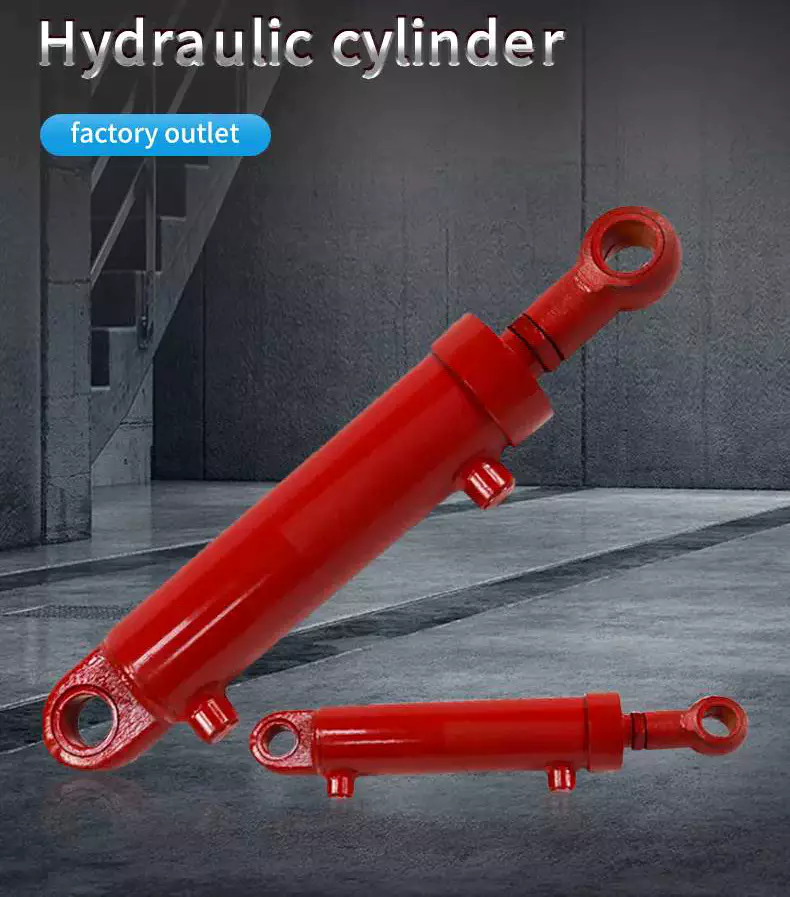
A hydraulic cylinder is a mechanical actuator that converts hydraulic energy into linear force and motion. It plays a critical role in various applications where controlled and powerful linear motion is required. Hydraulic cylinders are commonly used in industries such as construction, manufacturing, agriculture, and transportation. Here’s a detailed explanation of what a hydraulic cylinder is and how it functions:
Definition and Components:
– A hydraulic cylinder consists of a cylindrical barrel, a piston, a piston rod, and various seals. The barrel is a hollow tube that houses the piston and allows for fluid flow. The piston divides the cylinder into two chambers: the rod side and the cap side. The piston rod extends from the piston and provides a connection point for external loads. Seals are used to prevent fluid leakage and maintain hydraulic pressure within the cylinder.
Function:
– The function of a hydraulic cylinder is to convert the pressure and flow of hydraulic fluid into linear force and motion. The hydraulic fluid, typically oil, is pressurized and directed into one of the chambers of the cylinder. As the fluid enters the chamber, it applies pressure on the piston, causing it to move in a linear direction. This linear motion of the piston is transferred to the piston rod, creating a pushing or pulling force.
Working Principle:
– The working principle of a hydraulic cylinder is based on Pascal’s law, which states that pressure exerted on a fluid in a confined space is transmitted equally in all directions. In a hydraulic cylinder, when hydraulic fluid is pumped into one side of the cylinder, it creates pressure on the piston. The pressure is transmitted through the fluid to the other side of the piston, resulting in a balanced force across the piston and piston rod. This force generates linear motion in the direction determined by the fluid input.
Applications:
– Hydraulic cylinders find extensive use in a wide range of applications due to their ability to generate high forces and precise control of linear motion. Some common applications include:
1. Construction Equipment: Hydraulic cylinders are used in excavators, loaders, bulldozers, and cranes for lifting, pushing, and digging tasks.
2. Manufacturing Machinery: Hydraulic cylinders are employed in presses, machine tools, and material handling equipment for pressing, clamping, and lifting operations.
3. Agricultural Machinery: Hydraulic cylinders are used in tractors, harvesters, and irrigation systems for tasks like steering, lifting, and controlling attachments.
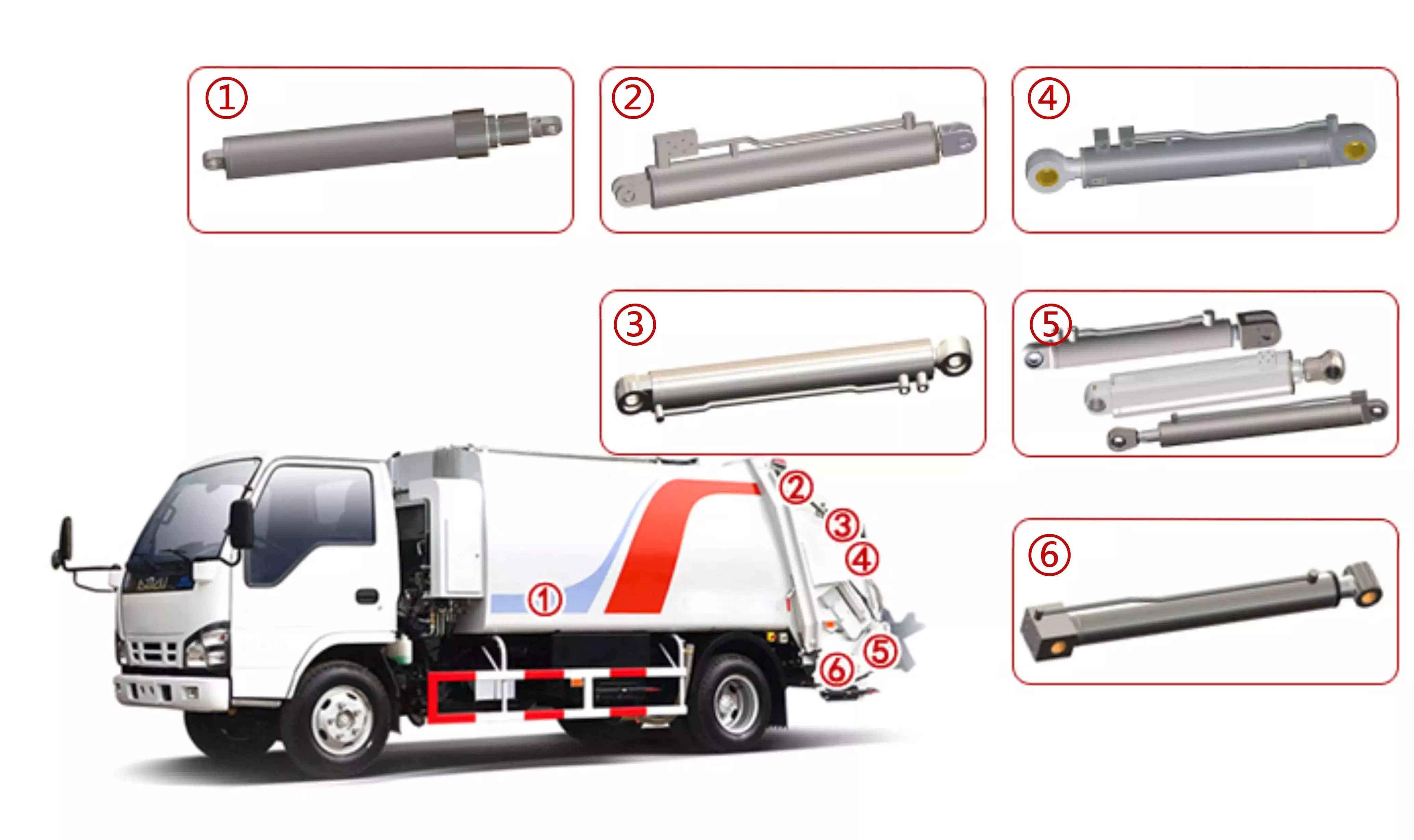
4. Transportation: Hydraulic cylinders are utilized in vehicles such as dump trucks, garbage trucks, and forklifts for tilting, lifting, and tipping operations.
5. Aerospace and Defense: Hydraulic cylinders are employed in aircraft landing gear, missile systems, and hydraulic actuators for control surfaces.
6. Marine and Offshore: Hydraulic cylinders are used in ship steering systems, cranes, and offshore drilling equipment for various lifting and positioning tasks.
In these applications, hydraulic cylinders offer advantages such as high force capability, precise control, compact size, and durability. They provide efficient and reliable linear motion, contributing to enhanced productivity and functionality in a wide range of industries.
Overall, hydraulic cylinders are integral components in various applications where controlled and powerful linear motion is required. Their ability to convert hydraulic energy into mechanical force makes them invaluable in numerous industries, enabling the operation of heavy machinery, precise positioning, and efficient load handling.


editor by Dream 2024-11-08
 Greek
Greek  English
  Italian
  Portuguese
  Dutch
Dutch  Swedish
  Danish
  Finnish
  Polish
  Hindi
Hindi  Kazakh
  Turkish
  Ukrainian
  Romanian
  Spanish
  German
  Russian
  Korean
  Japanese
  Vietnamese
  Thai
Thai  Indonesian
  Malay
Malay  French