
Περιγραφή προϊόντος
Product description:
Junfu is famous brand in front-end cylinders, offering an extensive catalogue from 5 to 100 tons with bespoke solutions. Designed for rear-end tippers and tippers trailers, Junfu brand front-end telescopic cylinders are known for their durability, reliability in all conditions and value for money. We believe in delivering a solution that can rapidly and successfully meet your requirements in demanding industries such as transportation, construction and mining. With high payload and longer service intervals for increased operating time, Junfu brand front-end cylinders are also environmentally friendly solutions with lower oil & fuel consumption.
FC telescopic front-end cylinders are primarily designed for straight headboard dump trucks with a capacity range of over 100 tons tipping weight. Our trunnion type FC cylinder is lightweight, strong, maintenance free and offers the most added stability to the tipper. The Junfu brand FC tipping cylinders have earned reputation for their reliability and value for money over many years.
Designed for Dump Truck applications, FC series cylinder with 3-7 stages is capable of lifting more weight which in return allows trucks to be equipped with smaller cylinders reducing space and saving weight. This CHINAMFG series cylinder is mostly used in combination with a Straight Headboard Type and Trunnion Type Body Connection.
Workshop with advanced equipment:
Certificates: ISO9001, IATF 16949:2016, CE,etc.
FAQ:
Q1: How about your cylinders compared with HYVA cylinder ?
Our cylinders can replace HYVA cylinder well, with same technical details and mounting sizes
Q2: What’s your cylinder’s advantages ?
The cylinders are manufactured by advanced equipments and made under strictly quality control processing.
The steel is quenched and tempered and all raw materials are good quality from world famous companies.
Competitive price!
Q3: When your company be established ?
Our company be established in 2002, professional manufacturer of hydraulic cylinders more than 20 years.
We had passed IATF 16949:2016 Quality control system, ISO9001, CE,etc.
Q4: How about the delivery time ?
15 days approximately.
Q5: How about the cylinder’s quality gurantee ?
One year.
| Certification: | CE, ISO9001, IATF 16949:2016, SGS |
|---|---|
| Pressure: | Υψηλή πίεση |
| Work Temperature: | Normal Temperature |
| Acting Way: | Single Acting |
| Working Method: | Straight Trip |
| Adjusted Form: | Switching Type |
| Customization: |
Available
|
|
|---|
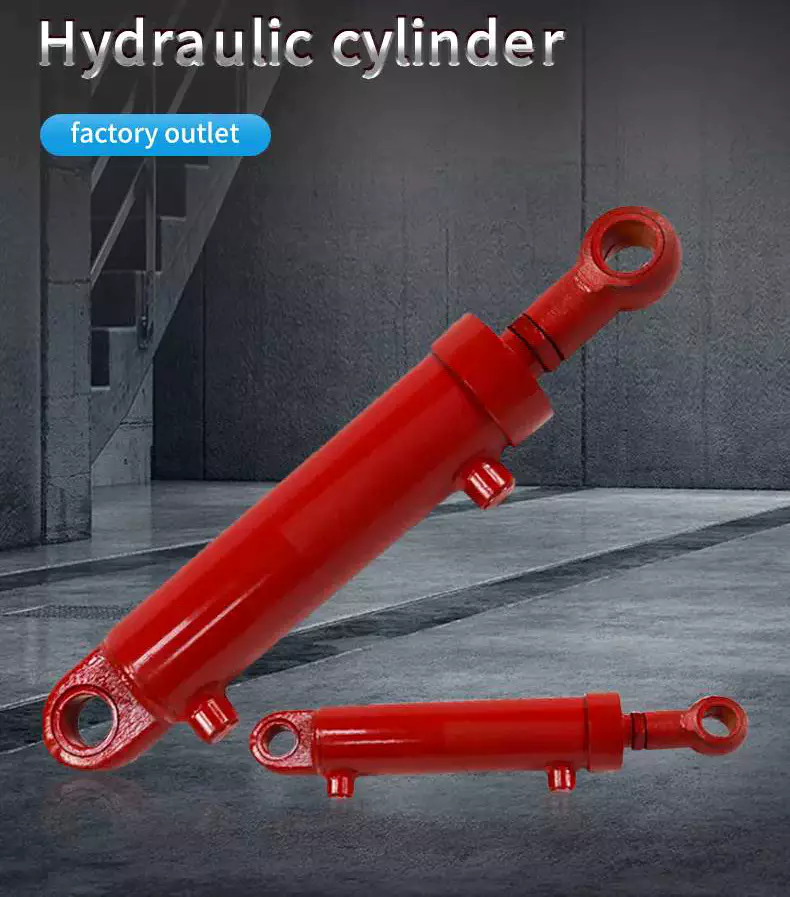
Πώς εξασφαλίζουν οι υδραυλικοί κύλινδροι ομαλή και συνεπή κίνηση σε βαριά μηχανήματα;
Οι υδραυλικοί κύλινδροι διαδραματίζουν ζωτικό ρόλο στη διασφάλιση της ομαλής και συνεπούς κίνησης σε βαρέα μηχανήματα. Ο σχεδιασμός και η λειτουργία τους επιτρέπουν τον ακριβή έλεγχο της κίνησης βαρέων φορτίων, με αποτέλεσμα την αποτελεσματική και αξιόπιστη απόδοση. Ακολουθεί μια λεπτομερής εξήγηση για το πώς οι υδραυλικοί κύλινδροι συμβάλλουν στην ομαλή και συνεπή κίνηση σε βαρέα μηχανήματα:
1. Υδραυλικό υγρό και πίεση:
– Οι υδραυλικοί κύλινδροι λειτουργούν χρησιμοποιώντας υδραυλικό υγρό, συνήθως λάδι, για τη μετάδοση δύναμης και κίνησης. Το υγρό συμπιέζεται από μια υδραυλική αντλία, δημιουργώντας μια δύναμη που ασκείται στο έμβολο μέσα στον κύλινδρο. Η πίεση του υδραυλικού υγρού μπορεί να ελεγχθεί με ακρίβεια, επιτρέποντας την ομαλή και σταδιακή κίνηση βαρέων μηχανημάτων. Η ασυμπίεστη ικανότητα του υγρού διασφαλίζει ότι η δύναμη κατανέμεται ομοιόμορφα, με αποτέλεσμα συνεπή και προβλέψιμη κίνηση.
2. Σχεδιασμός εμβόλου και κυλίνδρου:
– Οι υδραυλικοί κύλινδροι σχεδιάζονται με ακρίβεια για να εξασφαλίζουν ομαλή κίνηση. Το έμβολο και η οπή του κυλίνδρου είναι κατεργασμένα με μικρές ανοχές, μειώνοντας την τριβή και ελαχιστοποιώντας τις εσωτερικές διαρροές. Αυτή η ακριβής εφαρμογή μεταξύ των τοιχωμάτων του εμβόλου και του κυλίνδρου βοηθά στη διατήρηση σταθερής κίνησης χωρίς τραντάγματα ή ξαφνικές αλλαγές στην ταχύτητα. Επιπλέον, η χρήση στεγανοποιήσεων και λίπανσης υψηλής ποιότητας ενισχύει περαιτέρω την ομαλή λειτουργία του κυλίνδρου.
3. Βαλβίδες ελέγχου και έλεγχος ροής:
– Τα υδραυλικά συστήματα ενσωματώνουν βαλβίδες ελέγχου που ρυθμίζουν τη ροή του υδραυλικού υγρού μέσα και έξω από τον κύλινδρο. Αυτές οι βαλβίδες επιτρέπουν τον ακριβή έλεγχο της ταχύτητας και της κατεύθυνσης της κίνησης του κυλίνδρου. Ρυθμίζοντας τον ρυθμό ροής, οι χειριστές μπορούν να επιτύχουν ομαλή και ελεγχόμενη κίνηση βαρέων μηχανημάτων, αποφεύγοντας απότομες εκκινήσεις ή σταματήματα. Οι βαλβίδες ελέγχου ροής επιτρέπουν επίσης τη ρύθμιση της ταχύτητας, εξασφαλίζοντας συνεπή κίνηση ακόμη και υπό μεταβαλλόμενα φορτία ή συνθήκες λειτουργίας.
4. Απόσβεση και απορρόφηση κραδασμών:
– Οι υδραυλικοί κύλινδροι μπορούν να εξοπλιστούν με μηχανισμούς απορρόφησης κραδασμών για την απορρόφηση κραδασμών και την ελαχιστοποίηση των κρούσεων κατά την κίνηση βαρέων μηχανημάτων. Η απορρόφηση κραδασμών επιτυγχάνεται με την ενσωμάτωση εξειδικευμένων βαλβίδων ή ρυθμιζόμενων ανοιγμάτων στον κύλινδρο, τα οποία περιορίζουν τη ροή του υδραυλικού υγρού κοντά στο τέλος της διαδρομής. Αυτή η σταδιακή επιβράδυνση βοηθά στην πρόληψη ξαφνικών κραδασμών ή κραδασμών, διατηρώντας ομαλή και συνεπή κίνηση, μειώνοντας παράλληλα την καταπόνηση στο μηχάνημα και τα εξαρτήματά του.
5. Εξισορρόπηση φορτίου:
– Οι υδραυλικοί κύλινδροι μπορούν να σχεδιαστούν και να τοποθετηθούν σε ένα σύστημα για την ομοιόμορφη εξισορρόπηση του φορτίου και την ομοιόμορφη κατανομή των δυνάμεων. Χρησιμοποιώντας πολλαπλούς κυλίνδρους σε παράλληλες ή σειριακές διαμορφώσεις, τα βαριά μηχανήματα μπορούν να επιτύχουν ισορροπημένη κίνηση, αποτρέποντας την ανομοιόμορφη καταπόνηση και εξασφαλίζοντας ομαλή λειτουργία. Η εξισορρόπηση φορτίου βοηθά επίσης στην ελαχιστοποίηση του κινδύνου βλάβης των εξαρτημάτων και ενισχύει τη συνολική σταθερότητα και μακροζωία του μηχανήματος.
6. Συστήματα ανάδρασης και ελέγχου:
– Τα προηγμένα υδραυλικά συστήματα ενσωματώνουν αισθητήρες ανάδρασης και συστήματα ελέγχου για την παρακολούθηση και ρύθμιση της κίνησης βαρέων μηχανημάτων. Αυτοί οι αισθητήρες παρέχουν πληροφορίες σε πραγματικό χρόνο σχετικά με τη θέση, την ταχύτητα και τη δύναμη που ασκούν οι υδραυλικοί κύλινδροι. Το σύστημα ελέγχου επεξεργάζεται αυτά τα δεδομένα και προσαρμόζει τη ροή του υδραυλικού υγρού ανάλογα, ώστε να διατηρεί ομαλή και συνεπή κίνηση. Με τη συνεχή παρακολούθηση και ρύθμιση της λειτουργίας του κυλίνδρου, τα συστήματα ανάδρασης και ελέγχου συμβάλλουν στον ακριβή και αξιόπιστο έλεγχο της κίνησης.
7. Συντήρηση και Επισκευή:
– Η τακτική συντήρηση και επισκευή των υδραυλικών κυλίνδρων είναι απαραίτητες για να διασφαλιστεί η ομαλή και συνεπής κίνησή τους σε βαριά μηχανήματα. Η σωστή λίπανση, ο έλεγχος των στεγανοποιήσεων και η αντικατάσταση των φθαρμένων εξαρτημάτων βοηθούν στη διατήρηση της βέλτιστης απόδοσης. Οι πρακτικές προληπτικής συντήρησης, όπως η αντικατάσταση φίλτρων και η ανάλυση υγρών, συμβάλλουν επίσης στη μακροζωία και την αξιοπιστία των υδραυλικών συστημάτων, διασφαλίζοντας συνεπή κίνηση με την πάροδο του χρόνου.
Συνοπτικά, οι υδραυλικοί κύλινδροι εξασφαλίζουν ομαλή και συνεπή κίνηση σε βαρέα μηχανήματα μέσω της χρήσης υδραυλικού υγρού και πίεσης, ακριβούς σχεδιασμού εμβόλων και κυλίνδρων, βαλβίδων ελέγχου και ελέγχου ροής, μηχανισμών απορρόφησης κραδασμών και απόσβεσης, εξισορρόπησης φορτίου, συστημάτων ανάδρασης και ελέγχου, καθώς και τακτικής συντήρησης και σέρβις. Αξιοποιώντας αυτά τα χαρακτηριστικά, οι υδραυλικοί κύλινδροι παρέχουν την απαραίτητη δύναμη και έλεγχο για τη διαχείριση βαρέων φορτίων διατηρώντας παράλληλα ακριβή και αξιόπιστη κίνηση, ενισχύοντας τη συνολική απόδοση και παραγωγικότητα των βαρέων μηχανημάτων σε διάφορες βιομηχανικές εφαρμογές.
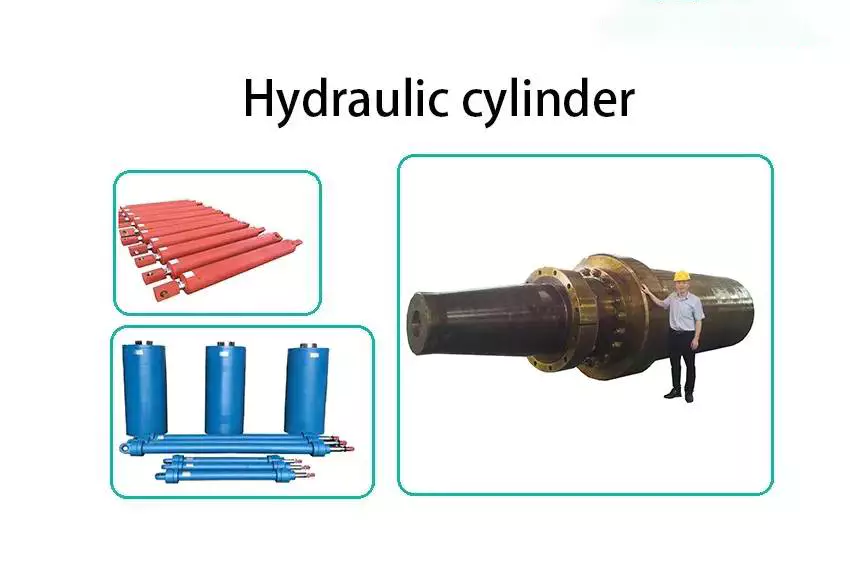
Adaptation of Hydraulic Cylinders for Medical Equipment and Aerospace Applications
Hydraulic cylinders have the potential to be adapted for use in medical equipment and aerospace applications, offering unique advantages in these industries. Let’s explore how hydraulic cylinders can be adapted for these specialized fields:
- Medical Equipment: Hydraulic cylinders can be adapted for various medical equipment applications, including hospital beds, patient lifts, surgical tables, and rehabilitation devices. Here’s how hydraulic cylinders are beneficial in medical equipment:
- Positioning and Adjustability: Hydraulic cylinders provide precise and smooth movement, allowing for accurate positioning and adjustments of medical equipment. This is crucial for ensuring patient comfort, proper alignment, and ease of use.
- Load Handling: Hydraulic cylinders offer high force capabilities, enabling the safe handling of heavy loads in medical equipment. They can support the weight of patients, facilitate smooth transitions, and provide stability during procedures.
- Controlled Motion: Hydraulic cylinders provide controlled and stable motion, which is essential for delicate medical procedures. The ability to adjust speed, position, and force allows for precise and controlled movements, minimizing patient discomfort and ensuring accurate treatment.
- Durability and Reliability: Hydraulic cylinders are designed to withstand rigorous use and demanding environments, making them suitable for medical equipment applications. Their durability and reliability contribute to the long-term performance and safety of medical devices.
- Aerospace Applications: Hydraulic cylinders can also be adapted for aerospace applications, where lightweight yet robust systems are essential. Here’s how hydraulic cylinders are advantageous in aerospace:
- Flight Control Systems: Hydraulic cylinders play a critical role in aircraft flight control systems, including ailerons, elevators, rudders, and landing gear. They provide precise and reliable actuation, allowing pilots to control the aircraft’s movements with accuracy and responsiveness.
- Weight Optimization: Hydraulic cylinders can be designed using lightweight materials, such as aluminum alloys or composite materials, to reduce overall weight. This weight optimization is crucial in aerospace applications to enhance fuel efficiency, payload capacity, and aircraft performance.
- Shock and Vibration Resistance: Aerospace environments involve significant shock and vibration forces. Hydraulic cylinders can be engineered to withstand these dynamic loads while maintaining performance and reliability, ensuring consistent operation even under extreme conditions.
- Space Constraints: Hydraulic cylinders can be designed to fit within the space constraints of aircraft or spacecraft. Their compact size and flexible mounting options allow for efficient integration into the limited available space.
In summary, hydraulic cylinders can be adapted for use in medical equipment and aerospace applications, leveraging their precise positioning, load handling capabilities, controlled motion, durability, and reliability. In medical equipment, hydraulic cylinders enable comfortable patient positioning, smooth transitions, and controlled movements during procedures. In aerospace, hydraulic cylinders provide precise actuation, weight optimization, shock and vibration resistance, and space-efficient solutions. By adapting hydraulic cylinders to these specialized fields, manufacturers can meet the unique requirements and enhance the performance of medical equipment and aerospace systems.
What safety precautions should be followed when working with hydraulic cylinders?
Working with hydraulic cylinders requires strict adherence to safety precautions to prevent accidents, injuries, and damage to equipment or property. Hydraulic systems operate under high pressures and involve moving parts, which can pose serious hazards if not handled properly. Here’s a detailed explanation of the safety precautions that should be followed when working with hydraulic cylinders:
1. Training and Knowledge:
– Ensure that personnel working with hydraulic cylinders have received adequate training and possess a thorough understanding of hydraulic system operation, maintenance, and safety protocols. Proper training should cover topics such as hydraulic principles, pressure ratings, safe work practices, and emergency procedures. Only trained and authorized personnel should be allowed to handle hydraulic cylinders.
2. Wear Personal Protective Equipment (PPE):
– Always wear appropriate personal protective equipment when working with hydraulic cylinders. This may include safety glasses, gloves, protective clothing, and steel-toed boots. PPE helps protect against potential hazards, such as hydraulic fluid leaks, flying debris, or accidental contact with moving parts.
3. Hydraulic System Inspection:
– Before working with hydraulic cylinders, inspect the entire hydraulic system for any signs of damage, leaks, or loose connections. Check hydraulic hoses, fittings, valves, and cylinders for integrity and secure fastening. If any issues are detected, the system should be repaired or serviced before operation.
4. Relieve Pressure:
– Before performing any maintenance or disassembly on a hydraulic cylinder, it is crucial to relieve the pressure in the system. Follow the manufacturer’s instructions to properly release pressure and ensure that the hydraulic cylinder is depressurized before starting any work. Failure to do so can result in sudden and uncontrolled movement of the cylinder or hydraulic lines, leading to serious injuries.
5. Lockout/Tagout Procedures:
– Implement lockout/tagout procedures to prevent accidental energization of the hydraulic system while maintenance or repair work is being conducted. Lockout/tagout involves isolating the energy source, such as shutting off the hydraulic pump and locking or tagging the controls to prevent unauthorized operation. This procedure ensures that the hydraulic cylinder remains in a safe, non-operational state during maintenance activities.
6. Use Proper Lifting Techniques:
– When working with heavy hydraulic cylinders or components, use proper lifting techniques and equipment to avoid strain or injury. Hydraulic cylinders can be heavy and awkward to handle, so ensure that lifting equipment, such as cranes or hoists, is properly rated and used correctly. Follow safe lifting practices, including securing the load and maintaining a stable lifting posture.
7. Hydraulic Fluid Handling:
– Handle hydraulic fluid with care and follow proper procedures for fluid filling, transfer, and disposal. Avoid contact with the skin or eyes, as hydraulic fluid may be hazardous. Use appropriate containers and equipment to prevent spills or leaks. If any hydraulic fluid comes into contact with the skin or eyes, rinse thoroughly with water and seek medical attention if necessary.
8. Regular Maintenance:
– Perform regular maintenance and inspections on hydraulic cylinders to ensure their safe and reliable operation. This includes checking for leaks, inspecting seals, monitoring fluid levels, and conducting periodic servicing as recommended by the manufacturer. Proper maintenance helps prevent unexpected failures and ensures the continued safe use of hydraulic cylinders.
9. Follow Manufacturer Guidelines:
– Always follow the manufacturer’s guidelines, instructions, and recommendations for the specific hydraulic cylinders and equipment being used. Manufacturers provide important safety information, maintenance schedules, and operational guidelines that should be strictly adhered to for safe and optimal performance.
10. Emergency Preparedness:
– Be prepared for potential emergencies by having appropriate safety equipment, such as fire extinguishers, first aid kits, and emergency eyewash stations, readily available. Establish clear communication channels and emergency response procedures to promptly address any accidents, leaks, or injuries that may occur during hydraulic cylinder operations.
By following these safety precautions, individuals working with hydraulic cylinders can minimize the risk of accidents, injuries, and property damage. It is essential to prioritize safety, maintain awareness of potential hazards, and ensure compliance with relevant safety regulations and industry standards.


editor by CX 2023-10-20
 Greek
Greek  English
  Italian
  Portuguese
  Dutch
Dutch  Swedish
  Danish
  Finnish
  Polish
  Hindi
Hindi  Kazakh
  Turkish
  Ukrainian
  Romanian
  Spanish
  German
  Russian
  Korean
  Japanese
  Vietnamese
  Thai
Thai  Indonesian
  Malay
Malay  French