
Descripción del Producto
Descripción del Producto
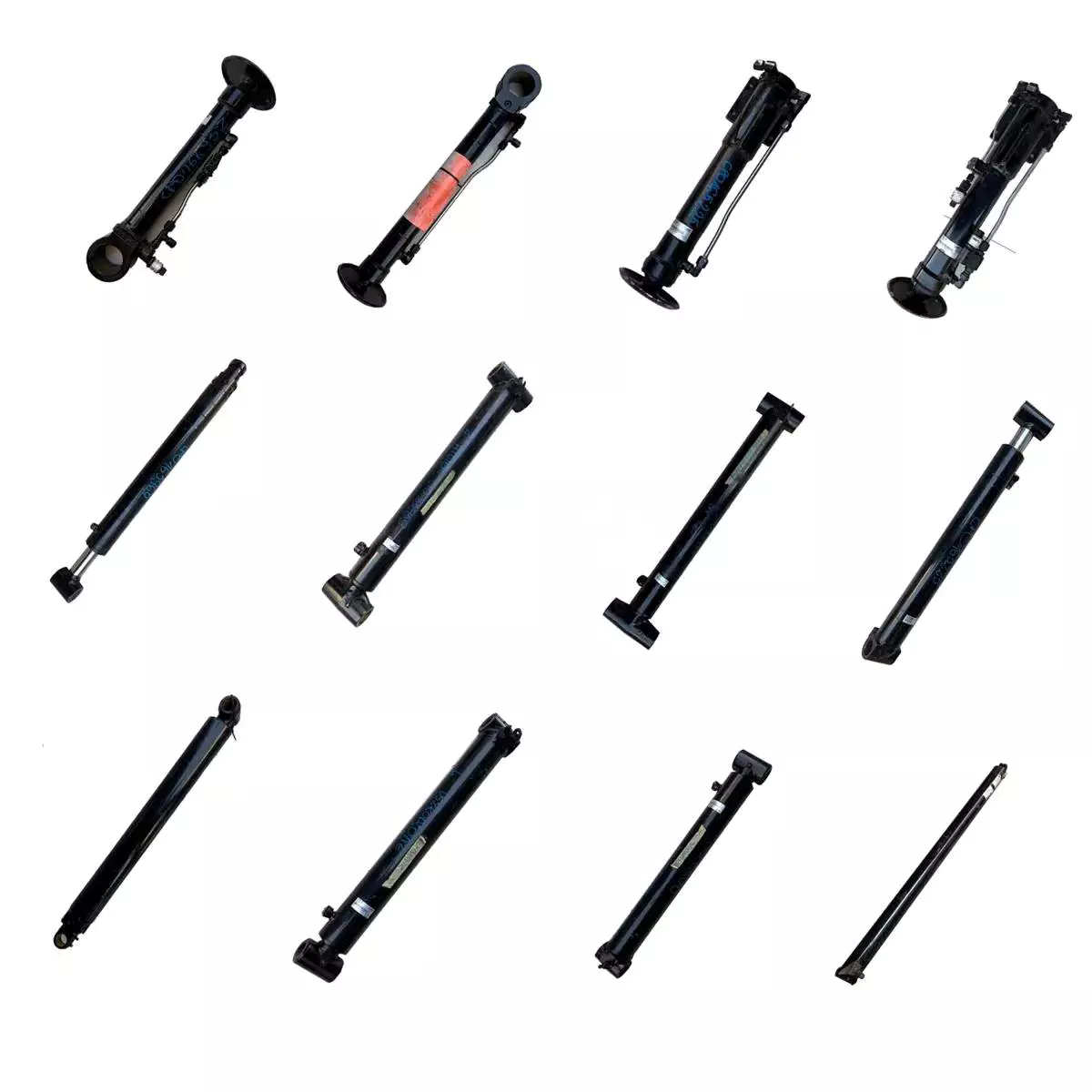
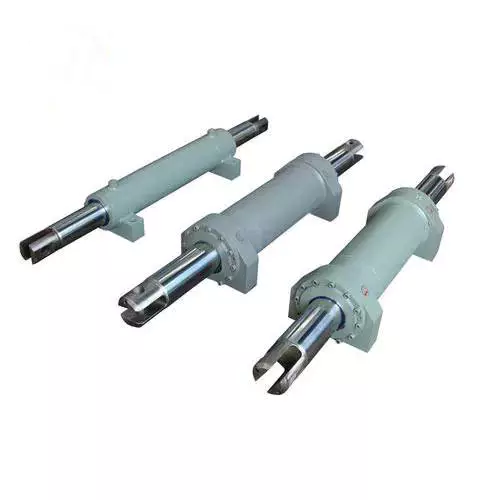
Mining & cement hydraulic cylinder:
Hetlock(ZheJiang )Machinery Co.,Ltd. have many years of experience in mining and cement industry, Allows us to accumulate the rich experience of hydraulic cylinder in this industry. Because of the bad environment of this industry, dusty, and use frequently. We grope out a set of complete process for the design methods and produce process.
We are established a professional quality control method for each key control points of technology and process, and get a very good quality result.
Our products have applications in:
- Tunnel construction equipment;
- Earth moving equipment;
- Hydraulic con crusher;
- Grate cooler;
- Roller press;
- Vertical mill;
- Drilling rig;
- Etc.
Product Parameters
| Material | Carbon steel, Alloy steel, Stainless steel |
| Honed tube | 20-2500mm, Heat treatment, honing, rolling |
| Piston rod | 10-2000mm ,tempering, plated nickel, Chromium or ceramic |
| Presión de trabajo | 5-300Mpa |
| Seals | Parker,Merkel,Hallite |
| Technology | Bosch CHINAMFG and Parker |
| Coating | Sandblasting, primer, middle paint, finish paint |
| Temperature range | -40ºC to +300ºC |
| Work medium | Hydraulic Oil |
| Piston speed | maximum 2m/s |
| Mounting style | Earrings, flange, foot mounting, screw thread. |
Product Application
Company Show
HETLOCK is a professional manufacturer of hydraulic cylinders in China, Founded in 1998, located in the international city of ZheJiang . Our plant is nearly 20000 square meter& We have 135 Employees including 11 experienced engineers and technical staff,More than 1800 type of hydraulic cylinder designed in every year. We can produce various kinds of hydraulic cylinders according to customer requirements.
The inside diameter of hydraulic cylinders can achieve the maximum 2500mm;
The hydraulic cylinders operating pressure can achieve the maximum 300MPa.
Preguntas frecuentes
Q1:Are you a manufacturer or trading company?
A: We are a manufacturer.
Q2: How many years of production experience do you have?
A: We have over 20 years of production experience.
Q3: Can it be customized?
A: Both standard and non-standard products can be customized.
Q4: How to ensure product quality?
A: We strictly follow the quality process for production and 100% inspection of each batch of products.
Q5: What services can you provide?
A: According to customer requirements, we can provide a one-stop solution from design, production, and delivery to meet their needs.
/* May 10, 2571 16:49:51 */!function(){function d(e,r){var a,o={};try{e&&e.split(“,”).forEach(function(e,t){e&&(a=e.match(/(.*?):(.*)$/))&&1
¿Cómo afrontan los cilindros hidráulicos los retos del posicionamiento y el control precisos?
Los cilindros hidráulicos están diseñados para afrontar los desafíos del posicionamiento y control precisos mediante una combinación de principios de ingeniería y sistemas de control avanzados. Estos desafíos suelen presentarse en aplicaciones que requieren movimientos precisos y controlados, como en la automatización industrial, la construcción y la manipulación de materiales. A continuación, se ofrece una explicación detallada de cómo los cilindros hidráulicos superan estos desafíos:
1. Control de potencia fluida:
Los cilindros hidráulicos utilizan el control de potencia fluida para lograr un posicionamiento y control precisos. El sistema hidráulico consta de una bomba hidráulica, válvulas de control y fluido hidráulico. Al regular el flujo de fluido hidráulico dentro y fuera del cilindro, los operadores pueden controlar la velocidad, la dirección y la fuerza ejercida por este. El control de potencia fluida permite movimientos suaves y precisos, posibilitando un posicionamiento exacto del cilindro hidráulico y la carga acoplada.
2. Válvulas de control:
Las válvulas de control desempeñan un papel crucial en la gestión de los desafíos del posicionamiento y control precisos. Estas válvulas son responsables de dirigir el flujo del fluido hidráulico dentro del sistema. Pueden ser operadas manualmente o controladas electrónicamente. Las válvulas de control permiten a los operadores ajustar el caudal del fluido hidráulico, controlando así la velocidad de movimiento del cilindro. Al modular el flujo, los operadores pueden lograr un control preciso del posicionamiento del cilindro hidráulico, lo que permite movimientos exactos y precisos.
3. Control proporcional:
Los cilindros hidráulicos pueden equiparse con sistemas de control proporcional, que ofrecen mayor precisión en el posicionamiento y el control. Estos sistemas utilizan algoritmos de control y retroalimentación electrónica para regular con precisión el caudal y la presión del fluido hidráulico. Proporcionan un control preciso y proporcional del movimiento del cilindro, permitiendo un posicionamiento exacto en distintos puntos de su recorrido. El control proporcional mejora la capacidad del cilindro para realizar tareas complejas que requieren movimientos y control precisos.
4. Sensores de retroalimentación de posición:
Para lograr un posicionamiento preciso, los cilindros hidráulicos suelen incorporar sensores de retroalimentación de posición. Estos sensores proporcionan información en tiempo real sobre la posición del vástago del pistón del cilindro. Entre los tipos más comunes de sensores de retroalimentación de posición se incluyen potenciómetros, transformadores diferenciales variables lineales (LVDT) y sensores magnetostrictivos. Al monitorizar continuamente la posición, los sensores de retroalimentación permiten un control de lazo cerrado, lo que posibilita un posicionamiento y control precisos del cilindro hidráulico. La información de retroalimentación se utiliza para ajustar el flujo del fluido hidráulico y alcanzar la posición deseada con exactitud.
5. Sistemas de control servo:
Los sistemas hidráulicos avanzados emplean servocontrol para gestionar los desafíos del posicionamiento y control precisos. Estos sistemas combinan control electrónico, sensores de retroalimentación de posición y válvulas de control proporcional para lograr altos niveles de precisión y capacidad de respuesta. El servocontrol compara continuamente la posición deseada con la posición real del cilindro hidráulico y ajusta el flujo del fluido hidráulico para minimizar cualquier error de posicionamiento. Este mecanismo de control de lazo cerrado permite que el cilindro hidráulico mantenga un posicionamiento y control precisos, incluso bajo cargas variables o perturbaciones externas.
6. Automatización integrada:
Los cilindros hidráulicos pueden integrarse en sistemas automatizados para lograr un posicionamiento y control precisos. En estas configuraciones, los cilindros hidráulicos se controlan mediante controladores lógicos programables (PLC) u otros controladores de automatización. Estos controladores reciben señales de entrada de diversos sensores y utilizan lógica preprogramada para controlar los movimientos del cilindro hidráulico. La integración de los cilindros hidráulicos en sistemas automatizados permite un posicionamiento y control precisos y repetibles, lo que posibilita la ejecución de secuencias de movimientos complejas con alta precisión.
7. Algoritmos de control avanzados:
Los avances en los algoritmos de control también han contribuido al posicionamiento y control precisos de los cilindros hidráulicos. Estos algoritmos, como el control PID (Proporcional-Integral-Derivativo), el control adaptativo y el control basado en modelos, permiten implementar estrategias de control sofisticadas. Dichos algoritmos consideran factores como las variaciones de carga, la dinámica del sistema y las condiciones ambientales para optimizar el control de los cilindros hidráulicos. Mediante el uso de algoritmos de control avanzados, los cilindros hidráulicos pueden compensar las perturbaciones y lograr un posicionamiento y control precisos en un amplio rango de condiciones de funcionamiento.
En resumen, los cilindros hidráulicos superan los desafíos del posicionamiento y control precisos mediante el uso de control de potencia fluida, válvulas de control, control proporcional, sensores de retroalimentación de posición, sistemas de servocontrol, automatización integrada y algoritmos de control avanzados. Al combinar estos elementos, los cilindros hidráulicos logran movimientos precisos y controlados, lo que permite un posicionamiento y control exactos en diversas aplicaciones. Estas capacidades son esenciales para industrias que requieren alta precisión y repetibilidad en sus operaciones, como la automatización industrial, la robótica y la manipulación de materiales.
Ensuring Stable Performance of Hydraulic Cylinders Under Fluctuating Loads
Hydraulic cylinders are designed to provide stable performance even under fluctuating loads. They achieve this through various mechanisms and features that allow for efficient load control and compensation. Let’s explore how hydraulic cylinders ensure stable performance under fluctuating loads:
- Piston Design: The piston inside the hydraulic cylinder plays a crucial role in load control. It is typically equipped with seals and rings that prevent leakage of hydraulic fluid and ensure effective transfer of force. The piston design may incorporate features such as stepped or tandem pistons, which provide enhanced load-bearing capabilities and improved stability by distributing the load across multiple surfaces.
- Cylinder Cushioning: Hydraulic cylinders often incorporate cushioning mechanisms to minimize the impact and shock caused by fluctuating loads. Cushioning can be achieved through various methods, such as adjustable cushion screws, hydraulic cushioning valves, or elastomeric cushioning rings. These mechanisms slow down the piston’s movement near the end of the stroke, reducing the impact and preventing sudden stops that could lead to instability.
- Pressure Compensation: Fluctuating loads can result in pressure variations within the hydraulic system. To ensure stable performance, hydraulic cylinders are equipped with pressure compensation mechanisms. These mechanisms maintain a consistent pressure level in the system, regardless of load changes. Pressure compensation can be achieved through the use of pressure relief valves, compensating pistons, or pressure-compensated flow control valves.
- Flow Control: Hydraulic cylinders often incorporate flow control valves to regulate the speed of the cylinder’s movement. By controlling the flow rate of hydraulic fluid, the cylinder’s motion can be adjusted to match the changing load conditions. Flow control valves allow for smooth and controlled movement, preventing abrupt changes that could lead to instability.
- Feedback Systems: To ensure stable performance under fluctuating loads, hydraulic cylinders can be integrated with feedback systems. These systems provide real-time information on the cylinder’s position, velocity, and force. By continuously monitoring these parameters, the hydraulic system can make immediate adjustments to maintain stability and compensate for load fluctuations. Feedback systems can include position sensors, pressure sensors, or load sensors, depending on the specific application.
- Proper Sizing and Selection: Ensuring stable performance under fluctuating loads starts with proper sizing and selection of hydraulic cylinders. It is crucial to choose cylinders with appropriate bore size, rod diameter, and stroke length to match the anticipated load conditions. Oversized or undersized cylinders can lead to instability and reduced performance. Proper sizing also involves considering factors such as the required force, speed, and duty cycle of the application.
In summary, hydraulic cylinders ensure stable performance under fluctuating loads through features such as piston design, cushioning mechanisms, pressure compensation, flow control, feedback systems, and proper sizing and selection. These mechanisms and considerations allow hydraulic cylinders to provide consistent and controlled movement, even in dynamic load conditions, resulting in reliable and stable performance.
Can you provide real-world examples of machinery that heavily rely on hydraulic cylinders?
Hydraulic cylinders are widely used in various industries and applications due to their ability to provide powerful and precise linear motion. They play a crucial role in enabling the operation of heavy machinery that requires controlled force and movement. Here are some real-world examples of machinery that heavily rely on hydraulic cylinders:
1. Construction Equipment:
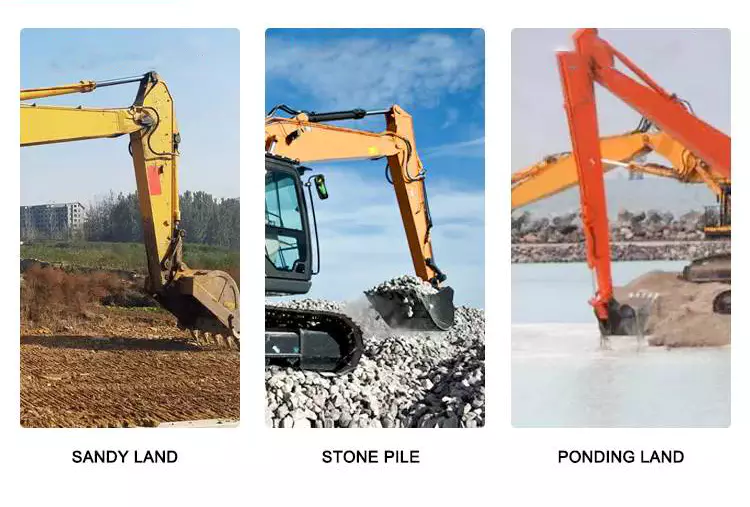
– Hydraulic cylinders are extensively used in construction machinery, such as excavators, bulldozers, loaders, and cranes. These machines rely on hydraulic cylinders to perform tasks like lifting heavy loads, extending and retracting booms, tilting buckets, and controlling the movement of various components. Hydraulic cylinders provide the power and precision required to handle the demanding conditions and heavy loads encountered in construction projects.
2. Agricultural Machinery:
– Many agricultural machines, including tractors, combine harvesters, and sprayers, utilize hydraulic cylinders for critical operations. Hydraulic cylinders are used to control the movement of attachments, such as front loaders, backhoes, and plows. They enable functions like lifting and lowering implements, adjusting cutting heights, and controlling the positioning of harvesting equipment. Hydraulic cylinders enhance efficiency and productivity in agricultural operations.
3. Material Handling Equipment:
– Hydraulic cylinders are integral components of material handling equipment, such as forklifts, pallet jacks, and cranes. These machines rely on hydraulic cylinders to lift and lower loads, tilt platforms or forks, and control the movement of lifting mechanisms. Hydraulic cylinders provide the necessary strength and precision to handle heavy loads and ensure safe and efficient material handling operations.
4. Industrial Machinery:
– Various industrial machinery and equipment heavily rely on hydraulic cylinders for critical functions. Examples include hydraulic presses, injection molding machines, metal-forming machines, and hydraulic-powered robots. Hydraulic cylinders enable precise control of force and movement in these applications, allowing for accurate shaping, pressing, and assembly processes.
5. Mining Equipment:
– Hydraulic cylinders are extensively used in mining machinery and equipment. Underground mining machines, such as continuous miners and longwall shearers, utilize hydraulic cylinders for cutting, shearing, and roof support operations. Surface mining equipment, including hydraulic shovels, draglines, and haul trucks, rely on hydraulic cylinders for tasks like bucket movement, boom extension, and vehicle suspension.
6. Automotive Industry:
– The automotive industry extensively utilizes hydraulic cylinders in various applications. Hydraulic cylinders are employed in vehicle suspension systems, power steering systems, convertible tops, and hydraulic brake systems. They enable smooth and controlled movement, precise steering, and efficient braking in automobiles.
7. Aerospace and Aviation:
– Hydraulic cylinders are utilized in aerospace and aviation applications, such as aircraft landing gear systems, wing flaps, and cargo handling equipment. Hydraulic cylinders provide the necessary force and control for extending and retracting landing gear, adjusting wing flaps, and operating cargo doors, ensuring safe and reliable aircraft operations.
8. Marine and Offshore Industry:
– Hydraulic cylinders are essential components in marine and offshore equipment, including ship cranes, winches, and hydraulic-powered anchor systems. They enable lifting, lowering, and positioning of heavy loads, as well as the control of various marine equipment.
These are just a few examples of machinery and industries that heavily rely on hydraulic cylinders. The versatility, power, and precise control offered by hydraulic cylinders make them indispensable in a wide range of applications, where controlled linear motion and force are essential.
<img src="https://img.jiansujichilun.com/img/hydrauliccylinders/hydrauliccylinders-l1.webp" alt="China OEM 2ND Level Double Acting Hydraulic Cylinder for Mining Equipments with Good quality “><img src="https://img.jiansujichilun.com/img/hydrauliccylinders/hydrauliccylinders-l2.webp" alt="China OEM 2ND Level Double Acting Hydraulic Cylinder for Mining Equipments with Good quality “>
editor by Dream 2024-10-10
 Spanish
  English
  Italian
  Portuguese
  Dutch
Dutch  Swedish
  Danish
  Finnish
  Polish
  Hindi
Hindi  Kazakh
  Turkish
  Ukrainian
  Romanian
  German
  Russian
  Korean
  Japanese
  Vietnamese
  Thai
Thai  Indonesian
  Malay
Malay  French
  Greek
Greek