
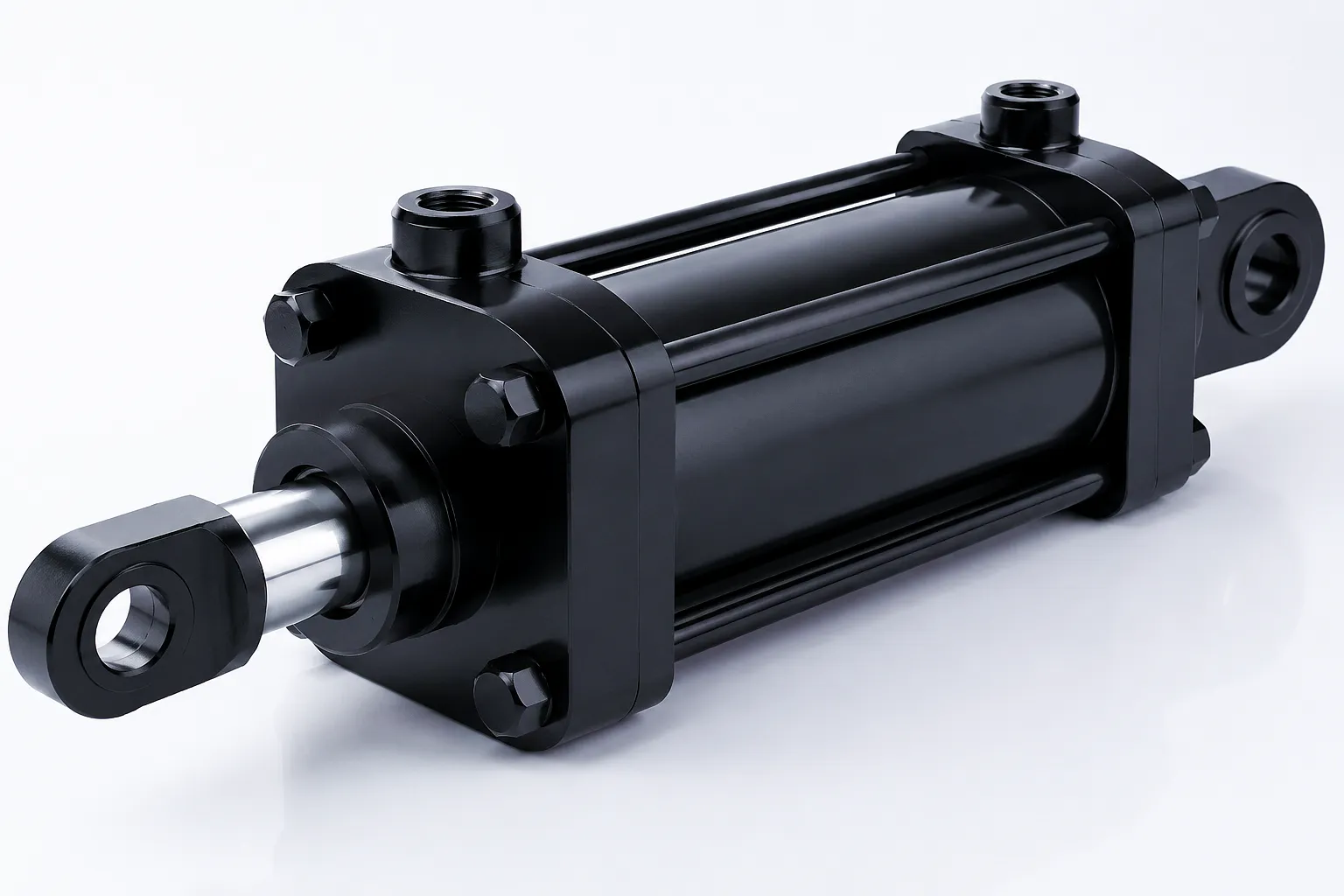
 Walk into any heavy engineering facility across Birmingham, Sheffield or the Humber estuary and you will quickly spot the hydraulic cylinder as the unsung workhorse of industrial motion. These pressurised actuators convert fluid energy into precise mechanical force, and they do it reliably — sometimes for decades. Yet the moment a cylinder is exposed to seawater spray, chemical wash-down, road salt or high-humidity marine air, the question of barrel and rod material moves from a footnote in a specification sheet to the single most consequential engineering decision on the BOM. The core debate is not complicated in principle: stainless steel hydraulic cylinders or carbon steel hydraulic cylinders? But the answer is never simple in practice, because corrosive environments differ vastly in their chemical aggression, temperature cycles and the mechanical loads they impose.
How Hydraulic Cylinders Generate Force — and Where Material Choice Begins to Matter
A hydraulic cylinder operates on Pascal’s Law: pressure applied to a confined fluid is transmitted undiminished in all directions. Pressurised hydraulic oil — typically at working pressures between 160 bar and 350 bar in heavy industrial applications — enters one port of the cylinder body and pushes against the face of a piston. Because the piston is sealed to the barrel, that pressure differential produces a net axial force equal to the gauge pressure multiplied by the effective piston area. The rod, which passes through the gland seal at one end, translates that force into external work: lifting a boom arm, clamping a press tool, tilting a trailer bed or actuating a control valve on a petrochemical rig.
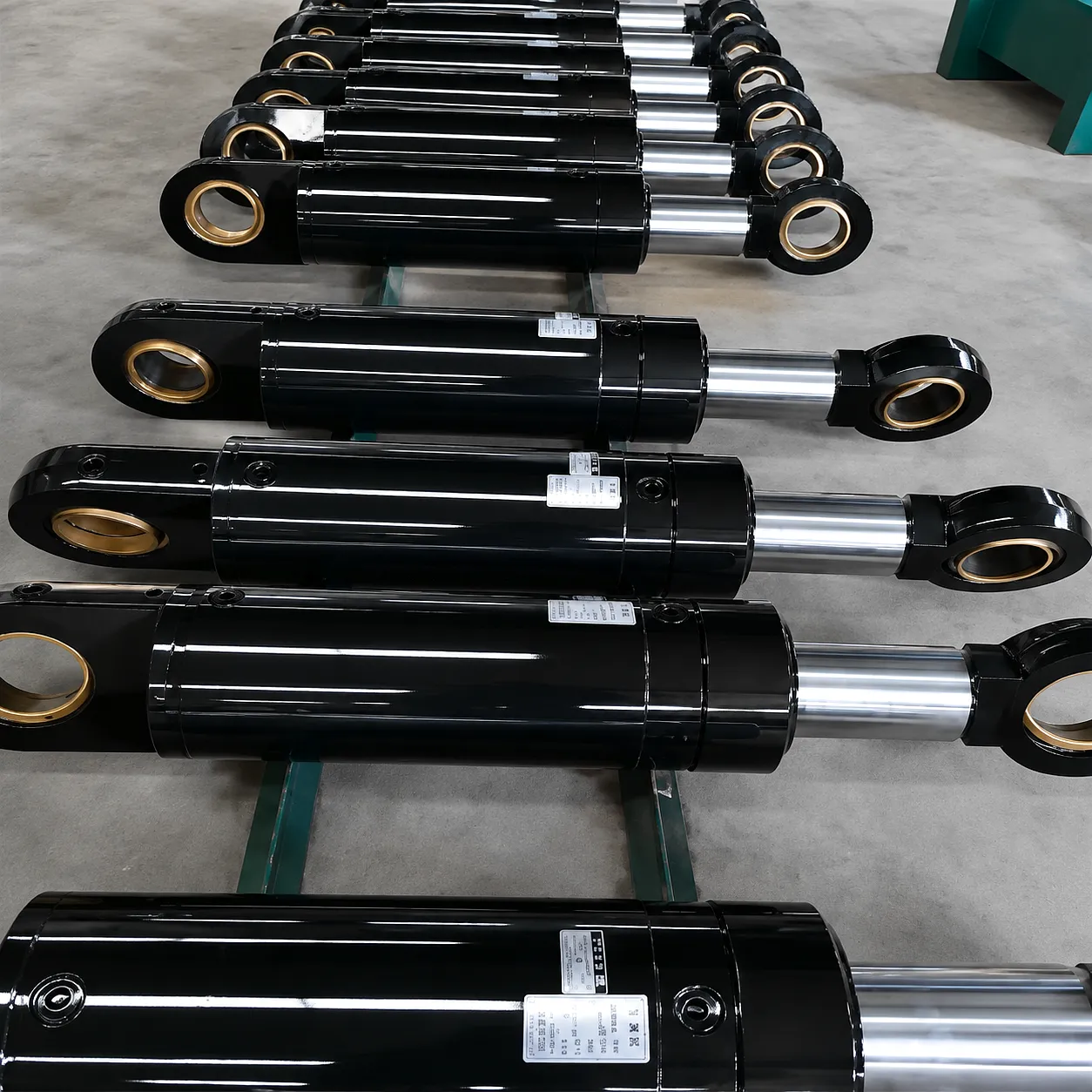
Every component in that chain — barrel, piston, rod, end caps, ports and seal glands — must maintain dimensional integrity and surface finish throughout thousands of pressure cycles. This is where corrosion becomes a structural engineering issue rather than merely an aesthetic one. A carbon steel rod that develops a rust pit of even 0.15 mm depth in a high-pressure groove acts as a stress concentrator; fatigue cracks propagate from that pit under dynamic loading at a rate far exceeding that predicted by smooth-rod calculations. Similarly, internal barrel corrosion roughens the honed bore, accelerating seal wear and ultimately allowing hydraulic fluid to bypass the piston, reducing force output and increasing heat generation. The material of the barrel and rod therefore determines not just the service life of the cylinder in isolation but the reliability of the entire hydraulic system of which it forms a part.
⚓ Rod Surface Condition
Rod surface roughness (Ra) must remain below 0.2 µm for effective seal retention. Corrosion pits destroy this tolerance and cause catastrophic seal failure within weeks in saline environments.
⚙ Barrel Bore Integrity
Internal bore honing to H7/H8 tolerance is essential for consistent volumetric efficiency. Corrosive attack on unprotected carbon steel bores creates bypass channels that reduce cylinder output force by up to 18%.
⚠ Seal Compatibility
Corrosion by-products (iron oxides, sulphides) are abrasive and chemically incompatible with PTFE and polyurethane seals, causing micro-cuts that generate leakage paths under high-cycle dynamic conditions.
Core Materials: What Each Grade Actually Delivers Under Pressure
Grade: ST52 / CK45
Carbon Steel
The workhorse of the hydraulic cylinder industry. CK45 medium-carbon steel and ST52 low-alloy structural steel account for the vast majority of cylinders produced globally. CK45 delivers a tensile strength of 600–850 MPa with a yield strength of approximately 420 MPa, making it well-suited to high-pressure hydraulic applications in protected environments. The material is readily machined to tight tolerances, responds well to surface hardening treatments like induction hardening (achieving 58–62 HRC on the rod), and is available at moderate cost from well-established supply chains across the UK.
Chrome plating (hard chrome or, increasingly, HVOF thermal spray tungsten carbide) is applied to the rod surface to deliver corrosion resistance and the low surface roughness required by dynamic seals. In neutral or mildly humid environments, a properly applied chrome layer of 20–30 µm provides adequate protection. The barrel is typically phosphate-coated internally and epoxy-painted externally for dry or low-humidity service conditions.
⚠ Critical Limitation in Corrosive Environments
Carbon steel has essentially zero passive corrosion resistance. Once coating integrity fails — through abrasion, scratching or chemical attack — base metal rusting begins immediately. In marine splash zones, chemical splash areas or high-chloride environments, chrome coating degradation timelines compress from years to months.
Grade: 316L / 2205 Duplex
Acero inoxidable
Stainless steel hydraulic cylinders derive their corrosion immunity from a chromium content of at least 10.5% by weight. This forms a passive chromium oxide layer on the metal surface — a self-repairing film just 2–3 nm thick that prevents oxygen and moisture from reaching the iron atoms beneath. Grade 316L introduces 2–3% molybdenum to the austenitic matrix, dramatically raising resistance to chloride pitting and crevice corrosion, which makes it the preferred choice for food-processing washdown lines, coastal civil engineering and pharmaceutical clean-room actuators across the UK.
Duplex grade 2205 (with 22% Cr, 5% Ni, 3% Mo) raises the bar further, delivering a pitting resistance equivalent number (PREN) exceeding 34, compared to approximately 24 for 316L. Its tensile strength of 620–880 MPa also approaches that of carbon steel, removing the traditional mechanical strength argument against stainless steel in high-pressure cylinder applications. The trade-off is machining complexity: duplex grades work-harden rapidly and demand specialised cutting parameters that not every subcontract manufacturer can handle to the tolerances required.
✓ Self-Healing Passive Layer
Unlike coatings, the passive layer on stainless steel regenerates autonomously when scratched or abraded, provided sufficient oxygen is present. This intrinsic property eliminates the single-point-of-failure risk that defines all coated carbon steel solutions in aggressive environments.
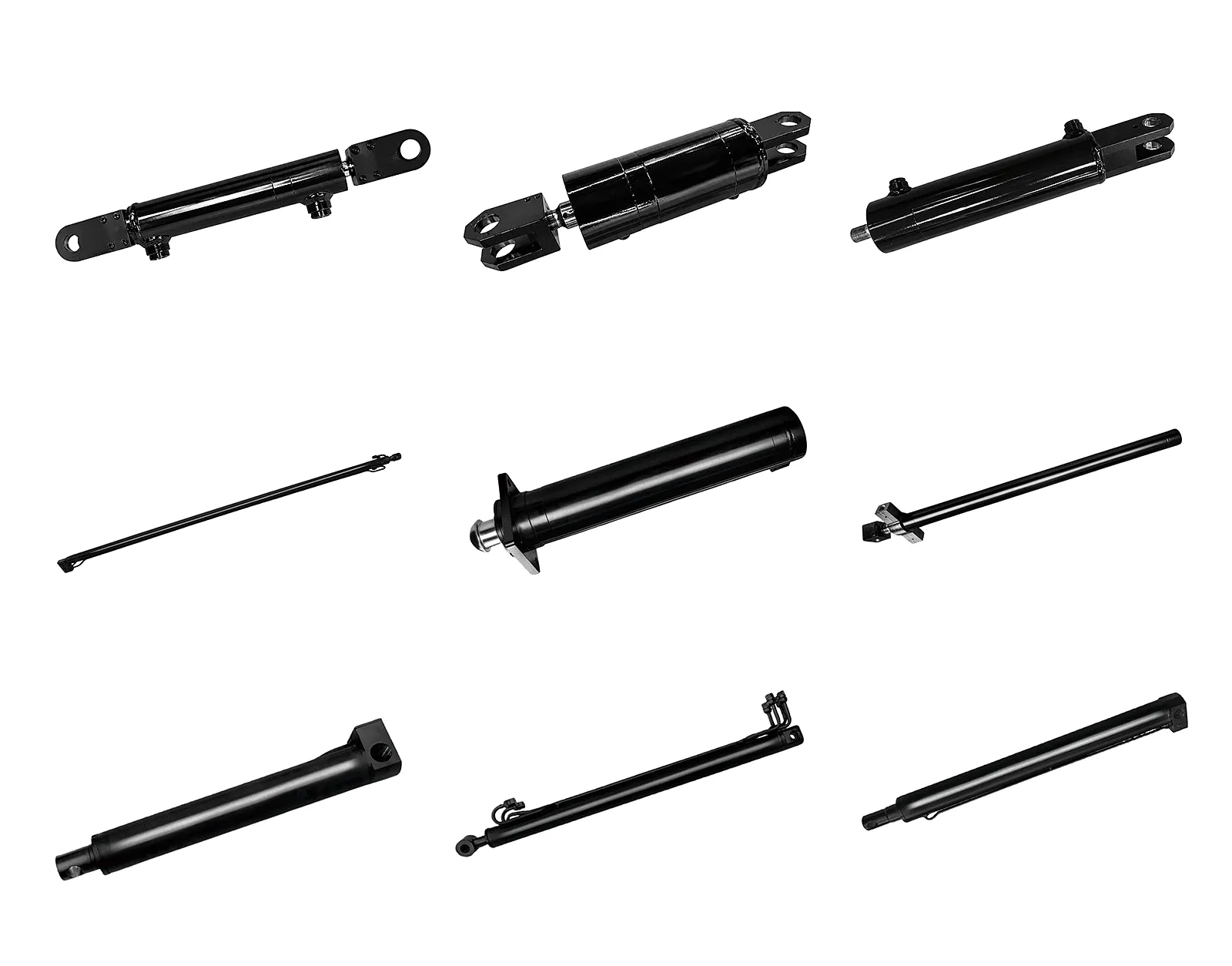
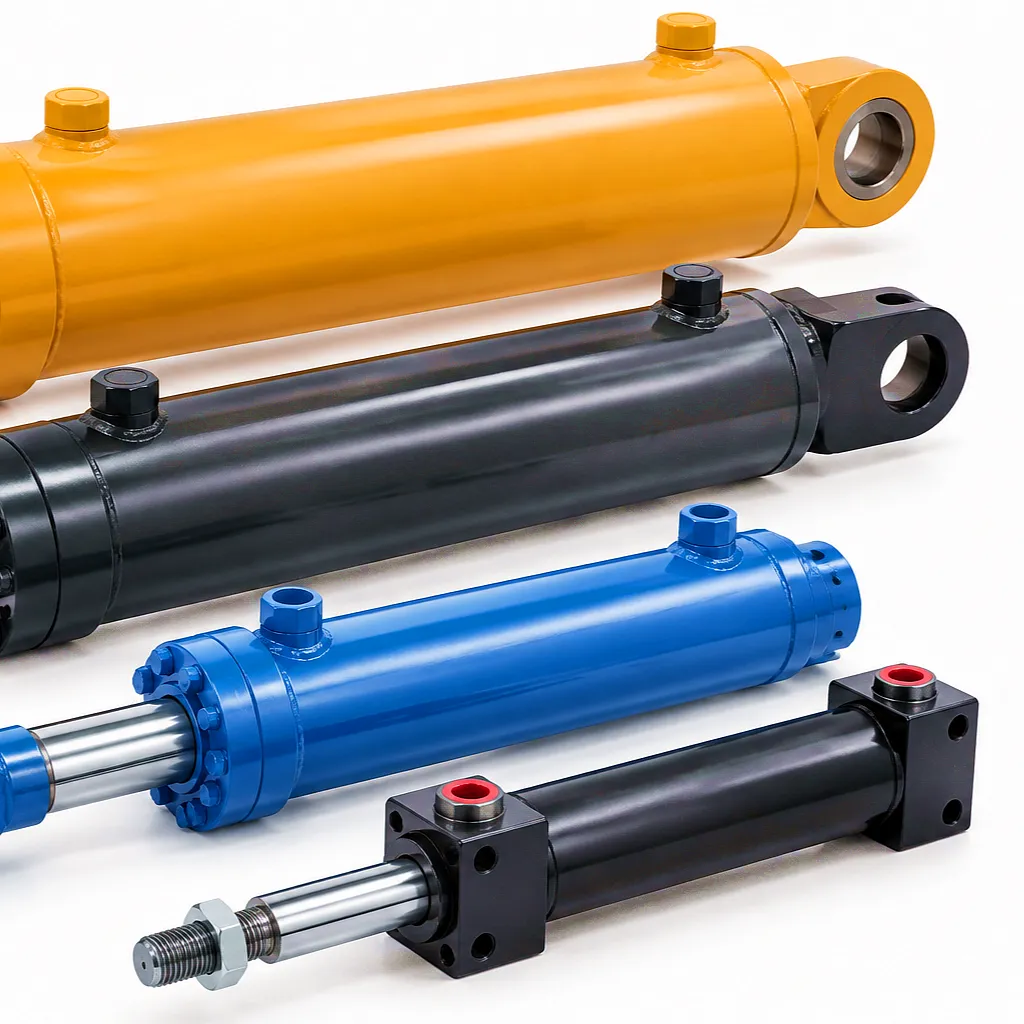
Ever Power Hydraulic Cylinder Product Range — Stainless, Duplex and Carbon Steel Variants Available to Custom Specification
Technical Performance Parameters: Stainless vs Carbon Steel Hydraulic Cylinders
| Parameter | Carbon Steel (CK45 / ST52) | 316L Stainless Steel | 2205 Duplex Stainless |
|---|---|---|---|
| Tensile Strength | 600 – 850 MPa | 480 – 620 MPa | 620 – 880 MPa |
| Yield Strength (Rp0.2) | 380 – 500 MPa | 170 – 310 MPa | 450 – 550 MPa |
| Hardness (Rod Surface) | 58 – 62 HRC (induction hardened) | 25 – 35 HRC (as-polished) | 28 – 36 HRC |
| PREN (Pitting Resistance) | < 5 (bare) / coating-dependent | ~24 | > 34 |
| Working Pressure Range | Up to 350 bar | Up to 250 bar | Up to 320 bar |
| Bore Range (Standard) | Ø25 – Ø500 mm | Ø25 – Ø300 mm | Ø32 – Ø280 mm |
| Rod Surface Roughness Ra | 0.05 – 0.2 µm (chrome plated) | 0.1 – 0.25 µm (superfinished) | 0.1 – 0.2 µm (superfinished) |
| Operating Temperature Range | -30°C to +120°C | -60°C to +150°C | -50°C to +300°C |
| Seawater / Chloride Resistance | ✗ Coating-dependent; high risk | ✓ Good (limited chloride exposure) | ✓ Excellent (high chloride) |
| Relative Material Cost Index | 1.0 × (baseline) | 2.8 – 3.4 × | 3.5 – 4.2 × |
| Typical Service Life (Marine / Chemical) | 2 – 4 years (coated) | 8 – 15 years | 15 – 25+ years |
Core Technical Advantages: When Stainless Steel Hydraulic Cylinders Outperform Carbon Steel
01
Intrinsic Corrosion Immunity
The passive chromium oxide film reforms autonomously after mechanical damage, eliminating the coating-degradation failure mode that ends the service life of chrome-plated carbon steel rods. In coastal UK installations — think wave energy assets off the Devon coast or tidal infrastructure near the Severn Estuary — this self-healing property translates directly into years of maintenance-free operation that carbon steel simply cannot match without relying entirely on its protective coating layer remaining intact under all possible service conditions.
02
Hygienic Surface Compliance
Food-grade and pharmaceutical manufacturing facilities operating under UK Food Standards Agency guidelines and EHEDG certification requirements cannot use chrome-plated carbon steel cylinders in direct or incidental food-contact zones due to hexavalent chromium leach risk. 316L stainless steel hydraulic cylinders with electropolished rod surfaces meet FDA, EU 10/2011 and EHEDG Class I requirements. This matters enormously for the UK’s substantial food and beverage manufacturing sector, centred on facilities in Yorkshire, East Anglia and the West Midlands processing corridor.
03
Lower Lifetime Cost in Aggressive Duty Cycles
The higher purchase price of stainless steel hydraulic cylinders is frequently recouped within two to three replacement cycles of equivalent carbon steel units. A coated carbon steel cylinder in a chemical washdown environment may require full replacement every 18–30 months, including crane time, hydraulic system purging, commissioning and lost production. A 316L stainless cylinder in the same application routinely exceeds ten years without intervention beyond standard seal replacement. The total cost of ownership argument for stainless steel is therefore strongest in applications where access for replacement is difficult or production downtime is costly.
04
Wide Temperature Capability Without Coating Embrittlement
Hard chrome plating on carbon steel rods becomes susceptible to micro-cracking at temperatures below -15°C due to the difference in thermal expansion coefficients between chrome and steel. This is a documented failure mode in outdoor UK installations during winter freeze-thaw cycles. Stainless steel, in contrast, maintains ductility and passive layer integrity across a range of -60°C to +300°C, making it significantly more reliable for cold-store logistics handling equipment and outdoor crane systems exposed to the range of temperatures characteristic of British winters and industrial process heating zones.
Industrial Application Scenarios Across the UK: Where Material Choice Becomes Critical
🏗 Offshore Wind and Marine Infrastructure (Aberdeen, East Yorkshire Coast)
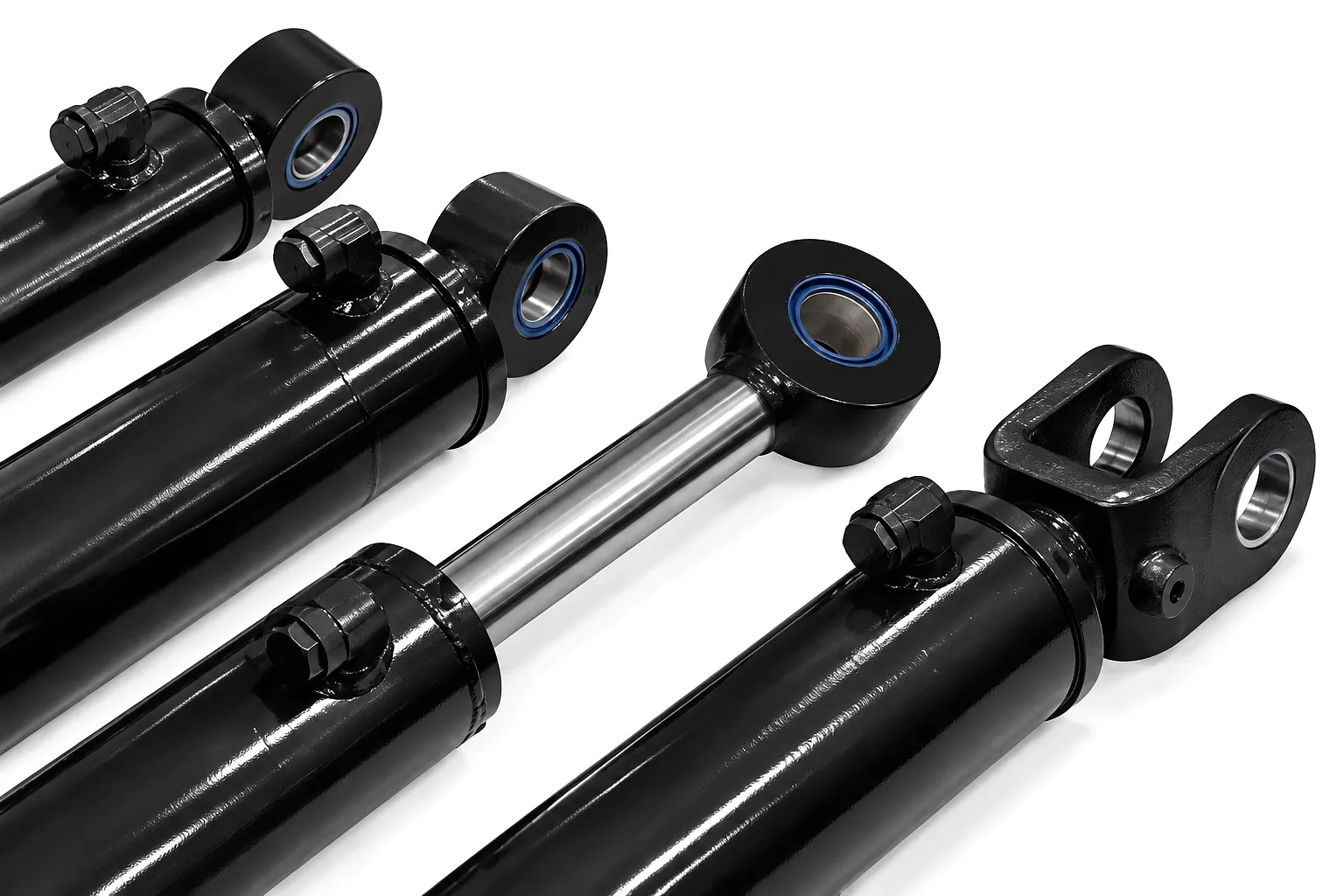 The rapid expansion of offshore wind capacity in UK waters — including the Dogger Bank and Hornsea projects — creates sustained demand for hydraulic cylinders that can operate within blade pitch control systems, mooring tensioners and jacking platforms. These cylinders are immersed in salt-spray environments for operational windows of 20–25 years between major maintenance campaigns. Carbon steel hydraulic cylinders with chrome-plated rods have been tried and found inadequate in this service, with chrome delamination documented within 18–24 months of North Sea deployment. 2205 duplex stainless steel cylinders, with their PREN exceeding 34 and their resistance to stress corrosion cracking, are now the specification material on all leading UK offshore contractor frameworks for blade pitch and yaw drive actuators. The service environment is simply too aggressive, and the cost of cylinder failure too high — involving offshore vessel mobilisation and turbine production losses — to specify anything less resistant.
Boom cylinders used in the articulated boom systems of offshore access platforms also fall into this category. The Folding Boom Angle Cylinder (1458mm Stroke) from Ever Power exemplifies engineering designed for this duty: long-stroke, high-force articulation with full corrosion specification options for marine deployment, ensuring operators in Aberdeen’s support vessel sector can rely on consistent motion control across multi-year service intervals.
⚒ Chemical and Petrochemical Processing (Teesside, Grangemouth)
The Teesside chemical processing corridor, along with Grangemouth petrochemical complex in Scotland, houses some of the UK’s most chemically aggressive production environments. Cylinders deployed in reactor feed valve actuation, pressure relief gate actuation and chemical transfer pump control are routinely exposed to acid splash, solvent vapour and chlorinated cleaning agent spray. In these environments, even 316L stainless steel must be carefully matched to the specific chemical exposure; for concentrated chloride environments above 60°C, 2205 duplex or super-duplex 2507 grades become necessary. Ever Power’s engineering team routinely advises clients in the Teesside and Humber chemical clusters on grade selection for specific chemical duty cycles, drawing on in-house corrosion data and collaboration with UK-based metallurgical consultancies to ensure that the specified hydraulic cylinder material survives the full 15-year plant design life without unplanned interventions caused by corrosion-driven failure of the hydraulic actuation system.
🍔 Food and Beverage Processing (Yorkshire, East Anglia, West Midlands)
 Hydraulic actuators in food and drink manufacturing lines experience daily or twice-daily CIP (Clean-in-Place) washdown cycles using sodium hydroxide (2–4% NaOH at 75°C), followed by acid rinse (0.5–2% nitric acid) and final high-pressure hot-water rinsing. This cycle is lethal to chrome-plated carbon steel within months. 316L stainless steel hydraulic cylinders with fully electropolished rod surfaces rated to Ra 0.4 µm or better are the only technically appropriate choice for UK food manufacturers operating under BRCGS Storage and Distribution Standard requirements. The cylinders must also comply with ATEX zoning requirements in flour-dust or alcohol-vapour environments common in baking and distillery applications across the broad Yorkshire and West Midlands food manufacturing corridor.
🏗 Civil Engineering, Bridges and Flood Defence (Thames Estuary, East Midlands)
The UK’s ageing flood defence infrastructure, including the iconic Thames Barrier and the extensive network of Environment Agency-managed sluice gates across the East Anglian Fens and Humber estuary region, relies on hydraulic actuators designed for service lives measured in decades rather than years. In these environments, cylinders are exposed not only to freshwater with high dissolved mineral content but also to tidal salt water ingress during surge events. The hydraulic actuation system of a major flood barrier cannot fail at the moment of peak demand. This non-negotiable reliability requirement justifies the additional investment in 2205 duplex stainless steel hydraulic cylinders, often manufactured to BS EN ISO 10631 hydraulic valve standards for gate actuation with full non-destructive testing of welds and material certifications to EN 10204 3.1 standard, delivered with documentation packages acceptable to UK infrastructure clients operating under procurement governance frameworks set by the Environment Agency and Highways England. The Cilindro angular del brazo principal de la plataforma aérea (carrera de 555 mm) illustrates the kind of precisely specified, compact-footprint actuator that civil infrastructure access platforms require for maintenance crane and inspection platform operation alongside these critical structures.
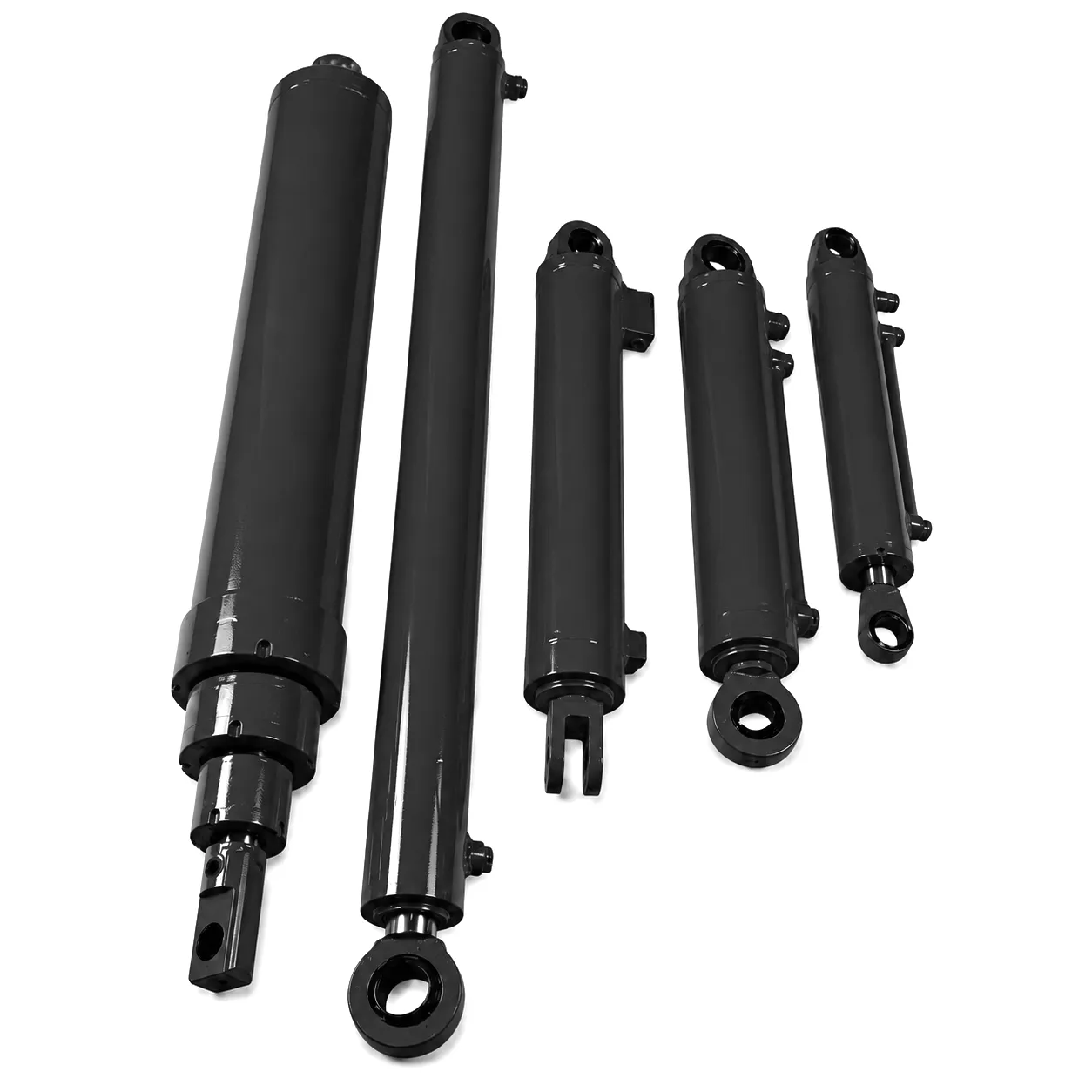 Ever Power operates a vertically integrated hydraulic cylinder manufacturing facility equipped with CNC deep-hole boring and honing lines capable of processing barrel bores to H7 tolerance with surface finishes below Rz 4 µm as standard. Stainless steel machining centres dedicated exclusively to 316L and 2205 duplex grades ensure that cross-contamination from carbon steel cutting operations — which can embed iron particles into stainless surfaces and initiate galvanic corrosion — is completely prevented. This separation is a non-negotiable manufacturing discipline that many general-purpose cylinder fabricators cannot credibly demonstrate.
Customer Success Story: Immingham Port Materials Handling — From Repeated Cylinder Failures to 10-Year Service Reliability
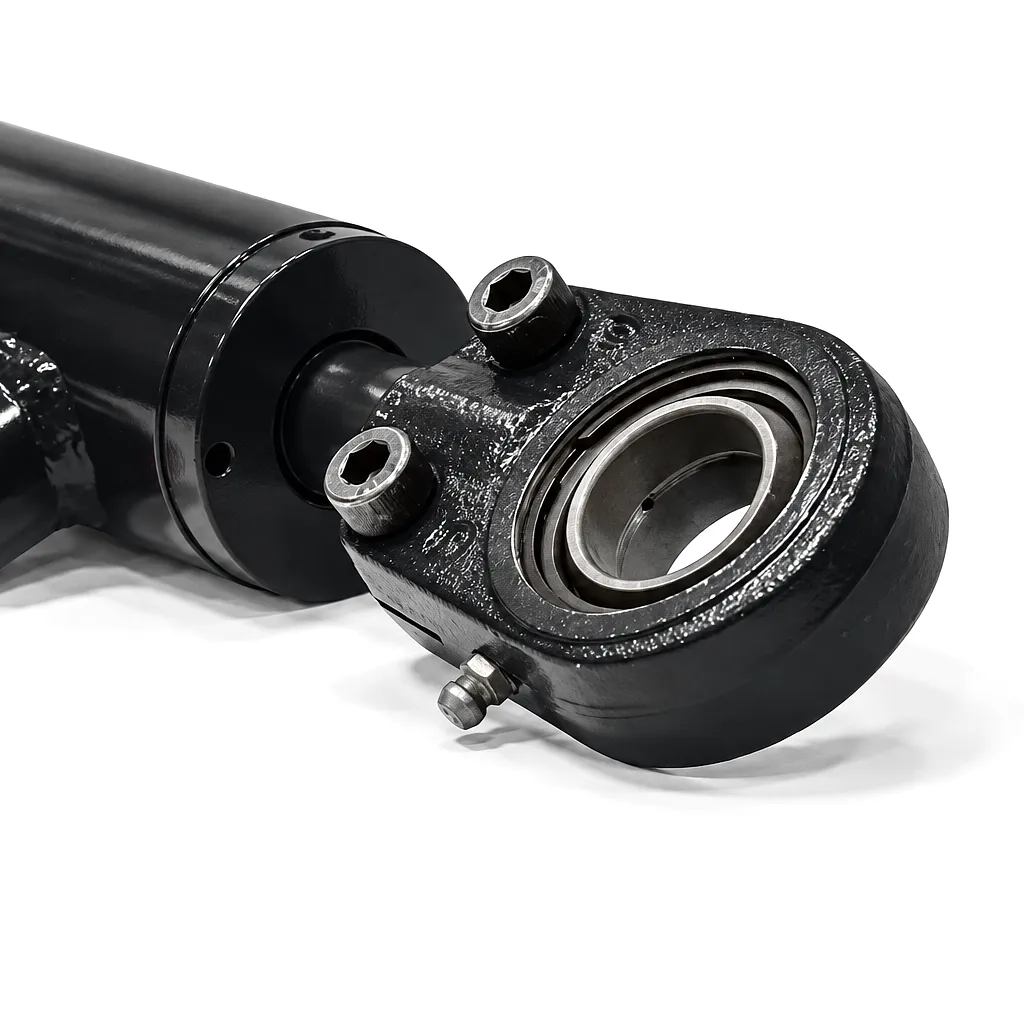 Immingham Port, operated on the Humber estuary, is the UK’s largest port by tonnage and handles a significant proportion of the country’s bulk materials imports. The port’s bulk materials handling crane fleet relies on hydraulic cylinders to control bucket grab opening and closing, luffing boom elevation and slewing drive engagement. These cranes operate in one of the most corrosive environments in UK industrial use: continuous salt-spray exposure from tidal conditions, high wind-driven chloride deposition rates exceeding 1200 mg/m²/day, and regular contact with abrasive iron ore and coal dust that scours any coating applied to exposed cylinder surfaces.
Prior to engaging Ever Power, the port’s maintenance engineering team had been managing a chronic cylinder replacement cycle of 22–28 months per unit on their fleet of twelve heavy-lift grab cranes. Chrome-plated carbon steel cylinders were failing consistently due to corrosion-initiated seal failure, with pitting corrosion depth measurements at removal averaging 0.4–0.8 mm — well beyond the 0.1 mm threshold at which rod seal integrity cannot be maintained. Each replacement event required crane decommissioning for 4–6 days, involving mobile crane support costs, hydraulic system flush and recommission, and production losses averaging approximately £38,000 per event.
Ever Power’s technical team proposed a complete transition to 2205 duplex stainless steel hydraulic cylinders with superfinished rod surfaces (Ra 0.15 µm), composite seal packs rated for mineral hydraulic oil, and welded cap design eliminating the threaded barrel-to-cap interface that had historically accumulated corrosion products in the carbon steel design. The transition was phased over two maintenance windows to avoid fleet availability impact. All twelve cranes are now fitted with Ever Power duplex cylinders. The longest-running units have now completed 7.5 years of continuous service without seal replacement or any corrosion-related intervention. Based on the previous replacement rate and associated costs, the port estimates a total fleet saving exceeding £680,000 over the first seven years of the programme — substantially more than the additional material cost of the duplex specification compared to carbon steel.
What UK Clients Say About Ever Power Stainless Steel Hydraulic Cylinders
★★★★★
“We specified Ever Power’s 316L stainless cylinders for our washdown conveyor actuation at our Bradford processing facility after our third chrome-steel unit failed in twelve months. Two years in, the stainless units are in perfect condition. No surface degradation, no seal leaks, no unplanned downtime. The total cost case for stainless in our environment is now completely obvious to us.”
Marcus T., Mechanical Engineering Manager
Food Processing Plant, Bradford, West Yorkshire
★★★★★
“Our offshore support vessel crane arms required custom clevis-mounted cylinders with specific stroke lengths that no UK stock supplier could match. Ever Power’s team turned around fully dimensioned production drawings in 72 hours and delivered the first batch — full 3.1 mill certs included — in 23 working days. The 2205 duplex specification has performed exactly as engineered. After 14 months in North Sea service, rod surface finish measurement is still within original tolerance.”
Craig W., Fleet Engineering Director
Offshore Services Company, Aberdeen, Scotland
★★★★★
“Procurement of hydraulic cylinders for our Teesside site has been transformed since we brought Ever Power on as our primary supplier. The combination of correct grade recommendations — they moved us from 316L to 2205 duplex for our chlorine-proximate actuators — and consistent documentation quality has eliminated the recurring approval delays we experienced with other suppliers. Their pricing for duplex is genuinely competitive, and the technical support before and after order is the best we have encountered from any supplier.”
Helen P., Senior Procurement Engineer
Chemical Manufacturing Company, Teesside, North East England
The Decision Framework: Matching Material to Environment
✅ Carbon Steel — Choose When:
- Indoor, dry or low-humidity environments
- Standard industrial applications without chemical exposure
- Budget-sensitive procurement with adequate maintenance resource
- High working pressure above 300 bar requiring maximum material strength
- Applications in Birmingham or Sheffield inland manufacturing plants with no washdown requirement
✨ 316L Stainless — Choose When:
- Food-grade, pharmaceutical or clean-room environments
- Chemical washdown with moderate chloride concentration
- Outdoor UK applications with moderate marine influence
- Applications requiring FDA / EHEDG surface compliance
- 20-year service life targets where replacement access is difficult
★ 2205 Duplex — Choose When:
- Direct seawater or tidal exposure (North Sea, coastal UK)
- High-chloride chemical environments above 60°C
- Offshore energy, wave energy or tidal infrastructure
- High-pressure combined with corrosive duty (up to 320 bar)
- Critical infrastructure where failure is not an acceptable outcome
Frequently Asked Questions: Hydraulic Cylinder Material Selection for UK Engineers
Ready to Specify the Right Hydraulic Cylinder for Your UK Application?
Ever Power’s engineering team will review your environment, pressure rating and service life requirements and recommend the optimal stainless or carbon steel hydraulic cylinder specification — with full documentation, competitive pricing and fast UK delivery.
Editado por gzl
 Spanish
  English
  Italian
  Portuguese
  Dutch
Dutch  Swedish
  Danish
  Finnish
  Polish
  Hindi
Hindi  Kazakh
  Turkish
  Ukrainian
  Romanian
  German
  Russian
  Korean
  Japanese
  Vietnamese
  Thai
Thai  Indonesian
  Malay
Malay  French
  Greek
Greek