
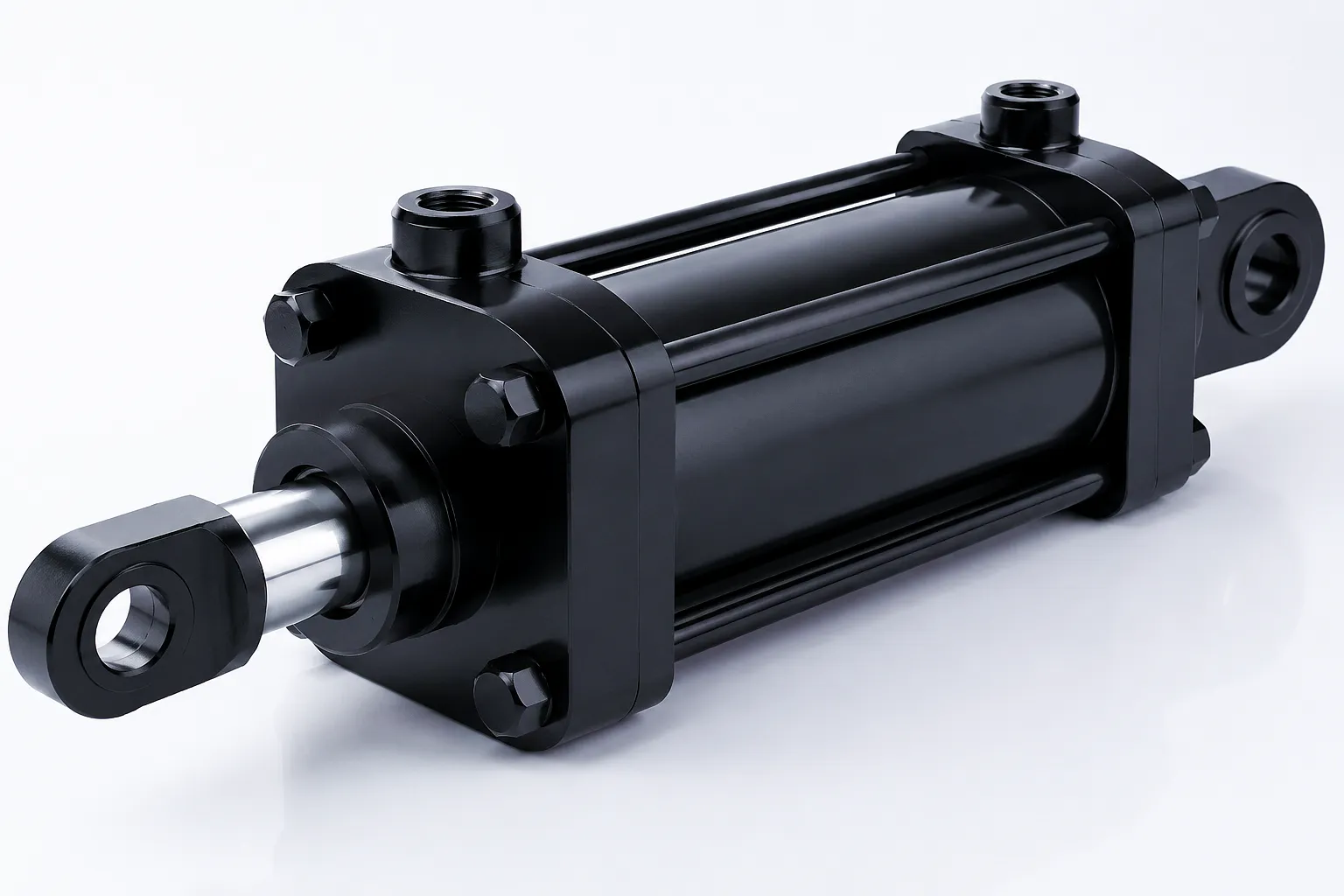
 When a boom cylinder on your excavator, crane, or agricultural machine starts leaking, cycling slowly, or losing holding pressure, the clock starts ticking on lost productivity. For plant managers across Birmingham’s fabrication yards, Sheffield’s steelworks, and construction sites from Bristol to Aberdeen, the question is always the same: rebuild it or replace it? The answer is rarely obvious. It depends on the cylinder’s age, the severity of internal wear, the cost differential between rebuilding and sourcing a new unit, and whether downtime tolerance allows for a turnaround workshop process. Getting this decision wrong in either direction costs money — unnecessary replacement when a seal kit would have sufficed, or pouring rebuild labour into a barrel that’s beyond saving.
Why This Decision Has Real Financial Weight
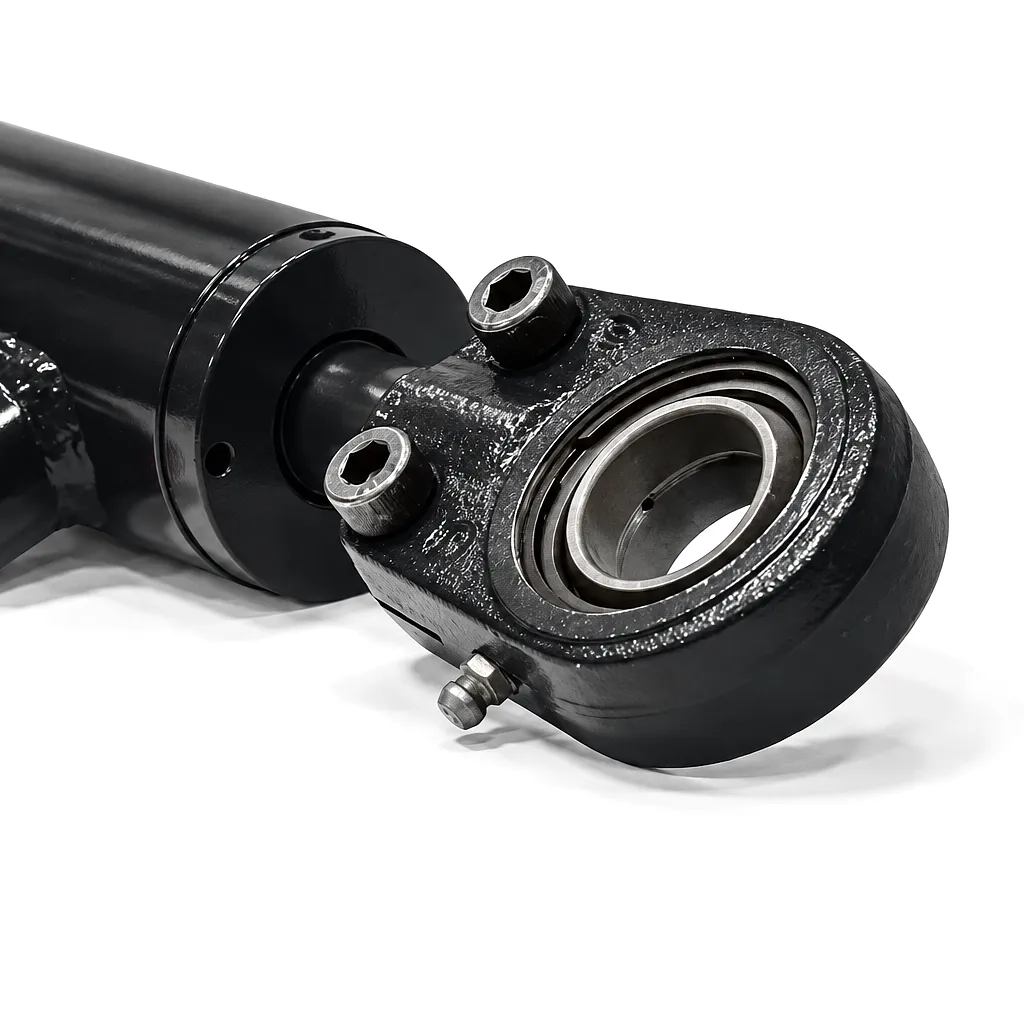 A typical double-acting boom cylinder on a mid-size excavator or crane carries a replacement cost anywhere between £800 and £5,000 depending on bore diameter, stroke length, and the presence of position sensing or integrated valving. Against that, a full seal replacement on a cylinder in otherwise sound condition — with an intact chrome rod, undamaged barrel bore, and unworn end caps — often runs between £120 and £450 including labour. That spread makes the rebuild-versus-replace decision one of the most impactful maintenance calls a UK plant manager makes repeatedly across a machine’s service life.
The complication is that surface symptoms don’t always tell the full story. A cylinder leaking at the rod seal might be suffering from a damaged or corroded rod that will chew through a new seal kit in 300 operating hours. A unit losing holding force might have a bypassing piston seal — a simple rebuild job — or it might have a scored bore that makes rebuilding economically pointless. Distinguishing between these scenarios before committing either to the workshop bench or to the purchase order is where engineering knowledge pays for itself.
Throughout the oil and gas service sector in Aberdeen, the agriculture equipment hire industry in Lincolnshire, and the heavy lifting operations supporting Sheffield’s ongoing infrastructure projects, the hydraulic cylinder rebuild-or-replace question comes up with regularity. The guidance below is written for the people making that call on the ground.
The Diagnostic Framework: What to Inspect Before Deciding
The starting point for any rebuild-or-replace decision is a methodical strip-and-inspect process. You cannot make a sound economic decision based on external symptoms alone. When the cylinder comes off the machine and arrives at the workshop bench, four components determine whether the rebuild path is viable: the chrome rod surface, the barrel bore condition, the end cap thread integrity, and the piston condition.
The chrome rod is usually the most telling component. A rod with scoring deeper than 0.15mm, visible pitting from corrosion, or chrome delamination around the seal contact zone will destroy a new seal kit within weeks. In some cases, rods can be sent for re-chroming and precision grinding, but the economics only work if the rod base material is intact, and the re-chrome lead time fits within your downtime window. For UK operators needing rapid turnaround — particularly in construction sectors where hire equipment sitting idle costs daily hire charge reversals — rod re-chroming is often too slow unless you have a cylinder in reserve.
The barrel bore is the second critical checkpoint. Using an internal micrometer or bore gauge, check for wear, ovality, and scoring. Most boom cylinder barrels operate with a design clearance between piston and bore in the region of 0.05 to 0.12mm depending on bore size and working pressure. When measured wear exceeds the manufacturer’s specified limit — or when visible scoring is present — seal replacement alone will not restore cylinder function. The bore would need honing, and if that honing removes too much material, oversized seals or a replacement barrel become the only options. At that point, a new cylinder frequently makes more economic sense than a multi-stage rebuild involving bore work, oversized components, and extended workshop time.
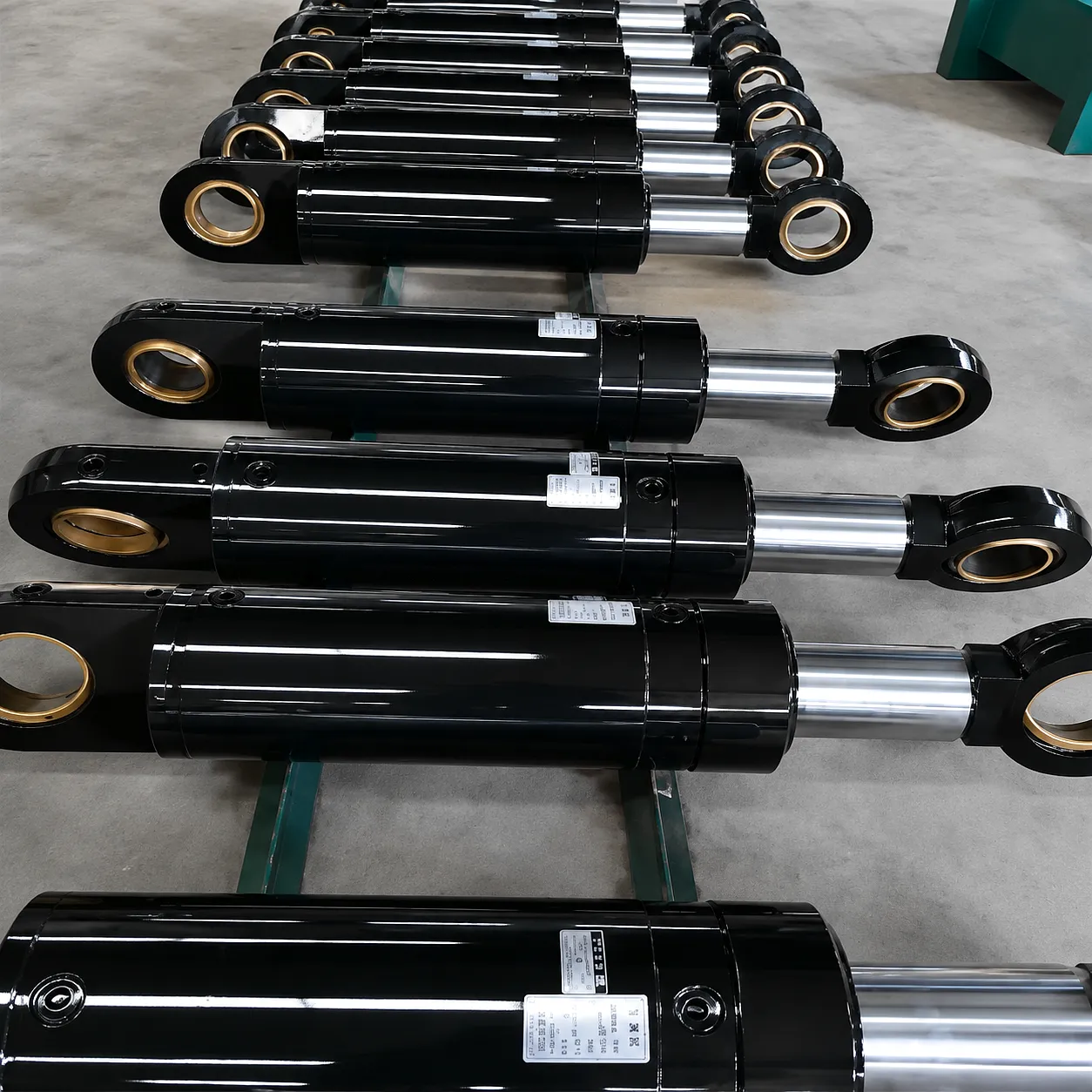
- ✓ Rod surface is within spec — no scoring, pitting, or chrome lift
- ✓ Barrel bore shows no measurable wear or scoring
- ✓ End cap threads are clean and full-depth
- ✓ Cylinder is fewer than 5 years old or under 3,000 operating hours
- ✓ Piston seals are the confirmed failure source
- ✓ Rebuild cost comes in under 40% of replacement price
- ✗ Rod is scored, pitted, or shows chrome separation
- ✗ Bore is worn, oval, or has longitudinal scoring
- ✗ End cap or clevis threads are stripped or cracked
- ✗ Cylinder is over 10 years old with multiple prior rebuilds
- ✗ Rebuild estimate exceeds 60% of new unit cost
- ✗ Downtime cost makes workshop turnaround unacceptable
The Economics: Putting Numbers Behind the Decision
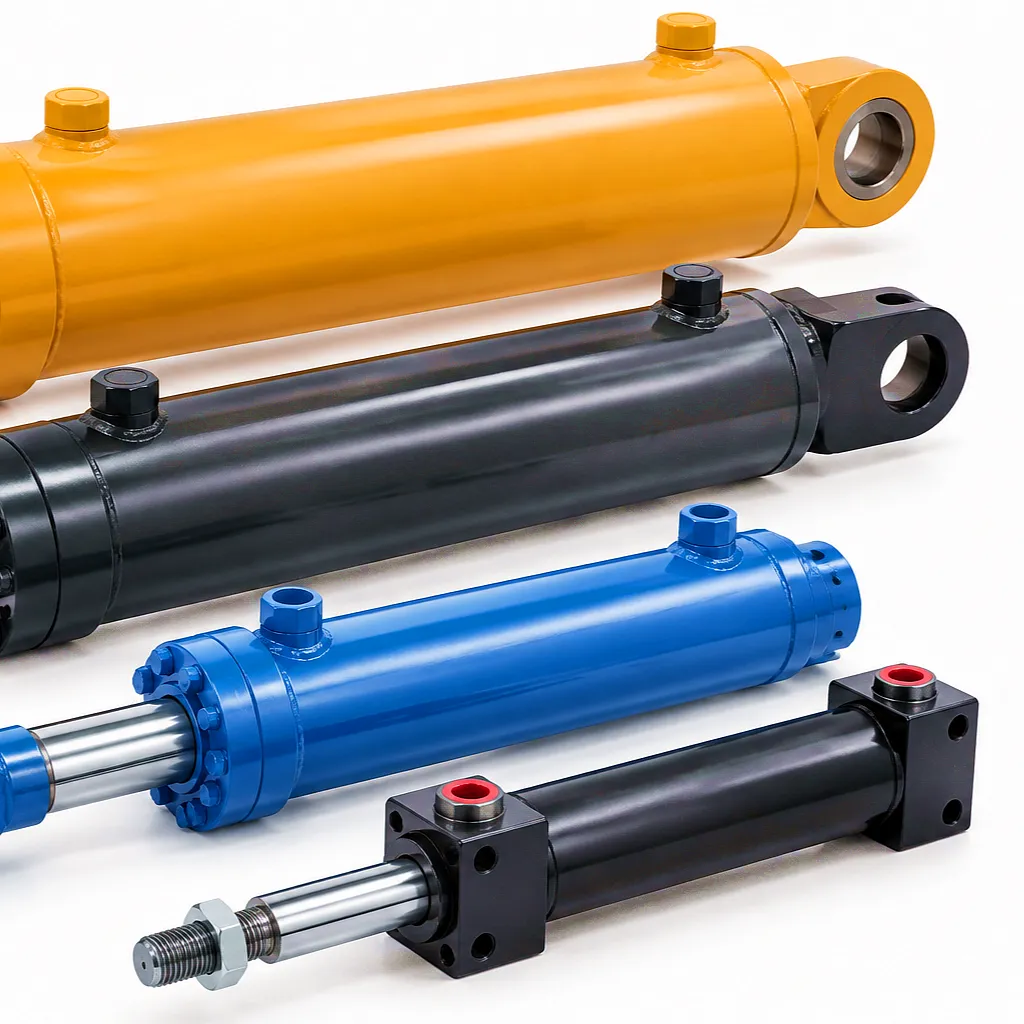 UK industrial operators generally apply a rule of thumb: if the rebuild cost exceeds 50% of a new replacement unit’s price, replacement becomes the safer financial decision. But this threshold ignores lead time, which in the current supply environment can be decisive. When a replacement cylinder is available ex-stock from a UK-based supplier within 24 to 48 hours, the arithmetic shifts decisively in favour of replacement — particularly when the machine in question is a hire fleet asset or a production-critical piece of plant.
Consider a typical scenario from a groundworks contractor operating out of Birmingham. A 100mm bore, 600mm stroke double-acting boom cylinder on a 13-tonne excavator fails at the rod seal. The machine rates at £650 per day on internal costing. The rebuild involves a new seal kit at £85, two hours of labour at £75/hour, plus £60 for cleaning, testing, and paint. Total rebuild cost: approximately £295. If that cylinder passes post-rebuild pressure testing cleanly and the rod is sound, the rebuild delivers strong value. But if the rod is found to be scored and requires re-chroming — adding £380 and 5 working days of turnaround — the picture changes entirely. Five days of machine downtime at £650/day equals £3,250 in lost production value. Against that, a replacement cylinder at £1,400 delivered in 48 hours looks dramatically more cost-effective.
| Scenario | Rebuild Path | Replace Path | Recommended |
|---|---|---|---|
| Seal failure only, rod/bore sound | £200–£400 | £1,200–£4,500 | Rebuild |
| Rod scored, re-chrome needed | £600–£900 + 5 days | £1,200–£4,500 in 48 hrs | Replace |
| Bore worn/scored | £800–£1,400 + honing | £1,200–£4,500 | Replace |
| High-hour cylinder, third rebuild | Short service life likely | Full service life | Replace |
| Obsolete OEM model — no parts | Dependent on custom seals | Custom-spec new unit | Replace (custom) |
Working Principle and Core Materials in Boom Cylinders
A boom hydraulic cylinder converts pressurised hydraulic fluid into linear mechanical force. When fluid enters the cap end, the pressure acts on the full bore area of the piston, extending the rod and driving the boom upward or forward. When fluid is directed to the rod end, the smaller net area (bore area minus rod cross-section) generates the retraction force. The differential area between extend and retract determines the speed and force asymmetry between the two strokes — a critical design parameter for boom geometry and load-handling characteristics. Pressure relief valves and counterbalance valves protect the cylinder from pressure spikes during dynamic load conditions, particularly relevant in crane boom, telehandler, and excavator applications where dynamic loading is continuous.
- Barrel: precision-honed cold-drawn seamless steel tubing, typically ST52 or equivalent EN10305 grade, providing consistent bore geometry and surface finish in the Ra 0.4–0.8 µm range
- Rod: high-tensile alloy steel (typically 42CrMo4) with hard chrome plating to 20–30 µm depth for corrosion resistance and seal compatibility
- Piston: nodular cast iron or machined steel, carrying polyurethane or PTFE composite seals
- End caps and clevises: structural carbon steel or ductile iron, often with manganese phosphate coating or enamel paint for corrosion protection
- Seals: polyurethane wiper seals, PTFE-loaded piston seals, and NBR or FKM O-rings selected for fluid type and temperature range
Boom Cylinder Technical and Performance Specification Table
Understanding where your cylinder sits within standard performance parameters helps determine whether a failing unit is worth rebuilding or has simply reached its design limits. The table below covers the typical performance envelope for double-acting boom cylinders used across excavator, crane, and agricultural machine applications.
| Paramètre | Typical Range | Notes |
|---|---|---|
| Diamètre d'alésage | 50 mm – 320 mm | Customisable per OEM specification |
| Rod diameter | 35 mm – 200 mm | Hard chrome plated, ground to Ra 0.2–0.4 µm |
| Stroke length | 200 mm – 4,000 mm | Multi-stage telescopic available |
| Working pressure | 160 bar – 350 bar | Test pressure typically 1.5x working pressure |
| Max operating temperature | -40°C to +120°C | FKM seals for high-temperature variants |
| Barrel material | ST52 / E355 seamless steel | Honed to H8 tolerance |
| Rod material | 42CrMo4 (EN10083) | Yield strength 900–1,000 MPa |
| Seal material options | PU / PTFE / NBR / FKM | Selected per fluid type and duty cycle |
| Mounting configurations | Clevis, flange, foot, trunnion | Custom mounting on request |
| Surface finish (bore) | Ra 0.4 – 0.8 µm | Plateau honing for optimal seal life |
| Certification / standards | ISO 6020, ISO 6022, EN 13135 | CE marking available for EU/UK export |
UK Industrial Application Scenarios
Boom cylinders operate across a wide spread of UK industries, and the rebuild-versus-replace calculus shifts with each application’s unique demands. Here is how the decision plays out across several key UK industrial contexts.
Excavators and tracked plant in Birmingham’s ongoing urban regeneration and infrastructure projects face demanding duty cycles with frequent loading shocks. Boom cylinders on these machines typically see 1,500 to 2,500 hours per year. At this utilisation rate, seals wear predictably and a planned rebuild schedule — inspecting at 3,000-hour intervals — keeps machines running without unplanned downtime. However, Birmingham’s compressed construction seasons mean that when a cylinder fails in-season, replacement speed often overrides rebuild economics. Having a pre-stocked replacement unit on a service vehicle is standard practice for the larger West Midlands plant hire operators.
Sheffield’s advanced manufacturing and steel processing sector uses heavy overhead cranes and manipulator systems with large-bore vérins hydrauliques operating at pressures up to 300 bar. These cylinders are often engineered specifically for the facility and cannot simply be replaced off-the-shelf. For Sheffield’s precision engineering workshops, rebuild is frequently the only practical route — but it requires a supplier with the machining capability to re-chrome and grind large-diameter rods and to hone oversized barrels. The expertise and metrology equipment needed for this work is a specialist service, and procurement teams in Sheffield increasingly source new custom cylinders from specialist manufacturers when rebuild lead times threaten to extend furnace or press downtime beyond acceptable limits.
In Lincolnshire and East Yorkshire, agricultural contractors operating large telehandlers, forage harvesters, and self-propelled sprayers face cylinder failure concentrated in the narrow harvest windows. A telehandler boom cylinder failing during grain harvest is a critical event. These agricultural operators typically maintain a working inventory of common cylinder specifications, enabling immediate swap-out during harvest season with the failed unit going for rebuild evaluation in the winter maintenance window. This planned approach — replace immediately, assess-and-rebuild or dispose later — reflects the economic reality of seasonal agricultural operations where machinery downtime during harvest directly translates to crop losses.
Aberdeen’s offshore support vessel sector and the North Sea oil and gas platform maintenance operations represent some of the most demanding environments for boom hydraulic cylinders. Saltwater exposure, continuous operation, and the impossibility of offshore rebuilding mean that cylinders used in deck crane and subsea handling system applications are subject to strict replacement schedules rather than condition-based rebuild decisions. Aberdeen procurement teams typically maintain certified replacement stock with DNV or Lloyd’s Register documentation to ensure immediate availability during scheduled maintenance shutdowns. Cylinder specifications in this sector routinely require stainless steel rods, FKM seal packages, and specific paint systems for marine environment compliance.
Ever Power: Precision Manufacturing and Custom Cylinder Supply
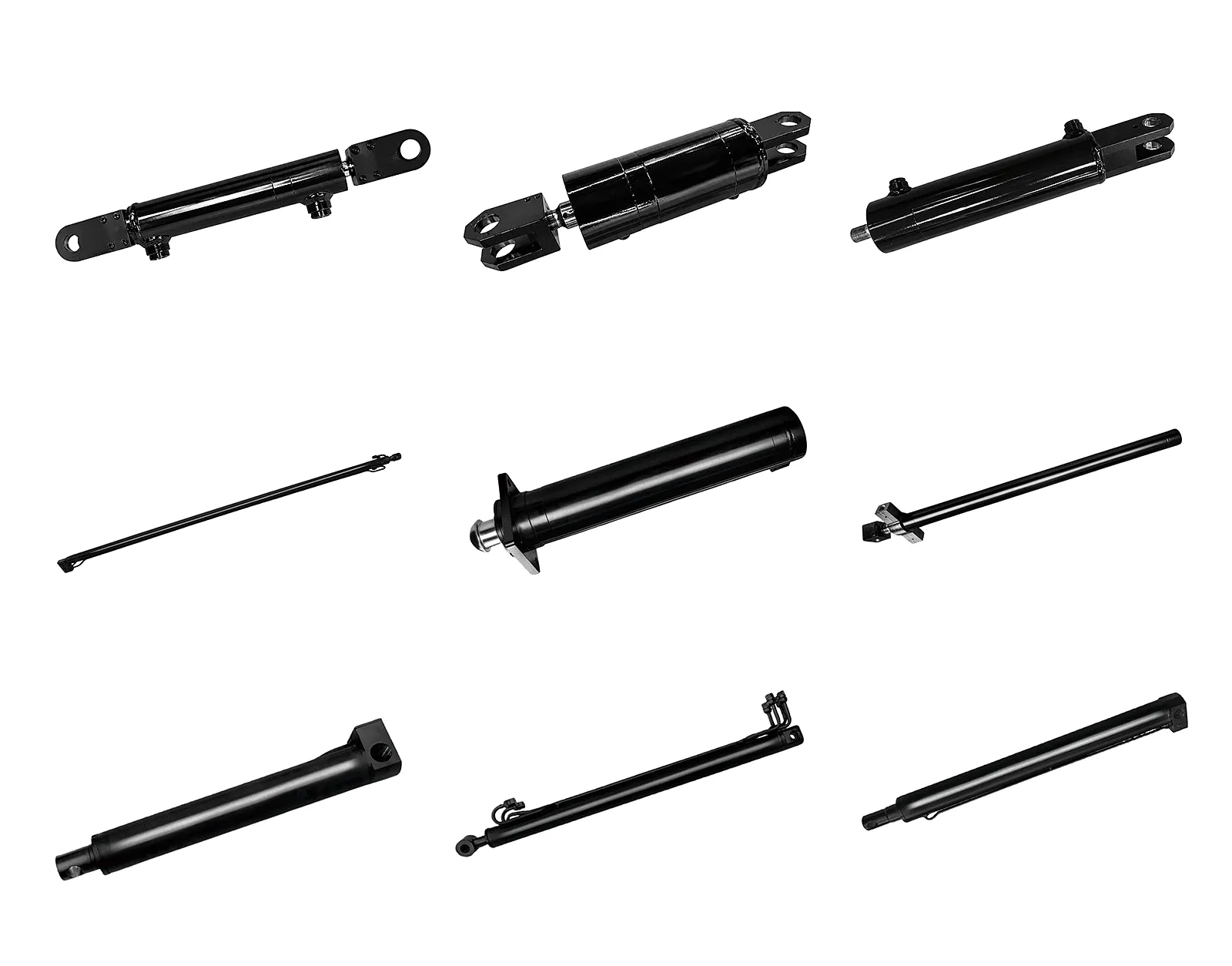
Ever Power operates a vertically integrated manufacturing facility with in-house CNC machining, deep-hole boring, precision honing, and hard chrome plating capabilities. This means that when a UK plant operator needs a non-standard boom cylinder — a custom bore and stroke combination, a specific mounting geometry, or a seal specification for an unusual hydraulic fluid — Ever Power can engineer it from raw bar stock rather than adapting a standard unit and compromising on fit or performance.
The design-to-delivery process at Ever Power includes full CAD modelling, FEA stress analysis for high-pressure applications, prototype testing, and a documented quality control process with material certification traceable to EN standards. For UK customers navigating British Standards compliance and CE marking requirements for machinery directives, Ever Power provides complete technical dossiers with each order.
⚙
🔬
🚢
📋
Customer Success: Sheffield Structural Steel Manufacturer Eliminates Cylinder Downtime
A structural steel fabrication business operating three heavy overhead gantry cranes and two floor-mounted manipulator arms in a Sheffield facility came to Ever Power after a critical cylinder failure on their primary overhead crane boom caused 11 days of production disruption and an estimated £48,000 in lost throughput. The failed cylinder was an original OEM specification unit, obsolete, with no direct replacement available from the original equipment manufacturer. The company had approached two UK-based hydraulic workshops, both of which had quoted rebuild timelines of 8 to 12 working days.
After reviewing the original cylinder dimensions and operating parameters, Ever Power’s engineering team produced a full reverse-engineering report from drawings supplied by the Sheffield facility. The replacement cylinder was manufactured to a 180mm bore, 1,200mm stroke, 350-bar working pressure specification using 42CrMo4 rod stock and ST52 barrel material, with FKM seal packages specified for compatibility with the synthetic fire-resistant hydraulic fluid used in the steel plant environment.
Delivery to the Sheffield site was completed within 12 working days of order confirmation. Installation was completed in a planned shutdown window, and the crane returned to full service without requiring any hydraulic system modifications. The Sheffield facility subsequently placed a standing order for two pre-stocked spare cylinders to be held at site — a protocol that has since prevented any further unplanned downtime across three years of continuous operation.
“The reverse-engineered replacement matched our original specification better than I expected. The FKM seal package was specifically called out in our engineering request and Ever Power delivered exactly that — no substitutions. Three years on, zero leaks, and the crane is running better than it was with the original cylinder.”
“We’ve been sourcing replacement cylinders from Ever Power for our telehandler fleet across our Yorkshire and Lincolnshire operations for two seasons now. The pre-stocked inventory arrangement means we can turn around a failed cylinder in four hours rather than waiting for workshop rebuild. The cost is comparable to rebuild when you factor in downtime, and the quality has been consistently high.”
“Our offshore platform crane cylinders need DNV-compliant documentation and a stainless rod specification — not a standard catalogue item. Ever Power quoted us within 24 hours, provided a full material traceability report, and delivered to our Aberdeen logistics hub within the quoted lead time. Pricing was competitive with rebuilt OEM units, and we had new unit warranty rather than a rebuilt cylinder’s unknown remaining life.”
When Custom Manufacture Beats Both Rebuild and Standard Replacement
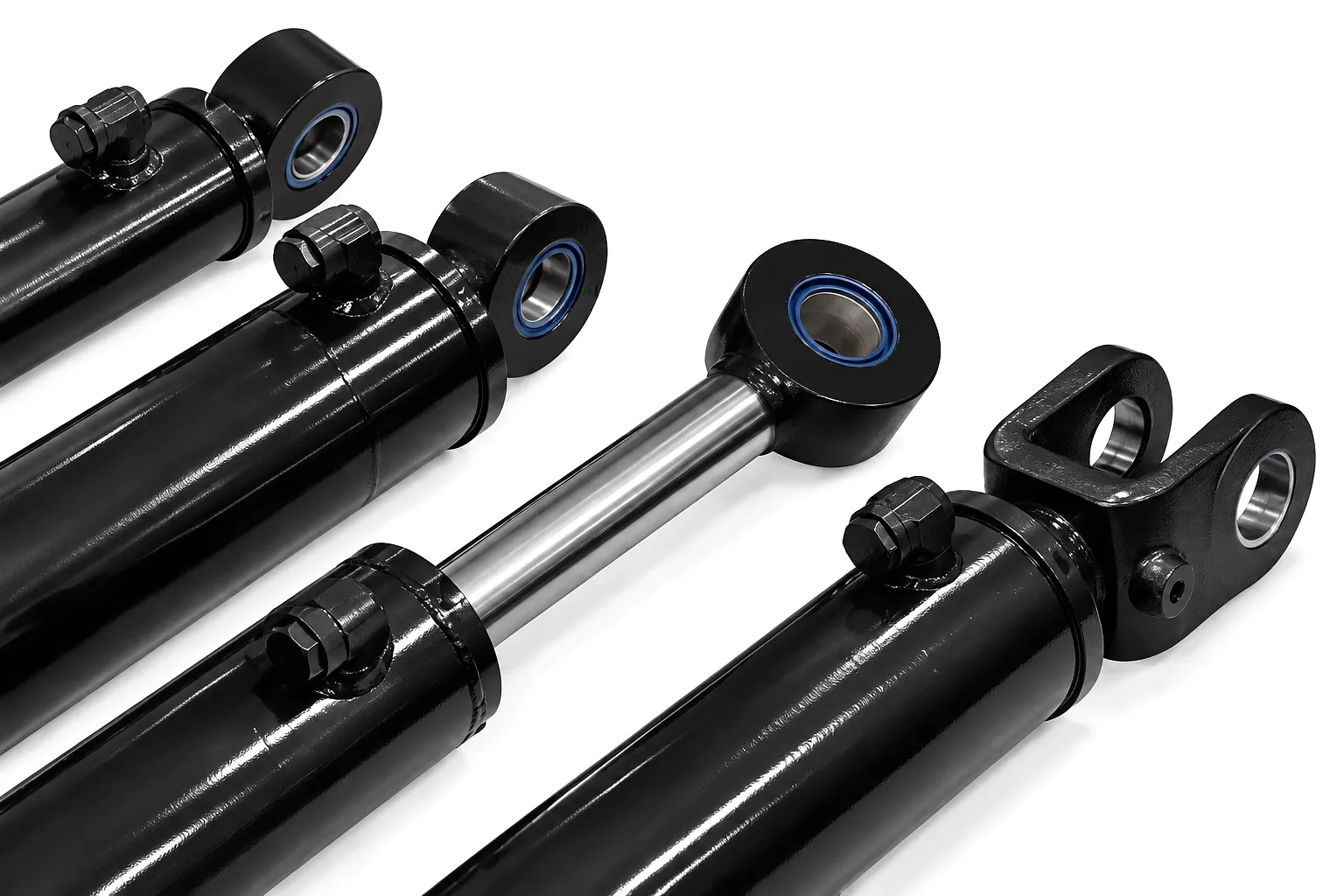
There is a third path that UK operators frequently overlook: commissioning a custom-manufactured replacement that improves on the original specification rather than simply replicating it. This is particularly relevant when the original cylinder design had known weaknesses — perhaps an undersized rod diameter that bent under eccentric loading, or a seal specification that was never well-matched to the operating temperature range, or a mounting design that concentrated stress at a predictably vulnerable point.
An excavator boom cylinder that has failed three times in five years at the same location — whether that failure is a rod bend, a weld crack at the clevis, or repeated seal breakdown — is telling you something about the original design that neither rebuilding the same part nor replacing it with an identical unit will fix. A custom-manufactured cylinder with an upgraded rod diameter, an improved seal specification, or a redesigned clevis mounting can break the failure cycle permanently.
This upgrade-via-replacement approach is where Ever Power’s engineering design capability delivers the clearest value. The conversation starts with the failure history, not the part number. When a Birmingham groundworks contractor or a Sheffield steelworks plant engineer describes a recurring failure pattern, Ever Power’s technical team works back through the loading geometry, fluid specification, duty cycle, and installation environment to identify the root cause and specify a cylinder that eliminates it. That process — engineering to the actual application rather than the catalogue — is what separates a precision manufacturer from a parts distributor.
Foire aux questions
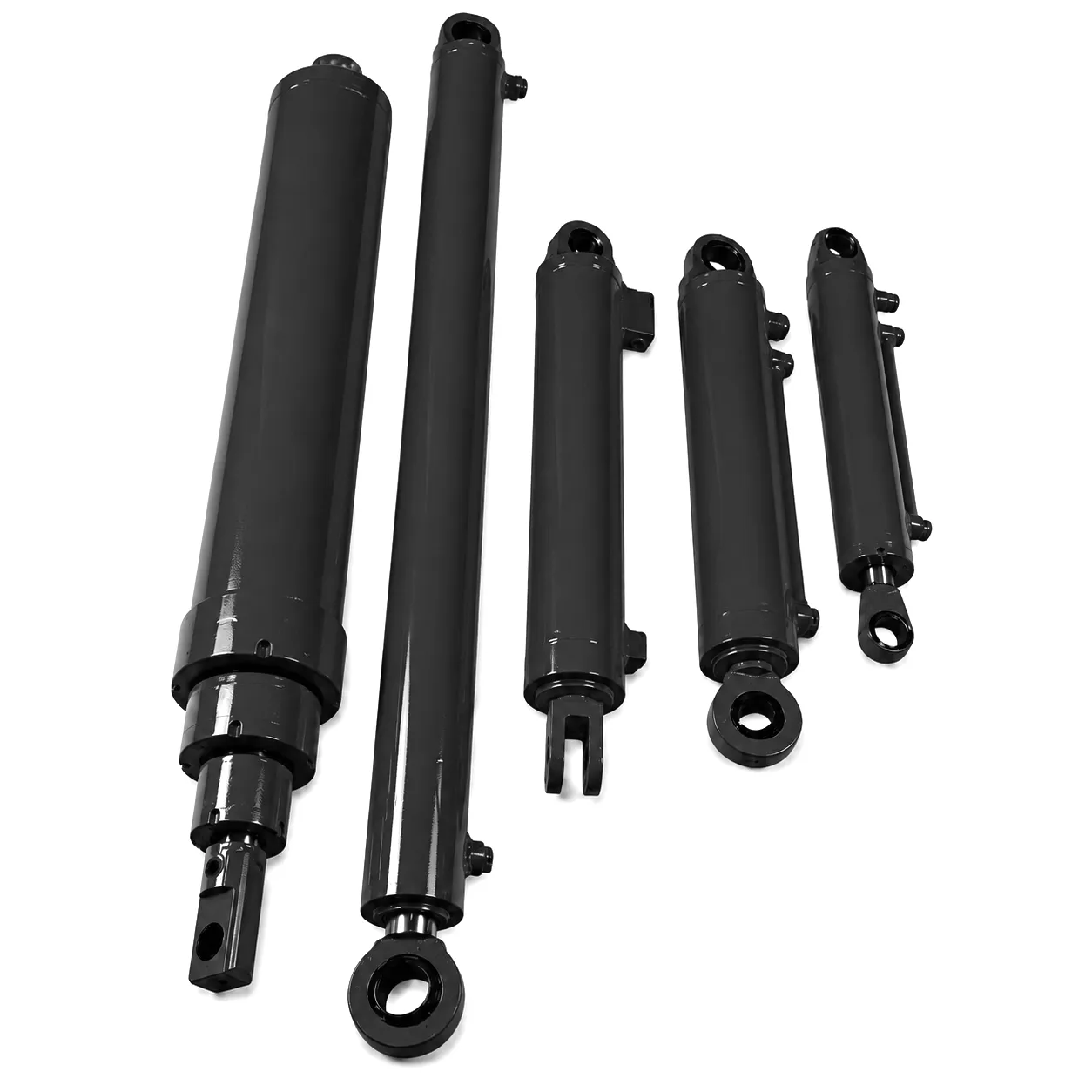
Whether you need a standard replacement in stock configuration or a fully custom-engineered cylinder to a specific bore, stroke, and seal specification, Ever Power’s technical and commercial team is available to respond within 24 hours. UK delivery, full material certification, and competitive pricing direct from manufacturer to your site or warehouse.
 French
  English
  Italian
  Portuguese
  Dutch
Dutch  Swedish
  Danish
  Finnish
  Polish
  Hindi
Hindi  Kazakh
  Turkish
  Ukrainian
  Romanian
  Spanish
  German
  Russian
  Korean
  Japanese
  Vietnamese
  Thai
Thai  Indonesian
  Malay
Malay  Greek
Greek