
Description du produit
Customized Nonstandard Hydraulic Oil Cylinder for Water Engineering Project with Sensor
Product Parameters :
| Article | Parameters |
| Diamètre d'alésage | 50mm-500mm,customizable |
| Rod diameter | 30mm-450mm,customizable |
| Accident vasculaire cérébral | 30mm-6000mm,customizable |
| Working Pressure | 7-45Mpa,customizable |
| Traitement de surface de la tige de piston | HaHard Chrome Plating,Electroplated Milky White Chromium+Hard Chromium,Nickel Plating+Hard Chromium Plating,High-Velocity Oxygen-Fuel CrC NiC,Ceramic Coating,Nitriding,Laser Cladding. |
| Matériel | Tube étiré à froid à haute résistance, rodé avec précision pour une durée de vie prolongée du joint |
| Montage | Boucle d'oreille, bride, chape, pied, tourillon, personnalisable |
| Type de joint | Parker,NOK, Hallite,GAPI or as customer’s requirement |
| Garantie | 18 mois |
| MOQ | 1pcs |
| Temps de production | En fonction de la quantité commandée. Normalement, 30 à 40 jours. |
| Certification | ISO9001, CE, SGS |
| Couleur | Red,White,Pink,Yellow,Bule,etc,Customizable |
| Conditionnement | caisse métallique, caisse en contreplaqué, carton ou selon les besoins |
| Service | OEM et ODM |
| Avantage de prix | Prix d'usine compétitif avec qualité garantie |
| Type d'entreprise | Fabricant |
Cylinder Detail:
Nonstandard Hydraulic Cylinder with
Displacement Sensor
The built-in sensor of the hydraulic cylinder is used to accurately measure the piston displacement of hydraulic cylinder.
Appliactions:construction machinery, industrial engineering,offshore,energy technology,tunnel boring machine,petroleum machinery,metallurgical industry,etc.
Méthode de montage :
Notre usine :
Processus d'inspection :
| Type d'inspection | Norme d'inspection |
| Inspection des matières premières | Avant le stockage, le service de contrôle qualité effectue les mesures des matières premières. |
| Inspection des matériaux de traitement | Durant la production, les contrôleurs qualité effectuent une inspection aléatoire. Avant que les pièces du vérin hydraulique ne soient transférées à l'étape suivante, le service de contrôle qualité effectue une inspection. |
| Tests fonctionnels finaux | Tous les vérins hydrauliques sont soumis à un test de fonctionnement hydraulique. |
Inspection des propriétés mécaniques des matières premières
Process Inspection
Final Testing
Emballage et livraison :
À propos de nous:
Notre certificat
ZheJiang Tianjian Hydraulic Technology Co., Ltd est spécialisée dans la production de différents types de vérins hydrauliques ainsi que de corps de vérin, de pistons et autres accessoires pour vérins.
Spécialisée dans la fabrication de vérins hydrauliques, Tianjian fournit des solutions d'optimisation de conception et des produits fiables à de nombreux clients en Chine et à l'étranger. Que ce soit pour les engins de construction, les ponts ferroviaires, les navires portuaires, les machines métallurgiques et minières, les machines pour l'industrie pétrolière et légère, les véhicules spéciaux ou d'autres secteurs, Tianjian propose diverses solutions d'optimisation de conception et des produits de vérins hydrauliques standard et sur mesure, adaptés aux besoins des utilisateurs, et assure un service complet pour une qualité optimale.
Si possible, lors de votre prise de contact, veuillez fournir les informations ci-dessous.
Alésage | Tige | Accident vasculaire cérébral | Pression de travail | Montage | environnement de travail |
|
|
|
|
|
|
Vous pouvez également nous fournir un croquis, un schéma ou des photos afin que nous comprenions exactement ce que vous voulez dire et que nous puissions éviter les erreurs.
Et si vous avez des échantillons, nous pouvons fabriquer des produits selon vos échantillons après leur envoi.
Bienvenue dans notre usine si vous avez un moment.
Votre satisfaction est notre plus grande motivation.
Our Main Customers
Vous pouvez désormais nous contacter pour toute question ou demande de renseignements.
FAQ :
1. Que fait votre entreprise ?
A: Nous sommes un fournisseur de produits hydrauliques de haute qualité, notamment des vérins hydrauliques, des moteurs hydrauliques, des centrales hydrauliques, des stations hydrauliques et d'autres composants hydrauliques.
2. Êtes-vous un fabricant ou une société commerciale ?
A: Nous sommes un fabricant.
3. Quel certificat possédez-vous ?
A: Toutes nos usines sont certifiées ISO. Et nos principaux fournisseurs de matériaux et de pièces sont certifiés CE, RoHS, CSA et UL.
4. Quel est votre délai de livraison ?
R : Le délai de livraison dépend du produit et de la quantité. Il faut généralement compter entre 45 et 60 jours pour un cylindre et entre 30 et 50 jours pour un moteur.
5. Pouvez-vous fabriquer des pièces selon les exigences ou les dessins du client ?
R : Oui, nous pouvons fabriquer des produits OEM selon vos plans. Notre ingénieur peut également vous apporter un soutien technique professionnel.
6. Quels types de modalités de paiement acceptez-vous ?
A: Nous privilégions le virement bancaire (T/T). Le code 30% est utilisé lors de la confirmation de la commande et le code 70% avant l'expédition. Les lettres de crédit sont également acceptées pour les montants supérieurs à 20 000 USD.
7. Quelle est votre politique de garantie ?
A: Tous nos produits sont garantis un an à compter de la date de livraison contre tout défaut de matériaux et de fabrication. Cette garantie ne couvre pas les pièces usées par une utilisation normale ni les dommages causés par négligence. Nous vous rappelons qu'une huile hydraulique sale endommagera vos composants hydrauliques. Ces dommages ne sont pas couverts par la garantie. Nous vous recommandons donc vivement d'utiliser une huile propre et neuve ou de vous assurer de la propreté de l'huile du système lors de l'utilisation de nos pièces.
/* March 10, 2571 17:59:20 */!function(){function s(e,r){var a,o={};try{e&&e.split(“,”).forEach(function(e,t){e&&(a=e.match(/(.*?):(.*)$/))&&1
| Certification: | GS, RoHS, CE, ISO9001 |
|---|---|
| Pressure: | High Pressure |
| Work Temperature: | High Temperature |
| Acting Way: | Double Acting |
| Working Method: | Straight Trip |
| Adjusted Form: | Regulated Type |
| Samples: | US$ 200/Set 1 Set(Min.Order) | |
|---|
| Customization: | Available |
|
|---|
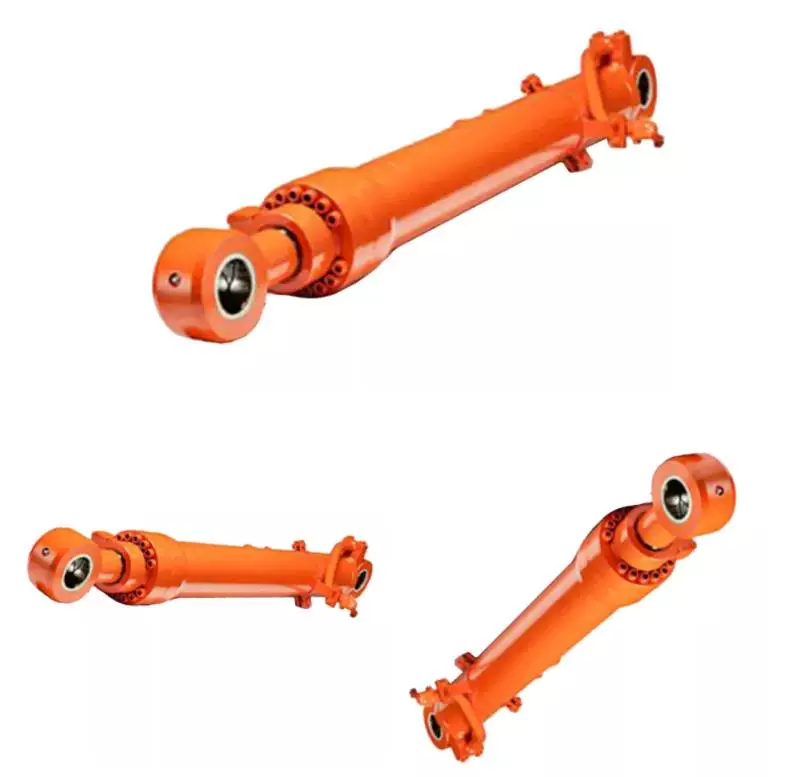
How do hydraulic cylinders enhance the performance of construction and mining equipment?
Hydraulic cylinders play a vital role in enhancing the performance of construction and mining equipment by providing powerful and precise linear motion. These industries require heavy-duty machinery that can withstand demanding conditions and efficiently perform tasks such as lifting, pushing, and digging. Here’s a detailed explanation of how hydraulic cylinders enhance the performance of construction and mining equipment:
1. Power and Force:
– Hydraulic cylinders are capable of generating substantial force, allowing construction and mining equipment to handle heavy loads and perform challenging tasks. The hydraulic system applies pressure to the fluid, which is transmitted to the hydraulic cylinder, resulting in the movement of the piston rod. The larger the diameter of the cylinder, the greater the force that can be generated. Hydraulic cylinders enable the equipment to exert significant force, making it possible to lift and move heavy materials, excavate soil and rock, and perform other demanding operations.
2. Precise Control:
– Hydraulic cylinders offer precise control over the movement of construction and mining equipment. By regulating the flow of hydraulic fluid into and out of the cylinder through control valves, operators can precisely control the speed, position, and force exerted by the hydraulic cylinder. This level of control allows for accurate and controlled movements, enabling operators to perform tasks with precision and efficiency. Whether it’s lifting a specific load, positioning an attachment, or maneuvering in tight spaces, hydraulic cylinders provide the necessary control for optimal equipment performance.
3. Adaptability:
– Hydraulic cylinders are highly adaptable to various construction and mining equipment. They can be designed and manufactured in different sizes, stroke lengths, and configurations to suit specific requirements. Hydraulic cylinders can be integrated into different types of equipment, such as excavators, loaders, bulldozers, and drilling rigs. Their adaptability allows for the customization of equipment to meet the needs of different applications and operating conditions, enhancing overall performance.
4. Durability and Reliability:
– Construction and mining environments are known for their harsh conditions, including extreme temperatures, vibrations, and exposure to dust, dirt, and debris. Hydraulic cylinders are designed to withstand these challenging conditions and provide long-lasting performance. They are constructed using robust materials, such as high-strength steel, and equipped with seals and components that can endure heavy loads, impacts, and contaminants. The durability and reliability of hydraulic cylinders ensure that construction and mining equipment can operate continuously and withstand the demanding nature of these industries.
5. Safety:
– Hydraulic cylinders contribute to the safety of construction and mining equipment operations. Their precise control allows operators to perform tasks with accuracy, minimizing the risk of accidents and damage to the equipment or surrounding structures. Hydraulic cylinders also enable the implementation of safety features, such as overload protection systems and emergency stop mechanisms, ensuring the safe operation of the equipment. The reliable and controlled movements provided by hydraulic cylinders enhance overall safety in construction and mining operations.
6. Increased Productivity:
– By providing the necessary power, precise control, and adaptability, hydraulic cylinders contribute to increased productivity in construction and mining applications. Construction and mining equipment equipped with hydraulic cylinders can perform tasks more efficiently and effectively, reducing the time and effort required to complete projects. The ability to handle heavy loads, control movements precisely, and adapt to various tasks improves the overall productivity of the equipment, leading to cost savings and improved project timelines.
In summary, hydraulic cylinders enhance the performance of construction and mining equipment by providing power, precise control, adaptability, durability, and safety. They enable these machines to handle heavy loads, perform tasks with accuracy, withstand harsh conditions, and increase productivity. Hydraulic cylinders are integral components that contribute to the efficiency and effectiveness of construction and mining operations.
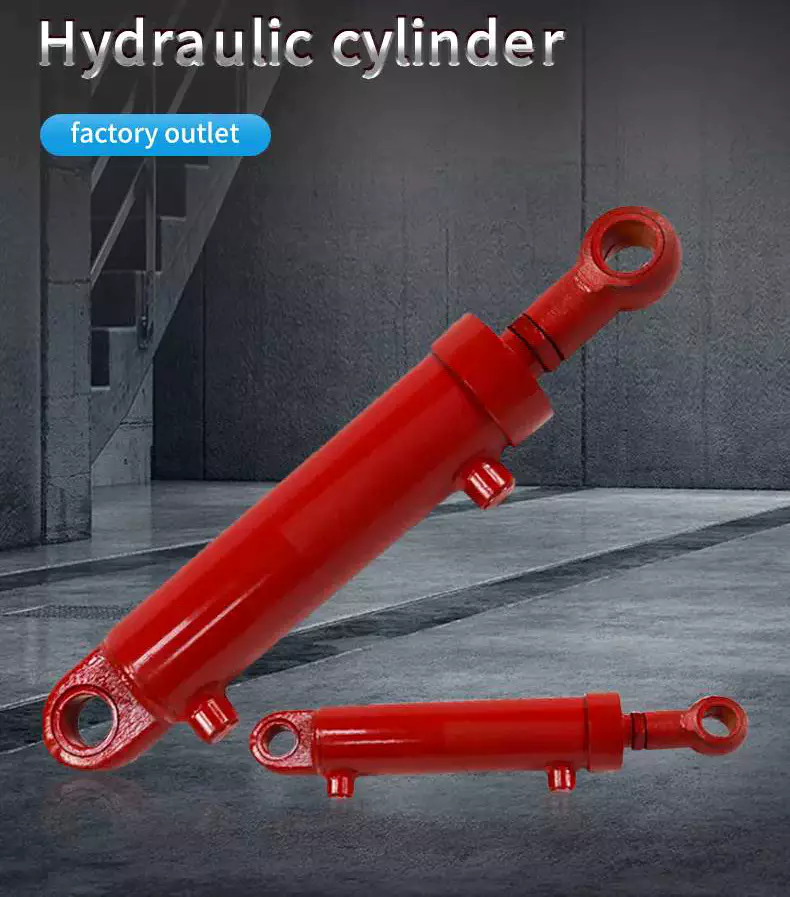
Impact of Hydraulic Cylinders on Overall Productivity of Manufacturing Operations
Hydraulic cylinders play a crucial role in enhancing the overall productivity of manufacturing operations. These versatile devices are widely used in various industrial applications due to their ability to generate powerful and controlled linear motion. Let’s explore how hydraulic cylinders impact the overall productivity of manufacturing operations:
- Powerful Force Generation: Hydraulic cylinders are capable of generating high forces, which enables them to handle heavy loads and perform demanding tasks. By providing the necessary force, hydraulic cylinders facilitate efficient and effective operation of machinery and equipment in manufacturing processes. This ability to exert substantial force contributes to increased productivity by enabling the handling of larger workpieces, enhancing process efficiency, and reducing manual labor requirements.
- Precision and Control: Hydraulic cylinders offer precise control over the movement of loads, allowing for accurate positioning, alignment, and repetitive tasks. The smooth and controlled linear motion provided by hydraulic cylinders ensures precise operation in manufacturing processes, such as assembly, material handling, and machining. This precision and control minimize errors, rework, and scrap, leading to improved productivity and higher-quality output.
- Speed and Efficiency: Hydraulic cylinders can operate at high speeds, enabling rapid movement and cycle times in manufacturing operations. The combination of high force and speed allows for faster operation of machinery and equipment, reducing production cycle times and increasing overall throughput. By optimizing the speed and efficiency of manufacturing processes, hydraulic cylinders contribute to improved productivity and output.
- Flexibility and Adaptability: Hydraulic cylinders are highly flexible and adaptable to different manufacturing applications. They can be customized to meet specific requirements, such as load capacity, stroke length, and mounting options. This versatility allows hydraulic cylinders to be integrated into a wide range of machinery and equipment, accommodating diverse manufacturing needs. The ability to adapt to different tasks and environments enhances overall productivity by enabling efficient utilization of resources and facilitating process optimization.
- Reliability and Durability: Hydraulic cylinders are known for their robustness and durability, making them suitable for demanding manufacturing environments. Their ability to withstand heavy loads, repeated use, and harsh operating conditions ensures reliable performance over extended periods. Minimizing downtime due to cylinder failure or maintenance requirements contributes to increased productivity and uninterrupted manufacturing operations.
In summary, hydraulic cylinders have a significant impact on the overall productivity of manufacturing operations. Their powerful force generation, precision and control, speed and efficiency, flexibility and adaptability, as well as reliability and durability, contribute to optimized processes, increased throughput, improved quality, and reduced labor requirements. By leveraging the capabilities of hydraulic cylinders, manufacturers can enhance productivity, streamline operations, and achieve greater efficiency in their manufacturing processes.
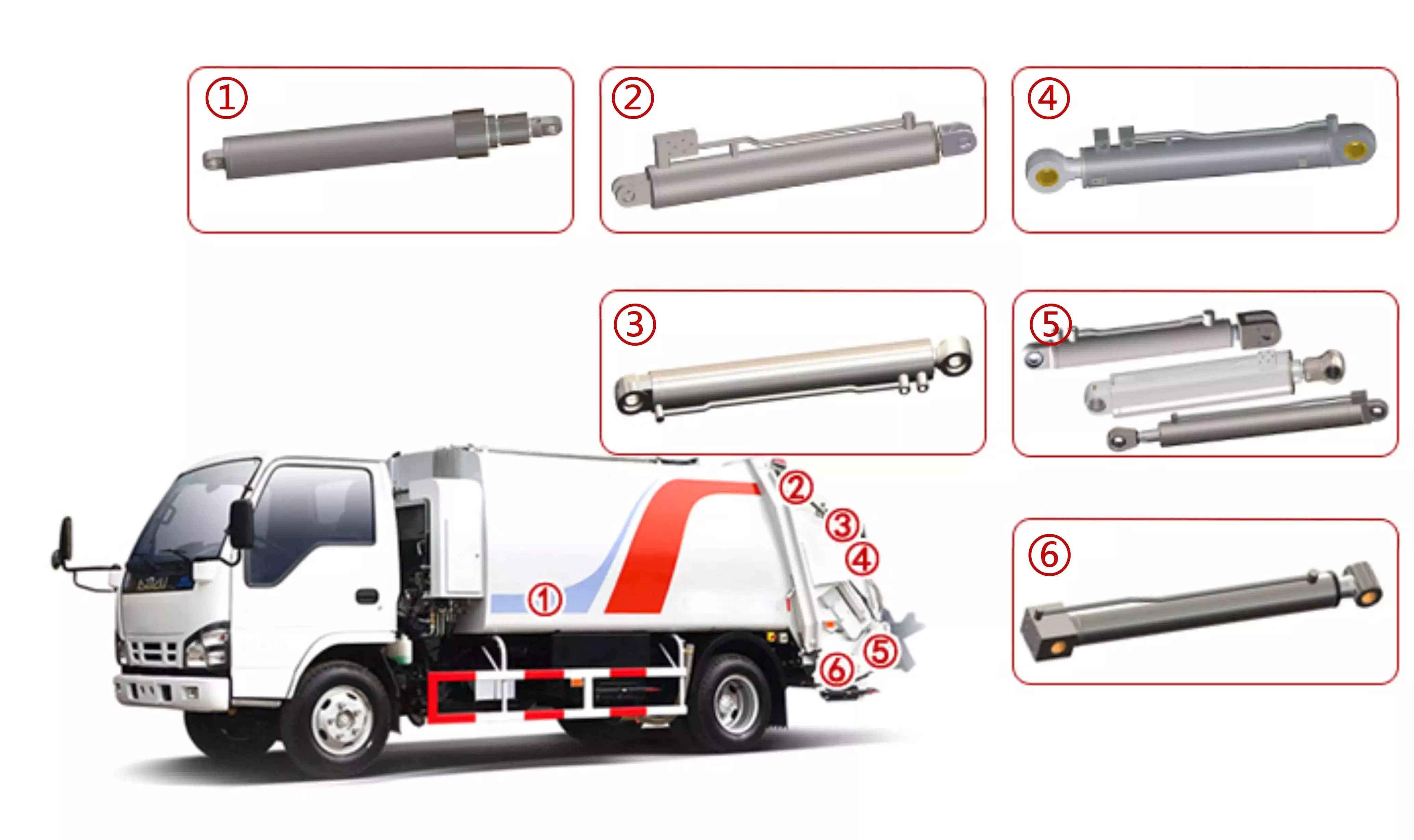
How do hydraulic cylinders accommodate variations in stroke length and force requirements?
Hydraulic cylinders are designed to accommodate variations in stroke length and force requirements, providing flexibility and adaptability for different applications. They can be tailored to meet specific needs by considering factors such as piston diameter, rod diameter, hydraulic pressure, and cylinder design. Here’s a detailed explanation of how hydraulic cylinders accommodate variations in stroke length and force requirements:
1. Cylinder Size and Design:
– Hydraulic cylinders come in various sizes and designs to accommodate different stroke lengths and force requirements. The cylinder’s diameter, piston area, and rod diameter are key factors that determine the force output. Larger cylinder diameters and piston areas can generate greater force, while smaller diameters are suitable for applications requiring lower force. By selecting the appropriate cylinder size and design, stroke lengths and force requirements can be effectively accommodated.
2. Piston and Rod Configurations:
– Hydraulic cylinders can be designed with different piston and rod configurations to accommodate variations in stroke length. Single-acting cylinders have a single piston and can provide a stroke in one direction. Double-acting cylinders have a piston on both sides, allowing for strokes in both directions. Telescopic cylinders consist of multiple stages that can extend and retract, providing a longer stroke length compared to standard cylinders. By selecting the appropriate piston and rod configuration, the desired stroke length can be achieved.
3. Hydraulic Pressure and Flow:
– The hydraulic pressure and flow rate supplied to the cylinder play a crucial role in accommodating variations in force requirements. Increasing the hydraulic pressure increases the force output of the cylinder, enabling it to handle higher force requirements. By adjusting the pressure and flow rate through hydraulic valves and pumps, the force output can be controlled and matched to the specific requirements of the application.
4. Customization and Tailoring:
– Hydraulic cylinders can be customized and tailored to meet specific stroke length and force requirements. Manufacturers offer a wide range of cylinder sizes, stroke lengths, and force capacities to choose from. Additionally, custom-designed cylinders can be manufactured to suit unique applications with specific stroke length and force demands. By working closely with hydraulic cylinder manufacturers, it is possible to obtain cylinders that precisely match the required stroke length and force requirements.
5. Multiple Cylinders and Synchronization:
– In applications that require high force or longer stroke lengths, multiple hydraulic cylinders can be used in combination. By synchronizing the movement of multiple cylinders through the hydraulic system, the stroke length and force output can be effectively increased. Synchronization can be achieved using mechanical linkages, electronic controls, or hydraulic circuitry, ensuring coordinated movement and force distribution across the cylinders.
6. Load-Sensing and Pressure Control:
– Hydraulic systems can incorporate load-sensing and pressure control mechanisms to accommodate variations in force requirements. Load-sensing systems monitor the load demand and adjust the hydraulic pressure accordingly, ensuring that the cylinder delivers the required force without exerting excessive force. Pressure control valves regulate the pressure within the hydraulic system, allowing for precise control and adjustment of the force output based on the application’s needs.
7. Safety Considerations:
– When accommodating variations in stroke length and force requirements, it is essential to consider safety factors. Hydraulic cylinders should be selected and designed with an appropriate safety margin to handle unexpected loads or variations in operating conditions. Safety mechanisms such as overload protection valves and pressure relief valves can be incorporated to prevent damage or failure in situations where the force limits are exceeded.
By considering factors such as cylinder size and design, piston and rod configurations, hydraulic pressure and flow, customization options, synchronization, load-sensing, pressure control, and safety considerations, hydraulic cylinders can effectively accommodate variations in stroke length and force requirements. This flexibility allows hydraulic cylinders to be tailored to meet the specific demands of a wide range of applications, ensuring optimal performance and efficiency.


editor by CX 2024-02-09
 French
  English
  Italian
  Portuguese
  Dutch
Dutch  Swedish
  Danish
  Finnish
  Polish
  Hindi
Hindi  Kazakh
  Turkish
  Ukrainian
  Romanian
  Spanish
  German
  Russian
  Korean
  Japanese
  Vietnamese
  Thai
Thai  Indonesian
  Malay
Malay  Greek
Greek