
Description du produit
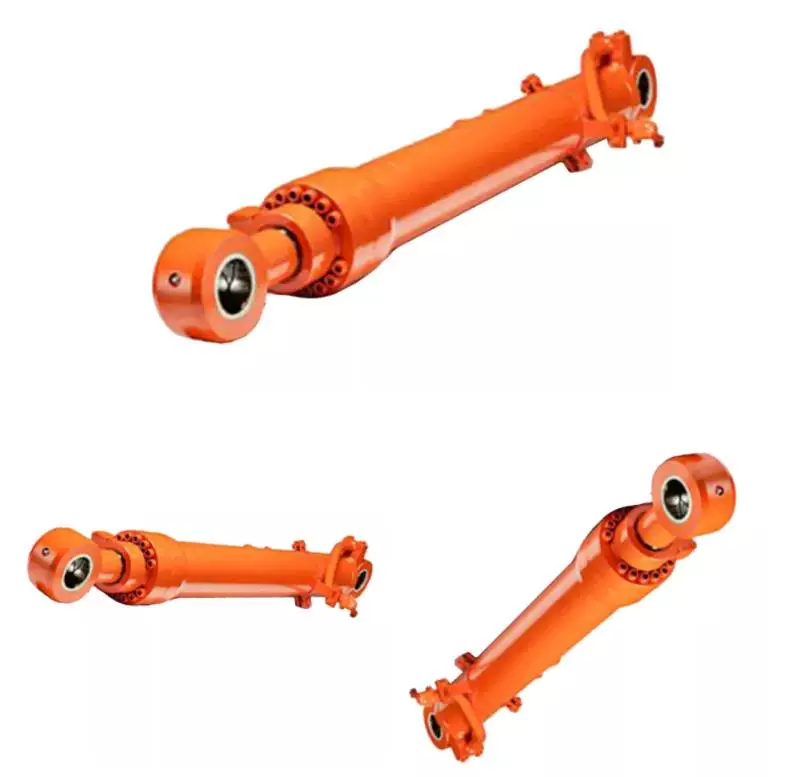
Factory Provide Professional Customized FANUC ROBOT Welding Hydraulic Cylinder for Mining Dump Truck
Produit Caractéristiques :
| Article | Caractéristiques |
| Diamètre d'alésage | 60mm~250mm |
| diamètre du corps | 40mm~130mm |
| Accident vasculaire cérébral | 40mm~500mm |
| Woorking Pressure | 17-45Mpa,Customizable |
| Traitement de surface de la tige de piston | Chromage dur, chromage blanc laiteux électrolytique + chromage dur, nickelage + chromage dur, dépôt chimique en phase vapeur à haute vitesse (CrC/NiC), revêtement céramique, nitruration, rechargement laser |
| Matériel | Tube étiré à froid à haute résistance, rodé avec précision pour une durée de vie prolongée du joint |
| Montage | Boucle d'oreille, bride, chape, pied, tourillon, personnalisable |
| Type de joint | Parker,NOK, Hallite GAPI or as customer’s requirement |
| Garantie | 18 mois |
| MOQ | 1pcs |
| Temps de production | En fonction de la quantité commandée. Normalement, 30 à 40 jours. |
| Certification | ISO9001, CE, SGS |
| Color | Gery,Yellow,Red,Black,Customizable |
| Conditionnement | caisse métallique, caisse en contreplaqué, carton ou selon les besoins |
| Service | OEM et ODM |
| Avantage de prix | Prix d'usine compétitif avec qualité garantie |
| Type d'entreprise | Fabricant |
Présentation du produit :
Méthode de montage :
Applications : Mining Machinery,Small Mining Dump Truck.
Other Related Products:
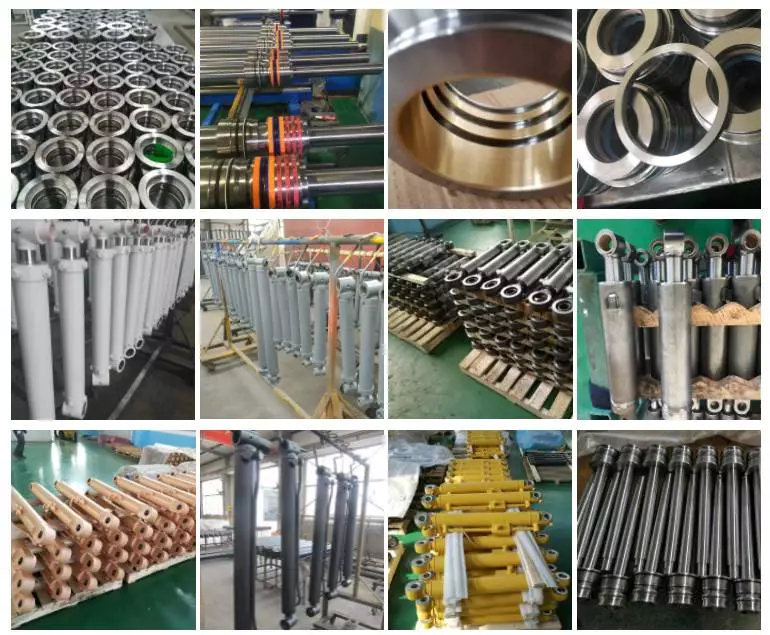
Notre usine :
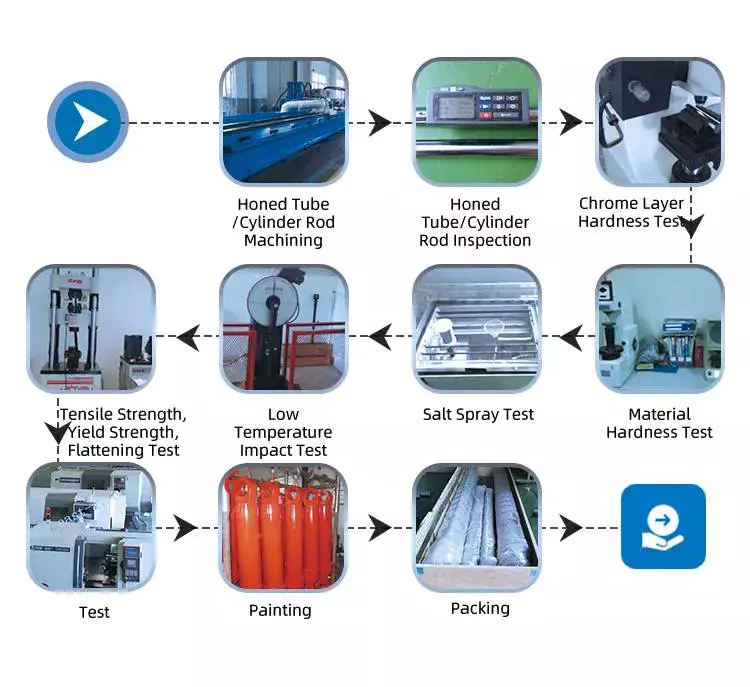
Processus d'inspection :
| Type d'inspection | Norme d'inspection |
| Inspection des matières premières | Avant le stockage, le service de contrôle qualité effectue les mesures des matières premières. |
| Inspection des matériaux de traitement | Durant la production, les contrôleurs qualité effectuent une inspection aléatoire. Avant que les pièces du vérin hydraulique ne soient transférées à l'étape suivante, le service de contrôle qualité effectue une inspection. |
| Tests fonctionnels finaux | Tous les vérins hydrauliques sont soumis à un test de fonctionnement hydraulique. |
Inspection des propriétés mécaniques des matières premières
Process Inspection
Final Testing
Emballage et livraison :
À propos de nous:
Notre certificat
Our Customers
ZheJiang Tianjian Hydraulic Technology Co., Ltd est spécialisée dans la production de différents types de vérins hydrauliques ainsi que de corps de vérin, de pistons et autres accessoires pour vérins.
Spécialisée dans la fabrication de vérins hydrauliques, Tianjian fournit des solutions d'optimisation de conception et des produits fiables à de nombreux clients en Chine et à l'étranger. Que ce soit pour les engins de construction, les ponts ferroviaires, les navires portuaires, les machines métallurgiques et minières, les machines pour l'industrie pétrolière et légère, les véhicules spéciaux ou d'autres secteurs, Tianjian propose diverses solutions d'optimisation de conception et des produits de vérins hydrauliques standard et sur mesure, adaptés aux besoins des utilisateurs, et assure un service complet pour une qualité optimale.
Si possible, lors de votre prise de contact, veuillez fournir les informations ci-dessous.
Alésage | Tige | Accident vasculaire cérébral | Pression de travail | Montage | environnement de travail |
|
|
|
|
|
|
Vous pouvez également nous fournir un croquis, un schéma ou des photos afin que nous comprenions exactement ce que vous voulez dire et que nous puissions éviter les erreurs.
Et si vous avez des échantillons, nous pouvons fabriquer des produits selon vos échantillons après leur envoi.
Bienvenue dans notre usine si vous avez un moment.
Votre satisfaction est notre plus grande motivation.
Vous pouvez désormais nous contacter pour toute question ou demande de renseignements.
FAQ :
1. Que fait votre entreprise ?
A: Nous sommes un fournisseur de produits hydrauliques de haute qualité, notamment des vérins hydrauliques, des moteurs hydrauliques, des centrales hydrauliques, des stations hydrauliques et d'autres composants hydrauliques.
2. Êtes-vous un fabricant ou une société commerciale ?
A: Nous sommes un fabricant.
3. Quel certificat possédez-vous ?
A: Toutes nos usines sont certifiées ISO. Et nos principaux fournisseurs de matériaux et de pièces sont certifiés CE, RoHS, CSA et UL.
4. Quel est votre délai de livraison ?
R : Le délai de livraison dépend du produit et de la quantité. Il faut généralement compter entre 45 et 60 jours pour un cylindre et entre 30 et 50 jours pour un moteur.
5. Pouvez-vous fabriquer des pièces selon les exigences ou les dessins du client ?
R : Oui, nous pouvons fabriquer des produits OEM selon vos plans. Notre ingénieur peut également vous apporter un soutien technique professionnel.
6. Quels types de modalités de paiement acceptez-vous ?
A: Nous privilégions le virement bancaire (T/T). Le code 30% est utilisé lors de la confirmation de la commande et le code 70% avant l'expédition. Les lettres de crédit sont également acceptées pour les montants supérieurs à 20 000 USD.
7. Quelle est votre politique de garantie ?
A: Tous nos produits sont garantis un an à compter de la date de livraison contre tout défaut de matériaux et de fabrication. Cette garantie ne couvre pas les pièces usées par une utilisation normale ni les dommages causés par négligence. Nous vous rappelons qu'une huile hydraulique sale endommagera vos composants hydrauliques. Ces dommages ne sont pas couverts par la garantie. Nous vous recommandons donc vivement d'utiliser une huile propre et neuve ou de vous assurer de la propreté de l'huile du système lors de l'utilisation de nos pièces.
/* March 10, 2571 17:59:20 */!function(){function s(e,r){var a,o={};try{e&&e.split(“,”).forEach(function(e,t){e&&(a=e.match(/(.*?):(.*)$/))&&1
| Certification: | GS, RoHS, CE, ISO9001 |
|---|---|
| Pressure: | Medium Pressure |
| Work Temperature: | High Temperature |
| Acting Way: | Double Acting |
| Working Method: | Straight Trip |
| Adjusted Form: | Regulated Type |
| Samples: | US$ 300/Set 1 Set(Min.Order) | |
|---|
| Customization: | Available |
|
|---|
How do hydraulic cylinders handle the challenges of minimizing friction and wear?
Hydraulic cylinders employ several mechanisms and techniques to effectively minimize friction and wear, ensuring optimal performance and longevity. Minimizing friction and wear is crucial for hydraulic cylinders as it helps to maintain efficiency, reduce energy consumption, and prevent premature failure. Here’s a detailed explanation of how hydraulic cylinders handle the challenges of minimizing friction and wear:
1. Lubrication:
– Proper lubrication is essential for minimizing friction and wear in hydraulic cylinders. Lubricating fluids, such as hydraulic oils, are used to create a thin film between moving surfaces, reducing direct metal-to-metal contact. This lubricating film acts as a protective barrier, reducing friction and preventing wear. Regular maintenance practices include monitoring and maintaining the appropriate lubricant levels to ensure optimal lubrication and minimize frictional losses.
2. Surface Finishes:
– The surface finishes of components in hydraulic cylinders play a crucial role in minimizing friction and wear. Smoother surface finishes, achieved through precision machining, grinding, or the application of specialized coatings, reduce surface roughness and frictional resistance. By minimizing surface irregularities, the risk of wear and friction-induced damage is significantly reduced, resulting in improved efficiency and extended component life.
3. High-Quality Sealing Systems:
– Well-designed and high-quality sealing systems are crucial for minimizing friction and wear in hydraulic cylinders. Seals prevent fluid leakage and contamination while maintaining proper lubrication. Advanced sealing materials, such as polyurethane or composite materials, offer excellent wear resistance and low friction characteristics. Optimal seal design and proper installation ensure effective sealing, minimizing friction and wear between the piston and cylinder bore.
4. Proper Alignment and Clearances:
– Hydraulic cylinders must be properly aligned and have appropriate clearances to minimize friction and wear. Misalignment or excessive clearances can result in increased friction and uneven wear, leading to premature failure. Proper installation, alignment, and maintenance practices, including regular inspection and adjustment of clearances, help ensure smooth and even movement of the piston within the cylinder, reducing friction and wear.
5. Filtration and Contamination Control:
– Effective filtration and contamination control are essential for minimizing friction and wear in hydraulic cylinders. Contaminants, such as particles or moisture, can act as abrasive agents, accelerating wear and increasing friction. By implementing robust filtration systems and proper maintenance practices, hydraulic systems can prevent the ingress of contaminants, ensuring clean and properly lubricated components. Clean hydraulic fluids help minimize wear and friction, contributing to improved performance and longevity.
6. Material Selection:
– The selection of appropriate materials for hydraulic cylinder components is crucial in minimizing friction and wear. Components subject to high frictional forces, such as pistons and cylinder bores, can be made from materials with excellent wear resistance, such as hardened steel or composite materials. Additionally, selecting materials with low coefficients of friction helps reduce frictional losses. Proper material selection ensures durability and minimized wear in critical components of hydraulic cylinders.
7. Maintenance and Regular Inspection:
– Regular maintenance and inspection practices are vital for identifying and addressing potential issues that could lead to increased friction and wear in hydraulic cylinders. Scheduled maintenance includes lubrication checks, seal inspections, and monitoring of clearances. By promptly detecting and rectifying any signs of wear or misalignment, hydraulic cylinders can be kept in optimal condition, minimizing friction and wear throughout their operational lifespan.
In summary, hydraulic cylinders employ various strategies to handle the challenges of minimizing friction and wear. These include proper lubrication, employing suitable surface finishes, utilizing high-quality sealing systems, ensuring proper alignment and clearances, implementing effective filtration and contamination control measures, selecting appropriate materials, and conducting regular maintenance and inspections. By implementing these practices, hydraulic cylinders can minimize friction and wear, ensuring smooth and efficient operation while extending the overall lifespan of the system.
Handling Challenges of Different Fluid Viscosities in Hydraulic Cylinders
Hydraulic cylinders are designed to handle the challenges associated with different fluid viscosities. The viscosity of hydraulic fluid can vary based on temperature, type of fluid used, and other factors. Hydraulic systems need to accommodate these variations to ensure optimal performance and efficiency. Let’s explore how hydraulic cylinders handle the challenges of different fluid viscosities:
- Fluid Selection: Hydraulic cylinders are designed to work with a range of hydraulic fluids, each with its specific viscosity characteristics. The selection of an appropriate fluid with the desired viscosity is crucial to ensure optimal performance. Manufacturers provide guidelines regarding the recommended viscosity range for specific hydraulic systems and cylinders. By choosing the right fluid, hydraulic cylinders can effectively handle the challenges posed by different fluid viscosities.
- Viscosity Compensation: Hydraulic systems often incorporate features to compensate for variations in fluid viscosity. For example, some hydraulic systems utilize pressure compensating valves that adjust the flow rate based on the viscosity of the fluid. This compensation ensures consistent performance across different operating conditions and fluid viscosities. Hydraulic cylinders work in conjunction with these compensation mechanisms to maintain precision and control, regardless of the fluid viscosity.
- Temperature Control: Fluid viscosity is highly dependent on temperature. Hydraulic cylinders employ various temperature control mechanisms to address the challenges posed by temperature-induced viscosity changes. Heat exchangers, coolers, and thermostatic valves are commonly used to regulate the temperature of the hydraulic fluid within the system. By controlling the fluid temperature, hydraulic cylinders can maintain the desired viscosity range, ensuring reliable and efficient operation.
- Efficient Filtration: Contaminants in hydraulic fluid can affect its viscosity and overall performance. Hydraulic systems incorporate efficient filtration systems to remove particles and impurities from the fluid. Clean fluid with the appropriate viscosity ensures optimal functioning of hydraulic cylinders. Regular maintenance and filter replacements are essential to uphold the desired fluid viscosity and prevent issues related to fluid contamination.
- Proper Lubrication: Different fluid viscosities can impact the lubrication properties within hydraulic cylinders. Lubrication is essential for minimizing friction and wear between moving parts. Hydraulic systems employ lubricants specifically formulated for the anticipated fluid viscosity range. Adequate lubrication ensures smooth operation and extends the lifespan of hydraulic cylinders, even in the presence of varying fluid viscosities.
In summary, hydraulic cylinders employ various strategies to handle the challenges associated with different fluid viscosities. By selecting appropriate fluids, incorporating viscosity compensation mechanisms, controlling temperature, implementing efficient filtration, and ensuring proper lubrication, hydraulic cylinders can accommodate variations in fluid viscosity. These measures enable hydraulic systems to deliver consistent performance, precise control, and efficient operation across different fluid viscosity ranges.
What are the common signs of wear or leakage that indicate hydraulic cylinder issues?
Hydraulic cylinders are critical components in hydraulic systems, and wear or leakage can lead to performance issues and potential system failures. It is important to be aware of the common signs that indicate hydraulic cylinder problems. Here’s a detailed explanation of the common signs of wear or leakage that indicate hydraulic cylinder issues:
1. Fluid Leakage:
– Fluid leakage is one of the most obvious signs of hydraulic cylinder problems. If you notice hydraulic fluid leaking from the cylinder, it indicates a seal failure or damage to the cylinder. Leaking fluid may be visible around the rod, piston, or cylinder body. It is important to address fluid leakage promptly as it can lead to a loss of system efficiency, contamination of the surrounding environment, and potential damage to other system components.
2. Reduced Performance:
– Wear or internal damage to the hydraulic cylinder can result in reduced performance. You may notice a decrease in the cylinder’s force output, slower operation, or difficulty in extending or retracting the cylinder. Reduced performance can be indicative of worn seals, damaged piston or rod, internal leakage, or contamination within the cylinder. Any noticeable decrease in the cylinder’s performance should be inspected and addressed to prevent further damage or system inefficiencies.
3. Abnormal Noise or Vibrations:
– Unusual noise or vibrations during the operation of a hydraulic cylinder can indicate internal wear or damage. Excessive noise, knocking sounds, or vibrations that are not typical for the system may suggest problems such as worn bearings, misalignment, or loose internal components. These signs should be investigated to identify the source of the issue and take appropriate corrective measures.
4. Excessive Heat:
– Overheating of the hydraulic cylinder is another sign of potential issues. If the cylinder feels excessively hot to the touch during normal operation, it may indicate problems such as internal leakage, fluid contamination, or inadequate lubrication. Excessive heat can lead to accelerated wear, reduced efficiency, and overall system malfunctions. Monitoring the temperature of the hydraulic cylinder is important to detect and address potential problems.
5. External Damage:
– Physical damage to the hydraulic cylinder, such as dents, scratches, or bent rods, can contribute to wear and leakage issues. External damage can compromise the integrity of the cylinder, leading to fluid leakage, misalignment, or inefficient operation. Regular inspection of the cylinder’s external condition is essential to identify any visible signs of damage and take appropriate actions.
6. Seal Failure:
– Hydraulic cylinder seals are critical components that prevent fluid leakage and maintain system integrity. Signs of seal failure include fluid leakage, reduced performance, and increased friction during cylinder operation. Damaged or worn seals should be replaced promptly to prevent further deterioration of the cylinder’s performance and potential damage to other system components.
7. Contamination:
– Contamination within the hydraulic cylinder can cause wear, damage to seals, and overall system inefficiencies. Signs of contamination include the presence of foreign particles, debris, or sludge in the hydraulic fluid or visible damage to seals and other internal components. Regular fluid analysis and maintenance practices should be implemented to prevent contamination and address any signs of contamination promptly.
8. Irregular Seal Wear:
– Hydraulic cylinder seals can wear over time due to friction, pressure, and operating conditions. Irregular seal wear patterns, such as uneven wear or excessive wear in specific areas, may indicate misalignment or improper installation. Monitoring the condition of the seals during regular maintenance can help identify potential issues and prevent premature seal failure.
It is important to address these common signs of wear or leakage promptly to prevent further damage, ensure the optimal performance of hydraulic cylinders, and maintain the overall efficiency and reliability of the hydraulic system. Regular inspection, maintenance, and timely repairs or replacements of damaged components are key to mitigating hydraulic cylinder issues and maximizing system longevity.

editor by CX 2024-01-19
 French
  English
  Italian
  Portuguese
  Dutch
Dutch  Swedish
  Danish
  Finnish
  Polish
  Hindi
Hindi  Kazakh
  Turkish
  Ukrainian
  Romanian
  Spanish
  German
  Russian
  Korean
  Japanese
  Vietnamese
  Thai
Thai  Indonesian
  Malay
Malay  Greek
Greek