
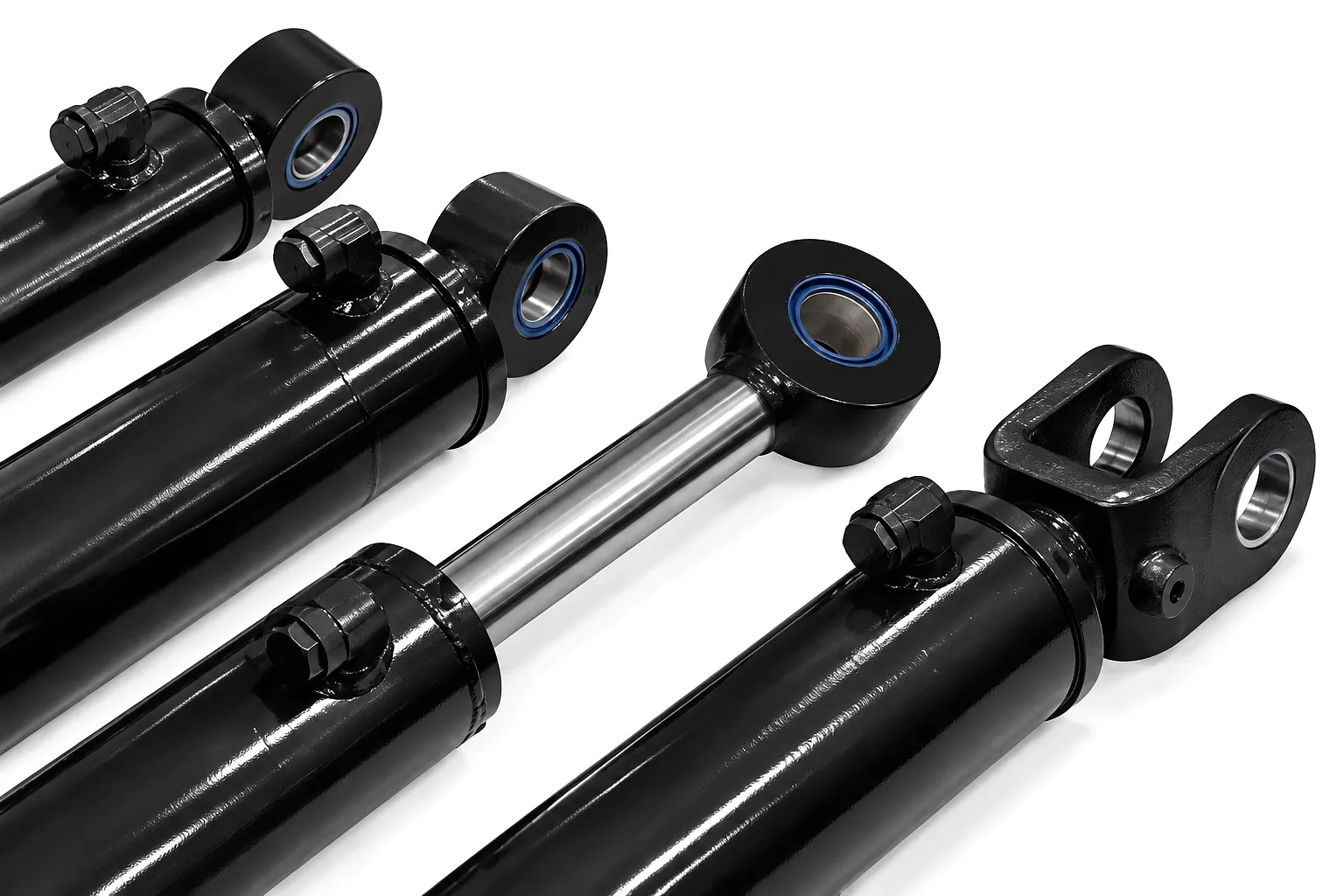
 Walk through any steel mill in Sheffield or a press shop in Birmingham, and you will encounter hydraulic cylinders working under conditions that would destroy a standard catalogue component within days. Yet on the same industrial estate, a packaging line or a small assembly fixture runs perfectly well on a mid-range cylinder that costs a fraction of the price. The divide between mill-type and industrial-duty hydraulic cylinders is not simply a matter of price band — it reflects two entirely different engineering philosophies born from different operating environments. Mill-type cylinders were developed specifically for the metallurgical and heavy-pressing industries, where shock loads, radiant heat, scale contamination, and continuous-duty cycles are the norm rather than the exception. Industrial-duty cylinders, by contrast, are engineered to cover the vast majority of factory-floor and mobile-equipment applications where conditions are severe but not extreme. Understanding where each type genuinely excels — and, critically, where substituting one for the other leads to expensive failure — is the core purpose of this guide.
What Defines a Mill-Type Hydraulic Cylinder
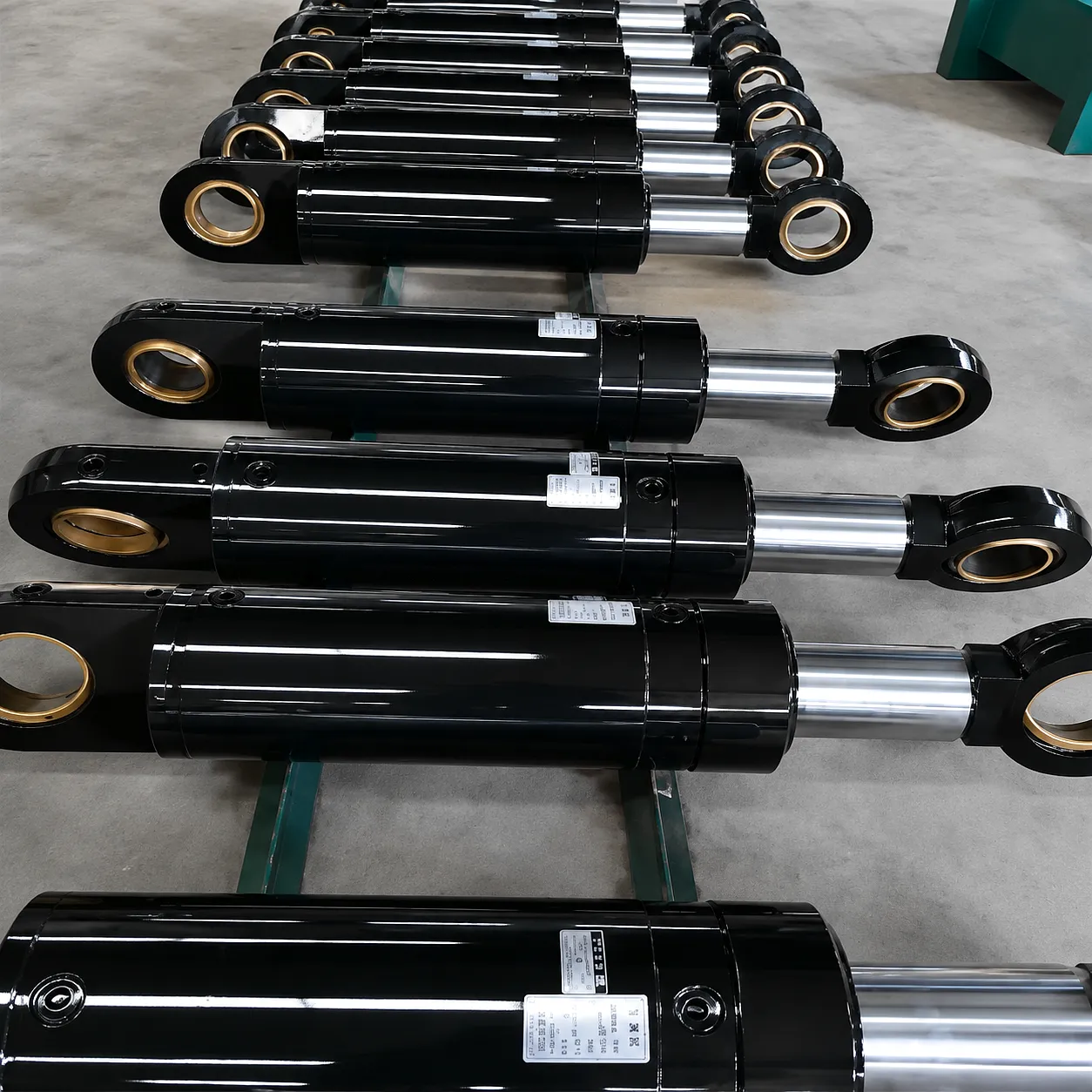
Mill-type cylinders carry a lineage stretching back to the rolling mills of the industrial revolution, and their design has been refined through decades of feedback from some of the harshest environments on earth. The defining characteristic is a tie-rod or side-lug mounting configuration that distributes load away from the cylinder body itself, allowing the unit to absorb large side loads and bending moments without transmitting stress to the seals or the barrel. The barrel wall thickness is substantially greater than a standard cylinder of the same bore, typically machined from seamless steel tube to honed tolerances of H8 or tighter. Stroke lengths commonly reach several metres, and bore diameters from 80 mm up to 650 mm or beyond are routine. The internal surface finish on a quality mill-type cylinder will be in the Ra 0.2–0.4 µm range — smooth enough to protect high-durometer wiper and rod seals against abrasive contamination. Piston-rod materials are almost universally selected from high-tensile alloy steels, hard-chrome plated to 25–40 µm depth, then ground and polished. Some premium specifications call for electroless nickel or HVOF-sprayed tungsten carbide coatings when chrome embrittlement is a concern.
Industrial-duty hydraulic cylinders, sometimes called heavy-duty tie-rod cylinders, represent the engineering sweet spot for a much wider market. They are built to NFPA or ISO standards that specify envelope dimensions, port locations, and mounting patterns — meaning they slot directly into a standardised machine frame without bespoke adaptation. The NFPA T3.6.7 series, for example, governs bore and stroke increments, allowing a procurement team in Leeds or Manchester to replace a worn cylinder with a compatible unit from multiple suppliers without redesigning a single weld. Wall thicknesses are generous — thicker than light-duty units but lighter than mill-type equivalents — because the design philosophy prioritises interchangeability and cost efficiency over absolute structural redundancy. These cylinders typically operate in the 150–250 bar working-pressure range, with 315 bar proof pressure, and they are rated for cyclic duty rather than sustained shock loading. The sealing systems are modern polyurethane and PTFE-based compounds, highly compatible with biodegradable hydraulic fluids increasingly mandated by UK environmental regulations. Cushioned ends, adjustable needle cushions, and position-sensing options are all standard catalogue items that reduce engineering lead time considerably.
Key Structural and Material Differences
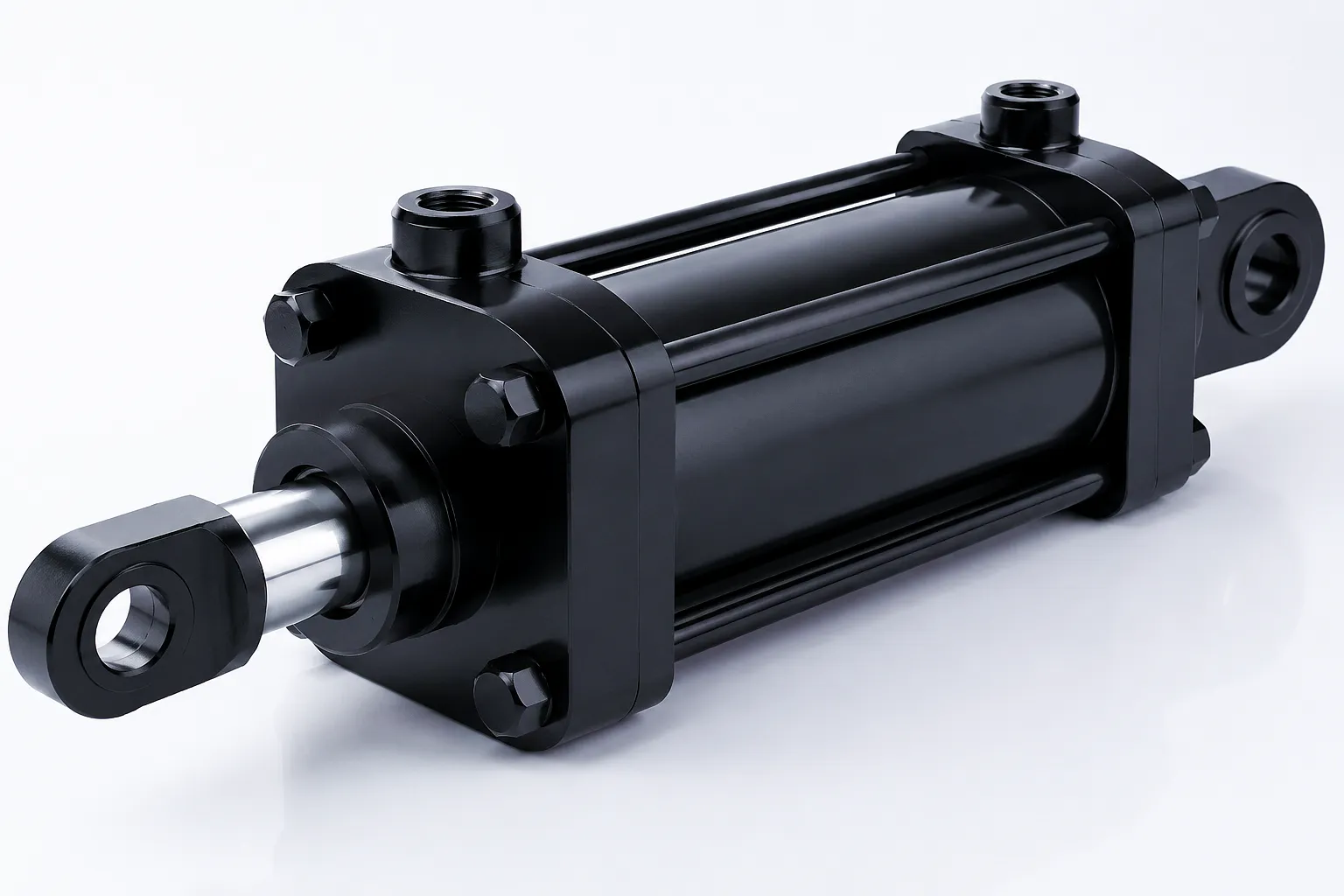
The material science behind these two cylinder families tells the clearest story. Mill-type cylinders demand barrel materials with superior yield strength and impact toughness simultaneously — a pairing that rules out standard carbon steels. EN 10083 alloy steels (such as 42CrMo4 or 34CrNiMo6), quenched and tempered to 900–1,100 MPa yield, are the specification backbone. Some hydraulic cylinder manufacturers supplying steelworks in Rotherham and Teesside specify double normalised castings for end caps, offering better porosity resistance than standard EN-GJS ductile iron grades. Industrial-duty cylinders draw from a wider, more cost-effective material palette. Grey iron end caps (EN-GJL-250) serve adequately at working pressures below 200 bar, while ductile iron end caps (EN-GJS-400) are specified where shock pressure spikes are expected. The piston is commonly ductile iron or aluminium bronze, with Teflon-composite rider rings replacing traditional metallic wear rings to reduce friction and eliminate the risk of barrel scoring under misalignment. This material liberality makes industrial cylinders faster to manufacture and easier to source replacement parts for through UK hydraulic distributors — a practical advantage not to be underestimated when a production line is down.
How the Operating Principle Differs Between the Two Types
Mill-type cylinders operate as double-acting units in virtually every installation. Pressurised hydraulic fluid — typically mineral oil at viscosities of ISO VG 46 or 68 — enters the cap end port, forcing the piston forward against the full bore area. The retract stroke pressurises the rod-end annular area. What distinguishes the mill-type’s hydraulic circuit is the provision for high-flow, rapid cycle times: bore-flush ports, large-area cushion sleeves that decelerate the piston without requiring external deceleration valves, and regenerative piping options that route rod-end return fluid back to the cap-end supply, dramatically increasing approach speed for forging and pressing sequences. The heavy head and cap flanges are typically welded rather than bolted in the largest sizes, with full-penetration welds and subsequent stress-relief heat treatment. The gland nut — the component that retains the rod seal assembly — is machined with fine threads and high torque values, often requiring hydraulic torque wrenches during maintenance.
Industrial-duty cylinders operate on the same fundamental fluid-power principle, but the design is optimised for interchangeability, moderate cycle frequency, and ease of in-field maintenance rather than absolute structural rigidity. The tie-rod construction — four or more steel rods clamping the head, barrel, and cap together — allows the entire cylinder to be disassembled and rebuilt in the field with standard spanners, a capability deeply valued by maintenance teams on automated production lines in the West Midlands and Yorkshire. Double-acting configurations dominate the industrial market, though single-acting spring-return variants are extensively used in clamping, punching, and ejector applications. Flow regeneration is less common but available as a valve stack option. The cushioning system typically uses adjustable needle valves at both ends, accessible via sealed adjustment screws — simpler to tune than a mill-type’s fixed-sleeve cushions and much easier to retrofit without cylinder removal. Position feedback options include magnetic reed switches, Hall-effect sensors, and magnetostrictive linear transducers fitted to the external cylinder body — all fully compatible with modern PLC and SCADA systems used extensively in UK manufacturing.
Both cylinder types are subject to pressure intensification in the rod end during rapid deceleration — a phenomenon where the kinetic energy of the moving load converts to a pressure spike that can momentarily exceed system relief settings by 30–50%. Mill-type cylinders accommodate this through heavier end-cap flanges and larger relief valve capacity. Industrial cylinders rely on correctly sized cushions and external pressure-relief circuits. Failing to account for pressure intensification is one of the most common causes of early seal failure in improperly specified industrial hydraulic cylinders across UK manufacturing plants.
Core Technical Advantages of Each Cylinder Family
Engineered for sustained operation adjacent to furnace equipment and induction heating systems. Specialised high-temperature FKM seal compounds and ceramic-insulated rod glands maintain integrity at ambient temperatures exceeding 80°C, preventing seal carbonisation that would destroy standard cylinders within hours.
Full compliance with NFPA and ISO envelope dimensions means the cylinder drops into an existing machine mount with zero modification. UK hydraulic distributors carry stock of common bore and stroke combinations, enabling same-week delivery that stops unplanned production downtime from turning into a two-week procurement crisis.
Side-lug and flange mountings spread impact energy across a much larger contact area than clevis or cap-mounting designs. In a hydraulic press striking at 150 tonnes, the cylinder must absorb the full dynamic load on impact — a duty cycle that would fracture tie rods within weeks on a standard industrial cylinder, regardless of pressure rating.
External T-slot sensor tracks for magnetic position switches, integral to most modern industrial-duty cylinder bodies, provide clean position feedback without hydraulic ports or rod modifications. Critical for Industry 4.0-ready production lines across the UK’s advanced manufacturing sector, where real-time stroke data feeds into digital twin models and predictive maintenance platforms.
Multi-stage wiper seal assemblies — sometimes triple-lip configuration — scrape metallic swarf, scale, and foundry sand from the rod surface before it reaches the primary rod seal. This is non-negotiable in environments like iron foundries in Wolverhampton or forge shops in Sheffield, where airborne particulate counts are orders of magnitude above clean room levels.
Purchase cost, rebuild cost, and downtime cost all favour the industrial-duty cylinder for standard applications. Seal kits are typically below £80, available from UK hydraulic stockists next-day. A trained hydraulic technician can complete a field rebuild in under two hours. Over a five-year period, this maintenance model is typically 40–60% lower cost than equivalent mill-type maintenance programmes for non-extreme duty.
Industrial Application Scenarios Across UK Manufacturing
MILL-TYPE APPLICATION
Hot rolling mill loopers, side guides, and downcoiler mandrel cylinders represent the most demanding possible application for any hydraulic cylinder. In a Sheffield special steels facility, the lateral guide cylinders work at pressures up to 350 bar, respond to process computer commands within 20 milliseconds, and experience radiant heat from 1,200°C billets at close range. The cylinders must hold dimensional tolerances while the structural steel around them is thermally expanding. Mill-type cylinders with integral water-cooling jackets, high-temperature PTFE-based seal systems, and 42CrMo4 bodies have demonstrated service lives exceeding 18 months between scheduled overhauls in this environment — a figure that represents millions of process cycles. Anything lighter would require replacement within weeks and generate costly mill downtime that runs to tens of thousands of pounds per hour in lost production.
INDUSTRIAL-DUTY APPLICATION
Agricultural machinery, particularly combine harvesters operating across the grain belts of East Anglia and the Yorkshire Wolds, relies on industrial-duty hydraulic cylinders for header height control, reel adjustment, and unloading auger positioning. These cylinders face abrasive crop dust, extreme temperature cycling between cold dawn starts and midday heat, and intermittent shock loads as headers strike raised ground. The कंबाइन हार्वेस्टर मशीन के लिए हाइड्रोलिक सिलेंडर supplied by Ever Power are built to ISO 6022 specification with chrome-plated rods and polyurethane wipers specifically rated for dusty agricultural environments. The combination of NFPA-compatible envelope dimensions and agricultural-grade seal chemistry means replacement in the field — by the farmer’s own mechanic during harvest — is achievable in under 90 minutes, keeping harvest operations running without waiting days for specialist engineers. For equipment manufacturers and agricultural machinery distributors across the UK, specifying the right industrial-duty cylinder from the outset prevents the all-too-common failure mode of using standard cylinders that fail prematurely under agricultural contamination exposure.
TELESCOPIC APPLICATION
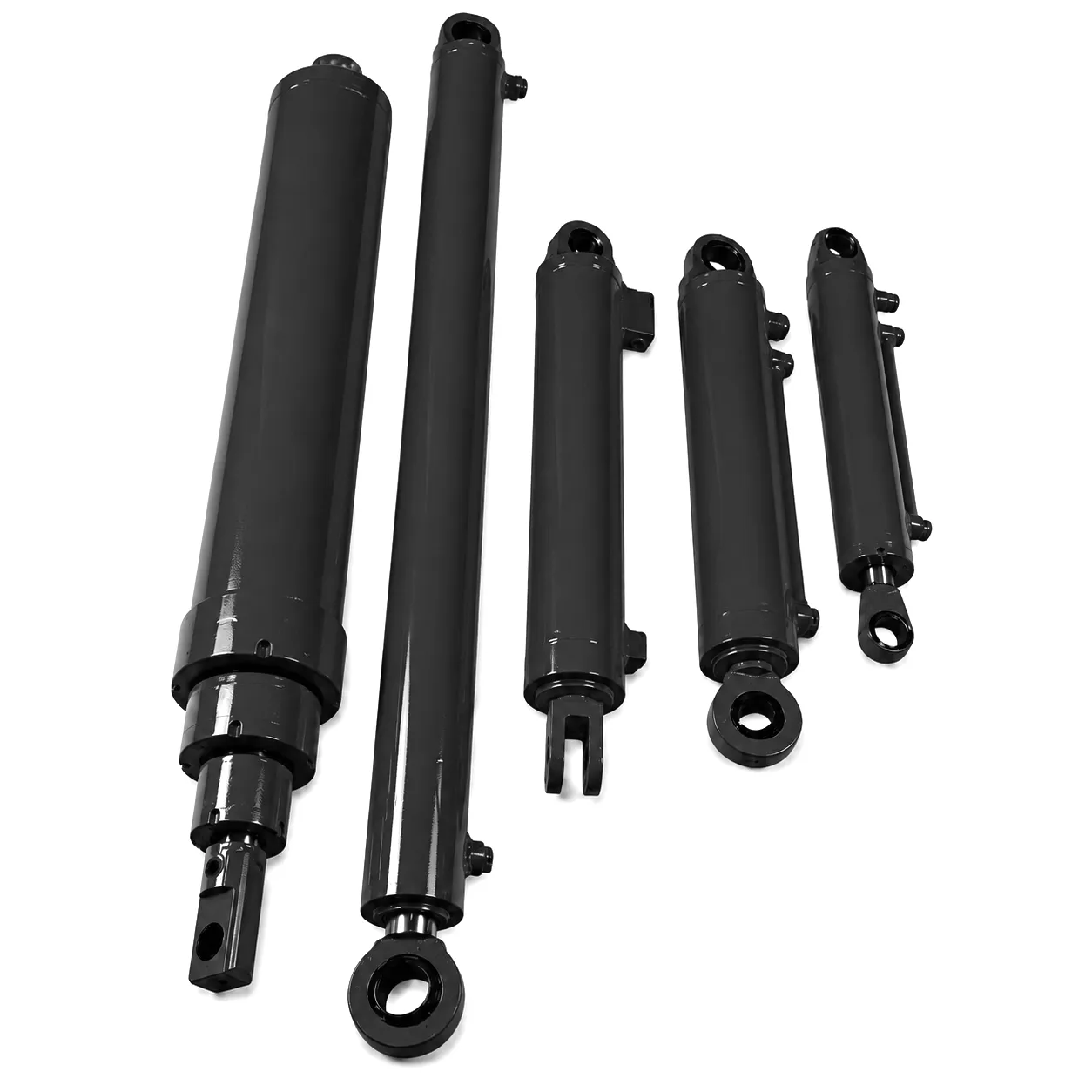
Scissor lifts, dock levellers, and vehicle inspection hoists in Birmingham’s automotive aftermarket sector and across UK warehouse logistics operations represent an important niche where telescopic configurations of industrial-duty hydraulic cylinders deliver exceptional stroke-to-collapsed-length ratios. The Custom Double Acting Telescopic Hydraulic Cylinders For Lifting Platform from Ever Power offer a double-acting configuration that provides positive control on both extension and retraction — a critical safety requirement under UK PUWER regulations for work equipment. A conventional single-stage cylinder achieving the same stroke would require a mounting depth three times greater than the telescopic equivalent, making these units indispensable for low-profile installation where pit depth is limited by existing concrete structures. Bore sizes from 100 mm to 220 mm across three or four stages allow customisation of load capacity from 3 tonnes to over 25 tonnes within the same platform envelope — flexibility that saves structural engineering costs on new facility builds.
MILL-TYPE APPLICATION
Aluminium extrusion presses in Birmingham’s non-ferrous processing sector operate main ram cylinders at forces from 1,500 tonnes to over 6,000 tonnes. These are genuinely extreme applications where the cylinder is the machine — the entire press structure is built around it. Bore diameters of 400–600 mm are common, with operating pressures in the 300–380 bar range. The hydraulic cylinder in this application must sustain a full-bore pressure pulse at the moment the ram contacts the billet, before the metal starts to flow. That initial contact load is essentially a hammer blow, and the cylinder structure — particularly the tie-rod pre-load — must prevent any gap opening between the cap, barrel, and head flanges. Mill-type design, with precision-machined land surfaces and calculated tie-rod pre-load (typically 1.2× full working load), is the only engineering approach that guarantees seal integrity across millions of such cycles.
How to Choose: The Decision Framework UK Engineers Use
The wrong choice between mill-type and industrial-duty hydraulic cylinders is rarely made through ignorance of the product — it is almost always made through underestimation of the application. Engineers who have spent careers in automotive or general manufacturing sometimes specify industrial-duty cylinders for applications that are genuinely mill-type territory, because they have no direct experience of what sustained shock loading or mill-scale contamination actually does to a standard cylinder’s seal system. The reverse error — over-specifying a mill-type cylinder into a standard pressing application — is less common but does happen, typically when a procurement policy defaults to “heaviest available” as a risk-management strategy. This over-specification wastes significant capital budget and can actually cause problems: mill-type cylinders have higher breakout forces and slower response characteristics that can interfere with closed-loop position control systems designed around the faster response of industrial cylinders.
- Working pressure exceeds 250 bar continuously
- Shock loads or impact duty are present
- Ambient or radiant heat is above 60°C
- Heavy metallic contamination in the environment
- Bore diameter exceeds 200 mm
- Mounting must absorb large bending moments
- 24/7 continuous duty operation is required
- Cylinder forms a structural component of the machine frame
- Working pressure is within 150–250 bar
- ISO/NFPA envelope interchangeability is needed
- Field rebuild by in-house maintenance is a priority
- Position sensing integration is required
- Budget and lead time are primary constraints
- Application is cyclic rather than continuous-shock
- Environmental conditions are controlled or moderate
- Biodegradable hydraulic fluid compatibility is needed
Precision Engineering, Uncompromising Quality
Ever Power operates a purpose-built hydraulic cylinder manufacturing facility equipped with CNC deep-hole boring machines capable of bores up to 700 mm, robotic honing lines holding H7/H8 tolerance across stroke lengths up to 8 metres, and hard chrome plating lines operating to REACH-compliant standards. The facility holds ISO 9001:2015 certification and maintains a dedicated quality laboratory with coordinate measuring machines (CMM), surface roughness profilometers, and pressure-cycle test rigs capable of simulating 10 million cycles under accelerated conditions — all providing quantifiable evidence of product reliability that UK engineering procurement teams increasingly demand as part of their supplier qualification process.
The Ever Power customisation programme handles hydraulic cylinder briefs from initial sketch through to finished product, covering bore sizing, stroke definition, mounting geometry, port configurations, seal material selection, surface treatment specification, and painting or coating requirements. For UK clients working with specific machine builder standards — such as MHEA (Materials Handling Engineers Association) lifting equipment requirements or BS EN 15011 crane hydraulic systems — Ever Power’s engineering team provide full documentation packs including FEA structural analysis reports, material mill certificates, and third-party inspection certification from SGS or Bureau Veritas. Ex-works lead times for custom mill-type hydraulic cylinders typically run 4–8 weeks, with air-freight option to UK warehouses available for urgent requirements. CIF Liverpool, Southampton, or Felixstowe shipping terms are standard, with full export documentation prepared for smooth UK Customs clearance.
Customer Success Story: Rotherham Special Steels
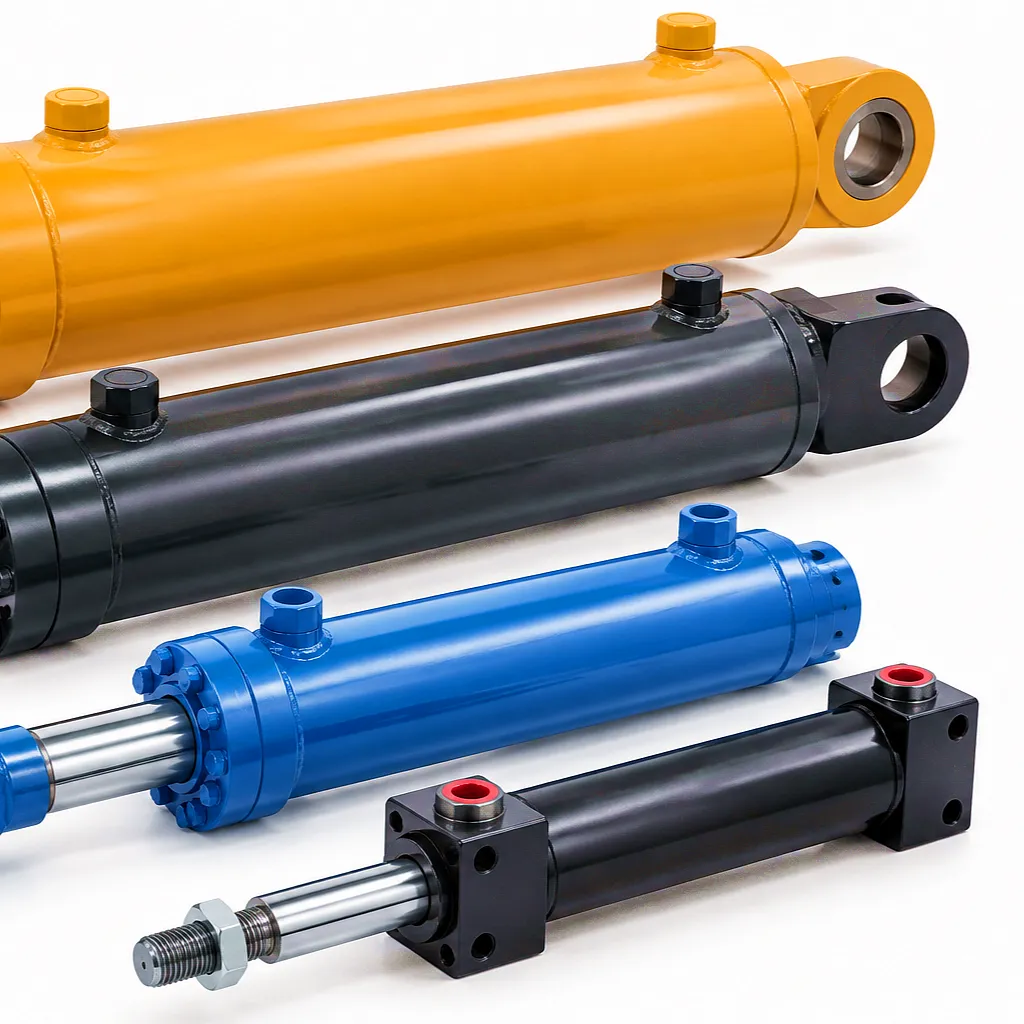 रोदरहम स्थित उच्च गुणवत्ता वाली मिश्र धातु इस्पात छड़ों का उत्पादन करने वाली एक कंपनी, जो एयरोस्पेस और तेल एवं गैस क्षेत्रों को आपूर्ति करती है, अपने छड़ मिल के साइड-एंट्री एडजर स्टैंड पर हाइड्रोलिक सिलेंडर की वार्षिक विफलता का सामना कर रही थी। मौजूदा सिलेंडर आपूर्तिकर्ता की औद्योगिक उपयोग वाली इकाइयाँ औसतन सात महीने तक चलती थीं, जिसके बाद सील की खराबी के कारण इतना गंभीर रिसाव होता था कि आपातकालीन शटडाउन करना पड़ता था। प्रत्येक घटना में उत्पादन हानि के साथ-साथ सिलेंडर प्रतिस्थापन और श्रम लागत लगभग £45,000 थी। तीन वर्षों में, संचयी हानि £180,000 से अधिक हो गई - इसमें छड़ उत्पाद के हाइड्रोलिक तेल संदूषण की अतिरिक्त लागत शामिल नहीं है।
प्लांट के हाइड्रोलिक इंजीनियरिंग मैनेजर ने शेफ़ील्ड की एक हाइड्रोलिक सर्विस कंपनी की सिफ़ारिश के बाद एवर पावर से संपर्क किया। एवर पावर के एप्लीकेशन इंजीनियरों ने साइट का दौरा किया, एक पूर्ण ड्यूटी-साइकिल विश्लेषण किया और तीन मुख्य कारण पहचाने: मौजूदा सिलेंडर एडजर के शॉक-लोड प्रोफाइल के लिए उपयुक्त नहीं थे, रॉड का व्यास छोटा था जिसके कारण अधिकतम एक्सेंट्रिसिटी पर डिफ्लेक्शन हो रहा था, और वाइपर सील का स्पेसिफिकेशन मिल-स्केल वातावरण के लिए अपर्याप्त था। एवर पावर ने 140 मिमी क्रोम-अलॉय रॉड, ट्राई-लिप वाइपर सील सिस्टम और एंड-कैप कूलिंग पोर्ट्स के साथ एक कस्टम 320 मिमी बोर मिल-टाइप हाइड्रोलिक सिलेंडर का प्रस्ताव दिया। मटेरियल स्पेसिफिकेशन 42CrMo4 QT बैरल था, जिसमें मानक हार्ड क्रोम की जगह 50 µm HVOF टंगस्टन कार्बाइड रॉड कोटिंग का इस्तेमाल किया गया था - यह निर्णय स्केल-एब्रेशन विश्लेषण के आधार पर लिया गया था।
कस्टम हाइड्रोलिक सिलेंडर छह सप्ताह के भीतर CIF इमिंघम में डिलीवर किए गए और निर्धारित रखरखाव अवधि के दौरान स्थापित किए गए। इस लेख को लिखते समय, वही सिलेंडर बिना किसी अप्रत्याशित रुकावट के लगातार 28 महीनों से चल रहे हैं। प्लांट मैनेजर का अनुमान है कि एवर पावर सिलेंडरों ने पिछले तीन वर्षों की विफलता प्रणाली की तुलना में डाउनटाइम और प्रतिस्थापन लागत में £200,000 से अधिक की बचत की है - यह निवेश पर ऐसा प्रतिफल है जिसने पहले परिचालन वर्ष के भीतर ही प्रीमियम स्पेसिफिकेशन की लागत को उचित ठहराया।
एवर पावर हाइड्रोलिक सिलेंडरों के बारे में यूके के इंजीनियर क्या कहते हैं?
“पिछले छह वर्षों में हमने अपने एजिंग स्टैंड सिलेंडरों के लिए चार अलग-अलग आपूर्तिकर्ताओं से संपर्क किया था। एवर पावर पहली कंपनी थी जिसने वास्तव में साइट पर आकर सिलेंडर की कार्यक्षमता का जायजा लिया और उसके अनुसार स्पेसिफिकेशन तय किए। एचवीओएफ रॉड कोटिंग का सुझाव उनका था, हमारा नहीं – और इससे बहुत फर्क पड़ा। अब हम अपने पूरे रोलिंग मिल हाइड्रोलिक नवीनीकरण कार्यक्रम में एवर पावर के ही सिलेंडरों का उपयोग कर रहे हैं।”
“हमारी कंबाइन हार्वेस्टर लाइन को ऐसे सिलेंडरों की ज़रूरत थी जिन्हें हमारे डीलर बिना किसी विशेष उपकरण या घंटों की मशक्कत के खेत में ही बदल सकें। एवर पावर ने NFPA के मानकों को पूरी तरह से पूरा किया, सील किट हमारे यूके के पार्ट्स वेयरहाउस में उपलब्ध हैं, और हार्ड क्रोम फिनिश ने ईस्ट एंग्लिया की परिस्थितियों में तीन पूरे कटाई के मौसम तक बिना किसी खास टूट-फूट के अपनी विश्वसनीयता बनाए रखी है। यही वह विश्वसनीयता है जिसकी हमारे OEM ग्राहक हमसे उम्मीद करते हैं।”
“हमने कोवेंट्री स्थित अपने लॉजिस्टिक्स हब में बारह नए डॉक लेवलर इंस्टॉलेशन के लिए एवर पावर के टेलीस्कोपिक डबल-एक्टिंग सिलेंडरों का चयन किया। उनके द्वारा उपलब्ध कराए गए दस्तावेज़ों (एफईए रिपोर्ट, सामग्री प्रमाणपत्र, प्रेशर टेस्ट रिकॉर्ड) ने हमारे PUWER अनुपालन की मंजूरी को आसान बना दिया। कीमत प्रतिस्पर्धी थी, डिलीवरी समय पर हुई और कमीशनिंग के दौरान तकनीकी सहायता वास्तव में प्रभावशाली थी। हमने पहले ही 20 और यूनिट्स का ऑर्डर दे दिया है।”
अक्सर पूछे जाने वाले प्रश्नों
सबसे स्पष्ट संकेत यह है कि क्या आपके अनुप्रयोग में निरंतर झटके लगना, 200 मिमी से अधिक बोर आकार, या 60°C से अधिक परिवेश तापमान जैसी समस्याएं शामिल हैं। यदि आपकी प्रेस धीमी, नियंत्रित संपीड़न के बजाय संपर्क के क्षण में ही प्रभाव ऊर्जा प्रदान करती है, तो भारी दीवार, फ्लेंज माउंटिंग और उच्च तापमान सील यौगिकों वाली मिल-प्रकार की डिज़ाइन ही आमतौर पर स्वीकार्य सेवा जीवन प्रदान करने वाली एकमात्र विशिष्टता है। 250 बार सिस्टम के भीतर नियंत्रित बल से प्रेसिंग या क्लैम्पिंग के लिए, NFPA औद्योगिक सिलेंडर अधिक लागत प्रभावी और क्षेत्र में आसानी से उपयोग किया जा सकने वाला विकल्प है।
एवर पावर से कस्टम मिल-टाइप हाइड्रोलिक सिलेंडर की डिलीवरी में आमतौर पर कारखाने से 4-8 सप्ताह का समय लगता है, और यूके में समुद्री मार्ग से डिलीवरी में 3-7 दिन या हवाई मार्ग से 1-2 दिन अतिरिक्त लगते हैं। समान बोर वाले समकक्ष औद्योगिक सिलेंडर की तुलना में मिल-टाइप सिलेंडर की कीमत आमतौर पर 2.5-5 गुना अधिक होती है, जो मिश्र धातु इस्पात सामग्री, अधिक मशीनिंग और अधिक जटिल सील असेंबली को दर्शाती है। हालांकि, जब कुल स्वामित्व लागत की गणना की जाती है - जिसमें सेवा जीवन और प्रति विफलता डाउनटाइम लागत में अंतर शामिल होता है - तो योग्य अनुप्रयोगों में मिल-टाइप इकाइयां हमेशा कम लागत वाला विकल्प होती हैं। अपने बोर, स्ट्रोक, दबाव और माउंटिंग आवश्यकताओं के अनुरूप सटीक कोटेशन प्राप्त करने के लिए, अपने एप्लिकेशन डेटा के साथ [email protected] से संपर्क करें।
शेफ़ील्ड और रोदरहम क्षेत्र में हॉट रोलिंग मिल और फोर्ज के वातावरण के लिए, FKM (विटन) प्राइमरी रॉड सील के साथ PTFE-युक्त सेकेंडरी सील का संयोजन मानक विनिर्देश है। जहां रॉड ग्लैंड क्षेत्र का तापमान नियमित रूप से 100°C से अधिक हो जाता है — जैसा कि रोलिंग लाइन के निकट स्थित लूपर्स और एडजर स्टैंड पर होता है — वहां एक विशेष उच्च-तापमान सील यौगिक, जिसे कभी-कभी स्टैटिक फेस सील के लिए FFKM (कैलरेज़ प्रकार) के रूप में निर्दिष्ट किया जाता है, आवश्यक अतिरिक्त थर्मल मार्जिन प्रदान करता है। प्रबलित पॉलीयुरेथेन यौगिक में ट्रिपल-लिप वाइपर सील मिल स्केल के विरुद्ध आवश्यक स्क्रैपिंग क्रिया प्रदान करती हैं। इस प्रकार के कार्य के लिए मानक NBR सील का दावा करने वाले किसी भी हाइड्रोलिक सिलेंडर आपूर्तिकर्ता से सावधान रहना चाहिए।
एवर पावर सभी कस्टम सिलेंडर ऑर्डर के साथ पूर्ण अनुपालन दस्तावेज़ीकरण पैक प्रदान करता है, जिसमें एफईए संरचनात्मक विश्लेषण, EN 10204 3.1 मानक के अनुरूप सामग्री मिल प्रमाणपत्र, आयामी निरीक्षण रिपोर्ट, हाइड्रोस्टैटिक दबाव परीक्षण रिकॉर्ड और अनुरोध किए जाने पर, एसजीएस, ब्यूरो वेरिटास या टीयूवी-मान्यता प्राप्त निकायों द्वारा जारी तृतीय-पक्ष निरीक्षण प्रमाणपत्र शामिल हैं। यह दस्तावेज़ीकरण कार्य उपकरण विनियम (PUWER 1998) के प्रावधान और उपयोग की सुरक्षा-महत्वपूर्ण घटकों के दस्तावेज़ीकरण की आवश्यकताओं के साथ-साथ यूके उद्योग में क्रेन हाइड्रोलिक सिस्टम के लिए BS EN 15011 और लिफ्टिंग उपकरण अनुप्रयोगों के लिए LOLER के तहत अपेक्षित रिकॉर्ड को पूरा करता है।
पूर्वी एंग्लिया में कृषि मशीनों (जैसे कंबाइन हार्वेस्टर, बेलर प्रेस या ग्रेन ट्रेलर) के लिए सही हाइड्रोलिक सिलेंडर चुनने के लिए आपको चार मापों की आवश्यकता होगी: सिलेंडर बोर का व्यास (बैरल के भीतरी व्यास से मापा जा सकता है), रॉड का व्यास, पूरी बंद लंबाई (माउंटिंग पिन के बीच केंद्र से केंद्र तक), और स्ट्रोक की लंबाई। इन मापों से, सही NFPA या ISO कैटलॉग समकक्ष की पहचान की जा सकती है। यदि मूल यूनिट पर निर्माता का पार्ट नंबर है, तो एवर पावर की तकनीकी टीम उसका मिलान करके सीधे फिट होने वाला रिप्लेसमेंट सिलेंडर उपलब्ध करा सकती है। अपने माप या पार्ट नंबर [email protected] पर भेजें और एक कार्य दिवस के भीतर मिलान संबंधी जानकारी के साथ उत्तर प्राप्त करें।
अपग्रेड करने का आर्थिक कारण आमतौर पर तब सामने आता है जब किसी विशिष्ट स्थान पर लगे औद्योगिक हाइड्रोलिक सिलेंडर को साल में एक से अधिक बार बदला जा रहा हो और उसका उपयोग अपरिवर्तित हो। वेस्ट मिडलैंड्स के निर्माताओं के लिए — विशेष रूप से प्रेस वर्क, फोर्जिंग या एल्युमीनियम डाई कास्टिंग में — एक औद्योगिक सिलेंडर की वार्षिक विफलता, जिसकी कुल लागत (पुर्जे, श्रम और डाउनटाइम) प्रति घटना £15,000–20,000 से अधिक हो जाती है, लगभग हमेशा मिल-टाइप स्पेसिफिकेशन में अपग्रेड को उचित ठहराती है, भले ही इसकी कीमत प्रारंभिक सिलेंडर खरीद लागत से तीन से पांच गुना अधिक हो। एवर पावर यूके के उन निर्माताओं के लिए एक निःशुल्क एप्लिकेशन रिव्यू सेवा प्रदान करता है जो बार-बार विफलता की समस्याओं का सामना कर रहे हैं — तकनीकी मूल्यांकन की व्यवस्था करने के लिए टीम से संपर्क करें।
एवर पॉवर को अपने बोर, स्ट्रोक, प्रेशर, माउंटिंग व्यवस्था और ऑपरेटिंग वातावरण के बारे में बताएं। हमारे एप्लीकेशन इंजीनियर आमतौर पर 24 घंटों के भीतर पूर्ण स्पेसिफिकेशन संबंधी सुझाव और प्रतिस्पर्धी कोटेशन के साथ जवाब देंगे।
मूल्य प्राप्त करें · [email protected]
 Hindi
Hindi  English
  Italian
  Portuguese
  Dutch
Dutch  Swedish
  Danish
  Finnish
  Polish
  Kazakh
  Turkish
  Ukrainian
  Romanian
  Spanish
  German
  Russian
  Korean
  Japanese
  Vietnamese
  Thai
Thai  Indonesian
  Malay
Malay  French
  Greek
Greek