
Deskripsi Produk
Feature:
Product Advantage:
1. Safer Junfu hydraulic cylinder adopts excellent structural design and new material application, which can withstand the harshest working conditions and continue to work stably without disconnection, ensuring the safety of drivers and vehicles, and creating the most valuable safety for users.
2. faster unloading
Junfu series oil cylinder adopts excellent structural design to improve the unloading speed of the oil cylinder!
3.higher lift frequency
junfu series oil cylinders are suitable for all-weather short barge and high-frequency operations, with stable performance, extremely low failure rate, increasing the number of transfers and reducing downtime!
4. Greater adaptability to the environment
junfu series oil cylinder adopts innovative sealing technology and new material application, which can adapt to the temperature range of -40~110ºC, and can achieve excellent performance in high temperature and low temperature environment operation!
5. lighter
Compared with other products of the same series, CHINAMFG series cylinders reduce the dead weight by 15%~20%, and increase the lifting force by 10%~15%!
6. Greater lifting force
Compared with other products of the same series, the lifting force of CHINAMFG series cylinders is increased by 10%~15%. More lift, more load, more profit! Lighter dead weight, greater lifting force, more lightness!
Technical Drawing for reference
Enterprise Certificate
Our Service
Pertanyaan yang Sering Diajukan (FAQ):
Q1: How about the quality?
Our cylinders can replace HYVA cylinder well, with same technical details and mounting sizes
Q2: What’s your cylinder’s advantages ?
The cylinders are manufactured by advanced equipments and made under strictly quality control processing.
The steel is tempered and all raw materials are good quality from world famous companies.
Competitive price!
Q3: When your company be established ?
Our company be established in 2002, professional manufacturer of hydraulic cylinders more than 20 years.
We had passed IATF 16949:2016 Quality control system, ISO9001, CE.
Q4: How about the delivery time ?
depends the quantity, normally 1 month is no problem.
Q5: How about the cylinder’s quality gurantee ?
One year.
| Sertifikasi: | CE, ISO9001, IATF 16949:2016, SGS |
|---|---|
| Tekanan: | Tekanan Tinggi |
| Suhu Kerja: | Suhu Normal |
| Acting Way: | Single Acting |
| Working Method: | Straight Trip |
| Adjusted Form: | Switching Type |
| Samples: |
US$ 650/Piece
1 Piece(Min.Order) | |
|---|
| Kustomisasi: |
Tersedia
|
|
|---|

What advancements in hydraulic cylinder technology have improved sealing and reliability?
Advancements in hydraulic cylinder technology have continuously contributed to improving sealing and reliability in hydraulic systems. These advancements aim to address common challenges such as leakage, wear, and failure of seals, ensuring optimal performance and longevity. Here are several key advancements that have significantly improved sealing and reliability in hydraulic cylinders:
1. High-Performance Sealing Materials:
– The development of advanced sealing materials has greatly improved the sealing capabilities of hydraulic cylinders. Traditional sealing materials like rubber have been replaced or enhanced with high-performance materials such as polyurethane, PTFE (polytetrafluoroethylene), and various composite materials. These materials offer superior resistance to wear, temperature, and chemical degradation, resulting in improved sealing performance and extended seal life.
2. Enhanced Seal Designs:
– Advancements in seal designs have focused on improving sealing efficiency and reliability. Innovative seal profiles, such as lip seals, wipers, and scrapers, have been developed to optimize fluid retention and prevent contamination. These designs provide better sealing performance, minimizing the risk of fluid leakage and maintaining system integrity. Additionally, improved seal geometries and manufacturing techniques ensure tighter tolerances, reducing the potential for seal failure due to misalignment or extrusion.
3. Integrated Seal and Bearing Systems:
– Hydraulic cylinders now incorporate integrated seal and bearing systems, where the sealing elements also serve as bearing surfaces. This design approach reduces the number of components and potential failure points, improving overall reliability. By integrating seals and bearings, the risk of seal damage or displacement due to excessive loads or misalignment is minimized, resulting in enhanced sealing performance and increased reliability.
4. Advanced Coatings and Surface Treatments:
– The application of advanced coatings and surface treatments to hydraulic cylinder components has significantly improved sealing and reliability. Coatings such as chrome plating or ceramic coatings enhance surface hardness, wear resistance, and corrosion resistance. These surface treatments provide a smoother and more durable surface for seals to operate against, reducing friction and improving sealing performance. Moreover, specialized coatings can also provide self-lubricating properties, reducing the need for additional lubrication and enhancing reliability.
5. Sealing System Monitoring and Diagnostic Technologies:
– The integration of monitoring and diagnostic technologies in hydraulic systems has revolutionized seal performance and reliability. Sensors and monitoring systems can detect and alert operators to potential seal failures or leaks before they escalate. Real-time monitoring of pressure, temperature, and seal performance parameters allows for proactive maintenance and early intervention, preventing costly downtime and ensuring optimal sealing and reliability.
6. Computational Modeling and Simulation:
– Computational modeling and simulation techniques have played a significant role in advancing hydraulic cylinder sealing and reliability. These tools enable engineers to analyze and optimize seal designs, fluid flow dynamics, and contact stresses. By simulating various operating conditions, potential issues such as seal extrusion, wear, or leakage can be identified and mitigated early in the design phase, resulting in improved sealing performance and enhanced reliability.
7. Systematic Maintenance Practices:
– Advances in hydraulic cylinder technology have also emphasized the importance of systematic maintenance practices to ensure sealing and overall system reliability. Regular inspection, lubrication, and replacement of seals, as well as routine system flushing and filtration, help prevent premature seal failure and optimize sealing performance. Implementing preventive maintenance schedules and adhering to recommended service intervals contribute to extended seal life and enhanced reliability.
In summary, advancements in hydraulic cylinder technology have led to significant improvements in sealing and reliability. High-performance sealing materials, enhanced seal designs, integrated seal and bearing systems, advanced coatings and surface treatments, sealing system monitoring and diagnostics, computational modeling and simulation, and systematic maintenance practices have all played key roles in achieving optimal sealing performance and increased reliability. These advancements have resulted in more efficient and dependable hydraulic systems, minimizing leakage, wear, and failure of seals, and ultimately improving the overall performance and longevity of hydraulic cylinders in diverse applications.
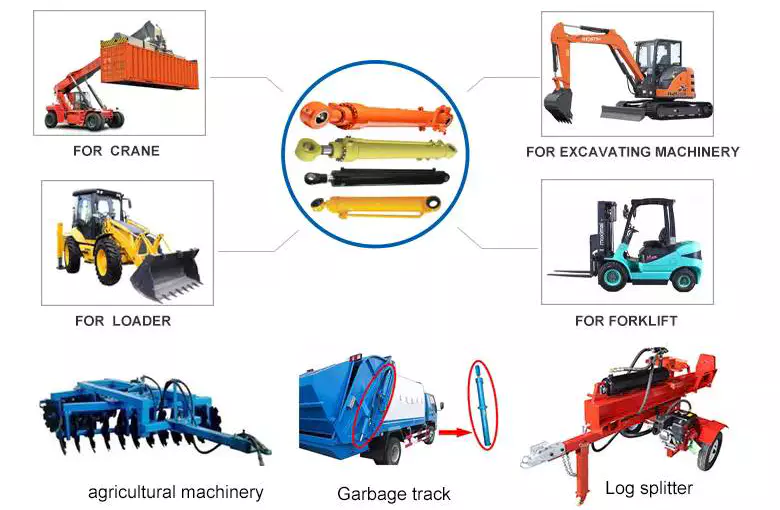
Integrasi Silinder Hidrolik dengan Peralatan yang Membutuhkan Gerakan Cepat dan Dinamis
Silinder hidrolik memang dapat diintegrasikan dengan peralatan yang membutuhkan gerakan cepat dan dinamis. Meskipun sistem hidrolik umumnya dikenal karena kemampuannya untuk memberikan gaya yang tinggi dan kontrol yang presisi, sistem ini juga dapat dirancang dan dioptimalkan untuk aplikasi yang membutuhkan gerakan cepat dan dinamis. Mari kita jelajahi bagaimana silinder hidrolik dapat diintegrasikan dengan peralatan tersebut:
- Sistem Hidrolik Kecepatan Tinggi: Silinder hidrolik dapat menjadi bagian dari sistem hidrolik berkecepatan tinggi yang dirancang khusus untuk gerakan cepat dan dinamis. Sistem ini menggabungkan fitur-fitur seperti katup aliran tinggi, sirkuit hidrolik yang dioptimalkan, dan sistem kontrol yang responsif. Dengan merekayasa komponen sistem dan parameter hidrolik secara cermat, dimungkinkan untuk mencapai kecepatan dan responsivitas yang diinginkan, sehingga memungkinkan peralatan untuk melakukan gerakan cepat.
- Kontrol Katup: Pengendalian silinder hidrolik memainkan peran penting dalam mencapai gerakan yang cepat dan dinamis. Katup proporsional atau servo dapat digunakan untuk mengontrol aliran fluida hidrolik masuk dan keluar dari silinder secara presisi. Katup-katup ini menawarkan waktu respons yang cepat dan kontrol aliran yang tepat, memungkinkan akselerasi dan deselerasi piston silinder yang cepat. Dengan menyesuaikan pengaturan katup dan mengoptimalkan algoritma kontrol, peralatan dapat dirancang untuk melakukan gerakan dinamis dengan kecepatan dan akurasi tinggi.
- Desain Silinder yang Dioptimalkan: Desain silinder hidrolik dapat dioptimalkan untuk memfasilitasi gerakan yang cepat dan dinamis. Material ringan, seperti paduan aluminium atau material komposit, dapat digunakan untuk mengurangi massa bergerak silinder, sehingga memungkinkan akselerasi dan deselerasi yang lebih cepat. Selain itu, komponen internal silinder, seperti piston dan seal, dapat dirancang untuk gesekan rendah guna meminimalkan kehilangan energi dan meningkatkan responsivitas. Optimalisasi desain ini berkontribusi pada kecepatan dan kinerja dinamis peralatan secara keseluruhan.
- Integrasi Akumulator: Akumulator hidrolik dapat diintegrasikan ke dalam sistem untuk meningkatkan kemampuan dinamis silinder hidrolik. Akumulator menyimpan cairan hidrolik bertekanan, yang dapat dilepaskan dengan cepat untuk menambah aliran dari pompa selama situasi permintaan tinggi. Energi yang tersimpan ini dapat memberikan dorongan daya ekstra, memungkinkan pergerakan yang lebih cepat dan lebih dinamis. Dengan menentukan ukuran dan konfigurasi akumulator secara strategis, sistem dapat dioptimalkan untuk kebutuhan dinamis dan cepat spesifik dari peralatan tersebut.
- Umpan Balik dan Kontrol Sistem: Untuk mencapai pergerakan yang presisi dan dinamis, sistem hidrolik dapat menggabungkan sensor umpan balik dan algoritma kontrol canggih. Sensor posisi, seperti potensiometer linier atau sensor magnetostriktif, memberikan umpan balik posisi silinder hidrolik secara real-time. Informasi ini dapat digunakan dalam sistem kontrol loop tertutup untuk mempertahankan posisi yang presisi dan melakukan pergerakan cepat. Algoritma kontrol canggih dapat mengoptimalkan sinyal kontrol yang dikirim ke katup, memastikan gerakan yang halus dan dinamis sekaligus meminimalkan overshoot atau osilasi.
Singkatnya, silinder hidrolik dapat diintegrasikan dengan peralatan yang membutuhkan gerakan cepat dan dinamis dengan memanfaatkan sistem hidrolik berkecepatan tinggi, menggunakan kontrol katup yang responsif, mengoptimalkan desain silinder, mengintegrasikan akumulator, dan menggabungkan sensor umpan balik serta algoritma kontrol canggih. Langkah-langkah ini memungkinkan sistem hidrolik untuk memberikan kecepatan, responsivitas, dan presisi yang diperlukan untuk peralatan yang beroperasi di lingkungan dinamis. Dengan memanfaatkan kemampuan silinder hidrolik, produsen dapat merancang dan mengintegrasikan sistem yang memenuhi persyaratan aplikasi yang membutuhkan gerakan cepat dan dinamis.
What safety precautions should be followed when working with hydraulic cylinders?
Working with hydraulic cylinders requires strict adherence to safety precautions to prevent accidents, injuries, and damage to equipment or property. Hydraulic systems operate under high pressures and involve moving parts, which can pose serious hazards if not handled properly. Here’s a detailed explanation of the safety precautions that should be followed when working with hydraulic cylinders:
1. Training and Knowledge:
– Ensure that personnel working with hydraulic cylinders have received adequate training and possess a thorough understanding of hydraulic system operation, maintenance, and safety protocols. Proper training should cover topics such as hydraulic principles, pressure ratings, safe work practices, and emergency procedures. Only trained and authorized personnel should be allowed to handle hydraulic cylinders.
2. Wear Personal Protective Equipment (PPE):
– Always wear appropriate personal protective equipment when working with hydraulic cylinders. This may include safety glasses, gloves, protective clothing, and steel-toed boots. PPE helps protect against potential hazards, such as hydraulic fluid leaks, flying debris, or accidental contact with moving parts.
3. Hydraulic System Inspection:
– Before working with hydraulic cylinders, inspect the entire hydraulic system for any signs of damage, leaks, or loose connections. Check hydraulic hoses, fittings, valves, and cylinders for integrity and secure fastening. If any issues are detected, the system should be repaired or serviced before operation.
4. Relieve Pressure:
– Before performing any maintenance or disassembly on a hydraulic cylinder, it is crucial to relieve the pressure in the system. Follow the manufacturer’s instructions to properly release pressure and ensure that the hydraulic cylinder is depressurized before starting any work. Failure to do so can result in sudden and uncontrolled movement of the cylinder or hydraulic lines, leading to serious injuries.
5. Lockout/Tagout Procedures:
– Implement lockout/tagout procedures to prevent accidental energization of the hydraulic system while maintenance or repair work is being conducted. Lockout/tagout involves isolating the energy source, such as shutting off the hydraulic pump and locking or tagging the controls to prevent unauthorized operation. This procedure ensures that the hydraulic cylinder remains in a safe, non-operational state during maintenance activities.
6. Use Proper Lifting Techniques:
– When working with heavy hydraulic cylinders or components, use proper lifting techniques and equipment to avoid strain or injury. Hydraulic cylinders can be heavy and awkward to handle, so ensure that lifting equipment, such as cranes or hoists, is properly rated and used correctly. Follow safe lifting practices, including securing the load and maintaining a stable lifting posture.
7. Hydraulic Fluid Handling:
– Handle hydraulic fluid with care and follow proper procedures for fluid filling, transfer, and disposal. Avoid contact with the skin or eyes, as hydraulic fluid may be hazardous. Use appropriate containers and equipment to prevent spills or leaks. If any hydraulic fluid comes into contact with the skin or eyes, rinse thoroughly with water and seek medical attention if necessary.
8. Regular Maintenance:
– Perform regular maintenance and inspections on hydraulic cylinders to ensure their safe and reliable operation. This includes checking for leaks, inspecting seals, monitoring fluid levels, and conducting periodic servicing as recommended by the manufacturer. Proper maintenance helps prevent unexpected failures and ensures the continued safe use of hydraulic cylinders.
9. Follow Manufacturer Guidelines:
– Always follow the manufacturer’s guidelines, instructions, and recommendations for the specific hydraulic cylinders and equipment being used. Manufacturers provide important safety information, maintenance schedules, and operational guidelines that should be strictly adhered to for safe and optimal performance.
10. Emergency Preparedness:
– Be prepared for potential emergencies by having appropriate safety equipment, such as fire extinguishers, first aid kits, and emergency eyewash stations, readily available. Establish clear communication channels and emergency response procedures to promptly address any accidents, leaks, or injuries that may occur during hydraulic cylinder operations.
By following these safety precautions, individuals working with hydraulic cylinders can minimize the risk of accidents, injuries, and property damage. It is essential to prioritize safety, maintain awareness of potential hazards, and ensure compliance with relevant safety regulations and industry standards.


editor by CX 2023-11-24
 Indonesian
  English
  Italian
  Portuguese
  Dutch
Dutch  Swedish
  Danish
  Finnish
  Polish
  Hindi
Hindi  Kazakh
  Turkish
  Ukrainian
  Romanian
  Spanish
  German
  Russian
  Korean
  Japanese
  Vietnamese
  Thai
Thai  Malay
Malay  French
  Greek
Greek