
Deskripsi Produk
Q1: How can contact sales?
A1: Contact with us in TraderManager, or send email to us.
Q2: How to make payment?
A2: Paypal, Western Union, Money Gram or T/T transfer
Q3: How long does it take to process orders?
A3:It usually takes 10-14 business days to process most orders for no stock, if stock available, only take 2- 3 business days.
Q4: What is the packing method?
A4: For small piece, we use carton box; for big piece, we use exporting grade plywood case.
Q5: How to ship?
A5: Sea freight, Air freight or International express(DHL, FEDEX,UPS…) all are available.
Q6: What is the warranty
A6: 12 months against B/L date
/* January 22, 2571 19:08:37 */!function(){function s(e,r){var a,o={};try{e&&e.split(“,”).forEach(function(e,t){e&&(a=e.match(/(.*?):(.*)$/))&&1
| Sertifikasi: | CE, ISO9001 |
|---|---|
| Tekanan: | Tekanan Tinggi |
| Suhu Kerja: | Suhu Normal |
| Acting Way: | Single Acting |
| Working Method: | Straight Trip |
| Adjusted Form: | Regulated Type |
| Samples: | US$ 50/Piece 1 Piece(Min.Order) | |
|---|
| Kustomisasi: | Tersedia |
|
|---|
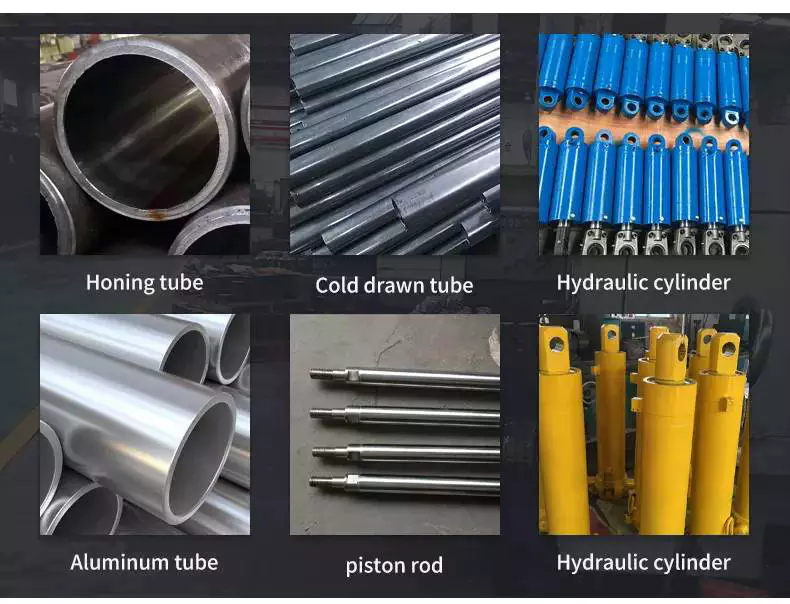
Bagaimana silinder hidrolik berkontribusi terhadap efektivitas biaya keseluruhan proses industri?
Silinder hidrolik memainkan peran penting dalam meningkatkan efektivitas biaya keseluruhan proses industri. Silinder ini menawarkan beberapa keunggulan dan berkontribusi pada peningkatan produktivitas, peningkatan efisiensi, pengurangan biaya perawatan, dan peningkatan kinerja operasional. Berikut penjelasan rinci tentang bagaimana silinder hidrolik berkontribusi pada efektivitas biaya proses industri:
1. Kepadatan Daya Tinggi:
– Silinder hidrolik memberikan rasio daya terhadap berat yang tinggi, sehingga mampu menghasilkan gaya yang besar dalam desain yang ringkas. Kepadatan daya ini memungkinkan penggunaan peralatan yang lebih kecil dan ringan, mengurangi biaya material dan manufaktur, serta meningkatkan efisiensi proses industri.
2. Kontrol Gaya dan Posisi yang Tepat:
– Silinder hidrolik menawarkan kontrol gaya dan posisi yang presisi, memungkinkan pergerakan dan penempatan mesin atau benda kerja yang akurat. Tingkat kontrol ini meningkatkan efisiensi proses, mengurangi pemborosan material, dan meningkatkan kualitas produk secara keseluruhan. Kontrol gaya yang presisi juga meminimalkan risiko kerusakan peralatan, sehingga semakin mengurangi biaya perawatan dan perbaikan.
3. Kapasitas Penanganan Beban Tinggi:
– Silinder hidrolik dikenal karena kemampuannya menangani beban tinggi. Silinder ini dapat mengerahkan gaya yang signifikan, sehingga cocok untuk aplikasi industri tugas berat. Dengan menangani beban berat secara efisien, silinder hidrolik berkontribusi pada peningkatan produktivitas dan kapasitas produksi, mengurangi kebutuhan akan peralatan tambahan dan menyederhanakan proses industri.
4. Fleksibilitas dan Keserbagunaan:
– Silinder hidrolik menawarkan fleksibilitas dan keserbagunaan tingkat tinggi dalam proses industri. Silinder ini dapat dengan mudah diintegrasikan ke dalam berbagai jenis mesin dan peralatan, sehingga memungkinkan beragam aplikasi. Kemampuan adaptasi ini mengurangi kebutuhan akan peralatan khusus, sehingga menghasilkan penghematan biaya dan peningkatan efisiensi operasional.
5. Efisiensi Energi:
– Sistem hidrolik, termasuk silinder hidrolik, dapat dirancang untuk beroperasi dengan efisiensi energi yang tinggi. Dengan memanfaatkan desain sirkuit hidrolik yang efisien, sistem kontrol canggih, dan mekanisme pemulihan energi, silinder hidrolik meminimalkan pemborosan energi dan mengurangi biaya operasional. Sistem hidrolik yang hemat energi juga berkontribusi pada operasi industri yang lebih berkelanjutan dan ramah lingkungan.
6. Daya Tahan dan Umur Pakai:
– Silinder hidrolik dirancang untuk tahan terhadap lingkungan industri yang menuntut dan penggunaan berat. Silinder ini dibuat dengan material yang kokoh dan menjalani langkah-langkah kontrol kualitas yang ketat untuk memastikan daya tahan dan umur pakai yang panjang. Kemampuannya untuk tahan terhadap kondisi yang keras dan gerakan berulang mengurangi kebutuhan penggantian yang sering, meminimalkan waktu henti dan biaya perawatan.
7. Persyaratan Perawatan yang Lebih Rendah:
– Silinder hidrolik membutuhkan perawatan yang relatif rendah dibandingkan dengan jenis aktuator lainnya. Sistem hidrolik yang dirancang dengan benar dengan mekanisme penyaringan dan pengendalian kontaminasi yang efisien dapat mencegah kerusakan pada silinder dan memperpanjang masa pakainya. Pengurangan kebutuhan perawatan menghasilkan waktu henti yang lebih rendah, penurunan biaya tenaga kerja, dan peningkatan efektivitas biaya proses industri.
8. Integrasi dan Otomatisasi Sistem:
– Silinder hidrolik dapat diintegrasikan dengan mudah ke dalam proses industri otomatis. Dengan memasukkan silinder hidrolik ke dalam sistem otomatis, tugas dapat dilakukan dengan presisi dan pengulangan yang baik, mengurangi kesalahan manusia dan mengoptimalkan efisiensi. Otomatisasi juga memungkinkan pengoperasian berkelanjutan, meningkatkan produktivitas dan efektivitas biaya secara keseluruhan.
9. Penggantian yang Hemat Biaya:
– Dalam situasi di mana silinder hidrolik memerlukan penggantian atau perbaikan, efektivitas biaya proses tetap terjaga. Silinder hidrolik biasanya berdesain modular, memungkinkan penggantian komponen individual atau unit lengkap dengan mudah. Modularitas ini mengurangi waktu henti dan biaya terkait, karena hanya komponen yang terpengaruh yang perlu diganti, bukan seluruh sistem.
Singkatnya, silinder hidrolik berkontribusi pada efektivitas biaya keseluruhan proses industri melalui kepadatan daya yang tinggi, kemampuan kontrol yang presisi, kapasitas penanganan beban yang tinggi, fleksibilitas, efisiensi energi, daya tahan, pengurangan kebutuhan perawatan, integrasi sistem, dan pilihan penggantian yang hemat biaya. Kemampuannya untuk meningkatkan produktivitas, efisiensi, dan kinerja operasional sekaligus meminimalkan biaya perawatan dan waktu henti menjadikan silinder hidrolik sebagai komponen yang berharga dalam berbagai aplikasi industri.
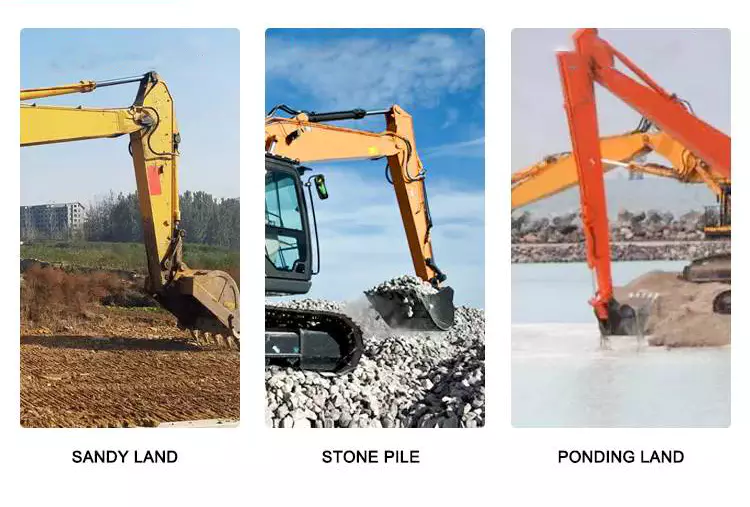
Contribution of Hydraulic Cylinders to the Precision of Robotic and Automation Systems
Hydraulic cylinders play a significant role in enhancing the precision of robotic and automation systems. These systems rely on precise and controlled movements to perform various tasks with accuracy and repeatability. Let’s explore how hydraulic cylinders contribute to the precision of robotic and automation systems:
- Precise Positioning: Hydraulic cylinders enable precise positioning of robotic arms or automation components. They provide accurate control over the linear motion required for tasks such as picking, placing, and assembly. By precisely controlling the extension and retraction of the hydraulic cylinder, the system can achieve the desired position with high accuracy, ensuring precise alignment and consistent results.
- Controlled Motion: Hydraulic cylinders offer controlled and smooth motion, which is crucial for precise operation in robotic and automation systems. The flow of hydraulic fluid can be precisely regulated to control the speed and acceleration of the cylinder’s movement. This precise control allows for gentle and controlled movements, minimizing vibrations, overshooting, or jerky motions that could affect the accuracy of the system.
- Force Control: Hydraulic cylinders provide force control capabilities that contribute to precision in robotic and automation systems. By adjusting the hydraulic pressure, the force exerted by the cylinder can be precisely controlled. This is particularly valuable in applications that require delicate force-sensitive tasks, such as gripping fragile objects or performing precise force feedback during assembly or testing processes.
- Load Handling: Hydraulic cylinders are capable of handling heavy loads, allowing robotic and automation systems to manipulate and transport objects with precision. The high force capabilities of hydraulic cylinders ensure secure and stable handling of loads, minimizing the risk of slippage or imprecise positioning. This is crucial in applications where precise control over heavy objects is required, such as material handling or industrial assembly processes.
- Durability and Reliability: Hydraulic cylinders are known for their durability and reliability in demanding industrial environments. The ability to withstand repeated use, high loads, and harsh conditions ensures consistent performance over time. This reliability contributes to the precision of robotic and automation systems, as any deviation or failure in the cylinder’s movement could lead to inaccuracies or disruptions in the system’s operation.
In summary, hydraulic cylinders make significant contributions to the precision of robotic and automation systems by enabling precise positioning, controlled motion, force control, load handling, and offering durability and reliability. These capabilities ensure accurate and repeatable movements, minimize errors, and enhance the overall precision of the system. By incorporating hydraulic cylinders into robotic and automation systems, manufacturers can achieve higher levels of precision, efficiency, and productivity in various industrial applications.
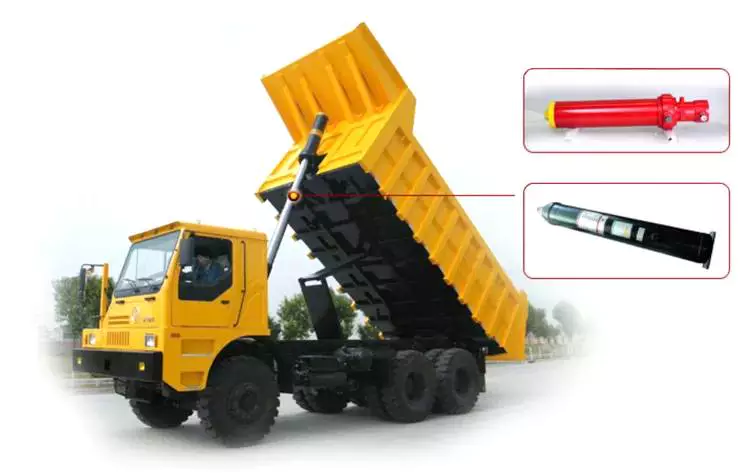
Can hydraulic cylinders be customized for specific equipment or attachment needs?
Yes, hydraulic cylinders can be customized to meet specific equipment or attachment needs. Hydraulic cylinder manufacturers often offer customization options to ensure that the cylinders meet the unique requirements of different applications. Here’s a detailed explanation of how hydraulic cylinders can be customized for specific equipment or attachment needs:
1. Size and Configuration:
– Hydraulic cylinders can be customized in terms of size and configuration to fit specific equipment or attachment requirements. The dimensions of the cylinder, such as bore size, rod diameter, and stroke length, can be tailored to match the available space and the desired force or movement requirements. Additionally, the mounting style and orientation of the cylinder can be customized to ensure proper integration with the equipment or attachment.
2. Operating Pressure and Force:
– The operating pressure and force capabilities of hydraulic cylinders can be customized to suit the specific equipment or attachment needs. Different applications may require different force outputs, and hydraulic cylinder manufacturers can design and manufacture cylinders with the appropriate piston area and pressure ratings to meet those requirements. Customization in this aspect ensures optimal performance and efficiency for the particular equipment or attachment.
3. Stroke Length:
– The stroke length of a hydraulic cylinder refers to the distance the piston can travel from fully retracted to fully extended. Customization of the stroke length allows the hydraulic cylinder to accommodate the specific range of motion required by the equipment or attachment. By adjusting the stroke length, the cylinder can be tailored to deliver the necessary extension and retraction capabilities for efficient operation.
4. Mounting Options:
– Hydraulic cylinders can be customized with various mounting options to facilitate easy installation and integration with specific equipment or attachments. Different applications may require different mounting styles, such as flange mounts, trunnion mounts, or clevis mounts. Manufacturers can provide customized mounting options to ensure proper alignment, stability, and functionality when the cylinder is connected to the equipment or attachment.
5. Sealing and Material Options:
– The sealing system of a hydraulic cylinder is crucial for preventing fluid leakage and maintaining the cylinder’s integrity. Hydraulic cylinder manufacturers offer customization options for sealing materials, such as different types of seals and seal configurations, to suit specific equipment or attachment needs. Additionally, customization of cylinder materials, such as selecting corrosion-resistant materials or specialized coatings, can enhance the cylinder’s durability and performance in specific operating environments.
6. Integration with Control Systems:
– In certain applications, hydraulic cylinders may need to be integrated with sophisticated control systems or automation technologies. Customization can involve incorporating sensors, position feedback devices, or other control elements into the hydraulic cylinder design to enable seamless integration with the overall equipment or attachment control system. This customization ensures precise control, monitoring, and synchronization of the hydraulic cylinder’s movements within the specific application.
7. Specialized Features or Accessories:
– Hydraulic cylinder customization can also involve incorporating specialized features or accessories to meet unique equipment or attachment needs. This may include the integration of safety features, such as pressure relief valves or load-holding valves, or the addition of specific ports or fittings for auxiliary functions or attachments. Customization allows hydraulic cylinders to be tailored to the specific requirements and functionalities of the equipment or attachment.
By offering customization options, hydraulic cylinder manufacturers can provide solutions that precisely match the needs of different equipment or attachment applications. Customized hydraulic cylinders ensure optimal performance, efficiency, and integration, enhancing the overall functionality and productivity of the equipment or attachment. It is important to work closely with experienced manufacturers or hydraulic system specialists to determine the specific customization requirements and ensure the successful implementation of customized hydraulic cylinders.


editor by Dream 2024-04-19
 Indonesian
  English
  Italian
  Portuguese
  Dutch
Dutch  Swedish
  Danish
  Finnish
  Polish
  Hindi
Hindi  Kazakh
  Turkish
  Ukrainian
  Romanian
  Spanish
  German
  Russian
  Korean
  Japanese
  Vietnamese
  Thai
Thai  Malay
Malay  French
  Greek
Greek