
Deskripsi Produk
Basic Info.
| Quality Check | 100% Testing Before Shipping |
| Power | Hydraulic |
| Ukuran Lubang | Customizable |
| Panjang Langkah | Customizable |
| Transport Package | Poly Wood Box/ Pallet |
| Trademark | CHANGYU |
| Specification | Customizable |
| Oil Port | NPT/SAE/BSPP/Customizable |
| Origin | China, ZheJiang |
| Production Capacity | 20000PCS/year |
Deskripsi Produk
Detailed Photos
About us
Established in 1984, now HangZhou CHINAMFG Hydraulic Cylinder Co.,Ltd. (hereinafter abbreviated to the CHANGYU) was built in 2003 by restructuring on the base of the predecessor opened in 1984. The Company is a domestic key manufacturer involved into hydraulic cylinder and also a major unit authorized to draft the national industrial standard about hydraulic cylinder. The factory of the Company has a floor area of 140,000m2 which includes a production area about 100,000m2. The Company has a staff team about 150 people. The Company has 2 wholly-owned subsidiaries: HangZhou Changyu Construction Machinery Hydraulic Cylinder Co., Lt. and ZheJiang Changyu Lihua Hydraulic Systems Engineering Design Co., Ltd. The Company had been ISO9001, ISO14001 and OHSAS18001 listed. Specialized in hydraulic cylinders for more than 40 years. Changcheng hydraulic group. Is a leader in the engineering design and manufacture. Also a main member of drawing National Hydraulic Cylinder Standard.
The company has its own intellectual property rights product development organization. Specialized in hydraulic systems, non-standard equipment development and design, but also has a lot of top technicians! Specializing in the development of hydraulic systems, hydraulic cylinders and non-standard equipment. The company has developed a lot of high-end manufacturing equipment in recent years, and has obtained a number of national patents. At the same time, “Changyu brand” hydraulic cylinder series products.
Certifications
Enterprise Features
Packaging & Shipping
FAQ
Q1.What is CHANGYU Product’s quality assurance?
100% inspection for each product before shipping with inspection rereport for tracking.
Q2.How long is the warranty on CHANGYU products?
The warranty is 1 year for general products since the date of shipment.
Q3.How to ensure the order can be shipped on time?
Discuss the delivery date with the customer in advance, and communicate with the customer in time. By the way, if have anyproblems we will contect with customers, and give a solution on time.
Q4.Does CHANGYU offer delivery service?
Yes, we has cooperation with express company to provide customers with quick and convenient.
Q5. How CHANGYU control the product quality?
1.Raw materials:We have perennial cooperation with raw material suppliers are CHINAMFG manufacturers in our country, as well as strict control of raw materials, and the supplier will attach material quality documents.
2.Processing: We have the leading machining equipment, and obtained ISO9001 certification.
3.Heat treatment:We have a professional processing and heat treatment team to ensure the quality of the cylinder.
4.Plating:We have a professional electroplating team to ensure the corrosion resistance of the cylinder and ensure the service life of the cylinder.
5.Assembly pressure test: 100% testing and given the report.
/* March 10, 2571 17:59:20 */!function(){function s(e,r){var a,o={};try{e&&e.split(“,”).forEach(function(e,t){e&&(a=e.match(/(.*?):(.*)$/))&&1
| Sertifikasi: | ISO9001 |
|---|---|
| Tekanan: | Customized (4MPa-40MPa) |
| Suhu Kerja: | Suhu Normal |
| Acting Way: | Double Acting |
| Working Method: | Straight Trip |
| Adjusted Form: | Regulated Type |
| Kustomisasi: | Tersedia |
|
|---|
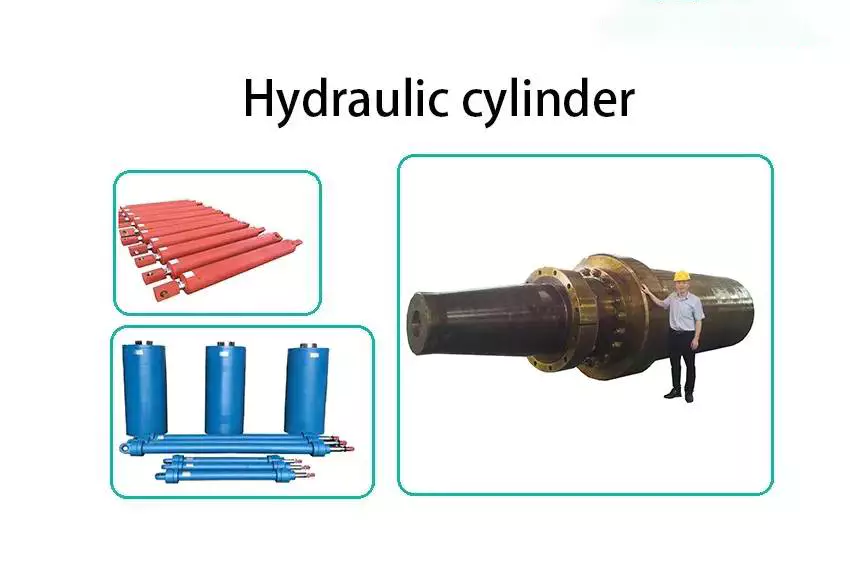
Can hydraulic cylinders be used for precise operations like CNC machining or molding?
Yes, hydraulic cylinders can be used for precise operations like CNC machining or molding. While hydraulic systems are commonly associated with heavy-duty applications, they can also provide the necessary precision and control required for precise operations in CNC machining and molding processes. Here’s a detailed explanation of how hydraulic cylinders can be utilized for such precise operations:
1. Force and Control:
– Hydraulic cylinders are capable of generating substantial force, which is essential for precise operations in CNC machining and molding. By using hydraulic pressure, the cylinders can deliver the required force to cut or shape materials accurately or exert pressure for molding operations. The hydraulic system allows precise control over the force applied, ensuring consistent and reliable performance.
2. Adjustable Speed and Positioning:
– Hydraulic cylinders offer adjustable speed and precise positioning capabilities, making them suitable for precise operations. By controlling the flow of hydraulic fluid, the speed of the cylinder’s movement can be adjusted according to specific requirements. This adaptability allows for fine-tuning the machining or molding process, achieving the desired precision in material removal or shaping. Hydraulic systems also enable accurate positioning of tools or molds, ensuring precise operations.
3. Integrated Feedback Systems:
– Advanced hydraulic systems can incorporate feedback sensors and control mechanisms to enhance precision in CNC machining and molding. These sensors provide real-time information about the position, speed, and force exerted by the hydraulic cylinders. The control system processes this data and adjusts the flow of hydraulic fluid accordingly, allowing for precise and accurate control over the operations. The feedback systems help maintain consistent performance and compensate for any deviations, ensuring high precision.
4. Damping and Vibration Control:
– Hydraulic cylinders can be equipped with damping mechanisms to minimize vibrations and ensure stability during CNC machining or molding operations. Vibrations can negatively impact precision by causing tool chatter or material deformation. By incorporating cushioning or damping features, hydraulic cylinders help absorb shocks and suppress vibrations, resulting in smoother and more accurate operations.
5. Customization and Adaptability:
– Hydraulic cylinders can be customized and adapted to meet the specific requirements of CNC machining or molding processes. Engineers can design cylinders with unique dimensions, stroke lengths, mounting options, and sealing arrangements to fit into equipment or systems with precise specifications. Customized hydraulic cylinders ensure optimal performance and compatibility for precise operations, enabling seamless integration into CNC machines or molding equipment.
6. Energy Efficiency:
– Hydraulic systems can be designed to be energy-efficient, contributing to cost savings in CNC machining or molding operations. By utilizing variable speed pumps, efficient control valves, and well-designed hydraulic circuits, energy consumption can be optimized. This efficiency reduces heat generation, leading to improved stability and precision in operations while minimizing energy costs.
7. Maintenance and Calibration:
– Regular maintenance and calibration of hydraulic systems are essential to maintain their precision in CNC machining or molding applications. Proper lubrication, inspection of seals, and replacement of worn-out components help ensure optimal performance. Regular calibration of control systems and feedback sensors ensures accurate readings and reliable operation, contributing to precision in machining or molding processes.
In summary, hydraulic cylinders can be effectively used for precise operations like CNC machining or molding. Their ability to generate substantial force, adjustable speed and positioning, integration with feedback systems, damping and vibration control, customization and adaptability, energy efficiency, and proper maintenance contribute to achieving the required precision in these operations. By leveraging the strengths of hydraulic systems, manufacturers can enhance the accuracy and reliability of CNC machining or molding processes, resulting in high-quality products and improved productivity.
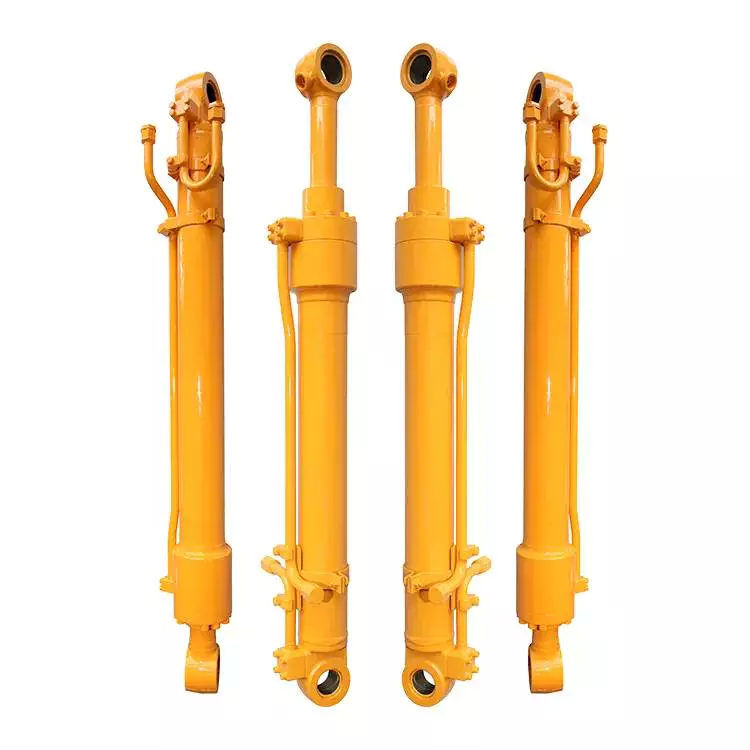
Pemanfaatan Silinder Hidrolik Bersama dengan Sumber Energi Alternatif
Silinder hidrolik memang dapat digunakan bersamaan dengan sumber energi alternatif. Sifat sistem hidrolik yang serbaguna memungkinkan integrasinya dengan berbagai teknologi energi alternatif untuk meningkatkan efisiensi, kontrol, dan pembangkitan daya. Mari kita jelajahi beberapa contoh bagaimana silinder hidrolik dapat dimanfaatkan bersamaan dengan sumber energi alternatif:
- Penyimpanan Energi Hidraulik: Silinder hidrolik dapat digunakan dalam sistem penyimpanan energi yang memanfaatkan sumber energi alternatif seperti sumber terbarukan (misalnya, tenaga surya atau angin) atau pemulihan energi limbah. Sistem ini mengubah energi berlebih menjadi energi potensial hidrolik dengan memompa fluida ke dalam akumulator bertekanan tinggi. Ketika energi dibutuhkan, fluida bertekanan dilepaskan, menggerakkan silinder hidrolik dan menghasilkan daya mekanik.
- Konversi Energi Gelombang dan Pasang Surut: Silinder hidrolik dapat dimanfaatkan dalam sistem konversi energi gelombang dan pasang surut. Sistem ini memanfaatkan kekuatan gelombang laut atau arus pasang surut dan mengubahnya menjadi energi yang dapat digunakan. Silinder hidrolik, bersama dengan pompa dan katup terkait, dapat digunakan untuk menangkap dan mengendalikan energi dari gelombang atau pasang surut, menggerakkan silinder dan menghasilkan tenaga mekanik atau menghasilkan listrik.
- Pembangkit Listrik Tenaga Air: Silinder hidrolik memainkan peran penting dalam pembangkit listrik tenaga air tradisional. Namun, pendekatan alternatif seperti sistem tenaga air skala kecil atau mikro juga dapat memanfaatkan silinder hidrolik. Sistem ini menggunakan aliran air alami atau buatan untuk menggerakkan turbin yang terhubung ke silinder hidrolik, yang kemudian mengubah energi hidrolik menjadi tenaga mekanik atau listrik.
- Penggerak Hidraulik pada Turbin Angin: Silinder hidrolik dapat digunakan pada turbin angin untuk meningkatkan kinerja dan kontrol. Misalnya, sistem kontrol pitch hidrolik menggunakan silinder hidrolik untuk menyesuaikan sudut pitch bilah turbin angin, mengoptimalkan kinerja aerodinamisnya berdasarkan kondisi angin. Hal ini memungkinkan pembangkitan daya yang efisien dan perlindungan terhadap beban angin yang berlebihan.
- Ekstraksi Energi Panas Bumi: Ekstraksi energi panas bumi melibatkan pemanfaatan panas alami dari interior Bumi untuk menghasilkan tenaga. Silinder hidrolik dapat digunakan dalam sistem panas bumi untuk mengontrol dan mengatur aliran fluida, memungkinkan ekstraksi dan pemanfaatan energi panas bumi yang efisien. Silinder hidrolik juga dapat digunakan dalam pompa panas bumi untuk aplikasi pemanasan dan pendinginan.
Singkatnya, silinder hidrolik dapat dimanfaatkan secara efektif bersama dengan sumber energi alternatif untuk meningkatkan penyimpanan energi, pembangkitan daya, dan pengendalian. Baik itu melalui sistem penyimpanan energi hidrolik, konversi energi gelombang dan pasang surut, pembangkitan tenaga listrik tenaga air, aktuasi hidrolik pada turbin angin, atau ekstraksi energi panas bumi, silinder hidrolik menawarkan solusi serbaguna dan efisien untuk memanfaatkan dan menggunakan sumber energi alternatif.

How do hydraulic cylinders generate force and motion using hydraulic fluid?
Hydraulic cylinders generate force and motion by utilizing the principles of fluid mechanics, specifically Pascal’s law, in conjunction with the properties of hydraulic fluid. The process involves the conversion of hydraulic energy into mechanical force and linear motion. Here’s a detailed explanation of how hydraulic cylinders achieve this:
1. Pascal’s Law:
– Hydraulic cylinders operate based on Pascal’s law, which states that when pressure is applied to a fluid in a confined space, it is transmitted equally in all directions. In the context of hydraulic cylinders, this means that when hydraulic fluid is pressurized, the force is evenly distributed throughout the fluid and transmitted to all surfaces in contact with the fluid.
2. Hydraulic Fluid and Pressure:
– Hydraulic systems use a specialized fluid, typically hydraulic oil, as the working medium. This fluid is stored in a reservoir and circulated through the system by a hydraulic pump. The pump pressurizes the fluid, creating hydraulic pressure that can be controlled and directed to various components, including hydraulic cylinders.
3. Cylinder Design and Components:
– Hydraulic cylinders consist of several key components, including a cylindrical barrel, a piston, a piston rod, and various seals. The barrel is a hollow tube that houses the piston and allows for fluid flow. The piston divides the cylinder into two chambers: the rod side and the cap side. The piston rod extends from the piston and provides a connection point for external loads. Seals are used to prevent fluid leakage and maintain hydraulic pressure within the cylinder.
4. Fluid Input and Motion:
– To generate force and motion, hydraulic fluid is directed into one side of the cylinder, creating pressure on the corresponding surface of the piston. This pressure is transmitted through the fluid to the other side of the piston.
5. Force Generation:
– The force generated by a hydraulic cylinder is a result of the pressure applied to a specific surface area of the piston. The force exerted by the hydraulic cylinder can be calculated using the formula: Force = Pressure × Area. The area is determined by the diameter of the piston or the piston rod, depending on which side of the cylinder the fluid is acting upon.
6. Linear Motion:
– As the pressurized hydraulic fluid acts on the piston, it generates a force that moves the piston in a linear direction within the cylinder. This linear motion is transferred to the piston rod, which extends or retracts accordingly. The piston rod can be connected to external components or machinery, allowing the generated force to perform various tasks, such as lifting, pushing, pulling, or controlling mechanisms.
7. Control and Regulation:
– The force and motion generated by hydraulic cylinders can be controlled and regulated by adjusting the flow of hydraulic fluid into the cylinder. By regulating the flow rate, pressure, and direction of the fluid, the speed, force, and direction of the cylinder’s movement can be precisely controlled. This control allows for accurate positioning, smooth operation, and synchronization of multiple cylinders in complex machinery.
8. Return and Recirculation of Fluid:
– After the hydraulic cylinder completes its stroke, the hydraulic fluid on the opposite side of the piston needs to be returned to the reservoir. This is typically achieved through hydraulic valves that control the flow direction, allowing the fluid to return and be recirculated in the system for further use.
In summary, hydraulic cylinders generate force and motion by utilizing the principles of Pascal’s law. Pressurized hydraulic fluid acts on the piston, creating force that moves the piston in a linear direction. This linear motion is transferred to the piston rod, allowing the generated force to perform various tasks. By controlling the flow of hydraulic fluid, the force and motion of hydraulic cylinders can be precisely regulated, contributing to their versatility and wide range of applications in machinery.


editor by CX 2024-02-05
 Indonesian
  English
  Italian
  Portuguese
  Dutch
Dutch  Swedish
  Danish
  Finnish
  Polish
  Hindi
Hindi  Kazakh
  Turkish
  Ukrainian
  Romanian
  Spanish
  German
  Russian
  Korean
  Japanese
  Vietnamese
  Thai
Thai  Malay
Malay  French
  Greek
Greek