
Deskripsi Produk
Deskripsi Produk
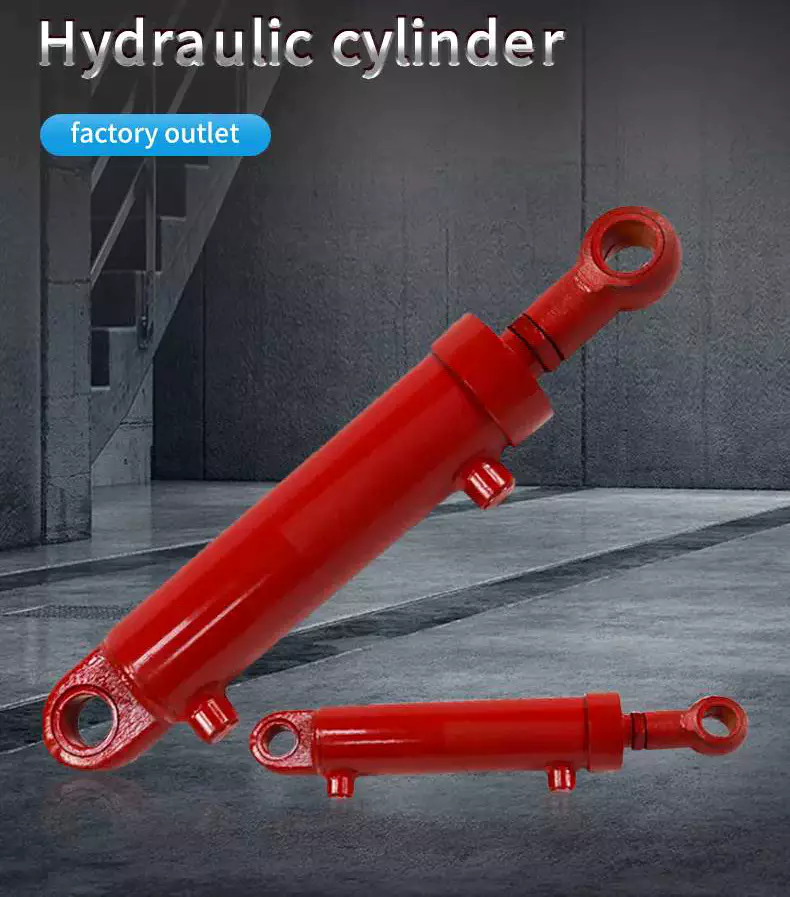
Nama Produk | Silinder Hidrolik Seri HSG | |||
Pers Kerja | 7/14/16/21/31.5MPa 37.5/63MPa Dapat Disesuaikan | |||
Bahan | Aluminium, Besi Cor, Baja 45mnb, Baja Tahan Karat | |||
Ukuran Lubang | 40mm–320mm, Dapat disesuaikan | |||
Diameter Poros | 20mm–220mm, Dapat Disesuaikan | |||
Panjang Langkah | 30mm–14100mm, Dapat Disesuaikan | |||
Kekerasan Permukaan Batang | HRC48-54 | |||
Warna Cat | Hitam, Kuning, Biru, Cokelat, Dapat Disesuaikan | |||
Pemasangan | Anting, Flange, Clevis, Kaki, Trunnion, Dapat Disesuaikan | |||
Garansi | 1 Tahun | |||
MOQ | 1 buah | |||
Waktu Pengiriman | 7-15 Hari, juga tergantung pada permintaan khusus. | |||
Sertifikasi | ISO9001, CE | |||
Profil Perusahaan
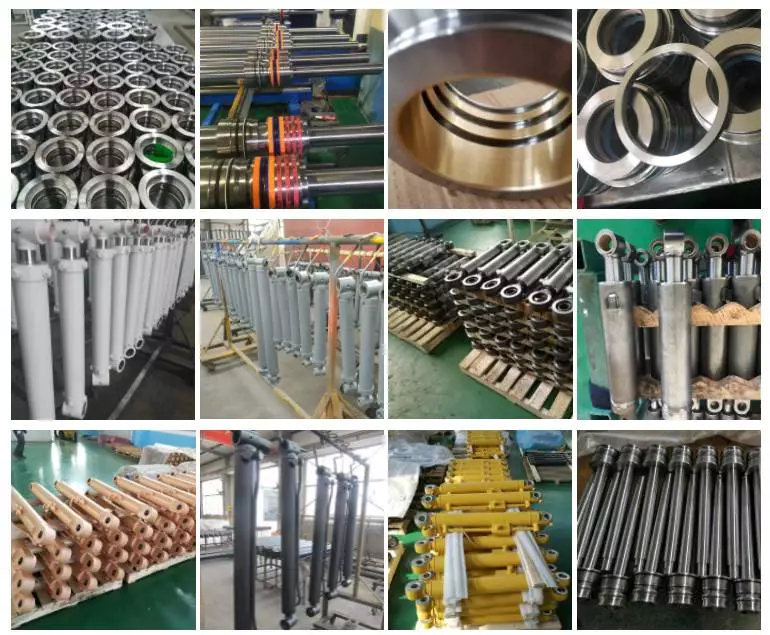
QIANGLIN HYDRAULIC MACHINERY CO., LTD
| QiangLin adalah produsen peralatan hidrolik profesional, yang terutama bergerak dalam desain, pembuatan, instalasi, transformasi, penjualan, dan layanan teknis sistem hidrolik. Fasilitas manufaktur kami bersertifikasi standar ISO 9001. Kami adalah pemasok yang disetujui oleh banyak produsen peralatan di Tiongkok. Kami juga bermitra dengan banyak pelanggan dari Amerika, Kanada, Australia, Jerman, Inggris, dan negara-negara Eropa lainnya. Kualitas produk, waktu pengiriman yang lebih singkat, dan kepuasan pelanggan adalah komitmen jangka panjang kami kepada pelanggan CHINAMFG. Kami berharap dapat menjadi mitra Anda. |
Pertanyaan yang Sering Diajukan (FAQ):
T1: Apakah Anda perusahaan perdagangan atau perusahaan manufaktur?
A: Kami memiliki pabrik sendiri.
Q2: Apakah Anda dapat membuat produk non-standar atau produk yang disesuaikan?
A: Ya, kita bisa.
Q3: Berapa lama waktu pengiriman Anda?
A: Biasanya, waktu pengiriman adalah 7 hari jika stok tersedia, 15-30 hari kerja jika tidak tersedia. Tapi...
juga tergantung pada produknya
persyaratan dan kuantitas.
Q4: Apakah Anda menyediakan sampel? Apakah sampelnya gratis atau tidak?
A: Ya, kami dapat menyediakan sampel, tetapi tidak gratis.
Q5: Apa syarat pembayaran Anda?
A: Deposit 30% T/T atau L/C yang tidak dapat dibatalkan pada saat dilihat. Jika Anda memiliki pertanyaan, jangan ragu untuk menghubungi kami.
Hubungi kami.
Q6: Apa saja layanan purna jual Anda?
A: Sebelum pengiriman, setiap produk akan diperiksa secara ketat melalui proses QC di pabrik kami.
Sistem. Selain itu, kami memiliki
Tim Layanan Pelanggan akan menanggapi pertanyaan pelanggan dalam waktu 12 jam. Bersikap membantu dalam
Memecahkan masalah pelanggan selalu menjadi tujuan kami.
| Sertifikasi: | CE, ISO9001 |
|---|---|
| Tekanan: | Tekanan Tinggi |
| Suhu Kerja: | Suhu Normal |
| Kustomisasi: | Tersedia |
|
|---|
.shipping-cost-tm .tm-status-off{background: none;padding:0;color: #1470cc}
| Biaya Pengiriman: Perkiraan biaya pengiriman per unit. | tentang biaya pengiriman dan perkiraan waktu pengiriman. |
|---|
| Metode Pembayaran: |
|
|---|---|
| Pembayaran Awal Pembayaran Penuh |
| Mata uang: | US$ |
|---|
| Pengembalian & Penggantian Dana: | Anda dapat mengajukan pengembalian dana hingga 30 hari setelah menerima produk. |
|---|
What advancements in hydraulic cylinder technology have improved energy efficiency?
Advancements in hydraulic cylinder technology have led to significant improvements in energy efficiency, allowing hydraulic systems to operate more efficiently and reduce energy consumption. These advancements aim to minimize energy losses, optimize system performance, and enhance overall efficiency. Here’s a detailed explanation of some key advancements in hydraulic cylinder technology that have improved energy efficiency:
1. Efficient Hydraulic Circuit Design:
– The design of hydraulic circuits has evolved to improve energy efficiency. Advancements in circuit design techniques, such as load-sensing, pressure-compensated systems, or variable displacement pumps, help match the hydraulic power output to the actual load requirements. These designs reduce unnecessary energy consumption by adjusting the flow and pressure levels according to the system demands, rather than operating at a fixed high pressure.
2. High-Efficiency Hydraulic Fluids:
– The development of high-efficiency hydraulic fluids, such as low-viscosity or synthetic fluids, has contributed to improved energy efficiency. These fluids offer lower internal friction and reduced resistance to flow, resulting in decreased energy losses within the system. Additionally, advanced fluid additives and formulations enhance lubrication properties, reducing friction and optimizing the overall efficiency of hydraulic cylinders.
3. Advanced Sealing Technologies:
– Seal technology has advanced significantly, leading to improved energy efficiency in hydraulic cylinders. High-performance seals, such as low-friction or low-leakage seals, minimize internal leakage and friction losses. Reduced internal leakage helps maintain system pressure more effectively, resulting in less energy waste. Additionally, innovative sealing materials and designs enhance durability and extend seal life, reducing the need for frequent maintenance and replacement.
4. Electro-Hydraulic Control Systems:
– The integration of advanced electro-hydraulic control systems has greatly contributed to energy efficiency improvements. By combining electronic control with hydraulic power, these systems enable precise control over cylinder operation, optimizing energy usage. Proportional or servo valves, along with position or force feedback sensors, allow for accurate and responsive control, ensuring that hydraulic cylinders operate at the required level of performance while minimizing energy waste.
5. Energy Recovery Systems:
– Energy recovery systems, such as hydraulic accumulators, have been increasingly utilized to improve energy efficiency in hydraulic cylinder applications. Accumulators store excess energy during low-demand periods and release it when there is a peak demand, reducing the need for the hydraulic pump to provide the full power continuously. By utilizing stored energy, these systems can significantly reduce energy consumption and improve overall system efficiency.
6. Smart Monitoring and Control:
– Advancements in smart monitoring and control technologies have enabled real-time monitoring of hydraulic systems, allowing for optimized energy usage. Integrated sensors, data analytics, and control algorithms provide insights into system performance and energy consumption, enabling operators to make informed decisions and adjustments. By identifying inefficiencies or suboptimal operating conditions, energy consumption can be minimized, leading to improved energy efficiency.
7. System Integration and Optimization:
– The integration and optimization of hydraulic systems as a whole have played a significant role in improving energy efficiency. By considering the entire system layout, component sizing, and interaction between different elements, engineers can design hydraulic systems that operate in the most energy-efficient manner. Proper sizing of components, minimizing pressure drops, and reducing unnecessary piping or valve restrictions all contribute to improved energy efficiency of hydraulic cylinders.
8. Research and Development:
– Ongoing research and development efforts in the field of hydraulic cylinder technology continue to drive energy efficiency advancements. Innovations in materials, component design, system modeling, and simulation techniques help identify areas for improvement and optimize energy usage. Additionally, collaboration between industry stakeholders, research institutions, and regulatory bodies fosters the development of energy-efficient hydraulic cylinder technologies.
In summary, advancements in hydraulic cylinder technology have resulted in notable improvements in energy efficiency. Efficient hydraulic circuit designs, high-efficiency hydraulic fluids, advanced sealing technologies, electro-hydraulic control systems, energy recovery systems, smart monitoring and control, system integration and optimization, as well as ongoing research and development efforts, all contribute to reducing energy consumption and enhancing the overall energy efficiency of hydraulic cylinders. These advancements not only benefit the environment but also offer cost savings and improved performance in various hydraulic applications.
Impact of Hydraulic Cylinders on Overall Productivity of Manufacturing Operations
Hydraulic cylinders play a crucial role in enhancing the overall productivity of manufacturing operations. These versatile devices are widely used in various industrial applications due to their ability to generate powerful and controlled linear motion. Let’s explore how hydraulic cylinders impact the overall productivity of manufacturing operations:
- Powerful Force Generation: Hydraulic cylinders are capable of generating high forces, which enables them to handle heavy loads and perform demanding tasks. By providing the necessary force, hydraulic cylinders facilitate efficient and effective operation of machinery and equipment in manufacturing processes. This ability to exert substantial force contributes to increased productivity by enabling the handling of larger workpieces, enhancing process efficiency, and reducing manual labor requirements.
- Precision and Control: Hydraulic cylinders offer precise control over the movement of loads, allowing for accurate positioning, alignment, and repetitive tasks. The smooth and controlled linear motion provided by hydraulic cylinders ensures precise operation in manufacturing processes, such as assembly, material handling, and machining. This precision and control minimize errors, rework, and scrap, leading to improved productivity and higher-quality output.
- Speed and Efficiency: Hydraulic cylinders can operate at high speeds, enabling rapid movement and cycle times in manufacturing operations. The combination of high force and speed allows for faster operation of machinery and equipment, reducing production cycle times and increasing overall throughput. By optimizing the speed and efficiency of manufacturing processes, hydraulic cylinders contribute to improved productivity and output.
- Flexibility and Adaptability: Hydraulic cylinders are highly flexible and adaptable to different manufacturing applications. They can be customized to meet specific requirements, such as load capacity, stroke length, and mounting options. This versatility allows hydraulic cylinders to be integrated into a wide range of machinery and equipment, accommodating diverse manufacturing needs. The ability to adapt to different tasks and environments enhances overall productivity by enabling efficient utilization of resources and facilitating process optimization.
- Reliability and Durability: Hydraulic cylinders are known for their robustness and durability, making them suitable for demanding manufacturing environments. Their ability to withstand heavy loads, repeated use, and harsh operating conditions ensures reliable performance over extended periods. Minimizing downtime due to cylinder failure or maintenance requirements contributes to increased productivity and uninterrupted manufacturing operations.
In summary, hydraulic cylinders have a significant impact on the overall productivity of manufacturing operations. Their powerful force generation, precision and control, speed and efficiency, flexibility and adaptability, as well as reliability and durability, contribute to optimized processes, increased throughput, improved quality, and reduced labor requirements. By leveraging the capabilities of hydraulic cylinders, manufacturers can enhance productivity, streamline operations, and achieve greater efficiency in their manufacturing processes.

How do hydraulic cylinders generate force and motion using hydraulic fluid?
Hydraulic cylinders generate force and motion by utilizing the principles of fluid mechanics, specifically Pascal’s law, in conjunction with the properties of hydraulic fluid. The process involves the conversion of hydraulic energy into mechanical force and linear motion. Here’s a detailed explanation of how hydraulic cylinders achieve this:
1. Pascal’s Law:
– Hydraulic cylinders operate based on Pascal’s law, which states that when pressure is applied to a fluid in a confined space, it is transmitted equally in all directions. In the context of hydraulic cylinders, this means that when hydraulic fluid is pressurized, the force is evenly distributed throughout the fluid and transmitted to all surfaces in contact with the fluid.
2. Hydraulic Fluid and Pressure:
– Hydraulic systems use a specialized fluid, typically hydraulic oil, as the working medium. This fluid is stored in a reservoir and circulated through the system by a hydraulic pump. The pump pressurizes the fluid, creating hydraulic pressure that can be controlled and directed to various components, including hydraulic cylinders.
3. Cylinder Design and Components:
– Hydraulic cylinders consist of several key components, including a cylindrical barrel, a piston, a piston rod, and various seals. The barrel is a hollow tube that houses the piston and allows for fluid flow. The piston divides the cylinder into two chambers: the rod side and the cap side. The piston rod extends from the piston and provides a connection point for external loads. Seals are used to prevent fluid leakage and maintain hydraulic pressure within the cylinder.
4. Fluid Input and Motion:
– To generate force and motion, hydraulic fluid is directed into one side of the cylinder, creating pressure on the corresponding surface of the piston. This pressure is transmitted through the fluid to the other side of the piston.
5. Force Generation:
– The force generated by a hydraulic cylinder is a result of the pressure applied to a specific surface area of the piston. The force exerted by the hydraulic cylinder can be calculated using the formula: Force = Pressure × Area. The area is determined by the diameter of the piston or the piston rod, depending on which side of the cylinder the fluid is acting upon.
6. Linear Motion:
– As the pressurized hydraulic fluid acts on the piston, it generates a force that moves the piston in a linear direction within the cylinder. This linear motion is transferred to the piston rod, which extends or retracts accordingly. The piston rod can be connected to external components or machinery, allowing the generated force to perform various tasks, such as lifting, pushing, pulling, or controlling mechanisms.
7. Control and Regulation:
– The force and motion generated by hydraulic cylinders can be controlled and regulated by adjusting the flow of hydraulic fluid into the cylinder. By regulating the flow rate, pressure, and direction of the fluid, the speed, force, and direction of the cylinder’s movement can be precisely controlled. This control allows for accurate positioning, smooth operation, and synchronization of multiple cylinders in complex machinery.
8. Return and Recirculation of Fluid:
– After the hydraulic cylinder completes its stroke, the hydraulic fluid on the opposite side of the piston needs to be returned to the reservoir. This is typically achieved through hydraulic valves that control the flow direction, allowing the fluid to return and be recirculated in the system for further use.
In summary, hydraulic cylinders generate force and motion by utilizing the principles of Pascal’s law. Pressurized hydraulic fluid acts on the piston, creating force that moves the piston in a linear direction. This linear motion is transferred to the piston rod, allowing the generated force to perform various tasks. By controlling the flow of hydraulic fluid, the force and motion of hydraulic cylinders can be precisely regulated, contributing to their versatility and wide range of applications in machinery.


editor by CX 2023-11-06
 Indonesian
  English
  Italian
  Portuguese
  Dutch
Dutch  Swedish
  Danish
  Finnish
  Polish
  Hindi
Hindi  Kazakh
  Turkish
  Ukrainian
  Romanian
  Spanish
  German
  Russian
  Korean
  Japanese
  Vietnamese
  Thai
Thai  Malay
Malay  French
  Greek
Greek