
Descrizione del prodotto
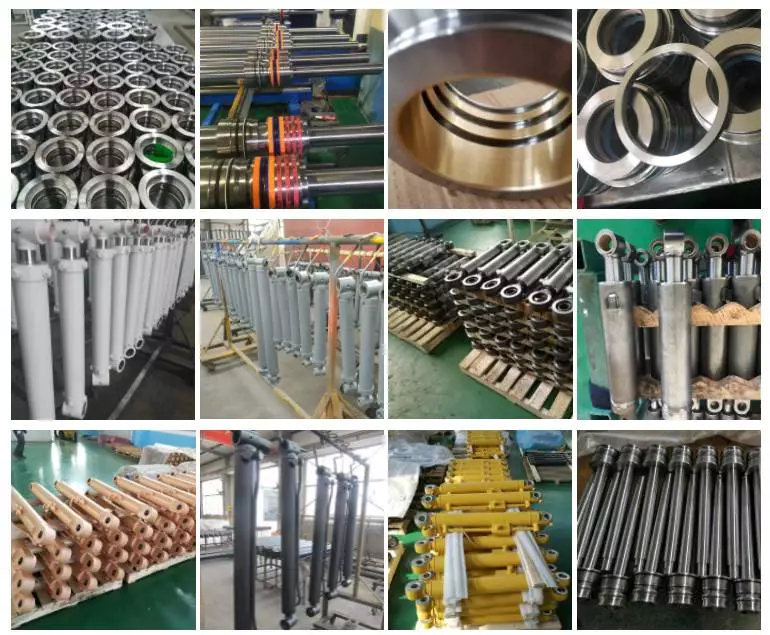
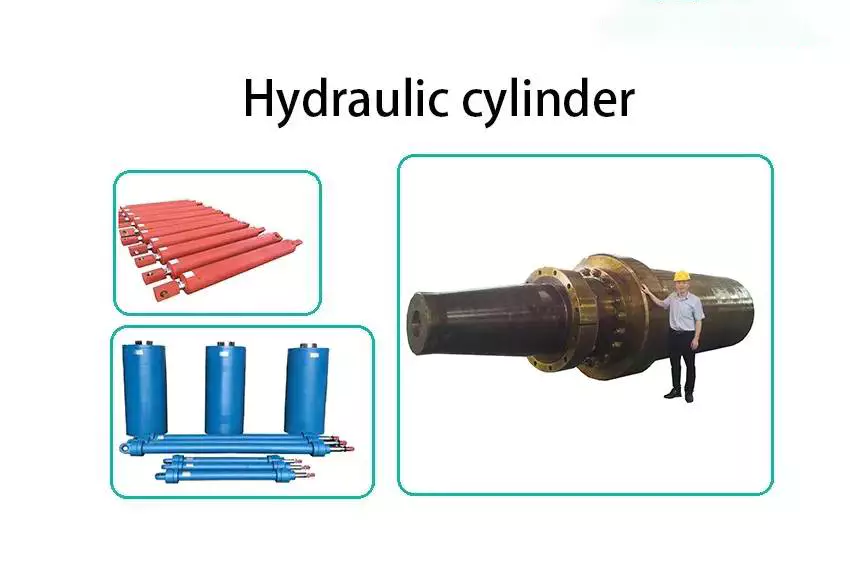
Products Description
Product Name | HSG Series Hydraulic Cylinder | |||
Work Press | 7/14/16/21/31.5MPa 37.5/63MPa Can be Customized | |||
Materiale | Aluminum,Cast Iron,45mnb Steel,Stainless Steel | |||
Bore Size | 40mm–320mm,Customizable | |||
Shaft Diameter | 20mm–220mm,Customizable | |||
Stroke Length | 30mm–14100mm,Customizable | |||
Rod Surface Hardness | HRC48-54 | |||
Paint Color | Black,Yellow,Blue,Brown,Customizable | |||
Montaggio | Orecchino, flangia, forcella. Piede, perno, personalizzabile | |||
Garanzia | 1 Year | |||
MOQ | 1 Piece | |||
Delivery Time | 7-15 Days,Also depands on specific demands | |||
Certificazione | ISO9001,CE | |||
Profilo Aziendale
QIANGLIN HYDRAULIC MACHINERY CO., LTD
| QiangLin is a professional hydraulic equipment manufacturer, mainly engaged in hydraulic system design, manufacture, installation, transformation, sales, and technical services. Our manufacturing facilities are certified to the ISO 9001 standard. We are an approved supplier to many equipment manufacturers in China. We are also partners with many customers from America, Canada, Australia, Germany, England, and other European Countries. Product quality, shorter delivery time, and customer satisfaction are our long-term commitments to our CHINAMFG customers. Hope to be your partner. |
Domande frequenti:
Q1: Are you a trading company or a manufacturer?
A: We have our own factory.
Q2: Are you able to make Non-standard or customized products?
A: Yes, we can.
Q3: How long is your delivery time?
A: Normally, the delivery time is 7 days if we have stock, 15-30 working days if we don’t. but it
also depends on the product
requirements and quantity.
Q4: Do you provide samples? are the samples free or not?
A: Yes, we can provide samples, but they are not free of charge.
Q5: What are your payment terms?
A: 30% deposit T/T or Irrevocable L/C at sight, If you have any questions, please feel free to
contact us.
Q6: What are your After-sales services?
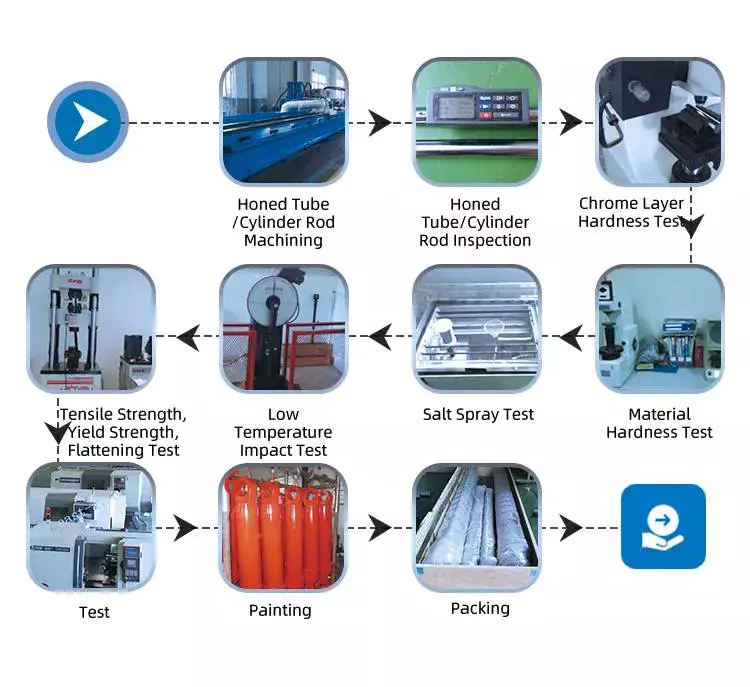
A: Before shipment, Each individual product will be strictly inspected on our factory QC Process
System. In addition, We have a
Customer Service team to respond to customers’ questions within 12 hours. Being helpful in
solving customers’ problems is always our goal.
| Certificazione: | CE, ISO9001 |
|---|---|
| Pressione: | High Pressure |
| Temperatura di esercizio: | Normal Temperature |
| Personalizzazione: | Disponibile |
|
|---|
.shipping-cost-tm .tm-status-off{background: none;padding:0;color: #1470cc}
| Shipping Cost: Estimated freight per unit. | about shipping cost and estimated delivery time. |
|---|
| Payment Method: |
|
|---|---|
| Initial Payment Full Payment |
| Currency: | US$ |
|---|
| Return&refunds: | You can apply for a refund up to 30 days after receipt of the products. |
|---|
What advancements in hydraulic cylinder technology have improved energy efficiency?
Advancements in hydraulic cylinder technology have led to significant improvements in energy efficiency, allowing hydraulic systems to operate more efficiently and reduce energy consumption. These advancements aim to minimize energy losses, optimize system performance, and enhance overall efficiency. Here’s a detailed explanation of some key advancements in hydraulic cylinder technology that have improved energy efficiency:
1. Efficient Hydraulic Circuit Design:
– The design of hydraulic circuits has evolved to improve energy efficiency. Advancements in circuit design techniques, such as load-sensing, pressure-compensated systems, or variable displacement pumps, help match the hydraulic power output to the actual load requirements. These designs reduce unnecessary energy consumption by adjusting the flow and pressure levels according to the system demands, rather than operating at a fixed high pressure.
2. High-Efficiency Hydraulic Fluids:
– The development of high-efficiency hydraulic fluids, such as low-viscosity or synthetic fluids, has contributed to improved energy efficiency. These fluids offer lower internal friction and reduced resistance to flow, resulting in decreased energy losses within the system. Additionally, advanced fluid additives and formulations enhance lubrication properties, reducing friction and optimizing the overall efficiency of hydraulic cylinders.
3. Advanced Sealing Technologies:
– Seal technology has advanced significantly, leading to improved energy efficiency in hydraulic cylinders. High-performance seals, such as low-friction or low-leakage seals, minimize internal leakage and friction losses. Reduced internal leakage helps maintain system pressure more effectively, resulting in less energy waste. Additionally, innovative sealing materials and designs enhance durability and extend seal life, reducing the need for frequent maintenance and replacement.
4. Electro-Hydraulic Control Systems:
– The integration of advanced electro-hydraulic control systems has greatly contributed to energy efficiency improvements. By combining electronic control with hydraulic power, these systems enable precise control over cylinder operation, optimizing energy usage. Proportional or servo valves, along with position or force feedback sensors, allow for accurate and responsive control, ensuring that hydraulic cylinders operate at the required level of performance while minimizing energy waste.
5. Energy Recovery Systems:
– Energy recovery systems, such as hydraulic accumulators, have been increasingly utilized to improve energy efficiency in hydraulic cylinder applications. Accumulators store excess energy during low-demand periods and release it when there is a peak demand, reducing the need for the hydraulic pump to provide the full power continuously. By utilizing stored energy, these systems can significantly reduce energy consumption and improve overall system efficiency.
6. Smart Monitoring and Control:
– Advancements in smart monitoring and control technologies have enabled real-time monitoring of hydraulic systems, allowing for optimized energy usage. Integrated sensors, data analytics, and control algorithms provide insights into system performance and energy consumption, enabling operators to make informed decisions and adjustments. By identifying inefficiencies or suboptimal operating conditions, energy consumption can be minimized, leading to improved energy efficiency.
7. System Integration and Optimization:
– The integration and optimization of hydraulic systems as a whole have played a significant role in improving energy efficiency. By considering the entire system layout, component sizing, and interaction between different elements, engineers can design hydraulic systems that operate in the most energy-efficient manner. Proper sizing of components, minimizing pressure drops, and reducing unnecessary piping or valve restrictions all contribute to improved energy efficiency of hydraulic cylinders.
8. Research and Development:
– Ongoing research and development efforts in the field of hydraulic cylinder technology continue to drive energy efficiency advancements. Innovations in materials, component design, system modeling, and simulation techniques help identify areas for improvement and optimize energy usage. Additionally, collaboration between industry stakeholders, research institutions, and regulatory bodies fosters the development of energy-efficient hydraulic cylinder technologies.
In summary, advancements in hydraulic cylinder technology have resulted in notable improvements in energy efficiency. Efficient hydraulic circuit designs, high-efficiency hydraulic fluids, advanced sealing technologies, electro-hydraulic control systems, energy recovery systems, smart monitoring and control, system integration and optimization, as well as ongoing research and development efforts, all contribute to reducing energy consumption and enhancing the overall energy efficiency of hydraulic cylinders. These advancements not only benefit the environment but also offer cost savings and improved performance in various hydraulic applications.
Gestione delle sfide poste dalle diverse viscosità dei fluidi nei cilindri idraulici
I cilindri idraulici sono progettati per affrontare le sfide poste dalle diverse viscosità dei fluidi. La viscosità del fluido idraulico può variare in base alla temperatura, al tipo di fluido utilizzato e ad altri fattori. I sistemi idraulici devono essere in grado di gestire queste variazioni per garantire prestazioni ed efficienza ottimali. Vediamo come i cilindri idraulici gestiscono le sfide poste dalle diverse viscosità dei fluidi:
- Selezione del fluido: I cilindri idraulici sono progettati per funzionare con una vasta gamma di fluidi idraulici, ognuno con le proprie specifiche caratteristiche di viscosità. La scelta di un fluido appropriato con la viscosità desiderata è fondamentale per garantire prestazioni ottimali. I produttori forniscono linee guida relative all'intervallo di viscosità raccomandato per specifici sistemi e cilindri idraulici. Scegliendo il fluido giusto, i cilindri idraulici possono affrontare efficacemente le sfide poste dalle diverse viscosità dei fluidi.
- Compensazione della viscosità: I sistemi idraulici spesso integrano caratteristiche per compensare le variazioni di viscosità del fluido. Ad esempio, alcuni sistemi idraulici utilizzano valvole di compensazione della pressione che regolano la portata in base alla viscosità del fluido. Questa compensazione garantisce prestazioni costanti in diverse condizioni operative e con diverse viscosità del fluido. I cilindri idraulici lavorano in sinergia con questi meccanismi di compensazione per mantenere precisione e controllo, indipendentemente dalla viscosità del fluido.
- Controllo della temperatura: La viscosità dei fluidi dipende fortemente dalla temperatura. I cilindri idraulici utilizzano diversi meccanismi di controllo della temperatura per affrontare le problematiche poste dalle variazioni di viscosità indotte dalla temperatura. Scambiatori di calore, refrigeratori e valvole termostatiche sono comunemente impiegati per regolare la temperatura del fluido idraulico all'interno del sistema. Controllando la temperatura del fluido, i cilindri idraulici possono mantenere l'intervallo di viscosità desiderato, garantendo un funzionamento affidabile ed efficiente.
- Filtrazione efficiente: I contaminanti presenti nel fluido idraulico possono influenzarne la viscosità e le prestazioni complessive. I sistemi idraulici incorporano efficienti sistemi di filtrazione per rimuovere particelle e impurità dal fluido. Un fluido pulito con la viscosità appropriata garantisce un funzionamento ottimale dei cilindri idraulici. La manutenzione regolare e la sostituzione dei filtri sono essenziali per mantenere la viscosità del fluido desiderata e prevenire problemi legati alla contaminazione del fluido stesso.
- Lubrificazione adeguata: Le diverse viscosità dei fluidi possono influenzare le proprietà di lubrificazione all'interno dei cilindri idraulici. La lubrificazione è essenziale per ridurre al minimo l'attrito e l'usura tra le parti in movimento. I sistemi idraulici utilizzano lubrificanti specificamente formulati per l'intervallo di viscosità del fluido previsto. Una lubrificazione adeguata garantisce un funzionamento regolare e prolunga la durata dei cilindri idraulici, anche in presenza di viscosità del fluido variabili.
In sintesi, i cilindri idraulici impiegano diverse strategie per affrontare le problematiche associate alle diverse viscosità dei fluidi. Selezionando fluidi appropriati, integrando meccanismi di compensazione della viscosità, controllando la temperatura, implementando una filtrazione efficiente e garantendo una lubrificazione adeguata, i cilindri idraulici possono adattarsi alle variazioni di viscosità del fluido. Queste misure consentono ai sistemi idraulici di offrire prestazioni costanti, un controllo preciso e un funzionamento efficiente in un ampio intervallo di viscosità del fluido.
How do hydraulic cylinders handle variations in load and pressure during operation?
Hydraulic cylinders are designed to handle variations in load and pressure during operation, making them versatile and efficient in various applications. Hydraulic systems use the principle of transmitting force through incompressible fluid to generate linear motion. Here’s a detailed explanation of how hydraulic cylinders handle variations in load and pressure:
1. Load Handling:
– Hydraulic cylinders are capable of handling different loads by utilizing the principle of Pascal’s law. According to Pascal’s law, when pressure is applied to a fluid in a confined space, the pressure is transmitted equally in all directions. In a hydraulic cylinder, the force applied to the piston results in an equal force output at the rod end of the cylinder. The size of the piston and the pressure exerted determine the force generated by the cylinder. Therefore, hydraulic cylinders can handle a wide range of loads by adjusting the pressure applied to the fluid.
2. Pressure Compensation:
– Hydraulic systems incorporate pressure compensation mechanisms to handle variations in pressure during operation. Pressure compensating valves or regulators are often used to maintain a consistent pressure in the hydraulic system, regardless of load changes. These valves automatically adjust the flow rate or pressure to ensure stable and controlled operation of the hydraulic cylinder. By compensating for pressure variations, hydraulic cylinders can maintain a consistent force output and prevent damage or instability due to excessive pressure.
3. Control Valves:
– Control valves play a crucial role in managing variations in pressure and load during hydraulic cylinder operation. Directional control valves, such as spool valves or poppet valves, control the flow of hydraulic fluid into and out of the cylinder, enabling precise control of the cylinder’s extension and retraction. By adjusting the position of the control valve, the speed and force exerted by the hydraulic cylinder can be regulated to match the load and pressure requirements of the application. Control valves allow for efficient handling of variations in load and pressure by providing fine-tuned control over the hydraulic system.
4. Accumulators:
– Hydraulic accumulators are often used to handle fluctuations in pressure and load. Accumulators store hydraulic fluid under pressure, which can be released or absorbed as needed to compensate for sudden changes in load or pressure. When the load on the hydraulic cylinder decreases, the accumulator releases stored fluid to maintain pressure and prevent pressure spikes. Conversely, when the load on the cylinder increases, the accumulator absorbs excess fluid to maintain system stability. By utilizing accumulators, hydraulic cylinders can effectively handle variations in load and pressure, ensuring smooth and controlled operation.
5. Feedback and Control Systems:
– Advanced hydraulic systems may incorporate feedback and control systems to monitor and adjust the operation of hydraulic cylinders in real-time. Position sensors or pressure sensors provide feedback on the cylinder’s position, force, and pressure, allowing the control system to make continuous adjustments to optimize performance. These systems can automatically adapt to variations in load and pressure, ensuring precise control and efficient operation of the hydraulic cylinder.
6. Design Considerations:
– Proper design considerations, such as selecting the appropriate cylinder size, piston diameter, and rod diameter, are essential for handling variations in load and pressure. The design should account for the maximum anticipated load and pressure conditions to ensure the hydraulic cylinder operates within its specified range. Additionally, the selection of suitable seals, materials, and components that can withstand the anticipated load and pressure variations is crucial for maintaining the reliability and longevity of the hydraulic cylinder.
By utilizing the principles of hydraulic systems, incorporating pressure compensation mechanisms, employing control valves and accumulators, and implementing feedback and control systems, hydraulic cylinders can effectively handle variations in load and pressure during operation. These features and design considerations allow hydraulic cylinders to adapt and perform optimally in a wide range of applications and operating conditions.


editor by CX 2023-10-16
 Italian
  English
  Portuguese
  Dutch
Dutch  Swedish
  Danish
  Finnish
  Polish
  Hindi
Hindi  Kazakh
  Turkish
  Ukrainian
  Romanian
  Spanish
  German
  Russian
  Korean
  Japanese
  Vietnamese
  Thai
Thai  Indonesian
  Malay
Malay  French
  Greek
Greek