
Descrizione del prodotto
Product description:
Junfu is famous brand in front-end cylinders, offering an extensive catalogue from 5 to 100 tons with bespoke solutions. Designed for rear-end tippers and tippers trailers, CHINAMFG brand front-end telescopic cylinders are known for their durability, reliability in all conditions and value for money. We believe in delivering a solution that can rapidly and successfully meet your requirements in demanding industries such as transportation, construction and mining. With high payload and longer service intervals for increased operating time, CHINAMFG brand front-end cylinders are also environmentally friendly solutions with lower oil & fuel consumption.
FC telescopic front-end cylinders are primarily designed for straight headboard dump trucks with a capacity range of over 100 tons tipping weight. Our trunnion type FC cylinder is lightweight, strong, maintenance free and offers the most added stability to the tipper. The CHINAMFG brand FC tipping cylinders have earned reputation for their reliability and value for money over many years.
Designed for Dump Truck applications, FC series cylinder with 3-6 stages is capable of lifting more weight which in return allows trucks to be equipped with smaller cylinders reducing space and saving weight. This CHINAMFG series cylinder is mostly used in combination with a Straight Headboard Type and Trunnion Type Body Connection.
Workshop with advanced equipment:
Certificates: ISO9001, IATF 16949:2016, CE,etc.
Domande frequenti:
Q1: How about your cylinders compared with HYVA cylinder ?
Our cylinders can replace HYVA cylinder well, with same technical details and mounting sizes
Q2: What’s your cylinder’s advantages ?
The cylinders are manufactured by advanced equipments and made under strictly quality control processing.
The steel is quenched and tempered and all raw materials are good quality from world famous companies.
Competitive price!
Q3: When your company be established ?
Our company be established in 2002, professional manufacturer of hydraulic cylinders more than 20 years.
We had passed IATF 16949:2016 Quality control system, ISO9001, CE,etc.
Q4: How about the delivery time ?
15 days approximately.
Q5: How about the cylinder’s quality gurantee ?
One year.
| Certificazione: | CE, ISO9001, IATF 16949:2016, SGS |
|---|---|
| Pressione: | High Pressure |
| Temperatura di esercizio: | Normal Temperature |
| Modo di agire: | Single Acting |
| Metodo di lavoro: | Straight Trip |
| Modulo modificato: | Switching Type |
| Personalizzazione: | Disponibile |
|
|---|
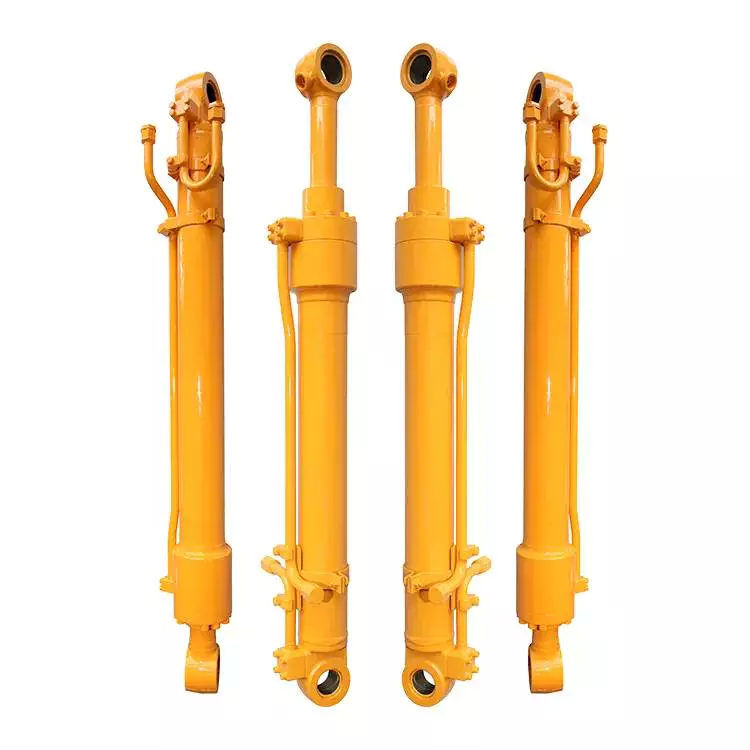
È possibile installare cilindri idraulici su apparecchiature esistenti per migliorarne la funzionalità?
Sì, i cilindri idraulici possono essere installati su apparecchiature esistenti per migliorarne funzionalità e prestazioni. L'installazione di cilindri idraulici su macchinari o attrezzature esistenti offre diversi vantaggi, tra cui maggiore potenza, controllo migliorato, maggiore precisione e versatilità. Ecco una spiegazione dettagliata di come i cilindri idraulici possono essere installati su apparecchiature esistenti per migliorarne le funzionalità:
1. Maggiore potenza:
– L'installazione di cilindri idraulici su apparecchiature esistenti consente di aggiungere potenza idraulica a quelle già in uso. Integrando i cilindri idraulici, le apparecchiature possono generare forze maggiori e movimentare carichi più pesanti. Questa maggiore potenza permette alle apparecchiature di svolgere compiti che prima erano difficili o impossibili. Ad esempio, l'installazione di un cilindro idraulico su una gru può aumentarne la capacità di sollevamento e consentirle di movimentare carichi più pesanti in modo più efficiente.
2. Controllo migliorato:
I cilindri idraulici garantiscono un controllo preciso del movimento e del posizionamento delle apparecchiature. L'installazione di cilindri idraulici consente agli operatori di ottenere un maggiore controllo su velocità, forza e direzione del movimento. L'aggiunta di valvole di controllo idrauliche e di una centralina idraulica permette una messa a punto precisa del funzionamento dell'apparecchiatura. Un controllo migliorato facilita un funzionamento più sicuro ed efficiente, riducendo il rischio di danni e aumentando la produttività complessiva.
3. Maggiore precisione:
– L'installazione di cilindri idraulici su apparecchiature esistenti può migliorare significativamente la precisione e l'accuratezza. I sistemi idraulici offrono un controllo preciso del movimento, consentendo movimenti fluidi e controllati. Questa maggiore precisione è vantaggiosa in applicazioni in cui sono richiesti un posizionamento preciso o movimenti ripetitivi. Ad esempio, l'installazione di cilindri idraulici su un braccio robotico può migliorarne la precisione e la ripetibilità, rendendolo più adatto a compiti che richiedono un'elevata precisione.
4. Versatilità e adattabilità:
– L'installazione di cilindri idraulici di ricambio può aumentare la versatilità e l'adattabilità delle apparecchiature esistenti. I sistemi idraulici possono essere facilmente integrati con diverse tipologie di macchinari, consentendo l'utilizzo dell'energia idraulica in svariate applicazioni. La natura modulare dei componenti idraulici facilita il processo di ammodernamento, permettendo alle apparecchiature di svolgere una gamma più ampia di compiti. Questa versatilità è particolarmente vantaggiosa nei settori in cui le apparecchiature devono adattarsi alle mutevoli esigenze operative.
5. Kit di retrofit e personalizzazione:
I produttori spesso forniscono kit di retrofit che includono tutti i componenti necessari per integrare i cilindri idraulici nelle apparecchiature esistenti. Questi kit comprendono in genere cilindri idraulici, staffe di montaggio, tubi flessibili, raccordi, valvole di controllo e altri accessori necessari. I kit di retrofit semplificano il processo di retrofit e garantiscono la compatibilità tra i componenti idraulici e le apparecchiature esistenti. Inoltre, i produttori possono offrire opzioni di personalizzazione per adattare la soluzione di retrofit alle esigenze specifiche delle apparecchiature e dell'applicazione.
6. Soluzione economicamente vantaggiosa:
– L'installazione di cilindri idraulici su apparecchiature esistenti può rappresentare una soluzione economicamente vantaggiosa rispetto all'acquisto di nuovi macchinari. Sfruttando la struttura e i componenti meccanici delle apparecchiature esistenti, è possibile ridurre il costo complessivo dell'aggiornamento. L'installazione riduce al minimo anche i tempi di fermo, poiché non è necessario sostituire completamente le apparecchiature. Inoltre, il miglioramento delle funzionalità e delle prestazioni derivante dall'installazione può portare a un aumento della produttività e a un risparmio sui costi nel lungo periodo.
7. Installazione professionale e competenza:
– L'installazione di cilindri idraulici su apparecchiature esistenti spesso richiede competenze e professionalità specifiche. Collaborare con integratori o produttori di sistemi idraulici esperti garantisce una corretta installazione, la compatibilità e prestazioni ottimali della soluzione di retrofit. Questi professionisti sono in grado di valutare le apparecchiature esistenti, consigliare i componenti idraulici più adatti ed eseguire il processo di retrofit in modo efficiente. La loro conoscenza ed esperienza contribuiscono alla corretta integrazione dei cilindri idraulici e al miglioramento complessivo della funzionalità delle apparecchiature.
In sintesi, i cilindri idraulici possono effettivamente essere installati su apparecchiature esistenti per migliorarne la funzionalità. Questo processo di retrofit offre vantaggi quali maggiore potenza, migliore controllo, maggiore precisione, versatilità, economicità e accesso a kit di retrofit e opzioni di personalizzazione. Grazie all'installazione di cilindri idraulici, le apparecchiature esistenti possono essere aggiornate per soddisfare le esigenze operative in continua evoluzione, prolungarne la durata e migliorarne le prestazioni complessive.
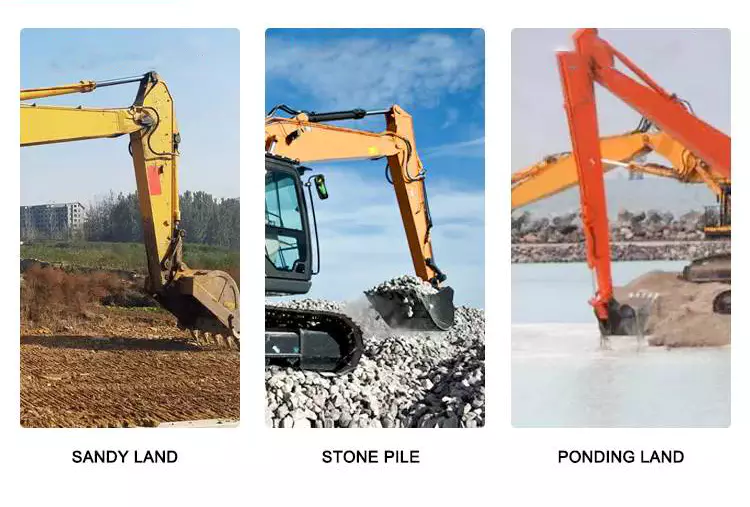
Contribution of Hydraulic Cylinders to the Precision of Robotic and Automation Systems
Hydraulic cylinders play a significant role in enhancing the precision of robotic and automation systems. These systems rely on precise and controlled movements to perform various tasks with accuracy and repeatability. Let’s explore how hydraulic cylinders contribute to the precision of robotic and automation systems:
- Precise Positioning: Hydraulic cylinders enable precise positioning of robotic arms or automation components. They provide accurate control over the linear motion required for tasks such as picking, placing, and assembly. By precisely controlling the extension and retraction of the hydraulic cylinder, the system can achieve the desired position with high accuracy, ensuring precise alignment and consistent results.
- Controlled Motion: Hydraulic cylinders offer controlled and smooth motion, which is crucial for precise operation in robotic and automation systems. The flow of hydraulic fluid can be precisely regulated to control the speed and acceleration of the cylinder’s movement. This precise control allows for gentle and controlled movements, minimizing vibrations, overshooting, or jerky motions that could affect the accuracy of the system.
- Force Control: Hydraulic cylinders provide force control capabilities that contribute to precision in robotic and automation systems. By adjusting the hydraulic pressure, the force exerted by the cylinder can be precisely controlled. This is particularly valuable in applications that require delicate force-sensitive tasks, such as gripping fragile objects or performing precise force feedback during assembly or testing processes.
- Load Handling: Hydraulic cylinders are capable of handling heavy loads, allowing robotic and automation systems to manipulate and transport objects with precision. The high force capabilities of hydraulic cylinders ensure secure and stable handling of loads, minimizing the risk of slippage or imprecise positioning. This is crucial in applications where precise control over heavy objects is required, such as material handling or industrial assembly processes.
- Durability and Reliability: Hydraulic cylinders are known for their durability and reliability in demanding industrial environments. The ability to withstand repeated use, high loads, and harsh conditions ensures consistent performance over time. This reliability contributes to the precision of robotic and automation systems, as any deviation or failure in the cylinder’s movement could lead to inaccuracies or disruptions in the system’s operation.
In summary, hydraulic cylinders make significant contributions to the precision of robotic and automation systems by enabling precise positioning, controlled motion, force control, load handling, and offering durability and reliability. These capabilities ensure accurate and repeatable movements, minimize errors, and enhance the overall precision of the system. By incorporating hydraulic cylinders into robotic and automation systems, manufacturers can achieve higher levels of precision, efficiency, and productivity in various industrial applications.
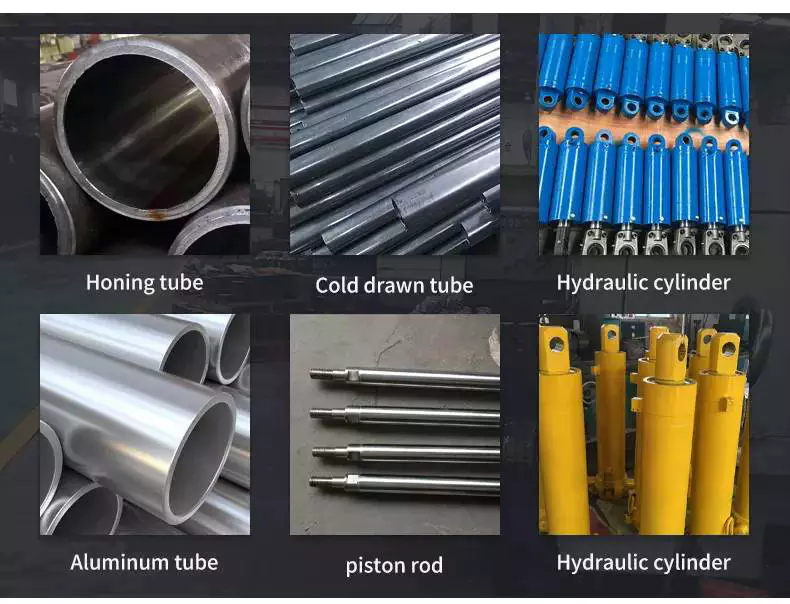
How do hydraulic cylinders contribute to the efficiency of heavy machinery like excavators?
Hydraulic cylinders play a crucial role in enhancing the efficiency and performance of heavy machinery, such as excavators. These powerful hydraulic actuators enable excavators to perform various tasks efficiently and effectively. Here’s a detailed explanation of how hydraulic cylinders contribute to the efficiency of heavy machinery like excavators:
1. Force and Power:
– Hydraulic cylinders provide the necessary force and power required for the excavation process. They convert hydraulic energy from the hydraulic fluid into linear mechanical force, allowing the excavator to exert significant pushing and pulling forces. The force generated by hydraulic cylinders enables the digging arm or boom of the excavator to penetrate and break through tough materials, such as soil, rocks, or concrete, with ease and efficiency.
2. Precise Control:
– Hydraulic cylinders offer precise control over the movement of excavator components. By regulating the flow of hydraulic fluid to the cylinders, operators can control the speed, direction, and positioning of the excavator’s arm, boom, bucket, and other attachments. This precise control allows operators to perform delicate operations, such as fine grading or precise material placement, with accuracy and efficiency.
3. Versatility and Adaptability:
– Hydraulic cylinders enable excavators to perform a wide range of tasks by facilitating the quick and easy interchangeability of attachments. Excavators can be equipped with various specialized attachments, including buckets, breakers, grapples, and augers, which can be efficiently connected and disconnected using hydraulic cylinders. This versatility and adaptability enhance the efficiency of excavators by enabling them to tackle different tasks without the need for extensive manual adjustments or downtime.
4. Increased Productivity:
– The power and control provided by hydraulic cylinders significantly increase the productivity of excavators. Excavators equipped with hydraulic cylinders can complete tasks more quickly and efficiently compared to manual or mechanically-driven machinery. The precise control over movements allows for faster cycle times, reduced idle time, and improved overall productivity on the worksite.
5. Enhanced Digging and Lifting Capabilities:
– Hydraulic cylinders enable excavators to perform digging and lifting operations with enhanced capabilities. The force generated by hydraulic cylinders allows excavators to dig deeper and lift heavier loads compared to other types of machinery. This increased digging and lifting capacity contributes to the efficiency of excavators by reducing the number of passes required to complete a task and improving overall productivity.
6. Durability and Reliability:
– Hydraulic cylinders are designed to withstand heavy loads, challenging operating conditions, and frequent use. They are built with robust materials, such as high-strength steel, and undergo stringent quality control measures during manufacturing. The durability and reliability of hydraulic cylinders ensure that excavators can operate efficiently even in demanding environments, minimizing downtime and maximizing productivity.
7. Energy Efficiency:
– Hydraulic systems, including hydraulic cylinders, are known for their energy efficiency. Hydraulic cylinders can deliver high force outputs while consuming relatively low amounts of hydraulic fluid. This energy efficiency translates to lower fuel consumption and reduced operating costs for excavators. The efficient use of hydraulic power contributes to the overall efficiency and sustainability of heavy machinery operations.
8. Safety:
– Hydraulic cylinders play a vital role in ensuring the safety of excavator operations. They provide controlled and predictable movements, reducing the risk of sudden or uncontrolled motions. The precise control offered by hydraulic cylinders allows operators to perform tasks safely and accurately, minimizing the chances of accidents or damage to the machinery or surrounding environment.
Overall, hydraulic cylinders are essential components that significantly contribute to the efficiency of heavy machinery like excavators. By providing force, precise control, versatility, increased productivity, enhanced capabilities, durability, energy efficiency, and safety, hydraulic cylinders enable excavators to perform a wide range of tasks efficiently and effectively in various industries, including construction, mining, and landscaping.


editor by CX 2023-10-15
 Italian
  English
  Portuguese
  Dutch
Dutch  Swedish
  Danish
  Finnish
  Polish
  Hindi
Hindi  Kazakh
  Turkish
  Ukrainian
  Romanian
  Spanish
  German
  Russian
  Korean
  Japanese
  Vietnamese
  Thai
Thai  Indonesian
  Malay
Malay  French
  Greek
Greek