
Descrizione del prodotto
Products Description
Product Name | HSG Series Hydraulic Cylinder | |||
Work Press | 7/14/16/21/31.5MPa 37.5/63MPa Can be Customized | |||
Materiale | Aluminum,Cast Iron,45mnb Steel,Stainless Steel | |||
Bore Size | 40mm–320mm,Customizable | |||
Shaft Diameter | 20mm–220mm,Customizable | |||
Stroke Length | 30mm–14100mm,Customizable | |||
Rod Surface Hardness | HRC48-54 | |||
Paint Color | Black,Yellow,Blue,Brown,Customizable | |||
Montaggio | Orecchino, flangia, forcella. Piede, perno, personalizzabile | |||
Garanzia | 1 Year | |||
MOQ | 1 Piece | |||
Delivery Time | 7-15 Days,Also depands on specific demands | |||
Certificazione | ISO9001,CE | |||
Profilo Aziendale
QIANGLIN HYDRAULIC MACHINERY CO., LTD
| QiangLin is a professional hydraulic equipment manufacturer, mainly engaged in hydraulic system design, manufacture, installation, transformation, sales, and technical services. Our manufacturing facilities are certified to the ISO 9001 standard. We are an approved supplier to many equipment manufacturers in China. We are also partners with many customers from America, Canada, Australia, Germany, England, and other European Countries. Product quality, shorter delivery time, and customer satisfaction are our long-term commitments to our CHINAMFG customers. Hope to be your partner. |
Domande frequenti:
Q1: Are you a trading company or a manufacturer?
A: We have our own factory.
Q2: Are you able to make Non-standard or customized products?
A: Yes, we can.
Q3: How long is your delivery time?
A: Normally, the delivery time is 7 days if we have stock, 15-30 working days if we don’t. but it
also depends on the product
requirements and quantity.
Q4: Do you provide samples? are the samples free or not?
A: Yes, we can provide samples, but they are not free of charge.
Q5: What are your payment terms?
A: 30% deposit T/T or Irrevocable L/C at sight, If you have any questions, please feel free to
contact us.
Q6: What are your After-sales services?
A: Before shipment, Each individual product will be strictly inspected on our factory QC Process
System. In addition, We have a
Customer Service team to respond to customers’ questions within 12 hours. Being helpful in
solving customers’ problems is always our goal.
| Certificazione: | CE, ISO9001 |
|---|---|
| Pressione: | High Pressure |
| Temperatura di esercizio: | Normal Temperature |
| Personalizzazione: | Disponibile |
|
|---|
.shipping-cost-tm .tm-status-off{background: none;padding:0;color: #1470cc}
| Shipping Cost: Estimated freight per unit. | about shipping cost and estimated delivery time. |
|---|
| Payment Method: |
|
|---|---|
| Initial Payment Full Payment |
| Currency: | US$ |
|---|
| Return&refunds: | You can apply for a refund up to 30 days after receipt of the products. |
|---|
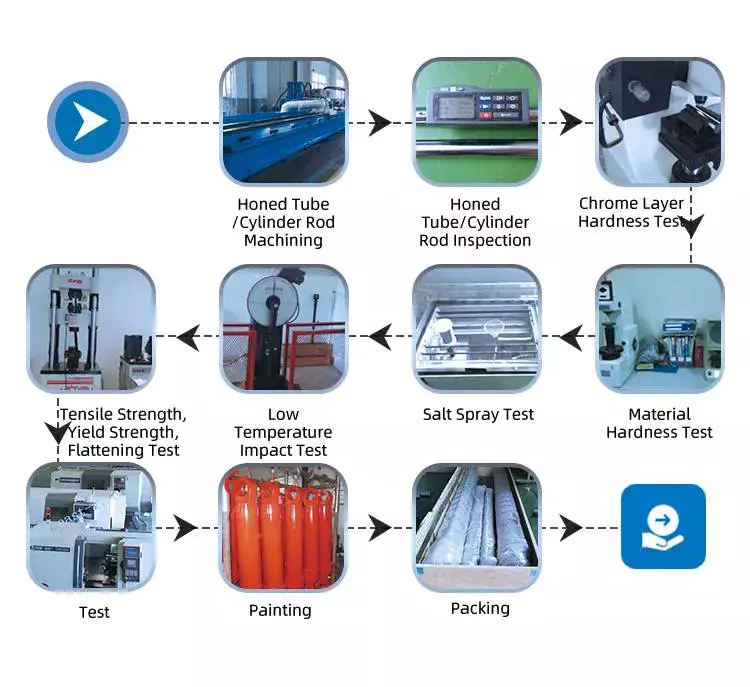
How do hydraulic cylinders handle variations in temperature and harsh operating environments?
Hydraulic cylinders are designed to handle variations in temperature and harsh operating environments by incorporating specific features and materials that ensure their durability, reliability, and performance. The ability of hydraulic cylinders to withstand extreme temperatures, corrosive environments, and other harsh conditions is crucial for their successful operation in a wide range of applications. Here’s a detailed explanation of how hydraulic cylinders handle variations in temperature and harsh operating environments:
1. Temperature Range:
– Hydraulic cylinders are designed to operate within a specified temperature range. The materials used in their construction, such as cylinder barrels, pistons, seals, and lubricants, are selected to withstand the anticipated temperature variations. Specialized seals and O-rings made from materials like nitrile, Viton, or polyurethane are used to maintain their sealing properties over a wide temperature range. Heat-resistant coatings or thermal insulation may be applied to certain components to protect them from high temperatures.
2. Thermal Expansion:
– Hydraulic cylinders are designed to accommodate thermal expansion and contraction that occurs with temperature changes. The materials used in their construction have different coefficients of thermal expansion, allowing the cylinder components to expand or contract at a similar rate. This design consideration prevents excessive stress, binding, or leakage that could result from thermal expansion or contraction.
3. Heat Dissipation:
– In applications where hydraulic cylinders are subjected to high temperatures, heat dissipation mechanisms are employed to prevent overheating. Cooling fins or heat sinks may be incorporated into the cylinder design to increase the surface area for heat transfer. In some cases, external cooling methods such as air or liquid cooling systems can be used to maintain optimal operating temperatures.
4. Corrosion Resistance:
– Hydraulic cylinders used in harsh operating environments are constructed from materials that exhibit excellent corrosion resistance. Stainless steel, chrome-plated steel, or other corrosion-resistant alloys are commonly used for cylinder components exposed to corrosive substances or environments. Additionally, surface treatments such as coatings, plating, or specialized paints can provide an extra layer of protection against corrosion.
5. Sealing Systems:
– Hydraulic cylinders employ sealing systems that are specifically designed to withstand harsh operating environments. The seals used in hydraulic cylinders are selected based on their resistance to temperature extremes, chemicals, abrasion, and other environmental factors. Specialized seal designs, such as wiper seals, rod seals, or high-temperature seals, are utilized to maintain effective sealing and prevent contamination of the hydraulic fluid.
6. Lubrication:
– Proper lubrication is essential for the smooth operation and longevity of hydraulic cylinders, particularly in harsh operating environments. Lubricants are selected based on their ability to withstand high temperatures, resist oxidation, and provide effective lubrication under extreme conditions. Regular maintenance and lubrication practices ensure that the cylinder components continue to operate smoothly and reduce the effects of wear and friction.
7. Robust Construction:
– Hydraulic cylinders designed for harsh operating environments are built with robust construction techniques to withstand the rigors of such conditions. The cylinder barrels, rods, and other components are manufactured to meet strict quality and durability standards. Welded or bolted construction methods are employed to ensure the structural integrity of the cylinders. Reinforcements, such as flanges or tie rods, may be added to enhance the cylinder’s strength and resistance to external forces.
8. Environmental Protection:
– Hydraulic cylinders can be equipped with additional protective features to shield them from harsh operating environments. Protective covers, boots, or bellows can be used to prevent contaminants, debris, or moisture from entering the cylinder and compromising its performance. These protective measures help extend the service life of hydraulic cylinders in demanding conditions.
9. Compliance with Standards:
– Hydraulic cylinders manufactured for specific industries or applications often comply with industry standards or regulations related to operating temperature ranges, environmental conditions, or safety requirements. Compliance with these standards ensures that hydraulic cylinders are designed and tested to meet the specific demands of their intended operating environments.
In summary, hydraulic cylinders are designed to handle variations in temperature and harsh operating environments by incorporating suitable materials, thermal expansion considerations, heat dissipation mechanisms, corrosion-resistant components, specialized sealing systems, proper lubrication, robust construction techniques, protective features, and compliance with industry standards. These design considerations and features enable hydraulic cylinders to operate reliably and effectively in a wide range of demanding applications and environmental conditions.
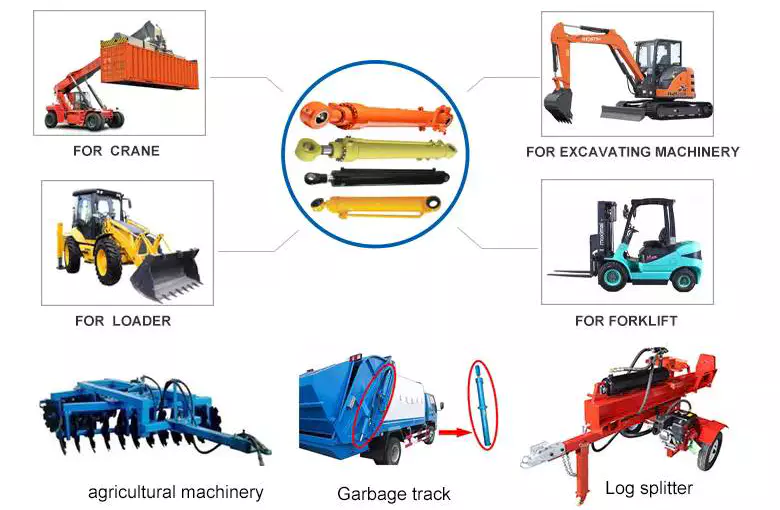
Integration of Hydraulic Cylinders with Equipment Requiring Rapid and Dynamic Movements
Hydraulic cylinders can indeed be integrated with equipment that requires rapid and dynamic movements. While hydraulic systems are generally known for their ability to provide high force and precise control, they can also be designed and optimized for applications that demand fast and dynamic motion. Let’s explore how hydraulic cylinders can be integrated with such equipment:
- High-Speed Hydraulic Systems: Hydraulic cylinders can be part of high-speed hydraulic systems designed specifically for rapid and dynamic movements. These systems incorporate features such as high-flow valves, optimized hydraulic circuitry, and responsive control systems. By carefully engineering the system components and hydraulic parameters, it is possible to achieve the desired speed and responsiveness, enabling the equipment to perform rapid movements.
- Valve Control: The control of hydraulic cylinders plays a crucial role in achieving rapid and dynamic movements. Proportional or servo valves can be used to precisely control the flow of hydraulic fluid into and out of the cylinder. These valves offer fast response times and precise flow control, allowing for rapid acceleration and deceleration of the cylinder’s piston. By adjusting the valve settings and optimizing the control algorithms, equipment can be designed to execute dynamic movements with high speed and accuracy.
- Optimized Cylinder Design: The design of hydraulic cylinders can be optimized to facilitate rapid and dynamic movements. Lightweight materials, such as aluminum alloys or composite materials, can be used to reduce the moving mass of the cylinder, enabling faster acceleration and deceleration. Additionally, the cylinder’s internal components, such as the piston and seals, can be designed for low friction to minimize energy losses and enhance responsiveness. These design optimizations contribute to the overall speed and dynamic performance of the equipment.
- Accumulator Integration: Hydraulic accumulators can be integrated into the system to enhance the dynamic capabilities of hydraulic cylinders. Accumulators store pressurized hydraulic fluid, which can be rapidly released to supplement the flow from the pump during high-demand situations. This stored energy can provide an extra boost of power, allowing for faster and more dynamic movements. By strategically sizing and configuring the accumulator, the system can be optimized for the specific rapid and dynamic requirements of the equipment.
- System Feedback and Control: To achieve precise and dynamic movements, hydraulic systems can incorporate feedback sensors and advanced control algorithms. Position sensors, such as linear potentiometers or magnetostrictive sensors, provide real-time position feedback of the hydraulic cylinder. This information can be used in closed-loop control systems to maintain precise positioning and execute rapid movements. Advanced control algorithms can optimize the control signals sent to the valves, ensuring smooth and dynamic motion while minimizing overshooting or oscillations.
In summary, hydraulic cylinders can be integrated with equipment that requires rapid and dynamic movements by utilizing high-speed hydraulic systems, employing responsive valve control, optimizing cylinder design, integrating accumulators, and incorporating feedback sensors and advanced control algorithms. These measures enable hydraulic systems to deliver the speed, responsiveness, and precision necessary for equipment operating in dynamic environments. By leveraging the capabilities of hydraulic cylinders, manufacturers can design and integrate systems that meet the requirements of applications demanding rapid and dynamic movements.
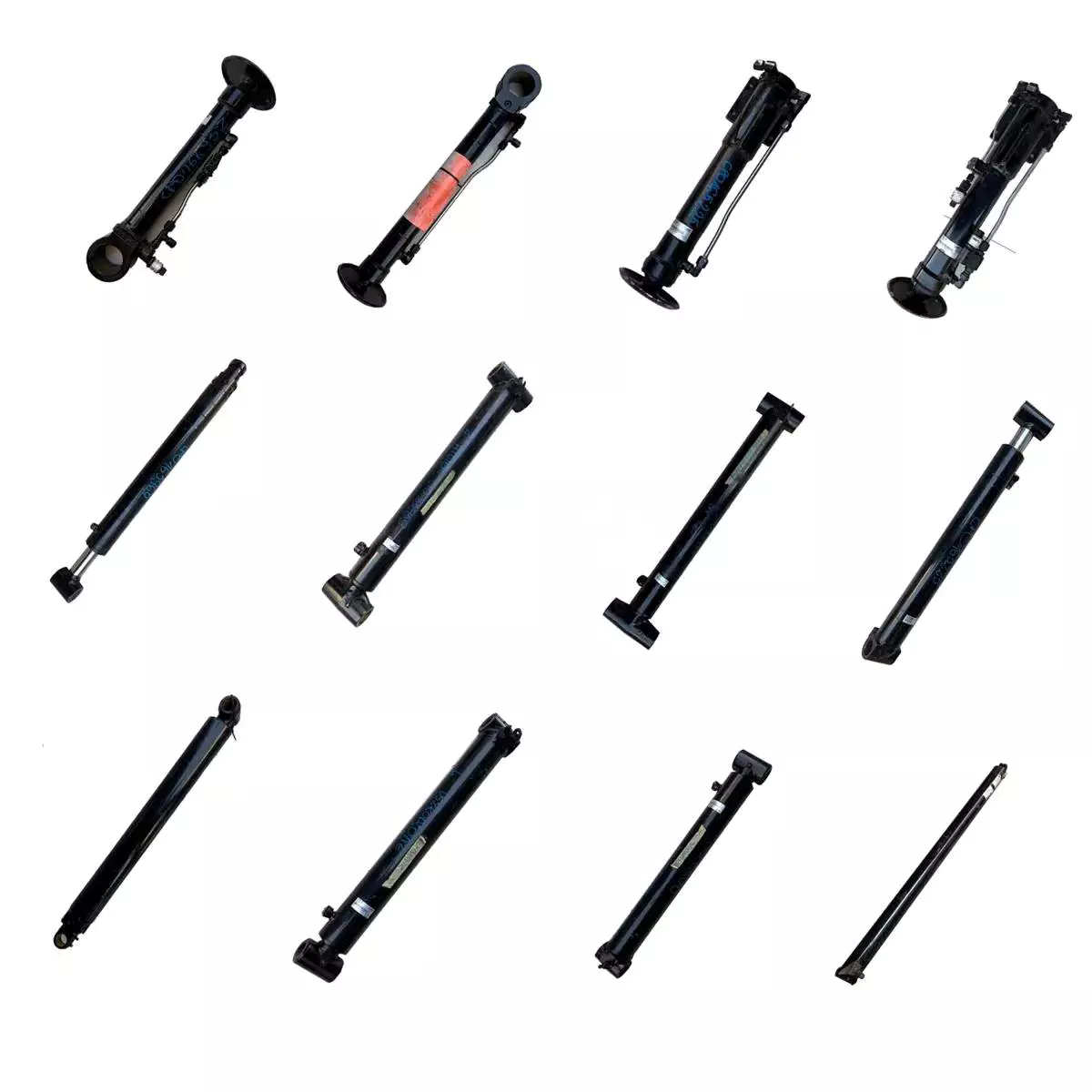
Come gestiscono i cilindri idraulici le variazioni di carico, pressione e velocità?
I cilindri idraulici sono progettati per gestire efficacemente le variazioni di carico, pressione e velocità. Incorporano caratteristiche e componenti che consentono loro di adattarsi alle mutevoli condizioni operative e di mantenere prestazioni ottimali. Ecco una spiegazione dettagliata di come i cilindri idraulici gestiscono le variazioni di carico, pressione e velocità:
Variazioni del carico:
I cilindri idraulici sono in grado di gestire variazioni di carico regolando la forza che esercitano. La forza erogata da un cilindro idraulico è determinata dalla pressione idraulica e dalla superficie del pistone. Quando il carico aumenta, la pressione nel sistema idraulico può essere regolata per generare una forza maggiore. Questa regolazione si ottiene controllando il flusso del fluido idraulico nel cilindro tramite valvole di controllo. Controllando la pressione e il flusso, i cilindri idraulici possono adattarsi a diverse esigenze di carico, garantendo che la forza applicata sia sufficiente a gestire il carico, evitando al contempo una forza eccessiva che potrebbe causare danni.
Variazioni di pressione:
I cilindri idraulici sono progettati per gestire le variazioni di pressione all'interno del sistema idraulico. Sono dotati di guarnizioni e altri componenti in grado di resistere ad alte pressioni. Quando la pressione all'interno del sistema idraulico fluttua, il cilindro idraulico si adatta di conseguenza per mantenere le proprie prestazioni. Le guarnizioni impediscono le perdite di fluido e assicurano che la pressione idraulica venga trasmessa efficacemente al pistone, consentendo al cilindro di generare la forza necessaria. Inoltre, i sistemi idraulici spesso incorporano valvole di sicurezza e altri meccanismi di protezione per salvaguardare il cilindro e l'intero sistema da condizioni di sovrapressione.
Variazioni di velocità:
I cilindri idraulici possono gestire variazioni di velocità controllando il flusso del fluido idraulico. La velocità di estensione o retrazione di un cilindro idraulico è determinata dalla portata del fluido idraulico in entrata e in uscita dal cilindro. Regolando la portata tramite valvole di controllo del flusso, è possibile controllare la velocità di movimento del cilindro. Ciò consente un controllo preciso della velocità, permettendo agli operatori di adattarsi alle diverse esigenze di velocità in base al compito o al carico specifico. Inoltre, i sistemi idraulici possono integrare valvole di controllo del flusso con orifizi di dimensioni regolabili per una messa a punto precisa della velocità di movimento del cilindro.
Tecnologia di rilevamento del carico:
I sistemi idraulici avanzati possono integrare la tecnologia di rilevamento del carico per migliorare ulteriormente la capacità dei cilindri idraulici di gestire le variazioni di carico, pressione e velocità. I sistemi di rilevamento del carico monitorano la richiesta di carico e regolano di conseguenza la pressione e la portata idraulica per soddisfare tale richiesta. Questa tecnologia garantisce che il cilindro idraulico fornisca la forza necessaria ottimizzando al contempo l'efficienza energetica. I sistemi di rilevamento del carico sono particolarmente vantaggiosi nelle applicazioni in cui i requisiti di carico possono variare in modo significativo, consentendo ai cilindri idraulici di adattarsi in tempo reale e di mantenere un controllo preciso su forza e velocità.
Accumulatori:
– I sistemi idraulici possono anche utilizzare accumulatori per gestire le variazioni di carico, pressione e velocità. Gli accumulatori immagazzinano fluido idraulico sotto pressione, che può essere rilasciato quando necessario per integrare il flusso e la pressione nel sistema. In caso di improvvisi aumenti di carico o di pressione, gli accumulatori possono fornire fluido aggiuntivo al cilindro idraulico, garantendo un funzionamento regolare e prevenendo cali di pressione. Allo stesso modo, gli accumulatori possono contribuire a mantenere una velocità costante compensando le fluttuazioni della portata. Agiscono come una fonte di energia supplementare, aiutando i cilindri idraulici a rispondere efficacemente alle variazioni delle condizioni operative.
In sintesi, i cilindri idraulici gestiscono le variazioni di carico, pressione e velocità attraverso diversi meccanismi e componenti. Sono in grado di regolare la forza erogata per adattarsi alle diverse esigenze di carico, controllando la pressione idraulica. Le guarnizioni e i componenti interni dei cilindri idraulici consentono loro di resistere alle variazioni di pressione all'interno del sistema idraulico. Controllando il flusso del fluido idraulico, i cilindri idraulici possono regolare la velocità del loro movimento. Tecnologie avanzate come i sistemi di rilevamento del carico e l'utilizzo di accumulatori migliorano ulteriormente l'adattabilità dei cilindri idraulici alle mutevoli condizioni operative. Queste caratteristiche e meccanismi consentono ai cilindri idraulici di mantenere prestazioni ottimali e di fornire un controllo affidabile della forza e del movimento in un'ampia gamma di applicazioni.


editor by CX 2023-11-01
 Italian
  English
  Portuguese
  Dutch
Dutch  Swedish
  Danish
  Finnish
  Polish
  Hindi
Hindi  Kazakh
  Turkish
  Ukrainian
  Romanian
  Spanish
  German
  Russian
  Korean
  Japanese
  Vietnamese
  Thai
Thai  Indonesian
  Malay
Malay  French
  Greek
Greek