
Descrizione del prodotto
Descrizione del prodotto
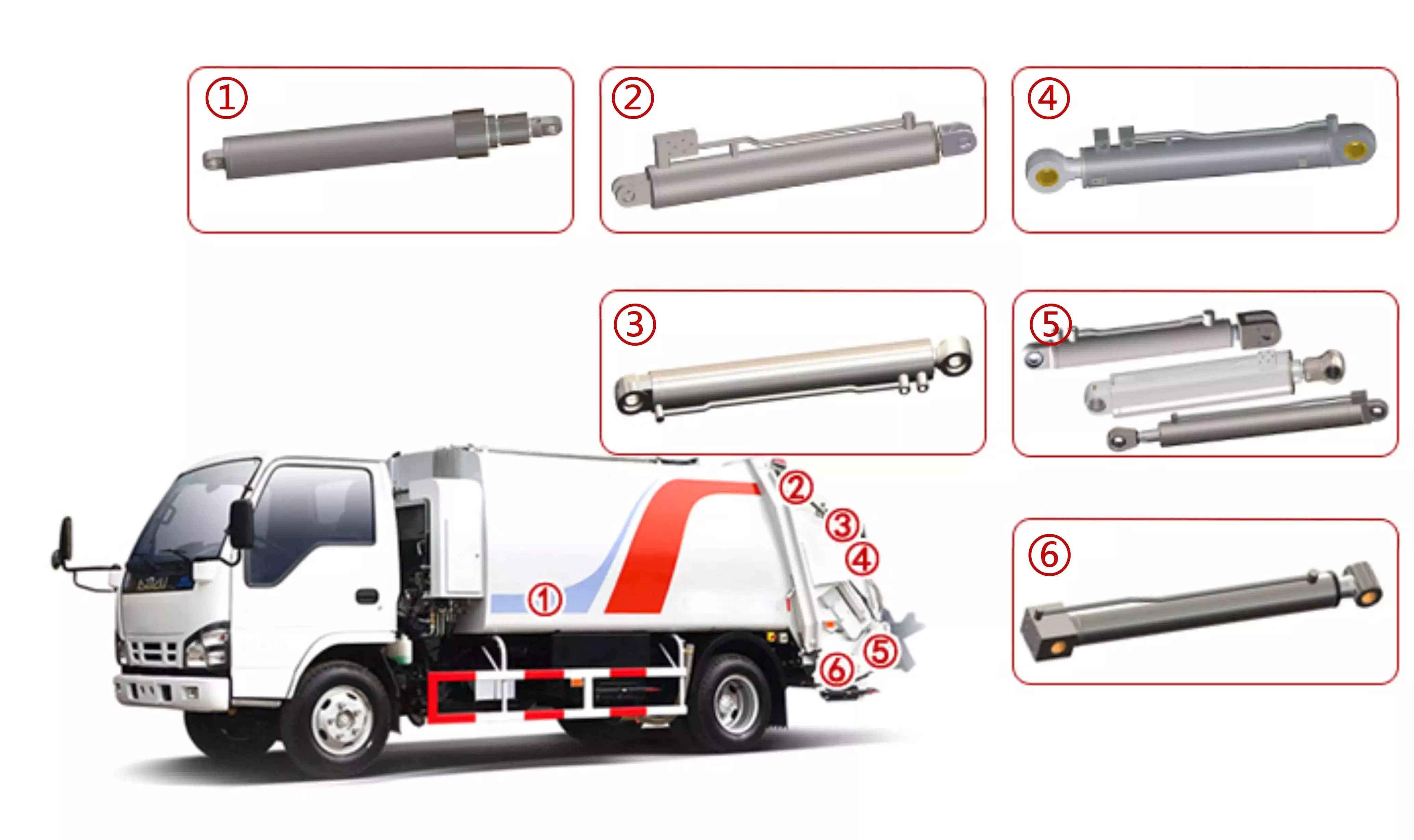
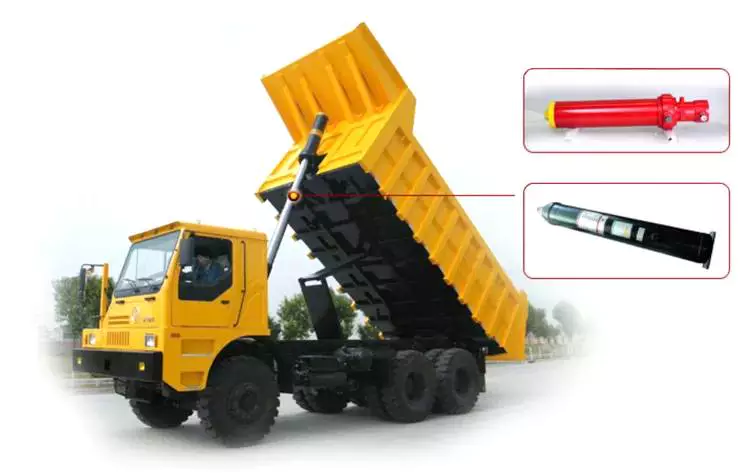
| Articolo | Double acting telescopic hydraulic cylinder for garbage truck |
| Raw Material | 27SiMn/16Mn/45#/20# seamless steel pipe with quenched&tempered |
| Seal Kits | Hallite/Kaden/Merkel/Guarnitec/Teconlan/Aston |
| Diameter(mm) | 214/191/169/149/129/110/91/75/60 202/179/157/137/118/99/80/63 221/196/172/150/129/110/91/75/60 |
| Max.Working Pressure | 20MPa/200BAR/2900PSI |
| Painting | According to your requirements |
| Overseas Market | USA,Canada,Mexico,Russia,Australia,New Zealand,South East Asia,Middle East etc |
| Quality Check | All hydraulic cylinders will be strictly inspected before delivery |
| Package | Plywood Box/Steel Pallet suitable for export |
Company Introduction
Zhongxin Machinery specialize in the production and R&D of Dump Truck&Trailer Telescopic Hydraulic Cylinder,
Dump Truck Hydraulic System,Agricultural Machinery Hydraulic Cylinder, Garbage Truck Hydraulic Cylinder,
Tipping Platform Hydraulic Cylinder,Snow Plow Hydraulic Cylinder and so on.
Over the years development,our products have been exported to
America,Australia,Russia,Canada,Mexico,Guatemala,Colombia,Netherlands etc
and have been widely praised by the customers from home and abroad.
We are committed to providing customers with high quality and reasonable price products.
All ZhongXin products are designed,engineered and manufactured by highly skilled and experienced engineers,
All the products do QC 3 times before delivery to make sure the quality.
Our Equipment
Package&Shipping
Customers
FAQ
A. Compared with CHINAMFG cylinder, what are your cylinder advantages?
1. Rod are chrome plated.
2. Tubes are quenched and tempered.
3.Tube inner hole goes through deep hole boring machine processing. Surface roughness is 0.4Ra
and circular degree is 0.571.
4. Good quality yet lower price.
B: Are you a manufacturer or a trading company?
Manufacturer, we are the leader manufacturer of hydraulic industry in China with 14 years’ experience and technology accumulation.With strong technical team we could solve any annoyance of you.
C: How can I get a booklet and buy a cylinder from you?
Just leave me a message or email or call me directly, let me know you are interesting in our products. I will talk with you for the details soon!
1. Please advice the drawing with technical requirement.
2. Please advice the model No. after you check our booklet.
3. Please advice the tipping capacity, number of stages, closed length, mounting type and size.
4. Please also help advice the quantities, this is very important.
D: Do your products come with a warranty?
Yes, we have 14 months warranty. In this year, if the quality problem we will free repair for you.
E: What about the quality feedback of your products?
We have never received even once quality complaint for many years of international business.
F: Can you help me to install or recommend what kind of hydraulic cylinder or power pack should I use for specific machine?
Yes, we have 6 experienced engineers who are always ready to help you. If you do not know what kind of hydraulic cylinders should be used in your machine, please just contact us, our engineers will design the exact products match your need.
G: What is the delivery time?
Within 15 days for samples.
25-30 days for bulk production, which is depend on quality, production process and so on.
H: What is your main payment term?
T/T, L/C, either is available.
| Certificazione: | CE, ISO9001 |
|---|---|
| Pressione: | High Pressure |
| Temperatura di esercizio: | Normal Temperature |
| Modo di agire: | Double Acting |
| Metodo di lavoro: | Straight Trip |
| Modulo modificato: | Regulated Type |
| Samples: | US$ 500/Piece 1 Piece(Min.Order) | |
|---|
| Personalizzazione: | Disponibile |
|
|---|
Can hydraulic cylinders be integrated with advanced control systems and automation?
Yes, hydraulic cylinders can be integrated with advanced control systems and automation technologies to enhance their functionality, precision, and overall performance. The integration of hydraulic cylinders with advanced control systems allows for more sophisticated and precise control over their operation, enabling automation and intelligent control. Here’s a detailed explanation of how hydraulic cylinders can be integrated with advanced control systems and automation:
1. Electronic Control:
– Hydraulic cylinders can be equipped with electronic sensors and transducers to provide real-time feedback on their position, force, pressure, or velocity. These sensors can be integrated with advanced control systems, such as programmable logic controllers (PLCs) or distributed control systems (DCS), to monitor and control the operation of hydraulic cylinders. By integrating electronic control, the position, speed, and force of hydraulic cylinders can be precisely monitored and adjusted, allowing for more accurate and automated control.
2. Closed-Loop Control:
– Closed-loop control systems use feedback from sensors to continuously monitor and adjust the operation of hydraulic cylinders. By integrating hydraulic cylinders with closed-loop control systems, precise control over position, velocity, and force can be achieved. Closed-loop control enables the system to automatically compensate for variations, external disturbances, or changes in operating conditions, ensuring accurate and consistent performance. This integration is particularly beneficial in applications that require precise positioning, synchronization, or force control.
3. Proportional and Servo Control:
– Hydraulic cylinders can be integrated with proportional and servo control systems to achieve finer control over their operation. Proportional control systems use proportional valves to regulate the flow and pressure of hydraulic fluid, allowing for precise adjustment of cylinder speed and force. Servo control systems, on the other hand, combine feedback sensors, high-performance valves, and advanced control algorithms to achieve extremely precise control over hydraulic cylinders. Proportional and servo control integration enhances the responsiveness, accuracy, and dynamic performance of hydraulic cylinders.
4. Human-Machine Interface (HMI):
– Hydraulic cylinders integrated with advanced control systems can be operated and monitored through human-machine interface (HMI) devices. HMIs provide a graphical user interface that allows operators to interact with the control system, monitor cylinder performance, and adjust parameters. HMIs enable operators to set desired positions, forces, or velocities, and visualize the real-time feedback from sensors. This integration simplifies the operation and monitoring of hydraulic cylinders, making them more user-friendly and facilitating seamless integration into automated systems.
5. Communication and Networking:
– Hydraulic cylinders can be integrated into communication and networking systems, enabling them to be part of a larger automated system. Integration with industrial communication protocols, such as Ethernet/IP, Profibus, or Modbus, allows for seamless information exchange between the hydraulic cylinders and other system components. This integration enables centralized control, data logging, remote monitoring, and coordination with other automated processes. Communication and networking integration enhance the overall efficiency, coordination, and integration of hydraulic cylinders within complex automation systems.
6. Automation and Sequential Control:
– By integrating hydraulic cylinders with advanced control systems, they can be seamlessly incorporated into automated processes and sequential control operations. The control system can execute predefined sequences or programmed logic to control the operation of hydraulic cylinders based on specific conditions, inputs, or timing. This integration enables the automation of complex tasks, such as material handling, assembly operations, or repetitive motions. Hydraulic cylinders can be synchronized with other actuators, sensors, or devices, allowing for coordinated and automated operation in various industrial applications.
7. Predictive Maintenance and Condition Monitoring:
– Advanced control systems can also enable predictive maintenance and condition monitoring for hydraulic cylinders. By integrating sensors and monitoring capabilities, the control system can continuously monitor the performance, health, and condition of hydraulic cylinders. This integration allows for the detection of abnormalities, wear, or potential failures in real-time. Predictive maintenance strategies can be implemented based on the collected data, optimizing maintenance schedules, reducing downtime, and enhancing the overall reliability of hydraulic systems.
In summary, hydraulic cylinders can be integrated with advanced control systems and automation technologies to enhance their functionality, precision, and performance. The integration allows for electronic control, closed-loop control, proportional and servo control, human-machine interface (HMI) interaction, communication and networking, automation and sequential control, as well as predictive maintenance and condition monitoring. These integrations enable more precise control, automation, improved efficiency, and optimized performance of hydraulic cylinders in various industrial applications.
Utilizzo di cilindri idraulici in combinazione con fonti di energia alternative
I cilindri idraulici possono effettivamente essere utilizzati in combinazione con fonti di energia alternative. La versatilità dei sistemi idraulici consente di integrarli con diverse tecnologie per le energie alternative, migliorandone l'efficienza, il controllo e la produzione di energia. Vediamo alcuni esempi di come i cilindri idraulici possono essere impiegati insieme alle fonti di energia alternative:
- Accumulo di energia idraulica: I cilindri idraulici possono essere impiegati in sistemi di accumulo di energia che utilizzano fonti energetiche alternative come le energie rinnovabili (ad esempio, solare o eolica) o il recupero di energia dai rifiuti. Questi sistemi convertono l'energia in eccesso in energia potenziale idraulica pompando un fluido in un accumulatore ad alta pressione. Quando l'energia è necessaria, il fluido pressurizzato viene rilasciato, azionando il cilindro idraulico e generando energia meccanica.
- Conversione dell'energia delle onde e delle maree: I cilindri idraulici possono essere utilizzati nei sistemi di conversione dell'energia delle onde e delle maree. Questi sistemi sfruttano la potenza delle onde oceaniche o delle correnti di marea e la convertono in energia utilizzabile. I cilindri idraulici, insieme alle pompe e alle valvole associate, possono essere impiegati per catturare e controllare l'energia delle onde o delle maree, azionando i cilindri e generando energia meccanica o producendo elettricità.
- Produzione di energia idroelettrica: I cilindri idraulici svolgono un ruolo cruciale nella produzione tradizionale di energia idroelettrica. Tuttavia, anche approcci alternativi come i sistemi idroelettrici su piccola scala o micro-idroelettrici possono trarre vantaggio dai cilindri idraulici. Questi sistemi utilizzano flussi d'acqua naturali o artificiali per azionare turbine collegate a cilindri idraulici, che a loro volta convertono l'energia idraulica in energia meccanica o elettrica.
- Attuazione idraulica nelle turbine eoliche: I cilindri idraulici possono essere impiegati nelle turbine eoliche per migliorarne le prestazioni e il controllo. Ad esempio, i sistemi di controllo idraulico del passo delle pale utilizzano cilindri idraulici per regolare l'angolo di inclinazione delle pale, ottimizzandone le prestazioni aerodinamiche in base alle condizioni del vento. Ciò consente una produzione di energia efficiente e una protezione contro carichi di vento eccessivi.
- Estrazione di energia geotermica: L'estrazione di energia geotermica consiste nell'utilizzare il calore naturale proveniente dall'interno della Terra per generare energia elettrica. I cilindri idraulici possono essere impiegati nei sistemi geotermici per controllare e regolare il flusso dei fluidi, consentendo un'estrazione e un utilizzo efficienti dell'energia geotermica. Possono essere utilizzati anche nelle pompe di calore geotermiche per applicazioni di riscaldamento e raffreddamento.
In sintesi, i cilindri idraulici possono essere efficacemente utilizzati in combinazione con fonti di energia alternative per migliorare l'accumulo, la generazione e il controllo dell'energia. Che si tratti di sistemi di accumulo di energia idraulica, conversione dell'energia delle onde e delle maree, generazione di energia idroelettrica, azionamento idraulico nelle turbine eoliche o estrazione di energia geotermica, i cilindri idraulici offrono soluzioni versatili ed efficienti per sfruttare e utilizzare le fonti di energia alternative.
Can hydraulic cylinders be customized for specific equipment or attachment needs?
Yes, hydraulic cylinders can be customized to meet specific equipment or attachment needs. Hydraulic cylinder manufacturers often offer customization options to ensure that the cylinders meet the unique requirements of different applications. Here’s a detailed explanation of how hydraulic cylinders can be customized for specific equipment or attachment needs:
1. Size and Configuration:
– Hydraulic cylinders can be customized in terms of size and configuration to fit specific equipment or attachment requirements. The dimensions of the cylinder, such as bore size, rod diameter, and stroke length, can be tailored to match the available space and the desired force or movement requirements. Additionally, the mounting style and orientation of the cylinder can be customized to ensure proper integration with the equipment or attachment.
2. Operating Pressure and Force:
– The operating pressure and force capabilities of hydraulic cylinders can be customized to suit the specific equipment or attachment needs. Different applications may require different force outputs, and hydraulic cylinder manufacturers can design and manufacture cylinders with the appropriate piston area and pressure ratings to meet those requirements. Customization in this aspect ensures optimal performance and efficiency for the particular equipment or attachment.
3. Stroke Length:
– The stroke length of a hydraulic cylinder refers to the distance the piston can travel from fully retracted to fully extended. Customization of the stroke length allows the hydraulic cylinder to accommodate the specific range of motion required by the equipment or attachment. By adjusting the stroke length, the cylinder can be tailored to deliver the necessary extension and retraction capabilities for efficient operation.
4. Mounting Options:
– Hydraulic cylinders can be customized with various mounting options to facilitate easy installation and integration with specific equipment or attachments. Different applications may require different mounting styles, such as flange mounts, trunnion mounts, or clevis mounts. Manufacturers can provide customized mounting options to ensure proper alignment, stability, and functionality when the cylinder is connected to the equipment or attachment.
5. Sealing and Material Options:
– The sealing system of a hydraulic cylinder is crucial for preventing fluid leakage and maintaining the cylinder’s integrity. Hydraulic cylinder manufacturers offer customization options for sealing materials, such as different types of seals and seal configurations, to suit specific equipment or attachment needs. Additionally, customization of cylinder materials, such as selecting corrosion-resistant materials or specialized coatings, can enhance the cylinder’s durability and performance in specific operating environments.
6. Integration with Control Systems:
– In certain applications, hydraulic cylinders may need to be integrated with sophisticated control systems or automation technologies. Customization can involve incorporating sensors, position feedback devices, or other control elements into the hydraulic cylinder design to enable seamless integration with the overall equipment or attachment control system. This customization ensures precise control, monitoring, and synchronization of the hydraulic cylinder’s movements within the specific application.
7. Specialized Features or Accessories:
– Hydraulic cylinder customization can also involve incorporating specialized features or accessories to meet unique equipment or attachment needs. This may include the integration of safety features, such as pressure relief valves or load-holding valves, or the addition of specific ports or fittings for auxiliary functions or attachments. Customization allows hydraulic cylinders to be tailored to the specific requirements and functionalities of the equipment or attachment.
By offering customization options, hydraulic cylinder manufacturers can provide solutions that precisely match the needs of different equipment or attachment applications. Customized hydraulic cylinders ensure optimal performance, efficiency, and integration, enhancing the overall functionality and productivity of the equipment or attachment. It is important to work closely with experienced manufacturers or hydraulic system specialists to determine the specific customization requirements and ensure the successful implementation of customized hydraulic cylinders.


editor by CX 2023-11-20
 Italian
  English
  Portuguese
  Dutch
Dutch  Swedish
  Danish
  Finnish
  Polish
  Hindi
Hindi  Kazakh
  Turkish
  Ukrainian
  Romanian
  Spanish
  German
  Russian
  Korean
  Japanese
  Vietnamese
  Thai
Thai  Indonesian
  Malay
Malay  French
  Greek
Greek