
Descrizione del prodotto
1 YEAR WARRANTY AND EXCELLENT SERVICE
7 DAYS REFUND PAYMENT IN CASE OF QUALITY
24 HOURS SMOOTHLY COMMUNICATION
Descrizione del prodotto
Hydraulic Cylinder Jack
Capacity: 50-800ton
Stroke: 50-300mm
Max.pressure: 700bar
SSJ Series Single-Acting High Tonnage Hydraulic Cylinders
1. Single acting, loads return.
2. Hard chrome plated high quality steel plungers.
3. Plunger wiper reduces contamination, extending cylinder life.
4. The exclusive guide Ring is designed absorbs eccentric loading without galling cylinder parts, reduces wear and extending life.
5. Special painted surface to increase corrosion resistance.
6. Easy fixturing with base mounting holes.
7. All model include quick couplings (NPT3/8″-18) and dust-proof cap.
8. Removable hardened saddles protect plunger during lifting and pressing.
9. According to different work environment, special cylinder could be customized.
| Cylinder Capacity | Colpo | Model Number | Cylinder Effective Area | Oil Capacity | Collapsed Height | Extended Height | Outside Dia. | Cylinder Bore Dia | Plunger Dia. | Base to Advance Port | Saddle Dia. | Saddle Protrusion from Plgr. | Mounting Hole Dimensions | Weight | ||
| Bolt Circle | Thread | Thread Depth | ||||||||||||||
| A | B | C | D | E | F | H | J | O | P | W | ||||||
| ton(KN) | (mm) | (cm2) | (cm3) | (mm) | (mm) | (mm) | (mm) | (mm) | (mm) | (mm) | (mm) | (mm) | (mm) | (kg) | ||
| 50 (550) | 50 | SSJ50-50 | 78.5 | 392 | 172 | 222 | 140 | 100 | 70 | 41 | 70 | 24 | 70 | 4-M16 | 13 | 21.5 |
| 100 | SSJ50-100 | 78.5 | 784 | 222 | 322 | 140 | 100 | 70 | 41 | 70 | 24 | 70 | 4-M16 | 13 | 26 | |
| 150 | SSJ50-150 | 78.5 | 1176 | 272 | 432 | 140 | 100 | 70 | 41 | 70 | 24 | 70 | 4-M16 | 13 | 31 | |
| 200 | SSJ50-200 | 78.5 | 1568 | 322 | 522 | 140 | 100 | 70 | 41 | 70 | 24 | 70 | 4-M16 | 13 | 35 | |
| 300 | SSJ50-300 | 78.5 | 2352 | 422 | 722 | 140 | 100 | 70 | 41 | 70 | 24 | 70 | 4-M16 | 13 | 44 | |
| 100 (1077) | 50 | SSJ100-50 | 153.9 | 770 | 197 | 247 | 188 | 140 | 100 | 54 | 100 | 24 | 100 | 4-M20 | 16 | 42 |
| 100 | SSJ100-100 | 153.9 | 1540 | 247 | 347 | 188 | 140 | 100 | 54 | 100 | 24 | 100 | 4-M20 | 16 | 49 | |
| 150 | SSJ100-150 | 153.9 | 2310 | 297 | 447 | 188 | 140 | 100 | 54 | 100 | 24 | 100 | 4-M20 | 16 | 56 | |
| 200 | SSJ100-200 | 153.9 | 3080 | 347 | 547 | 188 | 140 | 100 | 54 | 100 | 24 | 100 | 4-M20 | 16 | 63 | |
| 300 | SSJ100-300 | 153.9 | 4620 | 447 | 747 | 188 | 140 | 100 | 54 | 100 | 24 | 100 | 4-M20 | 16 | 70 | |
| 150 (1588) | 50 | SSJ150-50 | 226.9 | 1134 | 206 | 256 | 228 | 170 | 120 | 58 | 120 | 24 | 130 | 4-M20 | 16 | 44 |
| 100 | SSJ150-100 | 226.9 | 2269 | 256 | 356 | 228 | 170 | 120 | 58 | 120 | 24 | 130 | 4-M20 | 16 | 57 | |
| 150 | SSJ150-150 | 226.9 | 3403 | 306 | 456 | 228 | 170 | 120 | 58 | 120 | 24 | 130 | 4-M20 | 16 | 70 | |
| 200 | SSJ150-200 | 226.9 | 4538 | 356 | 556 | 228 | 170 | 120 | 58 | 120 | 24 | 130 | 4-M20 | 16 | 83 | |
| 300 | SSJ150-300 | 226.9 | 6806 | 456 | 756 | 228 | 170 | 120 | 58 | 120 | 24 | 130 | 4-M20 | 16 | 109 | |
| 200 (2198) | 50 | SSJ200-50 | 314 | 1570 | 221 | 296 | 268 | 200 | 150 | 64 | 150 | 29 | 160 | 4-M24 | 24 | 84 |
| 150 | SSJ200-150 | 314 | 4712 | 321 | 496 | 268 | 200 | 150 | 64 | 150 | 29 | 160 | 4-M24 | 24 | 118 | |
| 300 | SSJ200-300 | 314 | 9423 | 471 | 796 | 268 | 200 | 150 | 64 | 150 | 29 | 160 | 4-M24 | 24 | 152 | |
| 300 (3434) | 50 | SSJ300-50 | 490.6 | 2453 | 277 | 327 | 320 | 250 | 180 | 74 | 180 | 35 | 220 | 4-M24 | 24 | 155 |
| 150 | SSJ300-150 | 490.6 | 7359 | 377 | 527 | 320 | 250 | 180 | 74 | 180 | 35 | 220 | 4-M24 | 24 | 195 | |
| 300 | SSJ300-300 | 490.6 | 14718 | 527 | 827 | 320 | 250 | 180 | 74 | 180 | 35 | 220 | 4-M24 | 24 | 255 | |
| 400 (4308) | 50 | SSJ400-50 | 615.4 | 3077 | 305 | 355 | 370 | 280 | 210 | 83 | 210 | 35 | 240 | 4-M24 | 24 | 240 |
| 150 | SSJ400-150 | 615.4 | 9231 | 405 | 555 | 370 | 280 | 210 | 83 | 210 | 35 | 240 | 4-M24 | 24 | 310 | |
| 300 | SSJ400-300 | 615.4 | 18462 | 555 | 855 | 370 | 280 | 210 | 83 | 210 | 35 | 240 | 4-M24 | 24 | 415 | |
| 500 (5114) | 50 | SSJ500-50 | 803.8 | 4019 | 325 | 375 | 420 | 320 | 250 | 93 | 246 | 35 | 280 | 4-M24 | 24 | 285 |
| 150 | SSJ500-150 | 803.8 | 12057 | 425 | 575 | 420 | 320 | 250 | 93 | 246 | 35 | 280 | 4-M24 | 24 | 353 | |
| 300 | SSJ500-300 | 803.8 | 24114 | 575 | 875 | 420 | 320 | 250 | 93 | 246 | 35 | 280 | 4-M24 | 24 | 455 | |
| 600 (6300) | 50 | SSJ600-50 | 1017.4 | 5087 | 386 | 436 | 500 | 360 | 280 | 113 | 280 | 40 | 300 | 4-M24 | 24 | 487 |
| 150 | SSJ600-150 | 1017.4 | 15261 | 486 | 636 | 500 | 360 | 280 | 113 | 280 | 40 | 300 | 4-M24 | 24 | 579 | |
| 300 | SSJ600-300 | 1017.4 | 30522 | 636 | 936 | 500 | 360 | 280 | 113 | 280 | 40 | 300 | 4-M24 | 24 | 717 | |
| 800 (8790) | 50 | SSJ800-50 | 1256 | 6280 | 427 | 477 | 550 | 400 | 320 | 113 | 320 | 57 | 380 | 4-M24 | 24 | 712 |
| 150 | SSJ800-150 | 1256 | 18840 | 527 | 677 | 550 | 400 | 320 | 113 | 320 | 57 | 380 | 4-M24 | 24 | 860 | |
| 300 | SSJ800-300 | 1256 | 37698 | 677 | 977 | 550 | 400 | 320 | 113 | 320 | 57 | 380 | 4-M24 | 24 | 1082 | |
All SAIVS Hydraulic Lifting Cylinders Jack go with calibration certificates,
Your Requirements Can Be Customized, Please Contact Us Freely!
Detailed Photos
Single-Acting High Tonnage Hydraulic Cylinders
SAIVS is a professional manufacturer in hydraulic tools and products, Hydraulic lifting cylinder & jack and Hydraulic pumps.
Our full rang of popular hydraulic cylinder reserviors including jacking, pushing, pulling, supporting etc.
Our hydraulic products have been widely used in petrochemical, Building, shipbuilding, steel plant and heavy constructions areas etc.
Application
Certifications
Packaging & Shipping
Profilo Aziendale
Established in HangZhou, China, CHINAMFG began as a manufacturer and exporter of different kinds of casting and precision CNC machining components, industrial customized parts. CHINAMFG has the experience to develop thousands of tooling and fixtures in house according to customers’ drawings.
In 2002, hydraulic tools research department was settled and company developed its first line of hydraulic tools and equipment. Today CHINAMFG is reckoned as 1 of the most preferred experienced manufacturer and exporter of hydraulic tools, hydraulic pumps & hydraulic components in the industrial market.
We have more than 200 employees total, that work at casting foundries, CNC machining plant. we have nice reputation in components supply chain, as we have better management system, positive teamwork cooperation and advanced equipment. We obtained certificates of TS16949, ISO9001, ISO14001 and OSHAS ISO 18001.
FAQ
Q: Are you trading company or manufacturer?
A: We are factory with more than 20 years experience.
Q: How long for delivery?
A: Generally it is 15-30days as we are customized service we confirm with customer when place order.
Q: What is the MOQ?
A: It depends on what you are buying. Normally, our minimum order is 1 20′ full container and LCL container (less than a
container load) can be acceptable.
Q: Can you customize my products?
A: Yes, we can customized products with your design drawings like DWG, DXF, DXW, IGES, STEP, PDF etc.
Q: What is your terms of payment?
A: 30% T/T in advance, balance before shipment, or as per discussion.
Q: What about your quality control?
A: * . Checking the raw material after they reach our factory—–Incoming quality control(IQC)
* . Checking the details before the production line operated
* . Have full inspection and routing inspection during mass production—-In-process quality control(IPQC)
* . Checking the goods after they are finished—-Final quality control(FQC)
* . Checking the goods after they are finished—-Outgoing quality control(QC)
* . 100% inspection and delivery before shipment
| After-sales Service: | SÌ |
|---|---|
| Warranty: | 1 Year |
| Type: | Hydraulic Jack |
| Structure: | Hydraulic Jack |
| Capacity (Load): | 50-800 T |
| Power Source: | Hydraulic |
| Personalizzazione: | Disponibile |
|
|---|
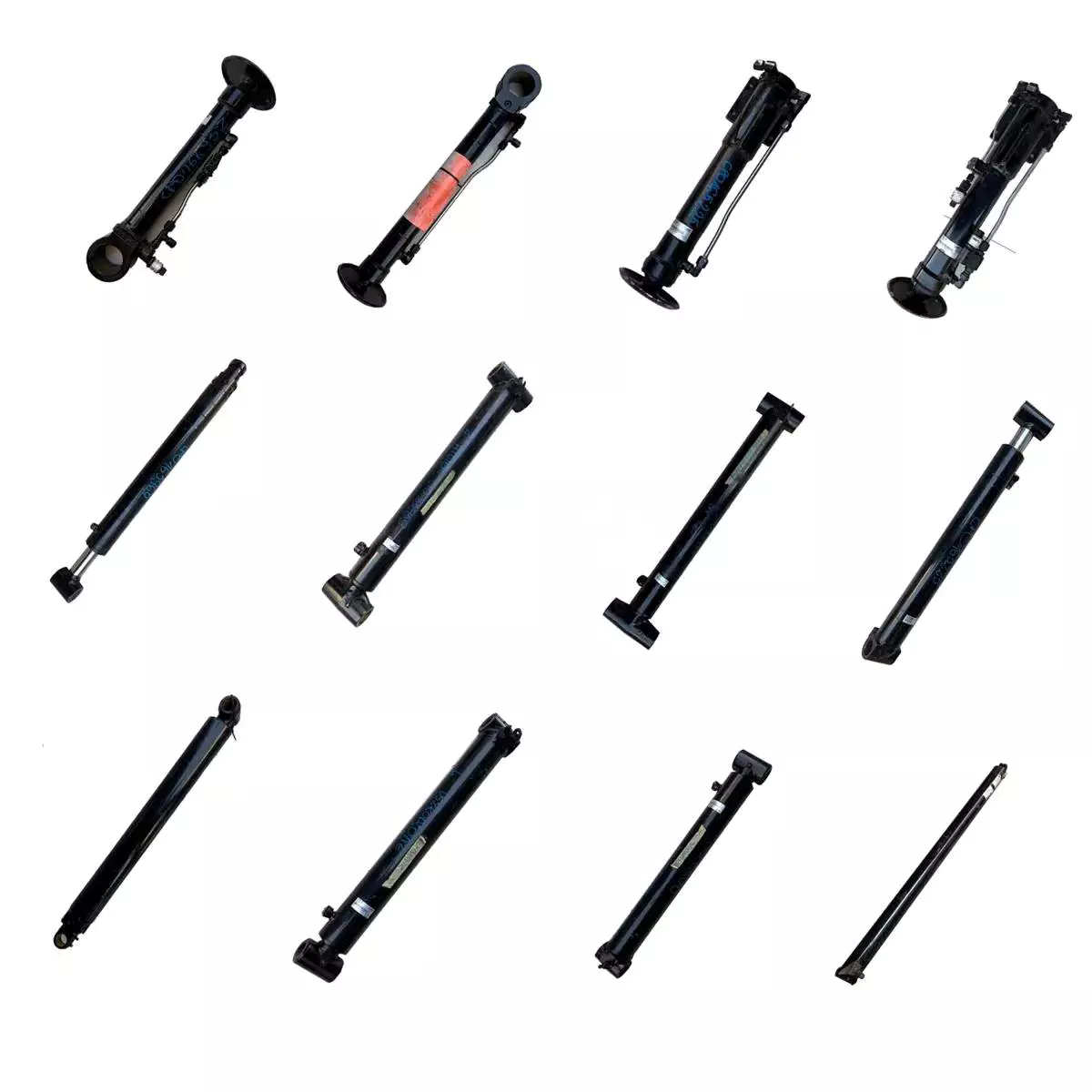
How do hydraulic cylinders handle the challenges of precise positioning and control?
Hydraulic cylinders are designed to handle the challenges of precise positioning and control with a combination of engineering principles and advanced control systems. These challenges often arise in applications where accurate and controlled movements are required, such as in industrial automation, construction, and material handling. Here’s a detailed explanation of how hydraulic cylinders overcome these challenges:
1. Fluid Power Control:
– Hydraulic cylinders utilize fluid power control to achieve precise positioning and control. The hydraulic system consists of a hydraulic pump, control valves, and hydraulic fluid. By regulating the flow of hydraulic fluid into and out of the cylinder, operators can control the speed, direction, and force exerted by the cylinder. The fluid power control allows for smooth and accurate movements, enabling precise positioning of the hydraulic cylinder and the attached load.
2. Control Valves:
– Control valves play a crucial role in handling the challenges of precise positioning and control. These valves are responsible for directing the flow of hydraulic fluid within the system. They can be manually operated or electronically controlled. Control valves allow operators to adjust the flow rate of the hydraulic fluid, controlling the speed of the cylinder’s movement. By modulating the flow, operators can achieve fine control over the positioning of the hydraulic cylinder, enabling precise and accurate movements.
3. Proportional Control:
– Hydraulic cylinders can be equipped with proportional control systems, which offer enhanced precision in positioning and control. Proportional control systems utilize electronic feedback and control algorithms to precisely regulate the flow and pressure of the hydraulic fluid. These systems provide accurate and proportional control over the movement of the hydraulic cylinder, allowing for precise positioning at various points along its stroke length. Proportional control enhances the cylinder’s ability to handle complex tasks that require precise movements and control.
4. Position Feedback Sensors:
– To achieve precise positioning, hydraulic cylinders often incorporate position feedback sensors. These sensors provide real-time information about the position of the cylinder’s piston rod. Common types of position feedback sensors include potentiometers, linear variable differential transformers (LVDTs), and magnetostrictive sensors. By continuously monitoring the position, the feedback sensors enable closed-loop control, allowing for accurate positioning and control of the hydraulic cylinder. The feedback information is used to adjust the flow of hydraulic fluid to achieve the desired position accurately.
5. Servo Control Systems:
– Advanced hydraulic systems employ servo control systems to handle the challenges of precise positioning and control. Servo control systems combine electronic control, position feedback sensors, and proportional control valves to achieve high levels of accuracy and responsiveness. The servo control system continuously compares the desired position with the actual position of the hydraulic cylinder and adjusts the flow of hydraulic fluid to minimize any positional error. This closed-loop control mechanism enables the hydraulic cylinder to maintain precise positioning and control, even under varying loads or external disturbances.
6. Integrated Automation:
– Hydraulic cylinders can be integrated into automated systems to achieve precise positioning and control. In such setups, the hydraulic cylinders are controlled by programmable logic controllers (PLCs) or other automation controllers. These controllers receive input signals from various sensors and use pre-programmed logic to command the hydraulic cylinder’s movements. The integration of hydraulic cylinders into automated systems allows for precise and repeatable positioning and control, enabling complex sequences of movements to be executed with high accuracy.
7. Advanced Control Algorithms:
– Advancements in control algorithms have also contributed to the precise positioning and control of hydraulic cylinders. These algorithms, such as PID (Proportional-Integral-Derivative) control, adaptive control, and model-based control, enable sophisticated control strategies to be implemented. These algorithms consider factors such as load variations, system dynamics, and environmental conditions to optimize the control of hydraulic cylinders. By employing advanced control algorithms, hydraulic cylinders can compensate for disturbances and achieve precise positioning and control over a wide range of operating conditions.
In summary, hydraulic cylinders overcome the challenges of precise positioning and control through the use of fluid power control, control valves, proportional control, position feedback sensors, servo control systems, integrated automation, and advanced control algorithms. By combining these elements, hydraulic cylinders can achieve accurate and controlled movements, enabling precise positioning and control in various applications. These capabilities are essential for industries that require high precision and repeatability in their operations, such as industrial automation, robotics, and material handling.
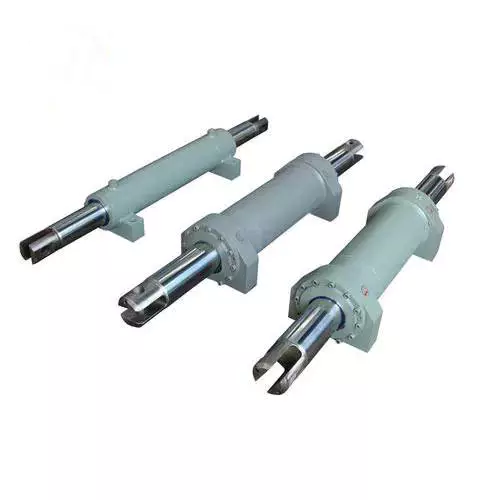
Ensuring Stable Performance of Hydraulic Cylinders Under Fluctuating Loads
Hydraulic cylinders are designed to provide stable performance even under fluctuating loads. They achieve this through various mechanisms and features that allow for efficient load control and compensation. Let’s explore how hydraulic cylinders ensure stable performance under fluctuating loads:
- Piston Design: The piston inside the hydraulic cylinder plays a crucial role in load control. It is typically equipped with seals and rings that prevent leakage of hydraulic fluid and ensure effective transfer of force. The piston design may incorporate features such as stepped or tandem pistons, which provide enhanced load-bearing capabilities and improved stability by distributing the load across multiple surfaces.
- Cylinder Cushioning: Hydraulic cylinders often incorporate cushioning mechanisms to minimize the impact and shock caused by fluctuating loads. Cushioning can be achieved through various methods, such as adjustable cushion screws, hydraulic cushioning valves, or elastomeric cushioning rings. These mechanisms slow down the piston’s movement near the end of the stroke, reducing the impact and preventing sudden stops that could lead to instability.
- Pressure Compensation: Fluctuating loads can result in pressure variations within the hydraulic system. To ensure stable performance, hydraulic cylinders are equipped with pressure compensation mechanisms. These mechanisms maintain a consistent pressure level in the system, regardless of load changes. Pressure compensation can be achieved through the use of pressure relief valves, compensating pistons, or pressure-compensated flow control valves.
- Flow Control: Hydraulic cylinders often incorporate flow control valves to regulate the speed of the cylinder’s movement. By controlling the flow rate of hydraulic fluid, the cylinder’s motion can be adjusted to match the changing load conditions. Flow control valves allow for smooth and controlled movement, preventing abrupt changes that could lead to instability.
- Feedback Systems: To ensure stable performance under fluctuating loads, hydraulic cylinders can be integrated with feedback systems. These systems provide real-time information on the cylinder’s position, velocity, and force. By continuously monitoring these parameters, the hydraulic system can make immediate adjustments to maintain stability and compensate for load fluctuations. Feedback systems can include position sensors, pressure sensors, or load sensors, depending on the specific application.
- Proper Sizing and Selection: Ensuring stable performance under fluctuating loads starts with proper sizing and selection of hydraulic cylinders. It is crucial to choose cylinders with appropriate bore size, rod diameter, and stroke length to match the anticipated load conditions. Oversized or undersized cylinders can lead to instability and reduced performance. Proper sizing also involves considering factors such as the required force, speed, and duty cycle of the application.
In summary, hydraulic cylinders ensure stable performance under fluctuating loads through features such as piston design, cushioning mechanisms, pressure compensation, flow control, feedback systems, and proper sizing and selection. These mechanisms and considerations allow hydraulic cylinders to provide consistent and controlled movement, even in dynamic load conditions, resulting in reliable and stable performance.
Come gestiscono i cilindri idraulici le variazioni di carico, pressione e velocità?
I cilindri idraulici sono progettati per gestire efficacemente le variazioni di carico, pressione e velocità. Incorporano caratteristiche e componenti che consentono loro di adattarsi alle mutevoli condizioni operative e di mantenere prestazioni ottimali. Ecco una spiegazione dettagliata di come i cilindri idraulici gestiscono le variazioni di carico, pressione e velocità:
Variazioni del carico:
I cilindri idraulici sono in grado di gestire variazioni di carico regolando la forza che esercitano. La forza erogata da un cilindro idraulico è determinata dalla pressione idraulica e dalla superficie del pistone. Quando il carico aumenta, la pressione nel sistema idraulico può essere regolata per generare una forza maggiore. Questa regolazione si ottiene controllando il flusso del fluido idraulico nel cilindro tramite valvole di controllo. Controllando la pressione e il flusso, i cilindri idraulici possono adattarsi a diverse esigenze di carico, garantendo che la forza applicata sia sufficiente a gestire il carico, evitando al contempo una forza eccessiva che potrebbe causare danni.
Variazioni di pressione:
I cilindri idraulici sono progettati per gestire le variazioni di pressione all'interno del sistema idraulico. Sono dotati di guarnizioni e altri componenti in grado di resistere ad alte pressioni. Quando la pressione all'interno del sistema idraulico fluttua, il cilindro idraulico si adatta di conseguenza per mantenere le proprie prestazioni. Le guarnizioni impediscono le perdite di fluido e assicurano che la pressione idraulica venga trasmessa efficacemente al pistone, consentendo al cilindro di generare la forza necessaria. Inoltre, i sistemi idraulici spesso incorporano valvole di sicurezza e altri meccanismi di protezione per salvaguardare il cilindro e l'intero sistema da condizioni di sovrapressione.
Variazioni di velocità:
I cilindri idraulici possono gestire variazioni di velocità controllando il flusso del fluido idraulico. La velocità di estensione o retrazione di un cilindro idraulico è determinata dalla portata del fluido idraulico in entrata e in uscita dal cilindro. Regolando la portata tramite valvole di controllo del flusso, è possibile controllare la velocità di movimento del cilindro. Ciò consente un controllo preciso della velocità, permettendo agli operatori di adattarsi alle diverse esigenze di velocità in base al compito o al carico specifico. Inoltre, i sistemi idraulici possono integrare valvole di controllo del flusso con orifizi di dimensioni regolabili per una messa a punto precisa della velocità di movimento del cilindro.
Tecnologia di rilevamento del carico:
I sistemi idraulici avanzati possono integrare la tecnologia di rilevamento del carico per migliorare ulteriormente la capacità dei cilindri idraulici di gestire le variazioni di carico, pressione e velocità. I sistemi di rilevamento del carico monitorano la richiesta di carico e regolano di conseguenza la pressione e la portata idraulica per soddisfare tale richiesta. Questa tecnologia garantisce che il cilindro idraulico fornisca la forza necessaria ottimizzando al contempo l'efficienza energetica. I sistemi di rilevamento del carico sono particolarmente vantaggiosi nelle applicazioni in cui i requisiti di carico possono variare in modo significativo, consentendo ai cilindri idraulici di adattarsi in tempo reale e di mantenere un controllo preciso su forza e velocità.
Accumulatori:
– I sistemi idraulici possono anche utilizzare accumulatori per gestire le variazioni di carico, pressione e velocità. Gli accumulatori immagazzinano fluido idraulico sotto pressione, che può essere rilasciato quando necessario per integrare il flusso e la pressione nel sistema. In caso di improvvisi aumenti di carico o di pressione, gli accumulatori possono fornire fluido aggiuntivo al cilindro idraulico, garantendo un funzionamento regolare e prevenendo cali di pressione. Allo stesso modo, gli accumulatori possono contribuire a mantenere una velocità costante compensando le fluttuazioni della portata. Agiscono come una fonte di energia supplementare, aiutando i cilindri idraulici a rispondere efficacemente alle variazioni delle condizioni operative.
In sintesi, i cilindri idraulici gestiscono le variazioni di carico, pressione e velocità attraverso diversi meccanismi e componenti. Sono in grado di regolare la forza erogata per adattarsi alle diverse esigenze di carico, controllando la pressione idraulica. Le guarnizioni e i componenti interni dei cilindri idraulici consentono loro di resistere alle variazioni di pressione all'interno del sistema idraulico. Controllando il flusso del fluido idraulico, i cilindri idraulici possono regolare la velocità del loro movimento. Tecnologie avanzate come i sistemi di rilevamento del carico e l'utilizzo di accumulatori migliorano ulteriormente l'adattabilità dei cilindri idraulici alle mutevoli condizioni operative. Queste caratteristiche e meccanismi consentono ai cilindri idraulici di mantenere prestazioni ottimali e di fornire un controllo affidabile della forza e del movimento in un'ampia gamma di applicazioni.


editor by CX 2023-11-11
 Italian
  English
  Portuguese
  Dutch
Dutch  Swedish
  Danish
  Finnish
  Polish
  Hindi
Hindi  Kazakh
  Turkish
  Ukrainian
  Romanian
  Spanish
  German
  Russian
  Korean
  Japanese
  Vietnamese
  Thai
Thai  Indonesian
  Malay
Malay  French
  Greek
Greek