
Descrizione del prodotto
China Manufacturer Mining Dump Truck Spare Parts Front Rear Ride Oil Suspension Nitrogen Hydraulic Cylinder Made in China
Product Description:
Widely used in equipment for Coal&mine,Engineering.
Special structural design, high-strength material use, and special heat treatment and welding processes ensure that the oil cylinder has extremely high fatigue durability under high pressure and heavy load.
The front and rear suspension cylinders can be analyzed and calculated based on the parameters provided by customers, and the stiffness and damping curves required by customers can be designed.
La superficie dello stelo del pistone è sottoposta a uno speciale trattamento superficiale per garantire un'eccellente resistenza all'usura e alla corrosione.
Select heavy-duty sealing rings to meet the harsh working conditions of the mining area, ensuring excellent dustproof and sealing performance of the oil cylinder.
Select a wide series and high bearing capacity integrated guide ring, with strong lateral force resistance.
The interior of the lifting cylinder can be designed with a buffer structure to avoid excessive impact during lifting and lowering processes.
The steering cylinder can be equipped with a built-in displacement sensor to monitor the cylinder stroke in real-time.
The piston accumulator adopts a dual piston design, with high and low pressure chambers to meet various road conditions.
The reliable sealing structure design of the piston accumulator ensures the separation of oil and gas.
Esposizione del prodotto:
Front suspension cylinder for mining dump truck
Rear suspension cylinder for mining dump truck
Specifications:
| Articolo | Specifiche |
| Bore Diameter | 150mm-450mm,Customized |
| Rod Diameter | 120mm-400mm,Customized |
| Colpo | 200-500mm,Customized |
| Pressione di lavoro | 7-45Mpa,Customized |
| Trattamento superficiale dell'asta del pistone | Cromatura dura, Cromo bianco latte elettrolitico + Cromo duro, Nichelatura + Cromatura dura, CrC NiC ad alta velocità con ossigeno-combustibile, Rivestimento ceramico, Nitrurazione, Rivestimento laser |
| Tube&Barrel | Tubo trafilato a freddo ad alta resistenza, levigato con precisione per una maggiore durata della guarnizione. |
| Tipo di sigillo | Parker, NOK, Hallite GAPI o secondo le esigenze del cliente |
| Certificato | ISO9001,CE,SGS. |
| Colore | Yellow,Red,Black,Pink,Customized |
| Confezione | metal case;plywood case;carton or as requirement |
| MOQ | 1pcs,According to products |
| Marca | tianjian or customer’s logo |
| Servizio | OEM e ODM |
| Tempo di produzione | Based on order quantity. normally 30-45days. |
| Vantaggio di prezzo | Prezzo di fabbrica competitivo con qualità garantita. |
| Tipo di attività | Produttore |
Metodo di montaggio:
Appliactions:Mining Dump Truck
La nostra fabbrica:
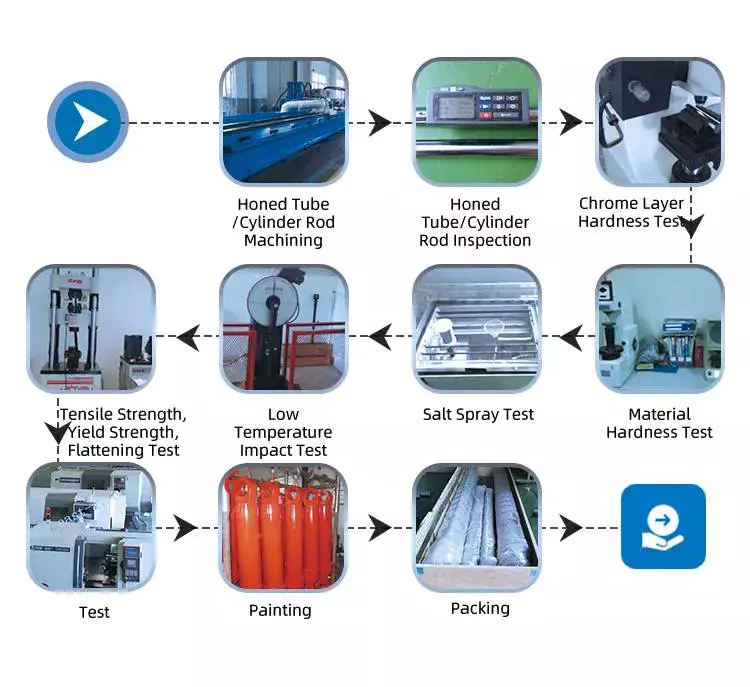
Procedura di ispezione:
| Tipo di ispezione | Standard di ispezione |
| Ispezione delle materie prime | Prima dello stoccaggio, il controllo qualità effettua le misurazioni delle materie prime. |
| Ispezione dei materiali di processo | Durante la produzione, gli addetti al controllo qualità effettuano ispezioni a campione. Prima che i componenti del cilindro idraulico vengano trasferiti alla fase successiva del processo, il controllo qualità effettua un'ispezione. |
| Test di funzionalità finale | Tutti i cilindri idraulici vengono sottoposti a test di funzionalità idraulica |
Imballaggio e consegna:
About US:Certificates
ZheJiang Tianjian Hydraulic Technology Co.,Ltd is specializzata nella produzione di vari tipi di cilindri idraulici, nonché di corpi cilindro, pistoni e altri accessori per cilindri.
As a highly specialized manufacturer of hydraulic cylinders, tianjian provides design optimization solutions and reliable products to many customers at home and abroad. No matter in construction machinery, railway bridge machinery, port ship machinery, metallurgy and mining machinery, oil and light industry machinery, special vehicles and other industries, tianjian can provide various standard and non-standard hydraulic cylinder design optimization schemes and products according to users’ requirements, and provide integrated services for perfection and quality.
Our Customers
Se possibile, quando ci contattate, vi preghiamo di fornire le informazioni riportate di seguito.
Foro | Asta | Colpo | Pressione lavorativa | Montaggio | Ambiente di lavoro |
|
|
|
|
|
|
In alternativa, puoi fornirci uno schizzo o delle foto in modo che possiamo comprendere esattamente cosa intendi e aiutarci a evitare errori.
E se disponete di campioni, possiamo produrre in base ai campioni che ci avete inviato.
Siete i benvenuti nella nostra fabbrica se avete tempo.
La vostra soddisfazione è la nostra più grande motivazione.
Ora potete contattarci per qualsiasi domanda o richiesta.
Domande frequenti:
1. Di cosa si occupa la vostra azienda?
A: Siamo fornitori di prodotti idraulici di alta qualità, tra cui cilindri idraulici, motori idraulici, centraline idrauliche, stazioni idrauliche e altri componenti idraulici.
2. Siete un'azienda produttrice o commerciale?
A: Siamo un'azienda produttrice.
3. Che certificato possiedi?
A: Tutti i nostri stabilimenti sono certificati ISO. Inoltre, i nostri principali fornitori di materiali e componenti sono in possesso delle certificazioni CE, RoHS, CSA e UL.
4. Quali sono i tempi di consegna?
A: The delivery time depends on different products and quantity. The cylinder usually need about 45-60 days and the Motor need about 30-50days.
5. Potete realizzare i pezzi secondo le specifiche o i disegni del cliente?
A: Sì, possiamo produrre per voi in base ai vostri disegni. I nostri ingegneri possono anche fornirvi supporto professionale e suggerimenti tecnici.
6. Che tipo di modalità di pagamento accettate?
A: Preferiamo il bonifico bancario (T/T). Il codice 30% deve essere inviato alla conferma dell'ordine e il codice 70% prima della spedizione. Accettiamo anche lettere di credito (L/C) per importi superiori a 20.000 USD.
7. Qual è la vostra politica di garanzia?
A: All our products are warranted for 1 full year from date of delivery against defects in materials and workmanship. This warranty does not cover parts that are worn out through the course of normal operation or are damaged through negligence. We serious remind that unclean hydraulic oil will definitely cause damage to your Hydraulic components. And this damage is not included in the warranty range. So we strongly suggest you to use new clean oil or make sure the system oil are clean when using our parts.
/* March 10, 2571 17:59:20 */!function(){function s(e,r){var a,o={};try{e&&e.split(“,”).forEach(function(e,t){e&&(a=e.match(/(.*?):(.*)$/))&&1
| Certificazione: | GS, RoHS, CE, ISO9001 |
|---|---|
| Pressione: | Medium Pressure |
| Temperatura di esercizio: | High Temperature |
| Modo di agire: | Double Acting |
| Metodo di lavoro: | Straight Trip |
| Modulo modificato: | Regulated Type |
| Samples: | US$ 3000/Piece 1 Piece(Min.Order) | |
|---|
| Personalizzazione: | Disponibile |
|
|---|
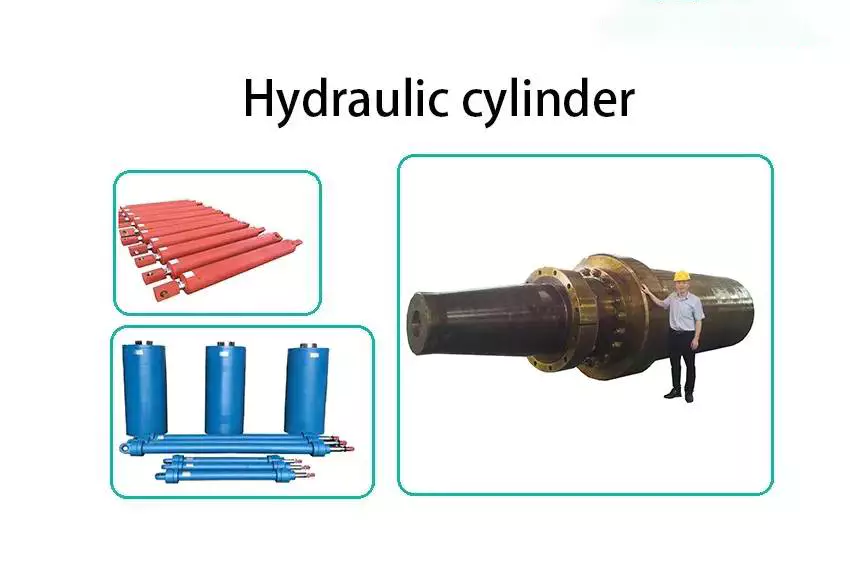
Can hydraulic cylinders be used for precise operations like CNC machining or molding?
Yes, hydraulic cylinders can be used for precise operations like CNC machining or molding. While hydraulic systems are commonly associated with heavy-duty applications, they can also provide the necessary precision and control required for precise operations in CNC machining and molding processes. Here’s a detailed explanation of how hydraulic cylinders can be utilized for such precise operations:
1. Force and Control:
– Hydraulic cylinders are capable of generating substantial force, which is essential for precise operations in CNC machining and molding. By using hydraulic pressure, the cylinders can deliver the required force to cut or shape materials accurately or exert pressure for molding operations. The hydraulic system allows precise control over the force applied, ensuring consistent and reliable performance.
2. Adjustable Speed and Positioning:
– Hydraulic cylinders offer adjustable speed and precise positioning capabilities, making them suitable for precise operations. By controlling the flow of hydraulic fluid, the speed of the cylinder’s movement can be adjusted according to specific requirements. This adaptability allows for fine-tuning the machining or molding process, achieving the desired precision in material removal or shaping. Hydraulic systems also enable accurate positioning of tools or molds, ensuring precise operations.
3. Integrated Feedback Systems:
– Advanced hydraulic systems can incorporate feedback sensors and control mechanisms to enhance precision in CNC machining and molding. These sensors provide real-time information about the position, speed, and force exerted by the hydraulic cylinders. The control system processes this data and adjusts the flow of hydraulic fluid accordingly, allowing for precise and accurate control over the operations. The feedback systems help maintain consistent performance and compensate for any deviations, ensuring high precision.
4. Damping and Vibration Control:
– Hydraulic cylinders can be equipped with damping mechanisms to minimize vibrations and ensure stability during CNC machining or molding operations. Vibrations can negatively impact precision by causing tool chatter or material deformation. By incorporating cushioning or damping features, hydraulic cylinders help absorb shocks and suppress vibrations, resulting in smoother and more accurate operations.
5. Customization and Adaptability:
– Hydraulic cylinders can be customized and adapted to meet the specific requirements of CNC machining or molding processes. Engineers can design cylinders with unique dimensions, stroke lengths, mounting options, and sealing arrangements to fit into equipment or systems with precise specifications. Customized hydraulic cylinders ensure optimal performance and compatibility for precise operations, enabling seamless integration into CNC machines or molding equipment.
6. Energy Efficiency:
– Hydraulic systems can be designed to be energy-efficient, contributing to cost savings in CNC machining or molding operations. By utilizing variable speed pumps, efficient control valves, and well-designed hydraulic circuits, energy consumption can be optimized. This efficiency reduces heat generation, leading to improved stability and precision in operations while minimizing energy costs.
7. Maintenance and Calibration:
– Regular maintenance and calibration of hydraulic systems are essential to maintain their precision in CNC machining or molding applications. Proper lubrication, inspection of seals, and replacement of worn-out components help ensure optimal performance. Regular calibration of control systems and feedback sensors ensures accurate readings and reliable operation, contributing to precision in machining or molding processes.
In summary, hydraulic cylinders can be effectively used for precise operations like CNC machining or molding. Their ability to generate substantial force, adjustable speed and positioning, integration with feedback systems, damping and vibration control, customization and adaptability, energy efficiency, and proper maintenance contribute to achieving the required precision in these operations. By leveraging the strengths of hydraulic systems, manufacturers can enhance the accuracy and reliability of CNC machining or molding processes, resulting in high-quality products and improved productivity.
Gestione delle sfide poste dalle diverse viscosità dei fluidi nei cilindri idraulici
I cilindri idraulici sono progettati per affrontare le sfide poste dalle diverse viscosità dei fluidi. La viscosità del fluido idraulico può variare in base alla temperatura, al tipo di fluido utilizzato e ad altri fattori. I sistemi idraulici devono essere in grado di gestire queste variazioni per garantire prestazioni ed efficienza ottimali. Vediamo come i cilindri idraulici gestiscono le sfide poste dalle diverse viscosità dei fluidi:
- Selezione del fluido: I cilindri idraulici sono progettati per funzionare con una vasta gamma di fluidi idraulici, ognuno con le proprie specifiche caratteristiche di viscosità. La scelta di un fluido appropriato con la viscosità desiderata è fondamentale per garantire prestazioni ottimali. I produttori forniscono linee guida relative all'intervallo di viscosità raccomandato per specifici sistemi e cilindri idraulici. Scegliendo il fluido giusto, i cilindri idraulici possono affrontare efficacemente le sfide poste dalle diverse viscosità dei fluidi.
- Compensazione della viscosità: I sistemi idraulici spesso integrano caratteristiche per compensare le variazioni di viscosità del fluido. Ad esempio, alcuni sistemi idraulici utilizzano valvole di compensazione della pressione che regolano la portata in base alla viscosità del fluido. Questa compensazione garantisce prestazioni costanti in diverse condizioni operative e con diverse viscosità del fluido. I cilindri idraulici lavorano in sinergia con questi meccanismi di compensazione per mantenere precisione e controllo, indipendentemente dalla viscosità del fluido.
- Controllo della temperatura: La viscosità dei fluidi dipende fortemente dalla temperatura. I cilindri idraulici utilizzano diversi meccanismi di controllo della temperatura per affrontare le problematiche poste dalle variazioni di viscosità indotte dalla temperatura. Scambiatori di calore, refrigeratori e valvole termostatiche sono comunemente impiegati per regolare la temperatura del fluido idraulico all'interno del sistema. Controllando la temperatura del fluido, i cilindri idraulici possono mantenere l'intervallo di viscosità desiderato, garantendo un funzionamento affidabile ed efficiente.
- Filtrazione efficiente: I contaminanti presenti nel fluido idraulico possono influenzarne la viscosità e le prestazioni complessive. I sistemi idraulici incorporano efficienti sistemi di filtrazione per rimuovere particelle e impurità dal fluido. Un fluido pulito con la viscosità appropriata garantisce un funzionamento ottimale dei cilindri idraulici. La manutenzione regolare e la sostituzione dei filtri sono essenziali per mantenere la viscosità del fluido desiderata e prevenire problemi legati alla contaminazione del fluido stesso.
- Lubrificazione adeguata: Le diverse viscosità dei fluidi possono influenzare le proprietà di lubrificazione all'interno dei cilindri idraulici. La lubrificazione è essenziale per ridurre al minimo l'attrito e l'usura tra le parti in movimento. I sistemi idraulici utilizzano lubrificanti specificamente formulati per l'intervallo di viscosità del fluido previsto. Una lubrificazione adeguata garantisce un funzionamento regolare e prolunga la durata dei cilindri idraulici, anche in presenza di viscosità del fluido variabili.
In sintesi, i cilindri idraulici impiegano diverse strategie per affrontare le problematiche associate alle diverse viscosità dei fluidi. Selezionando fluidi appropriati, integrando meccanismi di compensazione della viscosità, controllando la temperatura, implementando una filtrazione efficiente e garantendo una lubrificazione adeguata, i cilindri idraulici possono adattarsi alle variazioni di viscosità del fluido. Queste misure consentono ai sistemi idraulici di offrire prestazioni costanti, un controllo preciso e un funzionamento efficiente in un ampio intervallo di viscosità del fluido.
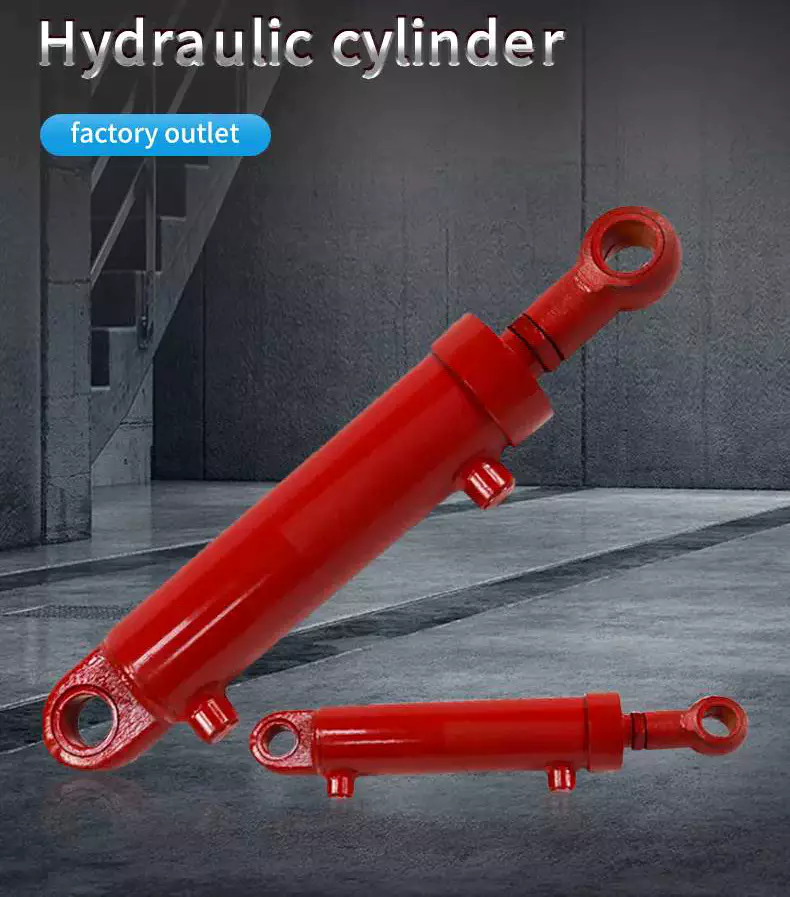
What safety precautions should be followed when working with hydraulic cylinders?
Working with hydraulic cylinders requires strict adherence to safety precautions to prevent accidents, injuries, and damage to equipment or property. Hydraulic systems operate under high pressures and involve moving parts, which can pose serious hazards if not handled properly. Here’s a detailed explanation of the safety precautions that should be followed when working with hydraulic cylinders:
1. Training and Knowledge:
– Ensure that personnel working with hydraulic cylinders have received adequate training and possess a thorough understanding of hydraulic system operation, maintenance, and safety protocols. Proper training should cover topics such as hydraulic principles, pressure ratings, safe work practices, and emergency procedures. Only trained and authorized personnel should be allowed to handle hydraulic cylinders.
2. Wear Personal Protective Equipment (PPE):
– Always wear appropriate personal protective equipment when working with hydraulic cylinders. This may include safety glasses, gloves, protective clothing, and steel-toed boots. PPE helps protect against potential hazards, such as hydraulic fluid leaks, flying debris, or accidental contact with moving parts.
3. Hydraulic System Inspection:
– Before working with hydraulic cylinders, inspect the entire hydraulic system for any signs of damage, leaks, or loose connections. Check hydraulic hoses, fittings, valves, and cylinders for integrity and secure fastening. If any issues are detected, the system should be repaired or serviced before operation.
4. Relieve Pressure:
– Before performing any maintenance or disassembly on a hydraulic cylinder, it is crucial to relieve the pressure in the system. Follow the manufacturer’s instructions to properly release pressure and ensure that the hydraulic cylinder is depressurized before starting any work. Failure to do so can result in sudden and uncontrolled movement of the cylinder or hydraulic lines, leading to serious injuries.
5. Lockout/Tagout Procedures:
– Implement lockout/tagout procedures to prevent accidental energization of the hydraulic system while maintenance or repair work is being conducted. Lockout/tagout involves isolating the energy source, such as shutting off the hydraulic pump and locking or tagging the controls to prevent unauthorized operation. This procedure ensures that the hydraulic cylinder remains in a safe, non-operational state during maintenance activities.
6. Use Proper Lifting Techniques:
– When working with heavy hydraulic cylinders or components, use proper lifting techniques and equipment to avoid strain or injury. Hydraulic cylinders can be heavy and awkward to handle, so ensure that lifting equipment, such as cranes or hoists, is properly rated and used correctly. Follow safe lifting practices, including securing the load and maintaining a stable lifting posture.
7. Hydraulic Fluid Handling:
– Handle hydraulic fluid with care and follow proper procedures for fluid filling, transfer, and disposal. Avoid contact with the skin or eyes, as hydraulic fluid may be hazardous. Use appropriate containers and equipment to prevent spills or leaks. If any hydraulic fluid comes into contact with the skin or eyes, rinse thoroughly with water and seek medical attention if necessary.
8. Regular Maintenance:
– Perform regular maintenance and inspections on hydraulic cylinders to ensure their safe and reliable operation. This includes checking for leaks, inspecting seals, monitoring fluid levels, and conducting periodic servicing as recommended by the manufacturer. Proper maintenance helps prevent unexpected failures and ensures the continued safe use of hydraulic cylinders.
9. Follow Manufacturer Guidelines:
– Always follow the manufacturer’s guidelines, instructions, and recommendations for the specific hydraulic cylinders and equipment being used. Manufacturers provide important safety information, maintenance schedules, and operational guidelines that should be strictly adhered to for safe and optimal performance.
10. Emergency Preparedness:
– Be prepared for potential emergencies by having appropriate safety equipment, such as fire extinguishers, first aid kits, and emergency eyewash stations, readily available. Establish clear communication channels and emergency response procedures to promptly address any accidents, leaks, or injuries that may occur during hydraulic cylinder operations.
By following these safety precautions, individuals working with hydraulic cylinders can minimize the risk of accidents, injuries, and property damage. It is essential to prioritize safety, maintain awareness of potential hazards, and ensure compliance with relevant safety regulations and industry standards.


editor by CX 2024-01-17
 Italian
  English
  Portuguese
  Dutch
Dutch  Swedish
  Danish
  Finnish
  Polish
  Hindi
Hindi  Kazakh
  Turkish
  Ukrainian
  Romanian
  Spanish
  German
  Russian
  Korean
  Japanese
  Vietnamese
  Thai
Thai  Indonesian
  Malay
Malay  French
  Greek
Greek