
Descrizione del prodotto
Description
Hydraulic cylinder is also called the valve box, it is a major part to the fluid end parts. Blank forged by highstrength alloy steel. After heat treated, with multi-channel processes. The 3 cylinders of each pump is interchangeable. The following key parts: cone sawtooth thread of cylinder head, connect of the curve of all the screw hole and inner cavity.
1) All the drilling mud pump modules are manufactured by high quality alloy steel AISI8620 or AISI 4135. Heat treatment and internal hardened for high durability. With strictly mechanical machine, and NDT, it could serve a long wear performance.
2) All our products are designed under 5000psi, 7500 psi, and 10000 CHINAMFG pressure.
3) We can also supply modules forged by alloy 35CrMo or 40CrMoMn. It is of high quality with secondary smelting, and with deoxygenates treatment. It is manufactured according to JB/TQ252-81 Specification and with high mechanical performance.
4) Mud pump fluid end parts offer full lines of Cylinder Head, Valve Lock Cover, Cylinder Head Threaded Ring, Cylinder head Plug, Valve Cover Plug, Upper Valve Xihu (West Lake) Dis., Lower Valve Xihu (West Lake) Dis., Liner Threaded Ring, Liner Lock, Wear Plate and much more.
Light Fir can supply various mud pump expendable parts, including power end assembly, fluid end assembly and its spare parts, which can be easily matched & exchanged with some international famous mud pump brand, such as parts for 3NB series Pump, F series Pump, PZ series Pump, HBRS Pump, BOMCO Pump, EMSCO Pump, NOV P Series Pump, IDECO Pump, etc.
Our mud pump spare parts are mainly used in the below models:
Russian pump | UNBT950, UNB600, 8T650, UNBT1180L, NBT600,NBT300 etc. |
BOMCO/Emsco/HongHua | FB1300/1600, F1300/1600, F800/1000, F500 & some duplex pumps. |
Gardener Denver | PZ 7, PZ 8/9, PZ 10/11, KF-FXK, FY-FXD, FD-FXX, FG-FXG, FQ-FXQ, FF-FXP, FG-GXG. |
National | 7P50, 8P80, 9P100, 10P130, 12P160, 14P220, JWS165, JWS340/400, C250/350, K700, K500, K380. |
Oilwell | A560/600PT, A850/1100PT, A1400/1700PT, 214P, 810P. |
Ideco | T500, T800/1000, T1300/1600. |
Wirth | TPK1000, TPK1600, TPK2000/2200. |
Weatherford | MP-5, MP-8, MP-10, MP-13, MP-16 |
Factory
Certificates
| After-sales Service: | 7X24 |
|---|---|
| Warranty: | 24 Months |
| Certificazione: | API 7K |
| Personalizzazione: | Disponibile |
|
|---|
.shipping-cost-tm .tm-status-off{background: none;padding:0;color: #1470cc}
| Shipping Cost: Estimated freight per unit. | about shipping cost and estimated delivery time. |
|---|
| Payment Method: |
|
|---|---|
| Initial Payment Full Payment |
| Currency: | US$ |
|---|
| Return&refunds: | You can apply for a refund up to 30 days after receipt of the products. |
|---|
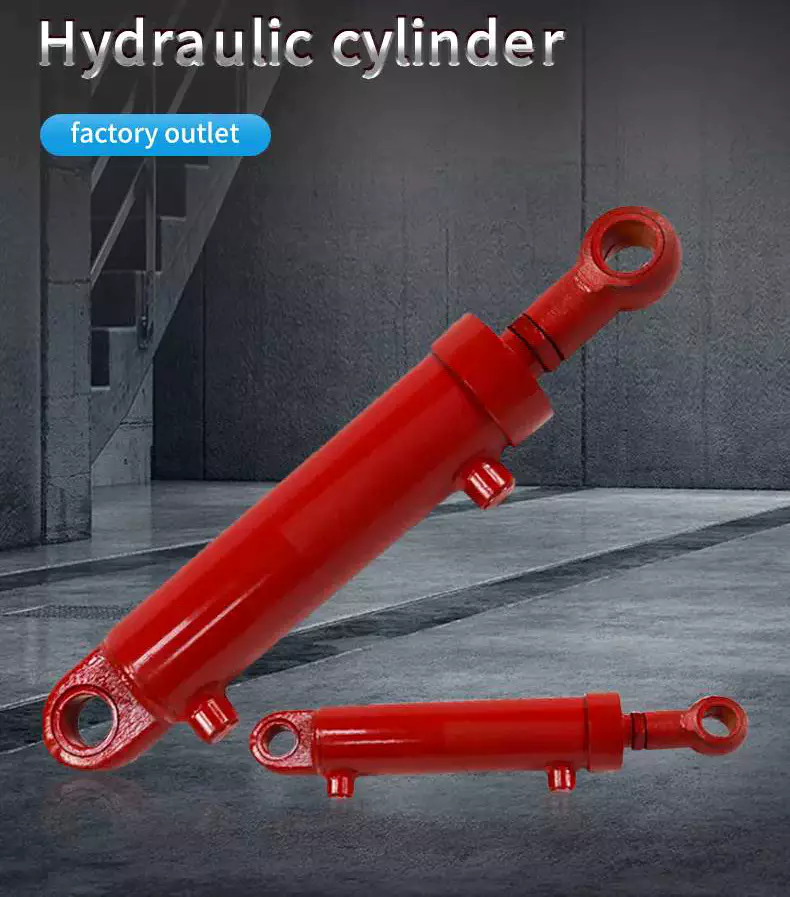
In che modo i cilindri idraulici garantiscono un movimento fluido e costante nei macchinari pesanti?
I cilindri idraulici svolgono un ruolo fondamentale nel garantire un movimento fluido e costante nei macchinari pesanti. La loro progettazione e il loro funzionamento consentono un controllo preciso del movimento di carichi pesanti, con conseguenti prestazioni efficienti e affidabili. Ecco una spiegazione dettagliata di come i cilindri idraulici contribuiscono al movimento fluido e costante nei macchinari pesanti:
1. Fluido idraulico e pressione:
I cilindri idraulici funzionano utilizzando un fluido idraulico, in genere olio, per trasmettere forza e movimento. Il fluido viene pressurizzato da una pompa idraulica, creando una forza che agisce sul pistone all'interno del cilindro. La pressione del fluido idraulico può essere controllata con precisione, consentendo un movimento fluido e graduale dei macchinari pesanti. L'incomprimibilità del fluido garantisce che la forza sia distribuita uniformemente, con conseguente movimento costante e prevedibile.
2. Progettazione del pistone e del cilindro:
I cilindri idraulici sono progettati con precisione per garantire un movimento fluido. Il pistone e l'alesaggio del cilindro sono lavorati con tolleranze ristrette, riducendo l'attrito e minimizzando le perdite interne. Questo accoppiamento preciso tra pistone e pareti del cilindro contribuisce a mantenere un movimento costante, senza scatti o brusche variazioni di velocità. Inoltre, l'utilizzo di guarnizioni e lubrificanti di alta qualità migliora ulteriormente la fluidità di funzionamento del cilindro.
3. Valvole di controllo e regolazione del flusso:
I sistemi idraulici incorporano valvole di controllo che regolano il flusso del fluido idraulico in entrata e in uscita dal cilindro. Queste valvole consentono un controllo preciso della velocità e della direzione del movimento del cilindro. Regolando la portata, gli operatori possono ottenere un movimento fluido e controllato dei macchinari pesanti, evitando partenze o arresti improvvisi. Le valvole di controllo del flusso consentono anche la regolazione della velocità, garantendo un movimento costante anche in presenza di carichi o condizioni operative variabili.
4. Ammortizzazione e smorzamento:
I cilindri idraulici possono essere dotati di meccanismi di ammortizzazione per assorbire gli urti e ridurre al minimo gli impatti durante il movimento di macchinari pesanti. L'ammortizzazione si ottiene mediante l'inserimento nel cilindro di valvole speciali o orifizi regolabili, che limitano il flusso del fluido idraulico verso la fine della corsa. Questa decelerazione graduale contribuisce a prevenire scosse o vibrazioni improvvise, mantenendo un movimento fluido e costante e riducendo le sollecitazioni sui macchinari e sui loro componenti.
5. Bilanciamento del carico:
I cilindri idraulici possono essere progettati e disposti in un sistema per bilanciare il carico e distribuire le forze in modo uniforme. Utilizzando più cilindri in configurazioni in parallelo o in serie, i macchinari pesanti possono ottenere un movimento bilanciato, prevenendo sollecitazioni irregolari e garantendo un funzionamento regolare. Il bilanciamento del carico contribuisce inoltre a minimizzare il rischio di guasti ai componenti e migliora la stabilità complessiva e la durata del macchinario.
6. Sistemi di feedback e controllo:
I sistemi idraulici avanzati integrano sensori di feedback e sistemi di controllo per monitorare e regolare il movimento dei macchinari pesanti. Questi sensori forniscono informazioni in tempo reale sulla posizione, la velocità e la forza esercitata dai cilindri idraulici. Il sistema di controllo elabora questi dati e regola di conseguenza il flusso del fluido idraulico per mantenere un movimento fluido e costante. Monitorando e regolando continuamente il funzionamento dei cilindri, i sistemi di feedback e di controllo contribuiscono a un controllo del movimento preciso e affidabile.
7. Manutenzione e assistenza:
– La manutenzione e l'assistenza regolari dei cilindri idraulici sono essenziali per garantire un movimento fluido e costante nei macchinari pesanti. Una lubrificazione adeguata, l'ispezione delle guarnizioni e la sostituzione dei componenti usurati contribuiscono a mantenere prestazioni ottimali. Anche le pratiche di manutenzione preventiva, come la sostituzione dei filtri e l'analisi dei fluidi, contribuiscono alla longevità e all'affidabilità dei sistemi idraulici, garantendo un movimento costante nel tempo.
In sintesi, i cilindri idraulici garantiscono un movimento fluido e costante nei macchinari pesanti grazie all'utilizzo di fluido idraulico e pressione, alla progettazione precisa di pistoni e cilindri, a valvole di controllo e regolazione del flusso, a meccanismi di ammortizzazione e smorzamento, al bilanciamento del carico, ai sistemi di feedback e controllo, nonché a una manutenzione e assistenza regolari. Sfruttando queste caratteristiche, i cilindri idraulici forniscono la forza e il controllo necessari per movimentare carichi pesanti, mantenendo al contempo un movimento preciso e affidabile, migliorando le prestazioni complessive e la produttività dei macchinari pesanti in diverse applicazioni industriali.

Contribution of Hydraulic Cylinders to the Precision of Robotic and Automation Systems
Hydraulic cylinders play a significant role in enhancing the precision of robotic and automation systems. These systems rely on precise and controlled movements to perform various tasks with accuracy and repeatability. Let’s explore how hydraulic cylinders contribute to the precision of robotic and automation systems:
- Precise Positioning: Hydraulic cylinders enable precise positioning of robotic arms or automation components. They provide accurate control over the linear motion required for tasks such as picking, placing, and assembly. By precisely controlling the extension and retraction of the hydraulic cylinder, the system can achieve the desired position with high accuracy, ensuring precise alignment and consistent results.
- Controlled Motion: Hydraulic cylinders offer controlled and smooth motion, which is crucial for precise operation in robotic and automation systems. The flow of hydraulic fluid can be precisely regulated to control the speed and acceleration of the cylinder’s movement. This precise control allows for gentle and controlled movements, minimizing vibrations, overshooting, or jerky motions that could affect the accuracy of the system.
- Force Control: Hydraulic cylinders provide force control capabilities that contribute to precision in robotic and automation systems. By adjusting the hydraulic pressure, the force exerted by the cylinder can be precisely controlled. This is particularly valuable in applications that require delicate force-sensitive tasks, such as gripping fragile objects or performing precise force feedback during assembly or testing processes.
- Load Handling: Hydraulic cylinders are capable of handling heavy loads, allowing robotic and automation systems to manipulate and transport objects with precision. The high force capabilities of hydraulic cylinders ensure secure and stable handling of loads, minimizing the risk of slippage or imprecise positioning. This is crucial in applications where precise control over heavy objects is required, such as material handling or industrial assembly processes.
- Durability and Reliability: Hydraulic cylinders are known for their durability and reliability in demanding industrial environments. The ability to withstand repeated use, high loads, and harsh conditions ensures consistent performance over time. This reliability contributes to the precision of robotic and automation systems, as any deviation or failure in the cylinder’s movement could lead to inaccuracies or disruptions in the system’s operation.
In summary, hydraulic cylinders make significant contributions to the precision of robotic and automation systems by enabling precise positioning, controlled motion, force control, load handling, and offering durability and reliability. These capabilities ensure accurate and repeatable movements, minimize errors, and enhance the overall precision of the system. By incorporating hydraulic cylinders into robotic and automation systems, manufacturers can achieve higher levels of precision, efficiency, and productivity in various industrial applications.
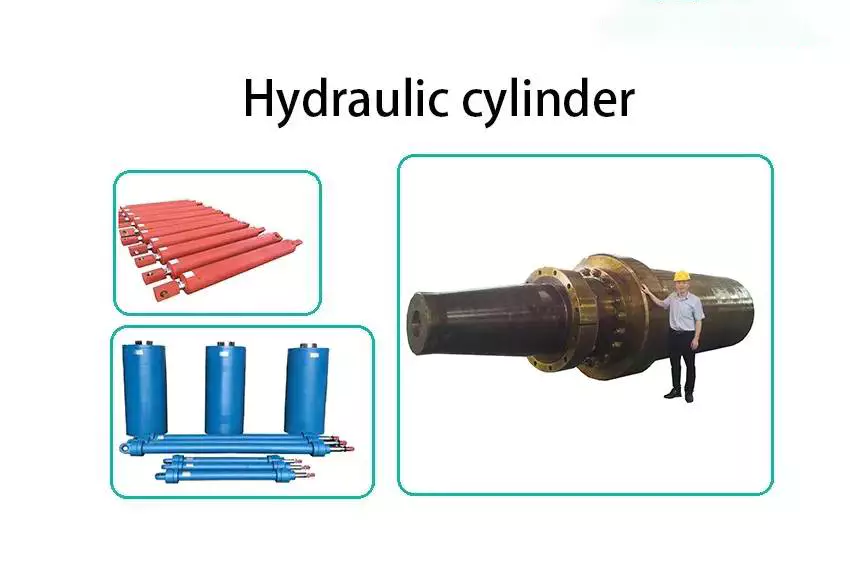
Can you explain the role and significance of hydraulic cylinders in machinery?
Hydraulic cylinders play a crucial role in machinery across various industries. They are essential components that provide controlled and powerful linear motion, enabling the operation of heavy equipment and facilitating numerous tasks. The role and significance of hydraulic cylinders in machinery can be explained in detail as follows:
Role of Hydraulic Cylinders:
– Conversion of Hydraulic Energy: Hydraulic cylinders convert hydraulic energy, typically in the form of pressurized hydraulic fluid, into linear force and motion. This conversion allows machinery to perform tasks such as lifting, pushing, pulling, clamping, tilting, and controlling various mechanisms.
– Generation of Linear Motion: Hydraulic cylinders generate linear motion by utilizing the principles of Pascal’s law. When hydraulic fluid is directed into one side of the cylinder, it applies pressure on the piston, resulting in linear movement of the piston and the attached piston rod. This linear motion can be used to actuate other components within the machinery or directly perform the required task.
– Force Generation: Hydraulic cylinders are capable of generating high forces due to the hydraulic pressure applied to the piston. The force output of a hydraulic cylinder depends on the surface area of the piston and the pressure of the hydraulic fluid. This force allows machinery to exert significant power for lifting heavy loads, applying pressure, or overcoming resistance.
– Precise Control: Hydraulic cylinders offer precise control over the linear motion and force exerted. By regulating the flow of hydraulic fluid, the speed and direction of the cylinder’s movement can be accurately adjusted. This level of control is crucial in machinery that requires precise positioning, delicate movements, or synchronization of multiple cylinders.
– Integration with Hydraulic Systems: Hydraulic cylinders are integral parts of hydraulic systems used in machinery. They work in conjunction with hydraulic pumps, valves, and actuators to create a complete hydraulic circuit. This integration allows for efficient power transmission, control, and coordination of various machine functions.
Significance of Hydraulic Cylinders:
– Heavy Equipment Operation: Hydraulic cylinders are vital in heavy machinery used in construction, mining, agriculture, material handling, and other industries. They enable the lifting and movement of heavy loads, the operation of attachments, and the performance of tasks that require high force and precision.
– Versatility and Adaptability: Hydraulic cylinders are versatile components that can be designed and tailored to meet specific machinery requirements. They can be integrated into various types of equipment and customized based on factors such as force capacity, stroke length, speed, and mounting options. This adaptability makes hydraulic cylinders suitable for diverse applications.
– Durability and Reliability: Hydraulic cylinders are built to withstand rigorous operating conditions, including high pressures, heavy loads, and continuous use. They are designed with robust materials, precise machining, and effective sealing systems to ensure durability and reliability over extended periods of operation.
– Safety and Load Control: Hydraulic cylinders provide safe and controlled operation in machinery. They offer overload protection mechanisms, such as relief valves, to prevent damage caused by excessive force or pressure. Additionally, hydraulic cylinders allow for precise load control, minimizing the risk of accidents during lifting, lowering, or positioning of heavy loads.
– Compact Design: Hydraulic cylinders offer a high power-to-size ratio, allowing for compact machinery design. Their relatively small size compared to the forces they can generate makes them suitable for applications where space is limited or weight restrictions apply.
– Energy Efficiency: Hydraulic cylinders contribute to energy efficiency in machinery. The use of hydraulic systems allows for the transfer of power over long distances without significant power losses. Additionally, hydraulic cylinders can incorporate energy-saving features such as load-sensing technology and regenerative circuits, reducing energy consumption.
Overall, hydraulic cylinders play a vital role in machinery by providing controlled and powerful linear motion. Their significance lies in their ability to convert hydraulic energy, generate high forces, offer precise control, integrate with hydraulic systems, and facilitate the operation of heavy equipment across various industries. Hydraulic cylinders contribute to increased productivity, safety, and efficiency in machinery applications, making them indispensable components in modern-day engineering.


editor by CX 2023-11-01
 Italian
  English
  Portuguese
  Dutch
Dutch  Swedish
  Danish
  Finnish
  Polish
  Hindi
Hindi  Kazakh
  Turkish
  Ukrainian
  Romanian
  Spanish
  German
  Russian
  Korean
  Japanese
  Vietnamese
  Thai
Thai  Indonesian
  Malay
Malay  French
  Greek
Greek