
Descrizione del prodotto
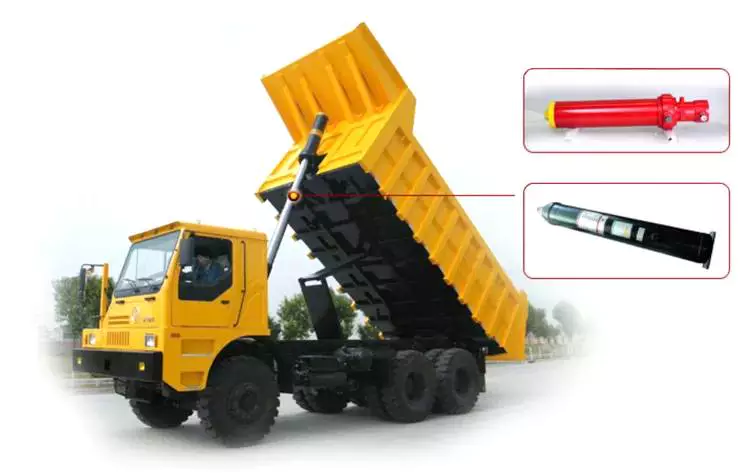
Single acting telescopic hydraulic oil cylinder for dump truck
Descrizione del prodotto
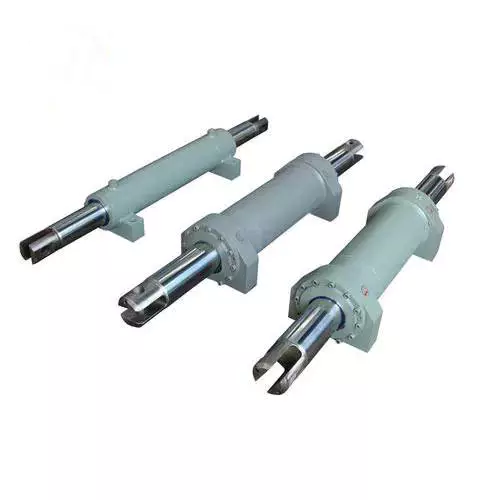
Hyva & CHINAMFG & Custom hoist & Xihu (West Lake) Dis.r type hydraulic telescopic Cylinders are used for Dump Truck, Tipper Truck, Trailer, Agricultural Machinery, Garbage Truck, Landing Platform etc.
Tsingshi hydraulic Customers, MAN, JAC, VOLVO, SHACMAN, DAF, JMC, HUNO, CIMC, SINOTRUK, TATRA,BENS,XIHU (WEST LAKE) DIS.FENG, FOTON,etc.
1.Each stage electroplate hard chrome;
2.lighter and easier to maintenance hydraulic telescopic cylinder;
3.High quality alloy seamless steel pipe have better mechanical properties;
4.The world famous brands of seals, such as HALLITE, PARKER,etc;
5.World-class processing technology ensures stable and reliable quality.
| NO | ITEM | DATA OF dump truck hydraulic cylinder |
| 1 | Materiale | Carbon Steel, Alloy Steel, 27SiMn,45#,20#,etc |
| 2 | Honed tube | 40-300mm, Heat treatment, honing, rolling |
| 3 | Honed tube | 30-280mm, plated nickel or hard Chrome or ceramic |
| 4 | Seal kit | Parker, Merkel, Hallite, Kaden, etc |
| 5 | Coating | Sandblasting, primer paint, middle paint, finish paint, Color can paint according to customer demands. |
| 6 | Technology | Parker,custom hoist, hyco,HYVA, Meiller SAT,DAT |
| 7 | Mounting type | Pin-eye , flange, trunnion mount,ball mount, screw thread. FC, FE, FEE, FSE,TPIN |
| 8 | Working medium | Hydraulic Oil |
| 9 | Working pressure | 16-20Mpa telescopic hydraulic cylinder |
| 10 | Temperature range | -50°C to +100°C |
Detailed Photos
Profilo Aziendale
Tsingshi hydraulic is a hydraulic telescopic cylinder for dump tipper truck company which takes up with hydraulic design, R&D, manufacturer, sell and service hydraulic products-Telescopic hydraulic cylinder for dump truck.
-Hydraulic Cylinders Certification ISO9001 TS16949, etc;
-Telescopic jack Hydraulic Cylinder Export to North America, South America, Australia, South Korea, Southeast Asia, South Africa, Europe, Middle East, etc;
-ODM&OEM Single acting Hydraulic Telescopic Cylinder according to client’s requirements;
-Professional manufacturer& supplier of Hydraulic Cylinders over 30 years;
-The Hydraulic telescopic Cylinders can be used for Dump Truck, Tipper Truck, Trailer, Agricultural Machinery, Garbage Truck,Landing Platform etc; We can produce the follow brand hydraulic cylinder. HYVA, BINOTTO, EDBRO, PENTA, MAILHOT, CUSTOM HOIST, MUNCIE, METARIS, HYDRAULEX GLOBAL, HYCO, PARKER, COMMERCIAL HYDRAULICS, MEILLER. WTJX, XT, JX, HCIC, ZX, SZ, SJ.
CUSTOMERS PHOTOS
QUALITY GUARANTEE
HIGH QUALITITY GUARANTEE-Telescopic hydraulic cylinder for dump truck
-7*24 service.
-Competitive price.
-Professional technical team.
-Perfect after-sales service system.
-ODM&OEM according to customer needs.
-Strong production capacity to ensure fast delivery.
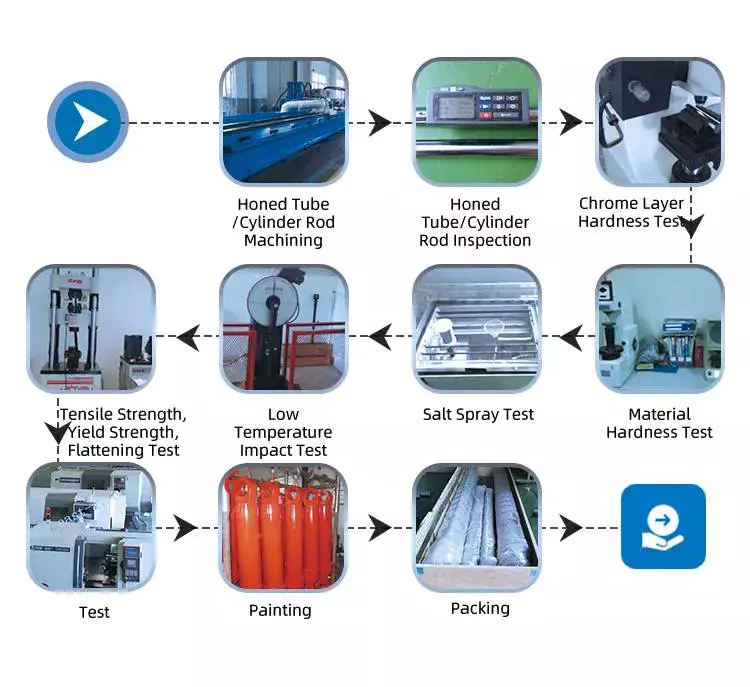
-Guarantee Quality. Every process must be inspected, all products need be tested before leaving the factory.
<Hydraulic Cylinder Leak Test
<Telescopic Hydraulic jack Buffer Test
<Hydraulic Telescopic Cylinder Reliability Test
<Dump truck Hydraulic Cylinder Full Stroke Test
<Dump trailer Hydraulic Cylinder Trial Operation Test
<Tipper truck Cylinder Pressure Tight Test
<Dump truck telescopic Hydraulic Cylinder Load Efficiency Test
<Dump trailer telescopic Hydraulic Cylinder Start-up Pressure Test
<Long stroke single acting hydraulic telescopic cylinder Testing the Effect of Limit
SALES AND SERVICE
ONE WORLD ONE LOVE
| Certificazione: | CE, ISO/Ts16949 |
|---|---|
| Pressione: | Medium Pressure |
| Temperatura di esercizio: | Normal Temperature |
| Modo di agire: | Single Acting |
| Metodo di lavoro: | Straight Trip |
| Modulo modificato: | Regulated Type |
| Samples: | US$ 1000/Piece 1 Piece(Min.Order) | |
|---|
| Personalizzazione: | Disponibile |
|
|---|
How do hydraulic cylinders handle variations in temperature and harsh operating environments?
Hydraulic cylinders are designed to handle variations in temperature and harsh operating environments by incorporating specific features and materials that ensure their durability, reliability, and performance. The ability of hydraulic cylinders to withstand extreme temperatures, corrosive environments, and other harsh conditions is crucial for their successful operation in a wide range of applications. Here’s a detailed explanation of how hydraulic cylinders handle variations in temperature and harsh operating environments:
1. Temperature Range:
– Hydraulic cylinders are designed to operate within a specified temperature range. The materials used in their construction, such as cylinder barrels, pistons, seals, and lubricants, are selected to withstand the anticipated temperature variations. Specialized seals and O-rings made from materials like nitrile, Viton, or polyurethane are used to maintain their sealing properties over a wide temperature range. Heat-resistant coatings or thermal insulation may be applied to certain components to protect them from high temperatures.
2. Thermal Expansion:
– Hydraulic cylinders are designed to accommodate thermal expansion and contraction that occurs with temperature changes. The materials used in their construction have different coefficients of thermal expansion, allowing the cylinder components to expand or contract at a similar rate. This design consideration prevents excessive stress, binding, or leakage that could result from thermal expansion or contraction.
3. Heat Dissipation:
– In applications where hydraulic cylinders are subjected to high temperatures, heat dissipation mechanisms are employed to prevent overheating. Cooling fins or heat sinks may be incorporated into the cylinder design to increase the surface area for heat transfer. In some cases, external cooling methods such as air or liquid cooling systems can be used to maintain optimal operating temperatures.
4. Corrosion Resistance:
– Hydraulic cylinders used in harsh operating environments are constructed from materials that exhibit excellent corrosion resistance. Stainless steel, chrome-plated steel, or other corrosion-resistant alloys are commonly used for cylinder components exposed to corrosive substances or environments. Additionally, surface treatments such as coatings, plating, or specialized paints can provide an extra layer of protection against corrosion.
5. Sealing Systems:
– Hydraulic cylinders employ sealing systems that are specifically designed to withstand harsh operating environments. The seals used in hydraulic cylinders are selected based on their resistance to temperature extremes, chemicals, abrasion, and other environmental factors. Specialized seal designs, such as wiper seals, rod seals, or high-temperature seals, are utilized to maintain effective sealing and prevent contamination of the hydraulic fluid.
6. Lubrication:
– Proper lubrication is essential for the smooth operation and longevity of hydraulic cylinders, particularly in harsh operating environments. Lubricants are selected based on their ability to withstand high temperatures, resist oxidation, and provide effective lubrication under extreme conditions. Regular maintenance and lubrication practices ensure that the cylinder components continue to operate smoothly and reduce the effects of wear and friction.
7. Robust Construction:
– Hydraulic cylinders designed for harsh operating environments are built with robust construction techniques to withstand the rigors of such conditions. The cylinder barrels, rods, and other components are manufactured to meet strict quality and durability standards. Welded or bolted construction methods are employed to ensure the structural integrity of the cylinders. Reinforcements, such as flanges or tie rods, may be added to enhance the cylinder’s strength and resistance to external forces.
8. Environmental Protection:
– Hydraulic cylinders can be equipped with additional protective features to shield them from harsh operating environments. Protective covers, boots, or bellows can be used to prevent contaminants, debris, or moisture from entering the cylinder and compromising its performance. These protective measures help extend the service life of hydraulic cylinders in demanding conditions.
9. Compliance with Standards:
– Hydraulic cylinders manufactured for specific industries or applications often comply with industry standards or regulations related to operating temperature ranges, environmental conditions, or safety requirements. Compliance with these standards ensures that hydraulic cylinders are designed and tested to meet the specific demands of their intended operating environments.
In summary, hydraulic cylinders are designed to handle variations in temperature and harsh operating environments by incorporating suitable materials, thermal expansion considerations, heat dissipation mechanisms, corrosion-resistant components, specialized sealing systems, proper lubrication, robust construction techniques, protective features, and compliance with industry standards. These design considerations and features enable hydraulic cylinders to operate reliably and effectively in a wide range of demanding applications and environmental conditions.
Progressi nella tecnologia dei cilindri idraulici: miglioramento della resistenza alla corrosione.
I progressi nella tecnologia dei cilindri idraulici hanno portato a significativi miglioramenti nella resistenza alla corrosione. La corrosione è una delle principali problematiche nei sistemi idraulici, soprattutto in ambienti in cui i cilindri sono esposti a umidità, sostanze chimiche o agenti corrosivi. Questi progressi mirano a migliorare la durata e la longevità dei cilindri idraulici. Esploriamo alcuni dei principali progressi nella tecnologia dei cilindri idraulici che hanno migliorato la resistenza alla corrosione:
- Materiali resistenti alla corrosione: L'impiego di materiali resistenti alla corrosione rappresenta un progresso fondamentale nella tecnologia dei cilindri idraulici. L'acciaio inossidabile, ad esempio, offre un'eccellente resistenza alla corrosione, il che lo rende una scelta diffusa in ambienti marini, offshore e in altri contesti corrosivi. Inoltre, i progressi in metallurgia hanno portato allo sviluppo di leghe e rivestimenti speciali che garantiscono una maggiore resistenza alla corrosione, prolungando la durata dei cilindri idraulici.
- Trattamenti e rivestimenti superficiali: Sono stati sviluppati diversi trattamenti superficiali e rivestimenti per proteggere i cilindri idraulici dalla corrosione. Questi trattamenti possono includere galvanostegia, zincatura, verniciatura a polvere e rivestimenti speciali resistenti alla corrosione. Tali rivestimenti creano una barriera tra la superficie del cilindro e gli agenti corrosivi, impedendo il contatto diretto e inibendo l'insorgere della corrosione. La scelta del rivestimento più adatto dipende dall'applicazione specifica e dalle condizioni ambientali.
- Tecnologia di sigillatura: Sistemi di tenuta efficaci sono fondamentali per impedire all'acqua, all'umidità e ai contaminanti di penetrare nel cilindro e causare corrosione. I progressi nella tecnologia di tenuta hanno portato allo sviluppo di guarnizioni di alta qualità e design avanzati che offrono una resistenza superiore alla corrosione. Queste guarnizioni sono in genere realizzate con materiali specificamente progettati per resistere ad ambienti corrosivi, garantendo prestazioni di tenuta a lungo termine e riducendo al minimo il rischio di problemi legati alla corrosione.
- Finiture superficiali migliorate: La finitura superficiale dei cilindri idraulici gioca un ruolo fondamentale nella loro resistenza alla corrosione. I progressi nelle tecniche di lavorazione e lucidatura hanno permesso di ottenere finiture superficiali più lisce e uniformi. Superfici più lisce riducono la probabilità di innesco della corrosione e facilitano la pulizia e la manutenzione dei cilindri idraulici. Inoltre, è possibile applicare finiture speciali, come la passivazione o i trattamenti chimici, per migliorare ulteriormente la resistenza alla corrosione.
- Caratteristiche di protezione ambientale: I cilindri idraulici possono essere dotati di caratteristiche aggiuntive per proteggerli dalla corrosione. Queste caratteristiche possono includere guarnizioni protettive, soffietti o schermi che proteggono le aree vulnerabili dall'esposizione ad agenti corrosivi. Integrando questi elementi protettivi nella progettazione, i cilindri idraulici possono resistere ad ambienti difficili e ridurre al minimo il rischio di danni dovuti alla corrosione.
In sintesi, i progressi nella tecnologia dei cilindri idraulici hanno migliorato significativamente la resistenza alla corrosione. L'utilizzo di materiali resistenti alla corrosione, trattamenti e rivestimenti superficiali avanzati, tecnologie di tenuta innovative, finiture superficiali migliorate e l'integrazione di caratteristiche di protezione ambientale hanno contribuito a migliorare la durata e la longevità dei cilindri idraulici in ambienti corrosivi. Questi progressi garantiscono prestazioni affidabili e riducono i costi di manutenzione e sostituzione associati a problemi di corrosione.
How do hydraulic cylinders ensure precise and controlled movement in equipment?
Hydraulic cylinders are widely used in various equipment and machinery to provide precise and controlled movement. They utilize hydraulic fluid and mechanical components to achieve accurate positioning, smooth operation, and reliable control. Here’s a detailed explanation of how hydraulic cylinders ensure precise and controlled movement in equipment:
1. Hydraulic Principle:
– Hydraulic cylinders operate based on Pascal’s law, which states that pressure exerted on a fluid is transmitted equally in all directions. The hydraulic fluid is contained within the cylinder, and when pressure is applied, it acts on the piston, generating force. By controlling the pressure and flow of hydraulic fluid, the movement of the cylinder can be precisely regulated, allowing for accurate and controlled motion.
2. Force and Load Management:
– Hydraulic cylinders are designed to handle specific loads and forces. The force generated by the hydraulic cylinder depends on the hydraulic pressure and the surface area of the piston. By adjusting the pressure, the force output can be controlled. This allows for precise management of the load and ensures that the cylinder can handle the required force without exerting excessive or insufficient force. Proper load management contributes to the precise and controlled movement of the equipment.
3. Control Valves:
– Control valves play a crucial role in regulating the flow and direction of hydraulic fluid within the cylinder. These valves allow operators to control the extension and retraction of the cylinder, adjust the speed of movement, and stop or hold the cylinder at any desired position. By manipulating the control valves, precise and controlled movement can be achieved, enabling operators to position equipment accurately and perform specific tasks with precision.
4. Flow Control:
– Hydraulic cylinders incorporate flow control valves to manage the rate of hydraulic fluid flow. These valves control the speed of the cylinder’s extension and retraction, allowing for smooth and controlled movement. By adjusting the flow rate, operators can precisely control the speed of the cylinder, ensuring that it moves at the desired rate without sudden or erratic movements. Flow control contributes to the overall precision and control of the equipment’s movement.
5. Position Sensing:
– To ensure precise movement, hydraulic cylinders can be equipped with position sensing devices such as linear transducers or proximity sensors. These sensors provide feedback on the position of the cylinder, allowing for accurate position control and closed-loop control systems. By continuously monitoring the position, the equipment’s movement can be controlled with high accuracy, enabling precise positioning and operation.
6. Proportional Control:
– Advanced hydraulic systems utilize proportional control technology, which allows for precise and fine-tuned control of the hydraulic cylinder’s movement. Proportional valves, often operated by electronic control systems, provide variable flow rates and pressure adjustments. This technology enables precise control of speed, force, and position, resulting in highly accurate and controlled movement of the equipment.
7. Cushioning and Damping:
– Hydraulic cylinders can incorporate cushioning and damping mechanisms to ensure smooth and controlled movement at the end of the stroke. Cushioning features, such as adjustable cushions or shock absorbers, reduce the impact and decelerate the cylinder before reaching the end of the stroke. This prevents abrupt stops and minimizes vibrations, contributing to precise and controlled movement.
8. Load Compensation:
– Some hydraulic systems utilize load compensation mechanisms to maintain precise movement even when the load varies. Load-sensing systems monitor the load demand and adjust the hydraulic pressure and flow accordingly to meet that demand. This compensation ensures that the equipment’s movement remains accurate and controlled, regardless of changes in the applied load.
In summary, hydraulic cylinders ensure precise and controlled movement in equipment through the application of hydraulic principles, force and load management, control valves, flow control, position sensing, proportional control, cushioning and damping mechanisms, and load compensation. These features and technologies allow operators to achieve accurate positioning, smooth operation, and reliable control, enabling equipment to perform tasks with precision and efficiency. The combination of hydraulic power and careful design considerations ensures that hydraulic cylinders deliver precise and controlled movement in a wide range of industrial applications.


editor by CX 2023-10-19
 Italian
  English
  Portuguese
  Dutch
Dutch  Swedish
  Danish
  Finnish
  Polish
  Hindi
Hindi  Kazakh
  Turkish
  Ukrainian
  Romanian
  Spanish
  German
  Russian
  Korean
  Japanese
  Vietnamese
  Thai
Thai  Indonesian
  Malay
Malay  French
  Greek
Greek