
Descrizione del prodotto
Welded Hydraulic Cylinder with sensor for hydraulic gate
Descrizione del prodotto
Product Description:
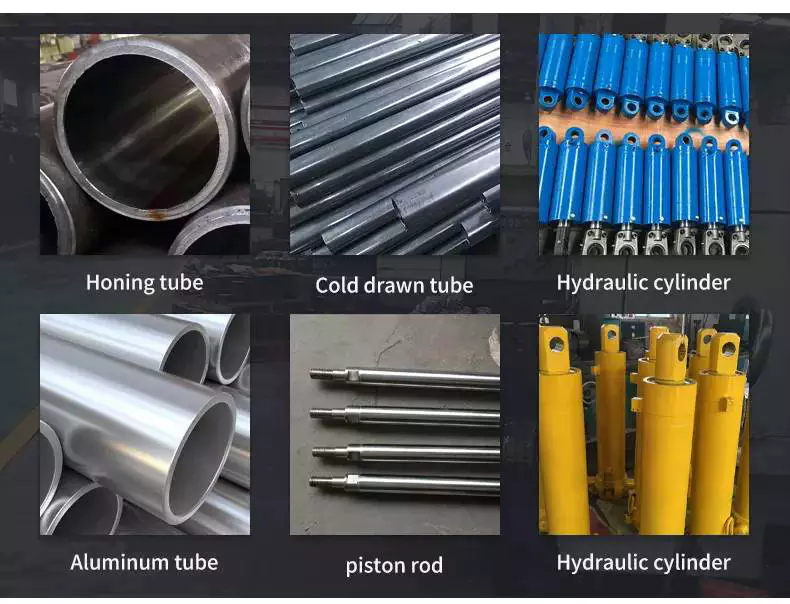
| Materiale | Aluminum,Cast Iron,45mnb Steel,Stainless Steel, carbon steel |
| Bore Size | 100mm; Customizable |
| Rod size | 550mm; Customizable |
| Stroke length | 700mm, Customizable |
| Paint Color | Red,Yellow,Blue,Brown,Customizable |
| Montaggio | Orecchino, flangia, forcella. Piede, perno, personalizzabile |
| Garanzia | 18 mesi |
| MOQ | 1 pz |
| Delivery Time | 7-15 Days,Also depands on specific demands |
| Certificazione | ISO9001, CE, SGS |
Detailed Photos
Esposizione del prodotto:
OTHER HYDRAULIC CYLINDERS
Quality Assurance
Quality Assurance
| Tipo di ispezione | Standard di ispezione |
| Ispezione delle materie prime | Prima dello stoccaggio, il controllo qualità effettua le misurazioni delle materie prime. |
| Ispezione dei materiali di processo | Durante la produzione, gli addetti al controllo qualità effettuano ispezioni a campione. Prima che i componenti del cilindro idraulico vengano trasferiti alla fase successiva del processo, il controllo qualità effettua un'ispezione. |
| Test di funzionalità finale | Tutti i cilindri idraulici vengono sottoposti a test di funzionalità idraulica |
Metodo di montaggio:
Profilo Aziendale
La nostra fabbrica:
Chi siamo:
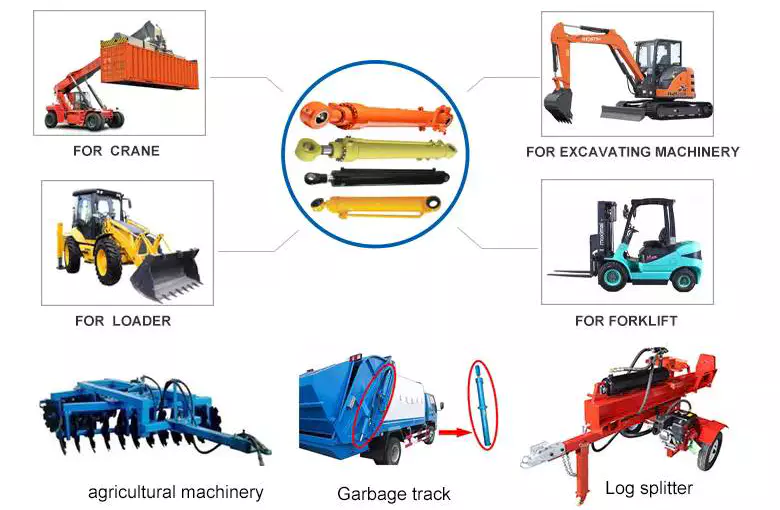
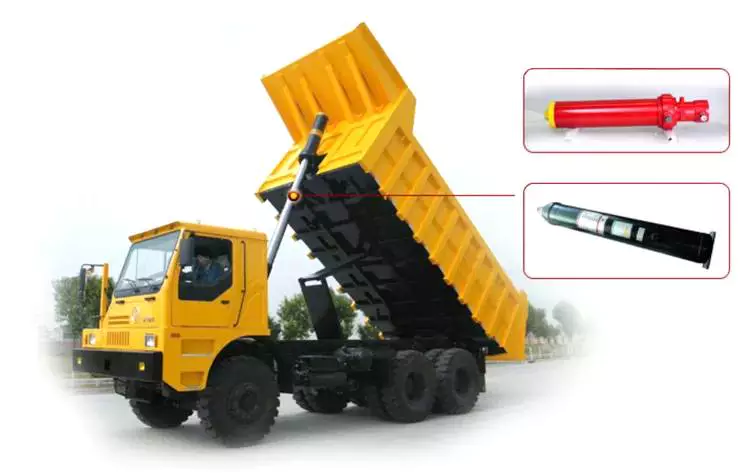
Tianjian Hydraulic. is a leader in the engineering design and manufacture of high pressure hydraulic cylinders that are widely used in the fields of mining, metallurgy, construction machinery, marine, offshore, water engineering, wind power, hydraulic press, agricultural machinery, and so on.
The Tianjian team has almost 8 years experience delivering innovative and dependable solutions to meet OEM high pressure hydraulic cylinder needs.
Se possibile, quando ci contattate, vi preghiamo di fornire le informazioni riportate di seguito.
Foro | Asta | Colpo | Pressione lavorativa | Montaggio | Ambiente di lavoro |
|
|
|
|
|
|
In alternativa, puoi fornirci uno schizzo o delle foto in modo che possiamo comprendere esattamente cosa intendi e aiutarci a evitare errori.
E se disponete di campioni, possiamo produrre in base ai campioni che ci avete inviato.
Siete i benvenuti nella nostra fabbrica se avete tempo.
La vostra soddisfazione è la nostra più grande motivazione.
Ora potete contattarci per qualsiasi domanda o richiesta.
Certifications
ISO9001
Imballaggio e consegna:
FAQ
Domande frequenti:
1. Di cosa si occupa la vostra azienda?
A: we are a supplier of high quality Hydraulic Cylinders for mining, construction, waste management, forestry, agriculture, etc.
2. Siete un'azienda produttrice o commerciale?
A: We are a manufacturer. Warmly welcome to visit us!
3. Che certificato possiedi?
A: All our factories are ISO certificated. And our main suppliers of materials and parts are with CE, RoHS, and UL certificates.
4. Quali sono i tempi di consegna?
A: The delivery time depends on different products and quantity. The cylinder usually need about 15-60 days.
5. Potete realizzare i pezzi secondo le specifiche o i disegni del cliente?
A: Sì, possiamo produrre per voi in base ai vostri disegni. I nostri ingegneri possono anche fornirvi supporto professionale e suggerimenti tecnici.
6. Che tipo di modalità di pagamento accettate?
A: We prefer T/T through bank. 30% when order is confirmed and 70% before shipment. Can be negotiated.
7. Qual è la vostra politica di garanzia?
A: Tutti i nostri prodotti sono garantiti per 1 anno intero dalla data di consegna contro difetti di materiali e di fabbricazione. Questa garanzia non copre le parti usurate durante il normale funzionamento o danneggiate per negligenza. Ricordiamo che l'olio idraulico non pulito danneggerà sicuramente i componenti idraulici. Tale danno non è coperto dalla garanzia. Pertanto, consigliamo vivamente di utilizzare olio nuovo e pulito o di assicurarsi che l'olio del sistema sia pulito quando si utilizzano i nostri ricambi.
| Certificazione: | GS, RoHS, CE, ISO9001 |
|---|---|
| Pressione: | Medium Pressure |
| Temperatura di esercizio: | High Temperature |
| Modo di agire: | Double Acting |
| Metodo di lavoro: | Straight Trip |
| Modulo modificato: | Regulated Type |
| Samples: | US$ 1000/Piece 1 Piece(Min.Order) | |
|---|
| Personalizzazione: | Disponibile |
|
|---|
Are there any emerging trends in hydraulic cylinder technology, such as smart features?
Yes, there are several emerging trends in hydraulic cylinder technology, including the integration of smart features. As industries continue to adopt advanced technologies and seek greater efficiency, hydraulic cylinders are being equipped with innovative capabilities to enhance their performance and provide additional benefits. Here are some of the emerging trends in hydraulic cylinder technology:
1. Sensor Integration:
– One of the significant trends in hydraulic cylinder technology is the integration of sensors. Sensors can be embedded within the hydraulic cylinder to monitor various parameters such as pressure, temperature, position, and load. These sensors provide real-time data, allowing for condition monitoring, predictive maintenance, and improved operational control. By collecting and analyzing data, operators can optimize the performance of hydraulic systems, detect potential issues in advance, and prevent failures, resulting in increased reliability and reduced downtime.
2. Connectivity and IoT:
– Hydraulic cylinders are being integrated into the Internet of Things (IoT) ecosystem, enabling connectivity and data exchange. By connecting hydraulic cylinders to a network, operators can remotely monitor and control their performance. IoT-enabled hydraulic cylinders facilitate features such as remote diagnostics, performance optimization, and predictive maintenance. The connectivity aspect allows for better integration with overall equipment systems and enables data-driven decision-making for improved efficiency and productivity.
3. Energy-Efficient Designs:
– With the increasing focus on sustainability and energy efficiency, hydraulic cylinder technology is evolving to incorporate energy-saving features. Manufacturers are developing hydraulic cylinders with improved sealing technologies, reduced friction, and optimized fluid flow dynamics. These advancements minimize energy losses and increase overall system efficiency. Energy-efficient hydraulic cylinders contribute to reduced power consumption, lower operating costs, and a smaller environmental footprint.
4. Advanced Materials and Coatings:
– The use of advanced materials and coatings is another emerging trend in hydraulic cylinder technology. Manufacturers are exploring lightweight materials, such as composites and alloys, to reduce the overall weight of hydraulic cylinders without compromising strength and durability. Furthermore, specialized coatings and surface treatments are being applied to improve corrosion resistance, wear resistance, and lifespan. These advancements enhance the longevity and reliability of hydraulic cylinders, particularly in demanding environments.
5. Intelligent Control Systems:
– Hydraulic cylinder technology is embracing intelligent control systems that optimize performance and enable advanced functionalities. These systems utilize algorithms, machine learning, and artificial intelligence to automate processes, adapt to changing conditions, and optimize hydraulic cylinder movements. Intelligent control systems can adjust parameters in real-time, ensuring precise and efficient operation. This trend allows for increased automation, improved productivity, and enhanced safety in hydraulic system applications.
6. Predictive Maintenance:
– Predictive maintenance is gaining prominence in hydraulic cylinder technology. By utilizing data collected from sensors and monitoring systems, predictive maintenance algorithms can analyze the condition and performance of hydraulic cylinders. This analysis helps to identify potential failures or degradation in advance, enabling proactive maintenance actions. Predictive maintenance reduces unplanned downtime, extends the lifespan of hydraulic cylinders, and optimizes maintenance schedules, resulting in cost savings and improved equipment availability.
7. Enhanced Safety Features:
– Hydraulic cylinder technology is incorporating enhanced safety features to improve operator and equipment safety. These features include integrated safety valves, load monitoring systems, and emergency stop functionalities. Safety systems in hydraulic cylinders help prevent accidents, protect against overloads, and ensure reliable operation. The integration of advanced safety features contributes to safer working environments and compliance with stringent safety regulations.
These emerging trends in hydraulic cylinder technology demonstrate the industry’s focus on innovation, performance optimization, and sustainability. The integration of smart features, connectivity, advanced materials, and predictive maintenance capabilities enables hydraulic cylinders to operate more efficiently, provide real-time insights, and enhance overall system performance. As technology continues to advance, hydraulic cylinder technology is expected to evolve further, offering increased functionality and efficiency for various industries and applications.
Progressi nella tecnologia dei cilindri idraulici: miglioramento della resistenza alla corrosione.
I progressi nella tecnologia dei cilindri idraulici hanno portato a significativi miglioramenti nella resistenza alla corrosione. La corrosione è una delle principali problematiche nei sistemi idraulici, soprattutto in ambienti in cui i cilindri sono esposti a umidità, sostanze chimiche o agenti corrosivi. Questi progressi mirano a migliorare la durata e la longevità dei cilindri idraulici. Esploriamo alcuni dei principali progressi nella tecnologia dei cilindri idraulici che hanno migliorato la resistenza alla corrosione:
- Materiali resistenti alla corrosione: L'impiego di materiali resistenti alla corrosione rappresenta un progresso fondamentale nella tecnologia dei cilindri idraulici. L'acciaio inossidabile, ad esempio, offre un'eccellente resistenza alla corrosione, il che lo rende una scelta diffusa in ambienti marini, offshore e in altri contesti corrosivi. Inoltre, i progressi in metallurgia hanno portato allo sviluppo di leghe e rivestimenti speciali che garantiscono una maggiore resistenza alla corrosione, prolungando la durata dei cilindri idraulici.
- Trattamenti e rivestimenti superficiali: Sono stati sviluppati diversi trattamenti superficiali e rivestimenti per proteggere i cilindri idraulici dalla corrosione. Questi trattamenti possono includere galvanostegia, zincatura, verniciatura a polvere e rivestimenti speciali resistenti alla corrosione. Tali rivestimenti creano una barriera tra la superficie del cilindro e gli agenti corrosivi, impedendo il contatto diretto e inibendo l'insorgere della corrosione. La scelta del rivestimento più adatto dipende dall'applicazione specifica e dalle condizioni ambientali.
- Tecnologia di sigillatura: Sistemi di tenuta efficaci sono fondamentali per impedire all'acqua, all'umidità e ai contaminanti di penetrare nel cilindro e causare corrosione. I progressi nella tecnologia di tenuta hanno portato allo sviluppo di guarnizioni di alta qualità e design avanzati che offrono una resistenza superiore alla corrosione. Queste guarnizioni sono in genere realizzate con materiali specificamente progettati per resistere ad ambienti corrosivi, garantendo prestazioni di tenuta a lungo termine e riducendo al minimo il rischio di problemi legati alla corrosione.
- Finiture superficiali migliorate: La finitura superficiale dei cilindri idraulici gioca un ruolo fondamentale nella loro resistenza alla corrosione. I progressi nelle tecniche di lavorazione e lucidatura hanno permesso di ottenere finiture superficiali più lisce e uniformi. Superfici più lisce riducono la probabilità di innesco della corrosione e facilitano la pulizia e la manutenzione dei cilindri idraulici. Inoltre, è possibile applicare finiture speciali, come la passivazione o i trattamenti chimici, per migliorare ulteriormente la resistenza alla corrosione.
- Caratteristiche di protezione ambientale: I cilindri idraulici possono essere dotati di caratteristiche aggiuntive per proteggerli dalla corrosione. Queste caratteristiche possono includere guarnizioni protettive, soffietti o schermi che proteggono le aree vulnerabili dall'esposizione ad agenti corrosivi. Integrando questi elementi protettivi nella progettazione, i cilindri idraulici possono resistere ad ambienti difficili e ridurre al minimo il rischio di danni dovuti alla corrosione.
In sintesi, i progressi nella tecnologia dei cilindri idraulici hanno migliorato significativamente la resistenza alla corrosione. L'utilizzo di materiali resistenti alla corrosione, trattamenti e rivestimenti superficiali avanzati, tecnologie di tenuta innovative, finiture superficiali migliorate e l'integrazione di caratteristiche di protezione ambientale hanno contribuito a migliorare la durata e la longevità dei cilindri idraulici in ambienti corrosivi. Questi progressi garantiscono prestazioni affidabili e riducono i costi di manutenzione e sostituzione associati a problemi di corrosione.
How do hydraulic cylinders contribute to the efficiency of heavy machinery like excavators?
Hydraulic cylinders play a crucial role in enhancing the efficiency and performance of heavy machinery, such as excavators. These powerful hydraulic actuators enable excavators to perform various tasks efficiently and effectively. Here’s a detailed explanation of how hydraulic cylinders contribute to the efficiency of heavy machinery like excavators:
1. Force and Power:
– Hydraulic cylinders provide the necessary force and power required for the excavation process. They convert hydraulic energy from the hydraulic fluid into linear mechanical force, allowing the excavator to exert significant pushing and pulling forces. The force generated by hydraulic cylinders enables the digging arm or boom of the excavator to penetrate and break through tough materials, such as soil, rocks, or concrete, with ease and efficiency.
2. Precise Control:
– Hydraulic cylinders offer precise control over the movement of excavator components. By regulating the flow of hydraulic fluid to the cylinders, operators can control the speed, direction, and positioning of the excavator’s arm, boom, bucket, and other attachments. This precise control allows operators to perform delicate operations, such as fine grading or precise material placement, with accuracy and efficiency.
3. Versatility and Adaptability:
– Hydraulic cylinders enable excavators to perform a wide range of tasks by facilitating the quick and easy interchangeability of attachments. Excavators can be equipped with various specialized attachments, including buckets, breakers, grapples, and augers, which can be efficiently connected and disconnected using hydraulic cylinders. This versatility and adaptability enhance the efficiency of excavators by enabling them to tackle different tasks without the need for extensive manual adjustments or downtime.
4. Increased Productivity:
– The power and control provided by hydraulic cylinders significantly increase the productivity of excavators. Excavators equipped with hydraulic cylinders can complete tasks more quickly and efficiently compared to manual or mechanically-driven machinery. The precise control over movements allows for faster cycle times, reduced idle time, and improved overall productivity on the worksite.
5. Enhanced Digging and Lifting Capabilities:
– Hydraulic cylinders enable excavators to perform digging and lifting operations with enhanced capabilities. The force generated by hydraulic cylinders allows excavators to dig deeper and lift heavier loads compared to other types of machinery. This increased digging and lifting capacity contributes to the efficiency of excavators by reducing the number of passes required to complete a task and improving overall productivity.
6. Durability and Reliability:
– Hydraulic cylinders are designed to withstand heavy loads, challenging operating conditions, and frequent use. They are built with robust materials, such as high-strength steel, and undergo stringent quality control measures during manufacturing. The durability and reliability of hydraulic cylinders ensure that excavators can operate efficiently even in demanding environments, minimizing downtime and maximizing productivity.
7. Energy Efficiency:
– Hydraulic systems, including hydraulic cylinders, are known for their energy efficiency. Hydraulic cylinders can deliver high force outputs while consuming relatively low amounts of hydraulic fluid. This energy efficiency translates to lower fuel consumption and reduced operating costs for excavators. The efficient use of hydraulic power contributes to the overall efficiency and sustainability of heavy machinery operations.
8. Safety:
– Hydraulic cylinders play a vital role in ensuring the safety of excavator operations. They provide controlled and predictable movements, reducing the risk of sudden or uncontrolled motions. The precise control offered by hydraulic cylinders allows operators to perform tasks safely and accurately, minimizing the chances of accidents or damage to the machinery or surrounding environment.
Overall, hydraulic cylinders are essential components that significantly contribute to the efficiency of heavy machinery like excavators. By providing force, precise control, versatility, increased productivity, enhanced capabilities, durability, energy efficiency, and safety, hydraulic cylinders enable excavators to perform a wide range of tasks efficiently and effectively in various industries, including construction, mining, and landscaping.


editor by CX 2023-10-13
 Italian
  English
  Portuguese
  Dutch
Dutch  Swedish
  Danish
  Finnish
  Polish
  Hindi
Hindi  Kazakh
  Turkish
  Ukrainian
  Romanian
  Spanish
  German
  Russian
  Korean
  Japanese
  Vietnamese
  Thai
Thai  Indonesian
  Malay
Malay  French
  Greek
Greek