
Descrizione del prodotto
Profilo Aziendale
ZheJiang CHINAMFG Hydraulic Co., Ltd. (Stock Code: 83 0571 ), founded in June 2004, is a domestic medium and high pressure hydraulic cylinder supplier integrating R&D, production, sales and service. Its main products include 3 series of hydraulic cylinders for dump trucks, hydraulic cylinders for mechanical equipment and hydropneumatic springs.
The company’s management team and main technical personnel are stable. We has constantly innovated from the actual needs of customers, has gradually positioned the medium and high-end market, and has provided high-quality products for customers in automobile, coal mine, petroleum, engineering machinery and other industries with high-quality service.
Product Description and Specification
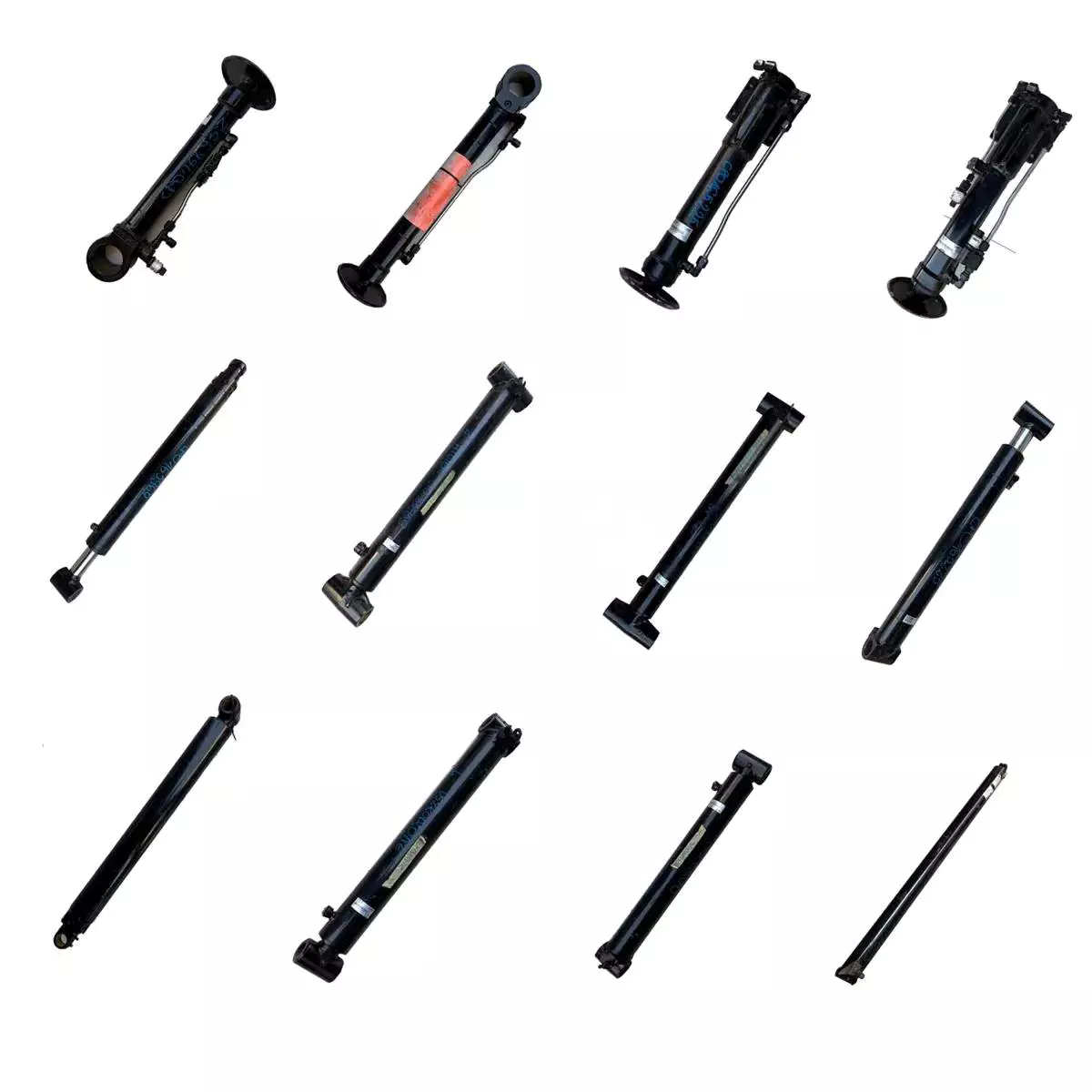
This product is a North American-style front-end telescopic cylinder. It has received high acclaim from customers.
Our product advantage lies in:
1.The North American advanced processing technology is adopted to ensure the stable performance.
2.High quality alloy seamless steel pipe are adopted to keep big lifting capacity and light weight.
3.The application of imperial size makes it easy to replace the seals and other accessories.
4.Superior chrome-plating technology improves the corrosion resistance and hardness of cylinders.
5.The world famous brands of seals such as HALLITE, CHINAMFG and NOK ensure the sealing performance.
To better ensure the safety of your goods, professional, environmentally friendly, convenient and efficient packaging services will be provided.
| Model | The first stage rod diameter | Colpo | Closed length | Open length |
| WTPK 3TG F5*72 | 5″ | 1829mm | 945mm | 2773mm |
| WTPK 3TG F5*84 | 5″ | 2134mm | 1046mm | 3180mm |
| WTPK 3TG F5*107 | 5″ | 2732mm | 1229mm | 3961mm |
| WTPK 3TG F5*126 | 5″ | 3216mm | 1386mm | 4602mm |
| WTPK 3TG F6*86 | 6″ | 3216mm | 1038mm | 3241mm |
| WTPK 3TG F6*104 | 6″ | 2640mm | 1194mm | 3834mm |
| WTPK 3TG F6*107 | 6″ | 2732mm | 1289mm | 3961mm |
| WTPK 3TG F6*111 | 6″ | 2819mm | 1268mm | 4087mm |
| WTPK 3TG F6*120 | 6″ | 3048mm | 1359mm | 4407mm |
| WTPK 3TG F6*126 | 6″ | 3208mm | 1386mm | 4594mm |
| WTPK 3TG F6*140 | 6″ | 3562mm | 1519mm | 5081mm |
| WTPK 4TG F6*135 | 6″ | 3429mm | 1199mm | 4628mm |
| WTPK 4TG F6*156 | 6″ | 3962mm | 1362mm | 5324mm |
| WTPK 3TG F7*110 | 7″ | 2810mm | 1271mm | 4081mm |
| WTPK 3TG F7*120 | 7″ | 3048mm | 1349mm | 4397mm |
| WTPK 3TG F7*124 | 7″ | 3172mm | 1392mm | 4564mm |
| WTPK 3TG F7*129 | 7″ | 3277mm | 1435mm | 4712mm |
| WTPK 3TG F7*140 | 7″ | 3567mm | 1524mm | 5091mm |
| WTPK 3TG F7*150 | 7″ | 3810mm | 1613mm | 5423mm |
| WTPK 4TG F7*120 | 7″ | 3048mm | 1349mm | 4168mm |
| WTPK 4TG F7*135 | 7″ | 3429mm | 1230mm | 4659mm |
| WTPK 4TG F7*140 | 7″ | 3556mm | 1263mm | 4819mm |
| WTPK 4TG F7*156 | 7″ | 3962mm | 1365mm | 5327mm |
| WTPK 4TG F7*161 | 7″ | 4108mm | 1405mm | 5513mm |
| WTPK 4TG F7*167 | 7″ | 4242mm | 1432mm | 5674mm |
| WTPK 4TG F7*180 | 7″ | 4572mm | 1552mm | 6124mm |
| WTPK 4TG F8*148 | 8″ | 3753mm | 1308mm | 5061mm |
| WTPK 4TG F8*156 | 8″ | 3962mm | 1365mm | 5327mm |
| WTPK 4TG F8*161 | 8″ | 4064mm | 1416mm | 5480mm |
| WTPK 4TG F8*170 | 8″ | 4318mm | 1454mm | 5481mm |
| WTPK 4TG F8*180 | 8″ | 4572mm | 1518mm | 6090mm |
| WTPK 5TG F8*170 | 8″ | 4318mm | 1267mm | 5585mm |
| WTPK 5TG F8*190 | 8″ | 4800mm | 1387mm | 6188mm |
| WTPK 5TG F8*220 | 8″ | 5588mm | 1524mm | 7122mm |
| WTPK 5TG F8*235 | 8″ | 5944mm | 1641mm | 7585mm |
| WTPK 5TG F8*250 | 8″ | 6325mm | 1743mm | 8068mm |
| WTPK 5TG F9*265 | 9″ | 6731mm | 1844mm | 8575mm |
| WTPK 5TG F9*280 | 9″ | 7112mm | 1997mm | 9109mm |
| WTPK 5TG F9*300 | 9″ | 7620mm | 2007mm | 9627mm |
| WTPK 5TG F9*320 | 9″ | 8129mm | 2108mm | 9628mm |
| WTPK 5TG F9*340 | 9″ | 8636mm | 2210mm | 10846mm |
Quality Guarantee System
1. Trial Operation Test
2. Start-up Pressure Test
3. Pressure-Tight Test
4. Leak Test
5. Full Stroke Test
6. Buffer Test
7. Testing the Effect of Limit
8. Load Efficiency Test
9. Reliability Test
Every piece of hydraulic cylinder are tested and will send out only after they are pasted the each test. Our company has abundant technical force and perfect testing means. By making wide technical and business cooperation with many related enterprises, universities, colleges and institutes both at home and abroad, and employing senior engineers and software engineers, we have greatly strengthened and improved our designing, processing, and testing abilities.
Machining Equipment
Our company have 700 sets manufacturing equipment, such as cold drawing production line, heat treatment production line, surface treatment production line, testing equipment, various digital-control machining equipment, gantry style linear electroplating production line.
Certificate And Our Customers
Domestic Marketing Locations
The company’s products are widely sold in ZheJiang , ZheJiang , ZheJiang , ZheJiang , ZheJiang , ZheJiang , ZheJiang , ZheJiang , ZheJiang and other more than 20 provinces, municipalities and autonomous regions.
Foreign Marketing Locations
Our products are exported to the United States, Canada, Mexico, Russia, South Africa, Indonesia and other Europe, America, South America, Southeast Asia.
After Service
1.Pre-sale service: Keep communicating with the truck manufacturers , including selection of product model , design of hydraulic system, test of performance and analysis of the accident. Once the problems occur, we will solve them immediately together with truck manufacturers.
2.The sale service: Provide training and technical support for users.
3.After-sale service: Solve the problem firstly, then analyse responsibility ; Replace the system components immediately if any need.
4.24 hours telephone service hotline.
FAQ
Q1:What’s the brand name of your products ?
A:Generally, we use our own brand “WTJX”, OEM is also available as required.
Q2:Hydraulic cylinder internal leakage?
A: There are 3 main reasons causing internal leakage : Overload, polishing is not well controlled, bad seal kits. As is known to all, vehicles in China are often overload,our products all designed to bear the overload power. We have numerical control machine to assure the polish processing. And we use the imported seals to meet customers’ demands.
Q3:Does your piston rod get ruptured easily?
A: Hard chrome plating quenched and tempered 45# steel for piston rod to assure sufficient hardness and toughness.
Q4:What about the quality feedback of your products?
A: Guarantee the quality from the raw material. We have cold drawing production line and nickel-chrome electroplating production line, so we can produce cold-drawing pipe and hard-chrome pipe used for hydraulic cylinder!
/* May 10, 2571 16:49:51 */!function(){function d(e,r){var a,o={};try{e&&e.split(“,”).forEach(function(e,t){e&&(a=e.match(/(.*?):(.*)$/))&&1
How do hydraulic cylinders handle the challenges of precise positioning and control?
Hydraulic cylinders are designed to handle the challenges of precise positioning and control with a combination of engineering principles and advanced control systems. These challenges often arise in applications where accurate and controlled movements are required, such as in industrial automation, construction, and material handling. Here’s a detailed explanation of how hydraulic cylinders overcome these challenges:
1. Fluid Power Control:
– Hydraulic cylinders utilize fluid power control to achieve precise positioning and control. The hydraulic system consists of a hydraulic pump, control valves, and hydraulic fluid. By regulating the flow of hydraulic fluid into and out of the cylinder, operators can control the speed, direction, and force exerted by the cylinder. The fluid power control allows for smooth and accurate movements, enabling precise positioning of the hydraulic cylinder and the attached load.
2. Control Valves:
– Control valves play a crucial role in handling the challenges of precise positioning and control. These valves are responsible for directing the flow of hydraulic fluid within the system. They can be manually operated or electronically controlled. Control valves allow operators to adjust the flow rate of the hydraulic fluid, controlling the speed of the cylinder’s movement. By modulating the flow, operators can achieve fine control over the positioning of the hydraulic cylinder, enabling precise and accurate movements.
3. Proportional Control:
– Hydraulic cylinders can be equipped with proportional control systems, which offer enhanced precision in positioning and control. Proportional control systems utilize electronic feedback and control algorithms to precisely regulate the flow and pressure of the hydraulic fluid. These systems provide accurate and proportional control over the movement of the hydraulic cylinder, allowing for precise positioning at various points along its stroke length. Proportional control enhances the cylinder’s ability to handle complex tasks that require precise movements and control.
4. Position Feedback Sensors:
– To achieve precise positioning, hydraulic cylinders often incorporate position feedback sensors. These sensors provide real-time information about the position of the cylinder’s piston rod. Common types of position feedback sensors include potentiometers, linear variable differential transformers (LVDTs), and magnetostrictive sensors. By continuously monitoring the position, the feedback sensors enable closed-loop control, allowing for accurate positioning and control of the hydraulic cylinder. The feedback information is used to adjust the flow of hydraulic fluid to achieve the desired position accurately.
5. Servo Control Systems:
– Advanced hydraulic systems employ servo control systems to handle the challenges of precise positioning and control. Servo control systems combine electronic control, position feedback sensors, and proportional control valves to achieve high levels of accuracy and responsiveness. The servo control system continuously compares the desired position with the actual position of the hydraulic cylinder and adjusts the flow of hydraulic fluid to minimize any positional error. This closed-loop control mechanism enables the hydraulic cylinder to maintain precise positioning and control, even under varying loads or external disturbances.
6. Integrated Automation:
– Hydraulic cylinders can be integrated into automated systems to achieve precise positioning and control. In such setups, the hydraulic cylinders are controlled by programmable logic controllers (PLCs) or other automation controllers. These controllers receive input signals from various sensors and use pre-programmed logic to command the hydraulic cylinder’s movements. The integration of hydraulic cylinders into automated systems allows for precise and repeatable positioning and control, enabling complex sequences of movements to be executed with high accuracy.
7. Advanced Control Algorithms:
– Advancements in control algorithms have also contributed to the precise positioning and control of hydraulic cylinders. These algorithms, such as PID (Proportional-Integral-Derivative) control, adaptive control, and model-based control, enable sophisticated control strategies to be implemented. These algorithms consider factors such as load variations, system dynamics, and environmental conditions to optimize the control of hydraulic cylinders. By employing advanced control algorithms, hydraulic cylinders can compensate for disturbances and achieve precise positioning and control over a wide range of operating conditions.
In summary, hydraulic cylinders overcome the challenges of precise positioning and control through the use of fluid power control, control valves, proportional control, position feedback sensors, servo control systems, integrated automation, and advanced control algorithms. By combining these elements, hydraulic cylinders can achieve accurate and controlled movements, enabling precise positioning and control in various applications. These capabilities are essential for industries that require high precision and repeatability in their operations, such as industrial automation, robotics, and material handling.
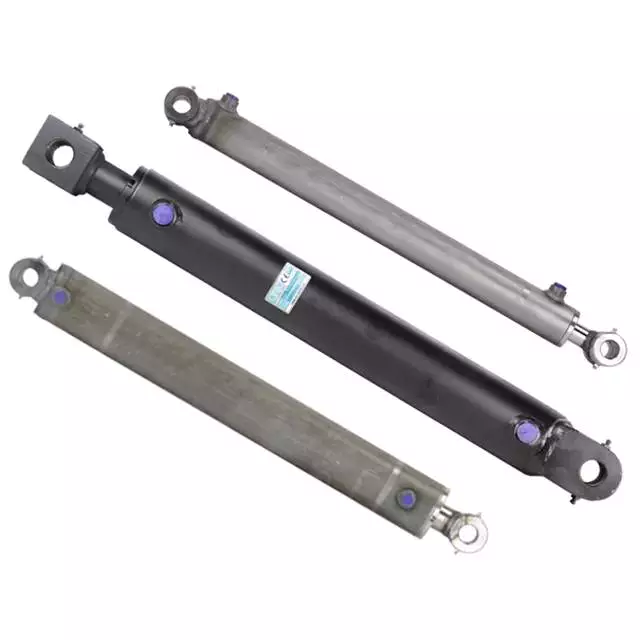
What considerations are important when selecting hydraulic cylinders for mobile equipment?
To select hydraulic cylinders for mobile equipment, several important considerations need to be taken into account. Here are the key factors to consider:
- Load Capacity: Determine the maximum load or force that the hydraulic cylinder will need to support. This includes both the static load and any dynamic or shock loads that may be encountered during operation.
- Stroke Length: Consider the required stroke length, which is the distance the hydraulic cylinder can extend and retract. Ensure that the stroke length is sufficient for the specific application and range of motion needed.
- Operating Pressure: Determine the maximum operating pressure required for the hydraulic system. This will depend on the load and the specific application. Select a hydraulic cylinder with a pressure rating that exceeds the maximum operating pressure to ensure safety and durability.
- Mounting Style: Consider the available space and the mounting requirements of the mobile equipment. Hydraulic cylinders come in various mounting styles, such as flange, trunnion, clevis, and pivot, among others. Choose a mounting style that is compatible with the equipment and provides the necessary support and stability.
- Size and Weight: Take into account the physical dimensions and weight of the hydraulic cylinder. Ensure that it can fit within the available space and that the equipment can support its weight without compromising performance or safety.
- Speed and Precision: Evaluate the required speed and precision of the hydraulic cylinder’s movement. Different cylinder designs and configurations can affect the speed and accuracy of motion. Consider factors such as cylinder bore size, rod diameter, and the presence of cushioning or dampening features.
- Environmental Factors: Assess the operating environment of the mobile equipment. Consider factors such as temperature extremes, exposure to moisture, dust, and chemicals. Select hydraulic cylinders with appropriate seals and coatings that can withstand the environmental conditions and prevent corrosion or damage.
- Reliability and Maintenance: Consider the reliability and maintenance requirements of the hydraulic cylinders. Look for reputable manufacturers that provide high-quality products with a proven track record. Evaluate factors such as expected service life, availability of spare parts, and ease of maintenance.
- Cost: Finally, consider the cost of the hydraulic cylinders, including the initial purchase price, installation costs, and long-term maintenance expenses. While it is essential to find a cost-effective solution, prioritize quality and performance to ensure safe and efficient operation.
What safety precautions should be followed when working with hydraulic cylinders?
Working with hydraulic cylinders requires strict adherence to safety precautions to prevent accidents, injuries, and damage to equipment or property. Hydraulic systems operate under high pressures and involve moving parts, which can pose serious hazards if not handled properly. Here’s a detailed explanation of the safety precautions that should be followed when working with hydraulic cylinders:
1. Training and Knowledge:
– Ensure that personnel working with hydraulic cylinders have received adequate training and possess a thorough understanding of hydraulic system operation, maintenance, and safety protocols. Proper training should cover topics such as hydraulic principles, pressure ratings, safe work practices, and emergency procedures. Only trained and authorized personnel should be allowed to handle hydraulic cylinders.
2. Wear Personal Protective Equipment (PPE):
– Always wear appropriate personal protective equipment when working with hydraulic cylinders. This may include safety glasses, gloves, protective clothing, and steel-toed boots. PPE helps protect against potential hazards, such as hydraulic fluid leaks, flying debris, or accidental contact with moving parts.
3. Hydraulic System Inspection:
– Before working with hydraulic cylinders, inspect the entire hydraulic system for any signs of damage, leaks, or loose connections. Check hydraulic hoses, fittings, valves, and cylinders for integrity and secure fastening. If any issues are detected, the system should be repaired or serviced before operation.
4. Relieve Pressure:
– Before performing any maintenance or disassembly on a hydraulic cylinder, it is crucial to relieve the pressure in the system. Follow the manufacturer’s instructions to properly release pressure and ensure that the hydraulic cylinder is depressurized before starting any work. Failure to do so can result in sudden and uncontrolled movement of the cylinder or hydraulic lines, leading to serious injuries.
5. Lockout/Tagout Procedures:
– Implement lockout/tagout procedures to prevent accidental energization of the hydraulic system while maintenance or repair work is being conducted. Lockout/tagout involves isolating the energy source, such as shutting off the hydraulic pump and locking or tagging the controls to prevent unauthorized operation. This procedure ensures that the hydraulic cylinder remains in a safe, non-operational state during maintenance activities.
6. Use Proper Lifting Techniques:
– When working with heavy hydraulic cylinders or components, use proper lifting techniques and equipment to avoid strain or injury. Hydraulic cylinders can be heavy and awkward to handle, so ensure that lifting equipment, such as cranes or hoists, is properly rated and used correctly. Follow safe lifting practices, including securing the load and maintaining a stable lifting posture.
7. Hydraulic Fluid Handling:
– Handle hydraulic fluid with care and follow proper procedures for fluid filling, transfer, and disposal. Avoid contact with the skin or eyes, as hydraulic fluid may be hazardous. Use appropriate containers and equipment to prevent spills or leaks. If any hydraulic fluid comes into contact with the skin or eyes, rinse thoroughly with water and seek medical attention if necessary.
8. Regular Maintenance:
– Perform regular maintenance and inspections on hydraulic cylinders to ensure their safe and reliable operation. This includes checking for leaks, inspecting seals, monitoring fluid levels, and conducting periodic servicing as recommended by the manufacturer. Proper maintenance helps prevent unexpected failures and ensures the continued safe use of hydraulic cylinders.
9. Follow Manufacturer Guidelines:
– Always follow the manufacturer’s guidelines, instructions, and recommendations for the specific hydraulic cylinders and equipment being used. Manufacturers provide important safety information, maintenance schedules, and operational guidelines that should be strictly adhered to for safe and optimal performance.
10. Emergency Preparedness:
– Be prepared for potential emergencies by having appropriate safety equipment, such as fire extinguishers, first aid kits, and emergency eyewash stations, readily available. Establish clear communication channels and emergency response procedures to promptly address any accidents, leaks, or injuries that may occur during hydraulic cylinder operations.
By following these safety precautions, individuals working with hydraulic cylinders can minimize the risk of accidents, injuries, and property damage. It is essential to prioritize safety, maintain awareness of potential hazards, and ensure compliance with relevant safety regulations and industry standards.


editor by Dream 2024-11-08
 Italian
  English
  Portuguese
  Dutch
Dutch  Swedish
  Danish
  Finnish
  Polish
  Hindi
Hindi  Kazakh
  Turkish
  Ukrainian
  Romanian
  Spanish
  German
  Russian
  Korean
  Japanese
  Vietnamese
  Thai
Thai  Indonesian
  Malay
Malay  French
  Greek
Greek