
Descrizione del prodotto
| long stroke telescopic hydraulic cylinders | |||
| Part number | Tube dia mm | Rod dia mm | Stroke mm |
| 205-63-57100 | 120 | 85 | 1285 |
| 206-63-57100 | 120 | 85 | 1285 |
| 205-63-57160 | 120 | 85 | 1285 |
| 205-63-57120 | 135 | 95 | 1490 |
| 203-63-57130 | 125 | 85 | 1120 |
| 203-63-57131 | 125 | 85 | 1120 |
| 205-63-57130 | 125 | 85 | 1120 |
Specifiche
1.Supply to USA,Europe,and Australia, Russia.
2.Material:Stainless Steel
3.Professional performance excavator parts supplier
4. High quality and low price
FAQ
Q1: Are you Manufacture or Trade Company?
A1: We are manufacture,we have 20 years experience for supply Metal material and products in domestic.
Q2: How can we guarantee quality?
A2: Always a pre-production sample before mass production;Always final Inspection before shipment;
Q3: What is your terms of payment ?
A3: 1.T/T: 30% deposit in advance, the balance 70% paid before shipment
2.30% down payment, the balance 70% paid against L/C at sight
3.CHINAMFG negotiation
Q4: Can you provide Certificates for aluminum materials ?
A4:Yes,we can supply MTC-Material Test Certificate.
Q5: Can you provide sample?
A5: Yes, we can provide you sample, but you need to pay for the sample and freight firstly. We will return the sample fee after
you make an order.
| Certificazione: | GS, RoHS, CE, ISO9001 |
|---|---|
| Pressione: | Medium Pressure |
| Temperatura di esercizio: | Normal Temperature |
| Modo di agire: | Double Acting |
| Metodo di lavoro: | Piston Cylinder |
| Modulo modificato: | Switching Type |
| Personalizzazione: | Disponibile |
|
|---|
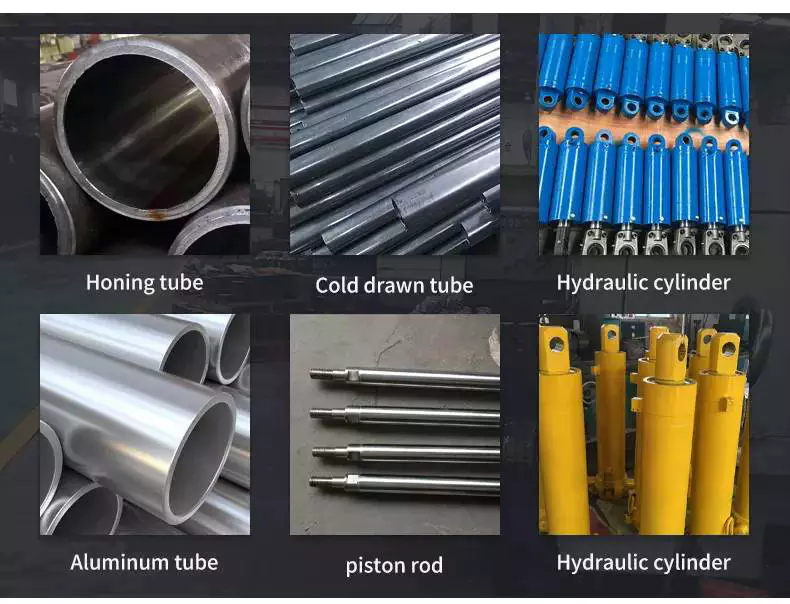
In che modo i cilindri idraulici contribuiscono all'efficienza complessiva dei costi dei processi industriali?
I cilindri idraulici svolgono un ruolo cruciale nel migliorare la redditività complessiva dei processi industriali. Offrono numerosi vantaggi e contribuiscono ad aumentare la produttività, migliorare l'efficienza, ridurre i costi di manutenzione e ottimizzare le prestazioni operative. Ecco una spiegazione dettagliata di come i cilindri idraulici contribuiscono alla redditività dei processi industriali:
1. Elevata densità di potenza:
– I cilindri idraulici offrono un elevato rapporto potenza-peso, che consente di generare una forza considerevole in un design compatto. Questa densità di potenza permette l'utilizzo di apparecchiature più piccole e leggere, riducendo i costi di materiali e produzione e aumentando l'efficienza dei processi industriali.
2. Controllo preciso della forza e della posizione:
I cilindri idraulici offrono un controllo preciso della forza e della posizione, consentendo un movimento e un posizionamento accurati di macchinari o pezzi. Questo livello di controllo migliora l'efficienza del processo, riduce gli sprechi di materiale e migliora la qualità complessiva del prodotto. Il controllo preciso della forza riduce inoltre al minimo il rischio di danni alle apparecchiature, diminuendo ulteriormente i costi di manutenzione e riparazione.
3. Elevata capacità di carico:
I cilindri idraulici sono noti per la loro capacità di gestire carichi elevati. Possono esercitare una forza considerevole, il che li rende adatti ad applicazioni industriali gravose. Gestendo in modo efficiente carichi pesanti, i cilindri idraulici contribuiscono ad aumentare la produttività e la capacità produttiva, riducendo la necessità di attrezzature aggiuntive e ottimizzando i processi industriali.
4. Flessibilità e versatilità:
I cilindri idraulici offrono un elevato grado di flessibilità e versatilità nei processi industriali. Possono essere facilmente integrati in diverse tipologie di macchinari e attrezzature, consentendo svariate applicazioni. Questa adattabilità riduce la necessità di attrezzature specializzate, con conseguente risparmio sui costi e maggiore efficienza operativa.
5. Efficienza energetica:
I sistemi idraulici, compresi i cilindri idraulici, possono essere progettati per funzionare con un'elevata efficienza energetica. Grazie all'utilizzo di circuiti idraulici efficienti, sistemi di controllo avanzati e meccanismi di recupero energetico, i cilindri idraulici riducono al minimo gli sprechi di energia e i costi operativi. I sistemi idraulici ad alta efficienza energetica contribuiscono inoltre a un funzionamento industriale più sostenibile e rispettoso dell'ambiente.
6. Durata e longevità:
I cilindri idraulici sono progettati per resistere ad ambienti industriali gravosi e a un utilizzo intensivo. Sono realizzati con materiali robusti e sottoposti a rigorosi controlli di qualità per garantirne durata e longevità. La loro capacità di resistere a condizioni difficili e movimenti ripetitivi riduce la necessità di sostituzioni frequenti, minimizzando i tempi di inattività e i costi di manutenzione.
7. Riduzione delle esigenze di manutenzione:
I cilindri idraulici richiedono una manutenzione relativamente ridotta rispetto ad altri tipi di attuatori. Sistemi idraulici progettati correttamente, dotati di efficienti meccanismi di filtrazione e controllo della contaminazione, possono prevenire danni ai cilindri e prolungarne la durata. La riduzione delle esigenze di manutenzione si traduce in minori tempi di inattività, minori costi di manodopera e una maggiore efficienza in termini di costi dei processi industriali.
8. Integrazione e automazione dei sistemi:
I cilindri idraulici possono essere integrati senza problemi nei processi industriali automatizzati. Incorporando i cilindri idraulici nei sistemi automatizzati, le attività possono essere eseguite con precisione e ripetibilità, riducendo l'errore umano e ottimizzando l'efficienza. L'automazione consente inoltre un funzionamento continuo, aumentando la produttività e la redditività complessiva.
9. Sostituzione economicamente vantaggiosa:
– Nelle situazioni in cui i cilindri idraulici necessitano di sostituzione o riparazione, la convenienza economica del processo rimane inalterata. I cilindri idraulici hanno in genere una struttura modulare, che consente una facile sostituzione dei singoli componenti o di intere unità. Questa modularità riduce i tempi di fermo e i costi associati, poiché è necessario sostituire solo i componenti interessati, anziché l'intero sistema.
In sintesi, i cilindri idraulici contribuiscono all'efficienza complessiva dei processi industriali grazie all'elevata densità di potenza, alle precise capacità di controllo, all'elevata capacità di movimentazione del carico, alla flessibilità, all'efficienza energetica, alla durata, alla riduzione delle esigenze di manutenzione, all'integrazione nei sistemi e alle opzioni di sostituzione economiche. La loro capacità di migliorare la produttività, l'efficienza e le prestazioni operative, minimizzando al contempo i costi di manutenzione e i tempi di inattività, rende i cilindri idraulici un componente prezioso in diverse applicazioni industriali.
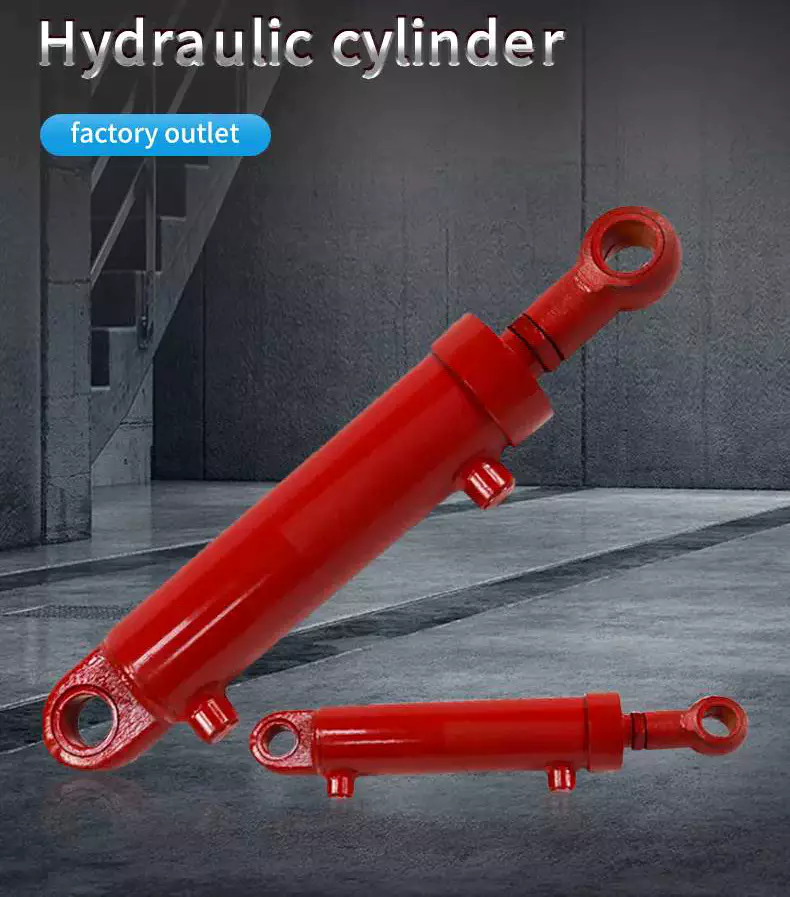
Impact of Hydraulic Cylinders on Overall Productivity of Manufacturing Operations
Hydraulic cylinders play a crucial role in enhancing the overall productivity of manufacturing operations. These versatile devices are widely used in various industrial applications due to their ability to generate powerful and controlled linear motion. Let’s explore how hydraulic cylinders impact the overall productivity of manufacturing operations:
- Powerful Force Generation: Hydraulic cylinders are capable of generating high forces, which enables them to handle heavy loads and perform demanding tasks. By providing the necessary force, hydraulic cylinders facilitate efficient and effective operation of machinery and equipment in manufacturing processes. This ability to exert substantial force contributes to increased productivity by enabling the handling of larger workpieces, enhancing process efficiency, and reducing manual labor requirements.
- Precision and Control: Hydraulic cylinders offer precise control over the movement of loads, allowing for accurate positioning, alignment, and repetitive tasks. The smooth and controlled linear motion provided by hydraulic cylinders ensures precise operation in manufacturing processes, such as assembly, material handling, and machining. This precision and control minimize errors, rework, and scrap, leading to improved productivity and higher-quality output.
- Speed and Efficiency: Hydraulic cylinders can operate at high speeds, enabling rapid movement and cycle times in manufacturing operations. The combination of high force and speed allows for faster operation of machinery and equipment, reducing production cycle times and increasing overall throughput. By optimizing the speed and efficiency of manufacturing processes, hydraulic cylinders contribute to improved productivity and output.
- Flexibility and Adaptability: Hydraulic cylinders are highly flexible and adaptable to different manufacturing applications. They can be customized to meet specific requirements, such as load capacity, stroke length, and mounting options. This versatility allows hydraulic cylinders to be integrated into a wide range of machinery and equipment, accommodating diverse manufacturing needs. The ability to adapt to different tasks and environments enhances overall productivity by enabling efficient utilization of resources and facilitating process optimization.
- Reliability and Durability: Hydraulic cylinders are known for their robustness and durability, making them suitable for demanding manufacturing environments. Their ability to withstand heavy loads, repeated use, and harsh operating conditions ensures reliable performance over extended periods. Minimizing downtime due to cylinder failure or maintenance requirements contributes to increased productivity and uninterrupted manufacturing operations.
In summary, hydraulic cylinders have a significant impact on the overall productivity of manufacturing operations. Their powerful force generation, precision and control, speed and efficiency, flexibility and adaptability, as well as reliability and durability, contribute to optimized processes, increased throughput, improved quality, and reduced labor requirements. By leveraging the capabilities of hydraulic cylinders, manufacturers can enhance productivity, streamline operations, and achieve greater efficiency in their manufacturing processes.
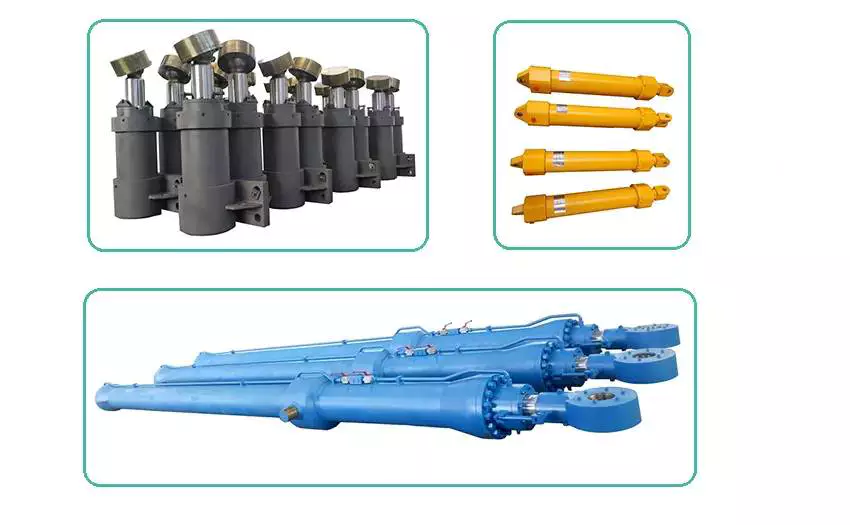
Can hydraulic cylinders be adapted for use in both industrial and mobile equipment?
Yes, hydraulic cylinders can be adapted for use in both industrial and mobile equipment. The versatility and adaptability of hydraulic systems make them suitable for a wide range of applications across various industries. Here’s a detailed explanation:
1. Industrial Equipment:
– Hydraulic cylinders are extensively used in industrial equipment such as manufacturing machinery, construction equipment, material handling systems, and heavy-duty machinery. They provide the necessary force and controlled movement for tasks such as lifting, pushing, pulling, and positioning heavy loads. Industrial hydraulic cylinders are typically designed for robustness, durability, and high load-bearing capacities to withstand the demanding environments and heavy-duty applications encountered in industries.
2. Mobile Equipment:
– Hydraulic cylinders are also widely adopted in mobile equipment, including agricultural machinery, mining equipment, forestry machinery, and transportation vehicles. These cylinders enable various functions such as tilting, lifting, steering, and stabilizing. Mobile hydraulic cylinders are designed to be compact, lightweight, and efficient to meet the specific requirements of mobile applications. They are often integrated into hydraulic systems that power multiple functions in a single machine.
3. Adaptability:
– One of the key advantages of hydraulic cylinders is their adaptability. They can be customized and configured to suit different operating conditions, equipment sizes, load capacities, and speed requirements. Hydraulic cylinder manufacturers offer a wide range of sizes, stroke lengths, mounting options, and rod configurations to accommodate diverse applications. This adaptability allows hydraulic cylinders to be utilized in both industrial and mobile equipment, serving various purposes across different sectors.
4. Mounting Options:
– Hydraulic cylinders can be adapted to different mounting arrangements to suit the specific requirements of industrial and mobile equipment. They can be mounted in various orientations, including vertical, horizontal, or at an angle. Different mounting options, such as flange mounts, trunnion mounts, and clevis mounts, provide flexibility in integrating hydraulic cylinders into different equipment designs.
5. Integration with Hydraulic Systems:
– Hydraulic cylinders are often part of a larger hydraulic system that includes components such as pumps, valves, hoses, and reservoirs. These systems can be tailored to meet the specific needs of both industrial and mobile equipment. The hydraulic system’s design and configuration can be adapted to provide the necessary flow rates, pressures, and control mechanisms required for optimal performance in the intended application.
6. Control and Automation:
– Hydraulic cylinders in both industrial and mobile equipment can be integrated with control systems and automation technologies. This allows for precise and automated control of the cylinder’s movement and function. Proportional control valves, sensors, and electronic controls can be incorporated to achieve accurate positioning, speed control, and synchronization of multiple hydraulic cylinders, enhancing overall equipment performance and productivity.
7. Considerazioni sulla sicurezza:
– Hydraulic cylinders for both industrial and mobile equipment are designed with safety in mind. They often feature built-in safety mechanisms such as overload protection, pressure relief valves, and emergency stop systems to prevent accidents and equipment damage. Safety standards and regulations specific to each industry are taken into account during the design and adaptation of hydraulic cylinders for different applications.
Overall, hydraulic cylinders offer the adaptability and performance required for use in both industrial and mobile equipment. Their versatility, customizable features, mounting options, integration capabilities, and safety considerations make them suitable for a wide range of applications across diverse industries. Whether it’s heavy-duty industrial machinery or mobile equipment operating in challenging environments, hydraulic cylinders can be adapted to meet the specific needs and requirements of various equipment types.


editor by CX 2023-10-28
 Italian
  English
  Portuguese
  Dutch
Dutch  Swedish
  Danish
  Finnish
  Polish
  Hindi
Hindi  Kazakh
  Turkish
  Ukrainian
  Romanian
  Spanish
  German
  Russian
  Korean
  Japanese
  Vietnamese
  Thai
Thai  Indonesian
  Malay
Malay  French
  Greek
Greek