
Descrizione del prodotto
Products Description
Product Name | HSG Series Hydraulic Cylinder | |||
Work Press | 7/14/16/21/31.5MPa 37.5/63MPa Can be Customized | |||
Materiale | Aluminum,Cast Iron,45mnb Steel,Stainless Steel | |||
Bore Size | 40mm–320mm,Customizable | |||
Shaft Diameter | 20mm–220mm,Customizable | |||
Stroke Length | 30mm–14100mm,Customizable | |||
Rod Surface Hardness | HRC48-54 | |||
Paint Color | Black,Yellow,Blue,Brown,Customizable | |||
Montaggio | Orecchino, flangia, forcella. Piede, perno, personalizzabile | |||
Garanzia | 1 Year | |||
MOQ | 1 Piece | |||
Delivery Time | 7-15 Days,Also depands on specific demands | |||
Certificazione | ISO9001,CE | |||
Profilo Aziendale
QIANGLIN HYDRAULIC MACHINERY CO., LTD
| QiangLin is a professional hydraulic equipment manufacturer, mainly engaged in hydraulic system design, manufacture, installation, transformation, sales, and technical services. Our manufacturing facilities are certified to the ISO 9001 standard. We are an approved supplier to many equipment manufacturers in China. We are also partners with many customers from America, Canada, Australia, Germany, England, and other European Countries. Product quality, shorter delivery time, and customer satisfaction are our long-term commitments to our CHINAMFG customers. Hope to be your partner. |
Domande frequenti:
Q1: Are you a trading company or a manufacturer?
A: We have our own factory.
Q2: Are you able to make Non-standard or customized products?
A: Yes, we can.
Q3: How long is your delivery time?
A: Normally, the delivery time is 7 days if we have stock, 15-30 working days if we don’t. but it
also depends on the product
requirements and quantity.
Q4: Do you provide samples? are the samples free or not?
A: Yes, we can provide samples, but they are not free of charge.
Q5: What are your payment terms?
A: 30% deposit T/T or Irrevocable L/C at sight, If you have any questions, please feel free to
contact us.
Q6: What are your After-sales services?
A: Before shipment, Each individual product will be strictly inspected on our factory QC Process
System. In addition, We have a
Customer Service team to respond to customers’ questions within 12 hours. Being helpful in
solving customers’ problems is always our goal.
| Certificazione: | CE, ISO9001 |
|---|---|
| Pressione: | High Pressure |
| Temperatura di esercizio: | Normal Temperature |
| Personalizzazione: | Disponibile |
|
|---|
.shipping-cost-tm .tm-status-off{background: none;padding:0;color: #1470cc}
| Shipping Cost: Estimated freight per unit. | about shipping cost and estimated delivery time. |
|---|
| Payment Method: |
|
|---|---|
| Initial Payment Full Payment |
| Currency: | US$ |
|---|
| Return&refunds: | You can apply for a refund up to 30 days after receipt of the products. |
|---|
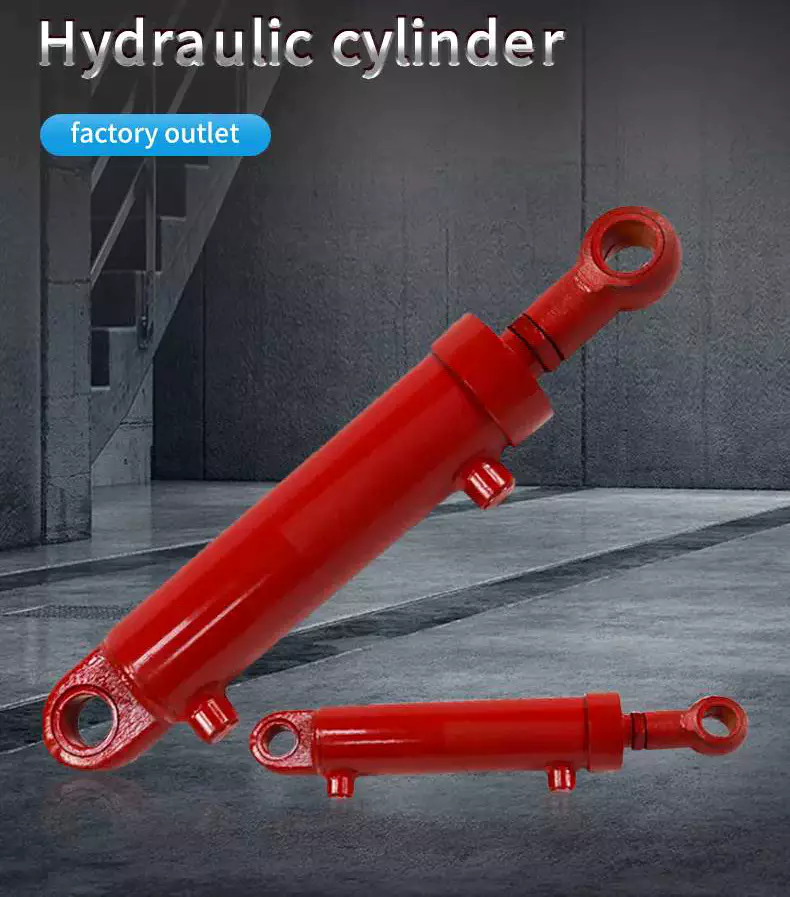
In che modo i cilindri idraulici garantiscono un movimento fluido e costante nei macchinari pesanti?
I cilindri idraulici svolgono un ruolo fondamentale nel garantire un movimento fluido e costante nei macchinari pesanti. La loro progettazione e il loro funzionamento consentono un controllo preciso del movimento di carichi pesanti, con conseguenti prestazioni efficienti e affidabili. Ecco una spiegazione dettagliata di come i cilindri idraulici contribuiscono al movimento fluido e costante nei macchinari pesanti:
1. Fluido idraulico e pressione:
I cilindri idraulici funzionano utilizzando un fluido idraulico, in genere olio, per trasmettere forza e movimento. Il fluido viene pressurizzato da una pompa idraulica, creando una forza che agisce sul pistone all'interno del cilindro. La pressione del fluido idraulico può essere controllata con precisione, consentendo un movimento fluido e graduale dei macchinari pesanti. L'incomprimibilità del fluido garantisce che la forza sia distribuita uniformemente, con conseguente movimento costante e prevedibile.
2. Progettazione del pistone e del cilindro:
I cilindri idraulici sono progettati con precisione per garantire un movimento fluido. Il pistone e l'alesaggio del cilindro sono lavorati con tolleranze ristrette, riducendo l'attrito e minimizzando le perdite interne. Questo accoppiamento preciso tra pistone e pareti del cilindro contribuisce a mantenere un movimento costante, senza scatti o brusche variazioni di velocità. Inoltre, l'utilizzo di guarnizioni e lubrificanti di alta qualità migliora ulteriormente la fluidità di funzionamento del cilindro.
3. Valvole di controllo e regolazione del flusso:
I sistemi idraulici incorporano valvole di controllo che regolano il flusso del fluido idraulico in entrata e in uscita dal cilindro. Queste valvole consentono un controllo preciso della velocità e della direzione del movimento del cilindro. Regolando la portata, gli operatori possono ottenere un movimento fluido e controllato dei macchinari pesanti, evitando partenze o arresti improvvisi. Le valvole di controllo del flusso consentono anche la regolazione della velocità, garantendo un movimento costante anche in presenza di carichi o condizioni operative variabili.
4. Ammortizzazione e smorzamento:
I cilindri idraulici possono essere dotati di meccanismi di ammortizzazione per assorbire gli urti e ridurre al minimo gli impatti durante il movimento di macchinari pesanti. L'ammortizzazione si ottiene mediante l'inserimento nel cilindro di valvole speciali o orifizi regolabili, che limitano il flusso del fluido idraulico verso la fine della corsa. Questa decelerazione graduale contribuisce a prevenire scosse o vibrazioni improvvise, mantenendo un movimento fluido e costante e riducendo le sollecitazioni sui macchinari e sui loro componenti.
5. Bilanciamento del carico:
I cilindri idraulici possono essere progettati e disposti in un sistema per bilanciare il carico e distribuire le forze in modo uniforme. Utilizzando più cilindri in configurazioni in parallelo o in serie, i macchinari pesanti possono ottenere un movimento bilanciato, prevenendo sollecitazioni irregolari e garantendo un funzionamento regolare. Il bilanciamento del carico contribuisce inoltre a minimizzare il rischio di guasti ai componenti e migliora la stabilità complessiva e la durata del macchinario.
6. Sistemi di feedback e controllo:
I sistemi idraulici avanzati integrano sensori di feedback e sistemi di controllo per monitorare e regolare il movimento dei macchinari pesanti. Questi sensori forniscono informazioni in tempo reale sulla posizione, la velocità e la forza esercitata dai cilindri idraulici. Il sistema di controllo elabora questi dati e regola di conseguenza il flusso del fluido idraulico per mantenere un movimento fluido e costante. Monitorando e regolando continuamente il funzionamento dei cilindri, i sistemi di feedback e di controllo contribuiscono a un controllo del movimento preciso e affidabile.
7. Manutenzione e assistenza:
– La manutenzione e l'assistenza regolari dei cilindri idraulici sono essenziali per garantire un movimento fluido e costante nei macchinari pesanti. Una lubrificazione adeguata, l'ispezione delle guarnizioni e la sostituzione dei componenti usurati contribuiscono a mantenere prestazioni ottimali. Anche le pratiche di manutenzione preventiva, come la sostituzione dei filtri e l'analisi dei fluidi, contribuiscono alla longevità e all'affidabilità dei sistemi idraulici, garantendo un movimento costante nel tempo.
In sintesi, i cilindri idraulici garantiscono un movimento fluido e costante nei macchinari pesanti grazie all'utilizzo di fluido idraulico e pressione, alla progettazione precisa di pistoni e cilindri, a valvole di controllo e regolazione del flusso, a meccanismi di ammortizzazione e smorzamento, al bilanciamento del carico, ai sistemi di feedback e controllo, nonché a una manutenzione e assistenza regolari. Sfruttando queste caratteristiche, i cilindri idraulici forniscono la forza e il controllo necessari per movimentare carichi pesanti, mantenendo al contempo un movimento preciso e affidabile, migliorando le prestazioni complessive e la produttività dei macchinari pesanti in diverse applicazioni industriali.
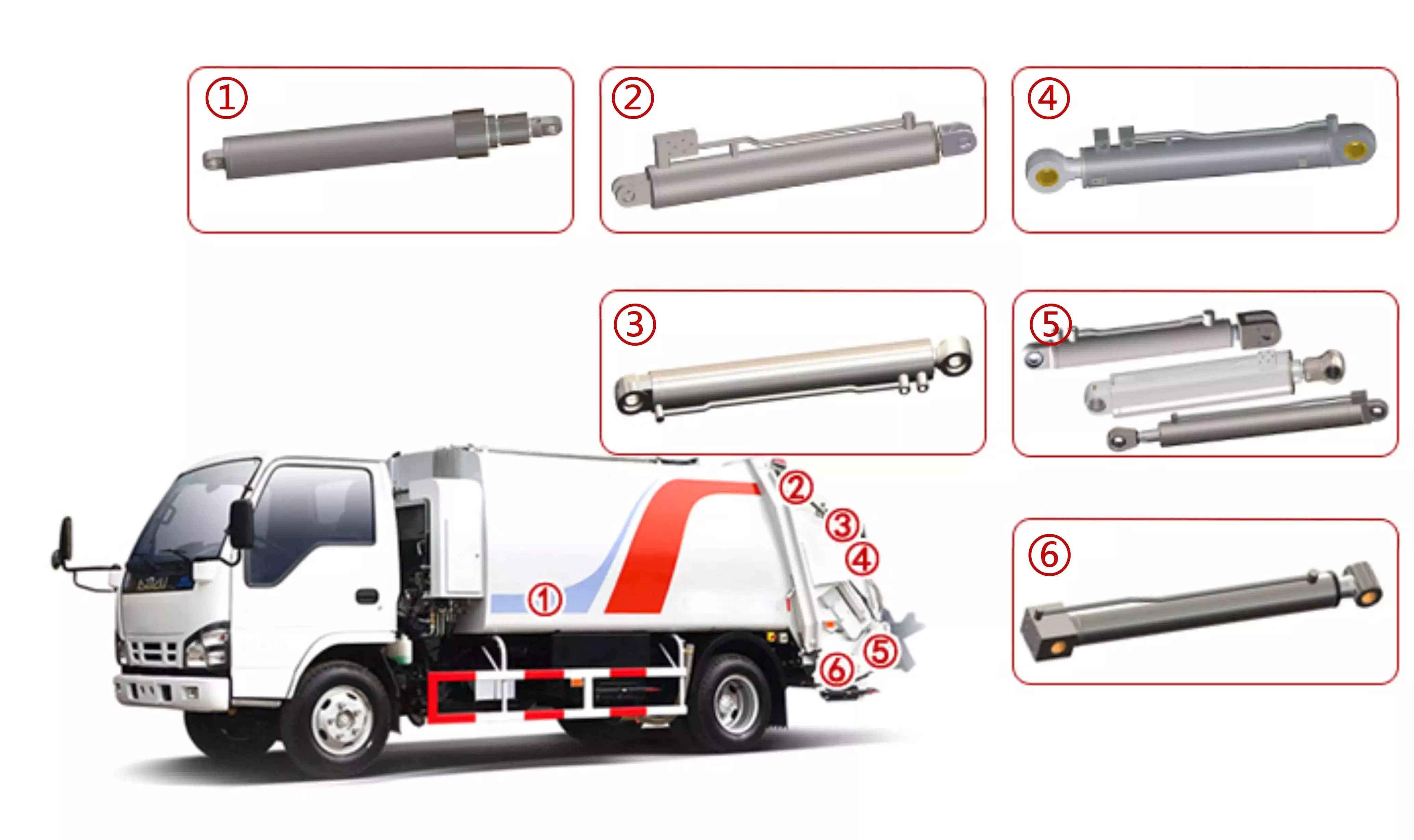
How do hydraulic cylinders contribute to the efficiency of agricultural tasks like plowing?
Hydraulic cylinders play a crucial role in improving the efficiency of agricultural tasks, including plowing. These cylinders provide several benefits that enhance the performance and productivity of agricultural machinery. Let’s explore how hydraulic cylinders contribute to the efficiency of plowing and other agricultural tasks:
- Powerful Force Generation: Hydraulic cylinders are capable of generating high forces, which is essential for tasks like plowing. The hydraulic system supplies pressurized fluid to the cylinders, converting hydraulic energy into mechanical force. This force is then utilized to drive plow blades through the soil, overcoming resistance and facilitating efficient soil penetration. The power generated by hydraulic cylinders ensures effective plowing, even in tough or compacted soil conditions.
- Adjustable Working Depth: Hydraulic cylinders allow for easy and precise adjustment of the plow’s working depth. By controlling the extension or retraction of the hydraulic cylinder, farmers can adjust the depth of the plow blades according to soil conditions, crop requirements, or their specific preferences. This adjustability enhances efficiency by ensuring optimal soil tillage and minimizing unnecessary energy expenditure. Farmers can adapt the plowing depth to different field areas, optimizing the use of resources and promoting uniform crop growth.
- Responsive Control: Hydraulic systems offer highly responsive control, enabling farmers to make quick adjustments during plowing operations. Hydraulic cylinders respond rapidly to changes in hydraulic pressure and valve settings, allowing for immediate modifications in the plow’s position, depth, or angle. This responsiveness enhances efficiency by facilitating on-the-go adjustments based on soil variations, obstacles, or changing field conditions. Farmers can maintain precise control over the plow’s performance, ensuring effective soil tillage and minimizing the risk of crop damage.
- Implement Versatility: Hydraulic cylinders enable the attachment of various implements to agricultural machinery, expanding their functionality and versatility. In the context of plowing, hydraulic cylinders allow for the attachment and detachment of plow blades or other tillage implements. This versatility enables farmers to adapt their equipment to different soil types, field sizes, or specific plowing requirements. By using hydraulic cylinders, farmers can easily switch between different implements, optimizing their equipment for specific tasks and maximizing efficiency.
- Efficient Time Management: Hydraulic cylinders contribute to time efficiency in agricultural tasks like plowing. With hydraulic systems, farmers can operate plows at higher speeds while maintaining control and precision. The responsive nature of hydraulic cylinders allows for efficient turning, maneuvering, and repositioning of plows, minimizing downtime and optimizing field coverage. This time efficiency translates into increased productivity and reduced overall operational costs. Farmers can accomplish plowing tasks more quickly, allowing them to cover larger field areas in less time.
In summary, hydraulic cylinders significantly contribute to the efficiency of agricultural tasks like plowing. Through powerful force generation, adjustable working depth, responsive control, implement versatility, and efficient time management, hydraulic systems equipped with cylinders enhance the performance and productivity of agricultural machinery. These contributions allow farmers to accomplish plowing tasks more effectively, optimize field operations, and achieve improved overall efficiency in their agricultural practices.
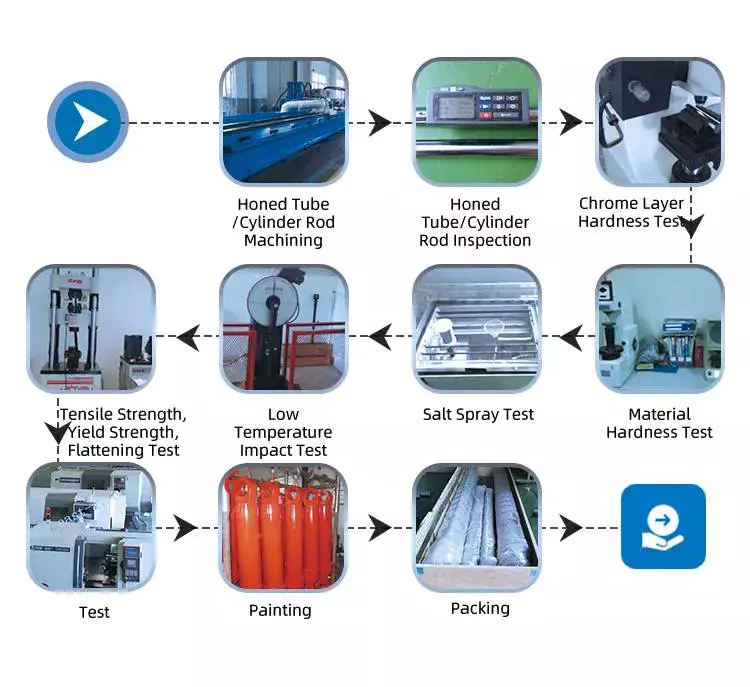
How do manufacturers ensure the quality and compatibility of hydraulic cylinders?
Manufacturers employ various measures to ensure the quality and compatibility of hydraulic cylinders, ensuring that they meet industry standards, performance requirements, and the specific needs of their customers. Here’s a detailed explanation of the methods and practices used by manufacturers to ensure the quality and compatibility of hydraulic cylinders:
1. Design and Engineering:
– Manufacturers employ skilled engineers and designers who have expertise in hydraulic systems and cylinder design. They use advanced design software and tools to create hydraulic cylinders that meet the desired specifications and performance requirements. Through careful analysis and simulation, manufacturers can ensure that the cylinders are designed to function optimally and provide the necessary force, stroke length, and reliability.
2. Material Selection:
– High-quality materials are crucial for the durability, performance, and compatibility of hydraulic cylinders. Manufacturers carefully select materials such as steel or other alloys based on their strength, corrosion resistance, and suitability for hydraulic applications. They source materials from reputable suppliers and perform quality checks to ensure that the materials meet the required standards and specifications.
3. Quality Control:
– Manufacturers implement robust quality control processes throughout the production of hydraulic cylinders. This includes rigorous inspections and tests at various stages of manufacturing, from raw material inspection to final assembly. Quality control personnel perform dimensional checks, surface finish inspections, and functional tests to verify that the cylinders meet the specified tolerances, performance criteria, and compatibility requirements.
4. Testing and Validation:
– Hydraulic cylinders undergo testing and validation procedures to ensure their performance, reliability, and compatibility. Manufacturers conduct various tests, such as pressure testing, leakage testing, load testing, and endurance testing. These tests simulate real-world operating conditions and verify that the cylinders can withstand the expected loads, pressures, and environmental factors. Additionally, manufacturers may perform compatibility testing to ensure that the cylinders can integrate seamlessly with other hydraulic system components.
5. Compliance with Standards:
– Manufacturers adhere to industry standards and regulations to ensure the quality and compatibility of hydraulic cylinders. They follow standards such as ISO 9001 for quality management systems and ISO 6020/2 or ISO 6022 for hydraulic cylinders. Compliance with these standards ensures that the manufacturing processes, quality control measures, and product performance meet internationally recognized benchmarks.
6. Certification and Accreditation:
– Manufacturers may obtain certifications and accreditations from recognized organizations to demonstrate their commitment to quality and compatibility. Certifications such as ISO certifications or third-party certifications provide assurance to customers that the hydraulic cylinders have undergone rigorous evaluations and meet specific quality and compatibility standards.
7. Customer Collaboration:
– Manufacturers actively engage with customers to understand their specific requirements and ensure compatibility. They work closely with customers to gather application-specific details, such as operating conditions, load requirements, and environmental factors. This collaborative approach allows manufacturers to customize hydraulic cylinders and provide solutions that are perfectly matched to the customer’s needs, ensuring compatibility and optimal performance.
8. Continuous Improvement:
– Manufacturers are committed to continuous improvement in their processes and products. They invest in research and development to incorporate the latest technologies, materials, and manufacturing techniques. By staying updated with industry advancements, manufacturers can enhance the quality, performance, and compatibility of their hydraulic cylinders over time.
By implementing effective design and engineering practices, selecting high-quality materials, conducting rigorous quality control, testing and validation procedures, complying with industry standards, obtaining certifications, collaborating with customers, and embracing continuous improvement, manufacturers ensure the quality and compatibility of hydraulic cylinders. These measures help to deliver reliable, high-performance cylinders that meet the diverse needs of industries and applications.

editor by CX 2023-11-23
 Italian
  English
  Portuguese
  Dutch
Dutch  Swedish
  Danish
  Finnish
  Polish
  Hindi
Hindi  Kazakh
  Turkish
  Ukrainian
  Romanian
  Spanish
  German
  Russian
  Korean
  Japanese
  Vietnamese
  Thai
Thai  Indonesian
  Malay
Malay  French
  Greek
Greek