
Descrizione del prodotto
Articulated Dump Truck Spare Part Double Acting Hydraulic Cylinder with ISO SGS
Prodotto Specifiche:
| Articolo | Specifiche |
| Funzione | Support weight, absorb, eliminate vibration |
| Diametro del foro | 100mm~450mm |
| Diametro del corpo | 80mm~400mm |
| Colpo | 1000mm~6000mm |
| Woorking Pressure | 17-40Mpa,Customizable |
| Trattamento superficiale dell'asta del pistone | Cromatura dura, Cromo bianco latte elettrolitico + Cromo duro, Nichelatura + Cromatura dura, CrC NiC ad alta velocità con ossigeno-combustibile, Rivestimento ceramico, Nitrurazione, Rivestimento laser |
| Materiale | Tubo trafilato a freddo ad alta resistenza, levigato con precisione per una maggiore durata della guarnizione. |
| Montaggio | Orecchino, flangia, forcella. Piede, perno, personalizzabile |
| Tipo di sigillo | Parker, NOK, Hallite o secondo le esigenze del cliente |
| Garanzia | 18 mesi |
| MOQ | 5 pcs |
| Tempo di produzione | A seconda della quantità dell'ordine, la consegna richiede solitamente 30-40 giorni. |
| Certificazione | ISO9001, CE, SGS |
| Color | Gery,Yellow,Red,Black,Customizable |
| Confezione | cassa di metallo, cassa di compensato, cartone o secondo necessità |
| Servizio | OEM e ODM |
| Vantaggio di prezzo | Prezzo di fabbrica competitivo con qualità garantita. |
| Tipo di attività | Produttore |
Esposizione del prodotto:
Metodo di montaggio:
Applicazioni:Coal&mine.
Other Related Products:
La nostra fabbrica:
Procedura di ispezione:
| Tipo di ispezione | Standard di ispezione |
| Ispezione delle materie prime | Prima dello stoccaggio, il controllo qualità effettua le misurazioni delle materie prime. |
| Ispezione dei materiali di processo | Durante la produzione, gli addetti al controllo qualità effettuano ispezioni a campione. Prima che i componenti del cilindro idraulico vengano trasferiti alla fase successiva del processo, il controllo qualità effettua un'ispezione. |
| Test di funzionalità finale | Tutti i cilindri idraulici vengono sottoposti a test di funzionalità idraulica |
Ispezione delle proprietà meccaniche delle materie prime
Ispezione dei materiali di processo
Test di funzionalità finale
Imballaggio e consegna:
Chi siamo:
Il nostro certificato
ZheJiang Tianjian Hydraulic Technology Co., Ltd è specializzata nella produzione di vari tipi di cilindri idraulici, nonché di corpi cilindro, pistoni e altri accessori per cilindri.
In qualità di produttore altamente specializzato di cilindri idraulici, Tianjian offre soluzioni di ottimizzazione del design e prodotti affidabili a numerosi clienti in patria e all'estero. Che si tratti di macchine edili, macchinari per ponti ferroviari, macchinari portuali e navali, macchinari per la metallurgia e l'industria mineraria, macchinari per l'industria petrolifera e leggera, veicoli speciali o altri settori, Tianjian è in grado di fornire diverse soluzioni e prodotti standard e personalizzati per la progettazione di cilindri idraulici, in base alle esigenze degli utenti, offrendo servizi integrati per garantire perfezione e qualità.
Se possibile, quando ci contattate, vi preghiamo di fornire le informazioni riportate di seguito.
Foro | Asta | Colpo | Pressione lavorativa | Montaggio | Ambiente di lavoro |
|
|
|
|
|
|
In alternativa, puoi fornirci uno schizzo o delle foto in modo che possiamo comprendere esattamente cosa intendi e aiutarci a evitare errori.
E se disponete di campioni, possiamo produrre in base ai campioni che ci avete inviato.
Siete i benvenuti nella nostra fabbrica se avete tempo.
La vostra soddisfazione è la nostra più grande motivazione.
Ora potete contattarci per qualsiasi domanda o richiesta.
Domande frequenti:
1. Di cosa si occupa la vostra azienda?
A: Siamo fornitori di prodotti idraulici di alta qualità, tra cui cilindri idraulici, motori idraulici, centraline idrauliche, stazioni idrauliche e altri componenti idraulici.
2. Siete un'azienda produttrice o commerciale?
A: Siamo un'azienda produttrice.
3. Che certificato possiedi?
A: Tutti i nostri stabilimenti sono certificati ISO. Inoltre, i nostri principali fornitori di materiali e componenti sono in possesso delle certificazioni CE, RoHS, CSA e UL.
4. Quali sono i tempi di consegna?
R: I tempi di consegna dipendono dai diversi prodotti e dalla quantità. Il cilindro in genere richiede circa 45-60 giorni, mentre il motore circa 30-50 giorni.
5. Potete realizzare i pezzi secondo le specifiche o i disegni del cliente?
A: Sì, possiamo produrre per voi in base ai vostri disegni. I nostri ingegneri possono anche fornirvi supporto professionale e suggerimenti tecnici.
6. Che tipo di modalità di pagamento accettate?
A: Preferiamo il bonifico bancario (T/T). Il codice 30% deve essere inviato alla conferma dell'ordine e il codice 70% prima della spedizione. Accettiamo anche lettere di credito (L/C) per importi superiori a 20.000 USD.
7. Qual è la vostra politica di garanzia?
A: Tutti i nostri prodotti sono garantiti per 1 anno intero dalla data di consegna contro difetti di materiali e di fabbricazione. Questa garanzia non copre le parti usurate durante il normale funzionamento o danneggiate per negligenza. Ricordiamo che l'olio idraulico non pulito danneggerà sicuramente i componenti idraulici. Tale danno non è coperto dalla garanzia. Pertanto, consigliamo vivamente di utilizzare olio nuovo e pulito o di assicurarsi che l'olio del sistema sia pulito quando si utilizzano i nostri ricambi.
| Certificazione: | GS, RoHS, CE, ISO9001 |
|---|---|
| Pressione: | High Pressure |
| Temperatura di esercizio: | High Temperature |
| Modo di agire: | Double Acting |
| Metodo di lavoro: | Straight Trip |
| Modulo modificato: | Regulated Type |
| Samples: | US$ 800/Set 1 Set(Min.Order) | |
|---|
| Personalizzazione: | Disponibile |
|
|---|
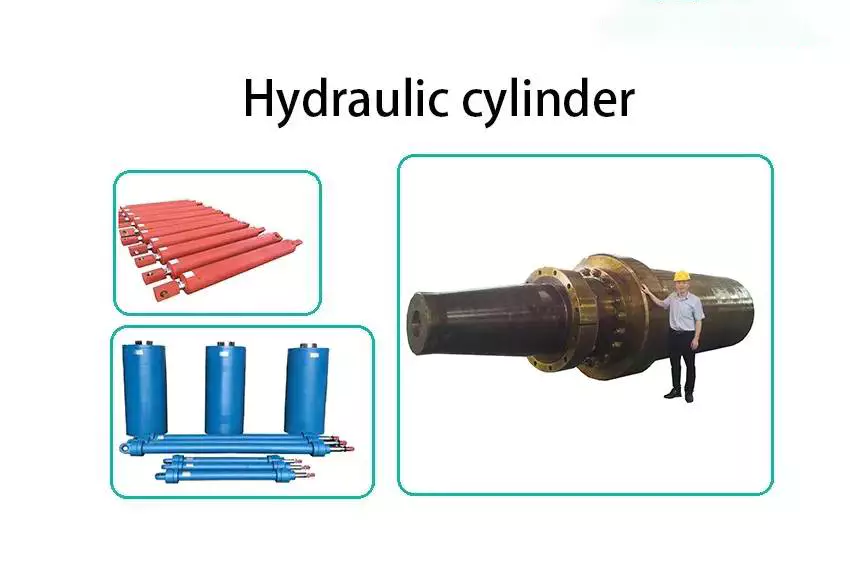
Can hydraulic cylinders be used for precise operations like CNC machining or molding?
Yes, hydraulic cylinders can be used for precise operations like CNC machining or molding. While hydraulic systems are commonly associated with heavy-duty applications, they can also provide the necessary precision and control required for precise operations in CNC machining and molding processes. Here’s a detailed explanation of how hydraulic cylinders can be utilized for such precise operations:
1. Force and Control:
– Hydraulic cylinders are capable of generating substantial force, which is essential for precise operations in CNC machining and molding. By using hydraulic pressure, the cylinders can deliver the required force to cut or shape materials accurately or exert pressure for molding operations. The hydraulic system allows precise control over the force applied, ensuring consistent and reliable performance.
2. Adjustable Speed and Positioning:
– Hydraulic cylinders offer adjustable speed and precise positioning capabilities, making them suitable for precise operations. By controlling the flow of hydraulic fluid, the speed of the cylinder’s movement can be adjusted according to specific requirements. This adaptability allows for fine-tuning the machining or molding process, achieving the desired precision in material removal or shaping. Hydraulic systems also enable accurate positioning of tools or molds, ensuring precise operations.
3. Integrated Feedback Systems:
– Advanced hydraulic systems can incorporate feedback sensors and control mechanisms to enhance precision in CNC machining and molding. These sensors provide real-time information about the position, speed, and force exerted by the hydraulic cylinders. The control system processes this data and adjusts the flow of hydraulic fluid accordingly, allowing for precise and accurate control over the operations. The feedback systems help maintain consistent performance and compensate for any deviations, ensuring high precision.
4. Damping and Vibration Control:
– Hydraulic cylinders can be equipped with damping mechanisms to minimize vibrations and ensure stability during CNC machining or molding operations. Vibrations can negatively impact precision by causing tool chatter or material deformation. By incorporating cushioning or damping features, hydraulic cylinders help absorb shocks and suppress vibrations, resulting in smoother and more accurate operations.
5. Customization and Adaptability:
– Hydraulic cylinders can be customized and adapted to meet the specific requirements of CNC machining or molding processes. Engineers can design cylinders with unique dimensions, stroke lengths, mounting options, and sealing arrangements to fit into equipment or systems with precise specifications. Customized hydraulic cylinders ensure optimal performance and compatibility for precise operations, enabling seamless integration into CNC machines or molding equipment.
6. Energy Efficiency:
– Hydraulic systems can be designed to be energy-efficient, contributing to cost savings in CNC machining or molding operations. By utilizing variable speed pumps, efficient control valves, and well-designed hydraulic circuits, energy consumption can be optimized. This efficiency reduces heat generation, leading to improved stability and precision in operations while minimizing energy costs.
7. Maintenance and Calibration:
– Regular maintenance and calibration of hydraulic systems are essential to maintain their precision in CNC machining or molding applications. Proper lubrication, inspection of seals, and replacement of worn-out components help ensure optimal performance. Regular calibration of control systems and feedback sensors ensures accurate readings and reliable operation, contributing to precision in machining or molding processes.
In summary, hydraulic cylinders can be effectively used for precise operations like CNC machining or molding. Their ability to generate substantial force, adjustable speed and positioning, integration with feedback systems, damping and vibration control, customization and adaptability, energy efficiency, and proper maintenance contribute to achieving the required precision in these operations. By leveraging the strengths of hydraulic systems, manufacturers can enhance the accuracy and reliability of CNC machining or molding processes, resulting in high-quality products and improved productivity.
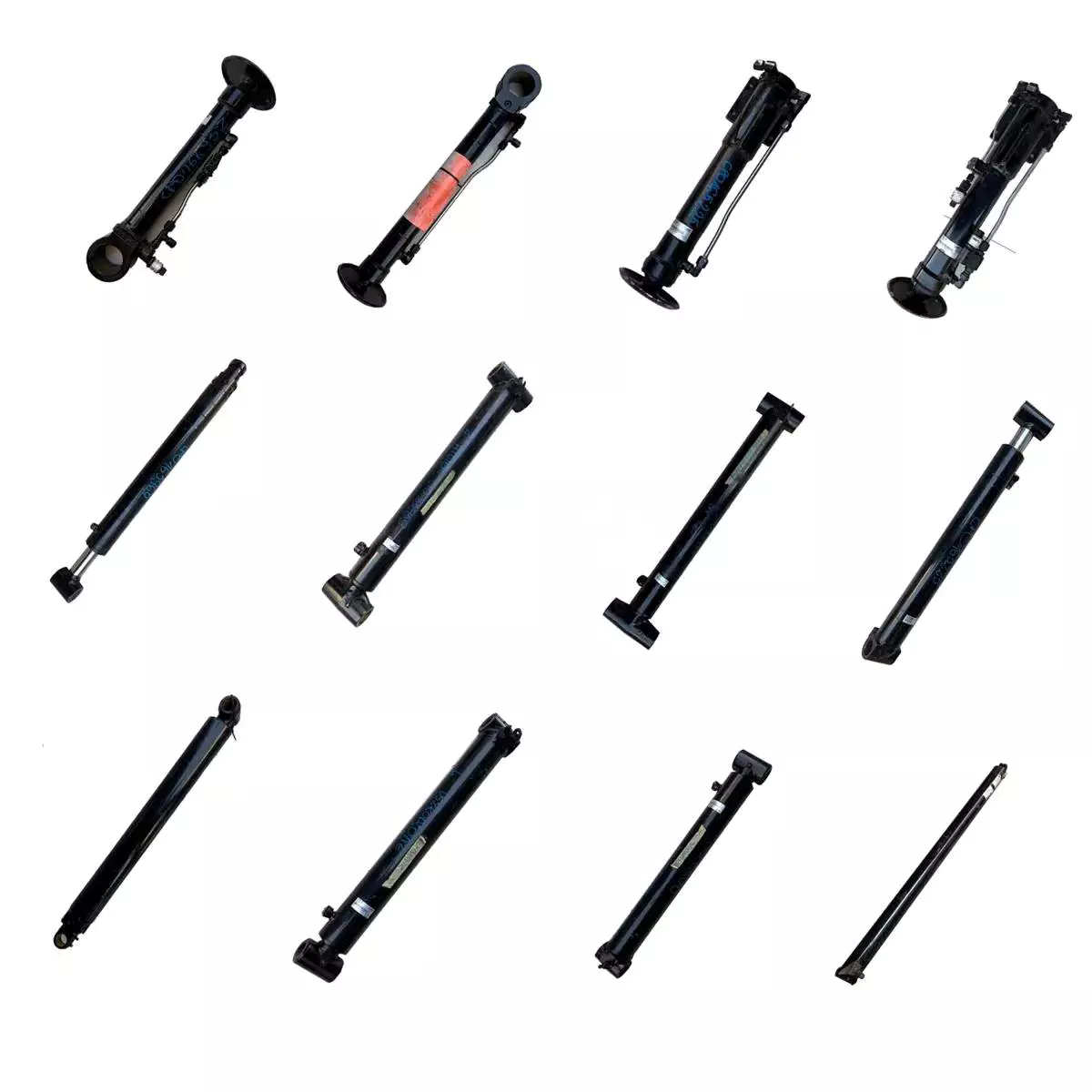
Ensuring Controlled and Safe Force Application in Heavy Machinery with Hydraulic Cylinders
Hydraulic cylinders play a critical role in heavy machinery by ensuring controlled and safe force application. The ability to exert and control high forces is essential for heavy machinery operations, such as lifting, pressing, pushing, or pulling heavy loads. Let’s explore how hydraulic cylinders ensure controlled and safe force application in heavy machinery:
- Force Control: Hydraulic cylinders provide precise force control capabilities. The hydraulic system’s pressure can be adjusted to regulate the force exerted by the cylinder. This control allows operators to apply the necessary force for a specific task while ensuring it remains within safe limits. By accurately controlling the force, hydraulic cylinders help prevent excessive force that could damage the machinery or compromise the safety of the operation.
- Load Balancing: In heavy machinery, multiple hydraulic cylinders are often used in conjunction to distribute and balance the applied force. By using multiple cylinders, the load can be evenly distributed across the machinery, minimizing stress concentrations and ensuring controlled force application. This load balancing approach enhances the stability and safety of the machinery, preventing uneven loading that could lead to structural issues or instability.
- Safety Valves: Hydraulic systems in heavy machinery are equipped with safety valves to protect against excessive force or overloading. Safety valves are designed to release hydraulic fluid from the cylinder when the force exceeds a predetermined threshold. This prevents the force from reaching dangerous levels, safeguarding the machinery and preventing potential accidents or damage. Safety valves provide an additional layer of safety and ensure controlled force application even in unexpected circumstances.
- Pressure Relief Systems: Hydraulic cylinders incorporate pressure relief systems to further enhance safety. These systems are designed to relieve excess pressure in the hydraulic system, which could occur due to factors such as thermal expansion or system malfunctions. By relieving excess pressure, the pressure relief systems prevent sudden and uncontrolled force surges, maintaining safe and controlled force application in heavy machinery.
- Structural Integrity: Hydraulic cylinders are designed to withstand the high forces and loads associated with heavy machinery applications. The cylinders are constructed using robust materials, such as high-strength steel, and undergo rigorous testing to ensure their structural integrity. This ensures that the cylinders can safely handle the forces applied during heavy machinery operations without experiencing failures or deformations that could compromise the safety and controlled force application.
In summary, hydraulic cylinders ensure controlled and safe force application in heavy machinery through force control, load balancing, safety valves, pressure relief systems, and robust structural design. These features and design considerations enable operators to exert the necessary force while maintaining safety and preventing excessive loads or force surges. By incorporating hydraulic cylinders into heavy machinery, manufacturers can achieve controlled force application, enhance operational safety, and protect the machinery from damage or failure.
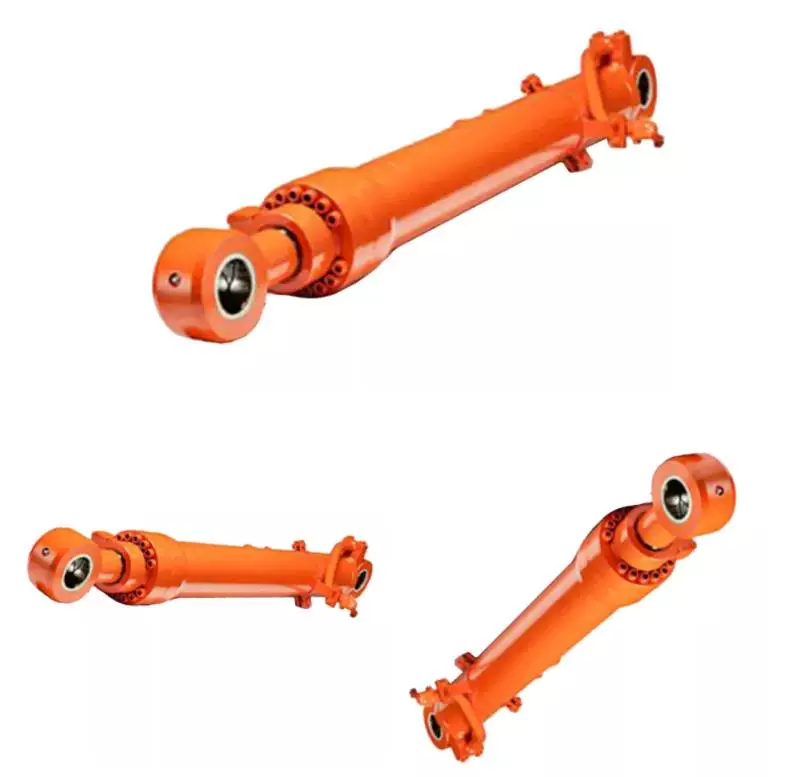
What benefits do hydraulic cylinders offer for tasks requiring heavy lifting or movement?
Hydraulic cylinders offer numerous benefits for tasks that involve heavy lifting or movement. Their unique design and characteristics make them well-suited for applications that require substantial force, precise control, and reliable operation. Here are the detailed benefits that hydraulic cylinders provide for such tasks:
1. High Force Generation:
– Hydraulic cylinders are capable of generating significant amounts of force. By utilizing hydraulic pressure, which can be easily amplified, hydraulic cylinders can exert substantial force to lift and move heavy loads. The force output of a hydraulic cylinder is directly proportional to the hydraulic pressure and the surface area of the piston. This high force capability makes hydraulic cylinders ideal for tasks that involve heavy lifting, pushing, or pulling.
2. Precise Control:
– Hydraulic cylinders offer precise control over the force and motion they generate. By regulating the flow of hydraulic fluid into the cylinder, the speed, direction, and position of the cylinder’s movement can be accurately controlled. This level of control is crucial for tasks that require precise positioning, delicate movements, or synchronization of multiple cylinders. It enables operators to perform operations with accuracy and minimize the risk of damage or accidents.
3. Safety:
– Hydraulic cylinders are designed with safety features to ensure the protection of both personnel and equipment. They incorporate overload protection mechanisms, such as relief valves, that prevent excessive force or pressure from damaging the system. Additionally, hydraulic cylinders allow for controlled and gradual movements, reducing the risk of sudden and uncontrolled motions that could pose safety hazards during heavy lifting or movement tasks.
4. Versatilità e adattabilità:
– Hydraulic cylinders are versatile components that can be adapted to meet specific requirements. They can be customized based on factors such as force capacity, stroke length, speed, and mounting options, allowing them to be integrated into various types of machinery. This versatility makes hydraulic cylinders suitable for a wide range of applications, including construction, material handling, mining, agriculture, and more.
5. Smooth and Controlled Operation:
– Hydraulic cylinders provide smooth and controlled operation, ensuring efficient and reliable performance during heavy lifting or movement tasks. The hydraulic fluid acts as a cushioning medium, which helps dampen shocks and vibrations, resulting in smoother and quieter operation. This controlled operation also reduces the risk of damage to the load being lifted or the surrounding equipment.
6. Compact Design:
– Hydraulic cylinders offer a high power-to-size ratio, allowing for compact machinery design. Their relatively small size, compared to the forces they can generate, makes them suitable for applications where space is limited or weight restrictions apply. This compact design enables the integration of hydraulic cylinders into different types of equipment without compromising performance or efficiency.
7. Durability and Reliability:
– Hydraulic cylinders are built to withstand rigorous operating conditions and provide long-term reliability. They are constructed with robust materials, precise machining, and effective sealing systems to ensure durability and prevent fluid leakage. Hydraulic cylinders can withstand high pressures, heavy loads, and continuous use, making them suitable for demanding tasks involving heavy lifting or movement.
8. Energy Efficiency:
– Hydraulic cylinders contribute to energy efficiency in tasks requiring heavy lifting or movement. Hydraulic systems allow for the transfer of power over long distances without significant power losses. Additionally, hydraulic cylinders can incorporate energy-saving features such as load-sensing technology and regenerative circuits, which reduce energy consumption by optimizing the use of hydraulic fluid.
In summary, hydraulic cylinders offer several benefits for tasks that involve heavy lifting or movement. They provide high force generation, precise control, safety features, versatility, smooth operation, compact design, durability, and energy efficiency. These advantages make hydraulic cylinders indispensable components in various industries where heavy loads need to be lifted, pushed, or moved with accuracy and reliability.


editor by CX 2023-10-27
 Italian
  English
  Portuguese
  Dutch
Dutch  Swedish
  Danish
  Finnish
  Polish
  Hindi
Hindi  Kazakh
  Turkish
  Ukrainian
  Romanian
  Spanish
  German
  Russian
  Korean
  Japanese
  Vietnamese
  Thai
Thai  Indonesian
  Malay
Malay  French
  Greek
Greek