
Descrizione del prodotto
Products Description
Product Name | HSG Series Hydraulic Cylinder | |||
Work Press | 7/14/16/21/31.5MPa 37.5/63MPa Can be Customized | |||
Materiale | Aluminum,Cast Iron,45mnb Steel,Stainless Steel | |||
Bore Size | 40mm–320mm,Customizable | |||
Shaft Diameter | 20mm–220mm,Customizable | |||
Stroke Length | 30mm–14100mm,Customizable | |||
Rod Surface Hardness | HRC48-54 | |||
Paint Color | Black,Yellow,Blue,Brown,Customizable | |||
Montaggio | Orecchino, flangia, forcella. Piede, perno, personalizzabile | |||
Garanzia | 1 Year | |||
MOQ | 1 Piece | |||
Delivery Time | 7-15 Days,Also depands on specific demands | |||
Certificazione | ISO9001,CE | |||
Profilo Aziendale
QIANGLIN HYDRAULIC MACHINERY CO., LTD
| QiangLin is a professional hydraulic equipment manufacturer, mainly engaged in hydraulic system design, manufacture, installation, transformation, sales, and technical services. Our manufacturing facilities are certified to the ISO 9001 standard. We are an approved supplier to many equipment manufacturers in China. We are also partners with many customers from America, Canada, Australia, Germany, England, and other European Countries. Product quality, shorter delivery time, and customer satisfaction are our long-term commitments to our CHINAMFG customers. Hope to be your partner. |
Domande frequenti:
Q1: Are you a trading company or a manufacturer?
A: We have our own factory.
Q2: Are you able to make Non-standard or customized products?
A: Yes, we can.
Q3: How long is your delivery time?
A: Normally, the delivery time is 7 days if we have stock, 15-30 working days if we don’t. but it
also depends on the product
requirements and quantity.
Q4: Do you provide samples? are the samples free or not?
A: Yes, we can provide samples, but they are not free of charge.
Q5: What are your payment terms?
A: 30% deposit T/T or Irrevocable L/C at sight, If you have any questions, please feel free to
contact us.
Q6: What are your After-sales services?
A: Before shipment, Each individual product will be strictly inspected on our factory QC Process
System. In addition, We have a
Customer Service team to respond to customers’ questions within 12 hours. Being helpful in
solving customers’ problems is always our goal.
| Certificazione: | CE, ISO9001 |
|---|---|
| Pressione: | High Pressure |
| Temperatura di esercizio: | Normal Temperature |
| Personalizzazione: | Disponibile |
|
|---|
.shipping-cost-tm .tm-status-off{background: none;padding:0;color: #1470cc}
| Shipping Cost: Estimated freight per unit. | about shipping cost and estimated delivery time. |
|---|
| Payment Method: |
|
|---|---|
| Initial Payment Full Payment |
| Currency: | US$ |
|---|
| Return&refunds: | You can apply for a refund up to 30 days after receipt of the products. |
|---|
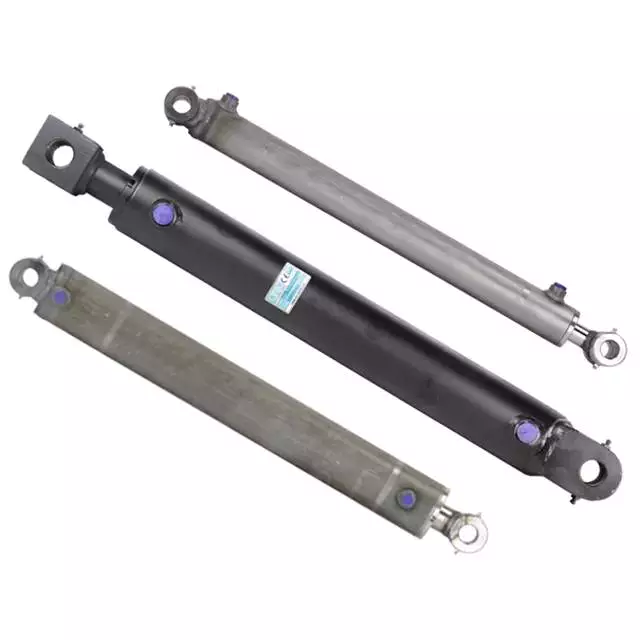
What role do hydraulic cylinders play in optimizing power distribution and efficiency?
Hydraulic cylinders play a significant role in optimizing power distribution and efficiency in various applications. They are widely used in industries such as construction, manufacturing, agriculture, and transportation, where efficient power transmission and precise control are essential. Here’s a detailed explanation of the role hydraulic cylinders play in optimizing power distribution and efficiency:
1. Power Transmission:
– Hydraulic cylinders serve as a means of power transmission in hydraulic systems. They convert the hydraulic fluid’s pressure and flow into linear mechanical force, allowing for controlled movement of loads. Hydraulic cylinders efficiently transmit power from an energy source, such as a hydraulic pump, to the working components of the system. The ability to transmit power over long distances with minimal energy losses makes hydraulic cylinders an efficient choice for various applications.
2. High Power Density:
– Hydraulic cylinders offer high power density, meaning they can generate significant force relative to their size. This characteristic enables compact and lightweight hydraulic systems while delivering substantial power output. Hydraulic cylinders can produce high forces even at low operating speeds, making them suitable for heavy-duty applications. The high power density of hydraulic cylinders contributes to the optimization of power distribution by maximizing the force output while minimizing the system’s overall size and weight.
3. Load Handling and Control:
– Hydraulic cylinders provide precise load handling and control capabilities, contributing to power distribution optimization. By adjusting the flow of hydraulic fluid to the cylinder, operators can control the speed, force, and direction of the cylinder’s movement. This level of control allows for accurate positioning and smooth operation of loads, reducing energy waste and improving overall system efficiency. Hydraulic cylinders enable precise load handling and control, leading to optimal power distribution and improved energy efficiency.
4. Variable Force and Speed:
– Hydraulic cylinders offer the advantage of variable force and speed control. By regulating the flow of hydraulic fluid, the force exerted by the cylinder can be adjusted as needed. This flexibility enables hydraulic systems to adapt to different load requirements, optimizing power distribution. Hydraulic cylinders can operate at varying speeds, allowing for efficient power distribution across different stages of an operation. The ability to vary force and speed according to the application’s demands enhances energy efficiency and overall system performance.
5. Energy Recovery:
– Hydraulic cylinders can contribute to energy efficiency through energy recovery mechanisms. In certain applications, hydraulic systems utilize accumulators to store and release energy. Hydraulic cylinders can store energy during deceleration or when the load is lowering, and then release it to assist in subsequent movements. This energy recovery process reduces the overall energy consumption of the system, optimizing power distribution and improving efficiency. The ability to recover and reuse energy enhances the sustainability and cost-effectiveness of hydraulic systems.
6. Integrated Control Systems:
– Hydraulic cylinders can be integrated into advanced control systems, such as servo control or proportional control systems. These systems utilize electronic feedback, sensors, and control algorithms to optimize power distribution and efficiency. By continuously monitoring and adjusting the flow of hydraulic fluid, the control systems ensure that the cylinder operates at the most efficient operating point, minimizing energy losses and maximizing power distribution. Integrated control systems enhance the overall energy efficiency of hydraulic systems and contribute to power optimization.
7. System Efficiency Improvement:
– Hydraulic cylinders, when combined with other components in a hydraulic system, contribute to overall system efficiency improvement. The integration of efficient hydraulic pumps, valves, and actuators helps minimize energy losses, pressure drops, and heat generation. By optimizing the design and configuration of the hydraulic system, including the selection of appropriate cylinder sizes, operating pressures, and control strategies, power distribution can be optimized, leading to improved energy efficiency. Proper system design and component selection are critical for achieving optimal power distribution and efficiency.
In summary, hydraulic cylinders play a crucial role in optimizing power distribution and efficiency in various applications. They enable efficient power transmission, offer high power density, provide precise load handling and control, allow for variable force and speed control, facilitate energy recovery, can be integrated into advanced control systems, and contribute to overall system efficiency improvement. By leveraging the capabilities of hydraulic cylinders, industries can achieve better power utilization, reduced energy consumption, and improved system performance.
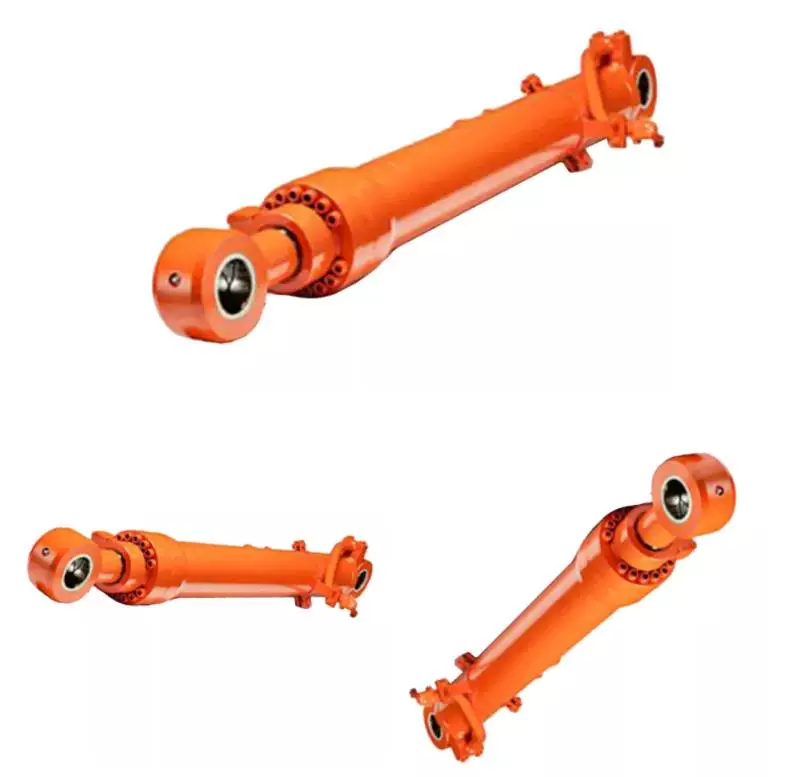
Handling the Challenges of Minimizing Fluid Leaks and Contamination in Hydraulic Cylinders
Hydraulic cylinders face challenges when it comes to minimizing fluid leaks and contamination, as these issues can impact the performance, reliability, and lifespan of the system. However, there are several measures and design considerations that help address these challenges effectively. Let’s explore how hydraulic cylinders handle the challenges of minimizing fluid leaks and contamination:
- Sealing Systems: Hydraulic cylinders employ advanced sealing systems to prevent fluid leaks. These systems typically include various types of seals, such as piston seals, rod seals, and wiper seals. The seals are designed to create a tight and reliable barrier between the moving components of the cylinder and the external environment, minimizing the risk of fluid leakage.
- Seal Material Selection: The choice of seal materials is crucial in minimizing fluid leaks and contamination. Hydraulic cylinder manufacturers carefully select seal materials that are compatible with the hydraulic fluid used and resistant to wear, abrasion, and chemical degradation. This ensures the longevity and effectiveness of the seals, reducing the likelihood of leaks or premature seal failure.
- Proper Installation and Maintenance: Ensuring proper installation and regular maintenance of hydraulic cylinders is essential for minimizing fluid leaks and contamination. During installation, attention should be given to proper alignment, torqueing of bolts, and adherence to recommended procedures. Regular maintenance includes inspecting seals, replacing worn-out components, and addressing any signs of leakage promptly. Proper maintenance practices help identify and rectify issues before they escalate and cause significant problems.
- Contamination Control: Hydraulic cylinders incorporate measures to control contamination and maintain fluid cleanliness. This includes the use of filtration systems, such as in-line filters, to remove particles and contaminants from the hydraulic fluid. Additionally, hydraulic reservoirs often have breathers and desiccant filters to prevent moisture and airborne contaminants from entering the system. By controlling contamination, hydraulic cylinders minimize the risk of damage to internal components and maintain optimal system performance.
- Environmental Protection: Hydraulic cylinders may be equipped with protective features to safeguard against external contaminants. For example, bellows or protective boots can be installed to shield the rod and seals from debris, dirt, or moisture present in the operating environment. These protective measures help extend the life of the seals and enhance the overall reliability of the hydraulic cylinder.
In summary, hydraulic cylinders employ sealing systems, appropriate seal materials, proper installation and maintenance practices, contamination control measures, and environmental protection features to handle the challenges of minimizing fluid leaks and contamination. By implementing these measures, manufacturers can ensure reliable and long-lasting hydraulic cylinder performance, minimize the risk of fluid leakage, and maintain the cleanliness of the hydraulic system.
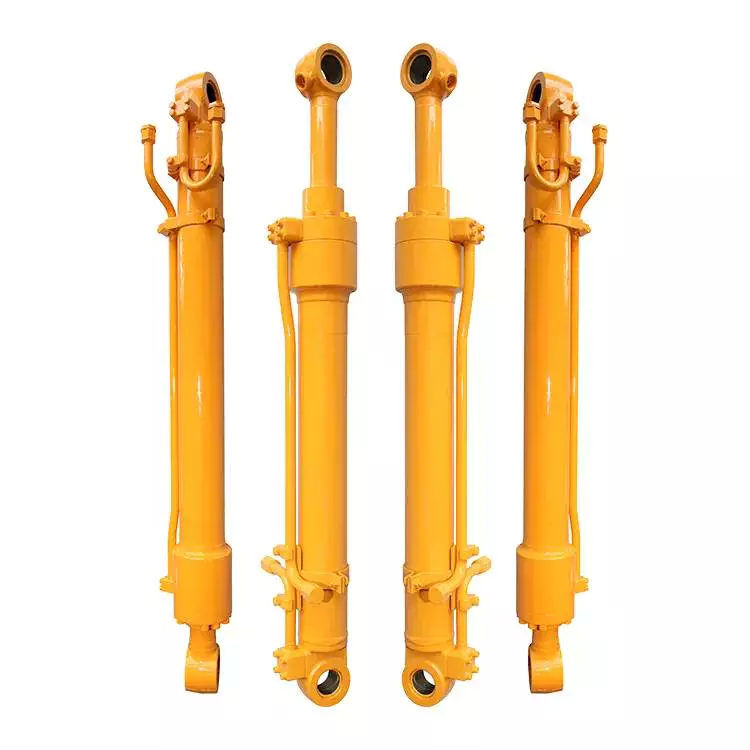
Quali sono le pratiche di manutenzione essenziali per prolungare la durata dei cilindri idraulici?
La manutenzione dei cilindri idraulici è fondamentale per prolungarne la durata e garantirne prestazioni ottimali. Una manutenzione regolare aiuta a prevenire usura precoce, danni e guasti, riducendo in definitiva i tempi di inattività e i costi. Ecco alcune pratiche di manutenzione essenziali da considerare per prolungare la durata dei cilindri idraulici:
1. Ispezioni periodiche:
– Eseguire ispezioni visive di routine dei cilindri idraulici per individuare eventuali segni di danni, perdite o usura. Ispezionare il corpo del cilindro, lo stelo del pistone, le guarnizioni e i punti di fissaggio. Verificare la presenza di perdite di fluido, ruggine, ammaccature o qualsiasi anomalia nell'usura. L'individuazione precoce dei problemi consente riparazioni o sostituzioni tempestive, prevenendo ulteriori danni e prolungando la durata del cilindro.
2. Pulizia:
– Mantenere pulito l'ambiente circostante i cilindri idraulici per evitare che contaminanti penetrino nel sistema. Polvere, sporco e detriti possono danneggiare le guarnizioni e altri componenti interni, causando un'usura accelerata e una riduzione delle prestazioni. Pulire regolarmente il cilindro e l'area circostante per ridurre al minimo il rischio di contaminazione.
3. Lubrificazione adeguata:
– Una lubrificazione adeguata è fondamentale per il corretto funzionamento e la lunga durata dei cilindri idraulici. Attenersi alle raccomandazioni del produttore per gli intervalli di lubrificazione e utilizzare il lubrificante appropriato. Lubrificare le parti mobili del cilindro, come lo stelo del pistone, per ridurre l'attrito e minimizzare l'usura.
4. Manutenzione delle guarnizioni:
– Le guarnizioni svolgono un ruolo fondamentale nel prevenire perdite di fluido idraulico e nel mantenere le prestazioni del cilindro. Ispezionare e sostituire tempestivamente le guarnizioni usurate o danneggiate. Assicurarsi che le guarnizioni siano installate e lubrificate correttamente. Pulire regolarmente le scanalature delle guarnizioni per rimuovere eventuali detriti che potrebbero comprometterne l'efficacia.
5. Controlli di pressione:
– Verificare periodicamente la pressione dell'impianto idraulico per assicurarsi che rientri nell'intervallo di funzionamento raccomandato. Una pressione eccessiva può sollecitare eccessivamente il cilindro e i suoi componenti, causando un'usura precoce. Monitorare i livelli di pressione ed effettuare le regolazioni necessarie per evitare il sovraccarico del cilindro.
6. Manutenzione della valvola di controllo:
– Eseguire la manutenzione e l'ispezione delle valvole di controllo che regolano il flusso e la direzione del fluido idraulico. Assicurarsi che le valvole funzionino correttamente e non causino sollecitazioni eccessive o picchi di pressione nel cilindro. Pulire o sostituire le valvole di controllo se sono danneggiate o non funzionano correttamente.
7. Allineamento dei cilindri:
– Il corretto allineamento dei cilindri idraulici è essenziale per la loro durata. Un disallineamento può causare carichi laterali eccessivi, con conseguente usura irregolare e potenziali danni. Assicurarsi che il cilindro sia correttamente allineato con gli altri componenti e che i punti di fissaggio siano sicuri.
8. Prevenire il sovraccarico:
– Evitare di sottoporre i cilindri idraulici a carichi superiori alla loro capacità nominale. Il sovraccarico può causare danni interni, guasti alle guarnizioni e una riduzione della durata. Assicurarsi che i carichi richiesti rientrino nelle capacità del cilindro e valutare l'utilizzo di dispositivi di sicurezza come i sistemi di protezione da sovraccarico, se necessario.
9. Formazione e sensibilizzazione degli operatori:
– Fornire una formazione adeguata agli operatori delle attrezzature sull'uso e la gestione corretti dei cilindri idraulici. Gli operatori devono essere consapevoli dei limiti del cilindro, delle procedure operative di sicurezza e dell'importanza di una manutenzione regolare. Promuovere una cultura di manutenzione proattiva e incoraggiare gli operatori a segnalare tempestivamente qualsiasi potenziale problema.
10. Documentazione e tenuta dei registri:
– Mantenere una documentazione dettagliata di tutte le attività di manutenzione, comprese ispezioni, riparazioni e sostituzioni. Conservare i registri dei programmi di lubrificazione, dei controlli di pressione e di qualsiasi intervento di manutenzione effettuato sui cilindri idraulici. Questa documentazione aiuta a tracciare la storia del cilindro, a identificare i problemi ricorrenti e a pianificare efficacemente la manutenzione futura.
Seguendo queste pratiche di manutenzione, è possibile prolungare la durata dei cilindri idraulici, garantendo prestazioni affidabili e riducendo il rischio di guasti imprevisti. Ispezioni regolari, pulizia, lubrificazione adeguata, manutenzione delle guarnizioni, controlli di pressione, manutenzione delle valvole di controllo, allineamento dei cilindri, prevenzione dei sovraccarichi, formazione degli operatori e documentazione contribuiscono alla longevità complessiva e al funzionamento ottimale dei cilindri idraulici.


editor by CX 2023-11-12
 Italian
  English
  Portuguese
  Dutch
Dutch  Swedish
  Danish
  Finnish
  Polish
  Hindi
Hindi  Kazakh
  Turkish
  Ukrainian
  Romanian
  Spanish
  German
  Russian
  Korean
  Japanese
  Vietnamese
  Thai
Thai  Indonesian
  Malay
Malay  French
  Greek
Greek