
Descrizione del prodotto
Feature
1). Compliance with ISO-6571/1 Specifications.
2). The highest working pressure is 160 Kgf/cm²
3). Structure: Front cover to the steel screw connections Flange plate, front and rear flange plate and the cylinder with threader connections, combined with tight, easy to remove and repair.
4). Strictly control the machining accuracy, with the advantages of low friction and long life.
5). External dimensions are compatible with American CHINAMFG company MMB cylinders.
6). Can be used in engineering equipment, such as steel, metallurgy, ships and other machinery.
7). Compatibled with oil cylinders in Packer in the USA.
Order form
Mounting type
About us
Packaging & Delivery
FAQ
Q1: Is CHINAMFG a manufacturer or a trading company?
We have our own factory, so we can provide the best price as well the first service.
Q2: Do you accept customization or Non-standard products?
Yes, we can customize products as the customers required.
Q3: What is your MOQ?
MOQ depends on our clients needs. Besides, we welcome trial order before mass production.
Q4: How long is your delivery time?
Normally, the delivery time is 7 days if we have stock. If we don’t have stock, it needs 15-30 working days. And it also depends on the quantity and requirements of products.
Q5: What are your payment terms?
T/T. If you have any questions, please feel free to contact us.
Q6: Do you provide samples?
No. If you have any questions, please feel free to contact us.
| Certificazione: | ISO9001 |
|---|---|
| Pressione: | Medium Pressure |
| Temperatura di esercizio: | Normal Temperature |
| Modo di agire: | Double Acting |
| Metodo di lavoro: | Straight Trip |
| Modulo modificato: | Regulated Type |
| Personalizzazione: | Disponibile |
|
|---|
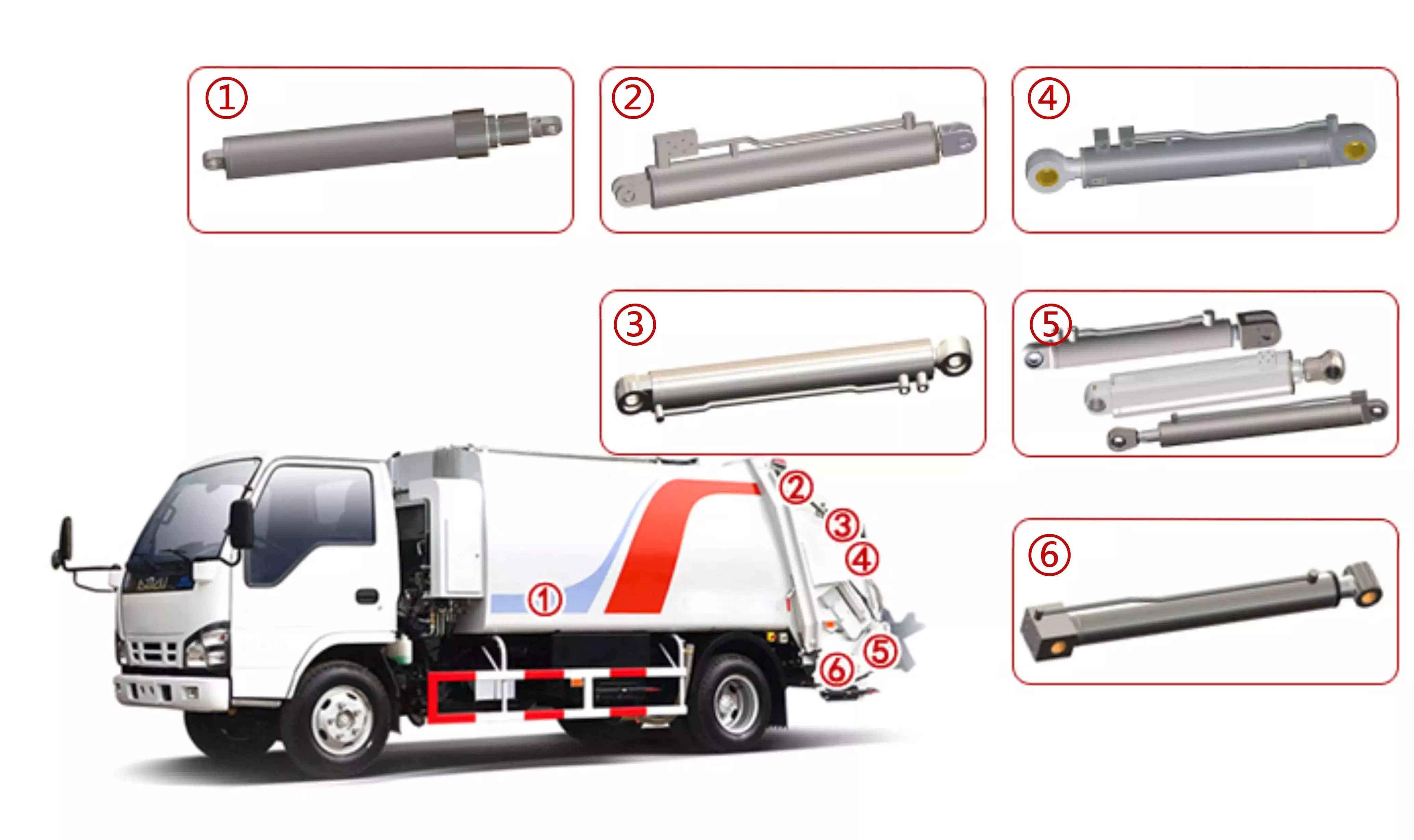
Can hydraulic cylinders be integrated with advanced control systems and automation?
Yes, hydraulic cylinders can be integrated with advanced control systems and automation technologies to enhance their functionality, precision, and overall performance. The integration of hydraulic cylinders with advanced control systems allows for more sophisticated and precise control over their operation, enabling automation and intelligent control. Here’s a detailed explanation of how hydraulic cylinders can be integrated with advanced control systems and automation:
1. Electronic Control:
– Hydraulic cylinders can be equipped with electronic sensors and transducers to provide real-time feedback on their position, force, pressure, or velocity. These sensors can be integrated with advanced control systems, such as programmable logic controllers (PLCs) or distributed control systems (DCS), to monitor and control the operation of hydraulic cylinders. By integrating electronic control, the position, speed, and force of hydraulic cylinders can be precisely monitored and adjusted, allowing for more accurate and automated control.
2. Closed-Loop Control:
– Closed-loop control systems use feedback from sensors to continuously monitor and adjust the operation of hydraulic cylinders. By integrating hydraulic cylinders with closed-loop control systems, precise control over position, velocity, and force can be achieved. Closed-loop control enables the system to automatically compensate for variations, external disturbances, or changes in operating conditions, ensuring accurate and consistent performance. This integration is particularly beneficial in applications that require precise positioning, synchronization, or force control.
3. Proportional and Servo Control:
– Hydraulic cylinders can be integrated with proportional and servo control systems to achieve finer control over their operation. Proportional control systems use proportional valves to regulate the flow and pressure of hydraulic fluid, allowing for precise adjustment of cylinder speed and force. Servo control systems, on the other hand, combine feedback sensors, high-performance valves, and advanced control algorithms to achieve extremely precise control over hydraulic cylinders. Proportional and servo control integration enhances the responsiveness, accuracy, and dynamic performance of hydraulic cylinders.
4. Human-Machine Interface (HMI):
– Hydraulic cylinders integrated with advanced control systems can be operated and monitored through human-machine interface (HMI) devices. HMIs provide a graphical user interface that allows operators to interact with the control system, monitor cylinder performance, and adjust parameters. HMIs enable operators to set desired positions, forces, or velocities, and visualize the real-time feedback from sensors. This integration simplifies the operation and monitoring of hydraulic cylinders, making them more user-friendly and facilitating seamless integration into automated systems.
5. Communication and Networking:
– Hydraulic cylinders can be integrated into communication and networking systems, enabling them to be part of a larger automated system. Integration with industrial communication protocols, such as Ethernet/IP, Profibus, or Modbus, allows for seamless information exchange between the hydraulic cylinders and other system components. This integration enables centralized control, data logging, remote monitoring, and coordination with other automated processes. Communication and networking integration enhance the overall efficiency, coordination, and integration of hydraulic cylinders within complex automation systems.
6. Automation and Sequential Control:
– By integrating hydraulic cylinders with advanced control systems, they can be seamlessly incorporated into automated processes and sequential control operations. The control system can execute predefined sequences or programmed logic to control the operation of hydraulic cylinders based on specific conditions, inputs, or timing. This integration enables the automation of complex tasks, such as material handling, assembly operations, or repetitive motions. Hydraulic cylinders can be synchronized with other actuators, sensors, or devices, allowing for coordinated and automated operation in various industrial applications.
7. Predictive Maintenance and Condition Monitoring:
– Advanced control systems can also enable predictive maintenance and condition monitoring for hydraulic cylinders. By integrating sensors and monitoring capabilities, the control system can continuously monitor the performance, health, and condition of hydraulic cylinders. This integration allows for the detection of abnormalities, wear, or potential failures in real-time. Predictive maintenance strategies can be implemented based on the collected data, optimizing maintenance schedules, reducing downtime, and enhancing the overall reliability of hydraulic systems.
In summary, hydraulic cylinders can be integrated with advanced control systems and automation technologies to enhance their functionality, precision, and performance. The integration allows for electronic control, closed-loop control, proportional and servo control, human-machine interface (HMI) interaction, communication and networking, automation and sequential control, as well as predictive maintenance and condition monitoring. These integrations enable more precise control, automation, improved efficiency, and optimized performance of hydraulic cylinders in various industrial applications.
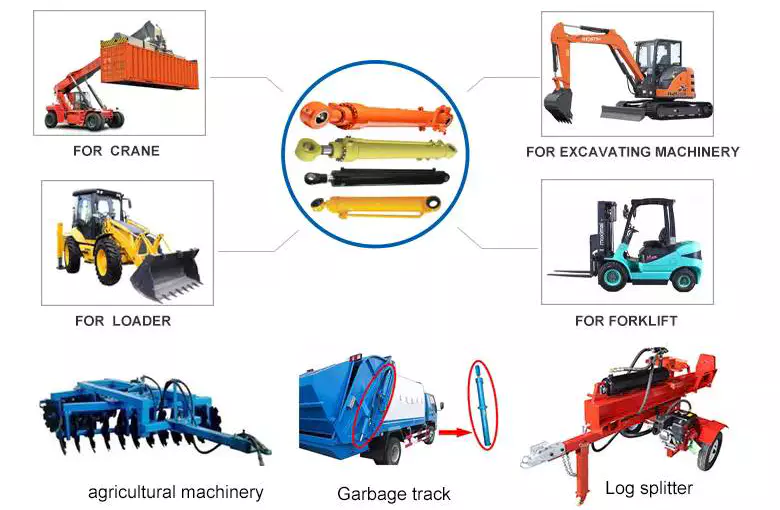
Integration of Hydraulic Cylinders with Equipment Requiring Rapid and Dynamic Movements
Hydraulic cylinders can indeed be integrated with equipment that requires rapid and dynamic movements. While hydraulic systems are generally known for their ability to provide high force and precise control, they can also be designed and optimized for applications that demand fast and dynamic motion. Let’s explore how hydraulic cylinders can be integrated with such equipment:
- High-Speed Hydraulic Systems: Hydraulic cylinders can be part of high-speed hydraulic systems designed specifically for rapid and dynamic movements. These systems incorporate features such as high-flow valves, optimized hydraulic circuitry, and responsive control systems. By carefully engineering the system components and hydraulic parameters, it is possible to achieve the desired speed and responsiveness, enabling the equipment to perform rapid movements.
- Valve Control: The control of hydraulic cylinders plays a crucial role in achieving rapid and dynamic movements. Proportional or servo valves can be used to precisely control the flow of hydraulic fluid into and out of the cylinder. These valves offer fast response times and precise flow control, allowing for rapid acceleration and deceleration of the cylinder’s piston. By adjusting the valve settings and optimizing the control algorithms, equipment can be designed to execute dynamic movements with high speed and accuracy.
- Optimized Cylinder Design: The design of hydraulic cylinders can be optimized to facilitate rapid and dynamic movements. Lightweight materials, such as aluminum alloys or composite materials, can be used to reduce the moving mass of the cylinder, enabling faster acceleration and deceleration. Additionally, the cylinder’s internal components, such as the piston and seals, can be designed for low friction to minimize energy losses and enhance responsiveness. These design optimizations contribute to the overall speed and dynamic performance of the equipment.
- Accumulator Integration: Hydraulic accumulators can be integrated into the system to enhance the dynamic capabilities of hydraulic cylinders. Accumulators store pressurized hydraulic fluid, which can be rapidly released to supplement the flow from the pump during high-demand situations. This stored energy can provide an extra boost of power, allowing for faster and more dynamic movements. By strategically sizing and configuring the accumulator, the system can be optimized for the specific rapid and dynamic requirements of the equipment.
- System Feedback and Control: To achieve precise and dynamic movements, hydraulic systems can incorporate feedback sensors and advanced control algorithms. Position sensors, such as linear potentiometers or magnetostrictive sensors, provide real-time position feedback of the hydraulic cylinder. This information can be used in closed-loop control systems to maintain precise positioning and execute rapid movements. Advanced control algorithms can optimize the control signals sent to the valves, ensuring smooth and dynamic motion while minimizing overshooting or oscillations.
In summary, hydraulic cylinders can be integrated with equipment that requires rapid and dynamic movements by utilizing high-speed hydraulic systems, employing responsive valve control, optimizing cylinder design, integrating accumulators, and incorporating feedback sensors and advanced control algorithms. These measures enable hydraulic systems to deliver the speed, responsiveness, and precision necessary for equipment operating in dynamic environments. By leveraging the capabilities of hydraulic cylinders, manufacturers can design and integrate systems that meet the requirements of applications demanding rapid and dynamic movements.
In che modo i cilindri idraulici si adattano alle variazioni di lunghezza della corsa e di forza richiesta?
I cilindri idraulici sono progettati per adattarsi a variazioni di lunghezza della corsa e di forza richiesta, offrendo flessibilità e adattabilità a diverse applicazioni. Possono essere personalizzati per soddisfare esigenze specifiche considerando fattori quali il diametro del pistone, il diametro dello stelo, la pressione idraulica e il design del cilindro. Ecco una spiegazione dettagliata di come i cilindri idraulici si adattano alle variazioni di lunghezza della corsa e di forza richiesta:
1. Dimensioni e design del cilindro:
I cilindri idraulici sono disponibili in diverse dimensioni e configurazioni per adattarsi a differenti lunghezze di corsa e requisiti di forza. Il diametro del cilindro, l'area del pistone e il diametro dello stelo sono fattori chiave che determinano la forza erogata. Diametri del cilindro e aree del pistone maggiori possono generare una forza maggiore, mentre diametri minori sono adatti ad applicazioni che richiedono una forza inferiore. Selezionando le dimensioni e la configurazione del cilindro appropriate, è possibile soddisfare efficacemente le diverse lunghezze di corsa e i requisiti di forza.
2. Configurazioni di pistone e biella:
I cilindri idraulici possono essere progettati con diverse configurazioni di pistone e stelo per adattarsi alle variazioni di lunghezza della corsa. I cilindri a semplice effetto hanno un solo pistone e possono fornire una corsa in una sola direzione. I cilindri a doppio effetto hanno un pistone su entrambi i lati, consentendo corse in entrambe le direzioni. I cilindri telescopici sono costituiti da più stadi che possono estendersi e ritrarsi, fornendo una lunghezza di corsa maggiore rispetto ai cilindri standard. Selezionando la configurazione di pistone e stelo appropriata, è possibile ottenere la lunghezza di corsa desiderata.
3. Pressione e portata idraulica:
La pressione idraulica e la portata fornite al cilindro svolgono un ruolo cruciale nell'adattarsi alle variazioni di forza richieste. L'aumento della pressione idraulica incrementa la forza erogata dal cilindro, consentendogli di gestire forze maggiori. Regolando la pressione e la portata tramite valvole e pompe idrauliche, è possibile controllare la forza erogata e adattarla alle specifiche esigenze dell'applicazione.
4. Personalizzazione e sartorialità:
I cilindri idraulici possono essere personalizzati e adattati per soddisfare specifici requisiti di corsa e forza. I produttori offrono un'ampia gamma di dimensioni, corse e capacità di forza tra cui scegliere. Inoltre, è possibile realizzare cilindri progettati su misura per applicazioni particolari con esigenze specifiche di corsa e forza. Collaborando a stretto contatto con i produttori di cilindri idraulici, è possibile ottenere cilindri che corrispondano esattamente ai requisiti di corsa e forza richiesti.
5. Cilindri multipli e sincronizzazione:
– Nelle applicazioni che richiedono forze elevate o corse più lunghe, è possibile utilizzare più cilindri idraulici in combinazione. Sincronizzando il movimento di più cilindri attraverso il sistema idraulico, è possibile aumentare efficacemente la corsa e la forza erogata. La sincronizzazione può essere ottenuta tramite collegamenti meccanici, controlli elettronici o circuiti idraulici, garantendo un movimento coordinato e una distribuzione uniforme della forza tra i cilindri.
6. Rilevamento del carico e controllo della pressione:
– I sistemi idraulici possono integrare meccanismi di rilevamento del carico e di controllo della pressione per adattarsi alle variazioni dei requisiti di forza. I sistemi di rilevamento del carico monitorano la richiesta di carico e regolano di conseguenza la pressione idraulica, garantendo che il cilindro eroghi la forza richiesta senza esercitare una forza eccessiva. Le valvole di controllo della pressione regolano la pressione all'interno del sistema idraulico, consentendo un controllo e una regolazione precisi della forza erogata in base alle esigenze dell'applicazione.
7. Considerazioni sulla sicurezza:
– Quando si devono gestire variazioni nella lunghezza della corsa e nei requisiti di forza, è essenziale considerare i fattori di sicurezza. I cilindri idraulici devono essere selezionati e progettati con un margine di sicurezza adeguato per gestire carichi imprevisti o variazioni nelle condizioni operative. È possibile integrare meccanismi di sicurezza come valvole di protezione da sovraccarico e valvole di sicurezza per prevenire danni o guasti in situazioni in cui i limiti di forza vengono superati.
Considerando fattori quali dimensioni e design del cilindro, configurazioni di pistone e stelo, pressione e portata idraulica, opzioni di personalizzazione, sincronizzazione, rilevamento del carico, controllo della pressione e considerazioni di sicurezza, i cilindri idraulici possono adattarsi efficacemente alle variazioni di lunghezza della corsa e di forza richiesta. Questa flessibilità consente di personalizzare i cilindri idraulici per soddisfare le esigenze specifiche di un'ampia gamma di applicazioni, garantendo prestazioni ed efficienza ottimali.


editor by CX 2023-10-18
 Italian
  English
  Portuguese
  Dutch
Dutch  Swedish
  Danish
  Finnish
  Polish
  Hindi
Hindi  Kazakh
  Turkish
  Ukrainian
  Romanian
  Spanish
  German
  Russian
  Korean
  Japanese
  Vietnamese
  Thai
Thai  Indonesian
  Malay
Malay  French
  Greek
Greek