
Өнім сипаттамасы
кіші поршеньді қос әрекетті гидравликалық цилиндр
Өнім сипаттамасы
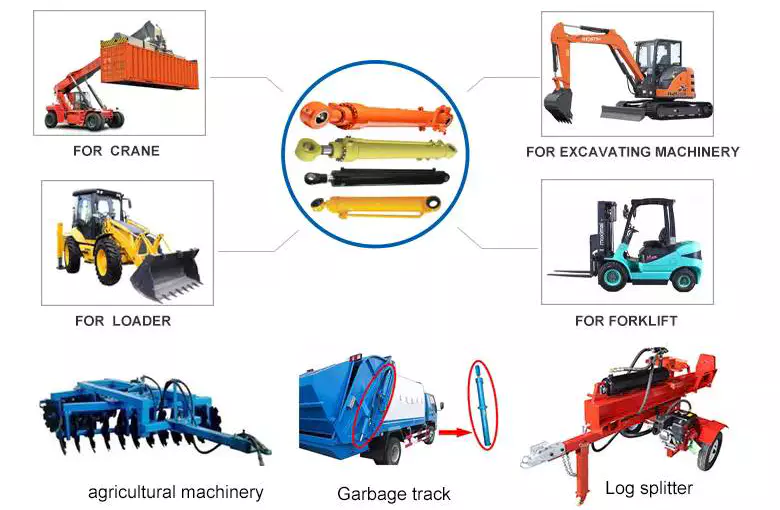
Eaton, Parker, Hercules, Prince, көлденең типті қос әрекетті гидравликалық цилиндрлер тіркеме, ауылшаруашылық техникасы, қоқыс таситын көлік, қону платформасы және т.б. үшін қолданылады.
Tsingshi гидравликалық тұтынушылары, MAN, JAC, VOLVO, SHACMAN, DAF, JMC, HUNO, CIMC, SINOTRUK, TATRA, BENS, XIHU (WEST LAKE) DIS.FENG, FOTON және т.б.
1. Поршеньді штангалы қатты хромды электропластина;
2. жеңіл және қызмет көрсетуге оңай қос әрекетті гидравликалық цилиндр;
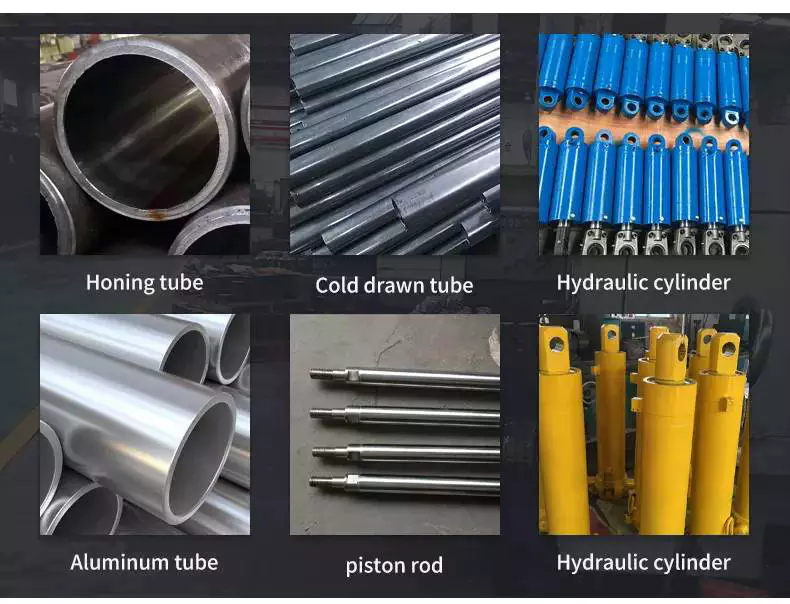
3. Жоғары сапалы қорытпалы жіксіз болат құбырлардың механикалық қасиеттері жақсырақ;
4. Parker, Merkel, Hallite, Kaden және т.б. сияқты әлемге әйгілі итбалық брендтері;
5. Әлемдік деңгейдегі өңдеу технологиясы тұрақты және сенімді сапаны қамтамасыз етеді.
| ЖОҚ | ЗАТ | қос әсерлі гидравликалық цилиндр DATA |
| 1 | Материал | Көміртекті болат, қорытпалы болат, 27SiMn, 45#, 20# және т.б. |
| 2 | Тазартылған түтік | 40-300 мм, термиялық өңдеу, шиналау, илемдеу |
| 3 | Тазартылған түтік | 30-280 мм, никельмен немесе қатты хроммен немесе керамикамен қапталған |
| 4 | Тығыздағыш жинағы | Паркер, Меркель, Халлит, Каден және т.б |
| 5 | Қаптау | Құммен бояу, грунтовка бояуы, ортаңғы бояу, әрлеу бояуы, Тұтынушының сұранысына сәйкес түстерді бояуға болады. |
| 6 | Технология | қос әсерлі гидравликалық цилиндр |
| 7 | Орнату түрі | Түйреуіш тәрізді, фланец, түйреуіш бекіткіші, шарлы бекіткіш, бұрандалы бұранда. FC, FE, FEE, FSE,TPIN |
| 8 | Жұмыс ортасы | Гидравликалық май |
| 9 | Жұмыс қысымы | 16-20 Мпа қос әсерлі гидравликалық цилиндр |
| 10 | Температура диапазоны | -50°C-тан +100°C-қа дейін |
Толық фотосуреттер
Компания профилі
Tsingshi hydraulic - бұл қос әсерлі гидравликалық цилиндрді гидравликалық жобалау, ғылыми-зерттеу және тәжірибелік-конструкторлық жұмыстармен айналысатын самосвал компаниясына арналған гидравликалық телескопиялық цилиндр.
- қос әсерлі гидравликалық цилиндр сертификаты ISO9001 TS16949 және т.б.;
- қос әрекетті мини гидравликалық цилиндр Солтүстік Америкаға, Оңтүстік Америкаға, Австралияға, Оңтүстік Кореяға, Оңтүстік-Шығыс Азияға, Оңтүстік Африкаға, Еуропаға, Таяу Шығысқа және т.б. экспорттау;
-Клиенттің талаптарына сәйкес ODM&OEM шағын қос әрекетті гидравликалық цилиндр;
- 30 жылдан астам уақыт бойы гидравликалық цилиндрлердің кәсіби өндірушісі және жеткізушісі;
- Микро қос әсерлі гидравликалық цилиндрді самосвал, самосвал, тіркеме, ауылшаруашылық техникасы, қоқыс таситын көлік, қону платформасы және т.б. үшін пайдалануға болады; Біз келесі брендтегі гидравликалық цилиндрлерді шығара аламыз. HYVA, BINOTTO, EDBRO, PENTA, MAILHOT, CUSTOM HOIST, MUNCIE, METARIS, HYDRAULEX GLOBAL, HYCO, PARKER, COMMERCIAL HYDRAULICS, MEILLER. WTJX, XT, JX, HCIC, ZX, SZ, SJ.
ТҰТЫНУШЫЛАРДЫҢ ФОТОСУРЕТТЕРІ
САПА КЕПІЛДІГІ
ЖОҒАРЫ САПА КЕПІЛДІГІ - қос әсерлі гидравликалық цилиндр
-7*24 қызмет көрсету.
- Бәсекеге қабілетті баға.
- Кәсіби техникалық топ.
- Сатудан кейінгі қызмет көрсетудің тамаша жүйесі.
-ODM&OEM гидравликалық цилиндрі тапсырыс берушінің қажеттіліктеріне сәйкес.
- Жылдам жеткізуді қамтамасыз ету үшін күшті гидравликалық цилиндр өндірісі.
- Сапаға кепілдік. Әрбір процесс тексерілуі керек, барлық өнімдер зауыттан шығар алдында тексерілуі керек.
<hydraulic cylinder double acting Leak Test
<mini hydraulic cylinder Buffer Test
<small hydraulic cylinder Reliability Test
<micro hydraulic cylinder Full Stroke Test
<mini double acting hydraulic cylinder Operation Test
<micro double acting hydraulic cylinder Pressure Tight Test
<small double acting hydraulic cylinder Load Efficiency Test
<double action hydraulic cylinder Start-up Pressure Test
<double acting hydraulic cylinder Testing the Effect of Limit
САТУ ЖӘНЕ ҚЫЗМЕТ КӨРСЕТУ
ӨНІМДЕР СЕРИЯСЫ
БІР ӘЛЕМ, БІР МАХАББАТ
| Сертификаттау: | CE, ISO/Ts16949 |
|---|---|
| Қысым: | Орташа қысым |
| Жұмыс температурасы: | Қалыпты температура |
| Актерлік тәсіл: | Қос әсерлі |
| Жұмыс әдісі: | Тікелей сапар |
| Түзетілген форма: | Реттелетін түрі |
| Үлгілер: | US$ 100 дана 1 дана (ең аз тапсырыс) | |
|---|
| Теңшеу: | Қолжетімді |
|
|---|
Are there any emerging trends in hydraulic cylinder technology, such as smart features?
Yes, there are several emerging trends in hydraulic cylinder technology, including the integration of smart features. As industries continue to adopt advanced technologies and seek greater efficiency, hydraulic cylinders are being equipped with innovative capabilities to enhance their performance and provide additional benefits. Here are some of the emerging trends in hydraulic cylinder technology:
1. Sensor Integration:
– One of the significant trends in hydraulic cylinder technology is the integration of sensors. Sensors can be embedded within the hydraulic cylinder to monitor various parameters such as pressure, temperature, position, and load. These sensors provide real-time data, allowing for condition monitoring, predictive maintenance, and improved operational control. By collecting and analyzing data, operators can optimize the performance of hydraulic systems, detect potential issues in advance, and prevent failures, resulting in increased reliability and reduced downtime.
2. Connectivity and IoT:
– Hydraulic cylinders are being integrated into the Internet of Things (IoT) ecosystem, enabling connectivity and data exchange. By connecting hydraulic cylinders to a network, operators can remotely monitor and control their performance. IoT-enabled hydraulic cylinders facilitate features such as remote diagnostics, performance optimization, and predictive maintenance. The connectivity aspect allows for better integration with overall equipment systems and enables data-driven decision-making for improved efficiency and productivity.
3. Energy-Efficient Designs:
– With the increasing focus on sustainability and energy efficiency, hydraulic cylinder technology is evolving to incorporate energy-saving features. Manufacturers are developing hydraulic cylinders with improved sealing technologies, reduced friction, and optimized fluid flow dynamics. These advancements minimize energy losses and increase overall system efficiency. Energy-efficient hydraulic cylinders contribute to reduced power consumption, lower operating costs, and a smaller environmental footprint.
4. Advanced Materials and Coatings:
– The use of advanced materials and coatings is another emerging trend in hydraulic cylinder technology. Manufacturers are exploring lightweight materials, such as composites and alloys, to reduce the overall weight of hydraulic cylinders without compromising strength and durability. Furthermore, specialized coatings and surface treatments are being applied to improve corrosion resistance, wear resistance, and lifespan. These advancements enhance the longevity and reliability of hydraulic cylinders, particularly in demanding environments.
5. Intelligent Control Systems:
– Hydraulic cylinder technology is embracing intelligent control systems that optimize performance and enable advanced functionalities. These systems utilize algorithms, machine learning, and artificial intelligence to automate processes, adapt to changing conditions, and optimize hydraulic cylinder movements. Intelligent control systems can adjust parameters in real-time, ensuring precise and efficient operation. This trend allows for increased automation, improved productivity, and enhanced safety in hydraulic system applications.
6. Predictive Maintenance:
– Predictive maintenance is gaining prominence in hydraulic cylinder technology. By utilizing data collected from sensors and monitoring systems, predictive maintenance algorithms can analyze the condition and performance of hydraulic cylinders. This analysis helps to identify potential failures or degradation in advance, enabling proactive maintenance actions. Predictive maintenance reduces unplanned downtime, extends the lifespan of hydraulic cylinders, and optimizes maintenance schedules, resulting in cost savings and improved equipment availability.
7. Enhanced Safety Features:
– Hydraulic cylinder technology is incorporating enhanced safety features to improve operator and equipment safety. These features include integrated safety valves, load monitoring systems, and emergency stop functionalities. Safety systems in hydraulic cylinders help prevent accidents, protect against overloads, and ensure reliable operation. The integration of advanced safety features contributes to safer working environments and compliance with stringent safety regulations.
These emerging trends in hydraulic cylinder technology demonstrate the industry’s focus on innovation, performance optimization, and sustainability. The integration of smart features, connectivity, advanced materials, and predictive maintenance capabilities enables hydraulic cylinders to operate more efficiently, provide real-time insights, and enhance overall system performance. As technology continues to advance, hydraulic cylinder technology is expected to evolve further, offering increased functionality and efficiency for various industries and applications.
Ensuring Consistent Force Output for Repetitive Tasks with Hydraulic Cylinders
Hydraulic cylinders are designed to ensure consistent force output for repetitive tasks. This consistency is essential for maintaining precise control, achieving uniform results, and optimizing the performance of hydraulic systems. Let’s explore how hydraulic cylinders achieve consistent force output for repetitive tasks:
- Design and Manufacturing Standards: Hydraulic cylinders are manufactured to meet strict design and manufacturing standards. These standards ensure that the cylinders are built with precision and accuracy, enabling them to deliver consistent force output. The components, such as the piston, cylinder barrel, seals, and valves, are engineered to work together harmoniously, minimizing variations in force generation.
- Pressure Regulation: Hydraulic systems incorporate pressure regulation mechanisms to maintain a constant pressure level. Pressure relief valves, pressure regulators, and pressure-compensated pumps help maintain a consistent hydraulic pressure throughout the system. By regulating the pressure, hydraulic cylinders receive a consistent supply of pressurized fluid, resulting in consistent force output for repetitive tasks.
- Ағынды басқару: Flow control valves are utilized in hydraulic systems to manage the flow rate of hydraulic fluid. These valves regulate the speed at which the fluid enters and exits the hydraulic cylinder, influencing the force output. By controlling the flow rate, hydraulic cylinders can achieve consistent force output for repetitive tasks. This is particularly important when it comes to tasks that require precise and uniform force application.
- Effective Seal Performance: Sealing systems play a crucial role in hydraulic cylinders by preventing fluid leakage and maintaining pressure integrity. High-quality seals and proper installation ensure effective sealing throughout the cylinder’s operation. By minimizing internal leakage, hydraulic cylinders can maintain consistent force output, even during repetitive tasks.
- Maintenance and Inspection: Regular maintenance and inspection of hydraulic cylinders are essential for ensuring consistent force output. By following maintenance schedules, replacing worn-out components, and monitoring cylinder performance, any potential issues that could affect force consistency can be identified and addressed promptly. This proactive approach helps maintain the reliability and performance of hydraulic cylinders over time.
In summary, hydraulic cylinders employ various mechanisms to ensure consistent force output for repetitive tasks. Adherence to design and manufacturing standards, pressure regulation, flow control, effective seal performance, and regular maintenance all contribute to achieving consistent force output. By maintaining precision, minimizing variations, and addressing potential issues, hydraulic cylinders provide reliable and consistent force generation, facilitating the successful completion of repetitive tasks in various applications.
What is a hydraulic cylinder and how does it function in various applications?
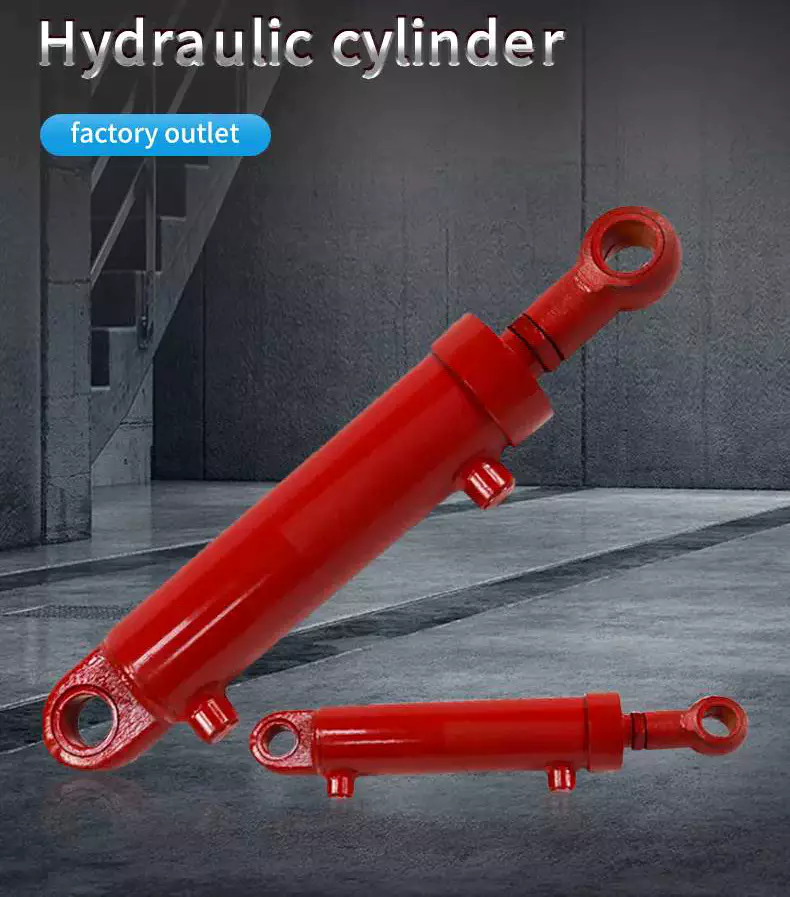
A hydraulic cylinder is a mechanical actuator that converts hydraulic energy into linear force and motion. It plays a critical role in various applications where controlled and powerful linear motion is required. Hydraulic cylinders are commonly used in industries such as construction, manufacturing, agriculture, and transportation. Here’s a detailed explanation of what a hydraulic cylinder is and how it functions:
Definition and Components:
– A hydraulic cylinder consists of a cylindrical barrel, a piston, a piston rod, and various seals. The barrel is a hollow tube that houses the piston and allows for fluid flow. The piston divides the cylinder into two chambers: the rod side and the cap side. The piston rod extends from the piston and provides a connection point for external loads. Seals are used to prevent fluid leakage and maintain hydraulic pressure within the cylinder.
Function:
– The function of a hydraulic cylinder is to convert the pressure and flow of hydraulic fluid into linear force and motion. The hydraulic fluid, typically oil, is pressurized and directed into one of the chambers of the cylinder. As the fluid enters the chamber, it applies pressure on the piston, causing it to move in a linear direction. This linear motion of the piston is transferred to the piston rod, creating a pushing or pulling force.
Working Principle:
– The working principle of a hydraulic cylinder is based on Pascal’s law, which states that pressure exerted on a fluid in a confined space is transmitted equally in all directions. In a hydraulic cylinder, when hydraulic fluid is pumped into one side of the cylinder, it creates pressure on the piston. The pressure is transmitted through the fluid to the other side of the piston, resulting in a balanced force across the piston and piston rod. This force generates linear motion in the direction determined by the fluid input.
Applications:
– Hydraulic cylinders find extensive use in a wide range of applications due to their ability to generate high forces and precise control of linear motion. Some common applications include:
1. Construction Equipment: Hydraulic cylinders are used in excavators, loaders, bulldozers, and cranes for lifting, pushing, and digging tasks.
2. Manufacturing Machinery: Hydraulic cylinders are employed in presses, machine tools, and material handling equipment for pressing, clamping, and lifting operations.
3. Agricultural Machinery: Hydraulic cylinders are used in tractors, harvesters, and irrigation systems for tasks like steering, lifting, and controlling attachments.
4. Transportation: Hydraulic cylinders are utilized in vehicles such as dump trucks, garbage trucks, and forklifts for tilting, lifting, and tipping operations.
5. Aerospace and Defense: Hydraulic cylinders are employed in aircraft landing gear, missile systems, and hydraulic actuators for control surfaces.
6. Marine and Offshore: Hydraulic cylinders are used in ship steering systems, cranes, and offshore drilling equipment for various lifting and positioning tasks.
In these applications, hydraulic cylinders offer advantages such as high force capability, precise control, compact size, and durability. They provide efficient and reliable linear motion, contributing to enhanced productivity and functionality in a wide range of industries.
Overall, hydraulic cylinders are integral components in various applications where controlled and powerful linear motion is required. Their ability to convert hydraulic energy into mechanical force makes them invaluable in numerous industries, enabling the operation of heavy machinery, precise positioning, and efficient load handling.


editor by CX 2023-11-15
 Kazakh
  English
  Italian
  Portuguese
  Dutch
Dutch  Swedish
  Danish
  Finnish
  Polish
  Hindi
Hindi  Turkish
  Ukrainian
  Romanian
  Spanish
  German
  Russian
  Korean
  Japanese
  Vietnamese
  Thai
Thai  Indonesian
  Malay
Malay  French
  Greek
Greek