
Өнім сипаттамасы
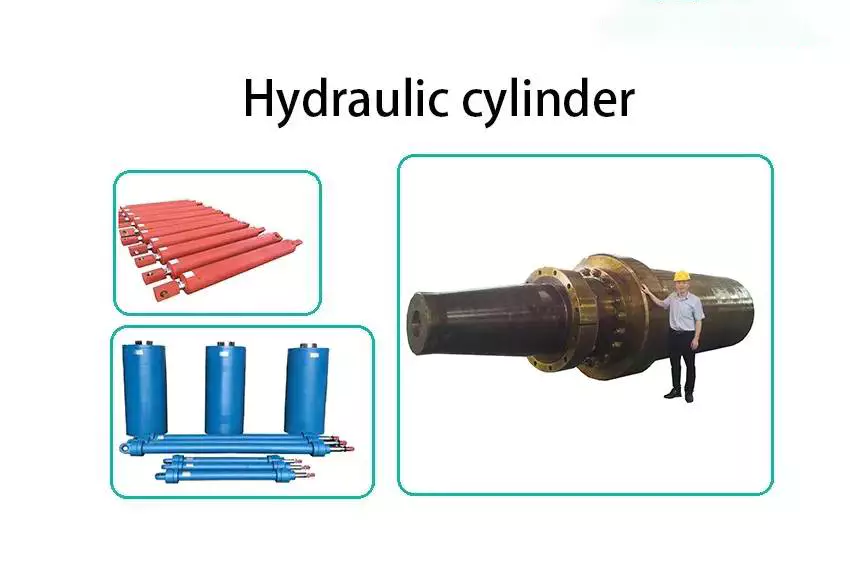
Customized cheap good quality double acting hydraulic cylinder for agricultural machine
Overview
Quick Details
Applicable Industries:
Manufacturing Plant, Machinery Repair Shops, Farms, Construction works , Energy & Mining
Standard or Nonstandard:
Standard
Structure:
Cushioned Cylinder
Power:
Hydraulic
Body Material:
According to User Requirements
Place of Origin:
Shangdong, China (Mainland)
Brand Name:
EONMACH
Product name:
Customized cheap double acting hydraulic cylinder
Material:
Iron / Steel / Aluminum
Process:
Carbon Steel/Cast Iron /Hard chrome plated Alloy Steel
Surface treatment:
Painting/sand blasting/oiled
Sample:
avaliable
Dimensions:
customized
Test:
static balance test
price:
reasonalbe
Usage:
Гидравликалық цилиндр
Supply Ability
Supply Ability:
4000 Piece/Pieces per Month
Packaging & Delivery
Port
HangZhou
/* March 10, 2571 17:59:20 */!function(){function s(e,r){var a,o={};try{e&&e.split(“,”).forEach(function(e,t){e&&(a=e.match(/(.*?):(.*)$/))&&1
| Сертификаттау: | GS, CE, ISO9001 |
|---|---|
| Қысым: | Low Pressure |
| Жұмыс температурасы: | Қалыпты температура |
| Актерлік тәсіл: | Single Acting |
| Жұмыс әдісі: | Тікелей сапар |
| Түзетілген форма: | Switching Type |
| Теңшеу: | Қолжетімді |
|
|---|

What advancements in hydraulic cylinder technology have improved sealing and reliability?
Advancements in hydraulic cylinder technology have continuously contributed to improving sealing and reliability in hydraulic systems. These advancements aim to address common challenges such as leakage, wear, and failure of seals, ensuring optimal performance and longevity. Here are several key advancements that have significantly improved sealing and reliability in hydraulic cylinders:
1. High-Performance Sealing Materials:
– The development of advanced sealing materials has greatly improved the sealing capabilities of hydraulic cylinders. Traditional sealing materials like rubber have been replaced or enhanced with high-performance materials such as polyurethane, PTFE (polytetrafluoroethylene), and various composite materials. These materials offer superior resistance to wear, temperature, and chemical degradation, resulting in improved sealing performance and extended seal life.
2. Enhanced Seal Designs:
– Advancements in seal designs have focused on improving sealing efficiency and reliability. Innovative seal profiles, such as lip seals, wipers, and scrapers, have been developed to optimize fluid retention and prevent contamination. These designs provide better sealing performance, minimizing the risk of fluid leakage and maintaining system integrity. Additionally, improved seal geometries and manufacturing techniques ensure tighter tolerances, reducing the potential for seal failure due to misalignment or extrusion.
3. Integrated Seal and Bearing Systems:
– Hydraulic cylinders now incorporate integrated seal and bearing systems, where the sealing elements also serve as bearing surfaces. This design approach reduces the number of components and potential failure points, improving overall reliability. By integrating seals and bearings, the risk of seal damage or displacement due to excessive loads or misalignment is minimized, resulting in enhanced sealing performance and increased reliability.
4. Advanced Coatings and Surface Treatments:
– The application of advanced coatings and surface treatments to hydraulic cylinder components has significantly improved sealing and reliability. Coatings such as chrome plating or ceramic coatings enhance surface hardness, wear resistance, and corrosion resistance. These surface treatments provide a smoother and more durable surface for seals to operate against, reducing friction and improving sealing performance. Moreover, specialized coatings can also provide self-lubricating properties, reducing the need for additional lubrication and enhancing reliability.
5. Sealing System Monitoring and Diagnostic Technologies:
– The integration of monitoring and diagnostic technologies in hydraulic systems has revolutionized seal performance and reliability. Sensors and monitoring systems can detect and alert operators to potential seal failures or leaks before they escalate. Real-time monitoring of pressure, temperature, and seal performance parameters allows for proactive maintenance and early intervention, preventing costly downtime and ensuring optimal sealing and reliability.
6. Computational Modeling and Simulation:
– Computational modeling and simulation techniques have played a significant role in advancing hydraulic cylinder sealing and reliability. These tools enable engineers to analyze and optimize seal designs, fluid flow dynamics, and contact stresses. By simulating various operating conditions, potential issues such as seal extrusion, wear, or leakage can be identified and mitigated early in the design phase, resulting in improved sealing performance and enhanced reliability.
7. Systematic Maintenance Practices:
– Advances in hydraulic cylinder technology have also emphasized the importance of systematic maintenance practices to ensure sealing and overall system reliability. Regular inspection, lubrication, and replacement of seals, as well as routine system flushing and filtration, help prevent premature seal failure and optimize sealing performance. Implementing preventive maintenance schedules and adhering to recommended service intervals contribute to extended seal life and enhanced reliability.
In summary, advancements in hydraulic cylinder technology have led to significant improvements in sealing and reliability. High-performance sealing materials, enhanced seal designs, integrated seal and bearing systems, advanced coatings and surface treatments, sealing system monitoring and diagnostics, computational modeling and simulation, and systematic maintenance practices have all played key roles in achieving optimal sealing performance and increased reliability. These advancements have resulted in more efficient and dependable hydraulic systems, minimizing leakage, wear, and failure of seals, and ultimately improving the overall performance and longevity of hydraulic cylinders in diverse applications.
Adaptation of Hydraulic Cylinders for Medical Equipment and Aerospace Applications
Hydraulic cylinders have the potential to be adapted for use in medical equipment and aerospace applications, offering unique advantages in these industries. Let’s explore how hydraulic cylinders can be adapted for these specialized fields:
- Medical Equipment: Hydraulic cylinders can be adapted for various medical equipment applications, including hospital beds, patient lifts, surgical tables, and rehabilitation devices. Here’s how hydraulic cylinders are beneficial in medical equipment:
- Positioning and Adjustability: Hydraulic cylinders provide precise and smooth movement, allowing for accurate positioning and adjustments of medical equipment. This is crucial for ensuring patient comfort, proper alignment, and ease of use.
- Load Handling: Hydraulic cylinders offer high force capabilities, enabling the safe handling of heavy loads in medical equipment. They can support the weight of patients, facilitate smooth transitions, and provide stability during procedures.
- Controlled Motion: Hydraulic cylinders provide controlled and stable motion, which is essential for delicate medical procedures. The ability to adjust speed, position, and force allows for precise and controlled movements, minimizing patient discomfort and ensuring accurate treatment.
- Durability and Reliability: Hydraulic cylinders are designed to withstand rigorous use and demanding environments, making them suitable for medical equipment applications. Their durability and reliability contribute to the long-term performance and safety of medical devices.
- Aerospace Applications: Hydraulic cylinders can also be adapted for aerospace applications, where lightweight yet robust systems are essential. Here’s how hydraulic cylinders are advantageous in aerospace:
- Flight Control Systems: Hydraulic cylinders play a critical role in aircraft flight control systems, including ailerons, elevators, rudders, and landing gear. They provide precise and reliable actuation, allowing pilots to control the aircraft’s movements with accuracy and responsiveness.
- Weight Optimization: Hydraulic cylinders can be designed using lightweight materials, such as aluminum alloys or composite materials, to reduce overall weight. This weight optimization is crucial in aerospace applications to enhance fuel efficiency, payload capacity, and aircraft performance.
- Shock and Vibration Resistance: Aerospace environments involve significant shock and vibration forces. Hydraulic cylinders can be engineered to withstand these dynamic loads while maintaining performance and reliability, ensuring consistent operation even under extreme conditions.
- Space Constraints: Hydraulic cylinders can be designed to fit within the space constraints of aircraft or spacecraft. Their compact size and flexible mounting options allow for efficient integration into the limited available space.
In summary, hydraulic cylinders can be adapted for use in medical equipment and aerospace applications, leveraging their precise positioning, load handling capabilities, controlled motion, durability, and reliability. In medical equipment, hydraulic cylinders enable comfortable patient positioning, smooth transitions, and controlled movements during procedures. In aerospace, hydraulic cylinders provide precise actuation, weight optimization, shock and vibration resistance, and space-efficient solutions. By adapting hydraulic cylinders to these specialized fields, manufacturers can meet the unique requirements and enhance the performance of medical equipment and aerospace systems.
Гидравликалық цилиндрлер гидравликалық сұйықтықты пайдаланып күш пен қозғалысты қалай тудырады?
Гидравликалық цилиндрлер сұйықтық механикасының принциптерін, атап айтқанда Паскаль заңын гидравликалық сұйықтықтың қасиеттерімен бірге пайдалану арқылы күш пен қозғалыс тудырады. Бұл процесс гидравликалық энергияны механикалық күшке және сызықтық қозғалысқа түрлендіруді қамтиды. Гидравликалық цилиндрлердің мұны қалай жүзеге асыратыны туралы егжей-тегжейлі түсініктеме:
1. Паскаль заңы:
– Гидравликалық цилиндрлер Паскаль заңына негізделіп жұмыс істейді, ол бойынша қысым жабық кеңістіктегі сұйықтыққа түскенде, ол барлық бағытта бірдей беріледі. Гидравликалық цилиндрлер тұрғысынан бұл гидравликалық сұйықтық қысымға ұшыраған кезде күш сұйықтық бойымен біркелкі таралады және сұйықтықпен жанасатын барлық беттерге беріледі дегенді білдіреді.
2. Гидравликалық сұйықтық және қысым:
– Гидравликалық жүйелер жұмыс ортасы ретінде арнайы сұйықтықты, әдетте гидравликалық майды пайдаланады. Бұл сұйықтық резервуарда сақталады және жүйе арқылы гидравликалық сорғы арқылы айналады. Сорғы сұйықтықты қысымдап, гидравликалық цилиндрлерді қоса алғанда, әртүрлі компоненттерге басқарылатын және бағытталатын гидравликалық қысым жасайды.
3. Цилиндр дизайны және компоненттері:
– Гидравликалық цилиндрлер цилиндрлік ұңғы, поршень, поршень штангасы және әртүрлі тығыздағыштар сияқты бірнеше негізгі компоненттерден тұрады. Ұңғы – поршеньді орналастыратын және сұйықтық ағынын қамтамасыз ететін қуыс түтік. Поршень цилиндрді екі камераға бөледі: штанга жағы және қақпақ жағы. Поршень штангасы поршеньнен шығып, сыртқы жүктемелер үшін қосылу нүктесін қамтамасыз етеді. Тығыздағыштар сұйықтықтың ағып кетуіне жол бермеу және цилиндр ішіндегі гидравликалық қысымды ұстап тұру үшін қолданылады.
4. Сұйықтықтың енуі және қозғалысы:
– Күш пен қозғалыс тудыру үшін гидравликалық сұйықтық цилиндрдің бір жағына бағытталып, поршеньнің сәйкес бетіне қысым жасайды. Бұл қысым сұйықтық арқылы поршеньнің екінші жағына беріледі.
5. Күш тудыру:
– Гидравликалық цилиндр тудыратын күш поршеньнің белгілі бір бетіне түсетін қысымның нәтижесі болып табылады. Гидравликалық цилиндр әсер ететін күшті келесі формула бойынша есептеуге болады: Күш = Қысым × Аудан. Ауданы сұйықтық цилиндрдің қай жағына әсер ететініне байланысты поршеньнің немесе поршень штангасының диаметрімен анықталады.
6. Сызықтық қозғалыс:
– Қысымдағы гидравликалық сұйықтық поршеньге әсер еткенде, ол поршеньді цилиндр ішінде сызықтық бағытта қозғалтатын күш тудырады. Бұл сызықтық қозғалыс поршень штангасына беріледі, ол тиісінше созылады немесе артқа шегінеді. Поршень штангасын сыртқы компоненттерге немесе механизмдерге қосуға болады, бұл пайда болған күштің көтеру, итеру, тарту немесе басқару механизмдері сияқты әртүрлі тапсырмаларды орындауына мүмкіндік береді.
7. Бақылау және реттеу:
– Гидравликалық цилиндрлер тудыратын күш пен қозғалысты гидравликалық сұйықтықтың цилиндрге ағынын реттеу арқылы басқаруға және реттеуге болады. Сұйықтықтың ағын жылдамдығын, қысымын және бағытын реттеу арқылы цилиндр қозғалысының жылдамдығын, күшін және бағытын дәл басқаруға болады. Бұл басқару күрделі машиналарда бірнеше цилиндрді дәл орналастыруға, бірқалыпты жұмыс істеуге және синхрондауға мүмкіндік береді.
8. Сұйықтықтың қайтарылуы және қайта айналымы:
– Гидравликалық цилиндр жүрісін аяқтағаннан кейін, поршеньнің қарама-қарсы жағындағы гидравликалық сұйықтық резервуарға қайтарылуы керек. Бұл әдетте ағын бағытын басқаратын гидравликалық клапандар арқылы жүзеге асырылады, бұл сұйықтықтың қайта оралуына және жүйеде әрі қарай пайдалану үшін қайта айналымға түсуіне мүмкіндік береді.
Қорытындылай келе, гидравликалық цилиндрлер Паскаль заңының принциптерін пайдалану арқылы күш пен қозғалыс тудырады. Қысымдағы гидравликалық сұйықтық поршеньге әсер етеді, поршеньді сызықтық бағытта қозғалтатын күш тудырады. Бұл сызықтық қозғалыс поршень штангасына беріледі, бұл пайда болған күштің әртүрлі тапсырмаларды орындауына мүмкіндік береді. Гидравликалық сұйықтық ағынын басқару арқылы гидравликалық цилиндрлердің күші мен қозғалысын дәл реттеуге болады, бұл олардың әмбебаптығына және машина жасауда кең қолданылуына ықпал етеді.


editor by CX 2024-02-20
 Kazakh
  English
  Italian
  Portuguese
  Dutch
Dutch  Swedish
  Danish
  Finnish
  Polish
  Hindi
Hindi  Turkish
  Ukrainian
  Romanian
  Spanish
  German
  Russian
  Korean
  Japanese
  Vietnamese
  Thai
Thai  Indonesian
  Malay
Malay  French
  Greek
Greek