
Өнім сипаттамасы
Technical Data
| Cylinder Type | Mill type, Head Bolted, Base Welded |
| Bore Diameter | Up to 2500mm |
| Rod Diameter | Up to 2000mm |
| Stroke Length | Up to 20,000mm |
| Piston Rod Material | AISI 1045, AISI 4140, AISI 4340, 20MnV6 |
| Rod Surface Treatment | Hard chrome plated, Chrome/Nickel plated, Ceramic coated |
| Tube Material | Carbon steel AISI1045 or ST52.3, Alloy steel AISI4140, Stainless steel 2Cr13 or 1Cr17Ni2 |
| Tube Surface Painting | Colors according to RAL and thickness according to customer needs |
| Mounting Type | Clevis, Cross tube, Flange, Trunnion, Tang, Thread |
| Design Pressure | Up to 40Mpa |
| Seal Kits Type | PARKER, MERKEL, HALLITE, NOK, TRELLEBORG |
| Quality Assurance | 1 year |
| Certificate | SGS, BV, ABS ,GL, DNV etc. |
| Application | Heavy industry, steel mill, Hydraulic press, etc. |
Quality Assurance
| Quality Process | Our quality management system is certified to ISO 9001 |
| Quality control standards include material records, process control plans, | |
| Manufacturing approvals and inspection data | |
| Testing Standards | All products undergo 100% pressure testing 1.5 times the maximum allowable working pressure or to customer specifications |
| Static and dynamic pressure testing. | |
| Ultraviolet leak detection technology. | |
| Non-destructive testing. | |
| Fluid Cleanliness | Real-time monitoring and test phase documentation |
| Independent sampling and oil diagnostic control |
Өнім сипаттамасы
Company Profile
FAQ
Q1: What does your company do?
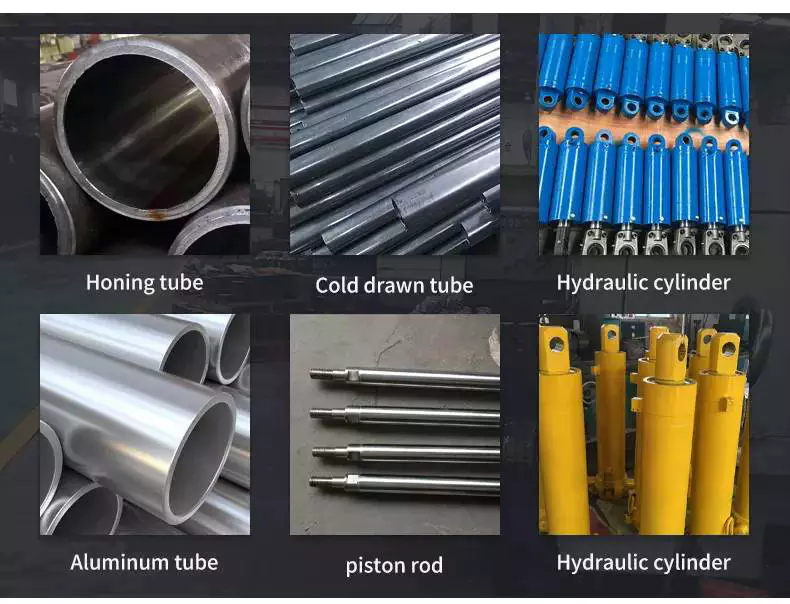
A: we are a supplier of high-quality hydraulic products including Hydraulic Cylinder,Honed Tube,Chromed Rod,Machined Platen,Cylinder Parts, and other components.
Q2:Are you a manufacturer or trading company?
A: We are a manufacturer.
Q3: Are you able to make Non-standard or customized products?
A: Yes, we can.
Q4: How long is your delivery time?
A: The delivery time for customized products is 15-30 working days.But it also depends on the product requirements and quantity.
Q5: Do you provide samples?
A: No, we don’t provide samples.
Q6: What are your payment terms?
A: T/T/ or L/C or D/P. If you have any questions, please feel free to contact us.
Q7: What are your After-sales services?
A: Before shipment, Each individual product will be strictly inspected on our factory QC Process System. In addition, We have a Customer Service team to respond to customers’ questions within 12 hours. Being helpful in solving customers’ problems is always our goal.
| Certification: | ISO9001, Dnv SGS BV ABS Gi |
|---|---|
| Pressure: | Medium Pressure |
| Work Temperature: | Normal Temperature |
| Acting Way: | Double Acting |
| Working Method: | Straight Trip |
| Adjusted Form: | Regulated Type |
| Customization: | Available |
|
|---|
Гидравликалық цилиндрлер өнеркәсіптік процестердің жалпы тиімділігіне қалай ықпал етеді?
Гидравликалық цилиндрлер өнеркәсіптік процестердің жалпы тиімділігін арттыруда маңызды рөл атқарады. Олар бірнеше артықшылықтарды ұсынады және өнімділіктің артуына, тиімділіктің артуына, техникалық қызмет көрсету шығындарының азаюына және пайдалану көрсеткіштерінің жақсаруына ықпал етеді. Гидравликалық цилиндрлердің өнеркәсіптік процестердің тиімділігіне қалай үлес қосатыны туралы егжей-тегжейлі түсініктеме берілген:
1. Жоғары қуат тығыздығы:
– Гидравликалық цилиндрлер қуат пен салмақтың жоғары қатынасын қамтамасыз етеді, бұл оларға ықшам конструкцияда айтарлықтай күш өндіруге мүмкіндік береді. Бұл қуат тығыздығы кішірек және жеңіл жабдықтарды пайдалануға, материал мен өндіріс шығындарын азайтуға және өнеркәсіптік процестердің тиімділігін арттыруға мүмкіндік береді.
2. Күш пен позицияны дәл басқару:
– Гидравликалық цилиндрлер дәл күш пен позицияны басқаруды қамтамасыз етеді, бұл машиналардың немесе дайындамалардың дәл қозғалысы мен орналасуын қамтамасыз етеді. Басқарудың бұл деңгейі процестің тиімділігін арттырады, материал қалдықтарын азайтады және өнімнің жалпы сапасын жақсартады. Дәл күш басқару сонымен қатар жабдықтың зақымдану қаупін азайтады, техникалық қызмет көрсету және жөндеу шығындарын одан әрі азайтады.
3. Жоғары жүктемені көтеру қабілеті:
– Гидравликалық цилиндрлер жоғары жүктемелерді көтере алу қабілетімен танымал. Олар айтарлықтай күш түсіре алады, бұл оларды ауыр жүктемелі өнеркәсіптік қолданбаларға жарамды етеді. Ауыр жүктемелерді тиімді көтеру арқылы гидравликалық цилиндрлер өнімділік пен өткізу қабілетін арттырады, қосымша жабдыққа деген қажеттілікті азайтады және өнеркәсіптік процестерді жеңілдетеді.
4. Икемділік және әмбебаптылық:
– Гидравликалық цилиндрлер өнеркәсіптік процестерде жоғары деңгейдегі икемділік пен әмбебаптықты ұсынады. Оларды әртүрлі машиналар мен жабдықтарға оңай біріктіруге болады, бұл әртүрлі қолдануды қамтамасыз етеді. Бұл бейімделу мамандандырылған жабдыққа деген қажеттілікті азайтады, бұл шығындарды үнемдеуге және пайдалану тиімділігін арттыруға әкеледі.
5. Энергия тиімділігі:
– Гидравликалық жүйелер, соның ішінде гидравликалық цилиндрлер, жоғары энергия тиімділігімен жұмыс істеуге арналған болуы мүмкін. Тиімді гидравликалық тізбек конструкцияларын, озық басқару жүйелерін және энергияны қалпына келтіру механизмдерін пайдалану арқылы гидравликалық цилиндрлер энергия шығынын азайтады және пайдалану шығындарын азайтады. Энергия үнемдейтін гидравликалық жүйелер сонымен қатар өнеркәсіптік жұмыстың тұрақты және экологиялық таза болуына ықпал етеді.
6. Беріктігі және ұзақ қызмет ету мерзімі:
– Гидравликалық цилиндрлер күрделі өндірістік ортаға және ауыр пайдалануға төтеп бере алатындай етіп жасалған. Олар берік материалдардан жасалған және беріктігі мен ұзақ мерзімділігін қамтамасыз ету үшін қатаң сапаны бақылау шараларынан өтеді. Олардың қатал жағдайларға және қайталанатын қозғалыстарға төтеп беру қабілеті жиі ауыстыру қажеттілігін азайтады, тоқтап қалу уақытын және техникалық қызмет көрсету шығындарын азайтады.
7. Техникалық қызмет көрсету талаптарының төмендеуі:
– Гидравликалық цилиндрлер басқа жетектер түрлерімен салыстырғанда салыстырмалы түрде аз күтімді қажет етеді. Тиімді сүзу және ластануды бақылау механизмдері бар дұрыс жобаланған гидравликалық жүйелер цилиндрлердің зақымдануын болдырмауға және олардың қызмет ету мерзімін ұзартуға мүмкіндік береді. Техникалық қызмет көрсету талаптарының төмендеуі тоқтап қалу уақытының азаюына, еңбек шығындарының азаюына және өнеркәсіптік процестердің тиімділігінің артуына әкеледі.
8. Жүйелік интеграция және автоматтандыру:
– Гидравликалық цилиндрлерді автоматтандырылған өндірістік процестерге кедергісіз біріктіруге болады. Гидравликалық цилиндрлерді автоматтандырылған жүйелерге енгізу арқылы тапсырмаларды дәлдікпен және қайталанымдылықпен орындауға болады, бұл адами қателіктерді азайтады және тиімділікті оңтайландырады. Автоматтандыру сонымен қатар үздіксіз жұмыс істеуге, өнімділікті және жалпы шығындарды тиімді етуге мүмкіндік береді.
9. Шығындарды тиімді ауыстыру:
– Гидравликалық цилиндрлерді ауыстыру немесе жөндеу қажет болған жағдайларда да, процестің үнемділігі сақталады. Гидравликалық цилиндрлер әдетте модульдік дизайнға ие, бұл жеке компоненттерді немесе толық агрегаттарды оңай ауыстыруға мүмкіндік береді. Бұл модульдік жүйенің тоқтап қалу уақытын және онымен байланысты шығындарды азайтады, себебі бүкіл жүйені емес, тек зақымдалған компоненттерді ауыстыру қажет.
Қорытындылай келе, гидравликалық цилиндрлер жоғары қуат тығыздығы, дәл басқару мүмкіндіктері, жоғары жүктеме көтеру қабілеті, икемділігі, энергия тиімділігі, беріктігі, техникалық қызмет көрсету талаптарының төмендеуі, жүйелік интеграция және үнемді ауыстыру нұсқалары арқылы өнеркәсіптік процестердің жалпы үнемділігіне ықпал етеді. Олардың өнімділікті, тиімділікті және пайдалану көрсеткіштерін арттыру, сонымен қатар техникалық қызмет көрсету және тоқтап қалу шығындарын азайту қабілеті гидравликалық цилиндрлерді әртүрлі өнеркәсіптік қолданбаларда құнды компонент етеді.
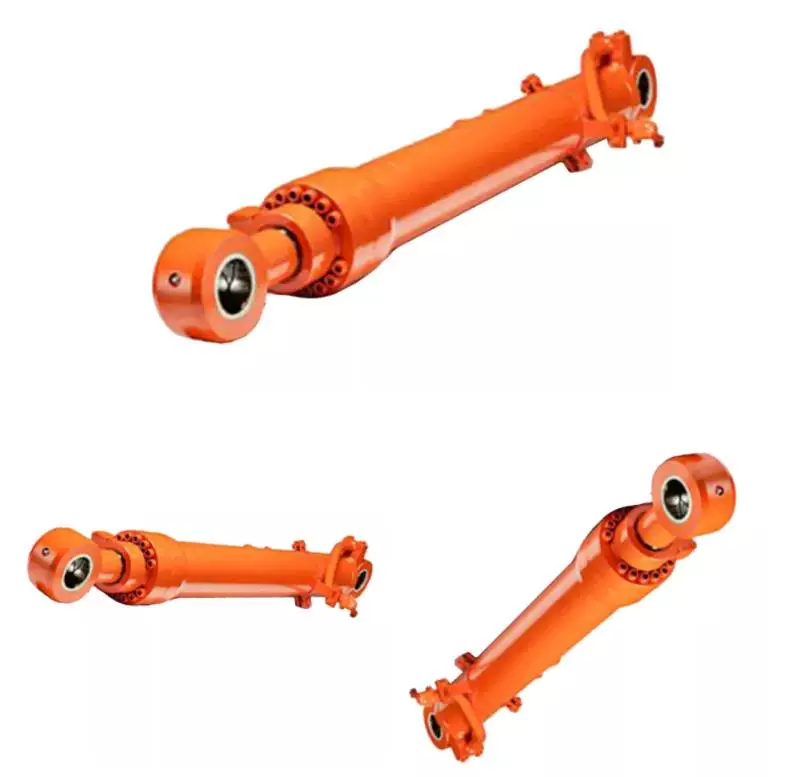
Handling the Challenges of Minimizing Fluid Leaks and Contamination in Hydraulic Cylinders
Hydraulic cylinders face challenges when it comes to minimizing fluid leaks and contamination, as these issues can impact the performance, reliability, and lifespan of the system. However, there are several measures and design considerations that help address these challenges effectively. Let’s explore how hydraulic cylinders handle the challenges of minimizing fluid leaks and contamination:
- Sealing Systems: Hydraulic cylinders employ advanced sealing systems to prevent fluid leaks. These systems typically include various types of seals, such as piston seals, rod seals, and wiper seals. The seals are designed to create a tight and reliable barrier between the moving components of the cylinder and the external environment, minimizing the risk of fluid leakage.
- Seal Material Selection: The choice of seal materials is crucial in minimizing fluid leaks and contamination. Hydraulic cylinder manufacturers carefully select seal materials that are compatible with the hydraulic fluid used and resistant to wear, abrasion, and chemical degradation. This ensures the longevity and effectiveness of the seals, reducing the likelihood of leaks or premature seal failure.
- Proper Installation and Maintenance: Ensuring proper installation and regular maintenance of hydraulic cylinders is essential for minimizing fluid leaks and contamination. During installation, attention should be given to proper alignment, torqueing of bolts, and adherence to recommended procedures. Regular maintenance includes inspecting seals, replacing worn-out components, and addressing any signs of leakage promptly. Proper maintenance practices help identify and rectify issues before they escalate and cause significant problems.
- Contamination Control: Hydraulic cylinders incorporate measures to control contamination and maintain fluid cleanliness. This includes the use of filtration systems, such as in-line filters, to remove particles and contaminants from the hydraulic fluid. Additionally, hydraulic reservoirs often have breathers and desiccant filters to prevent moisture and airborne contaminants from entering the system. By controlling contamination, hydraulic cylinders minimize the risk of damage to internal components and maintain optimal system performance.
- Environmental Protection: Hydraulic cylinders may be equipped with protective features to safeguard against external contaminants. For example, bellows or protective boots can be installed to shield the rod and seals from debris, dirt, or moisture present in the operating environment. These protective measures help extend the life of the seals and enhance the overall reliability of the hydraulic cylinder.
In summary, hydraulic cylinders employ sealing systems, appropriate seal materials, proper installation and maintenance practices, contamination control measures, and environmental protection features to handle the challenges of minimizing fluid leaks and contamination. By implementing these measures, manufacturers can ensure reliable and long-lasting hydraulic cylinder performance, minimize the risk of fluid leakage, and maintain the cleanliness of the hydraulic system.
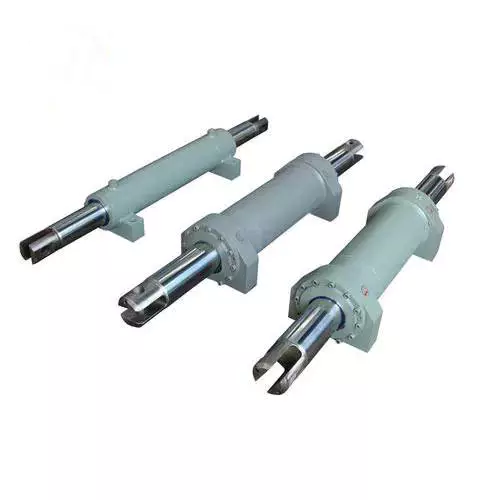
How do hydraulic cylinders ensure precise and controlled movement in equipment?
Hydraulic cylinders are widely used in various equipment and machinery to provide precise and controlled movement. They utilize hydraulic fluid and mechanical components to achieve accurate positioning, smooth operation, and reliable control. Here’s a detailed explanation of how hydraulic cylinders ensure precise and controlled movement in equipment:
1. Hydraulic Principle:
– Hydraulic cylinders operate based on Pascal’s law, which states that pressure exerted on a fluid is transmitted equally in all directions. The hydraulic fluid is contained within the cylinder, and when pressure is applied, it acts on the piston, generating force. By controlling the pressure and flow of hydraulic fluid, the movement of the cylinder can be precisely regulated, allowing for accurate and controlled motion.
2. Force and Load Management:
– Hydraulic cylinders are designed to handle specific loads and forces. The force generated by the hydraulic cylinder depends on the hydraulic pressure and the surface area of the piston. By adjusting the pressure, the force output can be controlled. This allows for precise management of the load and ensures that the cylinder can handle the required force without exerting excessive or insufficient force. Proper load management contributes to the precise and controlled movement of the equipment.
3. Control Valves:
– Control valves play a crucial role in regulating the flow and direction of hydraulic fluid within the cylinder. These valves allow operators to control the extension and retraction of the cylinder, adjust the speed of movement, and stop or hold the cylinder at any desired position. By manipulating the control valves, precise and controlled movement can be achieved, enabling operators to position equipment accurately and perform specific tasks with precision.
4. Flow Control:
– Hydraulic cylinders incorporate flow control valves to manage the rate of hydraulic fluid flow. These valves control the speed of the cylinder’s extension and retraction, allowing for smooth and controlled movement. By adjusting the flow rate, operators can precisely control the speed of the cylinder, ensuring that it moves at the desired rate without sudden or erratic movements. Flow control contributes to the overall precision and control of the equipment’s movement.
5. Position Sensing:
– To ensure precise movement, hydraulic cylinders can be equipped with position sensing devices such as linear transducers or proximity sensors. These sensors provide feedback on the position of the cylinder, allowing for accurate position control and closed-loop control systems. By continuously monitoring the position, the equipment’s movement can be controlled with high accuracy, enabling precise positioning and operation.
6. Proportional Control:
– Advanced hydraulic systems utilize proportional control technology, which allows for precise and fine-tuned control of the hydraulic cylinder’s movement. Proportional valves, often operated by electronic control systems, provide variable flow rates and pressure adjustments. This technology enables precise control of speed, force, and position, resulting in highly accurate and controlled movement of the equipment.
7. Cushioning and Damping:
– Hydraulic cylinders can incorporate cushioning and damping mechanisms to ensure smooth and controlled movement at the end of the stroke. Cushioning features, such as adjustable cushions or shock absorbers, reduce the impact and decelerate the cylinder before reaching the end of the stroke. This prevents abrupt stops and minimizes vibrations, contributing to precise and controlled movement.
8. Load Compensation:
– Some hydraulic systems utilize load compensation mechanisms to maintain precise movement even when the load varies. Load-sensing systems monitor the load demand and adjust the hydraulic pressure and flow accordingly to meet that demand. This compensation ensures that the equipment’s movement remains accurate and controlled, regardless of changes in the applied load.
In summary, hydraulic cylinders ensure precise and controlled movement in equipment through the application of hydraulic principles, force and load management, control valves, flow control, position sensing, proportional control, cushioning and damping mechanisms, and load compensation. These features and technologies allow operators to achieve accurate positioning, smooth operation, and reliable control, enabling equipment to perform tasks with precision and efficiency. The combination of hydraulic power and careful design considerations ensures that hydraulic cylinders deliver precise and controlled movement in a wide range of industrial applications.


editor by CX 2023-11-20
 Kazakh
  English
  Italian
  Portuguese
  Dutch
Dutch  Swedish
  Danish
  Finnish
  Polish
  Hindi
Hindi  Turkish
  Ukrainian
  Romanian
  Spanish
  German
  Russian
  Korean
  Japanese
  Vietnamese
  Thai
Thai  Indonesian
  Malay
Malay  French
  Greek
Greek