
Өнім сипаттамасы
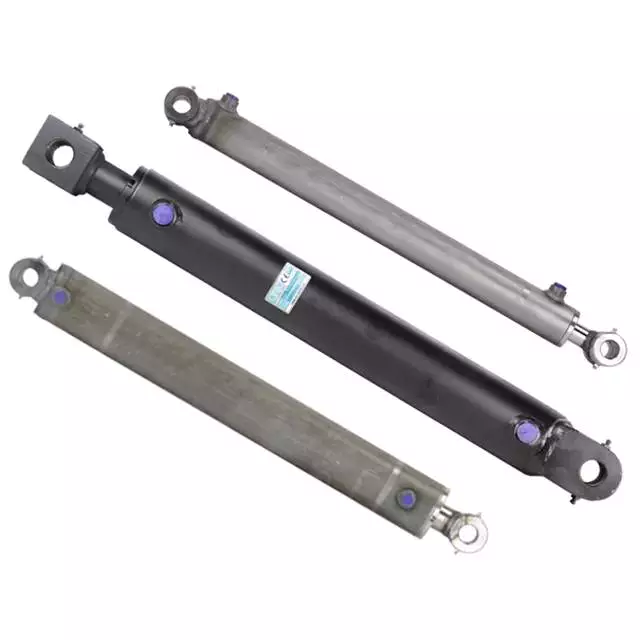
This hydraulic cylinder is specially designed for milling machine.
This cylinder has the characteristics of compact structure and high reliability. The specific connection dimension and size can be designed in accordance with the requirements of main engine.
| Model | Bore Diameter (mm) |
Rod Diameter (mm) |
Инсульт (mm) |
Nominal Pressure (bar) |
| HSG40/25-370*620-WX | 40 | 25 | 370 | 200 |
| Сертификаттау: | ISO9001 |
|---|---|
| Қысым: | High Pressure |
| Жұмыс температурасы: | Қалыпты температура |
| Актерлік тәсіл: | Қос әсерлі |
| Жұмыс әдісі: | Тікелей сапар |
| Түзетілген форма: | Реттелетін түрі |
| Теңшеу: |
Қолжетімді
|
|
|---|
Гидравликалық цилиндрлер қуатты бөлуді және тиімділікті оңтайландыруда қандай рөл атқарады?
Гидравликалық цилиндрлер әртүрлі қолданбаларда қуатты бөлуді және тиімділікті оңтайландыруда маңызды рөл атқарады. Олар құрылыс, өндіріс, ауыл шаруашылығы және көлік сияқты салаларда кеңінен қолданылады, мұнда тиімді қуат беру және дәл басқару маңызды. Гидравликалық цилиндрлердің қуатты бөлуді және тиімділікті оңтайландырудағы рөлі туралы егжей-тегжейлі түсініктеме берілген:
1. Қуат берілісі:
– Гидравликалық цилиндрлер гидравликалық жүйелерде қуат беру құралы ретінде қызмет етеді. Олар гидравликалық сұйықтықтың қысымы мен ағынын сызықтық механикалық күшке айналдырады, бұл жүктемелердің басқарылатын қозғалысын қамтамасыз етеді. Гидравликалық цилиндрлер қуатты гидравликалық сорғы сияқты энергия көзінен жүйенің жұмыс компоненттеріне тиімді түрде береді. Қуатты ұзақ қашықтыққа минималды энергия шығындарымен беру мүмкіндігі гидравликалық цилиндрлерді әртүрлі қолданбалар үшін тиімді таңдау етеді.
2. Жоғары қуат тығыздығы:
– Гидравликалық цилиндрлер жоғары қуат тығыздығын ұсынады, яғни олар өлшемдеріне қатысты айтарлықтай күш шығара алады. Бұл сипаттама айтарлықтай қуат шығара отырып, ықшам және жеңіл гидравликалық жүйелерді пайдалануға мүмкіндік береді. Гидравликалық цилиндрлер тіпті төмен жұмыс жылдамдығында да жоғары күш шығара алады, бұл оларды ауыр жүктемелерде қолдануға жарамды етеді. Гидравликалық цилиндрлердің жоғары қуат тығыздығы жүйенің жалпы өлшемі мен салмағын азайта отырып, күш шығысын барынша арттыру арқылы қуатты бөлуді оңтайландыруға ықпал етеді.
3. Жүктемені өңдеу және басқару:
– Гидравликалық цилиндрлер жүктемені дәл басқару және басқару мүмкіндіктерін қамтамасыз етеді, бұл қуатты бөлуді оңтайландыруға ықпал етеді. Операторлар цилиндрге гидравликалық сұйықтық ағынын реттеу арқылы цилиндрдің қозғалыс жылдамдығын, күшін және бағытын басқара алады. Басқарудың бұл деңгейі жүктемелерді дәл орналастыруға және бірқалыпты жұмыс істеуге мүмкіндік береді, энергия шығынын азайтады және жалпы жүйенің тиімділігін арттырады. Гидравликалық цилиндрлер жүктемені дәл басқаруға және басқаруға мүмкіндік береді, бұл қуатты оңтайлы бөлуге және энергия тиімділігін арттыруға әкеледі.
4. Айнымалы күш және жылдамдық:
– Гидравликалық цилиндрлер айнымалы күш пен жылдамдықты басқарудың артықшылығын ұсынады. Гидравликалық сұйықтық ағынын реттеу арқылы цилиндрдің әсерін қажетінше реттеуге болады. Бұл икемділік гидравликалық жүйелердің әртүрлі жүктеме талаптарына бейімделуіне мүмкіндік береді, қуатты бөлуді оңтайландырады. Гидравликалық цилиндрлер әртүрлі жылдамдықта жұмыс істей алады, бұл жұмыстың әртүрлі кезеңдерінде қуатты тиімді бөлуге мүмкіндік береді. Қолданбаның талаптарына сәйкес күш пен жылдамдықты өзгерту мүмкіндігі энергия тиімділігін және жалпы жүйенің өнімділігін арттырады.
5. Энергияны қалпына келтіру:
– Гидравликалық цилиндрлер энергияны қалпына келтіру механизмдері арқылы энергия тиімділігіне ықпал ете алады. Белгілі бір қолданбаларда гидравликалық жүйелер энергияны сақтау және босату үшін аккумуляторларды пайдаланады. Гидравликалық цилиндрлер баяулау кезінде немесе жүктеме төмендеген кезде энергияны сақтай алады, содан кейін оны кейінгі қозғалыстарға көмектесу үшін босатады. Бұл энергияны қалпына келтіру процесі жүйенің жалпы энергия тұтынуын азайтады, қуатты бөлуді оңтайландырады және тиімділікті арттырады. Энергияны қалпына келтіру және қайта пайдалану мүмкіндігі гидравликалық жүйелердің тұрақтылығы мен үнемділігін арттырады.
6. Интеграцияланған басқару жүйелері:
– Гидравликалық цилиндрлерді серво басқару немесе пропорционалды басқару жүйелері сияқты озық басқару жүйелеріне біріктіруге болады. Бұл жүйелер қуатты бөлу мен тиімділікті оңтайландыру үшін электрондық кері байланысты, сенсорларды және басқару алгоритмдерін пайдаланады. Гидравликалық сұйықтық ағынын үздіксіз бақылау және реттеу арқылы басқару жүйелері цилиндрдің ең тиімді жұмыс нүктесінде жұмыс істеуін қамтамасыз етеді, энергия шығындарын азайтады және қуатты бөлуді барынша арттырады. Интеграцияланған басқару жүйелері гидравликалық жүйелердің жалпы энергия тиімділігін арттырады және қуатты оңтайландыруға ықпал етеді.
7. Жүйенің тиімділігін арттыру:
– Гидравликалық цилиндрлер гидравликалық жүйенің басқа компоненттерімен біріктірілгенде жүйенің жалпы тиімділігін арттыруға ықпал етеді. Тиімді гидравликалық сорғылардың, клапандардың және жетектердің интеграциясы энергия шығындарын, қысымның төмендеуін және жылу өндірісін азайтуға көмектеседі. Тиісті цилиндр өлшемдерін, жұмыс қысымын және басқару стратегияларын таңдауды қоса алғанда, гидравликалық жүйенің дизайнын және конфигурациясын оңтайландыру арқылы қуатты бөлуді оңтайландыруға болады, бұл энергия тиімділігін арттыруға әкеледі. Жүйені дұрыс жобалау және компоненттерді таңдау қуатты бөлудің оңтайлылығы мен тиімділігіне қол жеткізу үшін өте маңызды.
Қорытындылай келе, гидравликалық цилиндрлер әртүрлі қолданбаларда қуатты бөлуді және тиімділікті оңтайландыруда маңызды рөл атқарады. Олар тиімді қуат беруді қамтамасыз етеді, жоғары қуат тығыздығын ұсынады, жүктемені дәл басқаруды қамтамасыз етеді, айнымалы күш пен жылдамдықты басқаруға мүмкіндік береді, энергияны қалпына келтіруді жеңілдетеді, озық басқару жүйелеріне біріктірілуі мүмкін және жалпы жүйенің тиімділігін арттыруға ықпал етеді. Гидравликалық цилиндрлердің мүмкіндіктерін пайдалану арқылы салалар қуатты тиімді пайдалануға, энергия тұтынуды азайтуға және жүйенің өнімділігін жақсартуға қол жеткізе алады.
Ensuring Consistent Force Output for Repetitive Tasks with Hydraulic Cylinders
Hydraulic cylinders are designed to ensure consistent force output for repetitive tasks. This consistency is essential for maintaining precise control, achieving uniform results, and optimizing the performance of hydraulic systems. Let’s explore how hydraulic cylinders achieve consistent force output for repetitive tasks:
- Design and Manufacturing Standards: Hydraulic cylinders are manufactured to meet strict design and manufacturing standards. These standards ensure that the cylinders are built with precision and accuracy, enabling them to deliver consistent force output. The components, such as the piston, cylinder barrel, seals, and valves, are engineered to work together harmoniously, minimizing variations in force generation.
- Pressure Regulation: Hydraulic systems incorporate pressure regulation mechanisms to maintain a constant pressure level. Pressure relief valves, pressure regulators, and pressure-compensated pumps help maintain a consistent hydraulic pressure throughout the system. By regulating the pressure, hydraulic cylinders receive a consistent supply of pressurized fluid, resulting in consistent force output for repetitive tasks.
- Ағынды басқару: Flow control valves are utilized in hydraulic systems to manage the flow rate of hydraulic fluid. These valves regulate the speed at which the fluid enters and exits the hydraulic cylinder, influencing the force output. By controlling the flow rate, hydraulic cylinders can achieve consistent force output for repetitive tasks. This is particularly important when it comes to tasks that require precise and uniform force application.
- Effective Seal Performance: Sealing systems play a crucial role in hydraulic cylinders by preventing fluid leakage and maintaining pressure integrity. High-quality seals and proper installation ensure effective sealing throughout the cylinder’s operation. By minimizing internal leakage, hydraulic cylinders can maintain consistent force output, even during repetitive tasks.
- Maintenance and Inspection: Regular maintenance and inspection of hydraulic cylinders are essential for ensuring consistent force output. By following maintenance schedules, replacing worn-out components, and monitoring cylinder performance, any potential issues that could affect force consistency can be identified and addressed promptly. This proactive approach helps maintain the reliability and performance of hydraulic cylinders over time.
In summary, hydraulic cylinders employ various mechanisms to ensure consistent force output for repetitive tasks. Adherence to design and manufacturing standards, pressure regulation, flow control, effective seal performance, and regular maintenance all contribute to achieving consistent force output. By maintaining precision, minimizing variations, and addressing potential issues, hydraulic cylinders provide reliable and consistent force generation, facilitating the successful completion of repetitive tasks in various applications.
How do hydraulic cylinders handle variations in load and pressure during operation?
Hydraulic cylinders are designed to handle variations in load and pressure during operation, making them versatile and efficient in various applications. Hydraulic systems use the principle of transmitting force through incompressible fluid to generate linear motion. Here’s a detailed explanation of how hydraulic cylinders handle variations in load and pressure:
1. Load Handling:
– Hydraulic cylinders are capable of handling different loads by utilizing the principle of Pascal’s law. According to Pascal’s law, when pressure is applied to a fluid in a confined space, the pressure is transmitted equally in all directions. In a hydraulic cylinder, the force applied to the piston results in an equal force output at the rod end of the cylinder. The size of the piston and the pressure exerted determine the force generated by the cylinder. Therefore, hydraulic cylinders can handle a wide range of loads by adjusting the pressure applied to the fluid.
2. Pressure Compensation:
– Hydraulic systems incorporate pressure compensation mechanisms to handle variations in pressure during operation. Pressure compensating valves or regulators are often used to maintain a consistent pressure in the hydraulic system, regardless of load changes. These valves automatically adjust the flow rate or pressure to ensure stable and controlled operation of the hydraulic cylinder. By compensating for pressure variations, hydraulic cylinders can maintain a consistent force output and prevent damage or instability due to excessive pressure.
3. Control Valves:
– Control valves play a crucial role in managing variations in pressure and load during hydraulic cylinder operation. Directional control valves, such as spool valves or poppet valves, control the flow of hydraulic fluid into and out of the cylinder, enabling precise control of the cylinder’s extension and retraction. By adjusting the position of the control valve, the speed and force exerted by the hydraulic cylinder can be regulated to match the load and pressure requirements of the application. Control valves allow for efficient handling of variations in load and pressure by providing fine-tuned control over the hydraulic system.
4. Accumulators:
– Hydraulic accumulators are often used to handle fluctuations in pressure and load. Accumulators store hydraulic fluid under pressure, which can be released or absorbed as needed to compensate for sudden changes in load or pressure. When the load on the hydraulic cylinder decreases, the accumulator releases stored fluid to maintain pressure and prevent pressure spikes. Conversely, when the load on the cylinder increases, the accumulator absorbs excess fluid to maintain system stability. By utilizing accumulators, hydraulic cylinders can effectively handle variations in load and pressure, ensuring smooth and controlled operation.
5. Feedback and Control Systems:
– Advanced hydraulic systems may incorporate feedback and control systems to monitor and adjust the operation of hydraulic cylinders in real-time. Position sensors or pressure sensors provide feedback on the cylinder’s position, force, and pressure, allowing the control system to make continuous adjustments to optimize performance. These systems can automatically adapt to variations in load and pressure, ensuring precise control and efficient operation of the hydraulic cylinder.
6. Design Considerations:
– Proper design considerations, such as selecting the appropriate cylinder size, piston diameter, and rod diameter, are essential for handling variations in load and pressure. The design should account for the maximum anticipated load and pressure conditions to ensure the hydraulic cylinder operates within its specified range. Additionally, the selection of suitable seals, materials, and components that can withstand the anticipated load and pressure variations is crucial for maintaining the reliability and longevity of the hydraulic cylinder.
By utilizing the principles of hydraulic systems, incorporating pressure compensation mechanisms, employing control valves and accumulators, and implementing feedback and control systems, hydraulic cylinders can effectively handle variations in load and pressure during operation. These features and design considerations allow hydraulic cylinders to adapt and perform optimally in a wide range of applications and operating conditions.


editor by CX 2023-11-08
 Kazakh
  English
  Italian
  Portuguese
  Dutch
Dutch  Swedish
  Danish
  Finnish
  Polish
  Hindi
Hindi  Turkish
  Ukrainian
  Romanian
  Spanish
  German
  Russian
  Korean
  Japanese
  Vietnamese
  Thai
Thai  Indonesian
  Malay
Malay  French
  Greek
Greek