
Өнім сипаттамасы
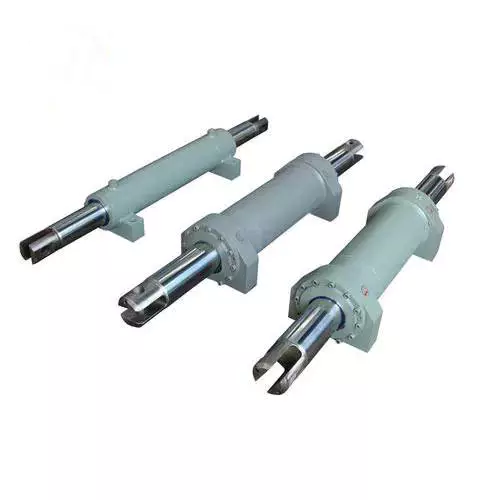
Double acting rear suspension hydraulic cylinder for mining truck
Өнім сипаттамасы
Product Description:
| Work Press | 7/14/16/21/31.5MPa 37.5/63MPa Can be Customized |
| Материал | Aluminum,Cast Iron,45mnb Steel,Stainless Steel, carbon steel |
| Bore Size | 150mm-450mm, Customizable |
| Rod size | 120mm-4000mm, Customizable |
| Stroke length | ≤400mm, Customizable |
| Paint Color | Red,Yellow,Blue,Brown,Customizable |
| Орнату | Сырға, фланец, Clevis.Foot, Trunnion, теңшелетін |
| Уорренти | 18 ай |
| MOQ | 1 pcs |
| Delivery Time | 7-15 Days,Also depands on specific demands |
| Сертификаттау | ISO9001, CE, SGS |
Қолданбалар:
Application:mining truck
Толық фотосуреттер
Өнімді көрсету:
Quality Assurance
Quality Assurance
| Тексеру түрі | Тексеру стандарты |
| Шикізатты тексеру | Сақтау алдында QC шикізатты өлшейді. |
| Процесс материалдарын тексеру | Өндіріс барысында QC кездейсоқ тексеру жүргізеді. Гидравликалық цилиндр бөлшектері келесі процеске өткізілмес бұрын, сапаны бақылау жөніндегі маман тексеруден өтеді. |
| Соңғы функцияны тексеру | Барлық гидравликалық цилиндрлер гидравликалық функционалдық сынақтан өтеді |
Орнату әдісі:
Біздің зауыт:
Біз туралы:
Tianjian Hydraulic. is a leader in the engineering design and manufacture of high pressure hydraulic cylinders that are widely used in the fields of mining, metallurgy, construction machinery, marine, offshore, water engineering, wind power, hydraulic press, agricultural machinery, and so on.
The Tianjian team has almost 8 years experience delivering innovative and dependable solutions to meet OEM high pressure hydraulic cylinder needs.
Мүмкіндігінше, бізбен хабарласқан кезде төмендегі ақпаратты қолданыңыз
Бұрғылау | Шыбық | Инсульт | Жұмыс қысымы | Орнату | Жұмыс ортасы |
|
|
|
|
|
|
Немесе сіз бізге эскиз диаграммаңызды немесе фотосуреттеріңізді ұсына аласыз, сонда біз сіздің мағынаңызды дәл түсінеміз және қателіктерден аулақ болуға көмектесеміз.
Егер сізде үлгілер болса, бізге жібергеннен кейін біз сіздің үлгілеріңізге сәйкес өндіре аламыз.
Уақытыңыз болса, біздің зауытқа қош келдіңіз.
Сіздің қанағаттануыңыз - біздің ең үлкен мотивациямыз.
Енді кез келген сұрақ немесе сұрау бойынша бізбен хабарласа аласыз.
Қаптау және жеткізу:
ЖИІ ҚОЙЫЛАТЫН СҰРАҚТАР:
1, Сіздің компанияңыз немен айналысады?
A: we are a professional supplier of high quality hydraulic cylinders for more than 8 years.
2, Сіз өндірістік компаниясыз ба немесе сауда компаниясысыз ба?
A: We are a manufacturer. Warmly welcome to visit us!
3, Сізде қандай сертификат бар?
A: All our factories are ISO certificated. And our main suppliers of materials and parts are with CE, RoHS, and UL certificates.
4, жеткізу уақыты қанша?
A: The delivery time depends on different products and quantity. The cylinder usually need about 15-60 days.
5, Сіз бөлшектерді тапсырыс берушінің талабы немесе сызбасы бойынша жасай аласыз ба?
A: Иә, біз сіздің сызбаларыңыз үшін OEM жасай аламыз. Біздің инженеріміз сізге техникалық ұсыныстар бойынша кәсіби қолдау көрсете алады.
6, Сіз қандай төлем шарттарын қабылдайсыз?
A: We prefer T/T through bank. 30% when order is confirmed and 70% before shipment. Can be negonatied.
7, Сіздің кепілдік саясатыңыз қандай?
A: Біздің барлық өнімдерімізге материалдар мен өңдеудегі ақауларға жеткізілген күннен бастап 1 жыл бойы кепілдік беріледі. Бұл кепілдік қалыпты жұмыс барысында тозған немесе абайсыздықтан зақымдалған бөлшектерге қолданылмайды. Таза емес гидравликалық май сіздің гидравликалық компоненттеріңізге міндетті түрде зақым келтіретінін еске саламыз. Ал бұл зақым кепілдік ауқымына кірмейді. Сондықтан біз сізге біздің бөлшектерімізді пайдаланған кезде жаңа таза майды пайдалануды немесе жүйелік майдың таза екеніне көз жеткізуді ұсынамыз.
| Сертификаттау: | GS, RoHS, CE, ISO9001 |
|---|---|
| Қысым: | Орташа қысым |
| Жұмыс температурасы: | High Temperature |
| Актерлік тәсіл: | Қос әсерлі |
| Жұмыс әдісі: | Тікелей сапар |
| Түзетілген форма: | Реттелетін түрі |
| Үлгілер: | US$ 600/Piece 1 дана (ең аз тапсырыс) | |
|---|
| Теңшеу: | Қолжетімді |
|
|---|
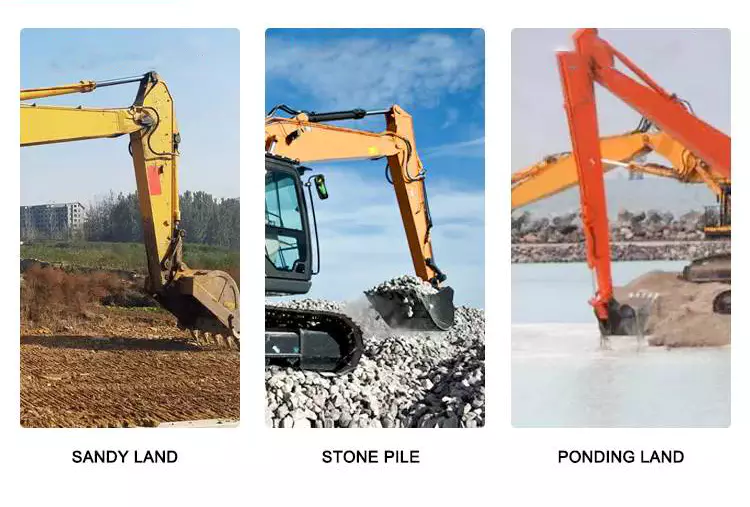
What advancements in hydraulic cylinder technology have improved sealing and reliability?
Advancements in hydraulic cylinder technology have continuously contributed to improving sealing and reliability in hydraulic systems. These advancements aim to address common challenges such as leakage, wear, and failure of seals, ensuring optimal performance and longevity. Here are several key advancements that have significantly improved sealing and reliability in hydraulic cylinders:
1. High-Performance Sealing Materials:
– The development of advanced sealing materials has greatly improved the sealing capabilities of hydraulic cylinders. Traditional sealing materials like rubber have been replaced or enhanced with high-performance materials such as polyurethane, PTFE (polytetrafluoroethylene), and various composite materials. These materials offer superior resistance to wear, temperature, and chemical degradation, resulting in improved sealing performance and extended seal life.
2. Enhanced Seal Designs:
– Advancements in seal designs have focused on improving sealing efficiency and reliability. Innovative seal profiles, such as lip seals, wipers, and scrapers, have been developed to optimize fluid retention and prevent contamination. These designs provide better sealing performance, minimizing the risk of fluid leakage and maintaining system integrity. Additionally, improved seal geometries and manufacturing techniques ensure tighter tolerances, reducing the potential for seal failure due to misalignment or extrusion.
3. Integrated Seal and Bearing Systems:
– Hydraulic cylinders now incorporate integrated seal and bearing systems, where the sealing elements also serve as bearing surfaces. This design approach reduces the number of components and potential failure points, improving overall reliability. By integrating seals and bearings, the risk of seal damage or displacement due to excessive loads or misalignment is minimized, resulting in enhanced sealing performance and increased reliability.
4. Advanced Coatings and Surface Treatments:
– The application of advanced coatings and surface treatments to hydraulic cylinder components has significantly improved sealing and reliability. Coatings such as chrome plating or ceramic coatings enhance surface hardness, wear resistance, and corrosion resistance. These surface treatments provide a smoother and more durable surface for seals to operate against, reducing friction and improving sealing performance. Moreover, specialized coatings can also provide self-lubricating properties, reducing the need for additional lubrication and enhancing reliability.
5. Sealing System Monitoring and Diagnostic Technologies:
– The integration of monitoring and diagnostic technologies in hydraulic systems has revolutionized seal performance and reliability. Sensors and monitoring systems can detect and alert operators to potential seal failures or leaks before they escalate. Real-time monitoring of pressure, temperature, and seal performance parameters allows for proactive maintenance and early intervention, preventing costly downtime and ensuring optimal sealing and reliability.
6. Computational Modeling and Simulation:
– Computational modeling and simulation techniques have played a significant role in advancing hydraulic cylinder sealing and reliability. These tools enable engineers to analyze and optimize seal designs, fluid flow dynamics, and contact stresses. By simulating various operating conditions, potential issues such as seal extrusion, wear, or leakage can be identified and mitigated early in the design phase, resulting in improved sealing performance and enhanced reliability.
7. Systematic Maintenance Practices:
– Advances in hydraulic cylinder technology have also emphasized the importance of systematic maintenance practices to ensure sealing and overall system reliability. Regular inspection, lubrication, and replacement of seals, as well as routine system flushing and filtration, help prevent premature seal failure and optimize sealing performance. Implementing preventive maintenance schedules and adhering to recommended service intervals contribute to extended seal life and enhanced reliability.
In summary, advancements in hydraulic cylinder technology have led to significant improvements in sealing and reliability. High-performance sealing materials, enhanced seal designs, integrated seal and bearing systems, advanced coatings and surface treatments, sealing system monitoring and diagnostics, computational modeling and simulation, and systematic maintenance practices have all played key roles in achieving optimal sealing performance and increased reliability. These advancements have resulted in more efficient and dependable hydraulic systems, minimizing leakage, wear, and failure of seals, and ultimately improving the overall performance and longevity of hydraulic cylinders in diverse applications.
Гидравликалық цилиндрлердің ауытқып тұратын жүктемелер кезінде тұрақты жұмысын қамтамасыз ету
Гидравликалық цилиндрлер ауытқып тұратын жүктемелер кезінде де тұрақты жұмыс істеуді қамтамасыз етуге арналған. Олар мұны жүктемені тиімді басқаруға және өтеуге мүмкіндік беретін әртүрлі механизмдер мен мүмкіндіктер арқылы жүзеге асырады. Гидравликалық цилиндрлер ауытқып тұратын жүктемелер кезінде тұрақты жұмыс істеуді қалай қамтамасыз ететінін қарастырайық:
- Поршень дизайны: Гидравликалық цилиндрдің ішіндегі поршень жүктемені басқаруда маңызды рөл атқарады. Әдетте ол гидравликалық сұйықтықтың ағып кетуіне жол бермейтін және күштің тиімді берілуін қамтамасыз ететін тығыздағыштармен және сақиналармен жабдықталған. Поршень конструкциясы жүктемені бірнеше беттерге бөлу арқылы жүктемені көтеру мүмкіндіктерін және тұрақтылықты жақсартатын сатылы немесе тандемді поршеньдер сияқты мүмкіндіктерді қамтуы мүмкін.
- Цилиндрді жастықшамен жабу: Гидравликалық цилиндрлерде көбінесе ауытқып тұратын жүктемелерден туындайтын соққы мен соққыны азайту үшін амортизациялау механизмдері болады. Амортизациялауға реттелетін амортизациялау бұрандалары, гидравликалық амортизациялау клапандары немесе эластомерлі амортизациялау сақиналары сияқты әртүрлі әдістер арқылы қол жеткізуге болады. Бұл механизмдер жүріс соңына жақын поршеньнің қозғалысын баяулатады, соққыны азайтады және тұрақсыздыққа әкелуі мүмкін кенеттен тоқтап қалудың алдын алады.
- Қысымның өтемақысы: Ауыспалы жүктемелер гидравликалық жүйедегі қысымның өзгеруіне әкелуі мүмкін. Тұрақты жұмыс істеуін қамтамасыз ету үшін гидравликалық цилиндрлер қысымды өтеу механизмдерімен жабдықталған. Бұл механизмдер жүктеменің өзгеруіне қарамастан жүйеде қысымның тұрақты деңгейін ұстап тұрады. Қысымды өтеуге қысымды төмендету клапандарын, өтемдік поршеньдерді немесе қысыммен өтемделген ағынды басқару клапандарын пайдалану арқылы қол жеткізуге болады.
- Ағынды басқару: Гидравликалық цилиндрлерде цилиндрдің қозғалыс жылдамдығын реттеу үшін ағынды басқару клапандары жиі болады. Гидравликалық сұйықтықтың ағын жылдамдығын басқару арқылы цилиндрдің қозғалысын өзгеретін жүктеме жағдайларына сәйкестендіруге болады. Ағынды басқару клапандары тұрақсыздыққа әкелуі мүмкін кенеттен өзгерістердің алдын алып, тегіс және бақыланатын қозғалысты қамтамасыз етеді.
- Кері байланыс жүйелері: Ауыспалы жүктемелер кезінде тұрақты жұмыс істеуін қамтамасыз ету үшін гидравликалық цилиндрлерді кері байланыс жүйелерімен біріктіруге болады. Бұл жүйелер цилиндрдің орналасуы, жылдамдығы және күші туралы нақты уақыт режимінде ақпарат береді. Бұл параметрлерді үздіксіз бақылау арқылы гидравликалық жүйе тұрақтылықты сақтау және жүктеме ауытқуларын өтеу үшін дереу түзетулер енгізе алады. Кері байланыс жүйелеріне нақты қолданысқа байланысты орналасу сенсорлары, қысым сенсорлары немесе жүктеме сенсорлары кіруі мүмкін.
- Дұрыс өлшем және таңдау: Ауыспалы жүктемелер кезінде тұрақты жұмыс істеуін қамтамасыз ету гидравликалық цилиндрлерді дұрыс өлшемдеуден және таңдаудан басталады. Күтілетін жүктеме жағдайларына сәйкес келетін тиісті тесік өлшемі, шыбық диаметрі және жүріс ұзындығы бар цилиндрлерді таңдау өте маңызды. Шамадан тыс немесе кіші цилиндрлер тұрақсыздыққа және өнімділіктің төмендеуіне әкелуі мүмкін. Дұрыс өлшемдеу сонымен қатар қажетті күш, жылдамдық және қолдану циклі сияқты факторларды ескеруді қамтиды.
Қорытындылай келе, гидравликалық цилиндрлер поршень дизайны, амортизация механизмдері, қысымды өтеу, ағынды басқару, кері байланыс жүйелері және дұрыс өлшемдеу мен таңдау сияқты мүмкіндіктер арқылы ауытқып тұратын жүктемелер кезінде тұрақты жұмыс істеуді қамтамасыз етеді. Бұл механизмдер мен ескерулер гидравликалық цилиндрлерге динамикалық жүктеме жағдайында да тұрақты және бақыланатын қозғалысты қамтамасыз етуге мүмкіндік береді, бұл сенімді және тұрақты жұмыс істеуге әкеледі.
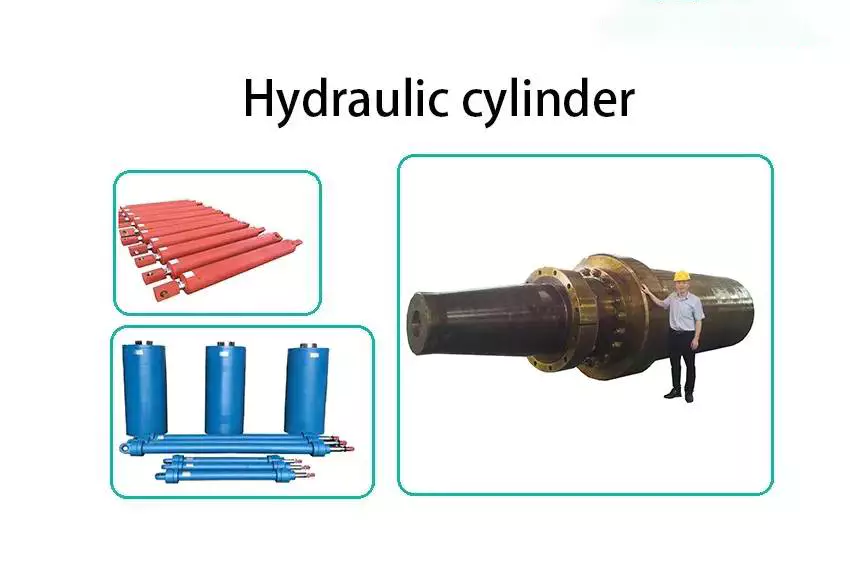
How do hydraulic cylinders handle variations in load and pressure during operation?
Hydraulic cylinders are designed to handle variations in load and pressure during operation, making them versatile and efficient in various applications. Hydraulic systems use the principle of transmitting force through incompressible fluid to generate linear motion. Here’s a detailed explanation of how hydraulic cylinders handle variations in load and pressure:
1. Load Handling:
– Hydraulic cylinders are capable of handling different loads by utilizing the principle of Pascal’s law. According to Pascal’s law, when pressure is applied to a fluid in a confined space, the pressure is transmitted equally in all directions. In a hydraulic cylinder, the force applied to the piston results in an equal force output at the rod end of the cylinder. The size of the piston and the pressure exerted determine the force generated by the cylinder. Therefore, hydraulic cylinders can handle a wide range of loads by adjusting the pressure applied to the fluid.
2. Pressure Compensation:
– Hydraulic systems incorporate pressure compensation mechanisms to handle variations in pressure during operation. Pressure compensating valves or regulators are often used to maintain a consistent pressure in the hydraulic system, regardless of load changes. These valves automatically adjust the flow rate or pressure to ensure stable and controlled operation of the hydraulic cylinder. By compensating for pressure variations, hydraulic cylinders can maintain a consistent force output and prevent damage or instability due to excessive pressure.
3. Control Valves:
– Control valves play a crucial role in managing variations in pressure and load during hydraulic cylinder operation. Directional control valves, such as spool valves or poppet valves, control the flow of hydraulic fluid into and out of the cylinder, enabling precise control of the cylinder’s extension and retraction. By adjusting the position of the control valve, the speed and force exerted by the hydraulic cylinder can be regulated to match the load and pressure requirements of the application. Control valves allow for efficient handling of variations in load and pressure by providing fine-tuned control over the hydraulic system.
4. Accumulators:
– Hydraulic accumulators are often used to handle fluctuations in pressure and load. Accumulators store hydraulic fluid under pressure, which can be released or absorbed as needed to compensate for sudden changes in load or pressure. When the load on the hydraulic cylinder decreases, the accumulator releases stored fluid to maintain pressure and prevent pressure spikes. Conversely, when the load on the cylinder increases, the accumulator absorbs excess fluid to maintain system stability. By utilizing accumulators, hydraulic cylinders can effectively handle variations in load and pressure, ensuring smooth and controlled operation.
5. Feedback and Control Systems:
– Advanced hydraulic systems may incorporate feedback and control systems to monitor and adjust the operation of hydraulic cylinders in real-time. Position sensors or pressure sensors provide feedback on the cylinder’s position, force, and pressure, allowing the control system to make continuous adjustments to optimize performance. These systems can automatically adapt to variations in load and pressure, ensuring precise control and efficient operation of the hydraulic cylinder.
6. Design Considerations:
– Proper design considerations, such as selecting the appropriate cylinder size, piston diameter, and rod diameter, are essential for handling variations in load and pressure. The design should account for the maximum anticipated load and pressure conditions to ensure the hydraulic cylinder operates within its specified range. Additionally, the selection of suitable seals, materials, and components that can withstand the anticipated load and pressure variations is crucial for maintaining the reliability and longevity of the hydraulic cylinder.
By utilizing the principles of hydraulic systems, incorporating pressure compensation mechanisms, employing control valves and accumulators, and implementing feedback and control systems, hydraulic cylinders can effectively handle variations in load and pressure during operation. These features and design considerations allow hydraulic cylinders to adapt and perform optimally in a wide range of applications and operating conditions.


editor by CX 2023-10-18
 Kazakh
  English
  Italian
  Portuguese
  Dutch
Dutch  Swedish
  Danish
  Finnish
  Polish
  Hindi
Hindi  Turkish
  Ukrainian
  Romanian
  Spanish
  German
  Russian
  Korean
  Japanese
  Vietnamese
  Thai
Thai  Indonesian
  Malay
Malay  French
  Greek
Greek