
Өнім сипаттамасы
About Us
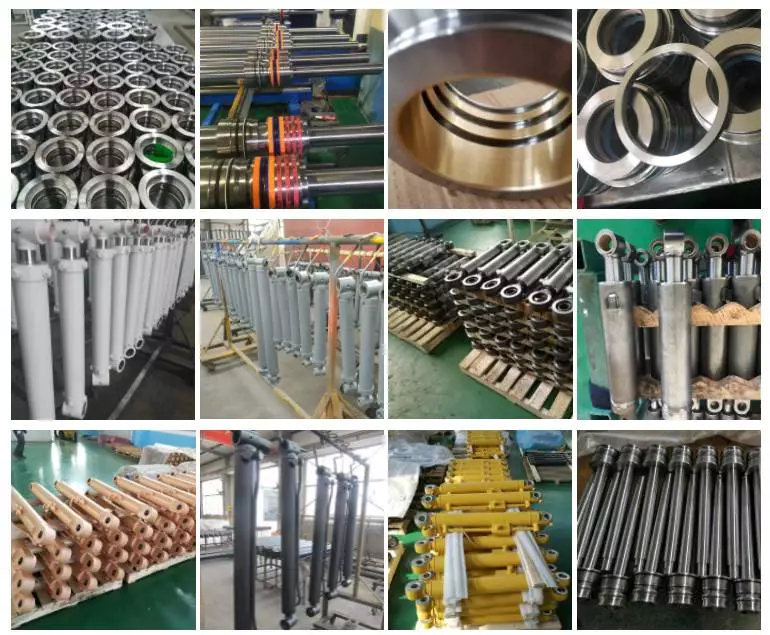
Established in 1988 , HangZhou LD Machinery Co, LTD. (hereinafter referred to “LD”) is a leading manufacturer specializing in the design, research, development, manufacture and marketing in the hydraulic industry. Being one of major suppliers of customized components and cylinders for manufacturers spreaded all over the world, the company is committed to offer high quality products with competitive prices and excellent service worldwide.
Headquartered in HangZhou City, ZHangZhoug Province, the company wholly owns a subsidiary production factory named “HangZhou YUEWEI Hydraulic Technology Co., Ltd”, which covers an area of more than 380,000 square meters , possesses abundant technical strength and sound production management system, superior machining production equipment, strict and effective quality control system, advanced and excellent inspection instruments.
More than 35 years experience in machining industry, with over 10 experienced technical engineers and 150 skilled workers, LD has a senior engineering technical team with special skills and rich experience in product design, casting, forging, and CNC machining, can handle special material, structure, defect and processing, meet the evolving needs, and provide optimal solution and real one-stop service to customers.
Hydraulic Cylinder Producing Process
Step1: Quality Control on Raw Material
We have our own lab in factory, inspect the raw material and do the test. For every batch of material we received, we will ask supplier provide their certificate, and then cut them to do the test again to see if the results match the certification. Also, every batch we received, we will cut them into pieces to check the air bubbles. Once they are all qualified, we will accept it, and all detail information will be recording in our ERP system. We will also pay lot of attention on the salt spray test for chrome rod. Every month, we will cut the material, put them into test machine to see if it reach the requirement. All the result will be recorded at our QC department. If customer need, we can provide it.
Step2: Quality Control on Machining
we start doing components machining from 1988 with 36 years experience now and insist doing 100% inspection. We spend lots of money, invest on auto robots and machines. Now half of the producing line is by robot so that we can ensure our quality be stable good. For every part of the cylinder, we do 3 times inspecting. Firstly, workers will do self inspection. Secondly, we have tour-hour inspection checking the products, 2 times in the morning and 2 times in the afternoon, make sure that every step is good. After the products are all completed, we will do 100% inspection. For thread, for the tolerance, everything, we need double check. Also, we have specific warehouse just for the measuring tools. Every inspector have their own measuring tool and we will check the measuring tools regularly to make sure they are all in good condition, so that the measuring results will be convincing.
Step3: Quality Control on Welding
We are qualified to AWS certification, which is very popular in North American market. First, for the visual test, we will make sure that every components are welded good, look beautiful. And the second, we need to check the penetration. We have more than 15 years experience, we do know what kind of designing angle can make the cylinder welding strong. Once we finish the first article, we will cut it and analyse the welding to see if it is fulfill the groove. And then do the radiographic testing to make sure there is no gap inside. What’s more, we will do the ultrasonic test to check the program for the robot. Now 80% of welding is doing by robot. Once the program confirmed, no 1 can change it unless the welding manager, and they only have 5% right.
Step4: Quality Control on Assembling
For assembling, we have some difference with others. The brand we uses for seals are all those famous brand like Aston, Parker, Hallite. The cylinder we give to our customer has 2 years warranty. For our company, we engrave our part number and manufacturing date for the quality warranty. So no matter for seals or any others, as long as they are parts of cylinder, if it is under 2 years, we will take responsibility for them. And we will do the test for every cylinder like for pressure after we finish assembling.
Step5: Quality Control on Painting
We have our half auto painting line. Right now, we can paint about 1500 cylinders per day, which is about 1 container. Before we do the painting, we will do the wash first and for every cylinder, we will test for hardness, thickness and adhesion to make sure the painting are all good, which will be recorded into OQC report, print out and stick on the box, ship to you with your products.
Step6: Hydraulic Cylinder Packing
For every cylinder, we have the stick to show the detail information like bore size, stroke and working pressure. And we will use individual plastic bag packing. If customer need, we can also use individual carton box packing. We will fasten 1 floor after 1 floor with plat, so customer can only cut what they need and other layer will still be fasten. Moreover, there will be plywood pallet or plywood box for customer choosing. We will also send the loading picture to customer after we ship them to make sure everything is well loaded in China.
Packing Reference
Order Process
Enterprise Features
FAQ
Q1. What is LD product’s quality assurance?
100% inspection for each product before shipping with inspection rereport for tracking.
Q2: How long is the warranty on LD products?
The warranty is 2 years for general products since the date of shipment.
Q3: How LD deal with the quality problem during warranty period?
1. LD will take the corresponding cost caused by customer local reparing.
2. LD will provide the product by free if the repair cost is higher than the product value, but the freight involved shall be borne by customer side.
Q4: How to ensure the order can be shipped on time?
LD will send the “production schedule” every week after receiving customers’ orders. If any delays, LD will inform customers 3 weeks in advance, so as to facilitate the customer to arrange the schedule.
Q5: Does LD offer delivery service?
Yes. LD has deep cooperation with logistics companies all over the world to provide customers with quick and convenient “Door-to-Door services”,including sea, air and express.
Q6: How LD control the product quality?
1. Raw materials: We will test the material of each batch of raw materials we receive, and the piston rod will be tested with salt spray. This is to ensure that the material of our products meets the requirements at the beginning.
2. Processing: We have the leading machining equipment, and obtained ISO9001 certification.
3. Welding: Our factory is equipped with welding robots, and has obtained the AWS certification.
4. Assembly pressure test: 100% testing with OQC report for cHangZhou. The seals we use are: Hallite, Aston and Gapi
/* March 10, 2571 17:59:20 */!function(){function s(e,r){var a,o={};try{e&&e.split(“,”).forEach(function(e,t){e&&(a=e.match(/(.*?):(.*)$/))&&1
| Surface Treatment: | Hard Chrome, Zinc, Copper |
|---|---|
| MOQ: | 50PCS |
| Operating Temperature: | -40 Degree to +120 Degree |
| Chrome Plating: | Hard Chrome Plated |
| Leading Time: | 40-50 Working Days After Receiving Signed Drawings |
| Paint Color: | Customization, Black, Red, Gray, Yellow, Blue |
| Теңшеу: | Қолжетімді |
|
|---|
What advancements in hydraulic cylinder technology have improved energy efficiency?
Advancements in hydraulic cylinder technology have led to significant improvements in energy efficiency, allowing hydraulic systems to operate more efficiently and reduce energy consumption. These advancements aim to minimize energy losses, optimize system performance, and enhance overall efficiency. Here’s a detailed explanation of some key advancements in hydraulic cylinder technology that have improved energy efficiency:
1. Efficient Hydraulic Circuit Design:
– The design of hydraulic circuits has evolved to improve energy efficiency. Advancements in circuit design techniques, such as load-sensing, pressure-compensated systems, or variable displacement pumps, help match the hydraulic power output to the actual load requirements. These designs reduce unnecessary energy consumption by adjusting the flow and pressure levels according to the system demands, rather than operating at a fixed high pressure.
2. High-Efficiency Hydraulic Fluids:
– The development of high-efficiency hydraulic fluids, such as low-viscosity or synthetic fluids, has contributed to improved energy efficiency. These fluids offer lower internal friction and reduced resistance to flow, resulting in decreased energy losses within the system. Additionally, advanced fluid additives and formulations enhance lubrication properties, reducing friction and optimizing the overall efficiency of hydraulic cylinders.
3. Advanced Sealing Technologies:
– Seal technology has advanced significantly, leading to improved energy efficiency in hydraulic cylinders. High-performance seals, such as low-friction or low-leakage seals, minimize internal leakage and friction losses. Reduced internal leakage helps maintain system pressure more effectively, resulting in less energy waste. Additionally, innovative sealing materials and designs enhance durability and extend seal life, reducing the need for frequent maintenance and replacement.
4. Electro-Hydraulic Control Systems:
– The integration of advanced electro-hydraulic control systems has greatly contributed to energy efficiency improvements. By combining electronic control with hydraulic power, these systems enable precise control over cylinder operation, optimizing energy usage. Proportional or servo valves, along with position or force feedback sensors, allow for accurate and responsive control, ensuring that hydraulic cylinders operate at the required level of performance while minimizing energy waste.
5. Energy Recovery Systems:
– Energy recovery systems, such as hydraulic accumulators, have been increasingly utilized to improve energy efficiency in hydraulic cylinder applications. Accumulators store excess energy during low-demand periods and release it when there is a peak demand, reducing the need for the hydraulic pump to provide the full power continuously. By utilizing stored energy, these systems can significantly reduce energy consumption and improve overall system efficiency.
6. Smart Monitoring and Control:
– Advancements in smart monitoring and control technologies have enabled real-time monitoring of hydraulic systems, allowing for optimized energy usage. Integrated sensors, data analytics, and control algorithms provide insights into system performance and energy consumption, enabling operators to make informed decisions and adjustments. By identifying inefficiencies or suboptimal operating conditions, energy consumption can be minimized, leading to improved energy efficiency.
7. System Integration and Optimization:
– The integration and optimization of hydraulic systems as a whole have played a significant role in improving energy efficiency. By considering the entire system layout, component sizing, and interaction between different elements, engineers can design hydraulic systems that operate in the most energy-efficient manner. Proper sizing of components, minimizing pressure drops, and reducing unnecessary piping or valve restrictions all contribute to improved energy efficiency of hydraulic cylinders.
8. Research and Development:
– Ongoing research and development efforts in the field of hydraulic cylinder technology continue to drive energy efficiency advancements. Innovations in materials, component design, system modeling, and simulation techniques help identify areas for improvement and optimize energy usage. Additionally, collaboration between industry stakeholders, research institutions, and regulatory bodies fosters the development of energy-efficient hydraulic cylinder technologies.
In summary, advancements in hydraulic cylinder technology have resulted in notable improvements in energy efficiency. Efficient hydraulic circuit designs, high-efficiency hydraulic fluids, advanced sealing technologies, electro-hydraulic control systems, energy recovery systems, smart monitoring and control, system integration and optimization, as well as ongoing research and development efforts, all contribute to reducing energy consumption and enhancing the overall energy efficiency of hydraulic cylinders. These advancements not only benefit the environment but also offer cost savings and improved performance in various hydraulic applications.
Ensuring Controlled and Safe Force Application in Heavy Machinery with Hydraulic Cylinders
Hydraulic cylinders play a critical role in heavy machinery by ensuring controlled and safe force application. The ability to exert and control high forces is essential for heavy machinery operations, such as lifting, pressing, pushing, or pulling heavy loads. Let’s explore how hydraulic cylinders ensure controlled and safe force application in heavy machinery:
- Force Control: Hydraulic cylinders provide precise force control capabilities. The hydraulic system’s pressure can be adjusted to regulate the force exerted by the cylinder. This control allows operators to apply the necessary force for a specific task while ensuring it remains within safe limits. By accurately controlling the force, hydraulic cylinders help prevent excessive force that could damage the machinery or compromise the safety of the operation.
- Load Balancing: In heavy machinery, multiple hydraulic cylinders are often used in conjunction to distribute and balance the applied force. By using multiple cylinders, the load can be evenly distributed across the machinery, minimizing stress concentrations and ensuring controlled force application. This load balancing approach enhances the stability and safety of the machinery, preventing uneven loading that could lead to structural issues or instability.
- Safety Valves: Hydraulic systems in heavy machinery are equipped with safety valves to protect against excessive force or overloading. Safety valves are designed to release hydraulic fluid from the cylinder when the force exceeds a predetermined threshold. This prevents the force from reaching dangerous levels, safeguarding the machinery and preventing potential accidents or damage. Safety valves provide an additional layer of safety and ensure controlled force application even in unexpected circumstances.
- Pressure Relief Systems: Hydraulic cylinders incorporate pressure relief systems to further enhance safety. These systems are designed to relieve excess pressure in the hydraulic system, which could occur due to factors such as thermal expansion or system malfunctions. By relieving excess pressure, the pressure relief systems prevent sudden and uncontrolled force surges, maintaining safe and controlled force application in heavy machinery.
- Structural Integrity: Hydraulic cylinders are designed to withstand the high forces and loads associated with heavy machinery applications. The cylinders are constructed using robust materials, such as high-strength steel, and undergo rigorous testing to ensure their structural integrity. This ensures that the cylinders can safely handle the forces applied during heavy machinery operations without experiencing failures or deformations that could compromise the safety and controlled force application.
In summary, hydraulic cylinders ensure controlled and safe force application in heavy machinery through force control, load balancing, safety valves, pressure relief systems, and robust structural design. These features and design considerations enable operators to exert the necessary force while maintaining safety and preventing excessive loads or force surges. By incorporating hydraulic cylinders into heavy machinery, manufacturers can achieve controlled force application, enhance operational safety, and protect the machinery from damage or failure.
Гидравликалық цилиндрлер жүріс ұзындығы мен күш талаптарының өзгеруіне қалай бейімделеді?
Гидравликалық цилиндрлер жүріс ұзындығы мен күш талаптарының ауытқуларын ескере отырып жасалған, бұл әртүрлі қолданбаларға икемділік пен бейімделуді қамтамасыз етеді. Оларды поршень диаметрі, шыбық диаметрі, гидравликалық қысым және цилиндр дизайны сияқты факторларды ескере отырып, нақты қажеттіліктерді қанағаттандыру үшін бейімдеуге болады. Гидравликалық цилиндрлердің жүріс ұзындығы мен күш талаптарының ауытқуларын қалай ескеретіні туралы егжей-тегжейлі түсініктеме берілген:
1. Цилиндрдің өлшемі мен дизайны:
– Гидравликалық цилиндрлер әртүрлі жүріс ұзындықтары мен күш талаптарын қанағаттандыру үшін әртүрлі өлшемдер мен конструкцияларда болады. Цилиндрдің диаметрі, поршень ауданы және шыбық диаметрі күш шығысын анықтайтын негізгі факторлар болып табылады. Үлкен цилиндр диаметрлері мен поршень аудандары үлкен күш тудыруы мүмкін, ал кіші диаметрлер аз күш қажет ететін қолданбаларға жарамды. Тиісті цилиндр өлшемі мен конструкциясын таңдау арқылы жүріс ұзындықтары мен күш талаптарын тиімді түрде қанағаттандыруға болады.
2. Поршень және шыбық конфигурациялары:
– Гидравликалық цилиндрлерді жүріс ұзындығының ауытқуларын ескере отырып, әртүрлі поршень мен штанга конфигурацияларымен жобалауға болады. Бір реттік цилиндрлерде бір поршень болады және бір бағытта жүріс жасай алады. Екі реттік цилиндрлерде екі жағында да поршень болады, бұл екі бағытта да жүріс жасауға мүмкіндік береді. Телескопиялық цилиндрлер созылып, тартыла алатын бірнеше сатыдан тұрады, бұл стандартты цилиндрлермен салыстырғанда жүріс ұзындығын ұзартады. Тиісті поршень мен штанга конфигурациясын таңдау арқылы қажетті жүріс ұзындығына қол жеткізуге болады.
3. Гидравликалық қысым және ағын:
– Цилиндрге берілетін гидравликалық қысым мен ағын жылдамдығы күш талаптарының ауытқуларын ескеруде маңызды рөл атқарады. Гидравликалық қысымды арттыру цилиндрдің күш шығысын арттырады, бұл оған жоғары күш талаптарын орындауға мүмкіндік береді. Гидравликалық клапандар мен сорғылар арқылы қысым мен ағын жылдамдығын реттеу арқылы күш шығысын басқаруға және қолданудың нақты талаптарына сәйкестендіруге болады.
4. Теңшеу және тігу:
– Гидравликалық цилиндрлерді белгілі бір жүріс ұзындығы мен күш талаптарына сәйкестендіру үшін теңшеуге және бейімдеуге болады. Өндірушілер цилиндр өлшемдерінің, жүріс ұзындықтарының және күш сыйымдылықтарының кең ауқымын ұсынады. Сонымен қатар, арнайы жүріс ұзындығы мен күш талаптары бар бірегей қолданбаларға сәйкес келетін арнайы жасалған цилиндрлерді жасауға болады. Гидравликалық цилиндр өндірушілерімен тығыз ынтымақтастық арқылы қажетті жүріс ұзындығы мен күш талаптарына дәл сәйкес келетін цилиндрлерді алуға болады.
5. Бірнеше цилиндр және синхрондау:
– Жоғары күшті немесе ұзын жүріс ұзындығын қажет ететін қолданбаларда бірнеше гидравликалық цилиндрлерді бірге пайдалануға болады. Гидравликалық жүйе арқылы бірнеше цилиндрдің қозғалысын синхрондау арқылы жүріс ұзындығы мен күш шығысын тиімді түрде арттыруға болады. Синхрондауды механикалық байланыстарды, электрондық басқару элементтерін немесе гидравликалық тізбектерді пайдаланып жүзеге асыруға болады, бұл цилиндрлер бойынша үйлесімді қозғалыс пен күштің таралуын қамтамасыз етеді.
6. Жүктемені сезу және қысымды басқару:
– Гидравликалық жүйелер күш талаптарының ауытқуларын ескеру үшін жүктемені сезу және қысымды басқару механизмдерін қамтуы мүмкін. Жүктемені сезу жүйелері жүктемеге деген сұранысты бақылайды және гидравликалық қысымды тиісінше реттейді, бұл цилиндрдің шамадан тыс күш жұмсамай қажетті күшті беретініне көз жеткізеді. Қысымды басқару клапандары гидравликалық жүйедегі қысымды реттейді, бұл қолданбаның қажеттіліктеріне негізделген күш шығысын дәл басқаруға және реттеуге мүмкіндік береді.
7. Қауіпсіздік мәселелері:
– Жүріс ұзындығы мен күш талаптарының ауытқуларын ескерген кезде қауіпсіздік факторларын ескеру қажет. Гидравликалық цилиндрлер күтпеген жүктемелерге немесе жұмыс жағдайларының ауытқуларына төтеп беру үшін тиісті қауіпсіздік шегімен таңдалуы және жобалануы керек. Күш шегінен асып кеткен жағдайларда зақымдануды немесе істен шығуды болдырмау үшін шамадан тыс жүктемеден қорғау клапандары және қысымды төмендету клапандары сияқты қауіпсіздік механизмдерін енгізуге болады.
Цилиндр өлшемі мен дизайны, поршень мен шыбық конфигурациялары, гидравликалық қысым мен ағын, теңшеу опциялары, синхрондау, жүктемені сезу, қысымды басқару және қауіпсіздік мәселелері сияқты факторларды ескере отырып, гидравликалық цилиндрлер жүріс ұзындығы мен күш талаптарының ауытқуларын тиімді түрде бейімдей алады. Бұл икемділік гидравликалық цилиндрлерді кең ауқымды қолданбалардың нақты талаптарын қанағаттандыру үшін бейімдеуге мүмкіндік береді, бұл оңтайлы өнімділік пен тиімділікті қамтамасыз етеді.


editor by CX 2024-01-15
 Kazakh
  English
  Italian
  Portuguese
  Dutch
Dutch  Swedish
  Danish
  Finnish
  Polish
  Hindi
Hindi  Turkish
  Ukrainian
  Romanian
  Spanish
  German
  Russian
  Korean
  Japanese
  Vietnamese
  Thai
Thai  Indonesian
  Malay
Malay  French
  Greek
Greek