
제품 설명
50t 100t 150t 200t 250t 300t 350t 400t hydraulic jacks hydraulic cylinders price
1.Describe:
Hydraulic cylinder can bear partial loading is 5% of rated pressure. High pressure alloy cylinder is very durable, especially in the larger project, it is easily to be operated and control. It can be used for lifting heavy machine, bridge project, hydraulic engineering, harbour construction and other equipment. It has large output, light weight, remote control and other advantages, it can match with our high pressure oil pump, it can reach jack, push, pull and extrusion and kinds of working.
2. Features
1. Integral stop ring provides piston blow-out protection
2. Double-acting for positive retraction
3. Baked enamel outside finish and plated pistons provide superior corrosion resistance
4. Safety valve in retract side of cylinder helps to prevent damage in case of accidental over-pressurization
5. Interchangeable, hardened grooved saddles are standard
6. Plunger wiper reduces contamination, extending cylinder life
| Model | Tonnage T | Stroke mm | Closed height mm | Extend height mm | Outer diameter of oil cylinder mm | Dimension of plunger mm | Dimension of oil pump mm | Weight kg | Pressure |
| STQ50-100 | 50 | 100 | 225 | 325 | 127 | 70 | 100 | 35 | 63MPA |
| STQ50-160 | 160 | 285 | 445 | 39 | |||||
| STQ50-200 | 200 | 325 | 525 | 46 | |||||
| STQ50-300 | 300 | 425 | 725 | 48 | |||||
| STQ50-500 | 500 | 625 | 1125 | 63 | |||||
| STQ100-100 | 100 | 100 | 250 | 350 | 180 | 100 | 140 | 58 | |
| STQ100-160 | 160 | 310 | 470 | 63 | |||||
| STQ100-200 | 200 | 350 | 550 | 78 | |||||
| STQ100-300 | 300 | 450 | 750 | 96 | |||||
| STQ100-500 | 500 | 650 | 1150 | 130 | |||||
| STQ150-100 | 150 | 100 | 260 | 360 | 219 | 125 | 180 | 58 | |
| STQ150-160 | 160 | 320 | 480 | 69 | |||||
| STQ150-200 | 200 | 360 | 560 | 86 | |||||
| STQ150-300 | 300 | 460 | 760 | 103 | |||||
| STQ150-500 | 500 | 660 | 1160 | 255 | |||||
| STQ200-100 | 200 | 100 | 285 | 385 | 240 | 150 | 200 | 96 | |
| STQ200-160 | 160 | 345 | 505 | 103 | |||||
| STQ200-200 | 200 | 385 | 585 | 116 | |||||
| STQ200-300 | 300 | 485 | 785 | 161 | |||||
| STQ200-500 | 500 | 685 | 1185 | 221 | |||||
| STQ320-100 | 320 | 100 | 310 | 410 | 330 | 180 | 250 | 196 | |
| STQ320-160 | 160 | 370 | 530 | 240 | |||||
| STQ320-200 | 200 | 410 | 610 | 258 | |||||
| STQ320-300 | 300 | 510 | 810 | 311 | |||||
| STQ320-500 | 500 | 710 | 1210 | 456 | |||||
| STQ400-100 | 400 | 100 | 355 | 455 | 380 | 200 | 290 | 198 | |
| STQ400-160 | 160 | 415 | 575 | 231 | |||||
| STQ400-200 | 200 | 460 | 660 | 264 | |||||
| STQ400-300 | 300 | 555 | 855 | 367 | |||||
| STQ400-500 | 500 | 755 | 1255 | 456 | |||||
| STQ500-100 | 500 | 100 | 360 | 460 | 430 | 200 | 320 | 323 | |
| STQ500-160 | 160 | 420 | 580 | 330 | |||||
| STQ500-200 | 200 | 460 | 660 | 420 | |||||
| STQ500-300 | 300 | 560 | 860 | 581 | |||||
| STQ500-500 | 500 | 760 | 1260 | 599 | |||||
| STQ630-100 | 630 | 100 | 417 | 517 | 500 | 250 | 360 | 560 | |
| STQ630-160 | 160 | 477 | 637 | 633 | |||||
| STQ630-200 | 200 | 517 | 717 | 696 | |||||
| STQ630-300 | 300 | 617 | 917 | 898 | |||||
| STQ630-500 | 500 | 817 | 1317 | 1250 | |||||
| STQ800-100 | 800 | 100 | 488 | 588 | 560 | 300 | 400 | 896 | |
| STQ800-200 | 200 | 598 | 798 | 1040 | |||||
| STQ800-300 | 300 | 698 | 998 | 1380 | |||||
| STQ800-500 | 500 | 898 | 1398 | 1520 | |||||
| STQ1000-100 | 1000 | 100 | 530 | 630 | 600 | 320 | 450 | 1286 | |
| STQ1000-200 | 200 | 630 | 830 | 1332 | |||||
| STQ1000-300 | 300 | 760 | 1060 | 1663 |
If the model you are looking for is not available, please contact us! We will customize it according to your needs.
3. Application:
Our hydraulic jacks have been widely used for industrial field, such as steel plant, cement industry, chemical and refinery, bridge, railway, highway, hydropower station, ship repair, building, construction and maintenance.
4.Company information:
HangZhou Lead Equipment Co., Ltd. Have been in hydraulic tools industry since 2009.
Our main products as follow:
Single acting hydraulic jack/cylinder/ram (10-100 tons)
Single acting hollow hydraulic jack/cylinder/ram (12-100 tons)
Double acting hydraulic jack/cylinder/ram (50-2000 tons)
Double acting hollow hydraulic jack/cylinder/ram (50-2000 tons)
Single acting hydraulic jack/cylinder/ram with lock nut (55-200 tons)
Thin type single acting hydraulic jack/cylinder/ram (10-200 tons)
Ultrathin hydraulic jack/cylinder/ram (10-200 tons)
Flange type hydraulic jack/cylinder/ram (10-630 tons)
Synchronous hydraulic jack (10-1000 tons)
Hydraulic accessories: high pressure oil hose, couplers, seal kits, mainfold, etc.
All the tonnage, stroke, height can be customized according to client’s requirements, supply the best quality and serve. Our warranty is 2 years.
| 인증: | CE, SGS |
|---|---|
| 압력: | High Pressure |
| 작동 온도: | Normal Temperature |
| 연기 방식: | Double Acting |
| 작업 방식: | Rotary |
| 수정된 형태: | Switching Type |
| 맞춤 설정: | 사용 가능 |
|
|---|
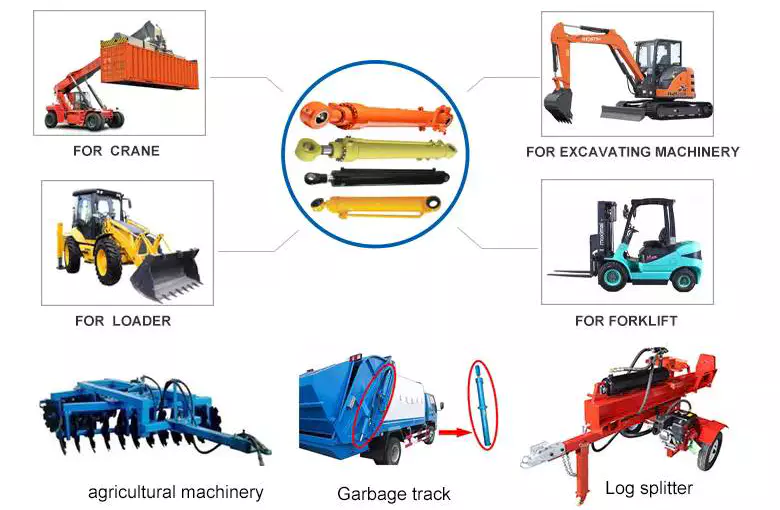
유압 실린더 기술에 스마트 기능과 같은 새로운 트렌드가 있습니까?
네, 유압 실린더 기술에는 스마트 기능 통합을 비롯한 여러 가지 새로운 트렌드가 나타나고 있습니다. 산업계가 첨단 기술을 지속적으로 도입하고 효율성을 추구함에 따라 유압 실린더에도 성능 향상과 추가적인 이점 제공을 위한 혁신적인 기능들이 탑재되고 있습니다. 다음은 유압 실린더 기술의 주요 트렌드입니다.
1. 센서 통합:
유압 실린더 기술의 중요한 트렌드 중 하나는 센서 통합입니다. 유압 실린더 내부에 센서를 내장하여 압력, 온도, 위치, 하중 등 다양한 매개변수를 모니터링할 수 있습니다. 이러한 센서는 실시간 데이터를 제공하여 상태 모니터링, 예측 정비, 향상된 운영 제어를 가능하게 합니다. 데이터 수집 및 분석을 통해 작업자는 유압 시스템의 성능을 최적화하고, 잠재적인 문제를 사전에 감지하고, 고장을 예방하여 신뢰성을 높이고 가동 중지 시간을 줄일 수 있습니다.
2. 연결성 및 IoT:
유압 실린더가 사물 인터넷(IoT) 생태계에 통합되어 연결성과 데이터 교환이 가능해지고 있습니다. 유압 실린더를 네트워크에 연결하면 작업자는 원격으로 성능을 모니터링하고 제어할 수 있습니다. IoT 지원 유압 실린더는 원격 진단, 성능 최적화, 예측 유지보수와 같은 기능을 제공합니다. 이러한 연결성은 전체 장비 시스템과의 통합을 향상시키고 데이터 기반 의사결정을 통해 효율성과 생산성을 개선할 수 있도록 합니다.
3. 에너지 효율적인 설계:
지속가능성과 에너지 효율성에 대한 관심이 높아짐에 따라 유압 실린더 기술도 에너지 절약 기능을 통합하는 방향으로 발전하고 있습니다. 제조업체들은 향상된 밀봉 기술, 마찰 감소, 최적화된 유체 흐름 역학을 갖춘 유압 실린더를 개발하고 있습니다. 이러한 발전은 에너지 손실을 최소화하고 시스템 전체 효율을 향상시킵니다. 에너지 효율적인 유압 실린더는 전력 소비 감소, 운영 비용 절감, 환경 발자국 감소에 기여합니다.
4. 첨단 소재 및 코팅:
유압 실린더 기술에서 새롭게 떠오르는 트렌드 중 하나는 첨단 소재와 코팅의 활용입니다. 제조업체들은 강도와 내구성을 유지하면서 유압 실린더의 전체 무게를 줄이기 위해 복합재료나 합금과 같은 경량 소재를 연구하고 있습니다. 또한, 내식성, 내마모성 및 수명 향상을 위해 특수 코팅 및 표면 처리 기술이 적용되고 있습니다. 이러한 기술 발전은 특히 까다로운 환경에서 유압 실린더의 수명과 신뢰성을 향상시켜 줍니다.
5. 지능형 제어 시스템:
유압 실린더 기술은 성능을 최적화하고 고급 기능을 구현하는 지능형 제어 시스템을 도입하고 있습니다. 이러한 시스템은 알고리즘, 머신 러닝 및 인공지능을 활용하여 프로세스를 자동화하고, 변화하는 환경에 적응하며, 유압 실린더의 움직임을 최적화합니다. 지능형 제어 시스템은 실시간으로 매개변수를 조정하여 정밀하고 효율적인 작동을 보장합니다. 이러한 추세는 유압 시스템 응용 분야에서 자동화 증대, 생산성 향상 및 안전성 강화를 가능하게 합니다.
6. 예측 유지보수:
유압 실린더 기술에서 예측 정비가 점차 중요해지고 있습니다. 센서와 모니터링 시스템에서 수집된 데이터를 활용하는 예측 정비 알고리즘은 유압 실린더의 상태와 성능을 분석할 수 있습니다. 이러한 분석을 통해 잠재적인 고장이나 성능 저하를 사전에 파악하여 선제적인 정비 조치를 취할 수 있습니다. 예측 정비는 계획되지 않은 가동 중단을 줄이고, 유압 실린더의 수명을 연장하며, 정비 일정을 최적화하여 비용 절감과 장비 가용성 향상을 가져옵니다.
7. 강화된 안전 기능:
유압 실린더 기술은 작업자와 장비의 안전을 향상시키기 위해 강화된 안전 기능을 통합하고 있습니다. 이러한 기능에는 통합 안전 밸브, 부하 모니터링 시스템 및 비상 정지 기능이 포함됩니다. 유압 실린더의 안전 시스템은 사고를 예방하고 과부하를 방지하며 안정적인 작동을 보장합니다. 첨단 안전 기능의 통합은 더욱 안전한 작업 환경을 조성하고 엄격한 안전 규정을 준수하는 데 기여합니다.
유압 실린더 기술의 이러한 새로운 트렌드는 업계가 혁신, 성능 최적화 및 지속 가능성에 집중하고 있음을 보여줍니다. 스마트 기능, 연결성, 첨단 소재 및 예측 유지보수 기능의 통합을 통해 유압 실린더는 더욱 효율적으로 작동하고, 실시간 정보를 제공하며, 전반적인 시스템 성능을 향상시킬 수 있습니다. 기술이 계속 발전함에 따라 유압 실린더 기술도 더욱 발전하여 다양한 산업 및 응용 분야에 향상된 기능과 효율성을 제공할 것으로 기대됩니다.
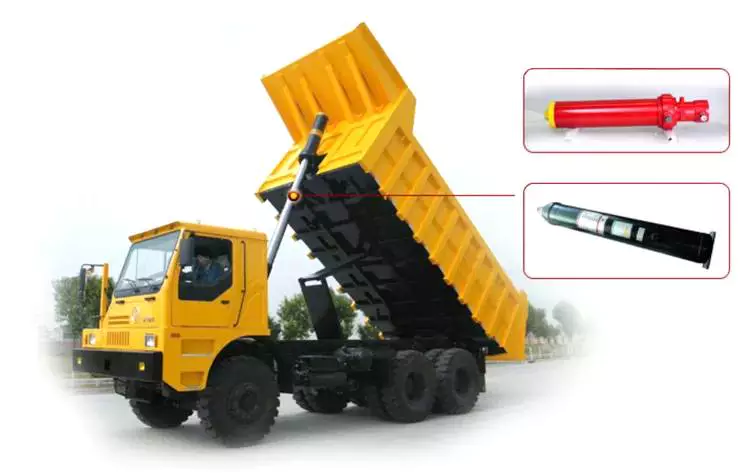
Advancements in Hydraulic Cylinder Technology Improving Corrosion Resistance
Advancements in hydraulic cylinder technology have led to significant improvements in corrosion resistance. Corrosion is a major concern in hydraulic systems, especially in environments where cylinders are exposed to moisture, chemicals, or corrosive agents. These advancements aim to enhance the durability and longevity of hydraulic cylinders. Let’s explore some of the key advancements in hydraulic cylinder technology that have improved corrosion resistance:
- Corrosion-Resistant Materials: The use of corrosion-resistant materials is a fundamental advancement in hydraulic cylinder technology. Stainless steel, for example, offers excellent resistance to corrosion, making it a popular choice in marine, offshore, and other corrosive environments. Additionally, advancements in metallurgy have led to the development of specialized alloys and coatings that provide enhanced corrosion resistance, extending the lifespan of hydraulic cylinders.
- Surface Treatments and Coatings: Various surface treatments and coatings have been developed to protect hydraulic cylinders from corrosion. These treatments can include electroplating, galvanizing, powder coating, and specialized corrosion-resistant coatings. These coatings create a barrier between the cylinder surface and corrosive elements, preventing direct contact and inhibiting the onset of corrosion. The selection of appropriate coatings depends on the specific application and environmental conditions.
- Sealing Technology: Effective sealing systems are crucial in preventing water, moisture, and contaminants from entering the cylinder and causing corrosion. Advancements in sealing technology have led to the development of high-quality seals and advanced sealing designs that offer superior resistance to corrosion. These seals are typically made from materials specifically engineered to withstand corrosive environments, ensuring long-term sealing performance and minimizing the risk of corrosion-related issues.
- Improved Surface Finishes: The surface finish of hydraulic cylinders plays a role in their resistance to corrosion. Advancements in machining and polishing techniques have allowed for smoother and more uniform surface finishes. Smoother surfaces reduce the likelihood of corrosion initiation and make it easier to clean and maintain hydraulic cylinders. Additionally, specialized finishes, such as passivation or chemical treatments, can be applied to further enhance corrosion resistance.
- Environmental Protection Features: Hydraulic cylinders can be equipped with additional features to protect against corrosion. These features may include protective boots, bellows, or shields that guard vulnerable areas from exposure to corrosive agents. By incorporating these protective elements into the design, hydraulic cylinders can withstand harsh environments and minimize the risk of corrosion-related damage.
In summary, advancements in hydraulic cylinder technology have significantly improved corrosion resistance. The use of corrosion-resistant materials, advanced surface treatments and coatings, innovative sealing technology, improved surface finishes, and the incorporation of environmental protection features have all contributed to enhanced durability and longevity of hydraulic cylinders in corrosive environments. These advancements ensure reliable performance and reduce the maintenance and replacement costs associated with corrosion-related issues.

What safety precautions should be followed when working with hydraulic cylinders?
Working with hydraulic cylinders requires strict adherence to safety precautions to prevent accidents, injuries, and damage to equipment or property. Hydraulic systems operate under high pressures and involve moving parts, which can pose serious hazards if not handled properly. Here’s a detailed explanation of the safety precautions that should be followed when working with hydraulic cylinders:
1. Training and Knowledge:
– Ensure that personnel working with hydraulic cylinders have received adequate training and possess a thorough understanding of hydraulic system operation, maintenance, and safety protocols. Proper training should cover topics such as hydraulic principles, pressure ratings, safe work practices, and emergency procedures. Only trained and authorized personnel should be allowed to handle hydraulic cylinders.
2. Wear Personal Protective Equipment (PPE):
– Always wear appropriate personal protective equipment when working with hydraulic cylinders. This may include safety glasses, gloves, protective clothing, and steel-toed boots. PPE helps protect against potential hazards, such as hydraulic fluid leaks, flying debris, or accidental contact with moving parts.
3. Hydraulic System Inspection:
– Before working with hydraulic cylinders, inspect the entire hydraulic system for any signs of damage, leaks, or loose connections. Check hydraulic hoses, fittings, valves, and cylinders for integrity and secure fastening. If any issues are detected, the system should be repaired or serviced before operation.
4. Relieve Pressure:
– Before performing any maintenance or disassembly on a hydraulic cylinder, it is crucial to relieve the pressure in the system. Follow the manufacturer’s instructions to properly release pressure and ensure that the hydraulic cylinder is depressurized before starting any work. Failure to do so can result in sudden and uncontrolled movement of the cylinder or hydraulic lines, leading to serious injuries.
5. Lockout/Tagout Procedures:
– Implement lockout/tagout procedures to prevent accidental energization of the hydraulic system while maintenance or repair work is being conducted. Lockout/tagout involves isolating the energy source, such as shutting off the hydraulic pump and locking or tagging the controls to prevent unauthorized operation. This procedure ensures that the hydraulic cylinder remains in a safe, non-operational state during maintenance activities.
6. Use Proper Lifting Techniques:
– When working with heavy hydraulic cylinders or components, use proper lifting techniques and equipment to avoid strain or injury. Hydraulic cylinders can be heavy and awkward to handle, so ensure that lifting equipment, such as cranes or hoists, is properly rated and used correctly. Follow safe lifting practices, including securing the load and maintaining a stable lifting posture.
7. Hydraulic Fluid Handling:
– Handle hydraulic fluid with care and follow proper procedures for fluid filling, transfer, and disposal. Avoid contact with the skin or eyes, as hydraulic fluid may be hazardous. Use appropriate containers and equipment to prevent spills or leaks. If any hydraulic fluid comes into contact with the skin or eyes, rinse thoroughly with water and seek medical attention if necessary.
8. Regular Maintenance:
– Perform regular maintenance and inspections on hydraulic cylinders to ensure their safe and reliable operation. This includes checking for leaks, inspecting seals, monitoring fluid levels, and conducting periodic servicing as recommended by the manufacturer. Proper maintenance helps prevent unexpected failures and ensures the continued safe use of hydraulic cylinders.
9. Follow Manufacturer Guidelines:
– Always follow the manufacturer’s guidelines, instructions, and recommendations for the specific hydraulic cylinders and equipment being used. Manufacturers provide important safety information, maintenance schedules, and operational guidelines that should be strictly adhered to for safe and optimal performance.
10. Emergency Preparedness:
– Be prepared for potential emergencies by having appropriate safety equipment, such as fire extinguishers, first aid kits, and emergency eyewash stations, readily available. Establish clear communication channels and emergency response procedures to promptly address any accidents, leaks, or injuries that may occur during hydraulic cylinder operations.
By following these safety precautions, individuals working with hydraulic cylinders can minimize the risk of accidents, injuries, and property damage. It is essential to prioritize safety, maintain awareness of potential hazards, and ensure compliance with relevant safety regulations and industry standards.


editor by CX 2023-10-26
 Korean
  English
  Italian
  Portuguese
  Dutch
Dutch  Swedish
  Danish
  Finnish
  Polish
  Hindi
Hindi  Kazakh
  Turkish
  Ukrainian
  Romanian
  Spanish
  German
  Russian
  Japanese
  Vietnamese
  Thai
Thai  Indonesian
  Malay
Malay  French
  Greek
Greek