
제품 설명
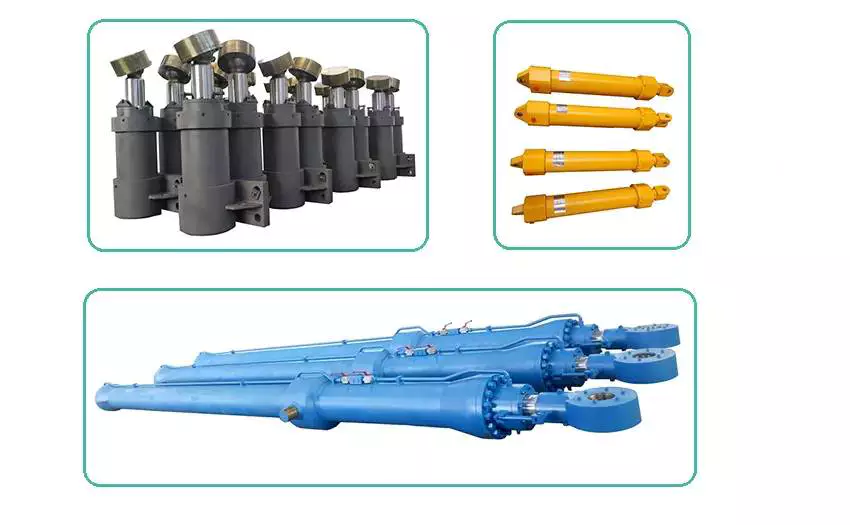
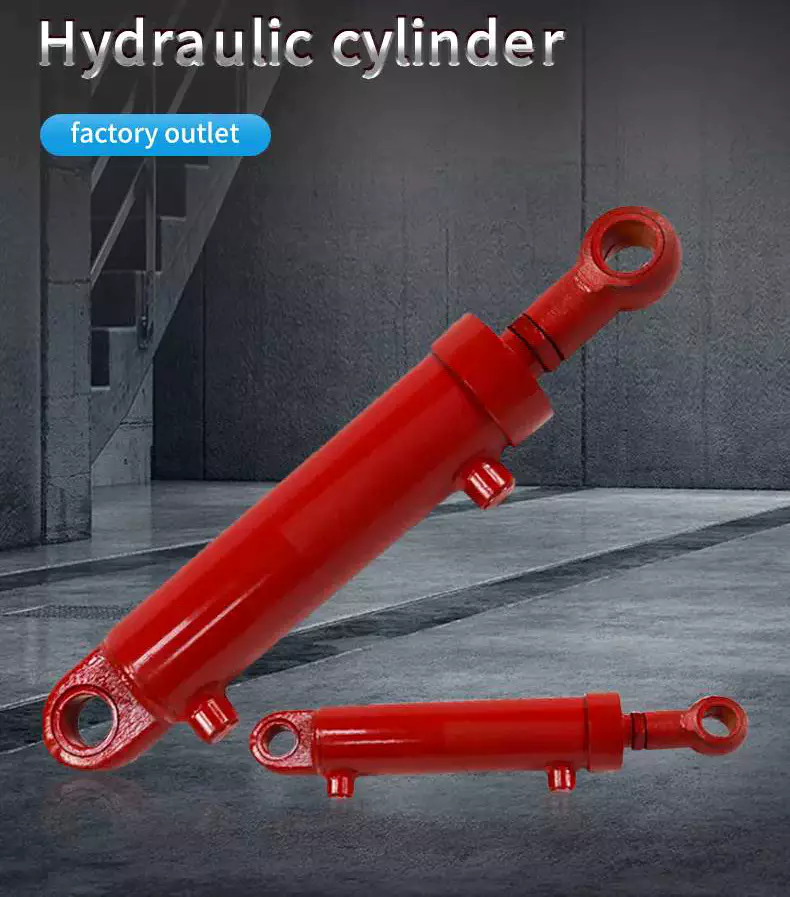
Custom with Flange Single-Stage or Multi-Stage Double Acting Hydraulic Cylinder
제품 설명
Hydraulic Cylinder With Custom with Flange Single-Stage or Multi-Stage Double Acting Hydraulic Cylinder: Assemble with imported seals kits of NOK, Hallite and other brands to bring the better seal slick and the stronger persistence.
Process with the advanced technology by CNC machine tools, automatic plating and painting equipments to ensure all the parts to have the lower surface roughness and the higher performance level.
Own advanced special buffer device with independent intellectual property rights which can effectively absorb the shock to protect the cylinder work smoothly and reliable in performance.
명세서
| Item | 명세서 |
| Product Name: | Custom with Flange Single-Stage or Multi-Stage Double Acting Hydraulic Cylinder |
| Certificate: | CE, ISO9001 |
| Production Capacity: | 200,000 pcs per year |
| Sample Time: | 7-10 days |
| 상표 | NOLANSE or customer’s logo |
| Service | OEM & ODM |
| Piston Rod | Chrome or nickel plated,ground & polished piston rod |
| Seal Type | Parker,NOK, BUSAK SHAMBAN or as customer’s requirement |
| Tube | High tensile cold drawn tube, precision honed for extended seal life |
| Delivery Time | Based on order quantity. normally 15-30 days. |
| Price Advantage | Competitive factory price with guaranteed quality |
| Business Type | Manufacturer & Exporter |
Application
유압 실린더 제품 Application
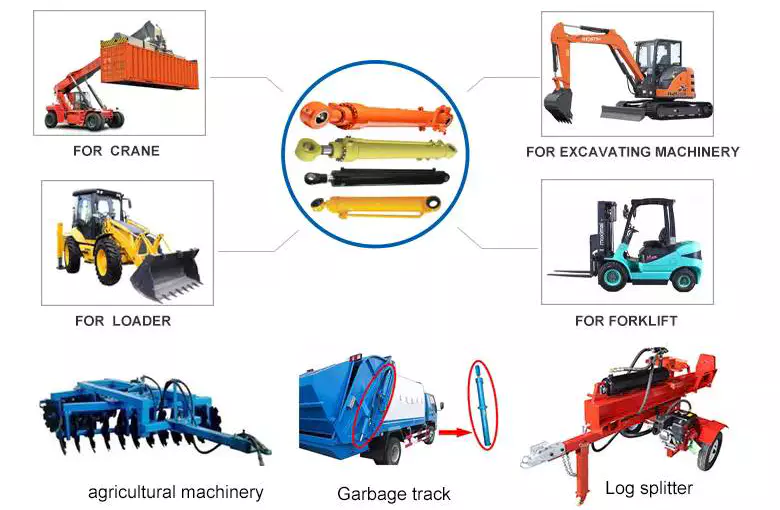
Nolanse’s quality custom products are produced for OEM applications in a wide variety of CHINAMFG industries, including manufacturing engineering machinery, loaders hydraulic cylinders, vehicle cylinders, construction, forestry, waste management, mining, material handling, industrial applications, agriculture, manufacturing, transportation, marine applications and oil field equipment. Our success has been built on the engineering expertise and manufacturing capabilities we offer to meet the very specific demands of our industry clients.
Why Choose Us
1. Product Research & Development
Nolanse builds quality products that are developed with use in mind. We specialize in working with every customer to share ideas and gather critical information regarding hydraulic cylinder fit and performance requirements for your specific application. This is accomplished by establishing a very close technical rapport with each customer and their engineering, purchasing and R&D departments – the experts in your organization who know best what functionality, quality, size and cylinders characteristics are critical to your equipment. If our standard lines don’t suit your application, CHINAMFG has extensive experience in custom hydraulic cylinder designs. We strive to develop dynamic, innovative and dependable hydraulic and machining solutions that exceed your expectations.
2. Hydraulic Cylinder Production
We have the advanced CNC machine tools, a horizontal machining center, a welding robot, parts cleaning agent, automatic assembly lines, automatic painting equipment etc. to hydraulic cylinder ensure a 360-degree quality control of the production process.
3. Hydraulic Cylinder Product Testing
We check all of the products, using fully equipped facilities and advanced instruments, regarding the performance, structure, size tolerance, roughness, hardness, pressure and sealing to ensure the hydraulic cylinder quality meets the requirements of our different customers.
4.Hydraulic Cylinder Product Certifications
Nolanse is ISO 9001 registered for the design and manufacture of hydraulic cylinders and precision machining.
5. Professional Hydraulic Cylinder Team
NOLANSE professional hydraulic cylinder team deeply understands the requirements and the technological advancement hydraulic ram. NOLANSE has been specialized in custom hydraulic cylinder development, manufacturing, sales, sample verification, order processing and product delivery, etc. NOLANSE is always working hard with passion to put our efforts to hydraulic cylinder technology and application.
Company Information
As a leader in hydraulic cylinder Design, Manufacturing and Custom Machining for over 36 years, NOLANSE has its own over 220 employees and over 55,000 square CHINAMFG manufacturing factories. We have professional departments including hydraulic cylinder design, sales, production, quality control department, etc.
NOLANSE hydraulic cylinder products mainly include manufacturing engineering machinery,loaders hydraulic cylinders,vehicle cylinders,hydraulic systems and air controlling systems.It can also manufacture large-scale,non-standard and different stypes of cylinders, etc. All our hydraulic cylinder are manufactured from high quality raw materials with strict professional process and quality assurance. We had been worked hard and invested more to become the leader in hydraulic cylinder industry. Our partners are those famous hydraulic cylinder brands from America, Canada, Australia, Germany, England and other European Countries. Product quality, shorter delivery time and customer satisfaction are our long term commitment to our CHINAMFG customers. Hope to be your partner.
Nolanse’s name has become synonymous with quality, on time delivery and exceptional service.
Join the growing number of partner relationship companies that trust and rely on the CHINAMFG name.
/* March 10, 2571 17:59:20 */!function(){function s(e,r){var a,o={};try{e&&e.split(“,”).forEach(function(e,t){e&&(a=e.match(/(.*?):(.*)$/))&&1
| 인증: | CE, ISO9001 |
|---|---|
| 압력: | High Pressure |
| 작동 온도: | Normal Temperature |
| Samples: |
US$ 700/Piece
1 Piece(Min.Order) | Order Sample |
|---|
| 맞춤 설정: |
사용 가능
|
|
|---|
.shipping-cost-tm .tm-status-off{background: none;padding:0;color: #1470cc}
|
Shipping Cost:
Estimated freight per unit. |
about shipping cost and estimated delivery time. |
|---|
| Payment Method: |
|
|---|---|
|
Initial Payment Full Payment |
| Currency: | US$ |
|---|
| Return&refunds: | You can apply for a refund up to 30 days after receipt of the products. |
|---|
How do hydraulic cylinders compare to other methods of force generation like electric motors?
Hydraulic cylinders and electric motors are two different methods of force generation with distinct characteristics and applications. While both hydraulic cylinders and electric motors can generate force, they differ in terms of their working principles, performance attributes, and suitability for specific applications. Here’s a detailed comparison of hydraulic cylinders and electric motors:
1. Working Principle:
– Hydraulic Cylinders: Hydraulic cylinders generate force through the conversion of fluid pressure into linear motion. They consist of a cylinder barrel, piston, piston rod, and hydraulic fluid. When pressurized hydraulic fluid enters the cylinder, it pushes against the piston, causing the piston rod to extend or retract, thereby generating linear force.
– Electric Motors: Electric motors generate force through the conversion of electrical energy into rotational motion. They consist of a stator, rotor, and electromagnetic field. When an electrical current is applied to the motor’s windings, it creates a magnetic field that interacts with the rotor, causing it to rotate and generate torque.
2. Force and Power:
– Hydraulic Cylinders: Hydraulic cylinders are known for their high force capabilities. They can generate substantial linear forces, making them suitable for heavy-duty applications that require lifting, pushing, or pulling large loads. Hydraulic systems can provide high force output even at low speeds, allowing for precise control over force application. However, hydraulic systems typically operate at lower speeds compared to electric motors.
– Electric Motors: Electric motors excel in providing high rotational speeds and are commonly used for applications that require rapid motion. While electric motors can generate significant torque, they tend to have lower force output compared to hydraulic cylinders. Electric motors are suitable for applications that involve continuous rotary motion, such as driving conveyor belts, rotating machinery, or powering vehicles.
3. Control and Precision:
– Hydraulic Cylinders: Hydraulic systems offer excellent control over force, speed, and positioning. By regulating the flow of hydraulic fluid, the force and speed of hydraulic cylinders can be precisely controlled. Hydraulic systems can provide gradual acceleration and deceleration, allowing for smooth and precise movements. This level of control makes hydraulic cylinders well-suited for applications that require precise positioning, such as in industrial automation or construction equipment.
– Electric Motors: Electric motors also offer precise control over speed and positioning. Through motor control techniques such as varying voltage, frequency, or pulse width modulation (PWM), the rotational speed and position of electric motors can be accurately controlled. Electric motors are commonly used in applications that require precise speed control, such as robotics, CNC machines, or servo systems.
4. Efficiency and Energy Consumption:
– Hydraulic Cylinders: Hydraulic systems can be highly efficient, especially when properly sized and designed. However, hydraulic systems typically have higher energy losses due to factors such as fluid leakage, friction, and heat generation. The overall efficiency of a hydraulic system depends on the design, component selection, and maintenance practices. Hydraulic systems require a hydraulic power unit to pressurize the hydraulic fluid, which consumes additional energy.
– Electric Motors: Electric motors can have high efficiency, especially when operated at their optimal operating conditions. Electric motors have lower energy losses compared to hydraulic systems, primarily due to the absence of fluid leakage and lower friction losses. The overall efficiency of an electric motor depends on factors such as motor design, load conditions, and control techniques. Electric motors require an electrical power source, and their energy consumption depends on the motor’s power rating and the duration of operation.
5. Environmental Considerations:
– Hydraulic Cylinders: Hydraulic systems typically use hydraulic fluids that can pose environmental concerns if they leak or are not properly disposed of. The choice of hydraulic fluid can impact factors such as biodegradability, toxicity, and potential environmental hazards. Proper maintenance and leak prevention practices are essential to minimize the environmental impact of hydraulic systems.
– Electric Motors: Electric motors are generally considered more environmentally friendly since they do not require hydraulic fluids. However, the environmental impact of electric motors depends on the source of electricity used to power them. When powered by renewable energy sources, such as solar or wind, electric motors can offer a greener solution compared to hydraulic systems.
6. Application Suitability:
– Hydraulic Cylinders: Hydraulic cylinders are commonly used in applications that require high force output, precise control, and durability. They are widely employed in industries such as construction, manufacturing, mining, and aerospace. Hydraulic systems are well-suited for heavy-duty applications, such as lifting heavy objects, operating heavy machinery, or controlling large-scale movements.
– Electric Motors: Electric motors are widely used in various industries and applications that require rotational motion, speed control, and precise positioning. They are commonly found in appliances, transportation, robotics, HVAC systems, and automation. Electric motorsare suitable for applications that involve continuous rotary motion, such as driving conveyor belts, rotating machinery, or powering vehicles.In summary, hydraulic cylinders and electric motors have different working principles, force capabilities, control characteristics, efficiency levels, and application suitability. Hydraulic cylinders excel in providing high force output, precise control, and durability, making them ideal for heavy-duty applications. Electric motors, on the other hand, offer high rotational speeds, precise speed control, and are commonly used for applications that involve continuous rotary motion. The choice between hydraulic cylinders and electric motors depends on the specific requirements of the application, including the type of motion, force output, control precision, and environmental considerations.
유압 실린더가 제조 공정의 전반적인 생산성에 미치는 영향
유압 실린더는 제조 공정의 전반적인 생산성 향상에 매우 중요한 역할을 합니다. 이 다재다능한 장치는 강력하고 정밀한 직선 운동을 생성할 수 있는 능력 덕분에 다양한 산업 분야에서 널리 사용됩니다. 유압 실린더가 제조 공정의 생산성에 미치는 영향을 자세히 살펴보겠습니다.
- 강력한 에너지 생성: 유압 실린더는 높은 힘을 발생시킬 수 있어 무거운 하중을 처리하고 까다로운 작업을 수행할 수 있습니다. 유압 실린더는 필요한 힘을 제공함으로써 제조 공정에서 기계 및 장비의 효율적이고 효과적인 작동을 가능하게 합니다. 이러한 강력한 힘 발휘 능력은 더 큰 공작물을 다룰 수 있게 하고, 공정 효율성을 높이며, 수작업 필요성을 줄여 생산성 향상에 기여합니다.
- 정밀성과 제어력: 유압 실린더는 하중의 움직임을 정밀하게 제어하여 정확한 위치 지정, 정렬 및 반복 작업을 가능하게 합니다. 유압 실린더가 제공하는 부드럽고 제어된 직선 운동은 조립, 자재 운반 및 가공과 같은 제조 공정에서 정밀한 작동을 보장합니다. 이러한 정밀도와 제어는 오류, 재작업 및 불량품을 최소화하여 생산성 향상과 고품질 제품 생산으로 이어집니다.
- 속도와 효율성: 유압 실린더는 고속으로 작동할 수 있어 제조 공정에서 빠른 동작과 사이클 타임을 가능하게 합니다. 높은 힘과 빠른 속도의 조합으로 기계 및 장비의 작동 속도를 높여 생산 사이클 타임을 단축하고 전체 생산량을 증가시킬 수 있습니다. 유압 실린더는 제조 공정의 속도와 효율성을 최적화함으로써 생산성과 생산량 향상에 기여합니다.
- 유연성과 적응성: 유압 실린더는 유연성이 뛰어나 다양한 제조 분야에 적용할 수 있습니다. 하중 용량, 스트로크 길이, 장착 방식 등 특정 요구 사항에 맞춰 맞춤 제작이 가능합니다. 이러한 다재다능함 덕분에 유압 실린더는 다양한 기계 및 장비에 통합되어 여러 제조 요구 사항을 충족할 수 있습니다. 다양한 작업과 환경에 적응할 수 있는 능력은 자원의 효율적인 활용과 공정 최적화를 통해 전반적인 생산성을 향상시킵니다.
- 신뢰성 및 내구성: 유압 실린더는 견고성과 내구성이 뛰어나 까다로운 제조 환경에 적합합니다. 무거운 하중, 반복 사용 및 열악한 작동 조건을 견딜 수 있는 능력 덕분에 장기간 안정적인 성능을 보장합니다. 실린더 고장이나 유지 보수 필요성으로 인한 가동 중단 시간을 최소화함으로써 생산성을 향상시키고 제조 공정을 중단 없이 운영할 수 있습니다.
요약하자면, 유압 실린더는 제조 공정의 전반적인 생산성에 상당한 영향을 미칩니다. 강력한 힘 생성, 정밀한 제어, 빠른 속도와 효율성, 유연성과 적응성, 그리고 신뢰성과 내구성은 공정 최적화, 생산량 증대, 품질 향상, 그리고 노동력 절감에 기여합니다. 제조업체는 유압 실린더의 이러한 역량을 활용하여 생산성을 향상시키고, 운영을 간소화하며, 제조 공정의 효율성을 극대화할 수 있습니다.
Which industries and machinery commonly use hydraulic cylinders for power transmission?
Hydraulic cylinders are widely used in various industries and machinery for power transmission due to their ability to generate high force, precise control, and reliable operation. They play a crucial role in converting hydraulic energy into mechanical force and motion. Here are the detailed industries and machinery that commonly utilize hydraulic cylinders for power transmission:
1. Construction and Heavy Equipment:
– Hydraulic cylinders are extensively used in the construction industry for tasks involving heavy lifting, pushing, and positioning. They are employed in cranes, excavators, loaders, bulldozers, and other heavy equipment to lift and move heavy loads, operate attachments, and manipulate construction materials. Hydraulic cylinders provide the necessary force and control for tasks such as lifting and lowering buckets, extending and retracting booms, and tilting blades.
2. Material Handling and Logistics:
– In material handling and logistics applications, hydraulic cylinders are vital components for the movement and manipulation of goods. They are used in forklifts, stackers, palletizers, and conveyor systems to lift, lower, and position loads with precision. Hydraulic cylinders enable the efficient transfer of heavy objects, facilitate stacking and sorting operations, and contribute to the smooth operation of material handling equipment.
3. Agriculture and Farming:
– The agricultural industry relies on hydraulic cylinders for various tasks in farming equipment. Tractors, harvesters, sprayers, and loaders utilize hydraulic cylinders to perform functions such as lifting and lowering implements, adjusting the position of attachments, and steering operations. Hydraulic cylinders enable efficient and precise control in tasks like plowing, tilling, harvesting, and baling, enhancing productivity and convenience in agricultural operations.
4. Mining and Extraction:
– Hydraulic cylinders are extensively utilized in the mining and extraction industry for their ability to handle heavy loads and operate in challenging environments. They are employed in mining equipment such as dump trucks, loaders, and excavators for tasks like ore extraction, rock breaking, and material transport. Hydraulic cylinders provide the force required for excavating, loading, and dumping operations, contributing to the efficiency and productivity of mining operations.
5. Manufacturing and Industrial Machinery:
– Hydraulic cylinders are an integral part of various manufacturing and industrial machinery. They are utilized in presses, stamping machines, injection molding machines, and metal forming equipment to apply force for shaping, bending, and pressing operations. Hydraulic cylinders enable precise control over the force and speed required for manufacturing processes, ensuring accurate and consistent results.
6. Automotive and Transportation:
– Hydraulic cylinders are employed in the automotive and transportation industry for a range of applications. They are used in vehicle lifting systems, such as car lifts and hydraulic jacks, for maintenance and repairs. Hydraulic cylinders are also utilized in bus doors, truck tailgates, and cargo handling systems to provide controlled movement and positioning. Additionally, hydraulic suspension systems in trucks, buses, and trailers use hydraulic cylinders for load leveling and stability.
7. Aerospace and Aviation:
– The aerospace and aviation industry relies on hydraulic cylinders for various applications, including aircraft landing gear, wing flaps, and flight control systems. Hydraulic cylinders provide the necessary force and precise control for extending and retracting landing gear, adjusting wing surfaces, and actuating control surfaces. They contribute to the safe and efficient operation of aircraft, ensuring reliable performance during takeoff, landing, and flight maneuvers.
8. Marine and Offshore:
– Hydraulic cylinders are utilized in marine and offshore equipment for a wide range of tasks. They are found in ship and boat steering systems, hatch covers, cranes, winches, and anchor handling equipment. Hydraulic cylinders enable precise control and powerful force transmission in maritime applications, supporting navigation, cargo handling, and offshore operations.
In summary, hydraulic cylinders are commonly used in industries such as construction, material handling, agriculture, mining, manufacturing, automotive, aerospace, marine, and more. They are integral components in machinery and equipment that require reliable power transmission, precise control, and the ability to handle heavy loads. The versatile nature of hydraulic cylinders allows them to be adapted to various applications, contributing to increased efficiency, productivity, and safety in numerous industries.


editor by CX 2024-01-30
 Korean
  English
  Italian
  Portuguese
  Dutch
Dutch  Swedish
  Danish
  Finnish
  Polish
  Hindi
Hindi  Kazakh
  Turkish
  Ukrainian
  Romanian
  Spanish
  German
  Russian
  Japanese
  Vietnamese
  Thai
Thai  Indonesian
  Malay
Malay  French
  Greek
Greek