
제품 설명
Welcome to CHINAMFG HYDRAULICS!
제품 설명
Technical Data
| Cylinder Type | Mill type, Head Bolted, Base Welded |
| Bore Diameter | Up to 2500mm |
| Rod Diameter | Up to 2000mm |
| Stroke Length | Up to 20,000mm |
| Piston Rod Material | AISI 1045, AISI 4140, AISI 4340, 20MnV6, Stainless steel 2Cr13 or 1Cr17Ni2 |
| Rod Surface Treatment | Hard chrome plated, Chrome/Nickel plated, Ceramic coated |
| Tube Material | Carbon steel AISI1045 or ST52.3, Alloy steel AISI4140 or 27SiMn |
| Tube Surface Painting | Colors according to RAL and thickness according to customer needs |
| Mounting Type | Clevis, Cross tube, Flange, Trunnion, Tang, Thread |
| Design Pressure | Up to 40Mpa |
| Seal Kits Type | PARKER, MERKEL, HALLITE, NOK, TRELLEBORG |
| Quality Assurance | 1 year |
| 자격증 | SGS, BV, ABS ,GL, DNV etc. |
| Application | Mobile Equipment,Cement Mill, steel mill, Hydraulic press, etc. |
Quality Assurance
| Quality Process | Our quality management system is certified to ISO 9001 |
| Quality control standards include material records, process control plans, | |
| Manufacturing approvals and inspection data | |
| Testing Standards | All products undergo 100% pressure testing 1.5 times the maximum allowable working pressure or to customer specifications |
| Static and dynamic pressure testing. | |
| Ultraviolet leak detection technology. | |
| Non-destructive testing. | |
| Fluid Cleanliness | Real-time monitoring and test phase documentation |
| Independent sampling and oil diagnostic control |
Production Process
Application Area
Finished Product Display
회사 소개
FLUTEC HYDRAULICS is an expert at designing and manufacturing a broad range of custom engineered hydraulic cylinders and cylinder systems as well as custom engineered press bolster plates. We are proud to offer superior quality products and services for various applications including industrial, construction, mobile, agricultural, mining, steel mill, hydraulic press, etc. Our highly skilled team and modern technical facilities allow us to manufacture large bore hydraulic cylinders and long stroke hydraulic cylinders with 100% confidence and assurance.
We understand our customers need dependable quality and excellent services with affordable cost to stay ahead in today’s highly competitive market. CHINAMFG HYDRAULICS can meet those requirements with our robust, efficient and long life products together with prompt services.
To be mentioned, our sales team is strictly trained both in technology and language. They are full of experiences in fluid power and machinery. We are glad to personally visit our customers to work better.
FAQ
Q1: What does your company do?
A: we are a supplier of high-quality hydraulic products including Hydraulic Cylinder,Honed Tube,Chromed Rod,Machined Platen,Cylinder Parts, and other components.
Q2:Are you a manufacturer or trading company?
A: We are a manufacturer.
Q3: Are you able to make Non-standard or customized products?
A: Yes, we can.
Q4: How long is your delivery time?
A: The delivery time for customized products is 15-30 working days.But it also depends on the product requirements and quantity.
Q5: Do you provide samples?
A: No, we don’t provide samples.
Q6: What are your payment terms?
A: T/T/ or L/C or D/P. If you have any questions, please feel free to contact us.
Q7: What are your After-sales services?
A: Before shipment, Each individual product will be strictly inspected on our factory QC Process System. In addition, We have a Customer Service team to respond to customers’ questions within 12 hours. Being helpful in solving customers’ problems is always our goal.
| 인증: | GS, RoHS, ISO9001, Dnv, SGS, BV, ABS, Gl |
|---|---|
| 압력: | Medium Pressure |
| 작동 온도: | Normal Temperature |
| 연기 방식: | Double Acting |
| 작업 방식: | Straight Trip |
| 수정된 형태: | Regulated Type |
| 맞춤 설정: | 사용 가능 |
|
|---|
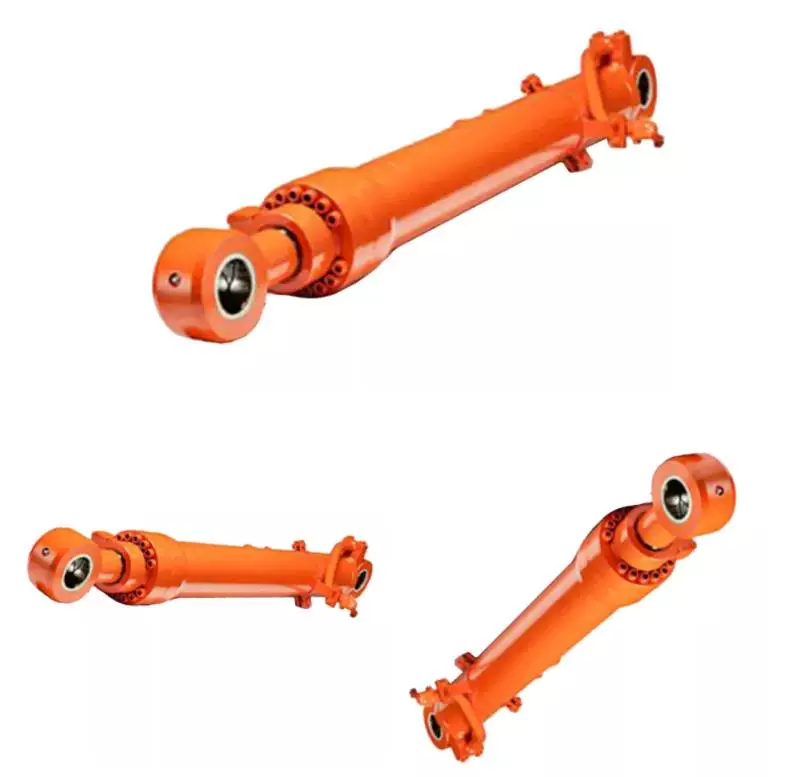
How do hydraulic cylinders handle the challenges of minimizing friction and wear?
Hydraulic cylinders employ several mechanisms and techniques to effectively minimize friction and wear, ensuring optimal performance and longevity. Minimizing friction and wear is crucial for hydraulic cylinders as it helps to maintain efficiency, reduce energy consumption, and prevent premature failure. Here’s a detailed explanation of how hydraulic cylinders handle the challenges of minimizing friction and wear:
1. Lubrication:
– Proper lubrication is essential for minimizing friction and wear in hydraulic cylinders. Lubricating fluids, such as hydraulic oils, are used to create a thin film between moving surfaces, reducing direct metal-to-metal contact. This lubricating film acts as a protective barrier, reducing friction and preventing wear. Regular maintenance practices include monitoring and maintaining the appropriate lubricant levels to ensure optimal lubrication and minimize frictional losses.
2. Surface Finishes:
– The surface finishes of components in hydraulic cylinders play a crucial role in minimizing friction and wear. Smoother surface finishes, achieved through precision machining, grinding, or the application of specialized coatings, reduce surface roughness and frictional resistance. By minimizing surface irregularities, the risk of wear and friction-induced damage is significantly reduced, resulting in improved efficiency and extended component life.
3. High-Quality Sealing Systems:
– Well-designed and high-quality sealing systems are crucial for minimizing friction and wear in hydraulic cylinders. Seals prevent fluid leakage and contamination while maintaining proper lubrication. Advanced sealing materials, such as polyurethane or composite materials, offer excellent wear resistance and low friction characteristics. Optimal seal design and proper installation ensure effective sealing, minimizing friction and wear between the piston and cylinder bore.
4. Proper Alignment and Clearances:
– Hydraulic cylinders must be properly aligned and have appropriate clearances to minimize friction and wear. Misalignment or excessive clearances can result in increased friction and uneven wear, leading to premature failure. Proper installation, alignment, and maintenance practices, including regular inspection and adjustment of clearances, help ensure smooth and even movement of the piston within the cylinder, reducing friction and wear.
5. Filtration and Contamination Control:
– Effective filtration and contamination control are essential for minimizing friction and wear in hydraulic cylinders. Contaminants, such as particles or moisture, can act as abrasive agents, accelerating wear and increasing friction. By implementing robust filtration systems and proper maintenance practices, hydraulic systems can prevent the ingress of contaminants, ensuring clean and properly lubricated components. Clean hydraulic fluids help minimize wear and friction, contributing to improved performance and longevity.
6. Material Selection:
– The selection of appropriate materials for hydraulic cylinder components is crucial in minimizing friction and wear. Components subject to high frictional forces, such as pistons and cylinder bores, can be made from materials with excellent wear resistance, such as hardened steel or composite materials. Additionally, selecting materials with low coefficients of friction helps reduce frictional losses. Proper material selection ensures durability and minimized wear in critical components of hydraulic cylinders.
7. Maintenance and Regular Inspection:
– Regular maintenance and inspection practices are vital for identifying and addressing potential issues that could lead to increased friction and wear in hydraulic cylinders. Scheduled maintenance includes lubrication checks, seal inspections, and monitoring of clearances. By promptly detecting and rectifying any signs of wear or misalignment, hydraulic cylinders can be kept in optimal condition, minimizing friction and wear throughout their operational lifespan.
In summary, hydraulic cylinders employ various strategies to handle the challenges of minimizing friction and wear. These include proper lubrication, employing suitable surface finishes, utilizing high-quality sealing systems, ensuring proper alignment and clearances, implementing effective filtration and contamination control measures, selecting appropriate materials, and conducting regular maintenance and inspections. By implementing these practices, hydraulic cylinders can minimize friction and wear, ensuring smooth and efficient operation while extending the overall lifespan of the system.
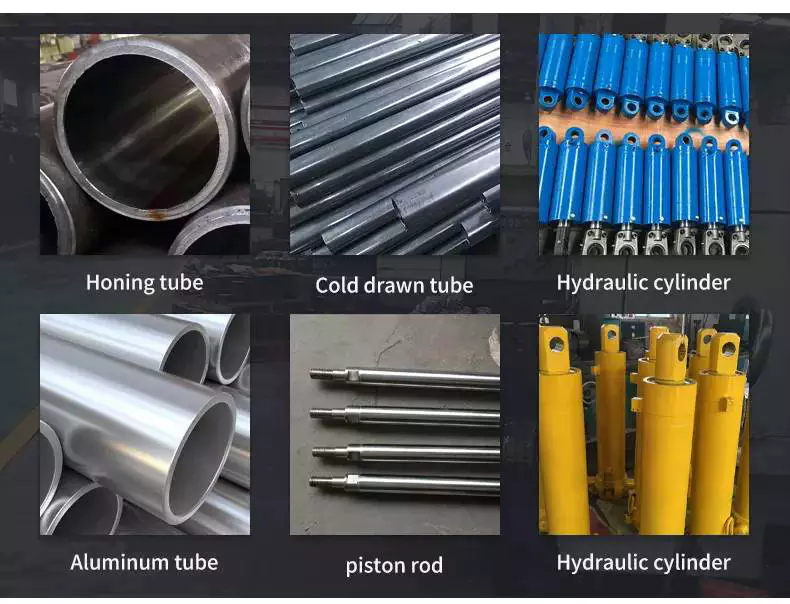
Ensuring Consistent Force Output for Repetitive Tasks with Hydraulic Cylinders
Hydraulic cylinders are designed to ensure consistent force output for repetitive tasks. This consistency is essential for maintaining precise control, achieving uniform results, and optimizing the performance of hydraulic systems. Let’s explore how hydraulic cylinders achieve consistent force output for repetitive tasks:
- Design and Manufacturing Standards: Hydraulic cylinders are manufactured to meet strict design and manufacturing standards. These standards ensure that the cylinders are built with precision and accuracy, enabling them to deliver consistent force output. The components, such as the piston, cylinder barrel, seals, and valves, are engineered to work together harmoniously, minimizing variations in force generation.
- Pressure Regulation: Hydraulic systems incorporate pressure regulation mechanisms to maintain a constant pressure level. Pressure relief valves, pressure regulators, and pressure-compensated pumps help maintain a consistent hydraulic pressure throughout the system. By regulating the pressure, hydraulic cylinders receive a consistent supply of pressurized fluid, resulting in consistent force output for repetitive tasks.
- Flow Control: Flow control valves are utilized in hydraulic systems to manage the flow rate of hydraulic fluid. These valves regulate the speed at which the fluid enters and exits the hydraulic cylinder, influencing the force output. By controlling the flow rate, hydraulic cylinders can achieve consistent force output for repetitive tasks. This is particularly important when it comes to tasks that require precise and uniform force application.
- Effective Seal Performance: Sealing systems play a crucial role in hydraulic cylinders by preventing fluid leakage and maintaining pressure integrity. High-quality seals and proper installation ensure effective sealing throughout the cylinder’s operation. By minimizing internal leakage, hydraulic cylinders can maintain consistent force output, even during repetitive tasks.
- Maintenance and Inspection: Regular maintenance and inspection of hydraulic cylinders are essential for ensuring consistent force output. By following maintenance schedules, replacing worn-out components, and monitoring cylinder performance, any potential issues that could affect force consistency can be identified and addressed promptly. This proactive approach helps maintain the reliability and performance of hydraulic cylinders over time.
In summary, hydraulic cylinders employ various mechanisms to ensure consistent force output for repetitive tasks. Adherence to design and manufacturing standards, pressure regulation, flow control, effective seal performance, and regular maintenance all contribute to achieving consistent force output. By maintaining precision, minimizing variations, and addressing potential issues, hydraulic cylinders provide reliable and consistent force generation, facilitating the successful completion of repetitive tasks in various applications.
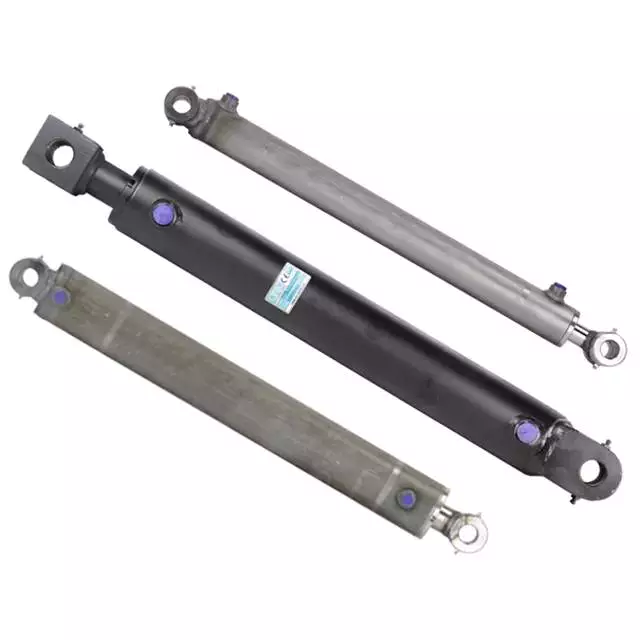
용도에 맞는 유압 실린더를 선택할 때 고려해야 할 요소는 무엇입니까?
용도에 맞는 유압 실린더를 선택할 때는 몇 가지 중요한 요소를 고려해야 합니다. 이러한 요소들을 통해 선택한 유압 실린더가 해당 용도의 특정 요구 사항에 적합하고 안정적으로 작동할 수 있도록 보장할 수 있습니다. 고려해야 할 주요 요소는 다음과 같습니다.
1. 부하 요구 사항:
고려해야 할 중요한 요소 중 하나는 적용 분야의 부하 요구 사항입니다. 유압 실린더가 처리해야 하는 최대 하중을 결정해야 합니다. 실린더가 정지해 있을 때의 정적 하중과 실린더가 움직일 때의 동적 하중을 모두 고려해야 합니다. 부하 요구 사항은 실린더의 내경, 로드 직경 및 전체 강도에 영향을 미칩니다. 안전과 수명 확보를 위해 적용 분야의 최대 하중을 초과하는 하중 용량을 가진 유압 실린더를 선택하십시오.
2. 스트로크 길이:
스트로크 길이는 유압 실린더가 원하는 동작을 수행하기 위해 늘어나고 줄어드는 거리를 말합니다. 사용 용도에 따른 작동 요구 사항을 기준으로 필요한 스트로크 길이를 측정하십시오. 필요한 거리와 같거나 그 이상의 스트로크 길이를 가진 유압 실린더를 선택하는 것이 중요합니다. 향후 스트로크 길이의 변동이나 조정이 필요할 수 있으므로 이를 고려해야 합니다.
3. 작동 압력:
– 적용 분야에 필요한 작동 압력을 고려하십시오. 유압 실린더는 유압 시스템 내의 최대 압력을 견딜 수 있어야 합니다. 선택한 실린더의 압력 등급이 적용 분야의 최대 작동 압력을 초과하는지 확인하십시오. 이는 안전을 확보하고 조기 고장을 방지합니다.
4. 속도 요구 사항:
– 용도에 필요한 유압 실린더의 작동 속도를 결정하십시오. 확장 속도와 수축 속도를 모두 고려해야 합니다. 원하는 속도를 구현하면서 정밀한 제어와 안정성을 유지할 수 있는 실린더를 선택하십시오. 성능이나 안전성을 저해하지 않으면서 필요한 속도를 처리할 수 있는 실린더를 선택하는 것이 중요합니다.
5. 설치:
유압 실린더 설치에 필요한 공간과 장착 요건을 평가하십시오. 장착 유형(플랜지, 풋, 트러니언 또는 클레비스 등), 사용 가능한 장착 지점 및 특정 장착 제약 조건을 고려하십시오. 선택한 실린더를 원하는 위치에 쉽고 안전하게 장착할 수 있는지 확인하십시오.
6. 환경적 요인:
유압 실린더가 작동할 환경 조건을 평가하십시오. 극한 온도, 습도, 화학 물질, 먼지 또는 부식성 물질 노출과 같은 요소를 고려해야 합니다. 특정 환경 조건에 견딜 수 있도록 설계된 실린더를 선택하십시오. 이를 위해서는 실린더의 수명과 성능을 보장하기 위해 적절한 재질, 코팅 또는 밀봉재를 선택해야 할 수 있습니다.
7. 실린더 구성:
– 적용 분야의 요구 사항에 따라 적절한 실린더 구성을 결정하십시오. 단동식 또는 복동식 실린더, 공간 제약이 있는 경우를 위한 텔레스코픽 실린더, 특수한 용도를 위한 맞춤형 구성 등을 고려하십시오. 적용 분야의 구체적인 요구 사항을 평가하여 가장 적합한 실린더 구성을 선택하십시오.
8. 유지보수 및 서비스 용이성:
유압 실린더의 유지보수 및 서비스 요구 사항을 고려하십시오. 유지보수를 위한 접근성, 예비 부품의 가용성, 고객 지원 및 사후 서비스 측면에서 제조업체 또는 공급업체의 평판과 같은 요소를 평가하십시오. 신뢰할 수 있고 평판이 좋은 브랜드를 선택하면 필요할 때 지속적인 지원과 예비 부품 확보가 가능합니다.
9. 규정 준수 및 표준:
– 산업 분야 및 적용 분야에 따라 특정 규정 준수 기준을 충족해야 할 수 있습니다. 유압 실린더가 준수해야 하는 산업별 규정, 안전 기준 또는 인증을 고려하십시오. 선택한 실린더가 해당 적용 분야에 필요한 기준 및 인증을 충족하는지 확인하십시오.
10. 비용 및 예산:
마지막으로 유압 실린더의 비용과 예산을 고려해야 합니다. 용도에 맞는 실린더를 선택하는 것도 중요하지만, 전반적인 비용 효율성 또한 고려해야 합니다. 초기 구매 비용, 장기 유지 보수 비용, 그리고 실린더의 예상 수명을 평가하십시오. 비용과 품질의 균형을 맞추면 용도에 가장 적합한 가성비 높은 유압 실린더를 선택할 수 있습니다.
선정 과정에서 이러한 요소들을 고려하면 하중 용량, 스트로크 길이, 작동 압력, 속도, 장착 방식, 환경 조건, 유지보수 필요성, 규정 준수 및 비용 효율성 측면에서 적용 분야의 특정 요구 사항을 충족하는 적합한 유압 실린더를 선택할 수 있습니다. 적절한 선택은 의도된 적용 분야에서 유압 실린더의 최적 성능, 신뢰성 및 긴 수명을 보장합니다.


editor by CX 2023-10-28
 Korean
  English
  Italian
  Portuguese
  Dutch
Dutch  Swedish
  Danish
  Finnish
  Polish
  Hindi
Hindi  Kazakh
  Turkish
  Ukrainian
  Romanian
  Spanish
  German
  Russian
  Japanese
  Vietnamese
  Thai
Thai  Indonesian
  Malay
Malay  French
  Greek
Greek