
제품 설명
유압 실린더 솔루션 제공업체
제품 설명
중국 내 유압 실린더 전문 제조업체로서, 당사는 유압 실린더 시장의 모든 요구 사항을 충족하는 맞춤형 제품을 제공할 수 있습니다.
-맞춤 사이즈
-맞춤 색상
-맞춤 디자인
-맞춤형 패키지
-더 많은 요구 사항이 있습니다
저희 회사의 목표는 고품질의 제품과 서비스를 비용 효율적인 가격으로 제공하는 것입니다.
|
밀봉하다 |
파커, 메르켈, NOK, 할라이트 등 |
도움말 링크
무료 샘플을 받으시려면 클릭하세요. 여기 |
|
페인트 |
빨강, 회색, 노랑, 검정 등 |
|
|
재료 |
ST52, CK45, 4140, 듀플렉스2205, |
|
|
자격증 |
ABS, Lloyds, SGS 등 |
|
|
핵심 구성 요소 |
베어링, 압력 용기, 펌프 |
|
|
비표준 |
예 |
|
|
구조 |
피스톤형, 플런저형, 텔레스코픽형 |
|
|
힘 |
유압 및 공압 |
|
|
상표 |
궈웨 |
|
|
견본 |
사용 가능 |
실린더 관련 모든 문의 사항은 지금 바로 구오위에(Guoyue) 전문가에게 연락하십시오.
우리의 장점
저희는 귀사의 사업에 큰 도움이 될 수 있는 다양한 장점을 보유하고 있으며, 그 종류는 다음과 같습니다(단, 이에 국한되지 않음):
1. 최첨단 생산 라인을 갖추고 있습니다
구오위에(Guoyue)는 독일 등 유럽 및 미국 국가의 선진 유압 설계 및 생산 기술을 도입하고 흡수하여 자사의 설계 및 제조 역량이 국제적인 첨단 유압 실린더 기술 수준에 부합하도록 지속적으로 발전시켜 왔습니다.
2. 출하 전 엄격한 품질 관리 절차
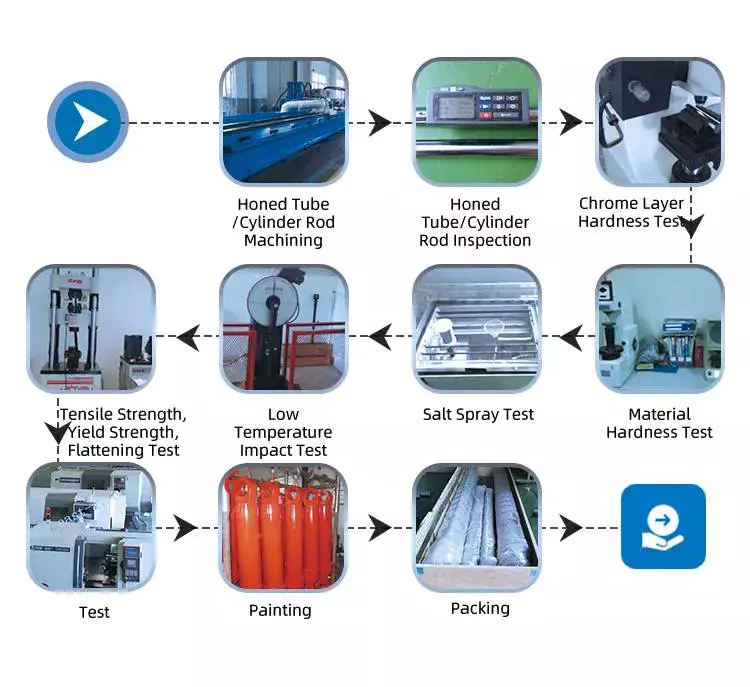
이 회사는 엄격한 품질 관리를 강조하며, 모든 생산 공정은 표준화된 작업 절차를 따르고, 모든 제품이 완벽하게 가공되도록 포괄적인 관리 시스템을 갖추고 있습니다.
3. 다양한 프로젝트에서의 성공
당사는 건설 프로젝트, 폐기물 관리, 식품 산업, 광업, 인프라 보수, 금속 생산, 해양, 농업, 석유 및 가스 등 다양한 분야의 고객에게 실린더를 공급해 왔습니다.
4. 디자인, 샘플 및 대량 주문에 대한 전문적인 지원
저희는 자체 공장을 보유하고 있기 때문에 고객님께 더 많은 혜택을 드릴 수 있습니다.
저희는 디자인, 참고 사진, 심지어 고객님의 초안까지 바탕으로 제작을 진행할 수 있습니다.
최소 주문 수량 제한은 없으며, 단 한 개라도 소량 주문은 절대 거절하지 않습니다.
대량 구매 시 무료 샘플을 제공해 드리므로 품질을 확인하실 수 있습니다.
성공적인 프로젝트
맞춤형 유압 실린더 설계 및 제조 분야의 선두 기업으로서, 당사는 다음과 같은 수많은 프로젝트에서 성공적인 결과를 거두었습니다.
- 항공우주 산업: 특히 착륙 장치 및 CHINAMFG 플랩과 같은 장치에 사용됩니다.
- 고소 작업대(AWP)
- 농업용: 소형 분무 장비는 물론 수확기, 로더 및 트랙터
- 자동차
- 토목 공학: 불도저, 굴삭기, 트렌처 및 관련 장비
- 건설: 콘크리트 펌프 및 포장 설비
- 에너지: 수문 유량 제어 장치
- 식품, 생산 및 제조
- 임업 및 벌목
- 고속도로 보수 및 유지 관리
- 채광
- 자재 운반: 이러한 장비에는 일반적으로 단동식 유압 실린더가 사용됩니다.
- 기계 공학: 공급 장치 및 자동화 생산 라인, 플라스틱 성형 기계 및 운송 장치의 작동
- 석유 및 가스 산업
- 재활용 공장: 폐금속 및 기타 재료를 압축하는 곳
- 조선: 조타 장치
회사 소개
구오위에 유압 장비 제조(저장) 유한회사는 연구, 설계, 개발, 생산, 운영 및 서비스를 통합하는 첨단 기술 기업으로, 단동 실린더, 복동 실린더, 중첩 실린더, 회전 실린더, 저상 실린더, 고하중 실린더, 타이로드 실린더 등을 포함한 유압 실린더 생산을 전문으로 합니다.
등록 자본금 5천만 위안, 1만 평방피트 규모의 사업장에 100명 이상의 직원을 보유하고 있는 이 회사는 ISO 9001/ISO 14001/ISO 45001 인증과 다수의 자체 특허를 획득했으며, 미국, 유럽, 중동, 중앙아시아, 동남아시아 등 전 세계 여러 국가 및 지역의 고객들에게 제품을 인정받고 있습니다.
맞춤형 유압 실린더 설계 및 제조 분야의 선두 기업인 구위에(Guoyue)는 OEM(주문자 생산 방식) 고객에게 혁신적인 맞춤형 유압 실린더 솔루션을 제공합니다. 구위에의 전문가 팀은 각 고객과 긴밀히 협력하여 유압 시스템에 실린더가 필요한 기계, 장비 또는 프로젝트에 적합한 실린더를 설계 및 생산합니다.
저희는 엔지니어, 사업주, 구매팀, 프로젝트 관리자 및 기술 전문가와 직접 협력하며, 이들은 종종 실린더 사양에 대한 맞춤형 접근 방식(적합성, 기능 및 전반적인 성능 측면)을 필요로 합니다.
또한, 구오위에(Guoyue)는 독일을 비롯한 유럽 및 미국 국가의 선진 유압 제품 설계 및 생산 기술을 도입하고 흡수하여 자사의 설계 및 제조 역량이 국제적인 선진 유압 실린더 기술과 일관되게 부합하도록 했습니다.
저희는 다양한 실린더 요구사항을 가진 고객들에게 서비스를 제공해 왔습니다. 건설 프로젝트, 폐기물 관리, 식품 산업, 광업, 인프라 보수, 금속 생산, 해양, 농업, 석유 및 가스 등 다양한 산업 분야와 각 산업의 고유한 요구사항에 맞춰 폭넓은 경험을 쌓아왔습니다.
구오위에 직원들은 우리 사업 운영의 핵심입니다. 구오위에 팀원들의 헌신 덕분에 우리는 모든 고객이 필요로 하는 정확한 서비스와 제품을 꾸준히 제공할 수 있습니다.
실린더 관련 모든 문의 사항은 지금 바로 구오위에(Guoyue) 전문가에게 연락하십시오.
/* October 22, 2571 15:47:17 */(()=>{function d(e,r){var a,o={};try{e&&e.split(“,”).forEach(function(e,t){e&&(a=e.match(/(.*?):(.*)$/))&&1
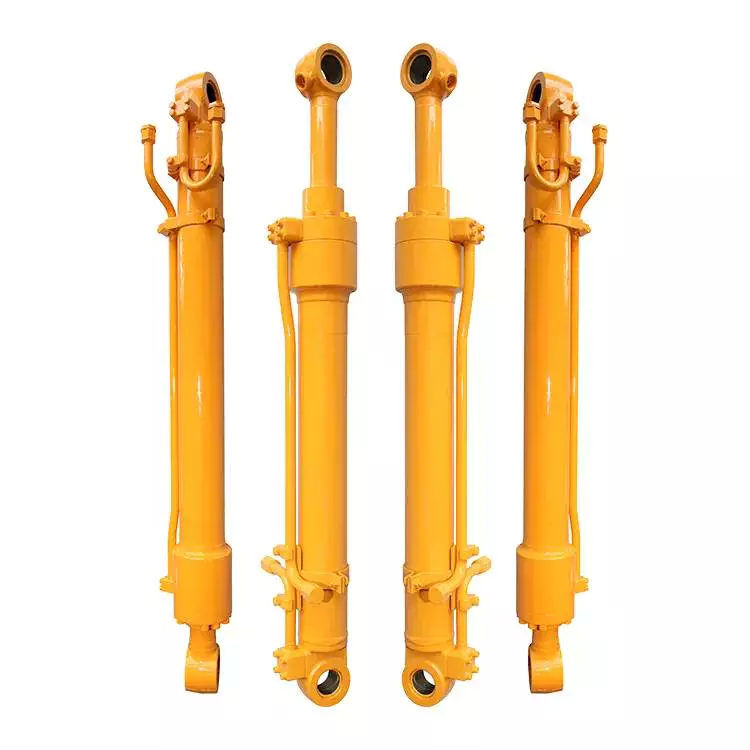
Can hydraulic cylinders be retrofitted onto existing equipment for improved functionality?
Yes, hydraulic cylinders can be retrofitted onto existing equipment to enhance functionality and performance. Retrofitting hydraulic cylinders onto existing machinery or equipment offers several benefits, including increased power, improved control, enhanced precision, and versatility. Here’s a detailed explanation of how hydraulic cylinders can be retrofitted onto existing equipment for improved functionality:
1. Increased Power:
– Retrofitting hydraulic cylinders allows for the addition of hydraulic power to the existing equipment. By integrating hydraulic cylinders, the equipment can generate higher forces and handle heavier loads. This increased power enables the equipment to perform tasks that were previously challenging or impossible. For example, a retrofit hydraulic cylinder on a crane can enhance its lifting capacity and enable it to handle heavier loads more efficiently.
2. Improved Control:
– Hydraulic cylinders provide precise control over the motion and positioning of equipment. By retrofitting hydraulic cylinders, operators gain better control over the speed, force, and direction of movement. The addition of hydraulic control valves and a hydraulic power unit allows for fine-tuning of the equipment’s operation. Improved control facilitates safer and more efficient operation, reducing the risk of damage and improving overall productivity.
3. Enhanced Precision:
– Retrofitting hydraulic cylinders onto existing equipment can significantly improve precision and accuracy. Hydraulic systems offer precise control over movement, enabling smooth and controlled motion. This enhanced precision is beneficial in applications where precise positioning or repetitive movements are required. For instance, retrofitting hydraulic cylinders onto a robotic arm can enhance its accuracy and repeatability, making it more suitable for tasks that demand high precision.
4. Versatility and Adaptability:
– Retrofitting hydraulic cylinders can increase the versatility and adaptability of existing equipment. Hydraulic systems can be easily integrated with various types of machinery, allowing for the utilization of hydraulic power across different applications. The modular nature of hydraulic components facilitates the retrofitting process, enabling the equipment to perform a broader range of tasks. This versatility is particularly advantageous in industries where equipment needs to adapt to changing operational requirements.
5. Retrofit Kits and Customization:
– Manufacturers often provide retrofit kits that include all the necessary components for integrating hydraulic cylinders onto existing equipment. These kits typically consist of hydraulic cylinders, mounting brackets, hoses, fittings, control valves, and other required accessories. Retrofit kits simplify the retrofitting process and ensure compatibility between the hydraulic components and the existing equipment. Additionally, manufacturers can offer customization options to tailor the retrofit solution to specific equipment and application needs.
6. Cost-Effective Solution:
– Retrofitting hydraulic cylinders onto existing equipment can be a cost-effective solution compared to purchasing new machinery. By leveraging the existing equipment’s structural framework and mechanical components, the overall cost of upgrading can be reduced. Retrofitting also minimizes downtime since the equipment does not need to be completely replaced. Furthermore, the improved functionality and performance resulting from the retrofit can lead to increased productivity and cost savings in the long run.
7. Professional Installation and Expertise:
– Retrofitting hydraulic cylinders onto existing equipment often requires professional installation and expertise. Working with experienced hydraulic system integrators or manufacturers ensures proper installation, compatibility, and optimal performance of the retrofit solution. These professionals can assess the existing equipment, recommend suitable hydraulic components, and carry out the retrofitting process efficiently. Their knowledge and expertise contribute to the successful integration of hydraulic cylinders and the overall improvement of equipment functionality.
In summary, hydraulic cylinders can indeed be retrofitted onto existing equipment to improve functionality. This retrofitting process offers advantages such as increased power, improved control, enhanced precision, versatility, cost-effectiveness, and access to retrofit kits and customization options. By retrofitting hydraulic cylinders, existing equipment can be upgraded to meet evolving operational needs, extend its lifespan, and enhance overall performance.
Handling Challenges of Different Fluid Viscosities in Hydraulic Cylinders
Hydraulic cylinders are designed to handle the challenges associated with different fluid viscosities. The viscosity of hydraulic fluid can vary based on temperature, type of fluid used, and other factors. Hydraulic systems need to accommodate these variations to ensure optimal performance and efficiency. Let’s explore how hydraulic cylinders handle the challenges of different fluid viscosities:
- Fluid Selection: Hydraulic cylinders are designed to work with a range of hydraulic fluids, each with its specific viscosity characteristics. The selection of an appropriate fluid with the desired viscosity is crucial to ensure optimal performance. Manufacturers provide guidelines regarding the recommended viscosity range for specific hydraulic systems and cylinders. By choosing the right fluid, hydraulic cylinders can effectively handle the challenges posed by different fluid viscosities.
- Viscosity Compensation: Hydraulic systems often incorporate features to compensate for variations in fluid viscosity. For example, some hydraulic systems utilize pressure compensating valves that adjust the flow rate based on the viscosity of the fluid. This compensation ensures consistent performance across different operating conditions and fluid viscosities. Hydraulic cylinders work in conjunction with these compensation mechanisms to maintain precision and control, regardless of the fluid viscosity.
- Temperature Control: Fluid viscosity is highly dependent on temperature. Hydraulic cylinders employ various temperature control mechanisms to address the challenges posed by temperature-induced viscosity changes. Heat exchangers, coolers, and thermostatic valves are commonly used to regulate the temperature of the hydraulic fluid within the system. By controlling the fluid temperature, hydraulic cylinders can maintain the desired viscosity range, ensuring reliable and efficient operation.
- Efficient Filtration: Contaminants in hydraulic fluid can affect its viscosity and overall performance. Hydraulic systems incorporate efficient filtration systems to remove particles and impurities from the fluid. Clean fluid with the appropriate viscosity ensures optimal functioning of hydraulic cylinders. Regular maintenance and filter replacements are essential to uphold the desired fluid viscosity and prevent issues related to fluid contamination.
- Proper Lubrication: Different fluid viscosities can impact the lubrication properties within hydraulic cylinders. Lubrication is essential for minimizing friction and wear between moving parts. Hydraulic systems employ lubricants specifically formulated for the anticipated fluid viscosity range. Adequate lubrication ensures smooth operation and extends the lifespan of hydraulic cylinders, even in the presence of varying fluid viscosities.
In summary, hydraulic cylinders employ various strategies to handle the challenges associated with different fluid viscosities. By selecting appropriate fluids, incorporating viscosity compensation mechanisms, controlling temperature, implementing efficient filtration, and ensuring proper lubrication, hydraulic cylinders can accommodate variations in fluid viscosity. These measures enable hydraulic systems to deliver consistent performance, precise control, and efficient operation across different fluid viscosity ranges.
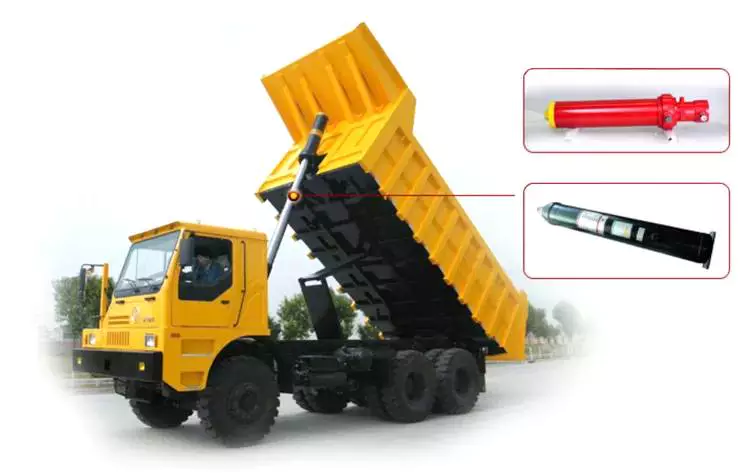
Can hydraulic cylinders be customized for specific equipment or attachment needs?
Yes, hydraulic cylinders can be customized to meet specific equipment or attachment needs. Hydraulic cylinder manufacturers often offer customization options to ensure that the cylinders meet the unique requirements of different applications. Here’s a detailed explanation of how hydraulic cylinders can be customized for specific equipment or attachment needs:
1. Size and Configuration:
– Hydraulic cylinders can be customized in terms of size and configuration to fit specific equipment or attachment requirements. The dimensions of the cylinder, such as bore size, rod diameter, and stroke length, can be tailored to match the available space and the desired force or movement requirements. Additionally, the mounting style and orientation of the cylinder can be customized to ensure proper integration with the equipment or attachment.
2. Operating Pressure and Force:
– The operating pressure and force capabilities of hydraulic cylinders can be customized to suit the specific equipment or attachment needs. Different applications may require different force outputs, and hydraulic cylinder manufacturers can design and manufacture cylinders with the appropriate piston area and pressure ratings to meet those requirements. Customization in this aspect ensures optimal performance and efficiency for the particular equipment or attachment.
3. Stroke Length:
– The stroke length of a hydraulic cylinder refers to the distance the piston can travel from fully retracted to fully extended. Customization of the stroke length allows the hydraulic cylinder to accommodate the specific range of motion required by the equipment or attachment. By adjusting the stroke length, the cylinder can be tailored to deliver the necessary extension and retraction capabilities for efficient operation.
4. Mounting Options:
– Hydraulic cylinders can be customized with various mounting options to facilitate easy installation and integration with specific equipment or attachments. Different applications may require different mounting styles, such as flange mounts, trunnion mounts, or clevis mounts. Manufacturers can provide customized mounting options to ensure proper alignment, stability, and functionality when the cylinder is connected to the equipment or attachment.
5. Sealing and Material Options:
– The sealing system of a hydraulic cylinder is crucial for preventing fluid leakage and maintaining the cylinder’s integrity. Hydraulic cylinder manufacturers offer customization options for sealing materials, such as different types of seals and seal configurations, to suit specific equipment or attachment needs. Additionally, customization of cylinder materials, such as selecting corrosion-resistant materials or specialized coatings, can enhance the cylinder’s durability and performance in specific operating environments.
6. Integration with Control Systems:
– In certain applications, hydraulic cylinders may need to be integrated with sophisticated control systems or automation technologies. Customization can involve incorporating sensors, position feedback devices, or other control elements into the hydraulic cylinder design to enable seamless integration with the overall equipment or attachment control system. This customization ensures precise control, monitoring, and synchronization of the hydraulic cylinder’s movements within the specific application.
7. Specialized Features or Accessories:
– Hydraulic cylinder customization can also involve incorporating specialized features or accessories to meet unique equipment or attachment needs. This may include the integration of safety features, such as pressure relief valves or load-holding valves, or the addition of specific ports or fittings for auxiliary functions or attachments. Customization allows hydraulic cylinders to be tailored to the specific requirements and functionalities of the equipment or attachment.
By offering customization options, hydraulic cylinder manufacturers can provide solutions that precisely match the needs of different equipment or attachment applications. Customized hydraulic cylinders ensure optimal performance, efficiency, and integration, enhancing the overall functionality and productivity of the equipment or attachment. It is important to work closely with experienced manufacturers or hydraulic system specialists to determine the specific customization requirements and ensure the successful implementation of customized hydraulic cylinders.


editor by Dream 2024-11-26
 Korean
  English
  Italian
  Portuguese
  Dutch
Dutch  Swedish
  Danish
  Finnish
  Polish
  Hindi
Hindi  Kazakh
  Turkish
  Ukrainian
  Romanian
  Spanish
  German
  Russian
  Japanese
  Vietnamese
  Thai
Thai  Indonesian
  Malay
Malay  French
  Greek
Greek