
제품 설명
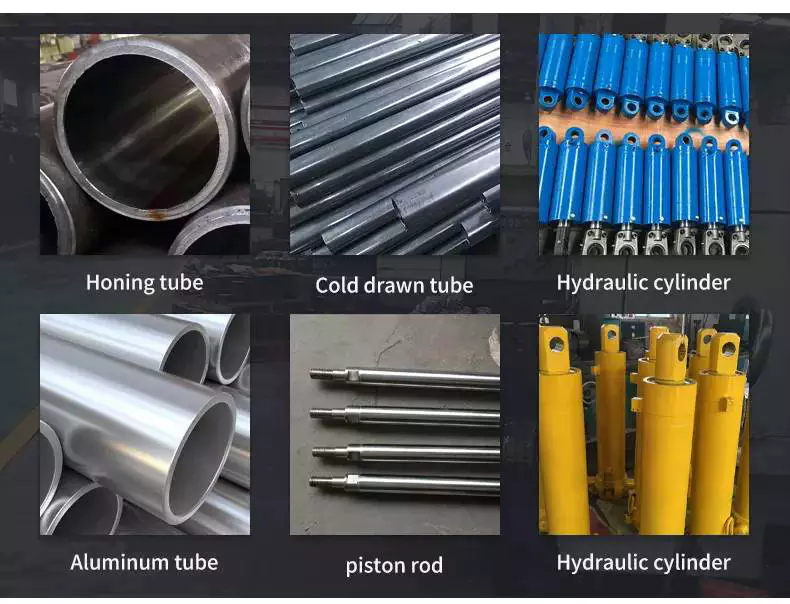
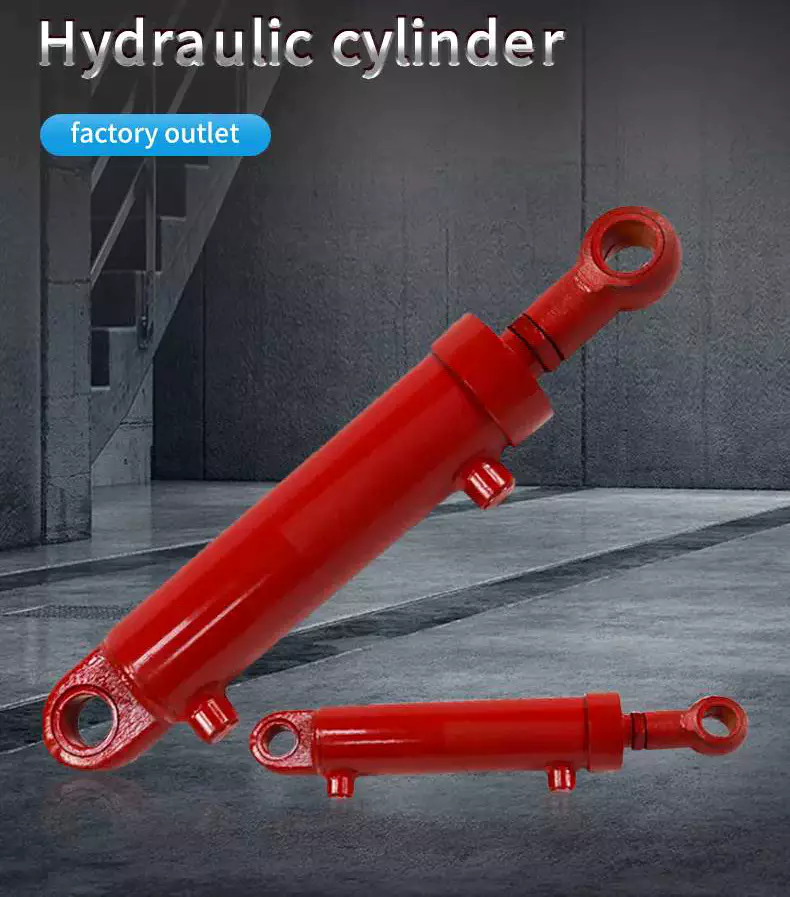
Factory price new design forklift steering special hydraulic cylinder
제품 설명
| Piston diameter | Max. 200mm, customizable |
| Rod diameter | Max. 160mm, customizable |
| Stroke | Max. 2500mm, customizable |
| Pressure | 16~25Mpa |
| Operating temperature | -40~120 ºC |
| OEM | Accepted |
| MOQ | 1pcs |
We could customized per your drawing!
OTHER HYDRAULIC CYLINDERS
회사 소개
About US:
Tianjian Hydraulic. is a leader in the engineering design and manufacture of high pressure hydraulic cylinders that are widely used in the fields of mining, metallurgy, construction machinery, marine, offshore, water engineering, wind power, hydraulic press, agricultural machinery, and so on.
The Tianjian team has almost 8 years experience delivering innovative and dependable solutions to meet OEM high pressure hydraulic cylinder needs.
If possible, when contact with us, please apply information as below
Bore | Rod | Stroke | Work Pressure | Mounting | Work environment |
|
|
|
|
|
|
Quality Assurance
| Inspection Type | Inspection Standard |
| Raw Material Inspection | Before storage, QC takes the measurement of the raw materials. |
| Process Material Inspection | During the production, QCs conduct a random inspection. Before the hydraulic cylinder parts transferred to the next process, QCs takes inspection. |
| Final Function Testing | All the hydraulic cylinders take hydraulic function test |
FAQ
FAQ:
1, What does your company do?
A: we are a supplier of high quality Hydraulic Cylinders for mining, construction, waste management, forestry, agriculture, etc.
2, Are you a manufacture or a trading company?
A: We are a manufacturer. Warmly welcome to visit us!
3, What certificate do you have?
A: All our factories are ISO certificated. And our main suppliers of materials and parts are with CE, RoHS, and UL certificates.
4, How long is your delivery time?
A: The delivery time depends on different products and quantity. The cylinder usually need about 15-60 days.
5, Can you make parts as customer’s requirement or drawing?
A: Yes, we can OEM for you as your drawings. Our engineer also can give you professional support for technical suggestions.
6, What kind of payment terms do you accept?
A: We prefer T/T through bank. 30% when order is confirmed and 70% before shipment. Can be negotiated.
7, What is your warranty policy?
A: All our products are warranted for 1 full year from date of delivery against defects in materials and workmanship. This warranty does not cover parts that are worn out through the course of normal operation or are damaged through negligence. We serious remind that unclean hydraulic oil will definitely cause damage to your Hydraulic components. And this damage is not included in the warranty range. So we strongly suggest you to use new clean oil or make sure the system oil are clean when using our parts
| After-sales Service: | 10 Years |
|---|---|
| Warranty: | 1 Year |
| Material: | Carbon Steel |
| Surface Treatment: | Baking Paint |
| Customized: | Customized |
| Standard: | Nonstandard |
| Samples: | US$ 200/Piece 1 Piece(Min.Order) | |
|---|
| 맞춤 설정: | 사용 가능 |
|
|---|
How do hydraulic cylinders contribute to the overall cost-effectiveness of industrial processes?
Hydraulic cylinders play a crucial role in enhancing the overall cost-effectiveness of industrial processes. They offer several advantages and contribute to increased productivity, improved efficiency, reduced maintenance costs, and enhanced operational performance. Here’s a detailed explanation of how hydraulic cylinders contribute to the cost-effectiveness of industrial processes:
1. High Power Density:
– Hydraulic cylinders provide a high power-to-weight ratio, allowing them to generate substantial force in a compact design. This power density enables the use of smaller and lighter equipment, reducing material and manufacturing costs, and increasing the efficiency of industrial processes.
2. Precise Force and Position Control:
– Hydraulic cylinders offer precise force and position control, allowing for accurate movement and positioning of machinery or workpieces. This level of control enhances process efficiency, reduces material waste, and improves overall product quality. Precise force control also minimizes the risk of equipment damage, further reducing maintenance and repair costs.
3. High Load Handling Capacity:
– Hydraulic cylinders are known for their ability to handle high loads. They can exert significant force, making them suitable for heavy-duty industrial applications. By efficiently handling heavy loads, hydraulic cylinders contribute to increased productivity and throughput, reducing the need for additional equipment and streamlining industrial processes.
4. Flexibility and Versatility:
– Hydraulic cylinders offer a high degree of flexibility and versatility in industrial processes. They can be easily integrated into various types of machinery and equipment, allowing for diverse applications. This adaptability reduces the need for specialized equipment, resulting in cost savings and increased operational efficiency.
5. Energy Efficiency:
– Hydraulic systems, including hydraulic cylinders, can be designed to operate with high energy efficiency. By utilizing efficient hydraulic circuit designs, advanced control systems, and energy recovery mechanisms, hydraulic cylinders minimize energy waste and reduce operational costs. Energy-efficient hydraulic systems also contribute to a more sustainable and environmentally friendly industrial operation.
6. Durability and Longevity:
– Hydraulic cylinders are built to withstand demanding industrial environments and heavy usage. They are constructed with robust materials and undergo stringent quality control measures to ensure durability and longevity. Their ability to withstand harsh conditions and repetitive motion reduces the need for frequent replacements, minimizing downtime and maintenance costs.
7. Reduced Maintenance Requirements:
– Hydraulic cylinders require relatively low maintenance compared to other types of actuators. Properly designed hydraulic systems with efficient filtration and contamination control mechanisms can prevent damage to the cylinders and extend their service life. Reduced maintenance requirements result in lower downtime, decreased labor costs, and improved cost-effectiveness of industrial processes.
8. System Integration and Automation:
– Hydraulic cylinders can be seamlessly integrated into automated industrial processes. By incorporating hydraulic cylinders into automated systems, tasks can be performed with precision and repeatability, reducing human error and optimizing efficiency. Automation also allows for continuous operation, increasing productivity and overall cost-effectiveness.
9. Cost-Effective Replacement:
– In situations where hydraulic cylinders require replacement or repair, the cost-effectiveness of the process is still maintained. Hydraulic cylinders are typically modular in design, allowing for easy replacement of individual components or complete units. This modularity reduces downtime and associated costs, as only the affected components need to be replaced, rather than the entire system.
In summary, hydraulic cylinders contribute to the overall cost-effectiveness of industrial processes through their high power density, precise control capabilities, high load handling capacity, flexibility, energy efficiency, durability, reduced maintenance requirements, system integration, and cost-effective replacement options. Their ability to enhance productivity, efficiency, and operational performance while minimizing maintenance and downtime costs makes hydraulic cylinders a valuable component in various industrial applications.
유압 실린더가 제조 공정의 전반적인 생산성에 미치는 영향
유압 실린더는 제조 공정의 전반적인 생산성 향상에 매우 중요한 역할을 합니다. 이 다재다능한 장치는 강력하고 정밀한 직선 운동을 생성할 수 있는 능력 덕분에 다양한 산업 분야에서 널리 사용됩니다. 유압 실린더가 제조 공정의 생산성에 미치는 영향을 자세히 살펴보겠습니다.
- 강력한 에너지 생성: 유압 실린더는 높은 힘을 발생시킬 수 있어 무거운 하중을 처리하고 까다로운 작업을 수행할 수 있습니다. 유압 실린더는 필요한 힘을 제공함으로써 제조 공정에서 기계 및 장비의 효율적이고 효과적인 작동을 가능하게 합니다. 이러한 강력한 힘 발휘 능력은 더 큰 공작물을 다룰 수 있게 하고, 공정 효율성을 높이며, 수작업 필요성을 줄여 생산성 향상에 기여합니다.
- 정밀성과 제어력: 유압 실린더는 하중의 움직임을 정밀하게 제어하여 정확한 위치 지정, 정렬 및 반복 작업을 가능하게 합니다. 유압 실린더가 제공하는 부드럽고 제어된 직선 운동은 조립, 자재 운반 및 가공과 같은 제조 공정에서 정밀한 작동을 보장합니다. 이러한 정밀도와 제어는 오류, 재작업 및 불량품을 최소화하여 생산성 향상과 고품질 제품 생산으로 이어집니다.
- 속도와 효율성: 유압 실린더는 고속으로 작동할 수 있어 제조 공정에서 빠른 동작과 사이클 타임을 가능하게 합니다. 높은 힘과 빠른 속도의 조합으로 기계 및 장비의 작동 속도를 높여 생산 사이클 타임을 단축하고 전체 생산량을 증가시킬 수 있습니다. 유압 실린더는 제조 공정의 속도와 효율성을 최적화함으로써 생산성과 생산량 향상에 기여합니다.
- 유연성과 적응성: 유압 실린더는 유연성이 뛰어나 다양한 제조 분야에 적용할 수 있습니다. 하중 용량, 스트로크 길이, 장착 방식 등 특정 요구 사항에 맞춰 맞춤 제작이 가능합니다. 이러한 다재다능함 덕분에 유압 실린더는 다양한 기계 및 장비에 통합되어 여러 제조 요구 사항을 충족할 수 있습니다. 다양한 작업과 환경에 적응할 수 있는 능력은 자원의 효율적인 활용과 공정 최적화를 통해 전반적인 생산성을 향상시킵니다.
- 신뢰성 및 내구성: 유압 실린더는 견고성과 내구성이 뛰어나 까다로운 제조 환경에 적합합니다. 무거운 하중, 반복 사용 및 열악한 작동 조건을 견딜 수 있는 능력 덕분에 장기간 안정적인 성능을 보장합니다. 실린더 고장이나 유지 보수 필요성으로 인한 가동 중단 시간을 최소화함으로써 생산성을 향상시키고 제조 공정을 중단 없이 운영할 수 있습니다.
요약하자면, 유압 실린더는 제조 공정의 전반적인 생산성에 상당한 영향을 미칩니다. 강력한 힘 생성, 정밀한 제어, 빠른 속도와 효율성, 유연성과 적응성, 그리고 신뢰성과 내구성은 공정 최적화, 생산량 증대, 품질 향상, 그리고 노동력 절감에 기여합니다. 제조업체는 유압 실린더의 이러한 역량을 활용하여 생산성을 향상시키고, 운영을 간소화하며, 제조 공정의 효율성을 극대화할 수 있습니다.
What maintenance practices are essential for extending the lifespan of hydraulic cylinders?
Maintaining hydraulic cylinders is crucial for extending their lifespan and ensuring optimal performance. Regular maintenance helps prevent premature wear, damage, and failure, ultimately reducing downtime and saving costs. Here are some essential maintenance practices to consider for extending the lifespan of hydraulic cylinders:
1. Regular Inspections:
– Conduct routine visual inspections of hydraulic cylinders to identify any signs of damage, leaks, or wear. Inspect the cylinder body, piston rod, seals, and mounting points. Look for fluid leaks, rust, dents, or any abnormal wear patterns. Early detection of issues allows for timely repairs or replacements, preventing further damage and extending the lifespan of the cylinder.
2. Cleanliness:
– Maintain a clean environment around hydraulic cylinders to prevent contaminants from entering the system. Dust, dirt, and debris can damage seals and other internal components, leading to accelerated wear and reduced performance. Regularly clean the cylinder and its surroundings to minimize the risk of contamination.
3. Proper Lubrication:
– Adequate lubrication is critical for the smooth operation and longevity of hydraulic cylinders. Follow the manufacturer’s recommendations for lubrication intervals and use the appropriate lubricant. Apply lubrication to the cylinder’s moving parts, such as the piston rod, to reduce friction and minimize wear.
4. Seal Maintenance:
– Seals play a vital role in preventing hydraulic fluid leaks and maintaining the cylinder’s performance. Inspect and replace worn or damaged seals promptly. Ensure that seals are properly installed and lubricated. Regularly clean the seal grooves to remove any debris that could compromise seal effectiveness.
5. Pressure Checks:
– Periodically check the hydraulic system’s pressure to ensure it is within the recommended operating range. Excessive pressure can strain the cylinder and its components, leading to premature wear. Monitor pressure levels and make adjustments as necessary to prevent overloading the cylinder.
6. Control Valve Maintenance:
– Maintain and inspect control valves that regulate the flow and direction of hydraulic fluid. Ensure that the valves are functioning correctly and not causing excessive stress or pressure spikes in the cylinder. Clean or replace control valves if they are damaged or malfunctioning.
7. Cylinder Alignment:
– Proper alignment of hydraulic cylinders is essential for their longevity. Misalignment can cause excessive side loads, leading to uneven wear and potential damage. Ensure that the cylinder is correctly aligned with other components and that the mounting points are secure.
8. Preventing Overloading:
– Avoid subjecting hydraulic cylinders to loads exceeding their rated capacity. Overloading can cause internal damage, seal failure, and reduced lifespan. Ensure that the load requirements are within the cylinder’s capabilities and consider using safety devices like overload protection systems when necessary.
9. Training and Operator Awareness:
– Provide proper training to equipment operators on the correct use and handling of hydraulic cylinders. Operators should be aware of the cylinder’s limitations, safe operating procedures, and the importance of regular maintenance. Promote a culture of proactive maintenance and encourage operators to report any potential issues promptly.
10. Documentation and Record-Keeping:
– Maintain detailed documentation of all maintenance activities, including inspections, repairs, and replacements. Keep records of lubrication schedules, pressure checks, and any maintenance performed on the hydraulic cylinders. This documentation helps track the cylinder’s history, identify recurring issues, and plan future maintenance effectively.
By following these maintenance practices, hydraulic cylinder lifespan can be extended, ensuring reliable performance and reducing the risk of unexpected failures. Regular inspections, cleanliness, proper lubrication, seal maintenance, pressure checks, control valve maintenance, cylinder alignment, preventing overloading, operator training, and documentation contribute to the overall longevity and optimal functioning of hydraulic cylinders.


editor by CX 2023-10-18
 Korean
  English
  Italian
  Portuguese
  Dutch
Dutch  Swedish
  Danish
  Finnish
  Polish
  Hindi
Hindi  Kazakh
  Turkish
  Ukrainian
  Romanian
  Spanish
  German
  Russian
  Japanese
  Vietnamese
  Thai
Thai  Indonesian
  Malay
Malay  French
  Greek
Greek