
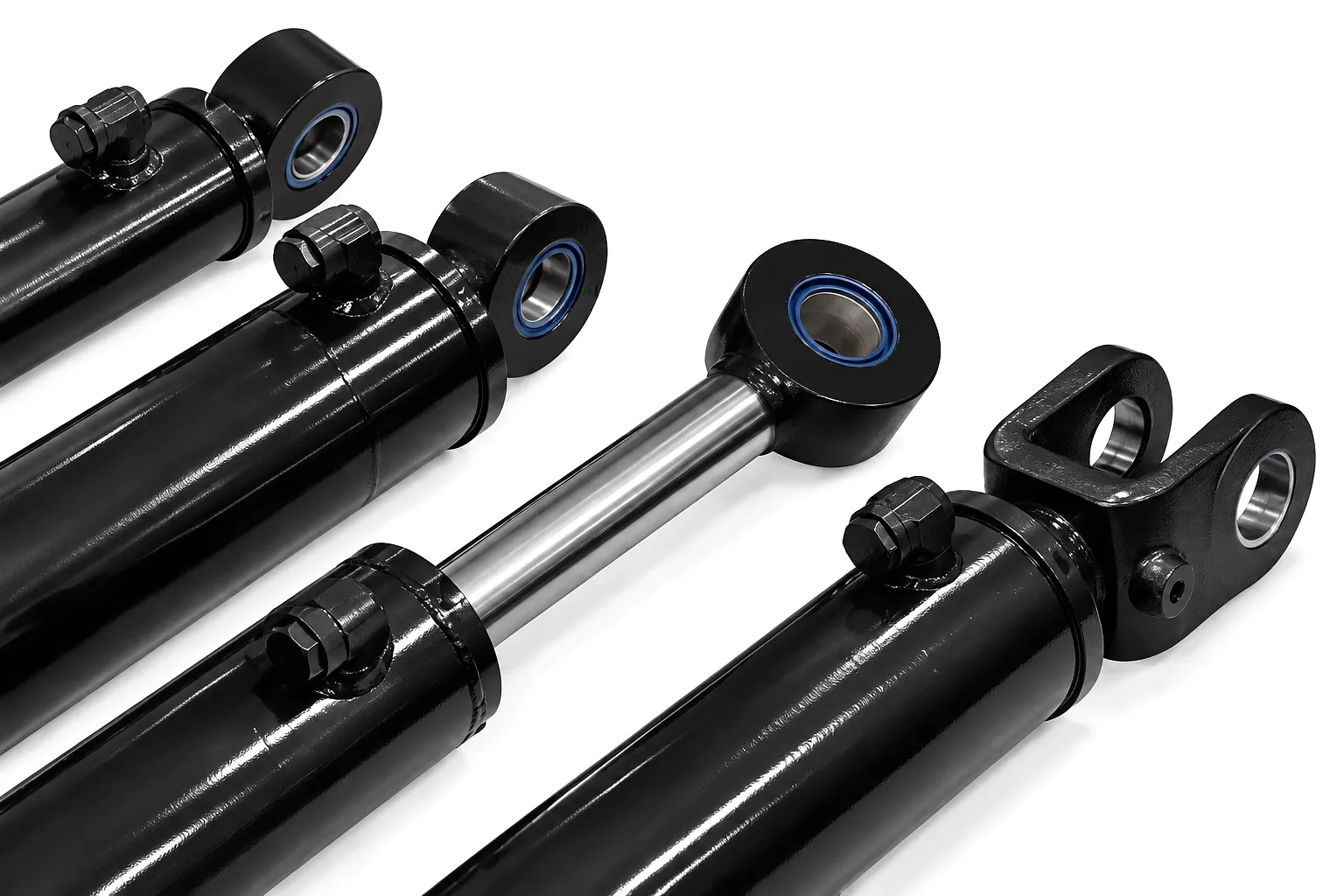
 Hydraulic cylinders are among the most mechanically demanding components in modern industrial machinery — they endure extreme pressures, cyclical loading, abrasive contamination, and wide temperature swings, often simultaneously. In the UK’s manufacturing heartlands, from the steel fabrication plants of Sheffield to the heavy engineering workshops of Birmingham, hydraulic cylinders are trusted to deliver consistent force output day after day with minimal deviation. Yet despite their engineering robustness, even the highest-quality hydraulic cylinders will deteriorate prematurely if maintenance is treated as an afterthought rather than a structured engineering discipline. The difference between a cylinder that lasts five years and one that lasts fifteen is almost never about the original specification — it is almost always about the maintenance culture surrounding it.
Understanding Why Hydraulic Cylinders Fail Prematurely
Seal Degradation
Seals are the single most common failure point in any hydraulic cylinder. Polyurethane and nitrile seals are vulnerable to chemical attack from degraded or incompatible hydraulic fluid, thermal cycling beyond their rated operating range, and side-loading caused by misalignment. In UK facilities where cylinders operate outdoors or in temperature-variable environments — such as agricultural machinery yards in Yorkshire or port-side handling equipment in Liverpool — seal aging is accelerated significantly. Routine seal inspection, correct fluid compatibility checks, and early replacement at the first sign of external weeping can prevent catastrophic rod scoring and barrel damage that costs far more to rectify.
Fluid Contamination
Contamination is responsible for an estimated 70–80% of all hydraulic system failures worldwide, and cylinder damage is a primary downstream consequence. Particulate contamination — even at microscopic levels, measured in the four-to-ten-micron range — acts as an abrasive medium against precision-lapped cylinder bore surfaces and rod chrome plating. Water ingress, a particular concern in the humid British climate, accelerates oxidation of internal steel components, attacks fluid additive packages, and degrades the lubricating film thickness. Implementing ISO 4406 cleanliness standards, using high-efficiency suction strainers, and installing sampling ports for regular fluid analysis are foundational steps that many UK maintenance teams still overlook.
Misalignment Stress
Hydraulic cylinders are engineered to transmit force along their central axis. Any deviation from true linear alignment introduces radial loading on the rod, piston, and bearing surfaces that these components were never designed to absorb continuously. Mounting misalignment — often caused by structural settlement, worn pivot pins, or improper installation after a rebuild — leads to accelerated wear on guide rings and wiper seals, uneven rod chrome wear, and, in severe cases, rod bending. Alignment checks using precision dial gauges or laser measurement tools should be part of every scheduled maintenance visit, particularly on cylinders operating under high side loads, such as those used in tipper bodies and excavation equipment.
Thermal Overload
Operating hydraulic systems above their designed temperature range creates a cascade of problems that all ultimately shorten cylinder life. At elevated temperatures, fluid viscosity drops below the minimum required for effective film lubrication, seals harden and lose elasticity, and cavitation risk inside the cylinder increases substantially. In UK press shops, die-casting facilities, and continuous-process manufacturing plants — where cylinders may cycle thousands of times per shift — thermal management through properly sized heat exchangers, correct fluid volume, and monitoring of system temperature is as critical as any other maintenance activity. Ignoring thermal limits is one of the fastest paths to a catastrophic cylinder failure during a production run.
Structured Maintenance Best Practices: A Field-Tested Framework
The following maintenance disciplines are drawn from best-practice frameworks applied across UK heavy industry sectors including construction, offshore support, and automated manufacturing.
Daily Visual Inspection Protocol
Every cylinder in active service should be subject to a daily visual inspection that takes no more than three minutes per unit but delivers disproportionate early-warning value. Operators should check for external fluid weeping at the rod seal junction, rod surface condition including any scoring, pitting, or chrome flaking, visible corrosion on external barrel surfaces, and the condition of any exposed clevis pins or mounting hardware. In the UK’s typically wet climate, surface rust on unprotected external mild-steel components progresses quickly. Catching these indicators early — before they develop into seal breach or structural damage — is the simplest and lowest-cost form of cylinder life extension available to any maintenance team.
Hydraulic Fluid Management and Oil Analysis
Fluid management is arguably the single highest-impact lever for extending hydraulic cylinder service life. A robust fluid management programme begins with selecting the correct viscosity grade and additive package for the operating conditions — ISO VG 46 is common in UK ambient temperature environments, but systems operating at elevated temperatures or in cold northern regions may require a different grade. Equally important is the implementation of a regular oil analysis schedule, conducted by an accredited UK laboratory, which checks for particle count (ISO 4406 cleanliness class), water content (ideally below 200 ppm), acid number, and viscosity drift. Acting on oil analysis data allows maintenance engineers to schedule cylinder servicing based on actual condition rather than arbitrary time intervals, reducing both over-maintenance costs and unexpected failures.
Rod Chrome Surface Care and Protection
The chrome-plated rod surface is perhaps the most technically critical surface in the entire cylinder assembly. Its function extends beyond mere corrosion protection — the hard chrome layer (typically 0.025 to 0.075 mm thick, with hardness above 850 HV) provides the low-friction surface against which the rod seal runs, and its surface finish (typically Ra 0.1 to 0.4 µm) is what determines seal life more than almost any other single factor. Physical damage to the rod — from weld spatter, tool contact, or debris impact — creates stress-riser grooves that tear seals within hours of the cylinder returning to service. Protective rod boots should be installed on all exposed cylinders in aggressive environments. Where surface damage is found during inspection, the rod should be assessed for professional re-chroming before the cylinder is returned to service rather than running it until the seal fails.
Pressure Setting Verification and Overload Protection
Hydraulic cylinders are rated for specific maximum working pressures — typically expressed in bar, with common industrial cylinders rated between 160 bar and 350 bar depending on application. Operating continuously at or near maximum rated pressure significantly accelerates seal fatigue, barrel hoop stress cycling, and end-cap thread wear. The system relief valve should be set at 10 to 15% above the maximum load-induced pressure, verified with a calibrated pressure gauge, and confirmed at every major service interval. UK health and safety legislation, including PSSR 2000 (Pressure Systems Safety Regulations), requires that all hydraulic equipment operates within its written scheme of examination parameters — which inherently demands regular pressure setting verification as a compliance obligation as well as a maintenance best practice.
Application Scenarios: Where Maintenance Discipline Matters Most
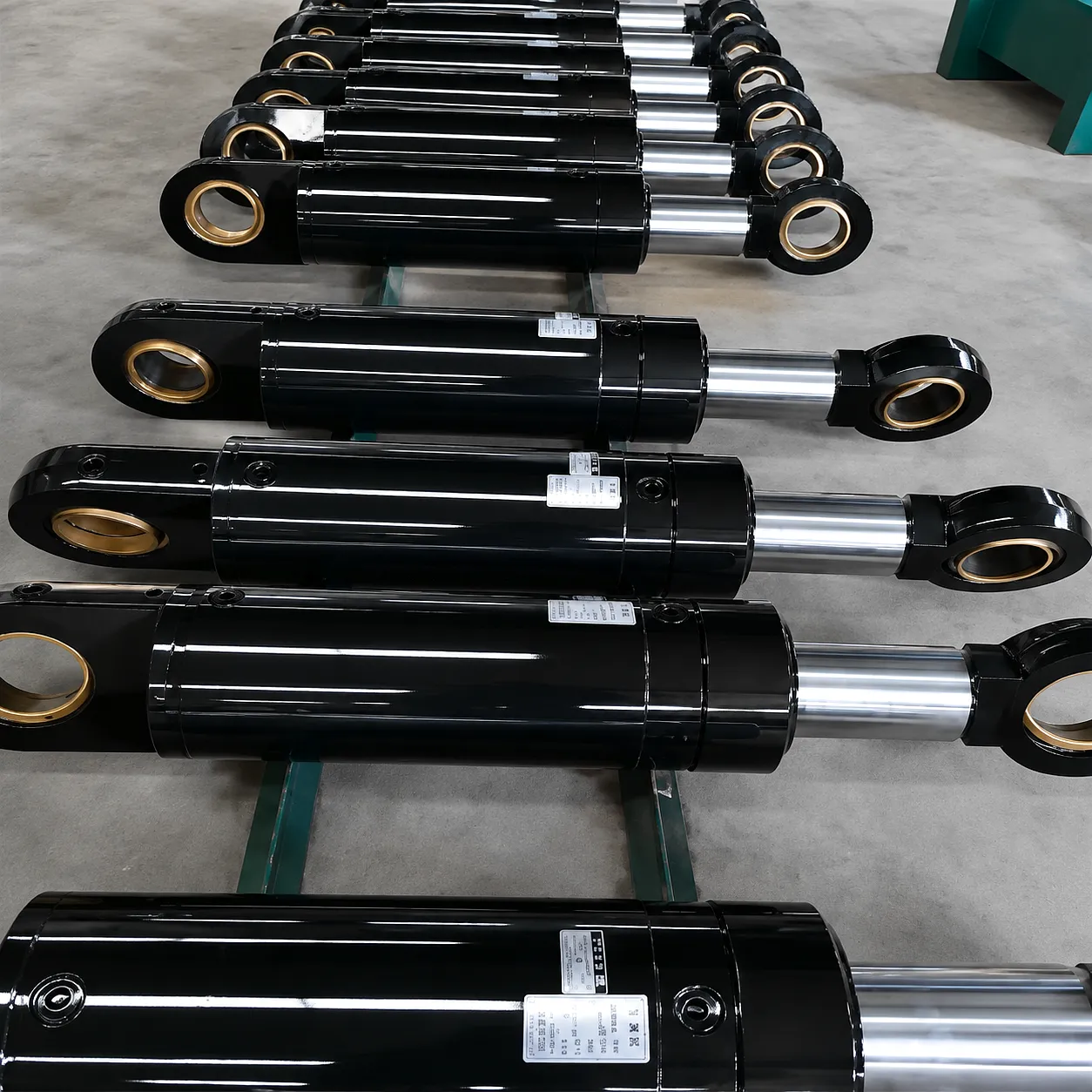
Hydraulic cylinders serve vastly different duty cycles depending on the application, and the maintenance strategy that works well in one environment may be entirely inadequate in another. Recognising the specific stress profile of each application is the foundation of intelligent preventive maintenance planning.
Agricultural Machinery: Combine Harvesters and Header Cylinders
Agricultural hydraulic cylinders operate in some of the harshest conditions of any sector — exposed to field dust, crop debris, moisture, and wide temperature swings from pre-dawn cold starts to midday summer heat. In arable regions from Lincolnshire to the Scottish Lowlands, combine harvesters accumulate high annual operating hours during brief, intensive harvest windows. This means that maintenance windows are short and the cost of in-field cylinder failure is enormous. Maintenance best practice here includes pre-season complete cylinder inspection with seal replacement as a matter of course, filter element changes, and rod boot integrity checks. Properly maintained cylinders on agricultural equipment can be kept in service for ten years or more, dramatically reducing the cost per acre of the hydraulic system across the machine’s lifetime. Explore our Hydraulic Cylinders for Combine Harvester Machine for precision-engineered solutions built for this duty cycle.
Lifting Platforms and Elevated Work Equipment
Telescopic and double-acting hydraulic cylinders used in lifting platforms face a distinct failure mode profile — they carry suspended loads for extended static-hold periods, cycling under full load rather than the variable-load conditions typical in process equipment. For scissors lifts, vehicle maintenance hoists, and access platforms used in warehousing and logistics centres across the West Midlands and the North West of England, leak-free performance under static load is a critical safety requirement as well as a reliability concern. Maintenance protocols for these cylinders must include load-hold leak-down tests at each service interval, hydraulic lock valve function verification, and cylinder synchronisation checks on multi-cylinder platform configurations. For platforms requiring extended stroke range, our Custom Double Acting Telescopic Hydraulic Cylinders for Lifting Platform offer engineered solutions designed for long service intervals under sustained load conditions.
Steel Processing and Heavy Fabrication Plants
Sheffield remains a global reference point for specialist steel production, and the hydraulic cylinders used in hot-rolling mills, forge presses, and heavy shearing equipment operate under extreme combined loads — high cycle rates, elevated ambient temperatures from radiant heat, and airborne ferrous particulate contamination. These conditions make cleanliness class targets of ISO 17/15/12 or better essentially mandatory for cylinder longevity. Dedicated offline filtration circuits, high-temperature seal material selection (fluoroelastomer rather than standard nitrile), and rod surface protection via shrouding are all maintenance engineering decisions that can add years to service life in this environment. The economics are clear: in a Sheffield steel plant, each unplanned press cylinder failure during a production run can cost tens of thousands of pounds in lost output alone — dwarfing the cost of even the most comprehensive preventive maintenance programme.
Construction and Civil Engineering Equipment
The UK construction sector is heavily reliant on hydraulic boom cylinders, arm cylinders, and bucket cylinders on excavators, telescopic handlers, and crane systems. On major infrastructure projects — HS2 works, coastal flood defence schemes, and urban regeneration programmes in Birmingham, Manchester, and Leeds — equipment downtime carries immediate programme and financial penalties. Maintenance crews working in these environments must deal with contamination from clay soils, concrete dust, and standing water. The practice of daily wiper seal inspection and frequent rod washing with clean water before cylinder retraction is particularly effective at preventing grit ingestion past the rod wiper. Cylinder pin and bush lubrication at manufacturer-specified intervals is equally important, as worn pin joints introduce the misalignment loads described earlier that rapidly destroy seals and rod guiding surfaces.
Hydraulic Cylinder Technical & Performance Parameters Reference Table
Understanding the design parameters of your hydraulic cylinders is a prerequisite for setting correct maintenance intervals. This reference table covers standard industrial cylinder grades as supplied and customised by Ever Power for UK and international B2B clients.
| 매개변수 | Standard Grade | Heavy Duty Grade | Custom / Bespoke |
|---|---|---|---|
| 내경 | 25 – 160 mm | 160 – 500 mm | Up to 1,000 mm+ |
| 막대 직경 | 16 – 100 mm | 100 – 320 mm | Custom per load calc |
| Max Working Pressure | 160 – 200 bar | 200 – 350 bar | Up to 700 bar |
| 스트로크 길이 | Up to 1,000 mm | Up to 6,000 mm | No fixed limit |
| Operating Temperature | -20°C to +80°C | -30°C to +120°C | -50°C to +200°C (FKM) |
| 막대 표면 처리 | Hard Chrome (standard) | Hard Chrome / Ni-Cr | HVOF / Induction hardened |
| Barrel Material | ST52.3 / E355 | 42CrMo4 alloy steel | Stainless / Custom alloy |
| Seal Material Options | NBR / Polyurethane | HNBR / FPM | FKM / PTFE / Custom |
| Rod Chrome Thickness | 0.02 – 0.05 mm | 0.05 – 0.10 mm | Up to 0.25 mm HVOF |
| Design Validation | Pressure test to 1.5× WP | FEA + burst test | Full FAT per client spec |
Maintenance Interval Schedule: What to Check and When
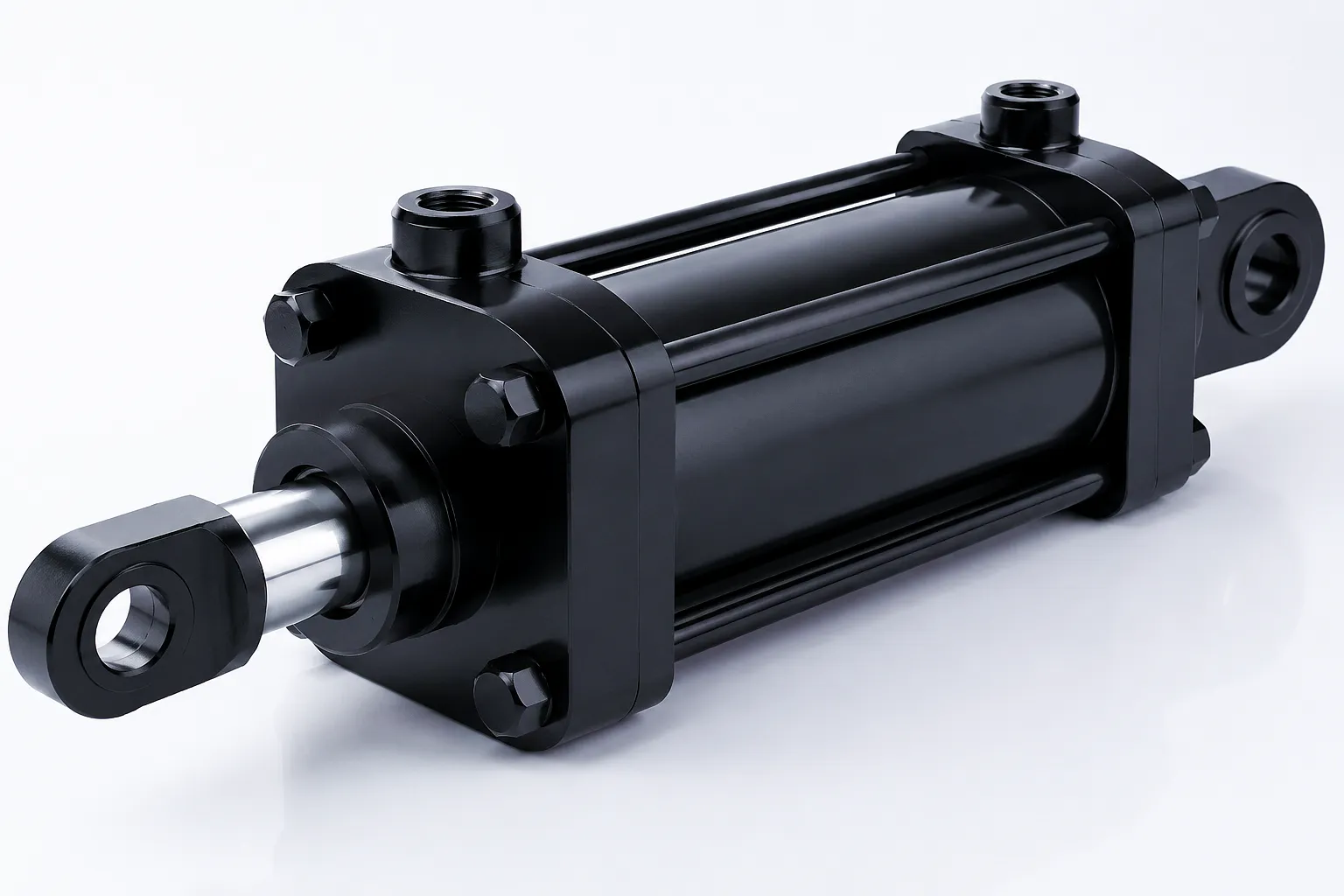
The following schedule represents a minimum standard for industrial hydraulic cylinder maintenance in UK manufacturing and construction environments. Specific OEM recommendations and the results of oil analysis programmes may justify shorter intervals in high-stress applications.
| Interval | Inspection / Task | Method | Action Trigger |
|---|---|---|---|
| Daily | Visual rod and seal inspection | Operator walk-around | Any weeping or surface damage |
| Weekly | Pin and pivot lubrication, fluid level check | Grease gun / sight glass | Dry joints; low reservoir |
| Monthly | Filter element condition check, pressure gauge verification | Delta-P indicator / calibrated gauge | Filter bypass indicator; pressure deviation >5% |
| Quarterly | Oil analysis sample, alignment check | Lab analysis / dial gauge | ISO 4406 class exceeds target; misalignment >0.5mm |
| Annually | Full cylinder overhaul, seal replacement, chrome rod assessment | Strip and inspect | Regardless of condition (high-duty) / as-found |
| Every 2–3 Years | Full fluid change, system flush, hose replacement | Drain, flush, refill | Oil analysis / hose age |
Ever Power Hydraulic Cylinder Product Range
From single-acting standard cylinders to fully bespoke telescopic and heavy-duty assemblies, Ever Power manufactures and supplies hydraulic cylinders engineered for the UK’s most demanding industrial applications.
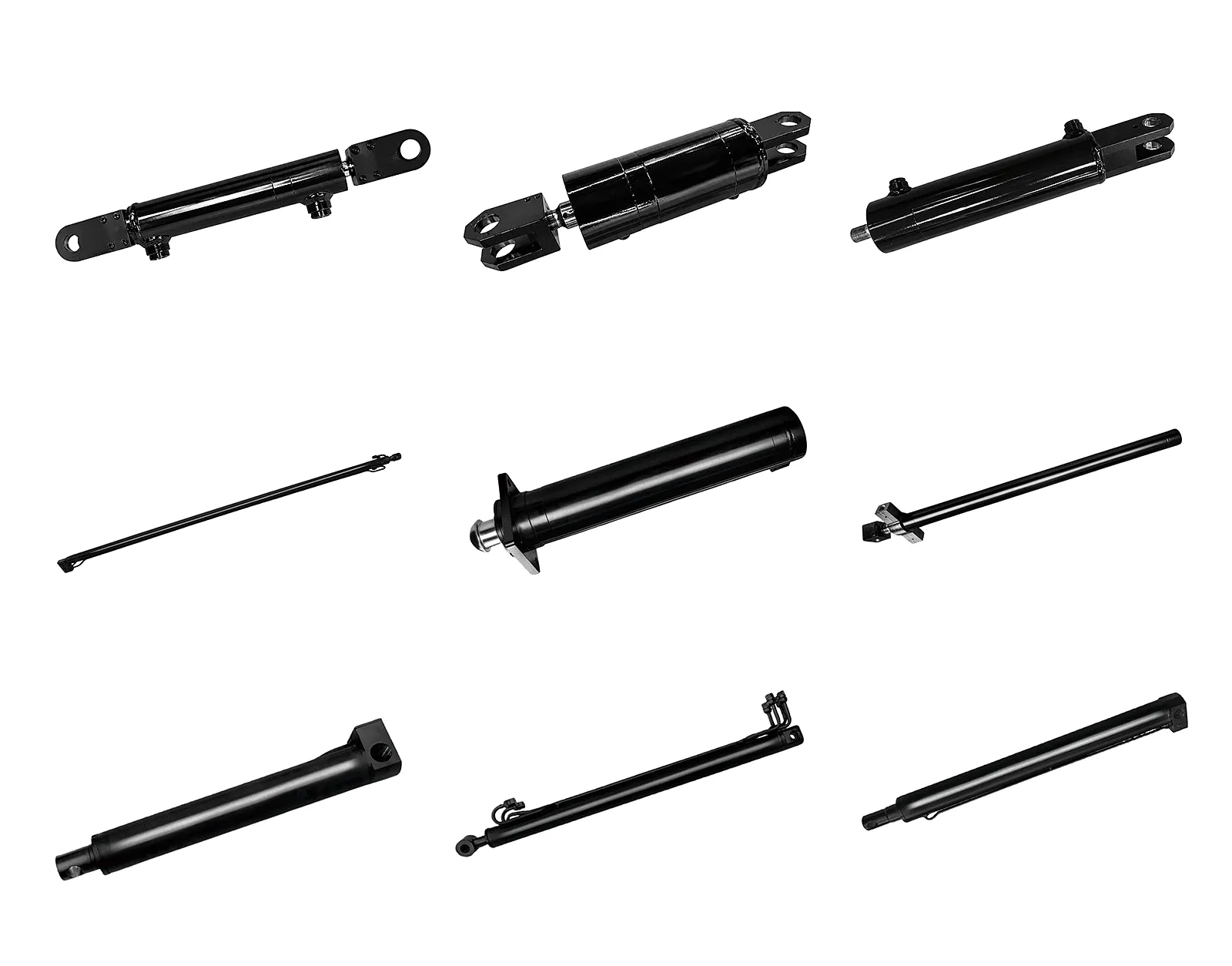
Ever Power: Precision Manufacturing and Custom Hydraulic Cylinder Solutions
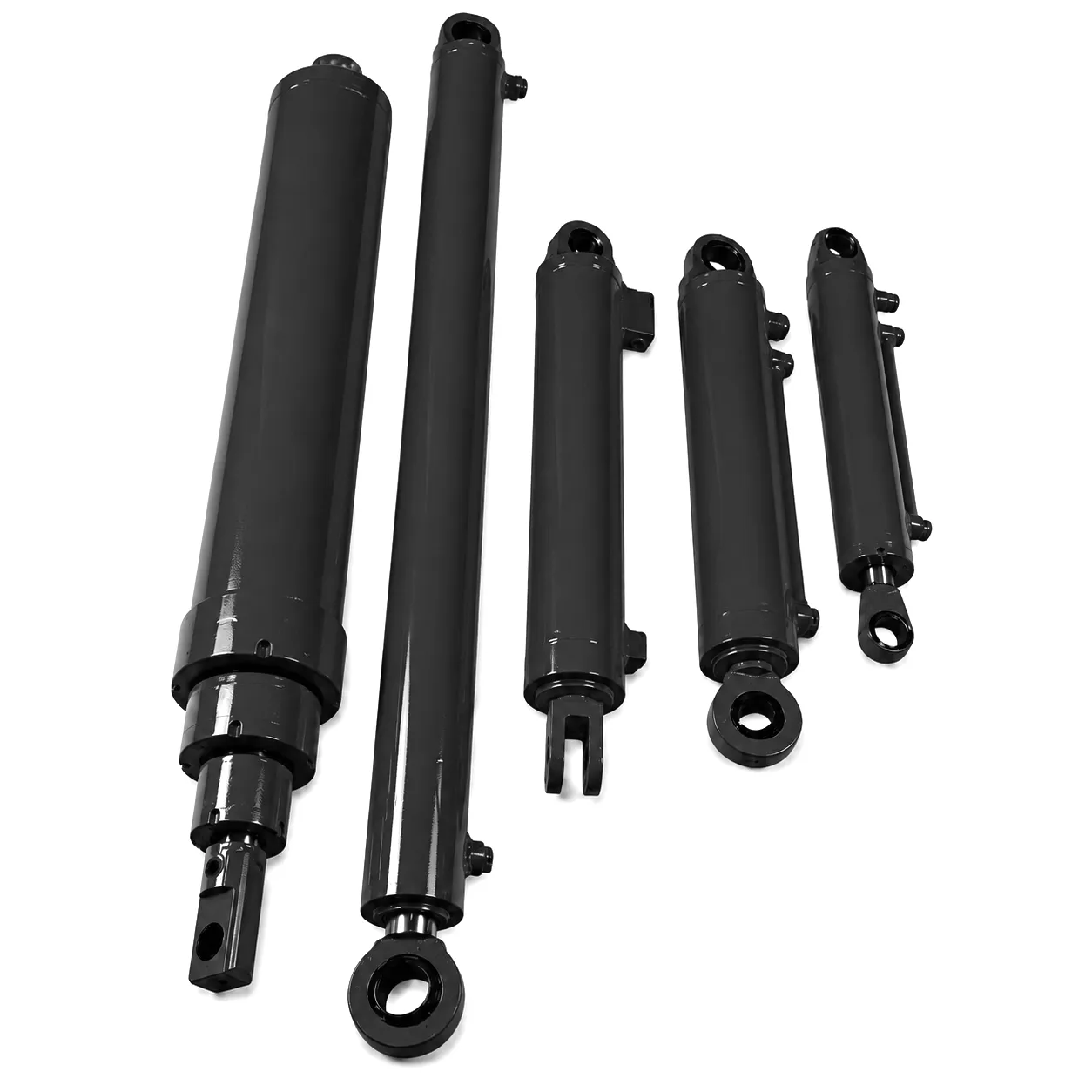 Ever Power operates a fully vertically integrated hydraulic cylinder manufacturing facility, where raw material incoming inspection, precision honing, CNC turning, hard chrome plating, assembly, and hydraulic testing all take place under one quality management system certified to ISO 9001. This end-to-end control over the manufacturing process means that when a UK customer places an order for a bespoke hydraulic cylinder, every dimension, surface finish, and material selection is traceable and documented from raw bar stock through to the final factory acceptance test report.
Ever Power’s customisation capability is one of the most comprehensive available to UK procurement teams sourcing from international manufacturers. The engineering team routinely works with customer-supplied CAD models, duty cycle data, and installation constraint drawings to produce hydraulic cylinders that are not simply close to the customer’s requirement but exactly right for it. Bore diameters from 25 mm to over 500 mm, stroke lengths from 50 mm to beyond 6 metres, operating pressures from 50 bar to 700 bar, and any combination of mounting style — including clevis, flange, trunnion, and foot-mounted variants — are all within the standard scope of Ever Power’s custom manufacturing capability. For UK customers requiring certifications such as CE marking, UKCA marking, or compliance with BS EN ISO 4413 (the hydraulic system safety standard), Ever Power’s technical team can provide the full documentation package required for machine safety file submission.
Lead times for standard bespoke cylinders are typically four to six weeks from drawing approval to despatch, with expedited options available for urgent project requirements. Ever Power maintains strong logistics partnerships to ensure reliable delivery to UK customers at ports including Felixstowe and Southampton, with DDP (Delivered Duty Paid) pricing available to eliminate customs processing uncertainty. For plant engineers at UK facilities who need replacement cylinders manufactured to an original equipment specification — even where the original manufacturer is no longer active — Ever Power’s reverse engineering service can produce dimensionally equivalent and mechanically interchangeable replacements from a physical sample or dimensional survey.
Ready to specify your next hydraulic cylinder? Ever Power’s engineering team is available to discuss your application requirements and provide a detailed technical quotation.
Customer Success Story: Sheffield Forge Press Reliability Improvement
Precision Forgings Manufacturing
Heavy Industry
A precision forgings manufacturer operating a fleet of horizontal press machines in Sheffield was experiencing recurring hydraulic cylinder failures at an average interval of eleven months, well short of the two-year design life. The cylinders — 200 mm bore, 400 bar rated, operating at ambient temperatures between 35°C and 85°C due to furnace proximity — were failing primarily through rod seal degradation and associated bore scoring. Each failure required an emergency shutdown lasting between 18 and 36 hours, incurring an average cost of £28,000 per incident in lost production, maintenance labour, and replacement parts.
Following a technical consultation with Ever Power, the root causes were identified as a combination of incorrect seal material selection (standard NBR rather than FKM appropriate for the elevated temperature environment), ISO cleanliness class running at 21/19/16 against a target of 17/15/12, and rod boot damage allowing forge scale ingestion past the rod wiper. Ever Power supplied replacement cylinders built to an upgraded specification — FKM seals throughout, HVOF-coated rod for enhanced surface hardness and chemical resistance, and stainless-steel rod boots as a standard fitment. The customer implemented the fluid analysis programme recommended by Ever Power, upgrading their offline kidney loop filtration to achieve and maintain ISO 17/15/12 as a running standard.
The results over the following twenty-four months were unambiguous. Not a single hydraulic cylinder on the press fleet required an unplanned intervention. The first planned overhaul at the twenty-month mark found all seals within serviceable limits, and the rod surfaces showed no measurable wear progression. The total saving over two years — comparing the previous failure-and-emergency-repair cost profile against the new planned maintenance cost profile — was calculated at over £190,000, against a total investment in upgraded cylinders and the improved filtration system of approximately £42,000. The facility’s maintenance manager described the outcome as transformational for their overall equipment effectiveness figures.
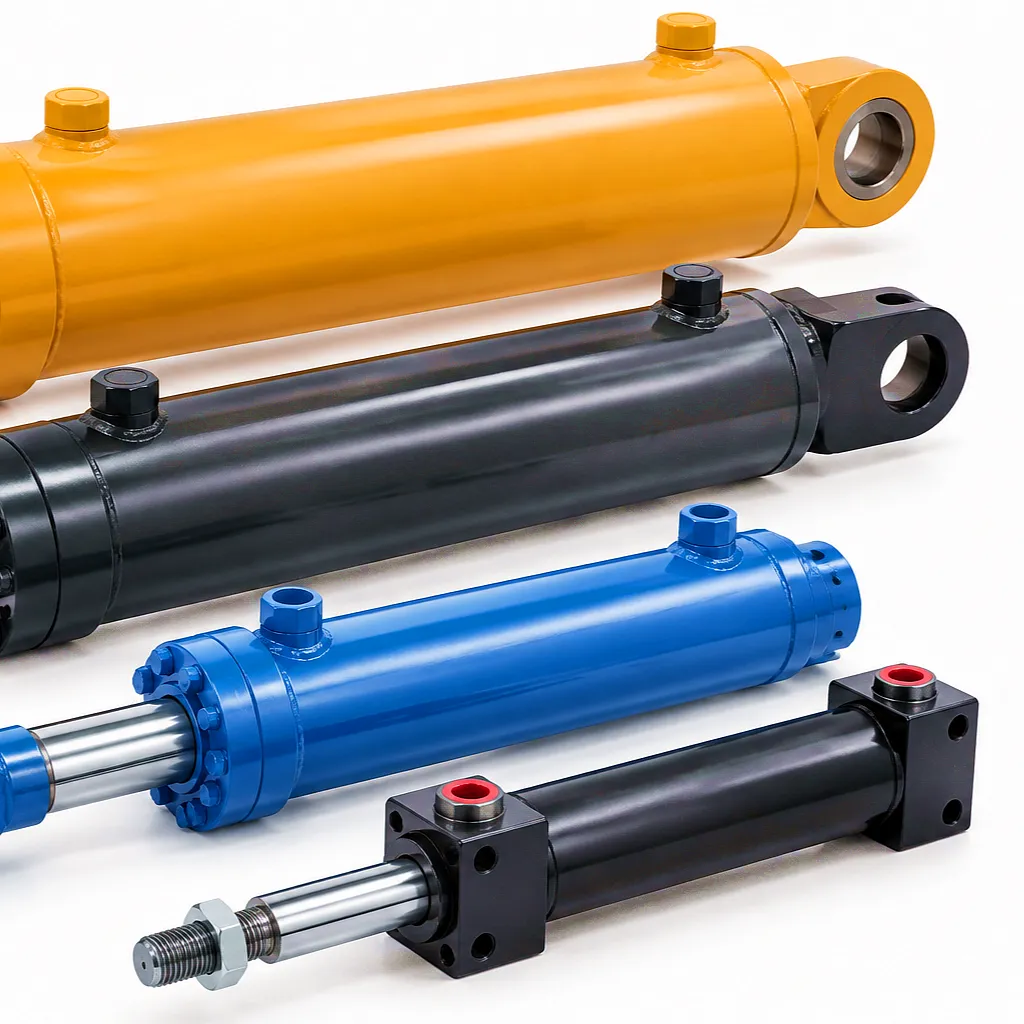
What UK Customers Say About Ever Power Hydraulic Cylinders
“We specified FKM seal cylinders from Ever Power for our Birmingham automotive press line after repeated failures with our previous supplier. The technical support during the specification process was impressive — their engineers asked questions about our duty cycle that no one had ever asked us before. Eighteen months in, zero seal failures. The build quality is genuinely excellent, and the lead time matched what they quoted exactly.”
Automotive Pressing Facility, Birmingham
“We needed a non-standard bore size and a very specific clevis configuration for our aggregate crushing plant in the Peak District. Ever Power came back with a compliant drawing within 48 hours of receiving our specification, and the finished cylinders arrived eight weeks later — exactly on schedule. The DDP delivery arrangement eliminated the customs complications we’d experienced with other overseas suppliers. Performance has been reliable through two harsh winter seasons with no issues whatsoever.”
Aggregate Processing, Derbyshire
“We run a mixed fleet of grain handling equipment across three farms in Lincolnshire. Ever Power supplied replacement cylinders for our grain dryer tipping rams and combine header lift cylinders at a price that was substantially below our previous OEM quotes, but with a build quality that has proven to be superior in practice. The fact that they can supply with full test certificates and material traceability documentation is important to us for our machinery safety files. I would not hesitate to recommend them to other arable operators across the UK.”
Arable Farming Enterprise, Lincolnshire
Frequently Asked Questions About Hydraulic Cylinder Maintenance in the UK
Real questions from UK plant engineers and procurement teams — answered directly.
How often should I replace the seals on a hydraulic cylinder used in a UK manufacturing plant?
Seal replacement intervals depend on operating pressure, temperature, cycle frequency, and fluid cleanliness rather than calendar time alone. In a typical UK manufacturing environment with well-maintained fluid and alignment, polyurethane rod seals may last two to three years in moderate-duty applications. In high-temperature or high-cycle environments — press shops, forge facilities — annual seal replacement as a planned maintenance item is generally more cost-effective than waiting for failure. Oil analysis data that consistently shows elevated particle counts indicates accelerated seal wear risk, which should trigger earlier inspection.
What is the typical price and lead time for a custom hydraulic cylinder from a UK-focused supplier, and how do I get an accurate quote?
Custom hydraulic cylinder pricing varies considerably based on bore size, stroke length, operating pressure rating, material specifications, and quantity. For a single bespoke cylinder in the 80–160 mm bore range at standard industrial pressures, indicative pricing from a quality manufacturer typically falls in the range of several hundred to a few thousand pounds depending on complexity. To receive an accurate quote, suppliers need your bore diameter, rod diameter, stroke, maximum working pressure, mounting style, seal material requirement, and any applicable certification needs. Ever Power responds to detailed enquiries at [email protected] with firm quotations typically within 24 to 48 hours of receiving a complete specification. Lead times from drawing approval to despatch are typically four to six weeks for bespoke orders.
Which type of hydraulic fluid is best for extending the service life of cylinders in cold UK winter conditions?
For UK outdoor applications subject to sub-zero starts — agricultural equipment in Scotland and northern England, construction plant in highland areas — a mineral hydraulic fluid with a multigrade formulation (such as ISO VG 32 or a dedicated HV-grade hydraulic oil with a high viscosity index above 150) is preferable to a standard monograde ISO VG 46. The HV-grade oils maintain adequate viscosity at low temperatures to protect pump and cylinder components during cold starts, while remaining within the correct viscosity band at operating temperature. Anti-wear additive packages and high-quality demulsifying additives are also important in the UK’s moisture-rich climate. Consult your hydraulic fluid supplier and cross-reference their recommendations with the cylinder manufacturer’s minimum viscosity requirements at cold-start conditions.
Where can I find a reliable hydraulic cylinder supplier in the UK who can deliver custom heavy-duty cylinders within a short lead time for an urgent project?
UK plant engineers with urgent cylinder requirements have several options. Domestic rebuild specialists can often re-seal and refurbish an existing cylinder within days, which is practical for like-for-like replacements. For new bespoke cylinders, international manufacturers with dedicated UK account teams and established logistics routes — such as Ever Power, supplying via Felixstowe or Southampton on DDP terms — can typically deliver finished custom cylinders in four to six weeks. For the most urgent situations, Ever Power’s team can discuss expedited manufacturing options. Contacting [email protected] with a complete specification at the earliest opportunity gives the highest probability of meeting a compressed programme.
How do I know when a hydraulic cylinder rod needs re-chroming rather than just a seal replacement, and what does this process cost in the UK?
A hydraulic cylinder rod needs re-chroming when the surface shows pitting deeper than approximately 0.05 mm, scoring marks that traverse the full circumference of the rod or extend along its length, or visible chrome delamination or flaking. A straightforward seal replacement on a rod with these conditions will fail within a short time, as the damaged surface destroys the new seal. UK chrome rod specialists typically charge between £150 and £800 for a re-chrome on a standard-length industrial rod depending on diameter and condition, with the process including stripping the old chrome, assessing the substrate, building back to diameter if necessary, plating, and grinding to the required surface finish. For rods that are deeply scored or bent beyond acceptable runout limits, replacement with a new rod from the cylinder manufacturer is generally more economical than attempting repair.
What maintenance checks should a plant engineer in Sheffield or Birmingham carry out after installing a replacement hydraulic cylinder on a press machine?
After installing a replacement hydraulic cylinder on an industrial press, the following sequence of checks should be completed before returning to full production load. Verify that all hydraulic port connections are correctly rated and torqued, using thread sealant appropriate for the pressure rating. Bleed air from the cylinder by cycling it slowly at low pressure — typically no more than 25 bar — through five to ten complete strokes before progressively increasing to working pressure. Check alignment using a dial gauge on the rod at full extension to confirm runout is within the manufacturer’s specification. Set and verify the system relief valve at the correct value for the application using a calibrated test gauge. Record a baseline system pressure and temperature reading at steady-state conditions for future comparative reference, and schedule the first oil analysis sample at 250 operating hours after installation to verify system cleanliness post-installation.
Specify Your Hydraulic Cylinder with Ever Power
Contact our UK-focused engineering team for a technical consultation, custom specification review, or competitive quotation. Response guaranteed within 24 hours on working days.
 Korean
  English
  Italian
  Portuguese
  Dutch
Dutch  Swedish
  Danish
  Finnish
  Polish
  Hindi
Hindi  Kazakh
  Turkish
  Ukrainian
  Romanian
  Spanish
  German
  Russian
  Japanese
  Vietnamese
  Thai
Thai  Indonesian
  Malay
Malay  French
  Greek
Greek