
Penerangan Produk
Penerangan Produk
| Bore of cylinder’s first stage | Strok | Upper mouting | Upper mouting | Mounting dimension | Working pressure | ||
| Diameter of the hole | Deep | Diameter of the hole | Deep | ||||
| 5 | 84.00 | 1.63 | 1.50 | 2.00 | 7.00 | 41.09 | 2500 |
| 6 | 120.06 | 2.00 | 2.00 | 2.00 | 7.00 | 52.62 | 2500 |
| 7 | 120.00 | 2.00 | 2.00 | 2.00 | 8.25 | 53.12 | 2500 |
| 8.125 | 234.00 | 2.00 | 2.00 | 2.00 | 9.50 | 64.62 | 2500 |
| 9.375 | 235.00 | 2.00 | 2.00 | 2.00 | 10.88 | 65.44 | 2500 |
| L2 | L3 | L4 | L5 | L6 | ØA | Fitting | Workable container length | Rear suspension length | Lift angle | Lift capacity | Oil tank volume |
| 65 | 360 | 60 | 325 | 1585 | Ø60 | G1 | 4700-5300 | 800 | 47-52° | 43 | 80 |
| 65 | 360 | 60 | 325 | 1270 | Ø60 | G1 | 4700-5300 | 800 | 47-52° | 31 | 80 |
| 65 | 360 | 60 | 325 | 1390 | Ø60 | G1 | 5300-6000 | 800 | 47-52° | 36 | 80 |
| 65 | 360 | 60 | 325 | 1510 | Ø60 | G1 | 5800-6500 | 800 | 47-52° | 36 | 80 |
| 65 | 360 | 60 | 325 | 1385 | Ø60 | G1 | 5300-5800 | 800 | 47-52° | 53 | 80 |
| 65 | 360 | 60 | 325 | 1505 | Ø60 | G1 | 5800-6500 | 800 | 47-52° | 53 | 100 |
| 65 | 360 | 60 | 325 | 1580 | Ø60 | G1 | 6200-6800 | 800 | 47-52° | 58 | 100 |
| 65 | 360 | 60 | 325 | 1655 | Ø60 | G1 | 6600-7200 | 800 | 47-52° | 58 | 100 |
| 65 | 360 | 60 | 325 | 1125 | Ø60 | G1 | 5000-5500 | 800 | 47-52° | 46 | 80 |
| 65 | 360 | 60 | 325 | 1165 | Ø60 | G1 | 5300-6000 | 800 | 47-52° | 46 | 80 |
| 65 | 360 | 60 | 325 | 1265 | Ø60 | G1 | 5800-6500 | 800 | 47-52° | 49 | 80 |
| 65 | 360 | 60 | 325 | 1340 | Ø60 | G1 | 6200-6800 | 800 | 47-52° | 49 | 80 |
| 65 | 360 | 60 | 325 | 1385 | Ø60 | G1 | 6600-7200 | 800 | 47-52° | 49 | 80 |
| 65 | 360 | 65 | 325 | 1455 | Ø60 | G1 | 5600-6300 | 800 | 47-52° | 66 | 120 |
| 65 | 360 | 65 | 325 | 1505 | Ø60 | G1 | 5800-6500 | 800 | 47-52° | 66 | 120 |
| 65 | 360 | 65 | 325 | 1580 | Ø60 | G1 | 6200-6800 | 800 | 47-52° | 70 | 120 |
| 65 | 360 | 65 | 325 | 1655 | Ø60 | G1 | 6600-7200 | 800 | 47-52° | 70 | 120 |
| 65 | 360 | 65 | 325 | 1750 | Ø60 | G1 | 7200-8000 | 1000 | 47-52° | 70 | 135 |
| 65 | 360 | 65 | 325 | 1270 | Ø60 | G1 | 7200-8000 | 1000 | 47-52° | 49 | 120 |
| 65 | 360 | 65 | 325 | 1675 | Ø65 | G1 | 6600-7200 | 800 | 47-52° | 92 | 165 |
| 65 | 360 | 65 | 325 | 1770 | Ø65 | G1 | 7200-8000 | 1000 | 47-52° | 96 | 165 |
| 65 | 360 | 65 | 325 | 1870 | Ø65 | G1 | 8000-8500 | 1000 | 47-52° | 96 | 185 |
| 65 | 360 | 65 | 325 | 1770 | Ø65 | G1 | 8700-9500 | 1000 | 47-52° | 88 | 185 |
Company Profile
Pensijilan
Pembungkusan & Penghantaran
Soalan Lazim
Q1: Can your cylinders with HYVA ones ?
Yes, our cylinders can replace HYVA ones well, with same technical details and mounting sizes
Q2: What’s your cylinder’s advantages ?
The cylinders are made under strictly quality control processing.
All the raw materials and seals we used are all from world famous companies.
Cost effective
Q3: When your company be established ?
Our company be established in 1996, and we are professional for hydraulic cylinders for more than 25 years.
And we had passed IATF 16949:2016 Quality control system.
Q4: How about the delivery time ?
For samples about 20 days. And 15 to 30 days about mass orders.
Q5: How about the cylinder’s quality gurantee ?
We have 1 year quality grantee of the cylinders.
| Pensijilan: | ISO9001, IATF 16949:2016 |
|---|---|
| Tekanan: | High Pressure |
| Suhu Kerja: | Suhu Biasa |
| Cara Lakonan: | Double Acting |
| Kaedah Kerja: | Perjalanan Lurus |
| Borang yang Diselaraskan: | Jenis Terkawal |
| Sampel: |
US$ 1000/Keping
1 Keping (Pesanan Minimum) | |
|---|
| Penyesuaian: |
Tersedia
|
|
|---|
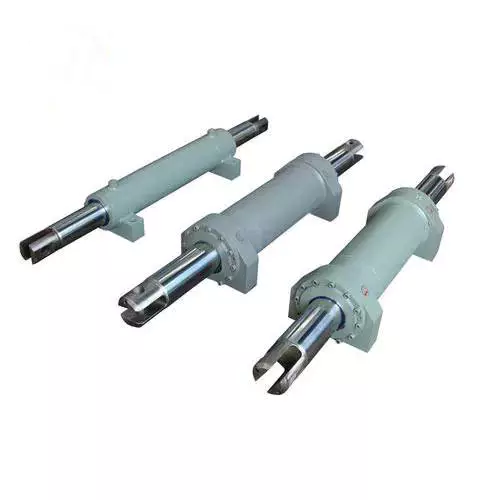
Bagaimanakah pengeluar memastikan ketahanan dan kebolehpercayaan silinder hidraulik?
Pengilang menggunakan pelbagai strategi dan teknik untuk memastikan ketahanan dan kebolehpercayaan silinder hidraulik. Langkah-langkah ini penting kerana silinder hidraulik sering tertakluk kepada keadaan operasi yang mencabar dan beban berat. Untuk memastikan ketahanan dan prestasi yang boleh dipercayai, pengeluar memberi tumpuan kepada aspek berikut:
1. Bahan Berkualiti Tinggi:
– Pengilang menggunakan bahan berkualiti tinggi dalam pembinaan silinder hidraulik. Komponen seperti laras silinder, rod omboh, pengedap dan galas diperbuat daripada bahan yang mempunyai kekuatan, rintangan kakisan dan sifat rintangan haus yang sangat baik. Bahan biasa yang digunakan termasuk aloi keluli gred tinggi, rod bersalut krom dan salutan khusus. Pemilihan bahan yang sesuai memastikan silinder hidraulik dapat menahan tekanan, tekanan dan keadaan persekitaran yang dihadapi semasa operasi.
2. Reka Bentuk yang Kukuh:
– Silinder hidraulik direka bentuk untuk menahan beban tinggi dan keadaan operasi yang keras. Pengilang menggunakan perisian reka bentuk bantuan komputer (CAD) dan teknik analisis unsur terhingga (FEA) untuk mengoptimumkan integriti struktur dan prestasi silinder. Reka bentuk ini merangkumi faktor seperti ketebalan dinding yang betul, tetulang di kawasan kritikal dan saiz komponen yang sesuai. Amalan reka bentuk yang mantap memastikan silinder hidraulik dapat menahan daya dan tekanan yang dihadapinya, mencegah kegagalan pramatang dan memastikan ketahanan.
3. Proses Pembuatan Berkualiti:
– Pengilang mematuhi langkah kawalan kualiti yang ketat semasa proses pembuatan silinder hidraulik. Proses ini termasuk pemesinan jitu, kimpalan, rawatan haba dan kemasan permukaan. Juruteknik mahir dan jentera canggih digunakan untuk memastikan ketepatan dimensi, pemasangan komponen yang betul dan kualiti keseluruhan. Dengan mematuhi proses pembuatan dan piawaian kualiti yang ketat, pengeluar boleh menghasilkan silinder hidraulik dengan prestasi dan kebolehpercayaan yang konsisten.
4. Teknologi Pengedap:
– Sistem pengedap silinder hidraulik adalah penting untuk ketahanan dan kebolehpercayaannya. Pengilang menggunakan teknologi pengedap canggih seperti pengedap bibir, cincin-O dan pengedap komposit untuk mencegah kebocoran bendalir dan kemasukan bahan cemar. Pengedap yang direka bentuk dengan betul dan berkualiti tinggi memastikan silinder hidraulik dapat mengekalkan prestasinya dalam tempoh yang lama. Pengedap diuji untuk keserasiannya dengan bendalir hidraulik, rintangan tekanan dan daya tahan terhadap faktor persekitaran seperti suhu dan kelembapan.
5. Ujian Prestasi:
– Pengilang tertakluk kepada ujian prestasi yang ketat untuk silinder hidraulik bagi mengesahkan ketahanan dan kebolehpercayaannya. Ujian ini mensimulasikan keadaan operasi dunia sebenar dan menilai faktor seperti kapasiti beban, rintangan tekanan, hayat lesu dan kebocoran. Ujian prestasi membantu mengenal pasti sebarang kecacatan atau kelemahan reka bentuk dalam silinder hidraulik dan membolehkan pengeluar membuat penambahbaikan yang diperlukan. Dengan menjalankan ujian prestasi yang menyeluruh, pengeluar boleh memastikan bahawa silinder hidraulik memenuhi atau melebihi piawaian prestasi yang diperlukan.
6. Pematuhan dengan Piawaian Industri:
– Pengilang mematuhi piawaian dan peraturan industri untuk memastikan ketahanan dan kebolehpercayaan silinder hidraulik. Piawaian ini, seperti ISO 6020/6022 dan NFPA T3.6.7, menyediakan garis panduan untuk keperluan reka bentuk, pembuatan dan prestasi. Dengan mematuhi piawaian ini, pengeluar memastikan bahawa silinder hidraulik direka bentuk dan dibina untuk memenuhi kriteria kualiti dan keselamatan tertentu. Pematuhan dengan piawaian industri membantu mewujudkan garis dasar untuk ketahanan dan kebolehpercayaan serta menanamkan keyakinan terhadap prestasi silinder hidraulik.
7. Penyelenggaraan dan Servis Berkala:
– Pengilang memberikan cadangan untuk penyelenggaraan dan servis silinder hidraulik secara berkala. Ini termasuk garis panduan untuk pelinciran, pemeriksaan komponen dan penggantian bahagian haus seperti pengedap dan galas. Mematuhi garis panduan penyelenggaraan pengilang membantu memastikan ketahanan dan kebolehpercayaan silinder hidraulik jangka panjang. Penyelenggaraan yang kerap juga membolehkan pengesanan awal isu-isu yang berpotensi, mencegah kegagalan besar dan memanjangkan hayat perkhidmatan silinder hidraulik.
8. Sokongan Pelanggan dan Waranti:
– Pengilang menyediakan sokongan pelanggan dan perkhidmatan jaminan untuk menangani sebarang isu yang timbul dengan silinder hidraulik. Mereka menawarkan bantuan teknikal, panduan penyelesaian masalah dan penggantian komponen yang rosak. Jaminan ini memastikan pelanggan menerima silinder hidraulik yang andal dan tahan lama serta menyediakan jalan penyelesaian sekiranya berlaku sebarang kecacatan pembuatan atau kegagalan pramatang. Sokongan pelanggan yang kukuh dan dasar jaminan mencerminkan komitmen pengilang terhadap ketahanan dan kebolehpercayaan produk mereka.
Secara ringkasnya, pengeluar memastikan ketahanan dan kebolehpercayaan silinder hidraulik melalui penggunaan bahan berkualiti tinggi, amalan reka bentuk yang mantap, proses pembuatan yang ketat, teknologi pengedap canggih, ujian prestasi yang teliti, pematuhan dengan piawaian industri, garis panduan penyelenggaraan yang kerap dan sokongan pelanggan dengan perkhidmatan jaminan. Dengan memberi tumpuan kepada aspek-aspek ini, pengeluar boleh menghasilkan silinder hidraulik yang boleh menahan keadaan yang mencabar, menyediakan jangka hayat yang panjang dan memberikan prestasi yang boleh dipercayai dalam pelbagai aplikasi.
Ensuring Stable Performance of Hydraulic Cylinders Under Fluctuating Loads
Hydraulic cylinders are designed to provide stable performance even under fluctuating loads. They achieve this through various mechanisms and features that allow for efficient load control and compensation. Let’s explore how hydraulic cylinders ensure stable performance under fluctuating loads:
- Piston Design: The piston inside the hydraulic cylinder plays a crucial role in load control. It is typically equipped with seals and rings that prevent leakage of hydraulic fluid and ensure effective transfer of force. The piston design may incorporate features such as stepped or tandem pistons, which provide enhanced load-bearing capabilities and improved stability by distributing the load across multiple surfaces.
- Cylinder Cushioning: Hydraulic cylinders often incorporate cushioning mechanisms to minimize the impact and shock caused by fluctuating loads. Cushioning can be achieved through various methods, such as adjustable cushion screws, hydraulic cushioning valves, or elastomeric cushioning rings. These mechanisms slow down the piston’s movement near the end of the stroke, reducing the impact and preventing sudden stops that could lead to instability.
- Pressure Compensation: Fluctuating loads can result in pressure variations within the hydraulic system. To ensure stable performance, hydraulic cylinders are equipped with pressure compensation mechanisms. These mechanisms maintain a consistent pressure level in the system, regardless of load changes. Pressure compensation can be achieved through the use of pressure relief valves, compensating pistons, or pressure-compensated flow control valves.
- Flow Control: Hydraulic cylinders often incorporate flow control valves to regulate the speed of the cylinder’s movement. By controlling the flow rate of hydraulic fluid, the cylinder’s motion can be adjusted to match the changing load conditions. Flow control valves allow for smooth and controlled movement, preventing abrupt changes that could lead to instability.
- Feedback Systems: To ensure stable performance under fluctuating loads, hydraulic cylinders can be integrated with feedback systems. These systems provide real-time information on the cylinder’s position, velocity, and force. By continuously monitoring these parameters, the hydraulic system can make immediate adjustments to maintain stability and compensate for load fluctuations. Feedback systems can include position sensors, pressure sensors, or load sensors, depending on the specific application.
- Proper Sizing and Selection: Ensuring stable performance under fluctuating loads starts with proper sizing and selection of hydraulic cylinders. It is crucial to choose cylinders with appropriate bore size, rod diameter, and stroke length to match the anticipated load conditions. Oversized or undersized cylinders can lead to instability and reduced performance. Proper sizing also involves considering factors such as the required force, speed, and duty cycle of the application.
In summary, hydraulic cylinders ensure stable performance under fluctuating loads through features such as piston design, cushioning mechanisms, pressure compensation, flow control, feedback systems, and proper sizing and selection. These mechanisms and considerations allow hydraulic cylinders to provide consistent and controlled movement, even in dynamic load conditions, resulting in reliable and stable performance.
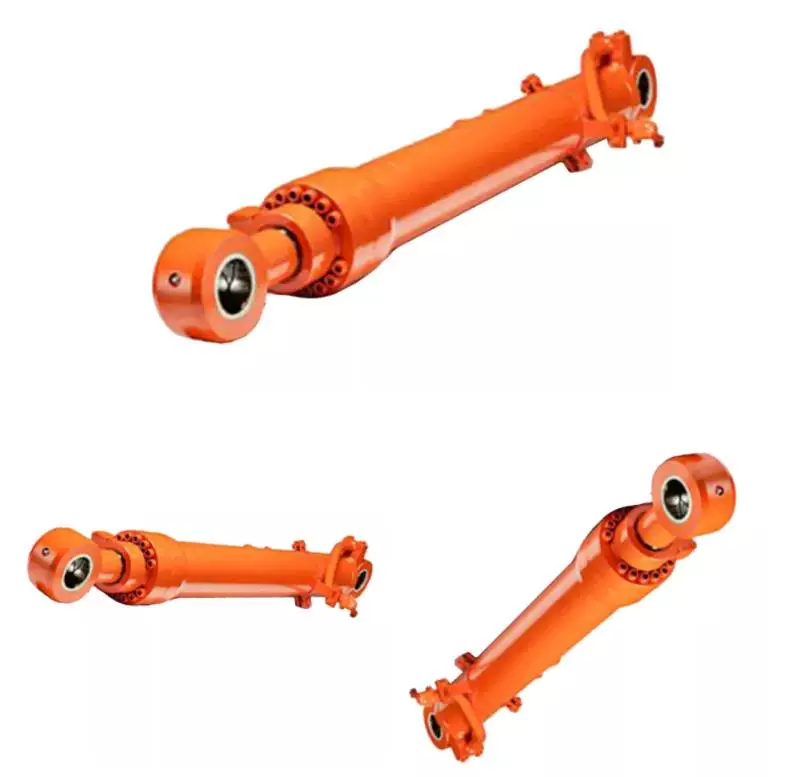
What benefits do hydraulic cylinders offer for tasks requiring heavy lifting or movement?
Hydraulic cylinders offer numerous benefits for tasks that involve heavy lifting or movement. Their unique design and characteristics make them well-suited for applications that require substantial force, precise control, and reliable operation. Here are the detailed benefits that hydraulic cylinders provide for such tasks:
1. High Force Generation:
– Hydraulic cylinders are capable of generating significant amounts of force. By utilizing hydraulic pressure, which can be easily amplified, hydraulic cylinders can exert substantial force to lift and move heavy loads. The force output of a hydraulic cylinder is directly proportional to the hydraulic pressure and the surface area of the piston. This high force capability makes hydraulic cylinders ideal for tasks that involve heavy lifting, pushing, or pulling.
2. Precise Control:
– Hydraulic cylinders offer precise control over the force and motion they generate. By regulating the flow of hydraulic fluid into the cylinder, the speed, direction, and position of the cylinder’s movement can be accurately controlled. This level of control is crucial for tasks that require precise positioning, delicate movements, or synchronization of multiple cylinders. It enables operators to perform operations with accuracy and minimize the risk of damage or accidents.
3. Safety:
– Hydraulic cylinders are designed with safety features to ensure the protection of both personnel and equipment. They incorporate overload protection mechanisms, such as relief valves, that prevent excessive force or pressure from damaging the system. Additionally, hydraulic cylinders allow for controlled and gradual movements, reducing the risk of sudden and uncontrolled motions that could pose safety hazards during heavy lifting or movement tasks.
4. Versatility and Adaptability:
– Hydraulic cylinders are versatile components that can be adapted to meet specific requirements. They can be customized based on factors such as force capacity, stroke length, speed, and mounting options, allowing them to be integrated into various types of machinery. This versatility makes hydraulic cylinders suitable for a wide range of applications, including construction, material handling, mining, agriculture, and more.
5. Smooth and Controlled Operation:
– Hydraulic cylinders provide smooth and controlled operation, ensuring efficient and reliable performance during heavy lifting or movement tasks. The hydraulic fluid acts as a cushioning medium, which helps dampen shocks and vibrations, resulting in smoother and quieter operation. This controlled operation also reduces the risk of damage to the load being lifted or the surrounding equipment.
6. Compact Design:
– Hydraulic cylinders offer a high power-to-size ratio, allowing for compact machinery design. Their relatively small size, compared to the forces they can generate, makes them suitable for applications where space is limited or weight restrictions apply. This compact design enables the integration of hydraulic cylinders into different types of equipment without compromising performance or efficiency.
7. Durability and Reliability:
– Hydraulic cylinders are built to withstand rigorous operating conditions and provide long-term reliability. They are constructed with robust materials, precise machining, and effective sealing systems to ensure durability and prevent fluid leakage. Hydraulic cylinders can withstand high pressures, heavy loads, and continuous use, making them suitable for demanding tasks involving heavy lifting or movement.
8. Energy Efficiency:
– Hydraulic cylinders contribute to energy efficiency in tasks requiring heavy lifting or movement. Hydraulic systems allow for the transfer of power over long distances without significant power losses. Additionally, hydraulic cylinders can incorporate energy-saving features such as load-sensing technology and regenerative circuits, which reduce energy consumption by optimizing the use of hydraulic fluid.
In summary, hydraulic cylinders offer several benefits for tasks that involve heavy lifting or movement. They provide high force generation, precise control, safety features, versatility, smooth operation, compact design, durability, and energy efficiency. These advantages make hydraulic cylinders indispensable components in various industries where heavy loads need to be lifted, pushed, or moved with accuracy and reliability.


editor by CX 2023-11-16
 Malay
Malay  English
  Italian
  Portuguese
  Dutch
Dutch  Swedish
  Danish
  Finnish
  Polish
  Hindi
Hindi  Kazakh
  Turkish
  Ukrainian
  Romanian
  Spanish
  German
  Russian
  Korean
  Japanese
  Vietnamese
  Thai
Thai  Indonesian
  French
  Greek
Greek