
Penerangan Produk
Products Description
|
Product Name |
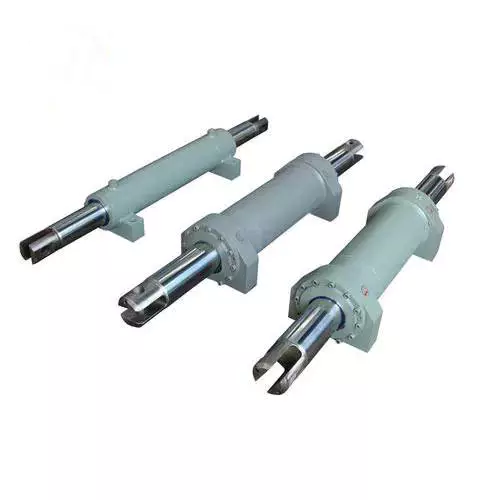
HSG Series Hydraulic Cylinder |
|||
|
Work Press |
7/14/16/21/31.5MPa 37.5/63MPa Can be Customized |
|||
|
Bahan |
Aluminum,Cast Iron,45mnb Steel,Stainless Steel |
|||
|
Bore Size |
40mm–320mm,Customizable |
|||
|
Shaft Diameter |
20mm–220mm,Customizable |
|||
|
Stroke Length |
30mm–14100mm,Customizable |
|||
|
Rod Surface Hardness |
HRC48-54 |
|||
|
Paint Color |
Black,Yellow,Blue,Brown,Customizable |
|||
|
Pemasangan |
Subang, Flange, Clevis.Foot, Trunnion, Boleh Disesuaikan |
|||
|
Warrenty |
1 Year |
|||
|
MOQ |
1 Piece |
|||
|
Delivery Time |
7-15 Days,Also depands on specific demands |
|||
|
Pensijilan |
ISO9001,CE |
|||
Company Profile
QIANGLIN HYDRAULIC MACHINERY CO., LTD
| QiangLin is a professional hydraulic equipment manufacturer, mainly engaged in hydraulic system design, manufacture, installation, transformation, sales, and technical services. Our manufacturing facilities are certified to the ISO 9001 standard. We are an approved supplier to many equipment manufacturers in China. We are also partners with many customers from America, Canada, Australia, Germany, England, and other European Countries. Product quality, shorter delivery time, and customer satisfaction are our long-term commitments to our CHINAMFG customers. Hope to be your partner. |
Soalan Lazim:
Q1: Are you a trading company or a manufacturer?
A: We have our own factory.
Q2: Are you able to make Non-standard or customized products?
A: Yes, we can.
Q3: How long is your delivery time?
A: Normally, the delivery time is 7 days if we have stock, 15-30 working days if we don’t. but it
also depends on the product
requirements and quantity.
Q4: Do you provide samples? are the samples free or not?
A: Yes, we can provide samples, but they are not free of charge.
Q5: What are your payment terms?
A: 30% deposit T/T or Irrevocable L/C at sight, If you have any questions, please feel free to
contact us.
Q6: What are your After-sales services?
A: Before shipment, Each individual product will be strictly inspected on our factory QC Process
System. In addition, We have a
Customer Service team to respond to customers’ questions within 12 hours. Being helpful in
solving customers’ problems is always our goal.
| Pensijilan: | CE, ISO9001 |
|---|---|
| Tekanan: | High Pressure |
| Suhu Kerja: | Suhu Biasa |
| Penyesuaian: |
Tersedia
|
|
|---|
.shipping-cost-tm .tm-status-off{background: none;padding:0;color: #1470cc}
|
Shipping Cost:
Estimated freight per unit. |
about shipping cost and estimated delivery time. |
|---|
| Payment Method: |
|
|---|---|
|
Initial Payment Full Payment |
| Currency: | US$ |
|---|
| Return&refunds: | You can apply for a refund up to 30 days after receipt of the products. |
|---|
Bagaimanakah pengeluar memastikan ketahanan dan kebolehpercayaan silinder hidraulik?
Pengilang menggunakan pelbagai strategi dan teknik untuk memastikan ketahanan dan kebolehpercayaan silinder hidraulik. Langkah-langkah ini penting kerana silinder hidraulik sering tertakluk kepada keadaan operasi yang mencabar dan beban berat. Untuk memastikan ketahanan dan prestasi yang boleh dipercayai, pengeluar memberi tumpuan kepada aspek berikut:
1. Bahan Berkualiti Tinggi:
– Pengilang menggunakan bahan berkualiti tinggi dalam pembinaan silinder hidraulik. Komponen seperti laras silinder, rod omboh, pengedap dan galas diperbuat daripada bahan yang mempunyai kekuatan, rintangan kakisan dan sifat rintangan haus yang sangat baik. Bahan biasa yang digunakan termasuk aloi keluli gred tinggi, rod bersalut krom dan salutan khusus. Pemilihan bahan yang sesuai memastikan silinder hidraulik dapat menahan tekanan, tekanan dan keadaan persekitaran yang dihadapi semasa operasi.
2. Reka Bentuk yang Kukuh:
– Silinder hidraulik direka bentuk untuk menahan beban tinggi dan keadaan operasi yang keras. Pengilang menggunakan perisian reka bentuk bantuan komputer (CAD) dan teknik analisis unsur terhingga (FEA) untuk mengoptimumkan integriti struktur dan prestasi silinder. Reka bentuk ini merangkumi faktor seperti ketebalan dinding yang betul, tetulang di kawasan kritikal dan saiz komponen yang sesuai. Amalan reka bentuk yang mantap memastikan silinder hidraulik dapat menahan daya dan tekanan yang dihadapinya, mencegah kegagalan pramatang dan memastikan ketahanan.
3. Proses Pembuatan Berkualiti:
– Pengilang mematuhi langkah kawalan kualiti yang ketat semasa proses pembuatan silinder hidraulik. Proses ini termasuk pemesinan jitu, kimpalan, rawatan haba dan kemasan permukaan. Juruteknik mahir dan jentera canggih digunakan untuk memastikan ketepatan dimensi, pemasangan komponen yang betul dan kualiti keseluruhan. Dengan mematuhi proses pembuatan dan piawaian kualiti yang ketat, pengeluar boleh menghasilkan silinder hidraulik dengan prestasi dan kebolehpercayaan yang konsisten.
4. Teknologi Pengedap:
– Sistem pengedap silinder hidraulik adalah penting untuk ketahanan dan kebolehpercayaannya. Pengilang menggunakan teknologi pengedap canggih seperti pengedap bibir, cincin-O dan pengedap komposit untuk mencegah kebocoran bendalir dan kemasukan bahan cemar. Pengedap yang direka bentuk dengan betul dan berkualiti tinggi memastikan silinder hidraulik dapat mengekalkan prestasinya dalam tempoh yang lama. Pengedap diuji untuk keserasiannya dengan bendalir hidraulik, rintangan tekanan dan daya tahan terhadap faktor persekitaran seperti suhu dan kelembapan.
5. Ujian Prestasi:
– Pengilang tertakluk kepada ujian prestasi yang ketat untuk silinder hidraulik bagi mengesahkan ketahanan dan kebolehpercayaannya. Ujian ini mensimulasikan keadaan operasi dunia sebenar dan menilai faktor seperti kapasiti beban, rintangan tekanan, hayat lesu dan kebocoran. Ujian prestasi membantu mengenal pasti sebarang kecacatan atau kelemahan reka bentuk dalam silinder hidraulik dan membolehkan pengeluar membuat penambahbaikan yang diperlukan. Dengan menjalankan ujian prestasi yang menyeluruh, pengeluar boleh memastikan bahawa silinder hidraulik memenuhi atau melebihi piawaian prestasi yang diperlukan.
6. Pematuhan dengan Piawaian Industri:
– Pengilang mematuhi piawaian dan peraturan industri untuk memastikan ketahanan dan kebolehpercayaan silinder hidraulik. Piawaian ini, seperti ISO 6020/6022 dan NFPA T3.6.7, menyediakan garis panduan untuk keperluan reka bentuk, pembuatan dan prestasi. Dengan mematuhi piawaian ini, pengeluar memastikan bahawa silinder hidraulik direka bentuk dan dibina untuk memenuhi kriteria kualiti dan keselamatan tertentu. Pematuhan dengan piawaian industri membantu mewujudkan garis dasar untuk ketahanan dan kebolehpercayaan serta menanamkan keyakinan terhadap prestasi silinder hidraulik.
7. Penyelenggaraan dan Servis Berkala:
– Pengilang memberikan cadangan untuk penyelenggaraan dan servis silinder hidraulik secara berkala. Ini termasuk garis panduan untuk pelinciran, pemeriksaan komponen dan penggantian bahagian haus seperti pengedap dan galas. Mematuhi garis panduan penyelenggaraan pengilang membantu memastikan ketahanan dan kebolehpercayaan silinder hidraulik jangka panjang. Penyelenggaraan yang kerap juga membolehkan pengesanan awal isu-isu yang berpotensi, mencegah kegagalan besar dan memanjangkan hayat perkhidmatan silinder hidraulik.
8. Sokongan Pelanggan dan Waranti:
– Pengilang menyediakan sokongan pelanggan dan perkhidmatan jaminan untuk menangani sebarang isu yang timbul dengan silinder hidraulik. Mereka menawarkan bantuan teknikal, panduan penyelesaian masalah dan penggantian komponen yang rosak. Jaminan ini memastikan pelanggan menerima silinder hidraulik yang andal dan tahan lama serta menyediakan jalan penyelesaian sekiranya berlaku sebarang kecacatan pembuatan atau kegagalan pramatang. Sokongan pelanggan yang kukuh dan dasar jaminan mencerminkan komitmen pengilang terhadap ketahanan dan kebolehpercayaan produk mereka.
Secara ringkasnya, pengeluar memastikan ketahanan dan kebolehpercayaan silinder hidraulik melalui penggunaan bahan berkualiti tinggi, amalan reka bentuk yang mantap, proses pembuatan yang ketat, teknologi pengedap canggih, ujian prestasi yang teliti, pematuhan dengan piawaian industri, garis panduan penyelenggaraan yang kerap dan sokongan pelanggan dengan perkhidmatan jaminan. Dengan memberi tumpuan kepada aspek-aspek ini, pengeluar boleh menghasilkan silinder hidraulik yang boleh menahan keadaan yang mencabar, menyediakan jangka hayat yang panjang dan memberikan prestasi yang boleh dipercayai dalam pelbagai aplikasi.
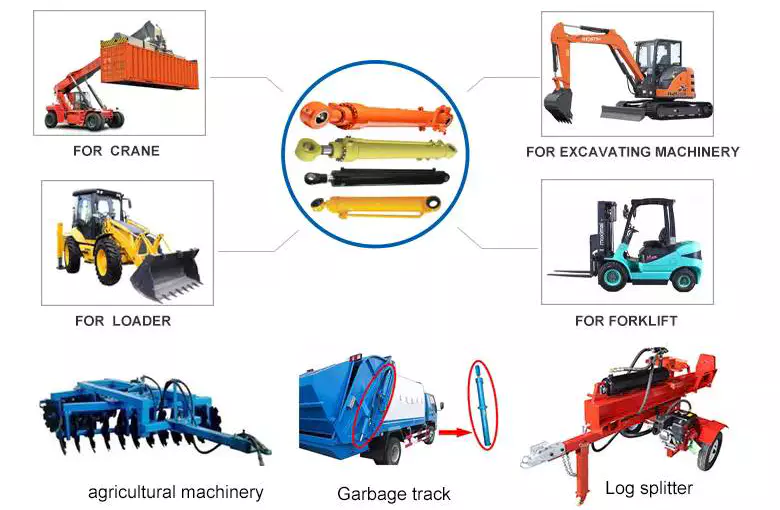
Integration of Hydraulic Cylinders with Equipment Requiring Rapid and Dynamic Movements
Hydraulic cylinders can indeed be integrated with equipment that requires rapid and dynamic movements. While hydraulic systems are generally known for their ability to provide high force and precise control, they can also be designed and optimized for applications that demand fast and dynamic motion. Let’s explore how hydraulic cylinders can be integrated with such equipment:
- High-Speed Hydraulic Systems: Hydraulic cylinders can be part of high-speed hydraulic systems designed specifically for rapid and dynamic movements. These systems incorporate features such as high-flow valves, optimized hydraulic circuitry, and responsive control systems. By carefully engineering the system components and hydraulic parameters, it is possible to achieve the desired speed and responsiveness, enabling the equipment to perform rapid movements.
- Valve Control: The control of hydraulic cylinders plays a crucial role in achieving rapid and dynamic movements. Proportional or servo valves can be used to precisely control the flow of hydraulic fluid into and out of the cylinder. These valves offer fast response times and precise flow control, allowing for rapid acceleration and deceleration of the cylinder’s piston. By adjusting the valve settings and optimizing the control algorithms, equipment can be designed to execute dynamic movements with high speed and accuracy.
- Optimized Cylinder Design: The design of hydraulic cylinders can be optimized to facilitate rapid and dynamic movements. Lightweight materials, such as aluminum alloys or composite materials, can be used to reduce the moving mass of the cylinder, enabling faster acceleration and deceleration. Additionally, the cylinder’s internal components, such as the piston and seals, can be designed for low friction to minimize energy losses and enhance responsiveness. These design optimizations contribute to the overall speed and dynamic performance of the equipment.
- Accumulator Integration: Hydraulic accumulators can be integrated into the system to enhance the dynamic capabilities of hydraulic cylinders. Accumulators store pressurized hydraulic fluid, which can be rapidly released to supplement the flow from the pump during high-demand situations. This stored energy can provide an extra boost of power, allowing for faster and more dynamic movements. By strategically sizing and configuring the accumulator, the system can be optimized for the specific rapid and dynamic requirements of the equipment.
- System Feedback and Control: To achieve precise and dynamic movements, hydraulic systems can incorporate feedback sensors and advanced control algorithms. Position sensors, such as linear potentiometers or magnetostrictive sensors, provide real-time position feedback of the hydraulic cylinder. This information can be used in closed-loop control systems to maintain precise positioning and execute rapid movements. Advanced control algorithms can optimize the control signals sent to the valves, ensuring smooth and dynamic motion while minimizing overshooting or oscillations.
In summary, hydraulic cylinders can be integrated with equipment that requires rapid and dynamic movements by utilizing high-speed hydraulic systems, employing responsive valve control, optimizing cylinder design, integrating accumulators, and incorporating feedback sensors and advanced control algorithms. These measures enable hydraulic systems to deliver the speed, responsiveness, and precision necessary for equipment operating in dynamic environments. By leveraging the capabilities of hydraulic cylinders, manufacturers can design and integrate systems that meet the requirements of applications demanding rapid and dynamic movements.
How do hydraulic cylinders ensure precise and controlled movement in equipment?
Hydraulic cylinders are widely used in various equipment and machinery to provide precise and controlled movement. They utilize hydraulic fluid and mechanical components to achieve accurate positioning, smooth operation, and reliable control. Here’s a detailed explanation of how hydraulic cylinders ensure precise and controlled movement in equipment:
1. Hydraulic Principle:
– Hydraulic cylinders operate based on Pascal’s law, which states that pressure exerted on a fluid is transmitted equally in all directions. The hydraulic fluid is contained within the cylinder, and when pressure is applied, it acts on the piston, generating force. By controlling the pressure and flow of hydraulic fluid, the movement of the cylinder can be precisely regulated, allowing for accurate and controlled motion.
2. Force and Load Management:
– Hydraulic cylinders are designed to handle specific loads and forces. The force generated by the hydraulic cylinder depends on the hydraulic pressure and the surface area of the piston. By adjusting the pressure, the force output can be controlled. This allows for precise management of the load and ensures that the cylinder can handle the required force without exerting excessive or insufficient force. Proper load management contributes to the precise and controlled movement of the equipment.
3. Control Valves:
– Control valves play a crucial role in regulating the flow and direction of hydraulic fluid within the cylinder. These valves allow operators to control the extension and retraction of the cylinder, adjust the speed of movement, and stop or hold the cylinder at any desired position. By manipulating the control valves, precise and controlled movement can be achieved, enabling operators to position equipment accurately and perform specific tasks with precision.
4. Flow Control:
– Hydraulic cylinders incorporate flow control valves to manage the rate of hydraulic fluid flow. These valves control the speed of the cylinder’s extension and retraction, allowing for smooth and controlled movement. By adjusting the flow rate, operators can precisely control the speed of the cylinder, ensuring that it moves at the desired rate without sudden or erratic movements. Flow control contributes to the overall precision and control of the equipment’s movement.
5. Position Sensing:
– To ensure precise movement, hydraulic cylinders can be equipped with position sensing devices such as linear transducers or proximity sensors. These sensors provide feedback on the position of the cylinder, allowing for accurate position control and closed-loop control systems. By continuously monitoring the position, the equipment’s movement can be controlled with high accuracy, enabling precise positioning and operation.
6. Proportional Control:
– Advanced hydraulic systems utilize proportional control technology, which allows for precise and fine-tuned control of the hydraulic cylinder’s movement. Proportional valves, often operated by electronic control systems, provide variable flow rates and pressure adjustments. This technology enables precise control of speed, force, and position, resulting in highly accurate and controlled movement of the equipment.
7. Cushioning and Damping:
– Hydraulic cylinders can incorporate cushioning and damping mechanisms to ensure smooth and controlled movement at the end of the stroke. Cushioning features, such as adjustable cushions or shock absorbers, reduce the impact and decelerate the cylinder before reaching the end of the stroke. This prevents abrupt stops and minimizes vibrations, contributing to precise and controlled movement.
8. Load Compensation:
– Some hydraulic systems utilize load compensation mechanisms to maintain precise movement even when the load varies. Load-sensing systems monitor the load demand and adjust the hydraulic pressure and flow accordingly to meet that demand. This compensation ensures that the equipment’s movement remains accurate and controlled, regardless of changes in the applied load.
In summary, hydraulic cylinders ensure precise and controlled movement in equipment through the application of hydraulic principles, force and load management, control valves, flow control, position sensing, proportional control, cushioning and damping mechanisms, and load compensation. These features and technologies allow operators to achieve accurate positioning, smooth operation, and reliable control, enabling equipment to perform tasks with precision and efficiency. The combination of hydraulic power and careful design considerations ensures that hydraulic cylinders deliver precise and controlled movement in a wide range of industrial applications.


editor by CX 2023-10-21
 Malay
Malay  English
  Italian
  Portuguese
  Dutch
Dutch  Swedish
  Danish
  Finnish
  Polish
  Hindi
Hindi  Kazakh
  Turkish
  Ukrainian
  Romanian
  Spanish
  German
  Russian
  Korean
  Japanese
  Vietnamese
  Thai
Thai  Indonesian
  French
  Greek
Greek